

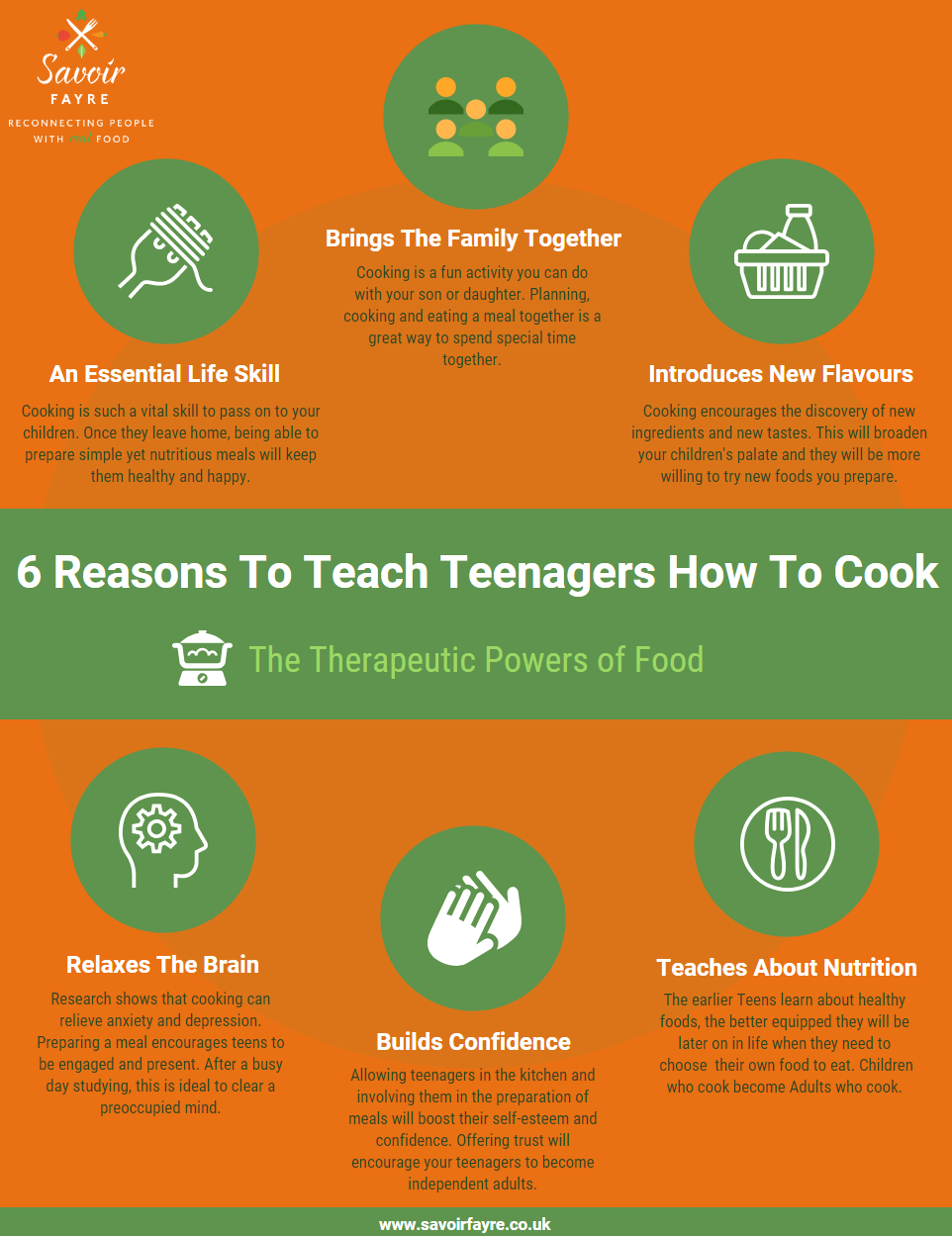
As young adults embark on their journey toward independence, one of the most vital skills they can acquire is cooking. While it may seem daunting at first, learning essential cooking skills is not only practical but also empowering.
One of the primary benefits of learning to cook is the ability to prepare healthier meals. When one cooks at home, they have complete control over the ingredients they use, allowing them to make healthier choices. Cooking at home encourages the use of fresh vegetables, lean proteins, and whole grains, which contribute to a balanced diet. Preparing one’s meals allows one to manage portion sizes more effectively than pre-packaged or restaurant meals. By cooking for oneself, one can limit one’s intake of processed foods that are often high in unhealthy fats, sugars, and sodium.
Eating out or relying on convenience foods can quickly drain one’s budget. Learning to cook can lead to significant savings. Cooking at home is generally less expensive than dining out. By purchasing ingredients in bulk and preparing meals oneself, one can save money over time. Learning to cook allows one to prepare meals in advance, reducing the temptation to order takeout when one is busy or tired.
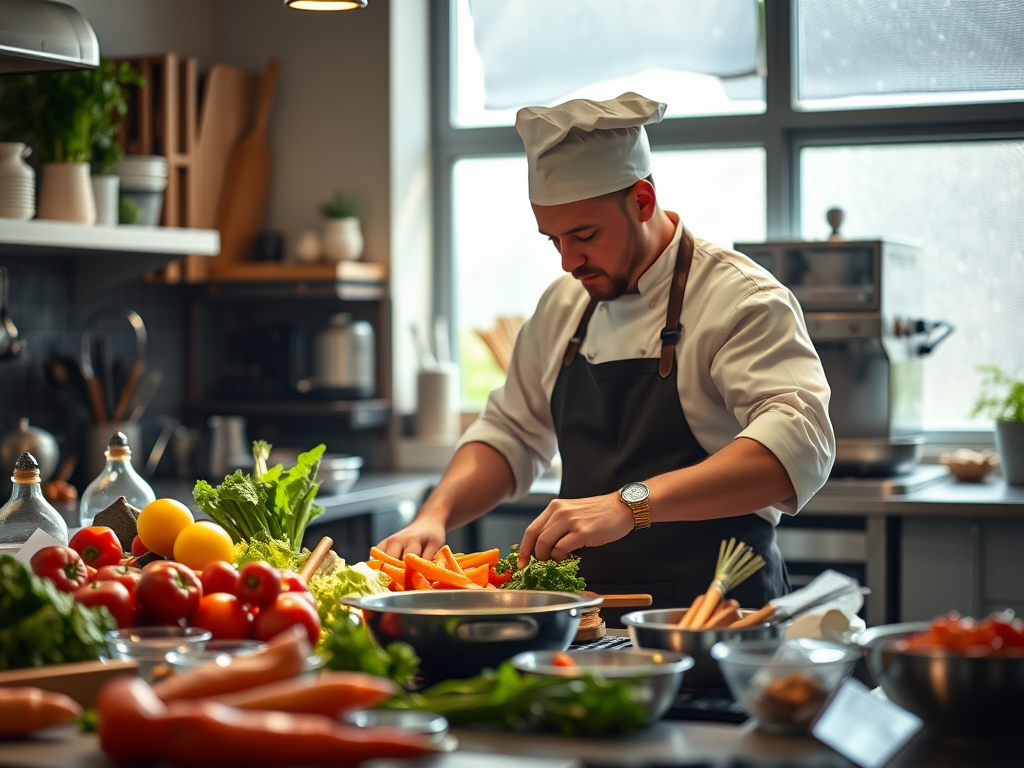
Cooking is a fundamental life skill that fosters independence. Knowing how to cook means one won’t have to rely on others for meals or resort to unhealthy takeout options. Mastering cooking skills enhances one’s confidence in the kitchen and empowers one to try new recipes and techniques.
Cooking can be a social activity that strengthens relationships. Preparing meals with friends or family creates opportunities for bonding and shared experiences. Being able to cook allows one to host dinner parties or gatherings, fostering connections with others.
Cooking is an art form that allows for creativity. The kitchen is a place where one can experiment with flavours and techniques, allowing for personal expression through food. Learning to cook opens doors to exploring various cuisines and culinary traditions from around the world.
Cooking is an essential life skill that everyone should possess. Knowing how to prepare one’s own meals is crucial for daily living and maintaining a healthy lifestyle. As young adults transition into adulthood, cooking skills will be valuable as they take on responsibilities like managing a household or caring for a family.
How Young Adults Can Learn Essential Cooking Skills
Learning to cook may seem overwhelming at first, but there are numerous resources and strategies available for young adults looking to develop their culinary skills.
- Start with simple recipes: Beginning with simple recipes helps build confidence in the kitchen. Choose easy dishes and start with recipes that have fewer ingredients and straightforward techniques. Gradually increase the complexity of the recipes as one gains confidence and moves on to more complex recipes that incorporate different cooking techniques.
- Watch cooking tutorials: Visual learning can be incredibly beneficial when it comes to cooking. Explore YouTube channels dedicated to cooking tutorials. Depending on the cuisine one is trying, there are multitudes of channels available with easy to complex recipes. Watching cooking shows can provide inspiration and teach valuable techniques while entertaining.
- Take a cooking class: Participating in a cooking class can provide valuable hands-on experience. Many local community centres or culinary schools offer beginner cooking classes where one can learn essential skills in a supportive environment. One can also consider enrolling in online cooking courses that provide structured lessons and access to professional chefs.
- Practice regularly: Like any skill, practice is key when it comes to cooking. Cook frequently and make it a habit to cook several times a week to build skills and confidence over time. Experiment with ingredients and explore new flavours and techniques.
- Utilise cookbooks: Cookbooks are valuable resources for learning how to cook. Look for cookbooks aimed at beginners that provide clear instructions and helpful tips. Organise recipes based on skill level or type of dish, like appetisers and main courses for easy reference as one builds one’s repertoire.
- Join a cooking community: Connecting with others who share one’s interest in cooking can enhance the learning experience. One can join online communities or social media groups focused on cooking where members share tips, recipes, and experiences, or look out for local meetups or events centred around cooking where one can meet fellow food enthusiasts.
Tips and tricks for learning essential cooking skills
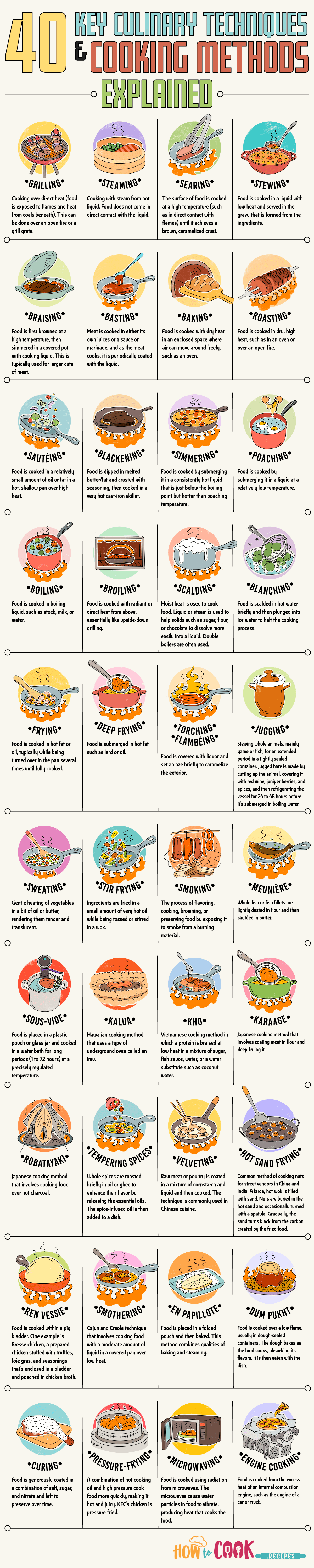
Some practical tips and tricks that young adults can use as they embark on their culinary journey would include mastering basic techniques and focusing on fundamental cooking techniques that will provide a solid foundation. One should learn how to properly chop, slice, dice, and mince ingredients; effective knife skills will improve efficiency in the kitchen. One must familiarise oneself with various cooking methods such as boiling, sautéing, roasting, baking, grilling, and steaming. Understanding these techniques will help adapt recipes based on what is available.
A well-organised kitchen makes cooking more enjoyable. Practice “mise en place,” which means having all the ingredients prepped and ready before starting to cook. This makes the process smoother and less stressful. Ensure essential tools like cutting boards, knives, pots, pans, measuring cups, and spoons are easily accessible during meal prep.
Before starting any recipe, read the recipe thoroughly to understand the steps and know what’s involved before diving into preparation. Gather all necessary ingredients before beginning to prevent mid-cooking surprises.
Taste as you go. Tasting throughout the cooking process helps develop the palate. Tasting dishes while preparing them allows one to adjust seasoning levels according to their preferences. Experiment with different spices and herbs; understanding how flavours work together will enhance one’s cooking skills.
Don’t fear mistakes; mistakes are part of the learning process. If a dish doesn’t turn out as expected, analyse what went wrong rather than getting discouraged; this helps improve future attempts. Experimentation is key, so don’t be afraid to try new things! Cooking should be fun—embrace creativity in the kitchen!
Invest in quality tools, as having the right tools makes a difference. Invest in quality kitchen tools such as sharp knives, sturdy cutting boards, pots/pans of various sizes (non-stick options are great), measuring cups/spoons, etc.
Make cooking an enjoyable experience rather than a chore. Invite friends or family members over for a fun group cooking night; sharing experiences makes it more enjoyable!
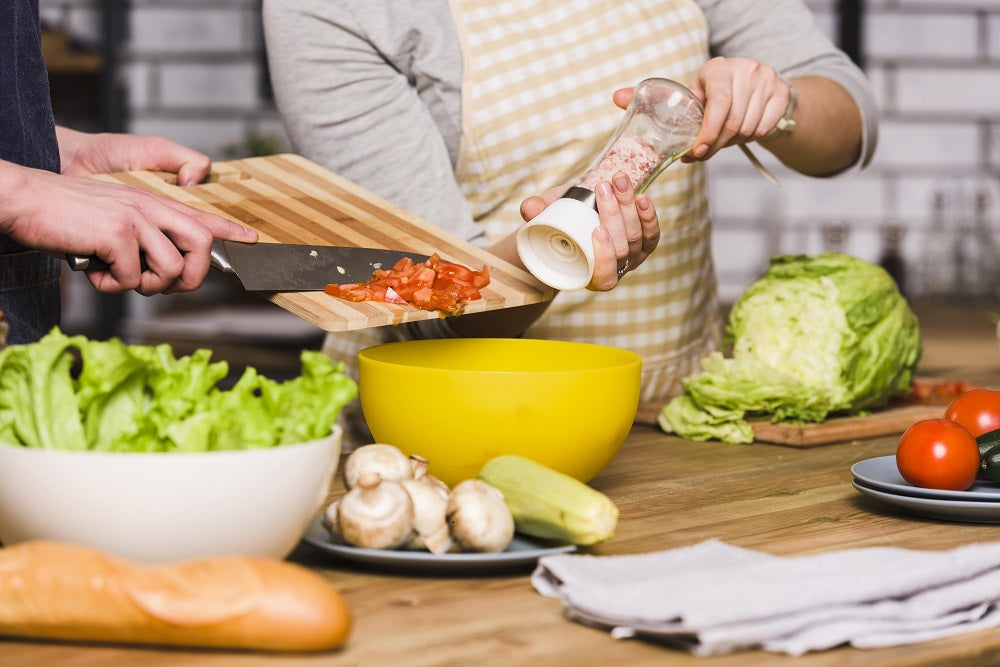
Learning essential cooking skills is an invaluable investment that pays off throughout life—offering benefits ranging from healthier eating habits and financial savings to increased independence! By starting small with simple recipes while gradually building confidence through practice, young adults can transform themselves into capable cooks who enjoy creating delicious meals!
Remember—it’s not just about mastering recipes; it’s about understanding techniques & developing creativity within the kitchen! Embrace mistakes along the way as opportunities for growth rather than setbacks—after all, the joy of cooking lies not only in what we create but also in how we learn & evolve through each experience!
So grab those pots & pans—get ready for an exciting culinary adventure ahead! With time & dedication, you’ll soon find yourself whipping up delightful dishes while impressing friends & family alike! Happy Cooking!
 Memories and Such