Recipes: Chikkad Chole

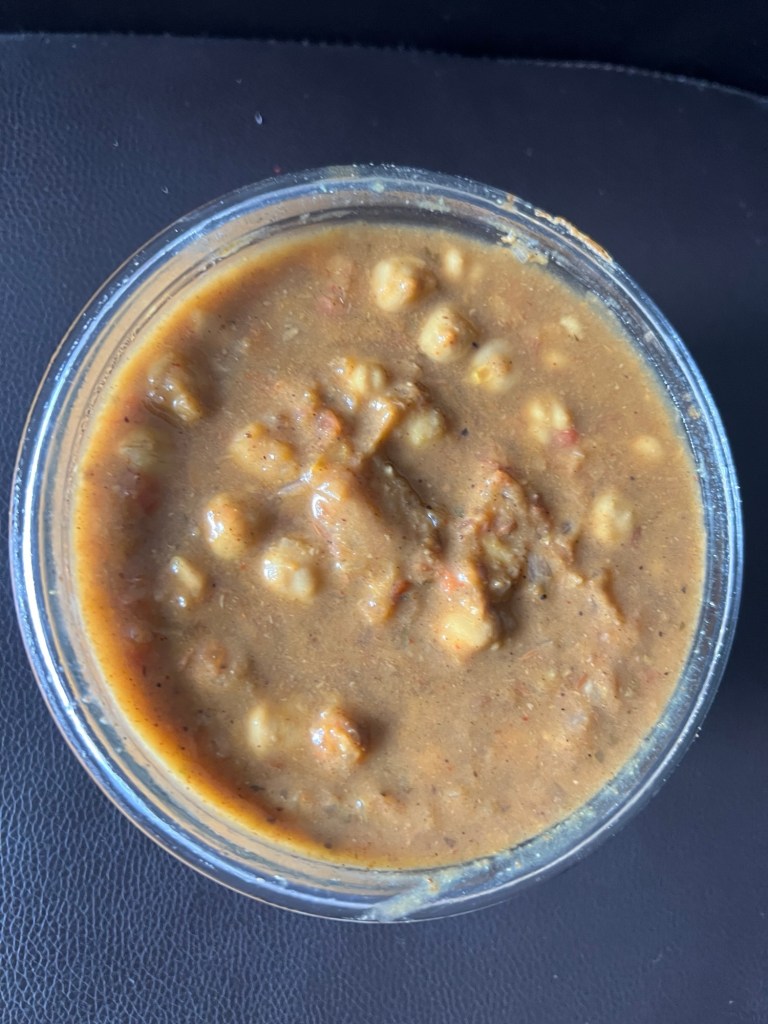
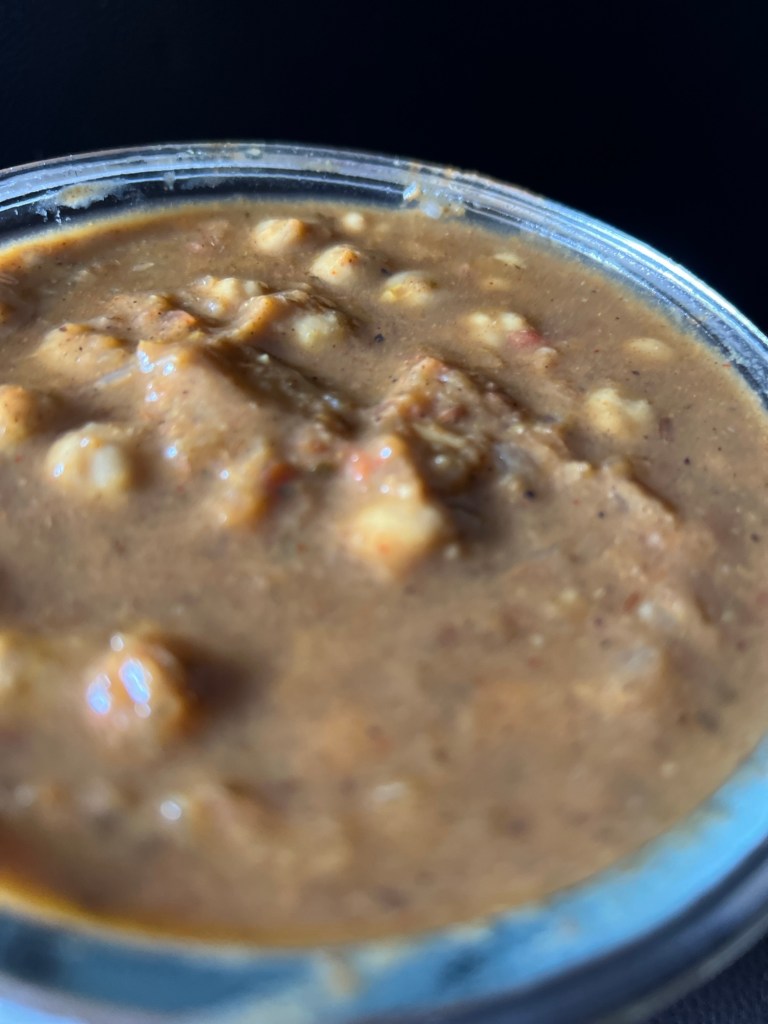
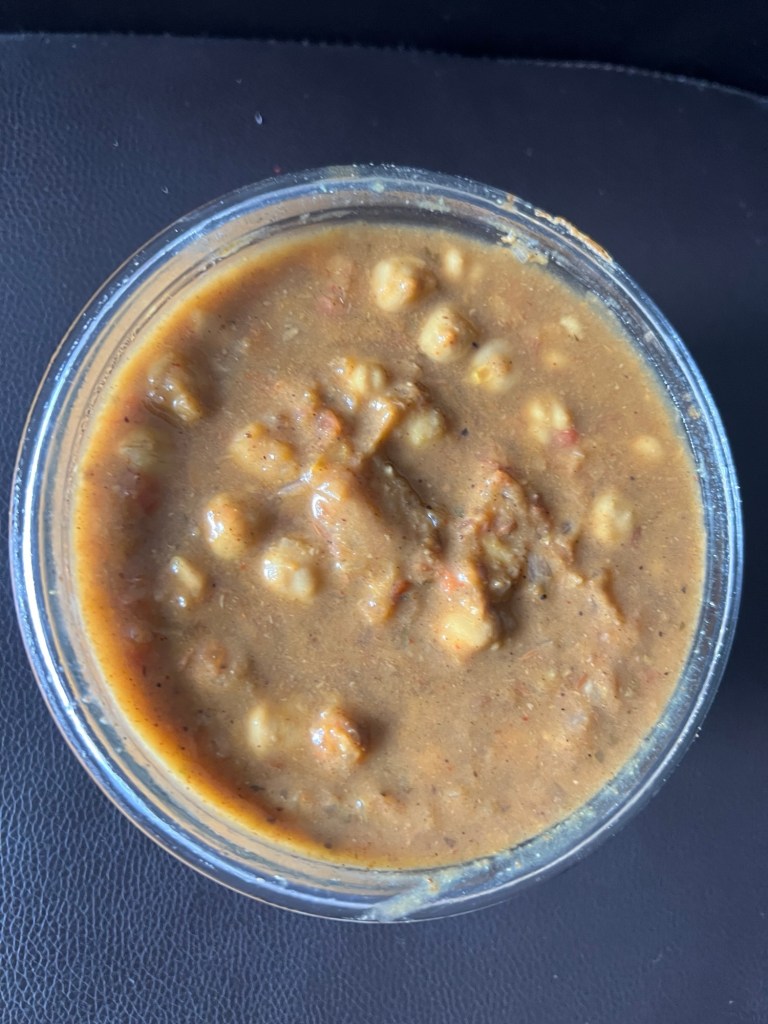
I had come across Chikkad Chole in a few reels and videos and had been intrigued by it enough that I wanted to try it. Also known as Chikkar Chole, Chikkad Chole is a traditional Punjabi chickpea curry beloved across the India-Pakistan border, with deep historical roots and cultural significance.

Chikkad Chole’s history is intertwined with Punjabi and Lahori culinary traditions. The name “chikkad” or “chikar” refers to the dish’s thick, mud-like consistency, achieved by mashing the chickpeas during cooking. It’s believed that the use of chickpeas, native to the Indian subcontinent and the Middle East, spread through ancient trade routes and became a staple in North Indian cuisine. Over centuries, chickpeas were adopted into Mughal kitchens, where the combination of spices and slow-cooking techniques developed into rich gravies that define today’s Chole recipes.

Many culinary legends suggest chole recipes gained prominence during the Mughal era, especially as royal cooks experimented with locally available pulses and spices. As communities moved due to the partition of India in 1947, food traditions like Chikkad Chole also migrated and became popular in cities like Delhi and Lahore, bringing comfort to families amidst upheaval. Famous eateries and individuals, such as Peshori Lal Lamba of Kwality Restaurant or street vendors in Paharganj, Delhi, played pivotal roles in popularising variations of Chole across urban India after the partition.

Chikkad Chole is more than just a dish; it’s a symbol of Punjabi hospitality and celebration. It’s a staple during festivals, gatherings, and community events, often enjoyed alongside bhature, naan, or rice. The tangy, spicy flavours, achieved with amchur, anardana, cardamom, and black salt, reflect the agricultural richness and multicultural influences of the Punjab region.

In Lahore, Chikar Cholay is cherished as a popular street food, with vendors serving thick, aromatic chickpea curry on bustling corners. Culinary techniques, such as adding black tea and dried amla, have become characteristic of the region’s style, giving the curry its unique colour and depth of flavour.

While the dish’s core ingredients remain chickpeas and spice blends, every household and city has its nuanced twist, from the amount of mashing to the combination of souring agents. The addition of anardana (pomegranate powder) and amchur (dried mango powder) is a relatively modern adaptation, providing the requisite tang available in today’s kitchens. With changing times, the recipe continues to evolve, adapting to personal preferences and regional ingredients while maintaining its legacy of bold taste and comforting texture.

Chikkad Chole

Ingredients:

  • 1.5 cups dried chickpeas (white kabuli or black chana), soaked overnight
  • 2 tea bags (for colour, optional)
  • 4 pieces dried Indian gooseberry (amla), optional
  • Salt to taste
  • 2 medium onions, finely chopped
  • 3 medium tomatoes, pureed
  • 2 medium-sized potatoes, peeled
  • 1-2 green chillies, slit
  • 1 inch ginger, cut into julienne plus extra for garnish
  • Oil for frying
  • ¼ tsp garam masala (optional, for garnish)

For the Chikkad Chole Masala

  • 1 black cardamom
  • 3 cloves
  • 1-inch cinnamon stick
  • ¼ tsp ajwain (carom seeds)
  • 1 tsp cumin powder
  • 1 tbsp coriander powder
  • ½ tsp red chilli powder
  • ¼ tsp black pepper powder
  • 1 tsp kasuri methi (dried fenugreek leaves)
  • 1 tsp amchur (dry mango powder)
  • 1 tsp anardana (pomegranate powder; optional, skip if avoiding)
  • 1 tsp kala namak (black salt)

Method:

  • For the masala, dry roast the spices until aromatic, then cool and grind into a fine powder.
  • Soak chickpeas overnight in plenty of water.
  • Drain and transfer to a pressure cooker. Add tea bags (for deep colour), potatoes and dried amla (if using) with water and salt.
  • Pressure cook until soft (usually 15-20 minutes, or 4-5 whistles).
  • In a heavy-bottomed pan, heat oil and sauté onions until golden brown.
  • Add julienned ginger and green chillies. Sauté for a minute.
  • Add pureed tomatoes and cook until the oil separates and the tomatoes are fully cooked.
  • Add the prepared Chikkad Chole masala blend and sauté for 2-3 minutes until fragrant.
  • Once the pressure reduces, drain the boiled chickpeas, reserve the water, and take about 3-4 tbsp of the cooked chole into a blender along with the boiled potatoes and blend into a smooth paste.
  • Add the paste into the pan and stir well.
  • Once it comes to a boil, add the cooked chickpeas, and mix everything together.
  • Add salt to taste and pour in some of the reserved water to achieve a thick consistency.
  • Simmer on low heat for 20-30 minutes, mashing some chickpeas to make the gravy thick.
  • Add garam masala and kasuri methi and mix before serving.
  • Add more ginger julienne and chopped coriander leaves before serving.
  • Serve piping hot with bhature, kulcha, naan, or rice for an authentic experience.

Notes:

  • Pomegranate powder (anardana) adds a distinct tang. If omitting, increase the dry mango powder slightly for tartness, or use just amchur instead.
  • The black tea bags and dried amla are for colour only, not essential for flavour.
  • For an even thicker, richer gravy, mash some chickpeas directly in the pan as the curry simmers.

Recipes: Bengali Cholar Dal

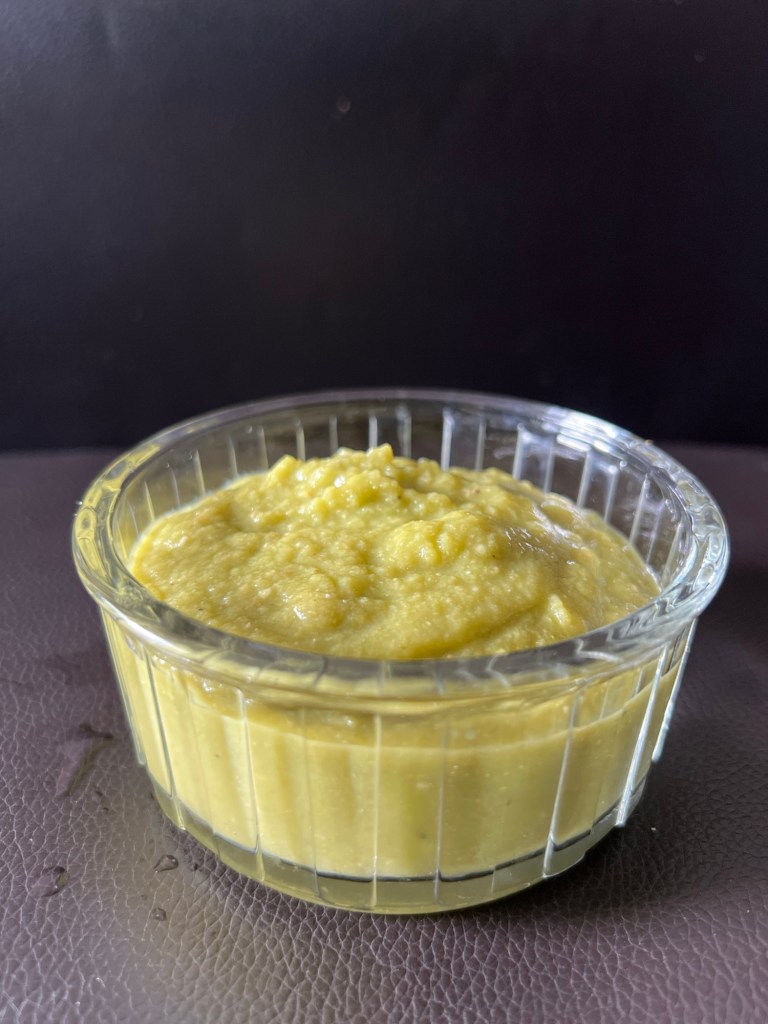
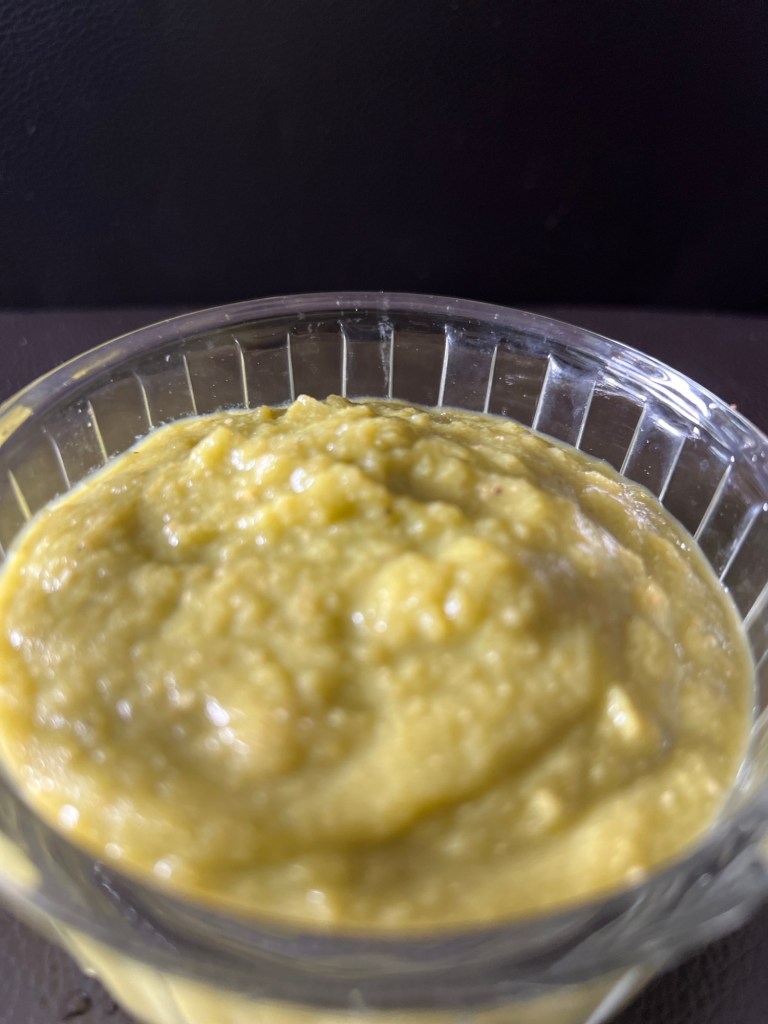
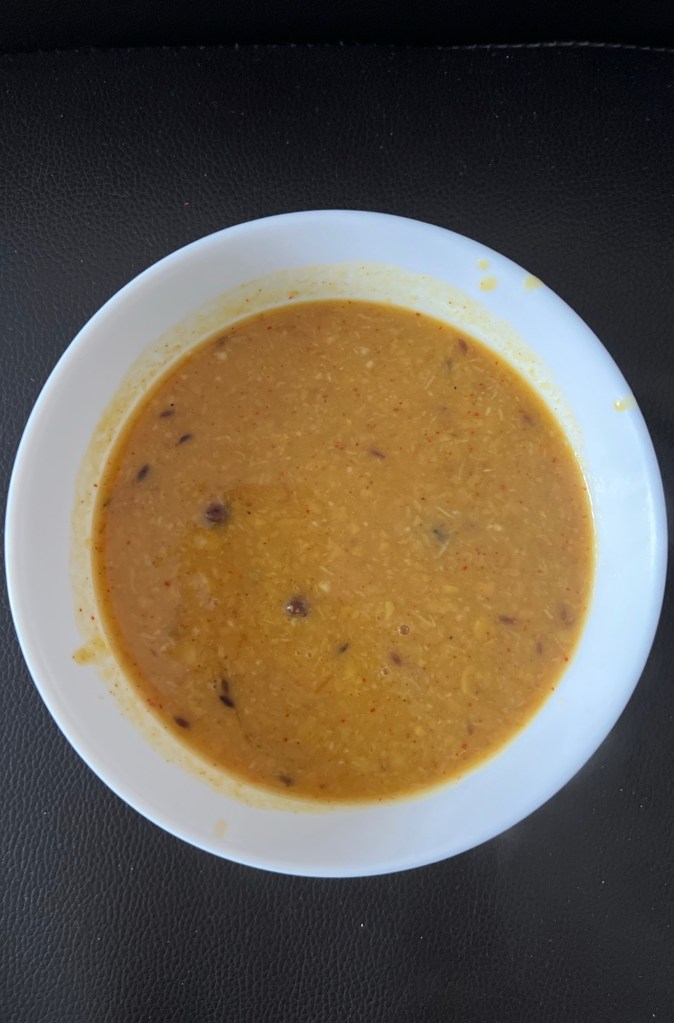
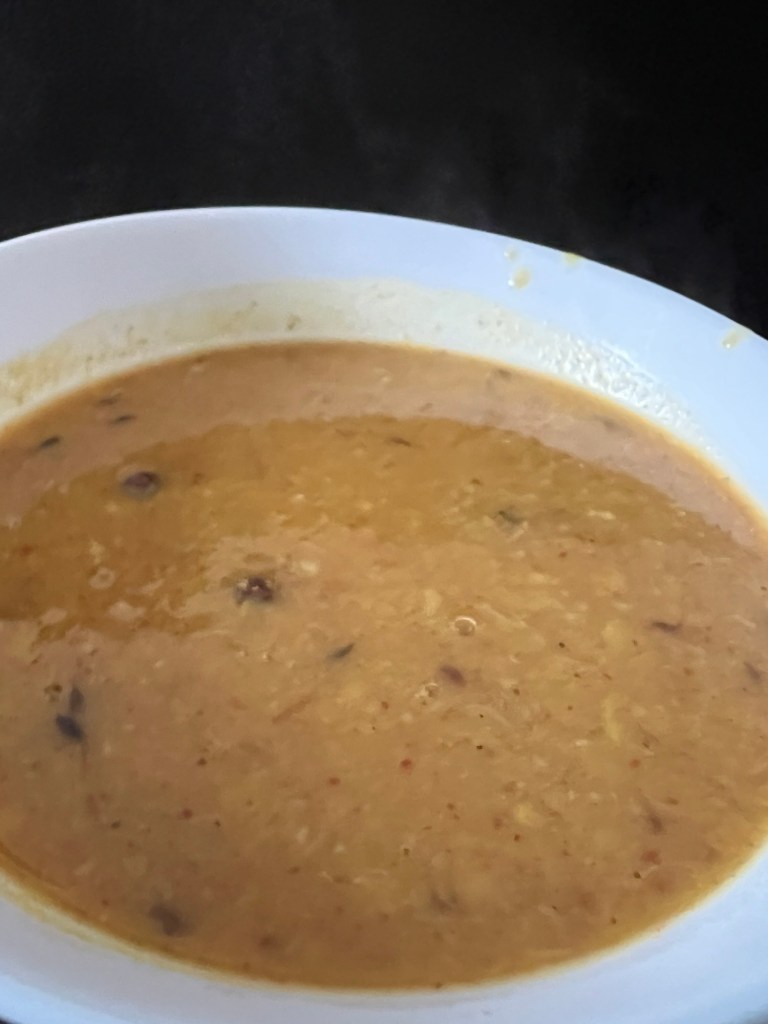
“Like a savoury payasam!” This was the verdict from my family when they tasted my Bengali Cholar Dal. I saw this recipe in a reel some months back and it had been in the back of my mind to make it one day. Well, that day happened to be earlier this month.

Cholar Dal is a classic Bengali dish made from chana dal or split Bengal gram and is often served with luchi which is a deep-fried Bengali bread or steamed rice during festivals and special occasions. The dal is part of celebration food and is served during festivals like Durga Puja, weddings, and other joyous occasions. Unlike everyday dals, this dish is slightly sweet and aromatic, reflecting Bengal’s love for a balance of flavours. Some legends say that Bengali zamindars, aka landowners and royals, used to enjoy cholar dal with luchi as a rich breakfast or during grand feasts. The use of ghee, coconut, and dry fruits indicates its origins in aristocratic kitchens, where meals were meant to be luxurious and flavourful.

The dal is a great source of plant-based protein, making it ideal for vegetarians. Because it is rich in fibre, it helps with digestion, promotes gut health, and aids in weight management. Its low glycemic index helps regulate blood sugar, making it suitable for diabetics. The dal is packed with iron & folate and so supports red blood cell production and prevents anemia. Finally, it helps lower cholesterol levels and supports cardiovascular health.

Bengali Cholar Dal

Ingredients

For the dal

  • 1 cup chana dal or Bengal gram
  • 3 cups water
  • ½ tsp turmeric powder
  • 1 tsp salt

For the tempering

  • 2 tbsp mustard oil or ghee
  • 1 tsp cumin seeds
  • 1 bay leaf
  • 1-inch cinnamon stick
  • 2 green cardamoms
  • 2 cloves
  • 1 dried red chilli
  • ½ teaspoon asafoetida or Hing

Other ingredients

  • 2 tbsp grated fresh coconut
  • 2 tbsp raisins
  • 1 tsp ginger paste
  • ½ tsp red chilli powder
  • ½ tsp garam masala
  • ½ tsp sugar or jaggery
  • ½ tsp roasted cumin powder
  • 1-2 green chillies
  • Finely chopped coriander leaves to garnish
  • Water to adjust for consistency
  • Method:
  • Wash chana dal thoroughly and soak it for 30 minutes to one hour in hot water to reduce cooking time.
  • Drain the water and pressure cook it with 3 cups of water, turmeric, and salt for 3-4 whistles or until soft but not mushy.
  • Mash lightly with the back of a spoon, keeping some texture intact. Set aside.
  • Heat mustard oil or ghee in a pan.
  • Once hot, add cumin seeds, bay leaf, cinnamon, cardamom, cloves, dried red chilli, and asafoetida. Sauté until fragrant.
  • Add grated coconut and sauté for 1-2 minutes until it turns golden.
  • Add ginger paste and sauté for a few seconds.
  • Stir in red chilli powder, jaggery, and raisins. Let it cook for a minute.
  • Pour the cooked chana dal into the pan and mix well. Adjust water for desired consistency.
  • Simmer for 5-7 minutes, stirring occasionally.
  • Add garam masala and roasted cumin powder, mix well, and turn off the heat.
  • Garnish with fresh coriander leaves and serve hot with luchi, puri, or rice.

Recipes: Methi Malai Mattar Pulao

For those who watch this space regularly, you would know how much I love one pot meals. Just put everything together in a rice cooker or pan and let it do its thing. Today’s recipe is my spin on the classic and creamy methi malai mattar. It’s a quick recipe and perfect for those days when you don’t want to spend time in the kitchen and also makes a great addition to someone’s lunchbox.

I didn’t have fresh methi, so I used dried methi or kasuri methi, but if you have fresh methi, go ahead and the recipe will be even tastier.

Methi Malai Mattar Pulao

Ingredients:

  • 1 cup basmati rice
  • 1 small onion, sliced
  • ½ cup fresh or frozen peas
  • ½ cup fresh or frozen paneer, cut into bite-sized pieces
  • 2 tbsp kasuri methi (if using fresh methi, use ½ cup)
  • 2 green chillies, slit
  • 1-inch piece of ginger, peeled and cut into strips
  • 2 tbsp ghee
  • 1 tsp cumin seeds
  • 1 medium-sized dried bay leaf
  • 3-4 cloves
  • 3-4 cardamom
  • 1 piece cinnamon
  • Salt to taste
  • 2 cups water

Method:

  • Wash the basmati rice well a few times and soak it for at least 30 minutes. Keep aside.
  • In a pan, heat the ghee, and when the ghee is warm, put in the cumin seeds and let the seeds pop.
  • Then add in the bay leaf, cloves, cardamom, and cinnamon and stir for a couple of seconds.
  • Add the sliced onions and sauté till the onions become translucent and start browning.
  • Then add the peas and sauté for a bit before adding the paneer pieces.
  • Now crush the kasuri methi in the palms of your hands and sprinkle it over the peas and paneer. If you are using fresh methi, chop it into small pieces and add it to the pan now.
  • Drain the rice, add it to the pan, and sauté for a minute.
  • Season the pulao with salt. My rule of thumb is about 1 tsp of salt per cup of rice, but salt as per your discretion.
  • If you are using a rice cooker, add the contents of the pan to the rice cooker and add 2 cups of water. Switch on and cook until done.
  • If continuing on the pan, add the water, lower the flame to medium-low, and cook covered until the rice is completely cooked. Depending on the rice used, you may want to add more water.
  • Once the rice is done in both the rice cooker and the pan, let it sit for at least 10 minutes before opening it.
  • Fluff the rice with a spoon and serve hot with a raita and some chips or crisps.

Recipes: Black Chana Chaat

Also known as Kala Chana Chaat, Black Chana Chaat is a nutritious and flavourful salad made from black chickpeas, fresh vegetables, and spices. Incorporating black chana into one’s diet offers several health benefits. Black chana is an excellent source of plant-based protein, making it a great option for vegetarians and vegans looking to meet their protein needs. The high fiber content in black chana aids digestion, helps maintain bowel health, and can contribute to weight management by promoting a feeling of fullness. Black chickpeas are rich in essential nutrients such as iron, magnesium, folate, and antioxidants. These nutrients support overall health and help prevent deficiencies. The fibre and potassium in black chana can help regulate blood pressure levels and lower cholesterol levels, contributing to heart health. Black chana’s low glycemic index helps regulate blood sugar levels, making it beneficial for those with diabetes or looking to manage their blood sugar. 

Ingredients:

  • 1 cup dry black chana or kala chana
  • ½ cup chopped cucumber
  • 1 medium tomato, chopped
  • ½ cup chopped onion
  • 1 medium-sized carrot, grated
  • 1 tbsp chopped coriander leaves
  • ¾ tsp black salt or regular salt to taste
  • ½ tsp chaat masala
  • ½ tsp red chilli powder as per taste
  • 2 tsp lemon juice 
  • ¼ tsp amchur or dried mango powder
  • ¼ tsp roasted cumin powder 
  • 2 tbsp extra virgin olive oil

Method:

  • Rinse the black chana under tap water well and soak them in 3 cups water for at least 6-8 hours or overnight. This helps soften them and reduces cooking time.
  • Drain the soaked chana and place them in a pressure cooker. Add 2.5 cups of water and cook for about 7-8 whistles or until tender. If using an Instant Pot, cook on high pressure for about 25 minutes with natural pressure release.
  • While the chana is cooking, chop the cucumber, tomato, onion, and grate the carrots. 
  • Finely chop the coriander leaves as well.
  • Combine the cooked black chana and chopped vegetables in a large mixing bowl. Add the finely chopped coriander leaves. 
  • In another smaller bowl, thoroughly mix the black salt, chaat masala, red chilli powder, amchur powder, cumin powder, lemon juice, and olive oil. 
  • Gently toss all the ingredients together until well-mixed. Taste and adjust seasoning if necessary.
  • Serve immediately as a refreshing snack or as a salad.

Recipes: Moth ani Mugachi Usal aka Sprouted Moong & Moth Curry

A powerhouse of nutrition, offering protein, fibre, and essential vitamins, this recipe is perfect for a balanced and wholesome meal. Served in all Maharashtrian homes, this usal is both spicy and healthy and even those who do not like sprouts will enjoy this dish. 

Sprouts are high in digestive enzymes that aid gut health, rich in *vitamins A, C, and K, boosting immunity, low in calories but high in protein and fibre, making them weight-loss-friendly, improve heart health by lowering cholesterol and blood pressure, and are great for blood sugar control due to their low glycemic index.

Moong sprouts made with whole green gram are high in protein, good for muscle repair and growth, and rich in folate, making them beneficial for pregnant women, easy to digest, suitable for all age groups, and help detoxify and promote glowing skin. Moth or Matki sprouts are packed with iron and folate, helping to prevent anaemia, are excellent for gut health, promote better digestion, are a good source of complex carbs, provide sustained energy, and are rich in antioxidants, supporting cell repair and reducing inflammation.  

Moth ani Mugachi Usal 

Ingredients:  

  • 1 cup sprouted moong or green gram  
  • 1 cup sprouted moth beans or matki  
  • 2 tbsp oil or ghee  
  • 1 tsp mustard seeds  
  • ½ tsp cumin seeds  
  • ¼ tsp asafoetida 
  • 1 sprig of curry leaves  
  • 2 green chillies, chopped  
  • 2 medium-sized onions, 1 finely chopped and 1 sliced
  • 1 medium-sized tomato, finely chopped 
  • 3-4 cloves of garlic
  • 1 inch piece of ginger
  • 2 tbsp coconut (either dry or fresh) 
  • ½ tsp turmeric powder  
  • 1 tsp red chilli powder  
  • 1 tsp goda masala 
  • 1 tsp coriander powder  
  • ½ tsp jaggery 
  • Salt to taste  
  • Water as needed
  • 2 tbsp grated coconut 
  • 2 tbsp fresh coriander leaves, chopped  

Method:

  • Wash and soak moong and moth beans overnight with enough water to cover the beans. In the morning, drain the beans and put them in a colander and keep covered for another 10-12 hours. Depending on the climate you are in, this make take less than 8 hours or upto 2 days to sprout. 
  • Heat 2 tbsp oil and in a pan and once the oil is hot, add the sliced onions, garlic and ginger and saute on medium flame until it changes colour slightly.
  • Then add the coconut and saute until it turns golden brown and the coconut is completely devoid of water. This is important because if the coconut is still fresh and wet, the curry may spoil if kept outside. You could also use dry coconut and if using dry coconut, just saute till it turns brown.
  • Cool completely and blend to a smooth paste adding enough water. Keep aside.
  • Heat oil in a pan. Add mustard seeds and let them splutter.  
  • Add cumin seeds, asafoetida, curry leaves, and chopped green chillies. Sauté for a few seconds.  
  • Add chopped onions and sauté until golden brown.  
  • Add tomatoes and cook until soft.  
  • Add turmeric, red chilli powder, coriander powder, and goda masala. Stir well.  
  • Add the sprouted moong and moth beans. Stir to coat them with spices.  
  • Add salt, jaggery (if using), and about ½ to 1 cup of water.  
  • Cover and cook for 10-15 minutes on low-medium heat until the sprouts soften but remain slightly crunchy.  
  • Garnish with finely chopped coriander leaves and serve hot with rice or rotis.
  • You can also squeeze a lemon wedge before eating for extra flavour.