Recipes: Potato Podi Curry

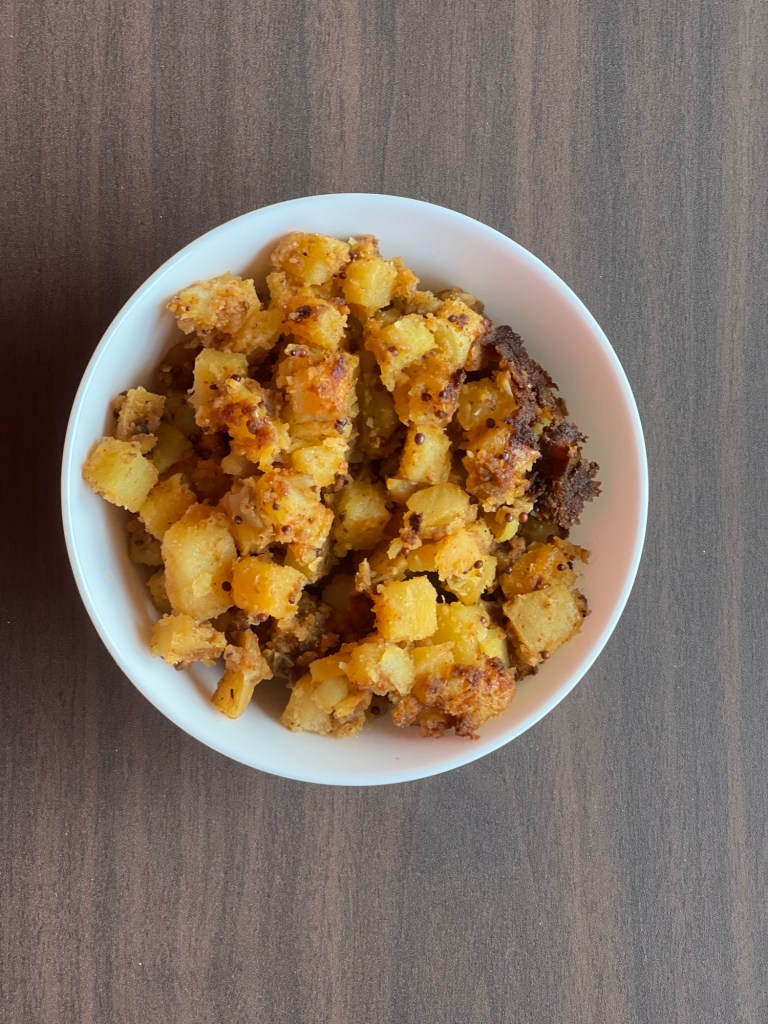
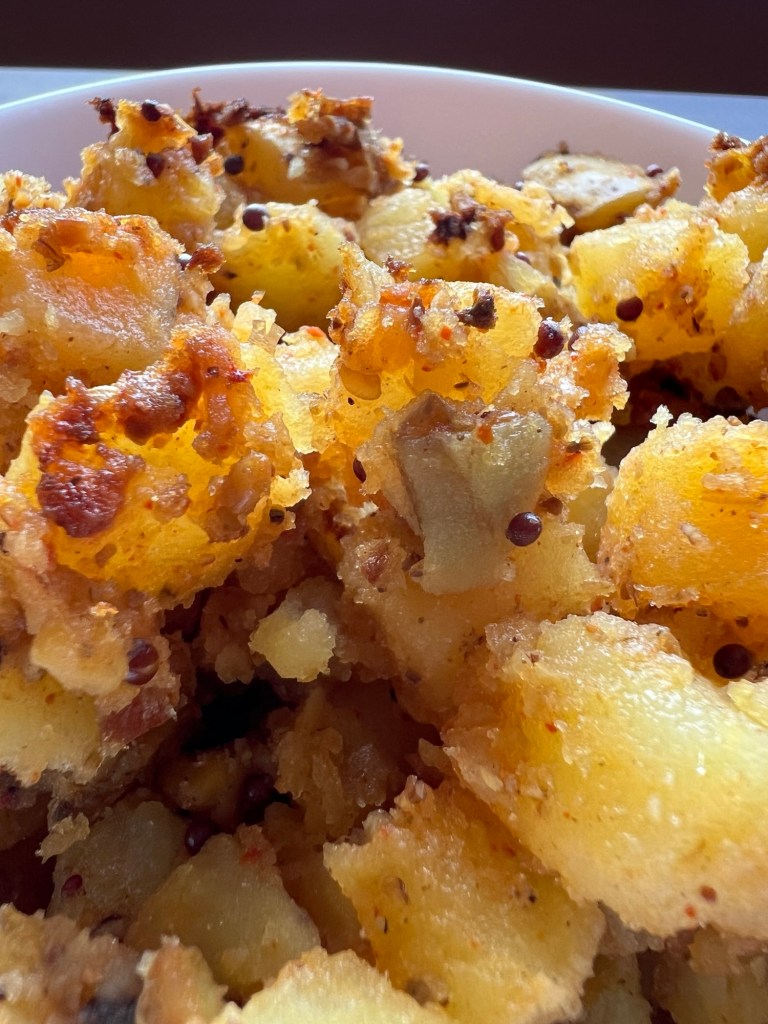
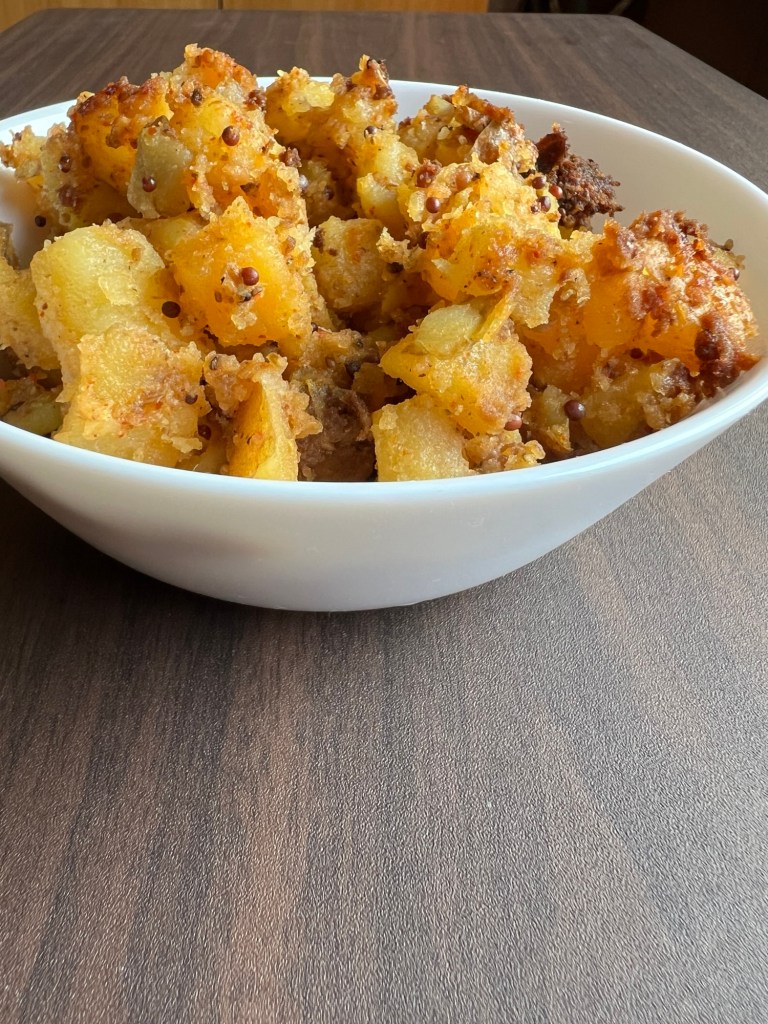
A staple in Tamil Brahmin weddings, Potato Podi Curry, or Urulai Kizhangu Kara Curry, holds a special place in Tamil Brahmin cuisine. This flavourful and spicy potato curry is made without onions and garlic, making it suitable for festive occasions. 

Potato Podi Curry 

Ingredients:

For the potatoes:

  • 4-5 medium-sized potatoes
  • ¼ tsp turmeric powder
  • ¼ tsp asafoetida powder
  • Salt to taste
  • 1 tbsp chopped coriander leaves 
  • 1 tbsp oil
  • 2 tsp mustard seeds
  • 10-12 curry leaves

For the Podi Powder

  • 2 tbsp coriander seeds
  • 2 tbsp chana dal (split Bengal gram)
  • 2 tbsp urad dal
  • 2 tbsp fennel seeds
  • 2 tbsp black peppercorn
  • 2-3 tbsp Kashmiri chilli powder
  • ¼ tsp fenugreek seeds

Method:

  • Wash the potatoes thoroughly. This curry will have unpeeled potatoes, so make sure the potatoes are cleaned. 
  • Chop the potatoes into small, bite-sized pieces. Drop the potatoes in cold water to avoid oxidisation.
  • In the meantime, heat a small skillet and dry roast the ingredients for the podi powder one by one, until they are crisp. Keep aside and let them cool.
  • Once cool, grind the spices to a fine powder. Keep aside.
  • In a large saucepan, add about 4-5 cups of water, add ¼ tsp turmeric and some salt and once the water comes to a rolling boil, add the potatoes and cook the potatoes until they are about 80% done, stirring occasionally.
  • Check to see if the potatoes are done. This can be done by taking a piece and pressing it with your finger. If you can mash it with your fingers, it is cooked. At this point remove the potatoes from the saucepan, drain them and keep aside.
  • Heat about 2-3 tbsp oil in a large pan and once warm add in the mustard seeds. When the mustard seeds pop, add in the curry leaves and mix. 
  • Now add in the asafoetida powder and once that is mixed, add in the drained potatoes.  Season with salt.
  • Add the podi powder and Kashmiri red chilli and mix gently.
  • On a low flame let the potatoes finish cooking. This should take about 7-10 minutes. 
  • Serve the potato podi curry with any South Indian meal.

Recipes: Vendakai Pachadi

Okra, also known as ladies finger, is a nutrient-dense vegetable that offers numerous health benefits. It is rich in vitamins A and C, antioxidants, and dietary fiber, making it an excellent choice for promoting overall health. The antioxidants found in okra help combat oxidative stress and may reduce the risk of chronic diseases such as cancer and heart disease. Additionally, okra is known for its potential to regulate blood sugar levels, making it beneficial for those managing diabetes. Its high fiber content supports digestive health and may aid in cholesterol management by binding to cholesterol during digestion.

Okra, Bhindi, or Ladies Finger Raita or Vendakkai Pachadi combines the health benefits of bhindi with yoghurt and coconut, creating a refreshing dish that supports gut health due to the probiotics in yoghurt. Adding coconut adds healthy fats and enhances the dish’s flavour profile. This pachadi serves as a delicious side dish and contributes to a balanced diet by incorporating essential nutrients from its ingredients, including calcium, magnesium, and vitamins that promote heart and bone health.

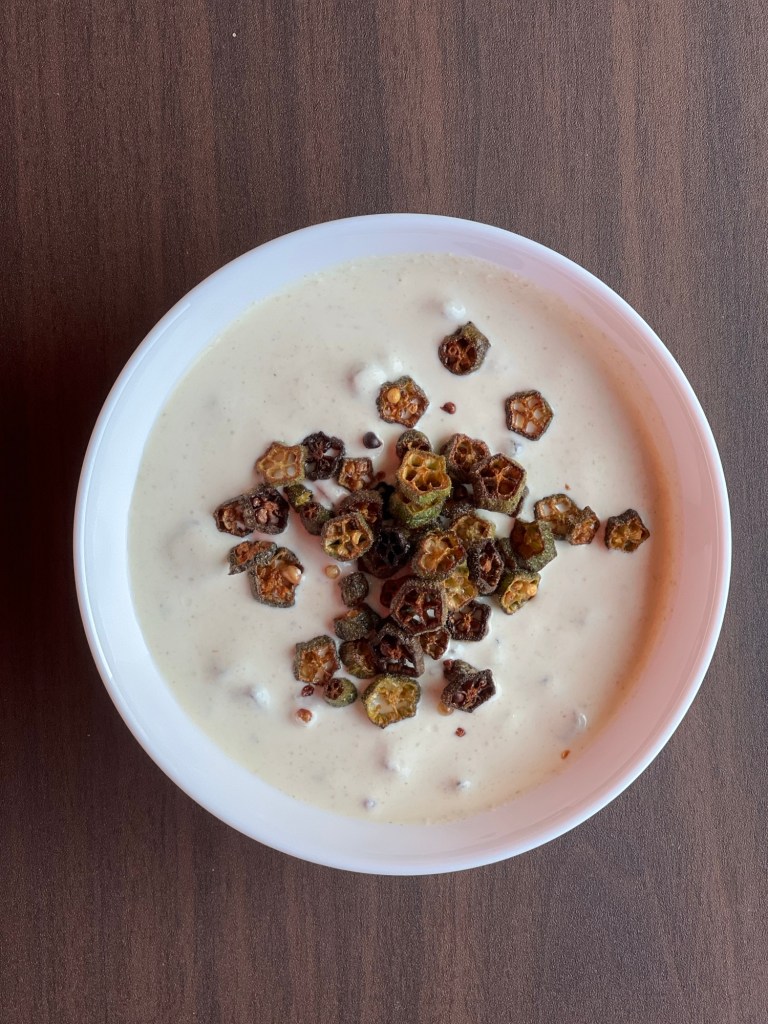
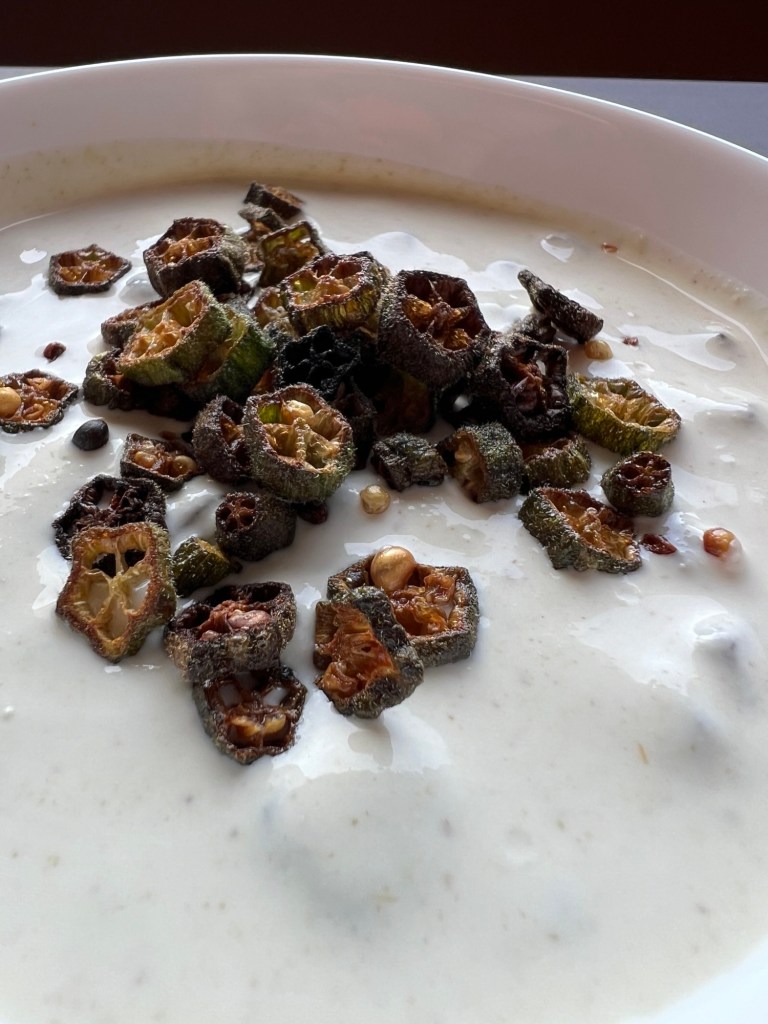
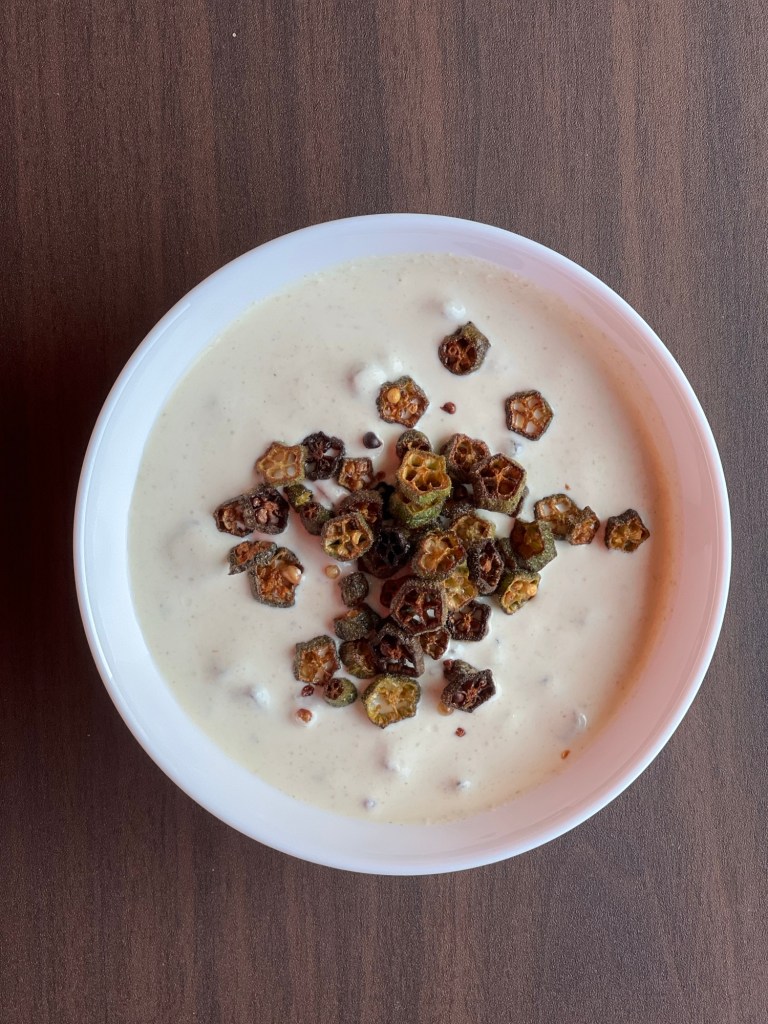
Vendakkai Pachadi 

Vendakkai Pachadi, or Okra/Bhindi/Ladies Finger Raita, is a traditional South Indian dish made with sautéed bhindi, yoghurt, and coconut. It’s a refreshing side dish that pairs well with rice and curries. 

Ingredients:

For the Pachadi:

  • 2 cups of ladies finger, chopped into thin rounds
  • 2 cups fresh thick yoghurt or curd
  • ½ cup fresh or frozen grated coconut
  • 1 tsp cumin seeds
  • 2-3 green chillies
  • Salt, to taste
  • 4-5 tbsp oil for sautéing

For the tempering:

  • 1 tsp oil
  •  ½ tsp mustard seeds
  •  ½ tsp urad dal 
  • 1-2 dry red chillies, broken into pieces
  •  A sprig of curry leaves

Method:

  • Wash the vendakkai thoroughly and pat dry to remove moisture, which helps avoid sliminess.
  • Cut them into thin rounds and keep them aside.
  • Heat 4-5 tbsp oil in a pan over medium heat.
  • Once the oil is hot, add the chopped bhindi and sauté in batches until they are crispy and golden brown. Each batch should take between 5-8 minutes. Once done, remove it from the heat and let it cool.
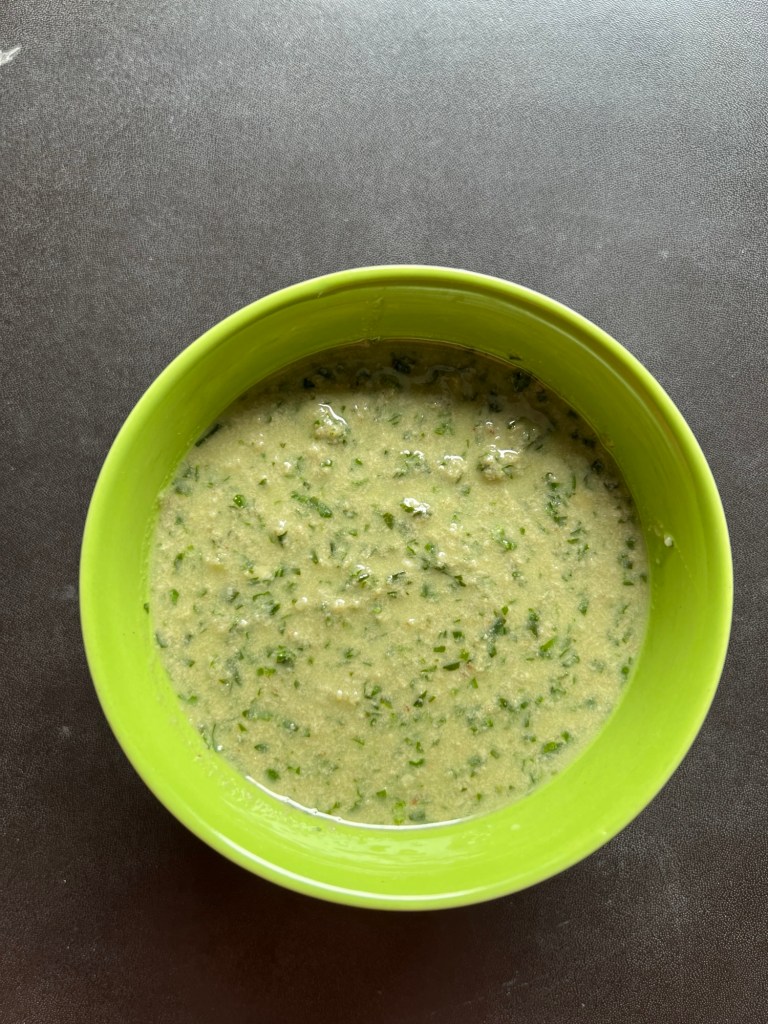
  • In a blender, combine the grated coconut, green chillies, cumin seeds and a pinch of salt. Blend until it becomes a smooth paste. If you need extra moisture while blending, add some of the yoghurt. 
  • In a mixing bowl, whisk the yoghurt until smooth. Add the coconut mixture to the yoghurt and mix well. Adjust salt to taste.
  • Once the sautéed okra has cooled down and you are ready to serve the dish, gently fold the crisp bhindi into the yoghurt-coconut mixture.
  • In a small pan, heat 1 tsp of oil and let it become warm. Add in the mustard seeds and urad dal; let them crackle.
  • Once they start to splutter, add the broken dry red chillies and curry leaves. Sauté for a few seconds until fragrant.
  • Pour the tempering over the prepared pachadi mixture and mix gently.
  • Serve chilled or at room temperature with steamed rice or as part of a larger meal.

Tips

  • Ensure that the vendakkai is well-dried before cutting to minimise sliminess during cooking.
  • Adjust the number of green chillies based on spice preferences.
  • This dish can be refrigerated for a couple of hours before serving for enhanced flavours. Just remember to add the crisp ladies fingers just before serving to ensure that the dish’s crispiness is kept.

Recipes: Zafrani Pulao

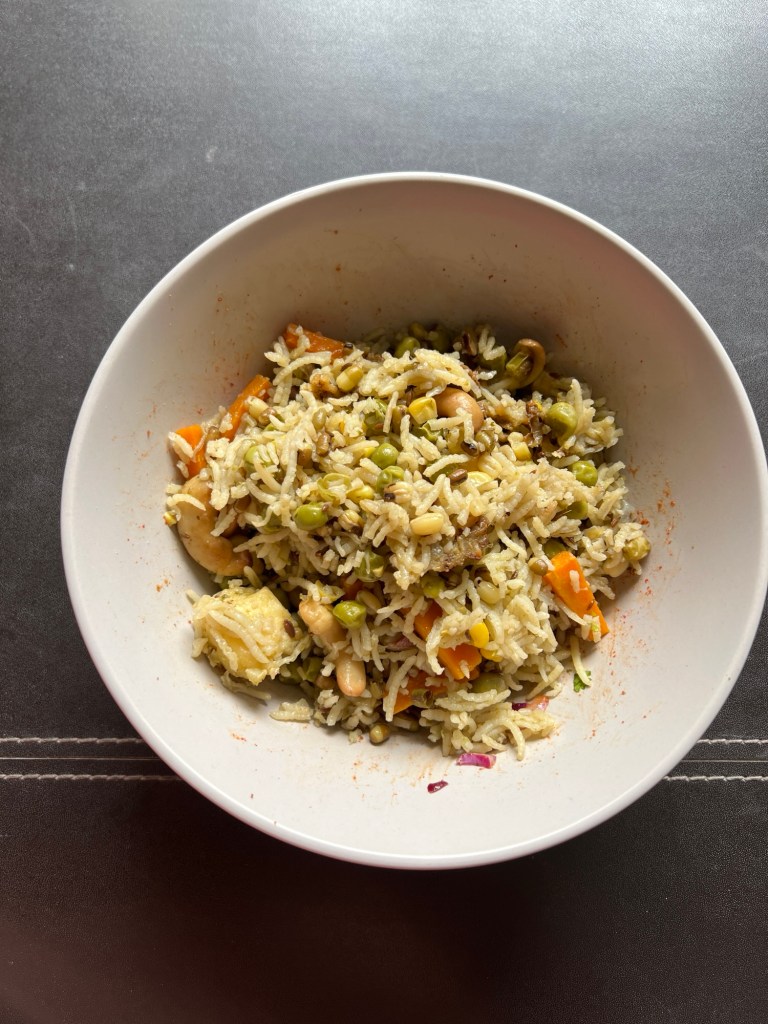
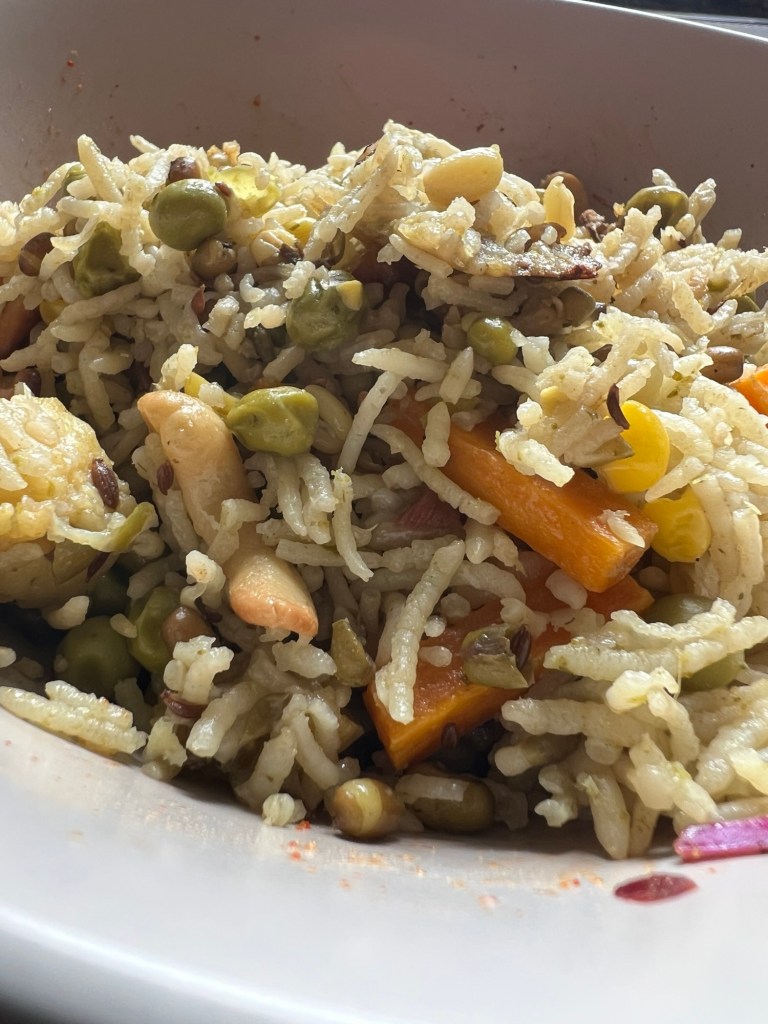
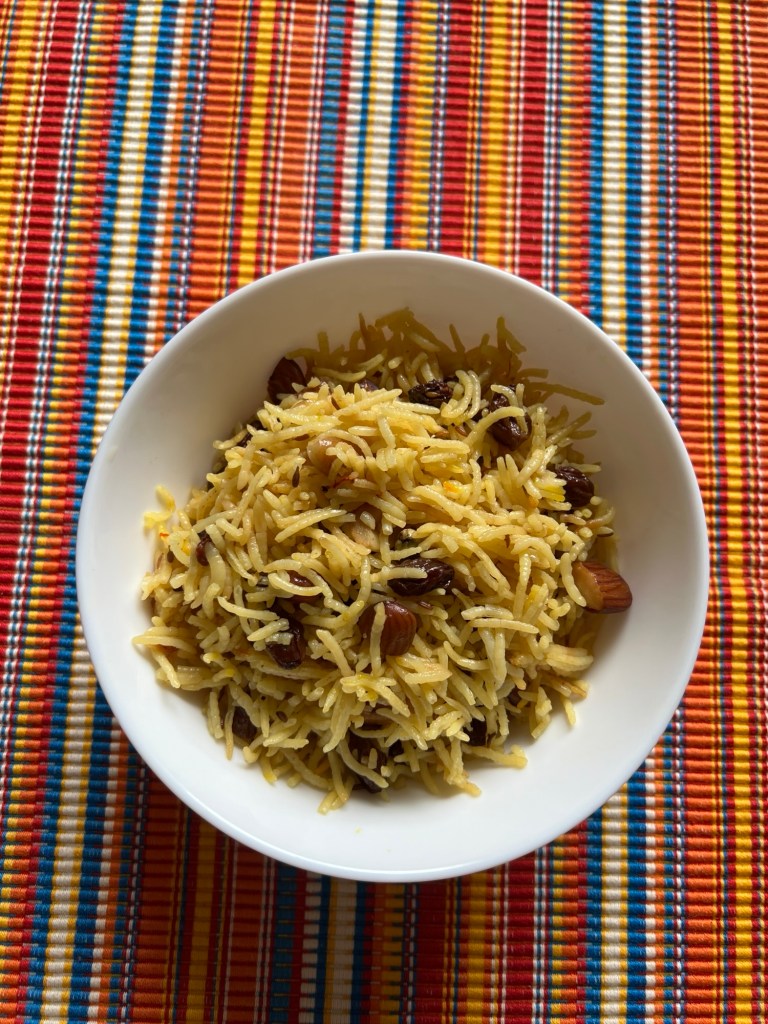
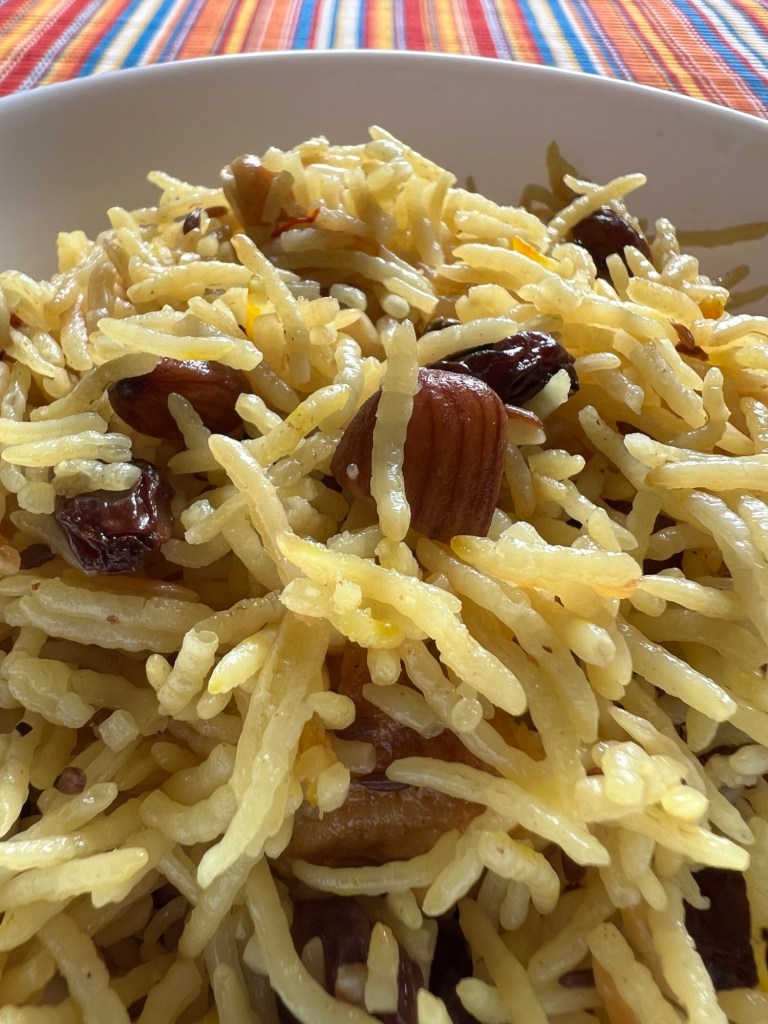
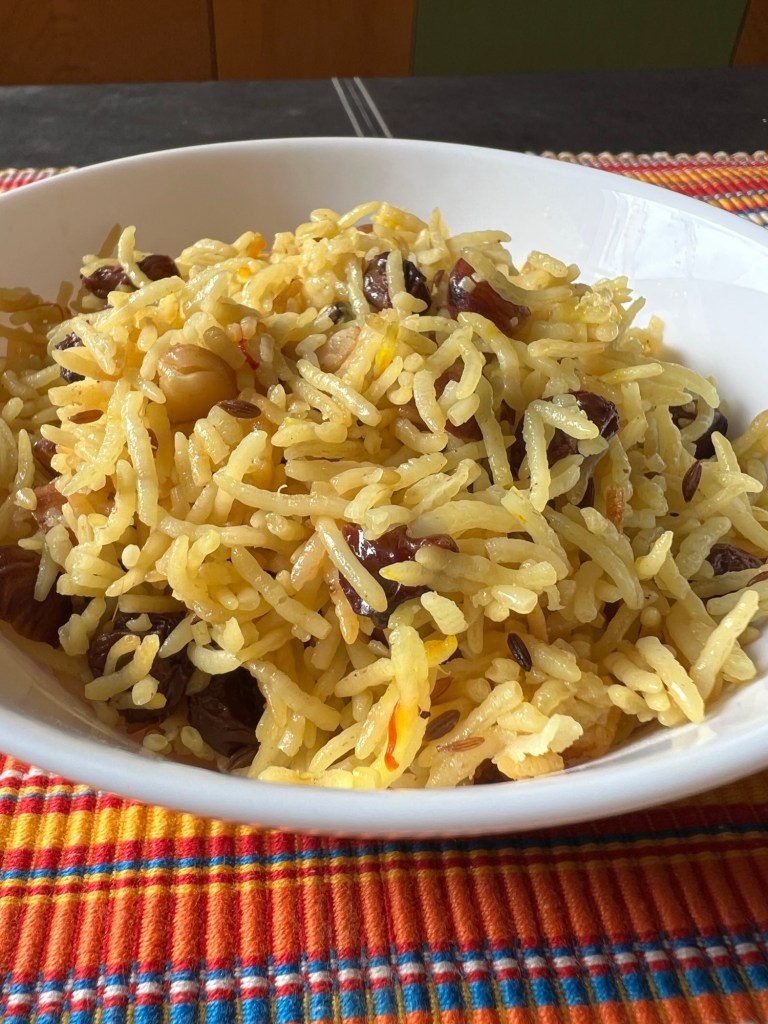
Infused with the rich aroma of saffron and garnished with raisins, cashew nuts and almonds, Zafrani Pulao is perfect for special occasions. Saffron is known for its antioxidant properties, which can help combat oxidative stress in the body. It has also been linked to improved mood and may help alleviate symptoms of depression and anxiety. When garnished with nuts like almonds and cashews, Zafrani Pulao gains additional nutrients such as healthy fats, protein, vitamins, and minerals.

Ingredients:

  • 1 cup basmati rice
  • 2 cups water
  • ½ cup milk
  • 10-12 strands of saffron
  • 2 tbsp ghee (or oil for a vegan option)
  • 1 bay leaf
  • 2-3 green cardamom pods
  • 2-3 cloves
  • 1-inch cinnamon stick
  • Salt, to taste
  • 1 tbsp sugar (optional, adjust to taste)
  • 2-3 tbsp chopped nuts (cashews, almonds) and raisins for garnish 

Method:

  • Rinse the basmati rice under cold water until the water runs clear. Soak it in water for about 30 minutes. Drain and set aside.
  • In a small bowl, soak the saffron strands in warm milk for about 15 minutes. This will help release the colour and flavour of the saffron.
  • In a heavy-bottomed pot, heat ghee over medium heat. Add the chopped nuts and fry until golden brown. Remove and keep aside on a kitchen towel. Add the raisins in the same ghee and once they plump up, remove and keep with the nuts. 
  • In the same ghee, add the bay leaf, cardamom pods, cloves, and cinnamon stick. Sauté for a minute until fragrant.
  • Add the drained rice to the pot and sauté gently for 2-3 minutes to toast the rice slightly.
  • Add the salt and stir for a minute and then transfer to a rice cooker with the two cups of water. 
  • Cook until the rice is done. Switch off the rice cooker and let it sit for 20 minutes. After 20 minutes, open the rice cooker, and drizzle in the saffron milk, add the sugar if using and fluff the rice with a fork. Be gentle so as to keep the grains separate. Add in the fried nuts and raisins. 
  • If using the stovetop, after adding the salt, pour in 2 cups of water and bring it to a boil. 
  • Once boiling, reduce the heat to low, cover the pot with a lid, and let it simmer for about 15 minutes or until the rice is cooked and all the water is absorbed.
  • After the rice is cooked, gently fluff it with a fork. Drizzle the saffron-infused milk over the rice and add sugar if using. Mix gently to combine without breaking the grains. Add in the fried nuts and raisins and sprinkle over the pulao. 
  • Serve hot as a standalone dish or with your favourite curry or raita.

Recipes: Corn, Peas and Peanut Curry

Some weeks back, I had to make a sabzi for lunch, but was not in a mood to cook and also had nothing really likeable in the fridge. So I decided to raid my freezer and see what I can come up with and this curry was the result. This took me about 30 minutes in total to make, including about 20-25 minutes of soaking time with the actual curry taking less than 10 minutes to make. It was quite delicious to eat.

Corn, Peas and Peanut Curry

Ingredients:

  • 1 cup frozen green peas
  • 1 cup frozen yellow corn
  • ½ cup raw peanuts
  • 1 tsp cumin seeds
  • 2 tsp oil
  • 1 tsp lemon juice (optional)
  • Salt to taste
  • Pepper to taste

Method:

  • Soak the corn, peas, and peanuts in a bowl with hot water for at least 30 minutes.
  • Salt the water, cook the vegetables and peanuts on the stovetop or microwave for 5 minutes, and drain.
  • Heat the oil in a pan, and when the oil heats up, add the cumin seeds and let them pop.
  • Once the cumin pops, add in the drained vegetables and stir well.
  • Season with salt and pepper and let it cook covered on a low to medium flame for 5 minutes.
  • Switch off the gas, drizzle lemon juice if using, and serve hot with rice or rotis.

Recipes: Chincha Gul Amti

Known for its tangy and sweet flavour, Chincha Gul Amti is a traditional Maharashtrian dal made from tamarind or chincha and jaggery or gul. I got this recipe from one of the many recipe books I own (so old school, right). This version of the recipe includes coconut, which enhances the richness and texture of the dish, but you can opt to omit this if you don’t like the taste. 

Chincha Gul Amti

Ingredients:

  • 1 cup toor dal or pigeon pea lentils
  • 2 tbsp tamarind pulp or paste 
  • 2 tbsp jaggery powder
  • 2 tbsp grated coconut, either fresh or desiccated
  • 1 tbsp oil or ghee
  • ½ tsp mustard seeds
  • ½ tsp cumin seeds
  • ¼ tsp asafoetida 
  • 2 dried red chilies
  • 8-10 curry leaves
  • ½ tsp turmeric powder
  • 1 tsp red chili powder 
  • 1 tsp goda masala (optional) or garam masala
  • Salt to taste
  • Water as needed
  • Finely chopped coriander leaves to garnish

Method:

  • Wash the dal well and soak in hot water for 30 minutes. 
  • Then pressure cook the dal with 2-3 cups of water until soft. This should take around 3-4 whistles. Mash or whisk the cooked dal to a smooth paste and set it aside.
  • If using tamarind pulp, soak tamarind in warm water for about 10-15 minutes. Extract the tamarind pulp by squeezing the tamarind, and set it aside. 
  • If using rock jaggery, dissolve the jaggery in a small amount of water, ensuring no lumps, and set aside.
  • In a deep pan or kadai, heat the oil or ghee on medium heat. Add mustard seeds and cumin seeds, and let them splutter. Add asafoetida, dried red chilies, and curry leaves. Saute for a minute until fragrant.
  • Add turmeric powder, red chili powder, and goda or garam masala and stir for a few seconds. Then add the grated coconut and sauté for another 2-3 minutes until the coconut turns slightly golden.
  • Pour the cooked and mashed dal into the pan. Stir well and adjust the consistency by adding water as needed. Bring it to a gentle simmer.
  • Add the tamarind pulp or paste and jaggery to the simmering dal. Stir well to combine the sweet and tangy flavors. Cook for another 5-7 minutes, allowing the flavours to meld.
  • Add salt to taste and adjust the level of tamarind and jaggery according to your preference. If the amti is too thick, add a bit more water to achieve a medium consistency.
  • Once done, turn off the heat and garnish with freshly chopped coriander leaves.
  • Serve Chincha Gul Amti hot with steamed rice or roti.