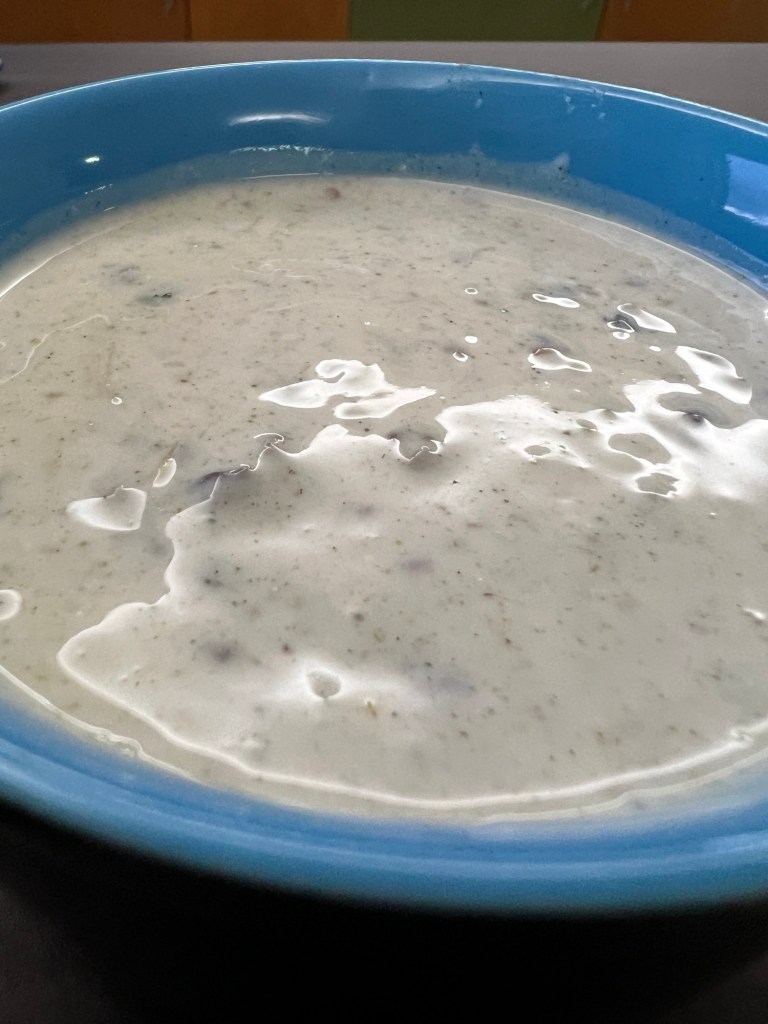
Recipes: Dal Bukhara

Some time back, I saw a reel about Dal Bukhara and I was intrigued by the recipe. So I made it. Dal Bukhari is a rich, creamy lentil dish that originated at the Bukhara restaurant in ITC Maurya Hotel, New Delhi. The dish was created by Chef Madan Jaiswal at the Bukhara restaurant in the 1970s. It quickly gained popularity and was associated with many accolades. Dal Bukhara is considered a more refined version of the well-known Dal Makhani.

Chef Jaiswal introduced Dal Bukhara when the Bukhara restaurant opened at the ITC Maurya Hotel in 1978. While coming up with Dal Bukhara, Chef Jaiswal focused on using only whole black gram or urad dal, without the kidney beans used in Dal Makhani. He emphasised slow-cooking the dal, sometimes overnight, to develop deep flavours, using minimal ingredients but incorporating generous amounts of butter and cream. 
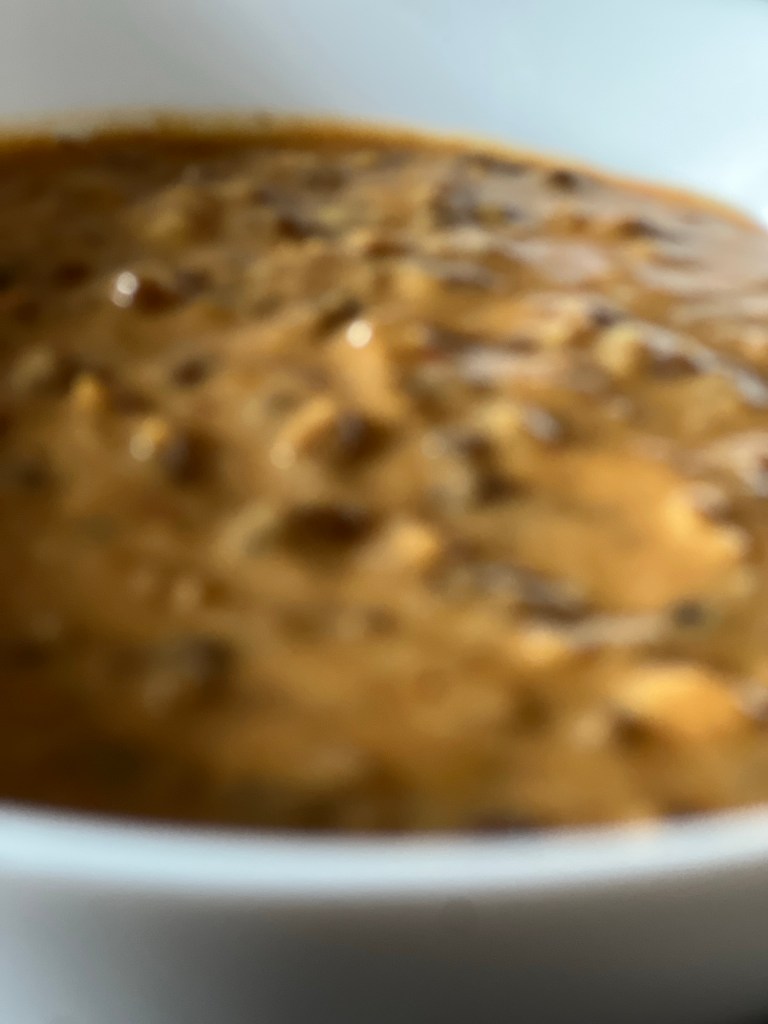
Dal Bukhara

Ingredients:

  • 1.5 cups whole black gram or urad dal
  • 3 medium to large tomatoes, pureed
  • 2 tsp ginger-garlic paste
  • 1 tsp or more Kashmiri red chilli powder
  • ½ tsp garam masala
  • 6-7 tbsp butter, preferably white, but normal butter will also do
  • 7-8 tbsp light cream or 3-4 tbsp heavy whipping cream
  • Salt to taste
  • Water for cooking

Method:

  • Soak the black gram overnight.
  • Pressure cook the soaked lentils with 4.5-5 cups of water until soft.
  • Add the cooked lentils, tomato puree, ginger-garlic paste, and red chilli powder in a heavy-bottomed pan.
  • Simmer the dal on low heat for about 1-1.5 hours, stirring occasionally to prevent sticking.
  • Add butter and cream gradually during the cooking process.
  • Season with salt and garam masala towards the end of cooking.
  • The final consistency should be thick and creamy, not runny.
  • Serve hot, garnished with a dollop of cream or butter, with naan, tandoori roti, or jeera rice.

Notes:

  • As a last stage, before serving, you can also smoke the dal using the dhungar method for an authentic charcoal flavour.
  • Traditionally, Dal Bukhara is slow-cooked overnight on charcoal ovens in restaurants, which gives it its distinctive taste and texture.
  • Slow cooking and generous use of butter and cream are the key to achieving authentic flavour at home.
Recipes: Plum, Pineapple and Ginger Chutney

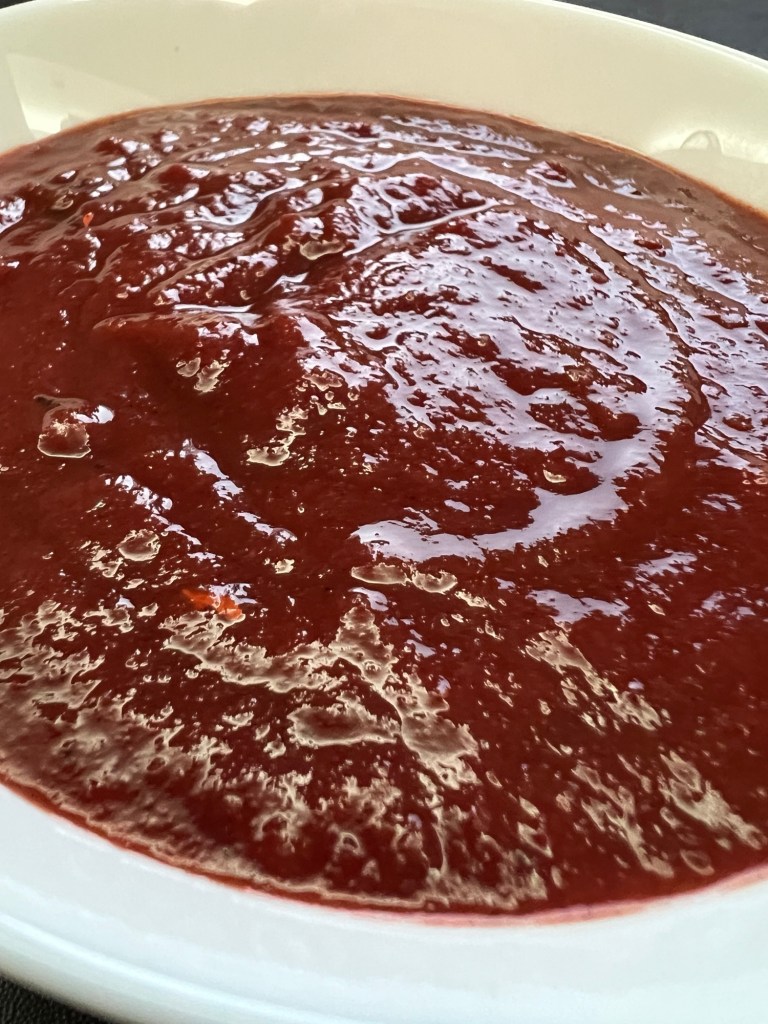
A few weeks back GG asked me if I wanted fruits from the supermarket. On an impulse, I asked her to buy some plums so I could make this plum chutney. On the day I was supposed to make the chutney, I realised we had some fresh pineapple at home which was quite sour and no one wanted to eat it. So I decided to incorporate the pineapples plus some ginger into the chutney and the result was this tangy and slightly sweet pineapple, plum and ginger chutney.

Plum, Pineapple and Ginger Chutney

Ingredients:

  • 8 red/purple plums
  • ½ fresh pineapple
  • 1 cup raisins or dates
  • 2 inch piece of ginger, peeled
  • Salt to taste
  • 1-2 tsp Kashmiri red chilli powder
  • 2 tsp cumin powder
  • ½ tsp fennel powder
  • Jaggery powder to taste (optional)

Method:

  • Soak the raisins or dates in hot water for 30 minutes, drain and keep aside.
  • Deseed the plums and chop them into small pieces.
  • Blend the pineapple, plums, ginger and raisins into a smooth paste.
  • Strain this paste into a large pan so there are no lumps. At this point, it will be a light pink or red mixture.
  • Heat the pan and let the mixture come to a boil. You can add a bit of water if needed.
  • Add the dry spices – salt, red chilli powder and cumin powder and let the mixture bubble and cook until it thickens.
  • If the mixture is still sour, add some brown sugar or jaggery to balance the taste. 
  • Switch off the gas and let the chutney cool. Once it cools, it becomes a gorgeous purple chutney.

This chutney can be used instead of tamarind chutney and keeps well in the fridge for a few weeks. Remember to use a dry spoon when using it, so there is no contamination.

Recipes: Bharvan Baingan or Stuffed Eggplant

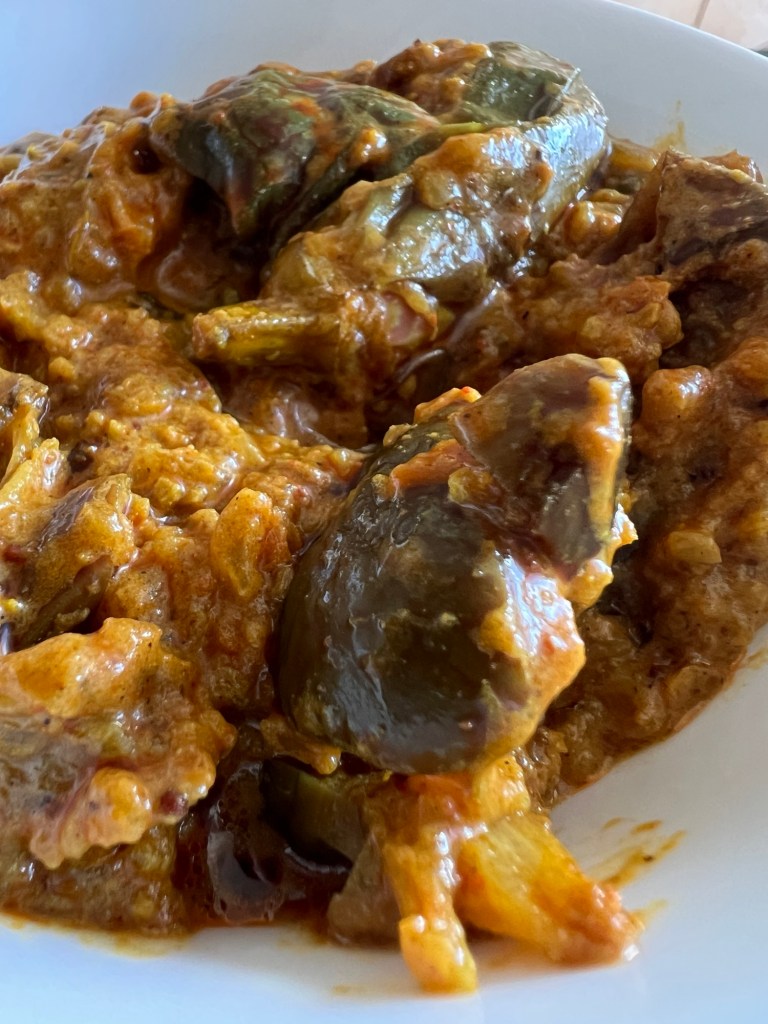
One of my favourite recipes to order at restaurants (if they have them) is stuffed eggplant or stuffed okra. I love the stuffed eggplant recipe from my home state and when I saw this recipe on Facebook, I saved it for making one day. That one day was a couple of weeks back. The chef who posted the recipe promised it was an easy one. Well, it was easy, but she didn’t mention that it took so long. The recipe took me two hours to make, start to end. But it was so worth it, it was so tasty that even GG, who does not like eggplant, had some of the gravy and pronounced it delicious!

Bharvan Baingan or Stuffed Eggplant

Ingredients:

  • 12-15 medium sized baby eggplants

For the stuffing:

  • 1 tbsp besan or chickpea flour
  • 3 tbsp coriander powder
  • 1 tbsp cumin powder
  • 1 tsp turmeric powder
  • 1 tbsp red chilli powder
  • 1 tbsp Kashmiri red chilli powder
  • 1 tbsp amchur powder
  • 1 tsp asafoetida podwer
  • 1 tbsp fennel seed powder
  • 1 tsp garam masala powder
  • 2 tbsp kauri methi
  • 4 tbsp oil (any oil, but mustard oil will be the best)

For the Gravy:

  • 2 tbsp oil
  • 1 tsp cumin seeds
  • ½ tsp mustard seeds
  • 3-4 finely chopped green chillies
  • 2 medium-sized finely minced onions
  • 2-3 medium-sized finely minced tomatoes
  • Salt to taste
  • 5 tbsp yoghurt, whisked
  • ½ tsp turmeric powder
  • 1 tsp Kashmiri red chilli powder
  • 1 tsp coriander powder
  • The balance masala
  • 1 tsp ginger garlic paste

Method:

  • If the stalk of the eggplant is more than 1 inch, cut it off and also remove the excess crown. Keep aside.
  • Make a cross on the bottom of the brinjal (opposite the crown), check and see inside for any worms and discard any unsightly ones. Put the cut brinjals in water for a while to avoid oxidation.

For the Masala:

  • Heat a pan and when warm, take the chickpea flour and lightly roast it till it starts to emit an aroma. This should take about 3-4 mins.
  • At this point switch off the flame and add the dry masalas –coriander powder, cumin powder, turmeric powder, Kashmiri red chilli powder, red chilli powder, amchur powder, asafoetida, fennel powder, garam masala and kasuri methi. Toss the masalas with the chickpea flour and keep them aside on a plate. Add 2 tbsp oil to it and mix well.
  • Fill the masalas into the brinjal, filling it tightly. The masala should show up as a nice thick line. Remove the extra masala and drop it into the masala plate.
  • In a pan, take 2 tbsp oil and shallow fry the stuffed brinjals for about 3-4 mins. Remove and keep aside.

For the Gravy:

  • In another pan, take 2 tbsp oil and when it heats, add the cumin seeds, mustard seeds and finely chopped green chillies.
  • Then add the finely chopped onions and fry until they become translucent.
  • At this point, add the finely chopped tomatoes and let it cook.
  • Add salt to taste and let the tomatoes cook well until the gravy starts to ooze oil.  
  • In a bowl, add the yoghurt and whisk it well. To this, add ½ tsp turmeric powder, 1 tsp Kashmiri red chilli powder, 1 tsp coriander powder, 1 tsp ginger-garlic paste and the balance masala. Whisk everything well and keep it aside.
  • Once the tomatoes are cooked, add 2-3 tsp water, switch off the gas and add in the yoghurt mixture.
  • Mix well and switch on the gas again. Add water if needed.

To assemble:

  • Gently add the stuffed eggplants and garnish with coriander leaves. Cover and cook on a low flame for 5 mins.
  • Serve with rotis or Indian flatbreads or rice.

Recipes: Kottu Rasam

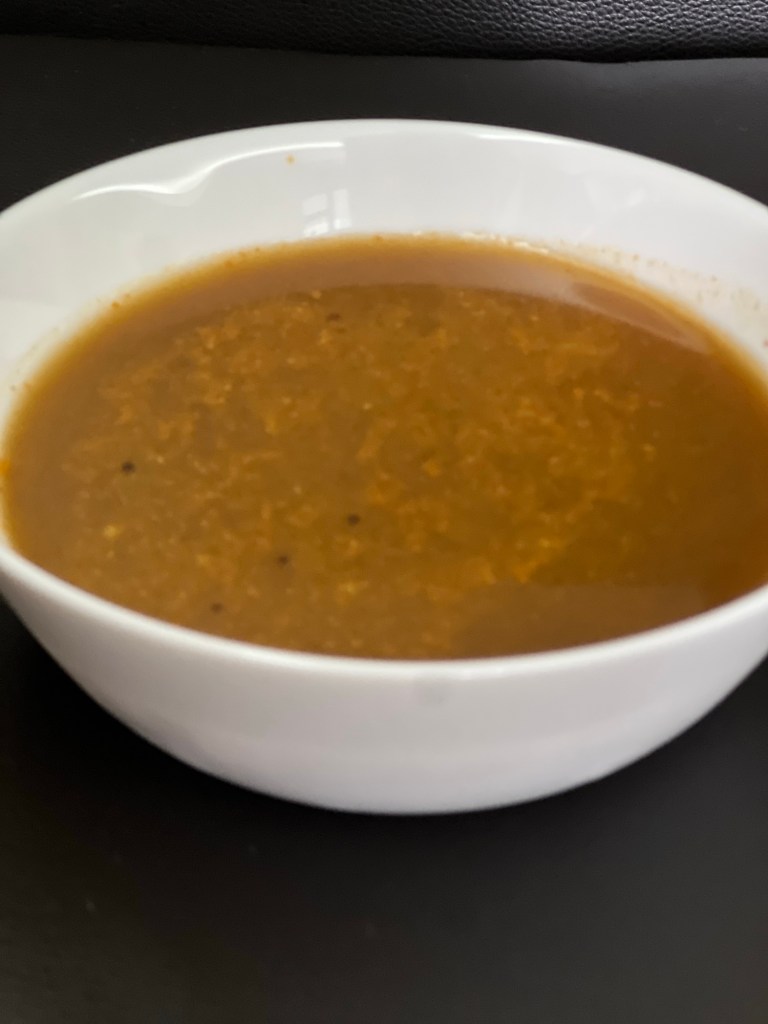
Rasam is a favourite with BB & GG and they are happy to have it for every meal. But I don’t make it that often. Having said that, I had not made this Rasam as yet for the children. When I did make it, it was a huge hit. It does not take a long time to make and can be eaten with rice or as a soup. In my home, kottu Rasam is prepared for those who are not well. It is prepared without using dal and is lightly tempered.

Kottu Rasam

Ingredients:

  • 2 large tomatoes
  • 1 tsp ghee
  • ½ tsp mustard seeds
  • ½ tsp cumin seeds
  • 5-6 curry leaves
  • 1 tsp crushed ginger and green chilli paste
  • 1 small lemon-sized ball of tamarind
  • 1.5 tsp rasam powder
  • 1 tsp jaggery powder
  • Salt to taste
  • Finely chopped coriander leaves to garnish

Method:

  • Soak the tamarind in hot water for about 30 minutes. Then crush the tamarind pulp and drain, keeping the tamarind water aside.
  • Either finely chop the tomatoes or use a food processor and crush the tomatoes into fine pieces.
  • In a pan, heat the ghee and when it warms, add the mustard and cumin seeds and let them pop. Then add the crushed ginger and green chillis and stir for a couple of seconds.
  • Now, add the tomatoes, sprinkle some salt and let the tomatoes cook for about five minutes.
  • At this point, add the tamarind water, rasam powder, jaggery powder and any additional salt, if needed.
  • Let this cook for about 5-7 minutes, then switch off the flame. Garnish with finely chopped coriander leaves and serve hot.

Notes:

  • This is great as an accompaniment to rice or as a soup.
  • Instead of crushing the tomatoes, you could also use tomato puree for a more soup-like experience.
  • Tamarind paste or lemon juice could be substituted for tamarind water.

Recipes: Date and Mint Raita

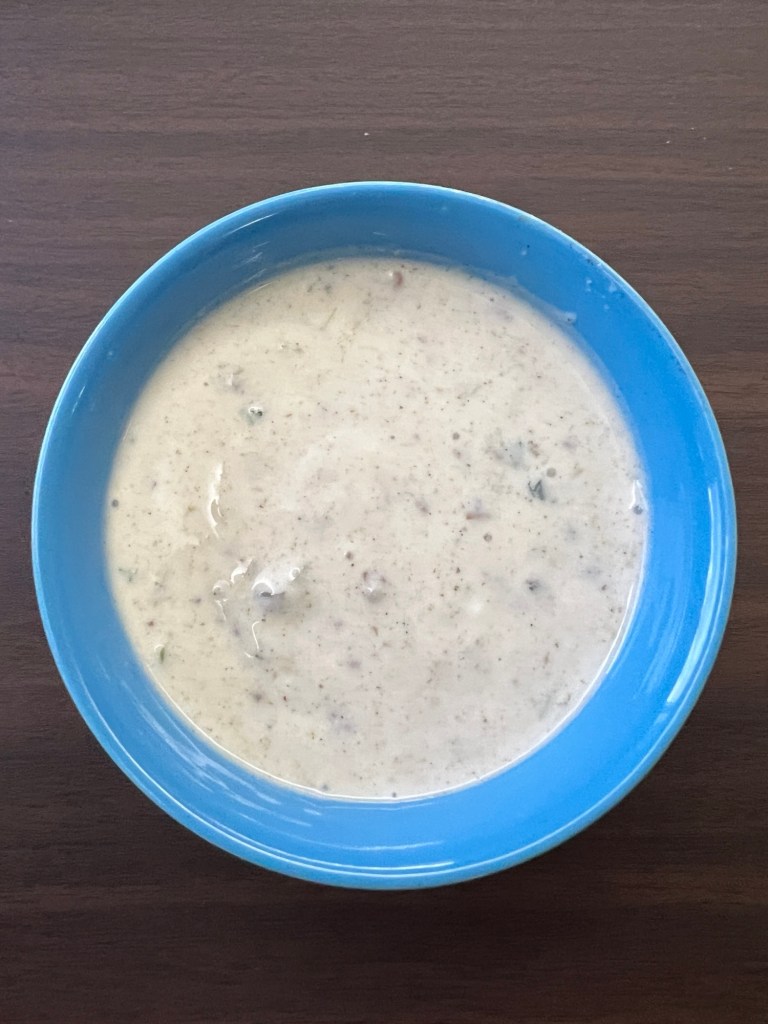
Sometime back, I saw a video by Rujuta Divekar about date raita with very minimal ingredients. I was intrigued and decided to make my version of this recipe recently. It has been very hot in Singapore the last few months and this was made for lunch on one of those hot, summery days. This is perfect for the summer and can be made in 10 minutes, from start to finish. This sweet and savoury yoghurt-based dish goes with anything and is very good on its own too.

Date Raita

Ingredients:

  • 1 cup plain yoghurt
  • 12–15 Dates, pitted
  • ½ tsp. cumin powder
  • ½ tsp. black salt, or to taste
  • 1 inch of ginger
  • 2-3 green chillies, chopped
  • 1 tbsp chopped fresh mint leaves or 1 tsp dried mint powder
  • Salt to taste

Method:

  • In a mixing bowl, whisk the yoghurt until smooth. If the yoghurt is too thick, you can add a little water or milk to achieve the desired consistency.
  • In a small blender, add the pitted dates, ginger, green chillies, and mint (or mint powder) and coarsely grind them using some yoghurt or water.
  • Add this to the whisked yoghurt.
  • Season with salt, black salt, and cumin powder. Mix well to combine all the ingredients evenly.
  • Taste the raita and adjust the seasoning if necessary, adding more salt or black salt according to your preference.
  • Refrigerate the Dates Raita for at least 30 minutes to allow the flavours to meld together and for the raita to chill.
  • Before serving, give the raita a final stir. Optionally, sprinkle a pinch of roasted cumin powder on top for extra flavour.