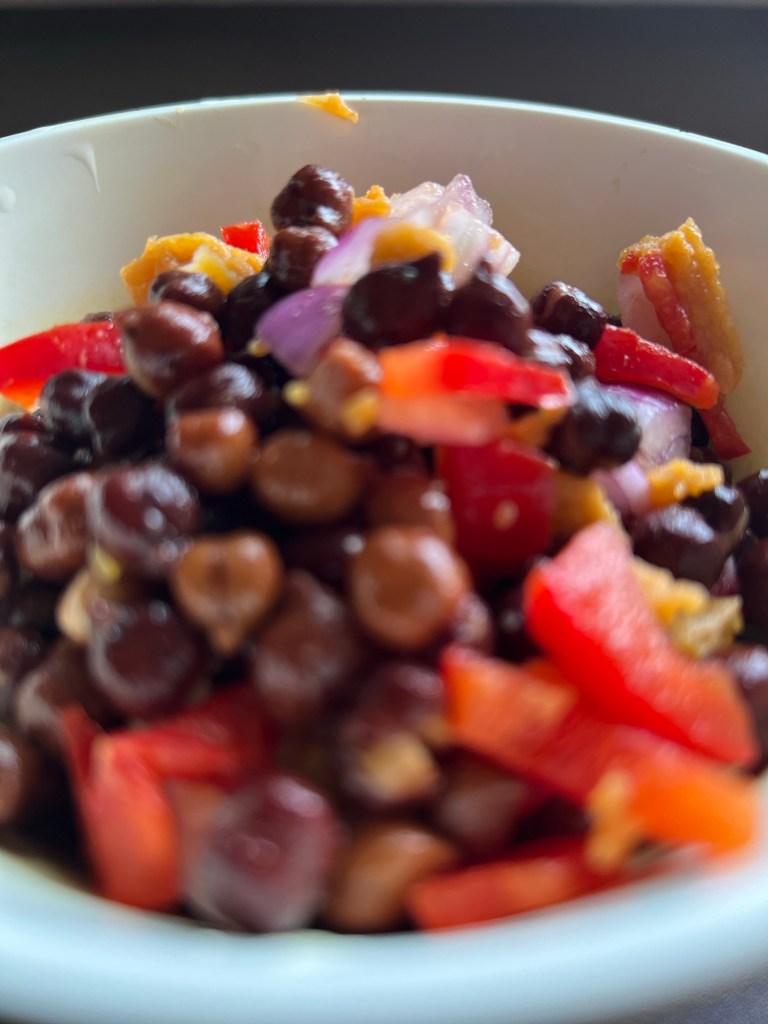
Recipes: Black Chana Chaat

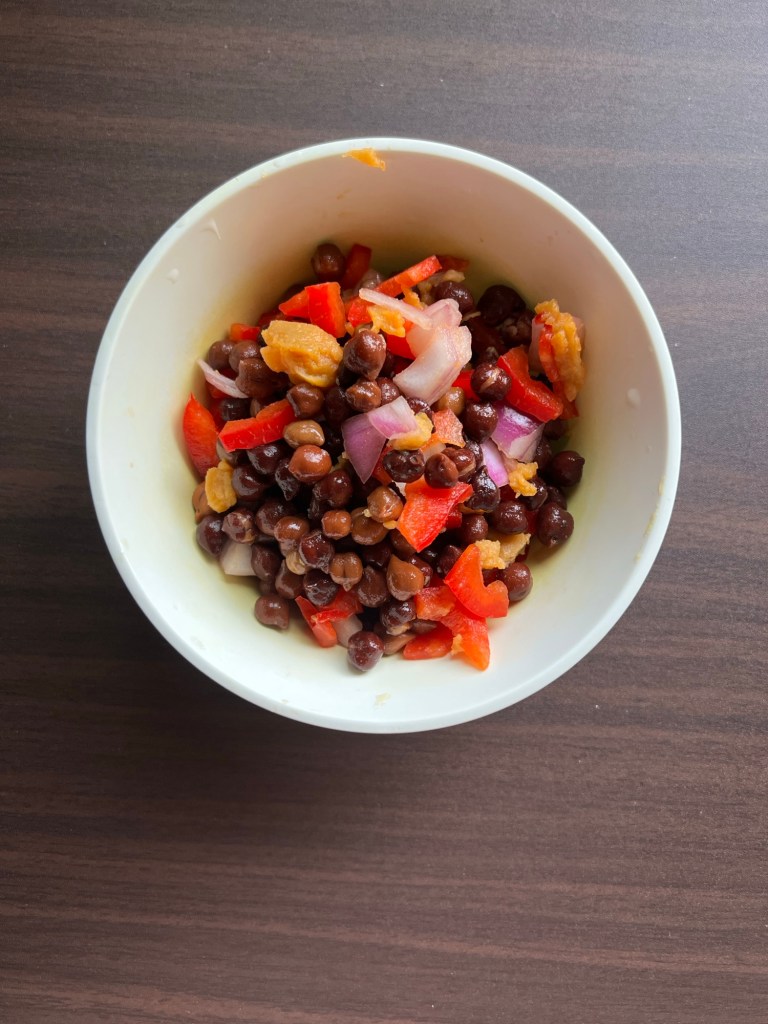
Also known as Kala Chana Chaat, Black Chana Chaat is a nutritious and flavourful salad made from black chickpeas, fresh vegetables, and spices. Incorporating black chana into one’s diet offers several health benefits. Black chana is an excellent source of plant-based protein, making it a great option for vegetarians and vegans looking to meet their protein needs. The high fiber content in black chana aids digestion, helps maintain bowel health, and can contribute to weight management by promoting a feeling of fullness. Black chickpeas are rich in essential nutrients such as iron, magnesium, folate, and antioxidants. These nutrients support overall health and help prevent deficiencies. The fibre and potassium in black chana can help regulate blood pressure levels and lower cholesterol levels, contributing to heart health. Black chana’s low glycemic index helps regulate blood sugar levels, making it beneficial for those with diabetes or looking to manage their blood sugar. 

Ingredients:

  • 1 cup dry black chana or kala chana
  • ½ cup chopped cucumber
  • 1 medium tomato, chopped
  • ½ cup chopped onion
  • 1 medium-sized carrot, grated
  • 1 tbsp chopped coriander leaves
  • ¾ tsp black salt or regular salt to taste
  • ½ tsp chaat masala
  • ½ tsp red chilli powder as per taste
  • 2 tsp lemon juice 
  • ¼ tsp amchur or dried mango powder
  • ¼ tsp roasted cumin powder 
  • 2 tbsp extra virgin olive oil

Method:

  • Rinse the black chana under tap water well and soak them in 3 cups water for at least 6-8 hours or overnight. This helps soften them and reduces cooking time.
  • Drain the soaked chana and place them in a pressure cooker. Add 2.5 cups of water and cook for about 7-8 whistles or until tender. If using an Instant Pot, cook on high pressure for about 25 minutes with natural pressure release.
  • While the chana is cooking, chop the cucumber, tomato, onion, and grate the carrots. 
  • Finely chop the coriander leaves as well.
  • Combine the cooked black chana and chopped vegetables in a large mixing bowl. Add the finely chopped coriander leaves. 
  • In another smaller bowl, thoroughly mix the black salt, chaat masala, red chilli powder, amchur powder, cumin powder, lemon juice, and olive oil. 
  • Gently toss all the ingredients together until well-mixed. Taste and adjust seasoning if necessary.
  • Serve immediately as a refreshing snack or as a salad.

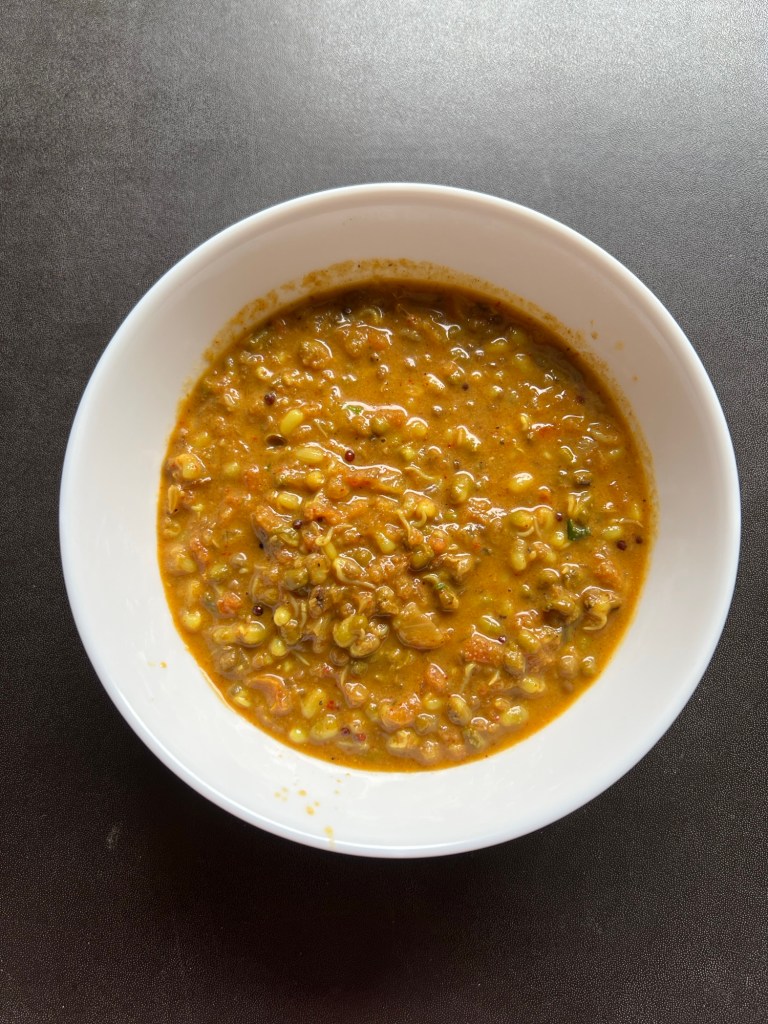
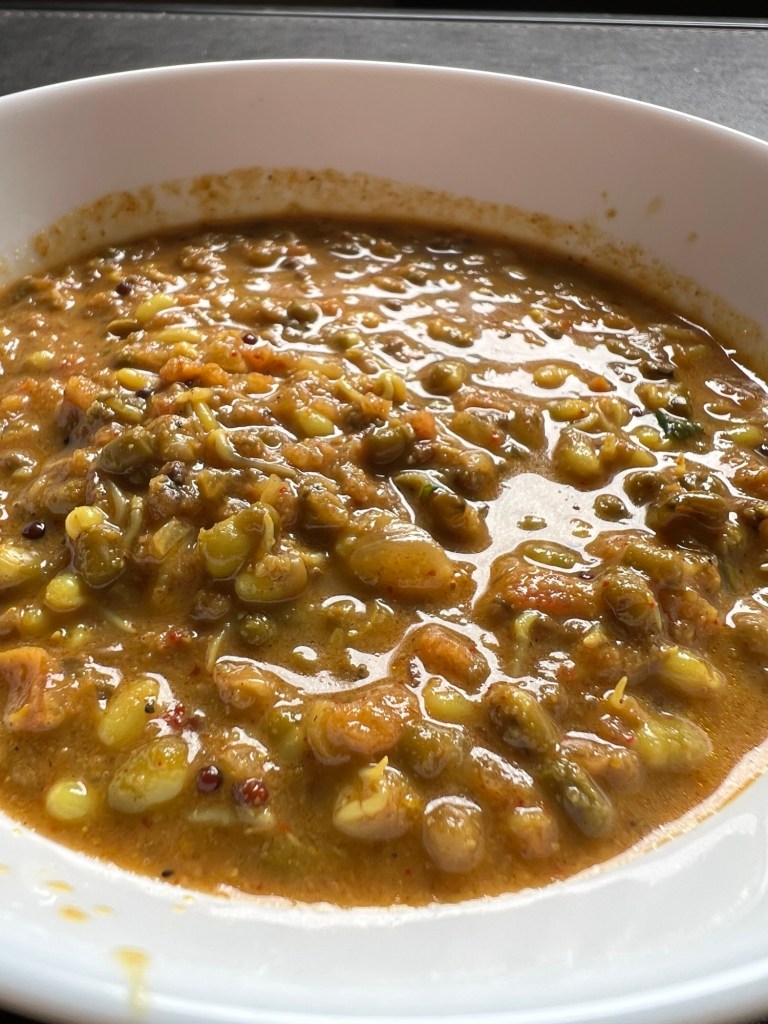
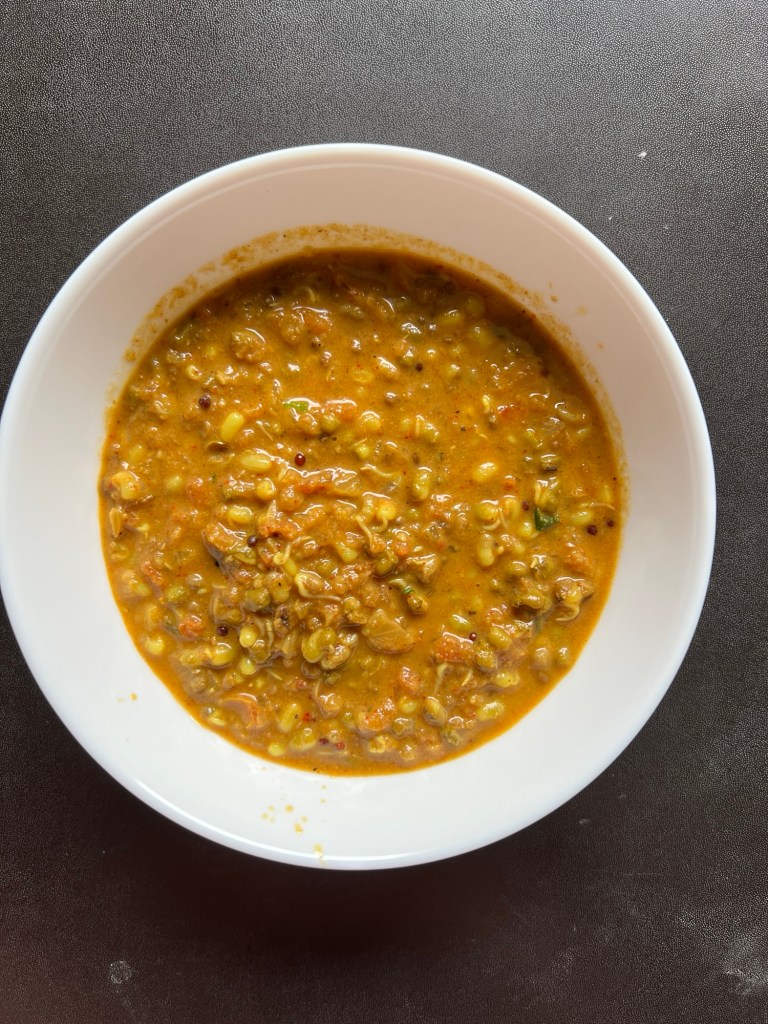
Recipes: Moth ani Mugachi Usal aka Sprouted Moong & Moth Curry

A powerhouse of nutrition, offering protein, fibre, and essential vitamins, this recipe is perfect for a balanced and wholesome meal. Served in all Maharashtrian homes, this usal is both spicy and healthy and even those who do not like sprouts will enjoy this dish. 

Sprouts are high in digestive enzymes that aid gut health, rich in *vitamins A, C, and K, boosting immunity, low in calories but high in protein and fibre, making them weight-loss-friendly, improve heart health by lowering cholesterol and blood pressure, and are great for blood sugar control due to their low glycemic index.

Moong sprouts made with whole green gram are high in protein, good for muscle repair and growth, and rich in folate, making them beneficial for pregnant women, easy to digest, suitable for all age groups, and help detoxify and promote glowing skin. Moth or Matki sprouts are packed with iron and folate, helping to prevent anaemia, are excellent for gut health, promote better digestion, are a good source of complex carbs, provide sustained energy, and are rich in antioxidants, supporting cell repair and reducing inflammation.  

Moth ani Mugachi Usal 

Ingredients:  

  • 1 cup sprouted moong or green gram  
  • 1 cup sprouted moth beans or matki  
  • 2 tbsp oil or ghee  
  • 1 tsp mustard seeds  
  • ½ tsp cumin seeds  
  • ¼ tsp asafoetida 
  • 1 sprig of curry leaves  
  • 2 green chillies, chopped  
  • 2 medium-sized onions, 1 finely chopped and 1 sliced
  • 1 medium-sized tomato, finely chopped 
  • 3-4 cloves of garlic
  • 1 inch piece of ginger
  • 2 tbsp coconut (either dry or fresh) 
  • ½ tsp turmeric powder  
  • 1 tsp red chilli powder  
  • 1 tsp goda masala 
  • 1 tsp coriander powder  
  • ½ tsp jaggery 
  • Salt to taste  
  • Water as needed
  • 2 tbsp grated coconut 
  • 2 tbsp fresh coriander leaves, chopped  

Method:

  • Wash and soak moong and moth beans overnight with enough water to cover the beans. In the morning, drain the beans and put them in a colander and keep covered for another 10-12 hours. Depending on the climate you are in, this make take less than 8 hours or upto 2 days to sprout. 
  • Heat 2 tbsp oil and in a pan and once the oil is hot, add the sliced onions, garlic and ginger and saute on medium flame until it changes colour slightly.
  • Then add the coconut and saute until it turns golden brown and the coconut is completely devoid of water. This is important because if the coconut is still fresh and wet, the curry may spoil if kept outside. You could also use dry coconut and if using dry coconut, just saute till it turns brown.
  • Cool completely and blend to a smooth paste adding enough water. Keep aside.
  • Heat oil in a pan. Add mustard seeds and let them splutter.  
  • Add cumin seeds, asafoetida, curry leaves, and chopped green chillies. Sauté for a few seconds.  
  • Add chopped onions and sauté until golden brown.  
  • Add tomatoes and cook until soft.  
  • Add turmeric, red chilli powder, coriander powder, and goda masala. Stir well.  
  • Add the sprouted moong and moth beans. Stir to coat them with spices.  
  • Add salt, jaggery (if using), and about ½ to 1 cup of water.  
  • Cover and cook for 10-15 minutes on low-medium heat until the sprouts soften but remain slightly crunchy.  
  • Garnish with finely chopped coriander leaves and serve hot with rice or rotis.
  • You can also squeeze a lemon wedge before eating for extra flavour. 

Recipes: Qubani ka Meetha

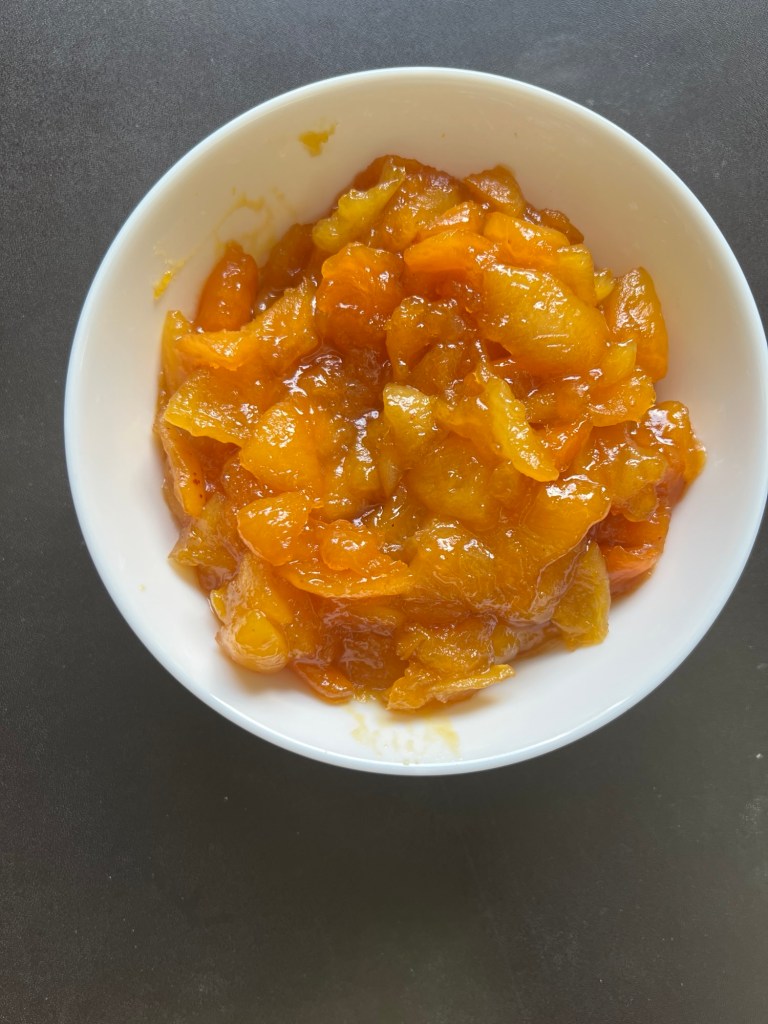
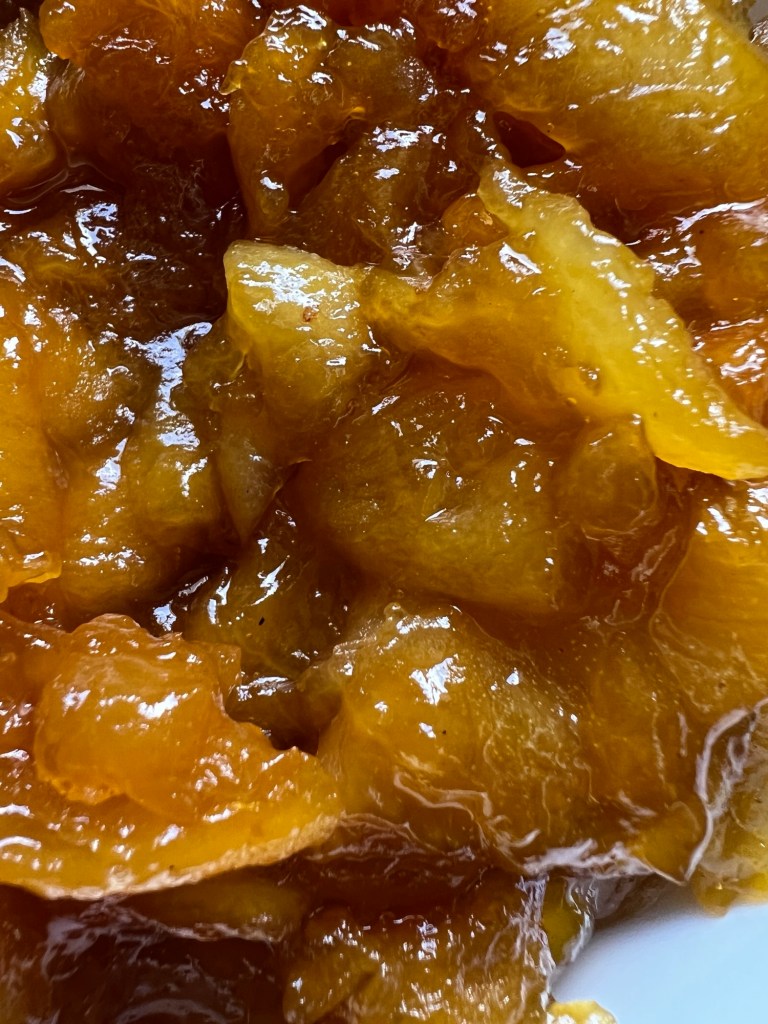
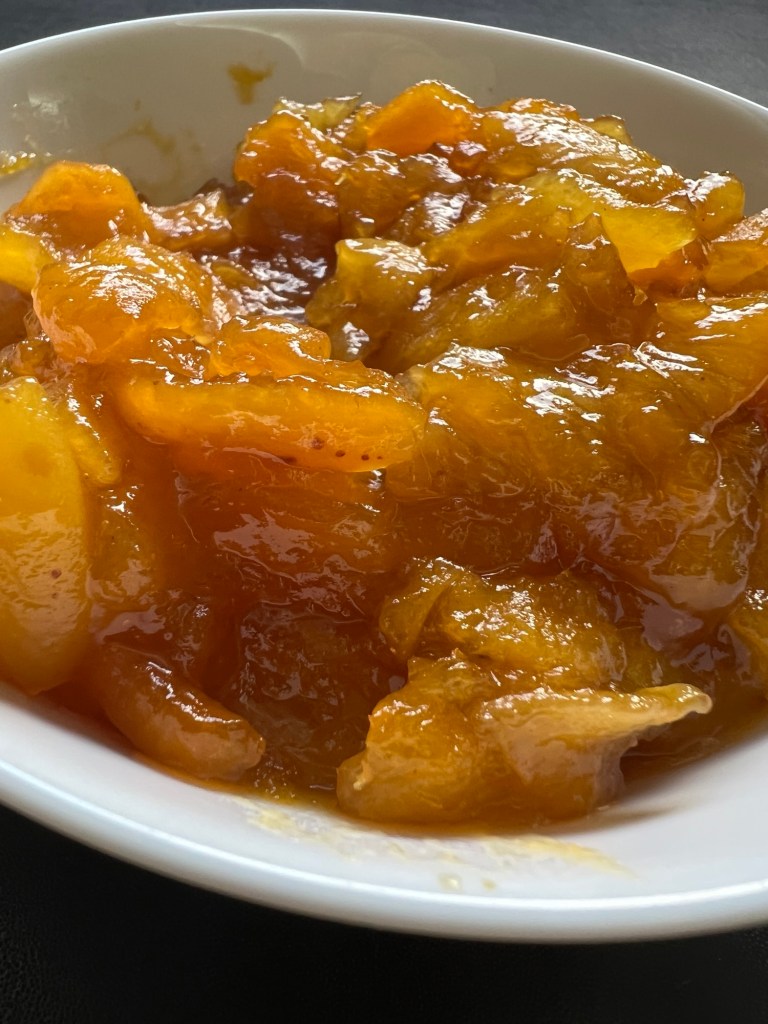
A traditional dessert from Hyderabad, Qubani ka Meetha is made from dried apricots and is often served during special occasions and festivals. Dried apricots are high in essential vitamins and minerals, particularly vitamin A, vitamin C, potassium, and iron and also contain antioxidants such as beta-carotene and polyphenols that help combat oxidative stress in the body, reducing the risk of chronic diseases.

Qubani Ka Meetha has a rich cultural heritage, particularly in Hyderabad, where it is often served at weddings, festivals, and special occasions like Eid. The dessert reflects the culinary traditions of the Mughal era, showcasing how dried fruits were used to create luxurious sweets that were both flavorful and visually appealing. I made this for the first time last year during Navaratri, and it was such a hit with GG & BB that they have made me make it a few more times since then.

Qubani ka Meetha

Ingredients:

  • 250 gms dried apricots
  • 2 cups (or more) water for soaking
  • ⅔ cup sugar (adjust to taste)
  • 1 tbsp lemon juice
  • Chopped almonds and pistachios for garnish (optional)

Method:

  • Rinse the dried apricots under running water to remove any impurities. Soak them in enough water to cover them overnight until they become soft and plump.
  • Drain the soaked apricots and reserve the soaking water. 
  • Either finely chop the apricots or run them through a chopper to chop them finely. Make sure you do not make it into a puree. 
  • In a saucepan, combine the soaked apricots with the reserved water. Add more water if needed. Cook on medium heat until the apricots are tender and can be easily mashe. This should take about 10 to 15 minutes.
  • Add sugar to the cooked apricots and mix well. Cook for another 5 to 10 minutes until the sugar dissolves completely and the mixture thickens slightly.
  • Stir in the lemon juice and mix well. 
  • Transfer the Qubani Ka Meetha to a serving dish. You can garnish with chopped nuts such as almonds and pistachios.
  • Serve warm or at room temperature, optionally with a dollop of fresh cream or a scoop of vanilla ice cream.

Recipes: Basil and Coriander Pesto

Over the past few years, I have been slowly getting GG & BB into the kitchen and teaching them simple recipes. This is so they can whip up something if there is a need. BB loves pasta, and so that has become his thing. He is the official pasta maker in our home, and recently he has started exploring making pesto from scratch. The below recipe is the result of his kitchen experiments. Quick to make, this vibrant pesto combines the aromatic flavours of basil and coriander, creating a versatile sauce perfect for pasta, sandwiches, marinades, or dressings. It’s quick to make and packed with nutrients.

Basil and Coriander Pesto

Ingredients:

  • 1 cup fresh basil leaves
  • 1 cup fresh coriander leaves
  • 3-4 garlic cloves
  • ½ cup cashewnuts and walnuts, lightly toasted
  • 2 tbsp (or to taste) lemon juice
  • ½ cup Parmesan cheese
  • Salt to taste
  • 2-3 tbsp Olive oil 
  • 2-3 tbsp (or more) water

Method:

  • Wash and dry the basil and coriander leaves thoroughly.
  • Lightly toast the nuts in a dry pan over medium heat for 2–3 minutes until fragrant.
  • Add basil, coriander, garlic, toasted nuts, lemon juice, salt, and black pepper to a food processor. Blend while slowly drizzling in olive oil until the mixture is smooth. Add water gradually to achieve your desired consistency.
  • Taste the pesto and adjust salt, lemon juice, or olive oil as needed.
  • Transfer to an airtight container and refrigerate for up to one week or freeze for up to one month.

Recipes: Mixed Vegetable Moong Dal Pulao

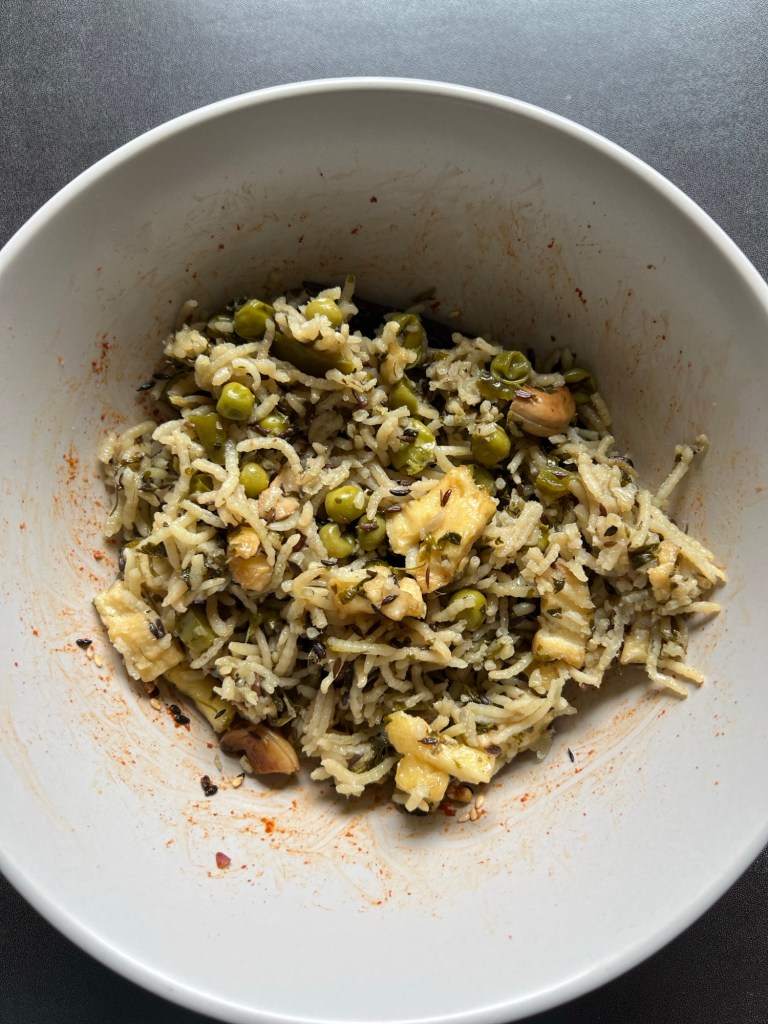
A couple of months back, while doomscrolling, I came across a similar recipe and knew I had to try it. Last week, I finally had a chance to make this. Combining the goodness of whole moong dal and mixed vegetables, this pulao is wholesome, flavourful and protein-packed and is ideal for a school or office lunchbox.

Sprouted moong dal is often referred to as a superfood due to its exceptional nutritional profile. It is rich in nutrients as it contains essential vitamins like A, B, C, and E, as well as minerals like iron, potassium, magnesium, and zinc, as well as being high in protein and dietary fibre. Sprouting enhances enzyme activity, making it easier to digest compared to regular legumes. The high fibre content promotes gut health by preventing constipation. It is rich in potassium and magnesium, which help regulate blood pressure and antioxidants that reduce oxidative stress and inflammation linked to heart disease. Because of its low glycemic index, glucose is slowly released into the bloodstream, and thus it is beneficial for diabetics due to its ability to stabilise blood sugar levels. The high protein and fibre content promotes satiety and prevents overeating. Sprouted moong dal contains vitamin C and antioxidants that strengthen immune defenses while its antioxidants help combat free radicals that cause skin aging.

Mixed Vegetable Moong Dal Pulao

Ingredients:

  • 1 cup Basmati rice, washed and soaked for 30 minutes
  • 1 cup whole moong dal, soaked for 6-8 hours. Bonus points if the dal starts to sprout
  • 1 cup chopped mixed vegetables (I used carrots, peas and corn)
  • 1 medium-sized onion, sliced
  • 1 tsp ginger-green chilli paste
  • 2 tbsp finely chopped fresh coriander leaves
  • 10-12 cashew nuts
  • 1 bay leaf
  • 1-inch piece of cinnamon stick
  • 4-5 cloves
  • 4-5 cardamom pods
  • 1 tsp cumin seeds
  • Salt to taste
  • 2 tbsp ghee 
  • 2 cups water

Method:

  • If using whole green moong beans, soak them overnight or for 6-8 hours. Drain and leave them in a damp cloth for a day to sprout. Rinse the sprouts before use. If you are unable to sprout, just use the soaked and drained moong beans.
  • Soak the rice for 30 minutes
  • Heat ghee in a heavy-bottomed pan or pressure cooker.
  • Fry the cashew nuts until light brown and keep aside.
  • Add cumin seeds, bay leaf, cinnamon stick, cloves, and cardamom pods in the same ghee. Sauté until aromatic.
  • Add sliced onions and sauté until golden brown.
  • Stir in the ginger-green chilli paste and cook for a minute.
  • Add chopped mixed vegetables. Cook for 2-3 minutes
  • Add in the mixed vegetables and moong dal. Sauté for another minute.
  • Drain the soaked rice and add it to the pan. Gently mix with the vegetables.
  • Season with salt as needed.
  • If using a rice cooker, add the rice, moong dal, and vegetables to the rice cooker. Add in the fried cashew nuts and mix well. Now add in the 2 cups of water and cook until done. Let the pulao sit in the rice cooker for a while, then open and lightly fluff with a fork. 
  • If cooking it on the stove, pour in water and bring it to a boil. Cover with a lid and cook on low heat until the rice is done. Alternatively, you can pressure cook for one whistle. Let the pulao rest for a few minutes after cooking.
  • Garnish with fresh coriander leaves and serve hot with a raita of your choice.