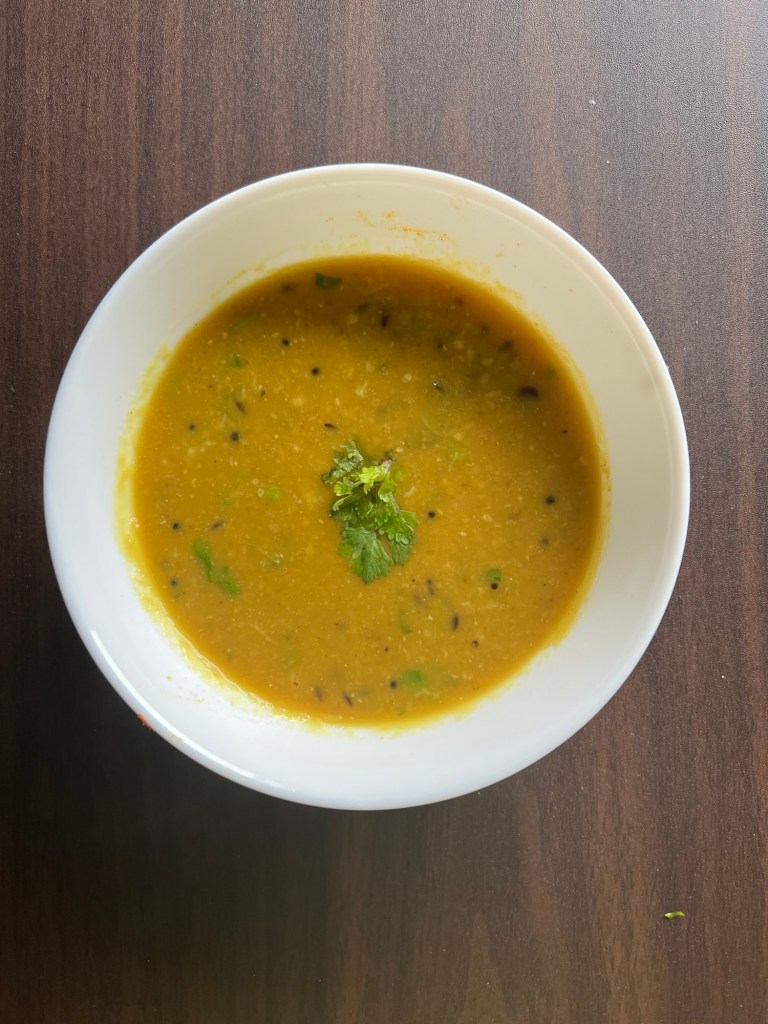
Recipes: Chincha Gul Amti

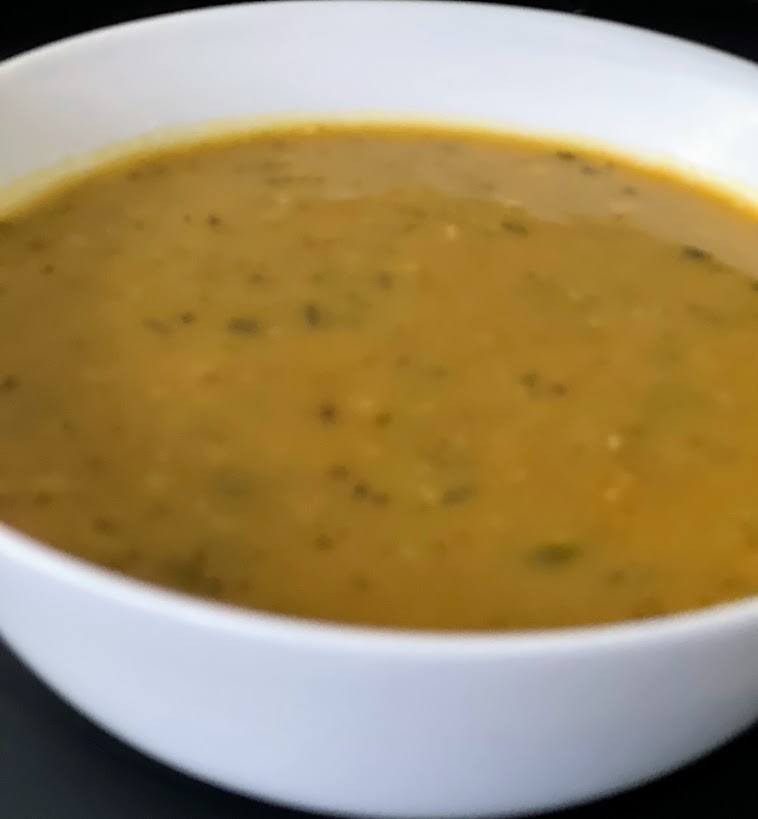
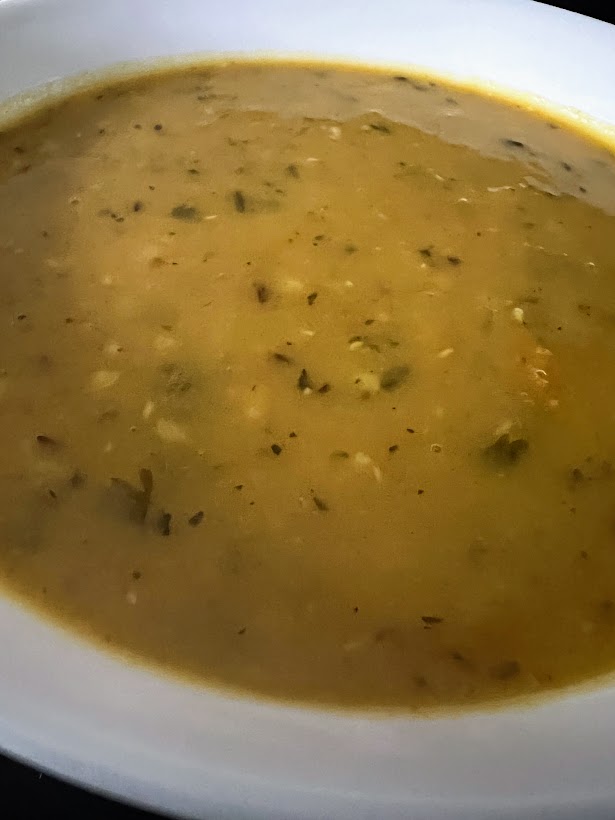
Known for its tangy and sweet flavour, Chincha Gul Amti is a traditional Maharashtrian dal made from tamarind or chincha and jaggery or gul. I got this recipe from one of the many recipe books I own (so old school, right). This version of the recipe includes coconut, which enhances the richness and texture of the dish, but you can opt to omit this if you don’t like the taste. 
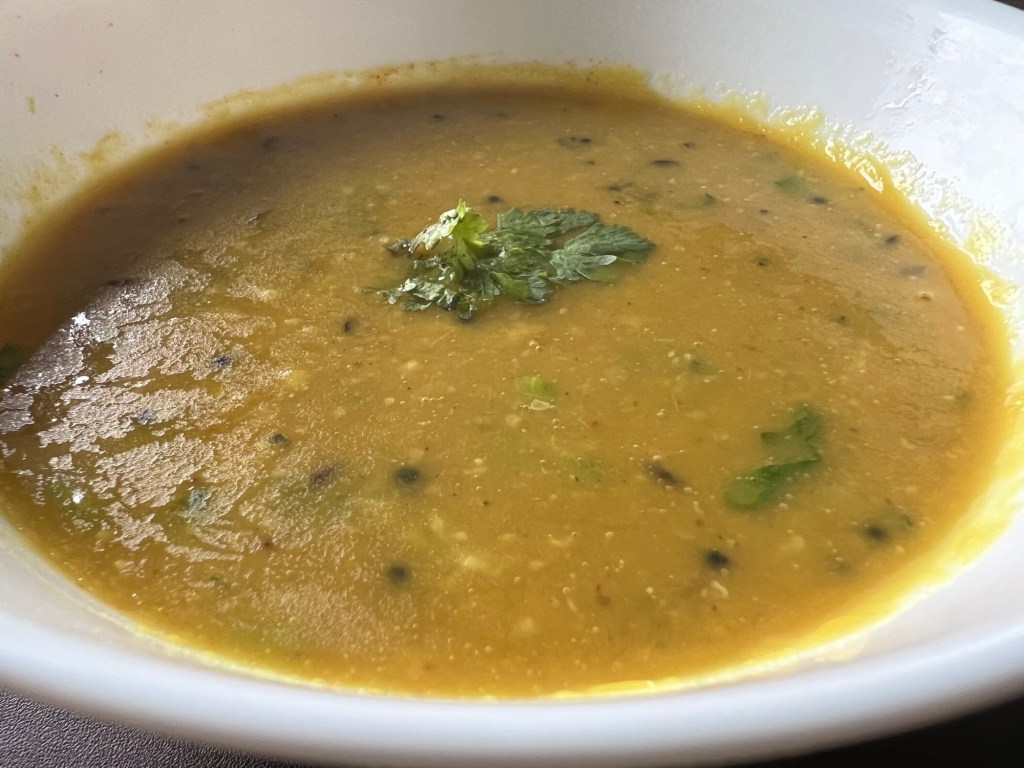
Chincha Gul Amti

Ingredients:

  • 1 cup toor dal or pigeon pea lentils
  • 2 tbsp tamarind pulp or paste 
  • 2 tbsp jaggery powder
  • 2 tbsp grated coconut, either fresh or desiccated
  • 1 tbsp oil or ghee
  • ½ tsp mustard seeds
  • ½ tsp cumin seeds
  • ¼ tsp asafoetida 
  • 2 dried red chilies
  • 8-10 curry leaves
  • ½ tsp turmeric powder
  • 1 tsp red chili powder 
  • 1 tsp goda masala (optional) or garam masala
  • Salt to taste
  • Water as needed
  • Finely chopped coriander leaves to garnish

Method:

  • Wash the dal well and soak in hot water for 30 minutes. 
  • Then pressure cook the dal with 2-3 cups of water until soft. This should take around 3-4 whistles. Mash or whisk the cooked dal to a smooth paste and set it aside.
  • If using tamarind pulp, soak tamarind in warm water for about 10-15 minutes. Extract the tamarind pulp by squeezing the tamarind, and set it aside. 
  • If using rock jaggery, dissolve the jaggery in a small amount of water, ensuring no lumps, and set aside.
  • In a deep pan or kadai, heat the oil or ghee on medium heat. Add mustard seeds and cumin seeds, and let them splutter. Add asafoetida, dried red chilies, and curry leaves. Saute for a minute until fragrant.
  • Add turmeric powder, red chili powder, and goda or garam masala and stir for a few seconds. Then add the grated coconut and sauté for another 2-3 minutes until the coconut turns slightly golden.
  • Pour the cooked and mashed dal into the pan. Stir well and adjust the consistency by adding water as needed. Bring it to a gentle simmer.
  • Add the tamarind pulp or paste and jaggery to the simmering dal. Stir well to combine the sweet and tangy flavors. Cook for another 5-7 minutes, allowing the flavours to meld.
  • Add salt to taste and adjust the level of tamarind and jaggery according to your preference. If the amti is too thick, add a bit more water to achieve a medium consistency.
  • Once done, turn off the heat and garnish with freshly chopped coriander leaves.
  • Serve Chincha Gul Amti hot with steamed rice or roti.
Recipes: Dal Bukhara

Some time back, I saw a reel about Dal Bukhara and I was intrigued by the recipe. So I made it. Dal Bukhari is a rich, creamy lentil dish that originated at the Bukhara restaurant in ITC Maurya Hotel, New Delhi. The dish was created by Chef Madan Jaiswal at the Bukhara restaurant in the 1970s. It quickly gained popularity and was associated with many accolades. Dal Bukhara is considered a more refined version of the well-known Dal Makhani.

Chef Jaiswal introduced Dal Bukhara when the Bukhara restaurant opened at the ITC Maurya Hotel in 1978. While coming up with Dal Bukhara, Chef Jaiswal focused on using only whole black gram or urad dal, without the kidney beans used in Dal Makhani. He emphasised slow-cooking the dal, sometimes overnight, to develop deep flavours, using minimal ingredients but incorporating generous amounts of butter and cream. 

Dal Bukhara

Ingredients:

  • 1.5 cups whole black gram or urad dal
  • 3 medium to large tomatoes, pureed
  • 2 tsp ginger-garlic paste
  • 1 tsp or more Kashmiri red chilli powder
  • ½ tsp garam masala
  • 6-7 tbsp butter, preferably white, but normal butter will also do
  • 7-8 tbsp light cream or 3-4 tbsp heavy whipping cream
  • Salt to taste
  • Water for cooking

Method:

  • Soak the black gram overnight.
  • Pressure cook the soaked lentils with 4.5-5 cups of water until soft.
  • Add the cooked lentils, tomato puree, ginger-garlic paste, and red chilli powder in a heavy-bottomed pan.
  • Simmer the dal on low heat for about 1-1.5 hours, stirring occasionally to prevent sticking.
  • Add butter and cream gradually during the cooking process.
  • Season with salt and garam masala towards the end of cooking.
  • The final consistency should be thick and creamy, not runny.
  • Serve hot, garnished with a dollop of cream or butter, with naan, tandoori roti, or jeera rice.

Notes:

  • As a last stage, before serving, you can also smoke the dal using the dhungar method for an authentic charcoal flavour.
  • Traditionally, Dal Bukhara is slow-cooked overnight on charcoal ovens in restaurants, which gives it its distinctive taste and texture.
  • Slow cooking and generous use of butter and cream are the key to achieving authentic flavour at home.

Recipes: Amritsari Dal or Langarwali Dal

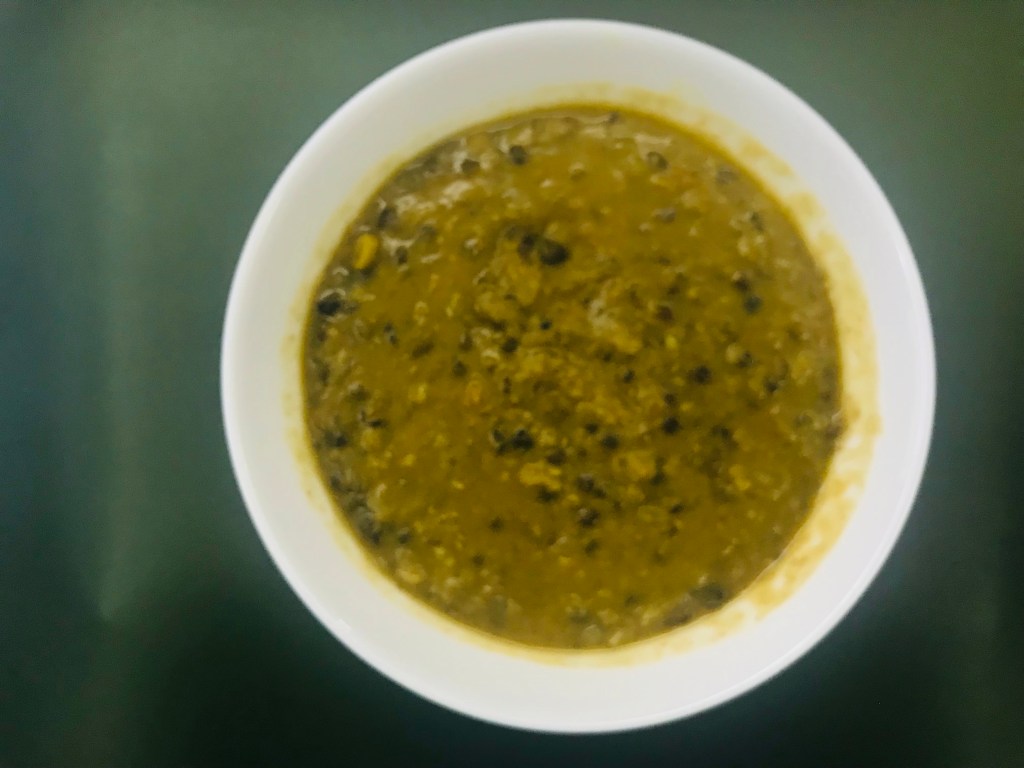
I have been curious about this dal for a few months now, but the couple of times I wanted to make it, I didn’t have the whole urad dal on hand. So a couple of months back, when I had some on hand, I decided it was time to finally make this.

This dal is rustic and comes from the homes of Punjab and is also called Langarwali Dal as it is often served at Sikh Gurudwaras, especially the Harmandir Saheb in Amritsar. Made from two types of dals, urad and chana, this dal does not have too many spices and is usually slow cooked, sometimes overnight to make a creamy, soft dal that just melts in the mouth. But because we don’t have the time these days to slow cook it, it’s made in the pressure cooker.

Amritsari Dal or Langarwali Dal

Ingredients:

  • 1 cup whole black urad dal
  • ¼ cup chana dal
  • ¼ tsp turmeric powder
  • 2 tbsp finely minced ginger
  • 2 tbsp finely mined garlic
  • 2-3 tbsp ghee, oil or butter
  • 1 tsp minced green chillies
  • 1 medium sized onion, finely chopped
  • 2 medium sized tomotoes, finely chopped
  • ½ tsp red chilli powder
  • 2 tbsp finely chopped coriander leaves
  • 1 tbsp finely chopped mint leaves (optional)

Method:

  • Soak the urad dal and chana dal in water for at least 5-6 hours until the urad dal is soft to touch.
  • Wash the dal well and put inside the pressure cooker with enough water to cover it, add turmeric powder, 1 tbsp each of ginger and garlic and about 1 tsp salt and cook for about five to six whistles. Open the cooker when the pressure goes away and slightly mash the dals with the back of a spoon or a whisk.
  • In a separate pan, heat the ghee, oil or butter and when it heats up, add in the finely chopped onion, stir until the onions turn translucent.
  • Then add in the balance minced ginger and garlic and stir well.
  • Add the mined green chillies and stir.
  • Saute until the onions become a nice golden colour.
  • When the onions turn golden, add In the finely chopped tomatoes. Mix well and let the tomatoes cook until they become mushy
  • Let the mixture cook until the oil releases from the sides. At this point, add the red chilli powder
  • Pour the tempering into the dal mixture and mix well
  • Add salt and water if needed and mix well
  • Let the dal come to a nice rolling boil.
  • Lower the flame and let the dal simmer for about 5 minutes. You can simmer for longer if you want, and the results will be better.
  • Garnish with coriander leaves and mint leaves, if you are using them and serve hot with rice, rotis or nan.

Note that the dal will thicken as it cools, so you may need to thin it a bit before serving if you plan on cooking it ahead of time. Also the dal tastes much better if eaten the next day, so it may be a good idea to cook it ahead of time.

Recipes: Dal Darbari

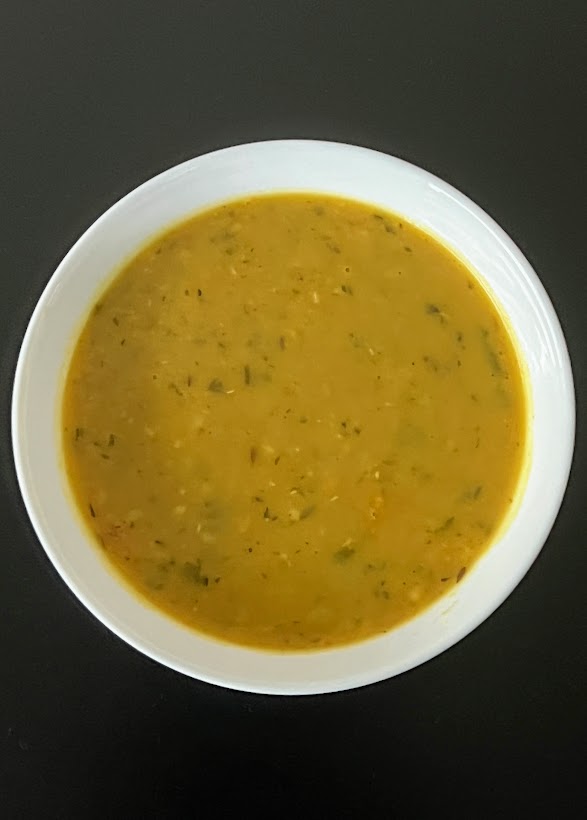
In a vegetarian diet, lentils or dals are a very important source of protein and most Indian households, especially those who follow a vegetarian diet try to incorporate some lentils in their diet daily. But then the problem comes that we end up eating the same three or four types of lentils daily. Fed up, a couple of weeks back, I tried a new recipe which was surprisingly easy to make and very yummy to boot. The addition of yoghurt and milk elevated the recipe and make it special.

Dal Darbari

Ingredients:

  • ½ cup Yellow Moong Dal
  • ½ cup Masoor Dal or Orange Dal
  • 2 medium-sized onions, finely chopped
  • 2 medium-sized tomatoes, finely chopped
  • 1 tsp cumin seeds
  • 1 tbsp ghee
  • ½ tsp green chilli paste or 1 finely chopped green chilli
  • ¼ tsp ginger paste or 1 inch finely chopped ginger
  • ½ tsp turmeric powder
  • 2 to 3 tsp red chilli powder
  • ½ tsp garam masala Powder
  • 1 tbsp kasuri methi
  • 3 tbsp beaten yoghurt
  • 3 tbsp milk (either skimmed or full cream)
  • Salt to taste
  • 1-2 tbsp finely chopped coriander leaves

Method:

  • Wash and soak masoor and moong dal in warm water for about 20 minutes.
  • After that, add half the turmeric powder and pressure cook the dals for about 3-5 whistles until the dals are very soft and mushy. This can also be done on the stovetop.
  • When the cooker has cooled down, open it and whisk the dals until they become a homogenous mass.
  • In a pan, heat half the ghee and add in the cumin seeds and let them splutter a bit.
  • Now add the green chillies and ginger and saute for a few seconds.
  • Then add the onions and saute till the onions become translucent in colour.
  • Once the onions are translucent, add in the tomatoes and saute till the tomatoes become soft and mushy.
  • At this point, add ½ the red chill powder, the balance turmeric powder, salt and garam masala and saute till the masalas are incorporated.
  • Pour this masala over the cooked and whisked dals and mix well.
  • Add the yoghurt and milk and water to bring it to the desired consistency. Keep it on a slow to medium flame until the dal comes to a rolling boil.
  • In the same pan that you made the masala, heat the balance ghee and once it heats up, crush the kasoori methi in the palms of your hands and add it as well as the remaining red chilli powder and saute for a few seconds before pouring it over the dal.
  • Cover for about 10 minutes before serving so that the flavours get time to infuse.
  • Enjoy with rice or any flatbread

Notes: The recipe called for fresh cream which I substituted with skim milk. It didn’t detract from the taste and you can add in 1-2 tbsp of cream instead of milk.

Recipes: Methi Palak Dal

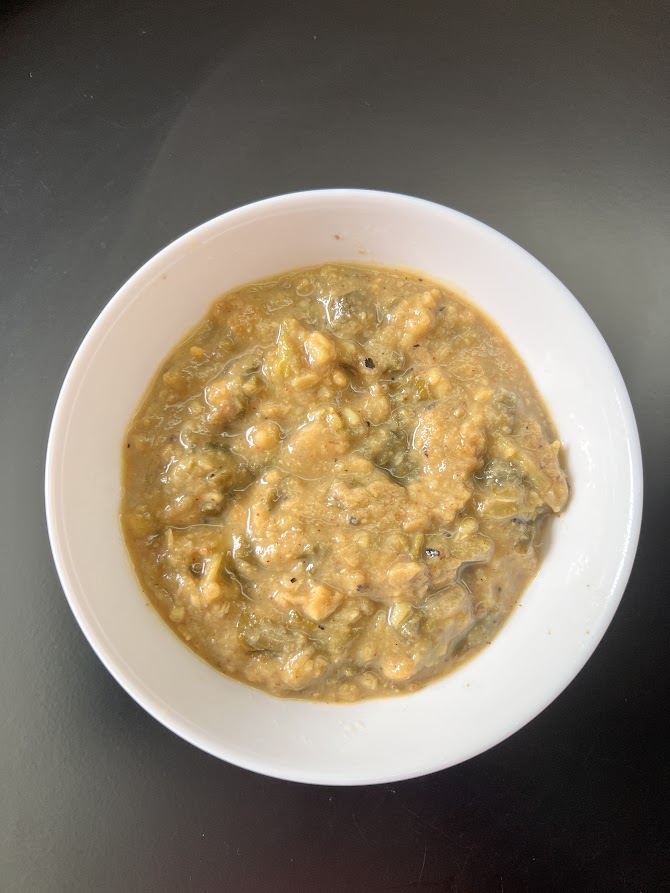
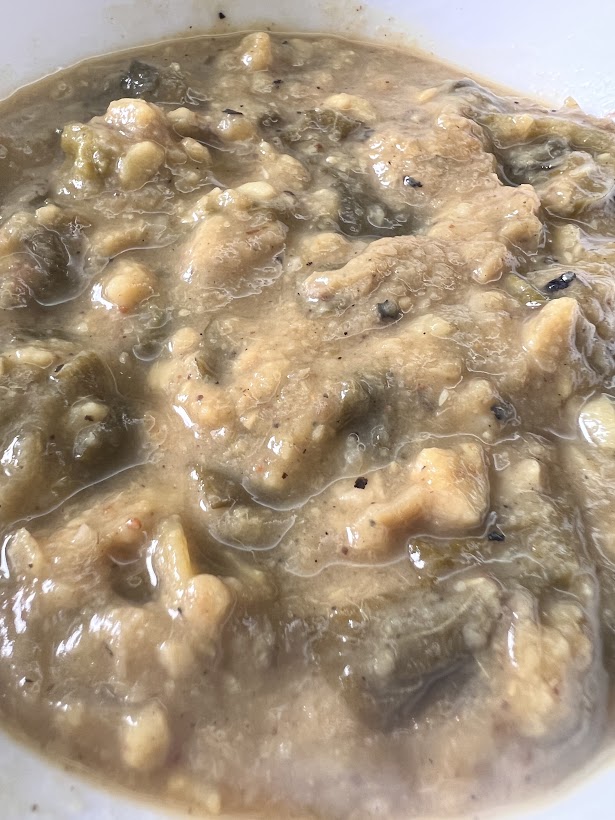
I’ve blogged about dals many times previously and here’s another one today. I had some fresh methi leaves and so instead of making it into a sabzi or kneading it into a dough for methi parathas, I thought of adding it to a dal with some fresh spinach. The result was a super yummy dal that kept well even when we had it the next day.

Methi and Palak Dal

Ingredients:

  • 1 bunch of fresh methi or fenugreek leaves, plucked, cleaned and chopped
  • 1 bunch of fresh palak or spinach, cleaned and chopped
  • 1 large onion, finely chopped
  • 1 bulb garlic, peeled and minced
  • 1 large tomato, finely chopped
  • 1 cup yellow moong dal, washed and soaked in water for 15-20 minutes
  • 1 tbsp ghee or oil
  • 1 tsp cumin seeds
  • ½ tsp green chilli paste or 1 tbsp finely chopped green chillies
  • 1 tsp red chilli powder
  • 1 tsp coriander powder
  • 1 tsp garam masala powder
  • 1 tsp jaggery (optional)
  • 1 tbsp lemon juice
  • Salt to taste

Method:

  • Soak the chopped spinach and methi in some water so that any dirt gets to the bottom. Wash it well and keep it aside.
  • In a pressure cooker, heat the ghee and oil and when warm, add the cumin seeds. Let the seeds pop and then add the garlic and saute for a few seconds.
  • Then add the minced garlic and saute for a few seconds.
  • Now add the finely chopped onions and saute till the onions turn translucent.
  • When the onions are translucent, add the finely chopped tomatoes and some salt and let the onions cook.
  • When the tomatoes start to turn mushy and are fully cooked, add in the chopped greens and saute till the greens start to wilt.
  • At this point, add in the soaked dal and add salt, jaggery, red chilli powder, coriander powder and garam masala.
  • Add in water to cover the dal, close the cooker and cook it for three whistles. If you are cooking on a stovetop, cook until the dal is completely cooked and the dal is completely dissolved.
  • Open the pressure cooker and mash the dal and greens together and switch on the flame again
  • Adjust seasonings and add water to bring it to the consistency you desire and when you are satisfied with the taste and consistency, switch off the flame and add the lemon juice.
  • Serve hot with rice or rotis or any Indian flatbread.