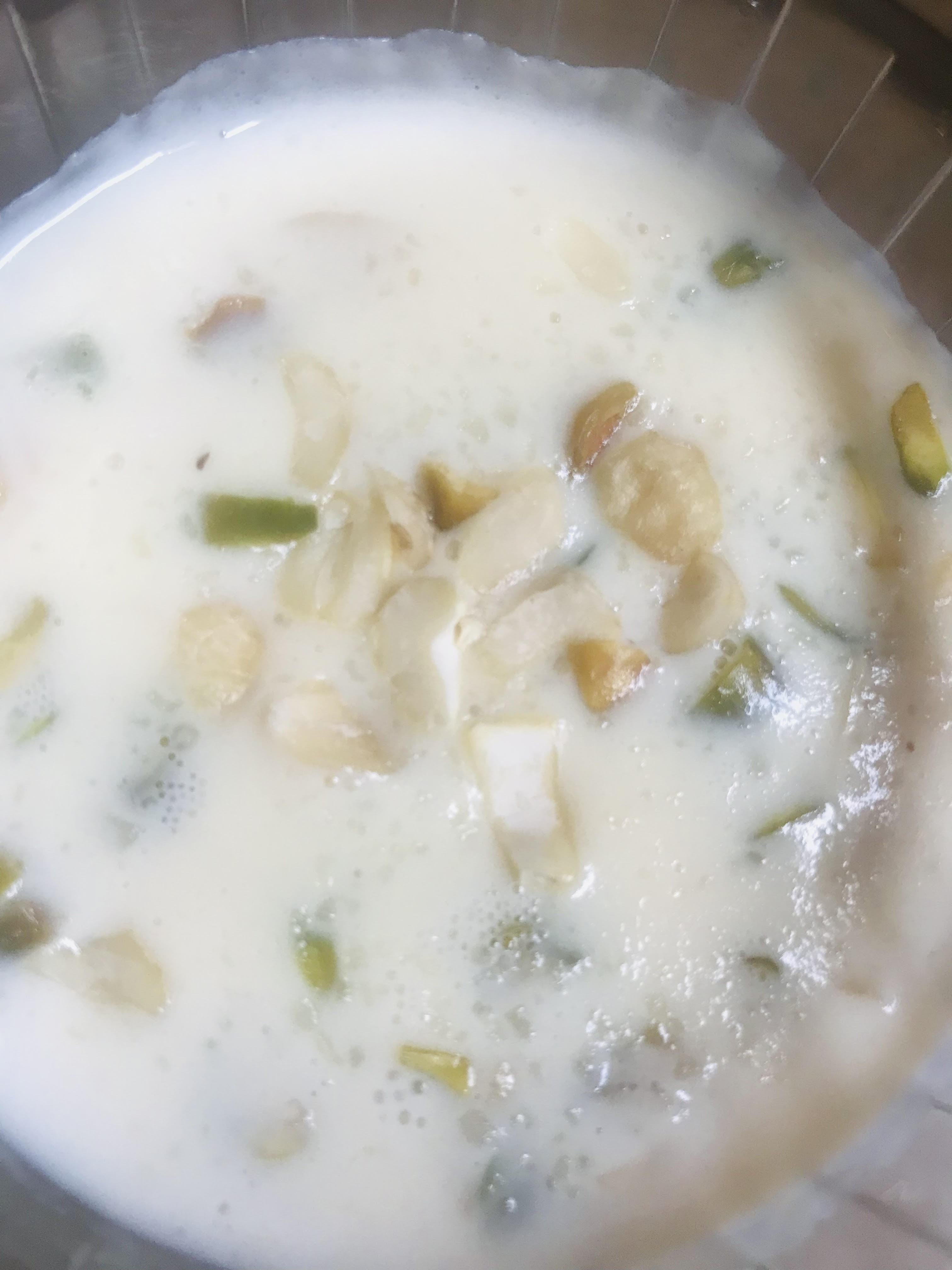
Recipes: Qubani ka Meetha

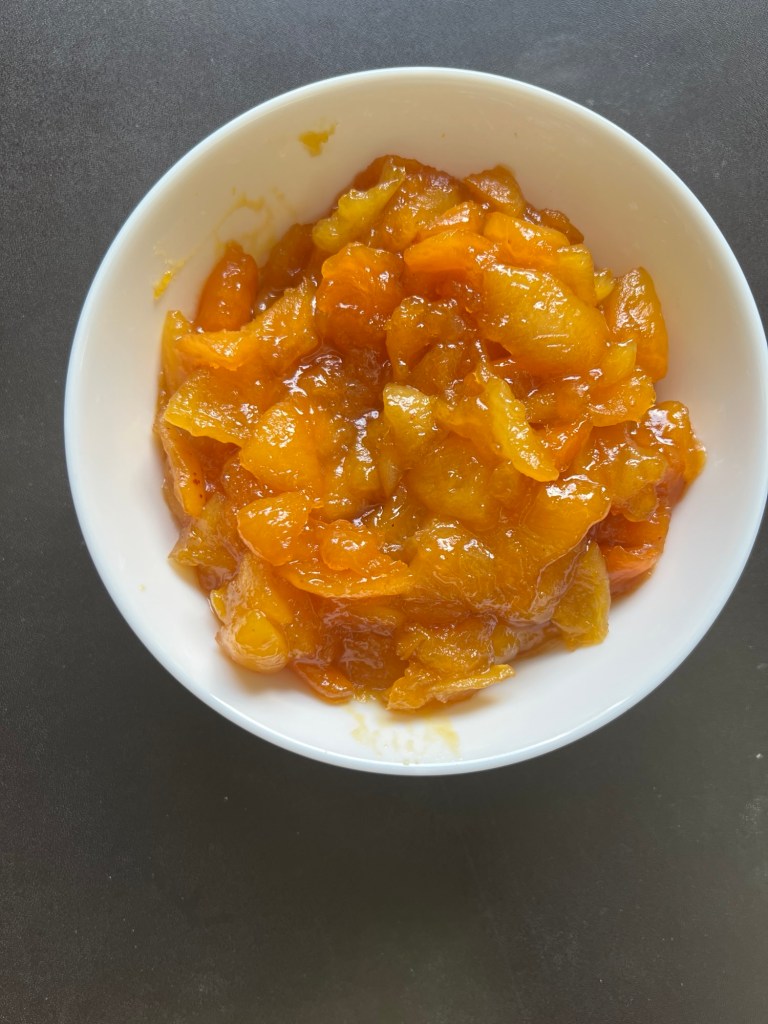
A traditional dessert from Hyderabad, Qubani ka Meetha is made from dried apricots and is often served during special occasions and festivals. Dried apricots are high in essential vitamins and minerals, particularly vitamin A, vitamin C, potassium, and iron and also contain antioxidants such as beta-carotene and polyphenols that help combat oxidative stress in the body, reducing the risk of chronic diseases.

Qubani Ka Meetha has a rich cultural heritage, particularly in Hyderabad, where it is often served at weddings, festivals, and special occasions like Eid. The dessert reflects the culinary traditions of the Mughal era, showcasing how dried fruits were used to create luxurious sweets that were both flavorful and visually appealing. I made this for the first time last year during Navaratri, and it was such a hit with GG & BB that they have made me make it a few more times since then.
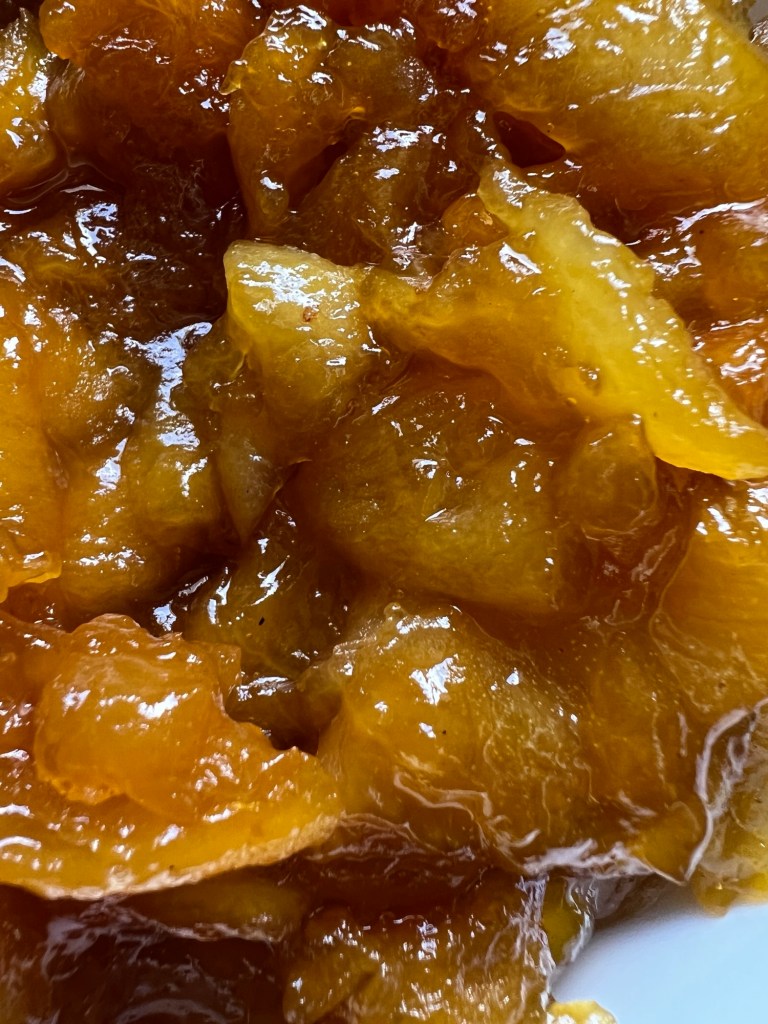
Qubani ka Meetha

Ingredients:

  • 250 gms dried apricots
  • 2 cups (or more) water for soaking
  • ⅔ cup sugar (adjust to taste)
  • 1 tbsp lemon juice
  • Chopped almonds and pistachios for garnish (optional)

Method:

  • Rinse the dried apricots under running water to remove any impurities. Soak them in enough water to cover them overnight until they become soft and plump.
  • Drain the soaked apricots and reserve the soaking water. 
  • Either finely chop the apricots or run them through a chopper to chop them finely. Make sure you do not make it into a puree. 
  • In a saucepan, combine the soaked apricots with the reserved water. Add more water if needed. Cook on medium heat until the apricots are tender and can be easily mashe. This should take about 10 to 15 minutes.
  • Add sugar to the cooked apricots and mix well. Cook for another 5 to 10 minutes until the sugar dissolves completely and the mixture thickens slightly.
  • Stir in the lemon juice and mix well. 
  • Transfer the Qubani Ka Meetha to a serving dish. You can garnish with chopped nuts such as almonds and pistachios.
  • Serve warm or at room temperature, optionally with a dollop of fresh cream or a scoop of vanilla ice cream.
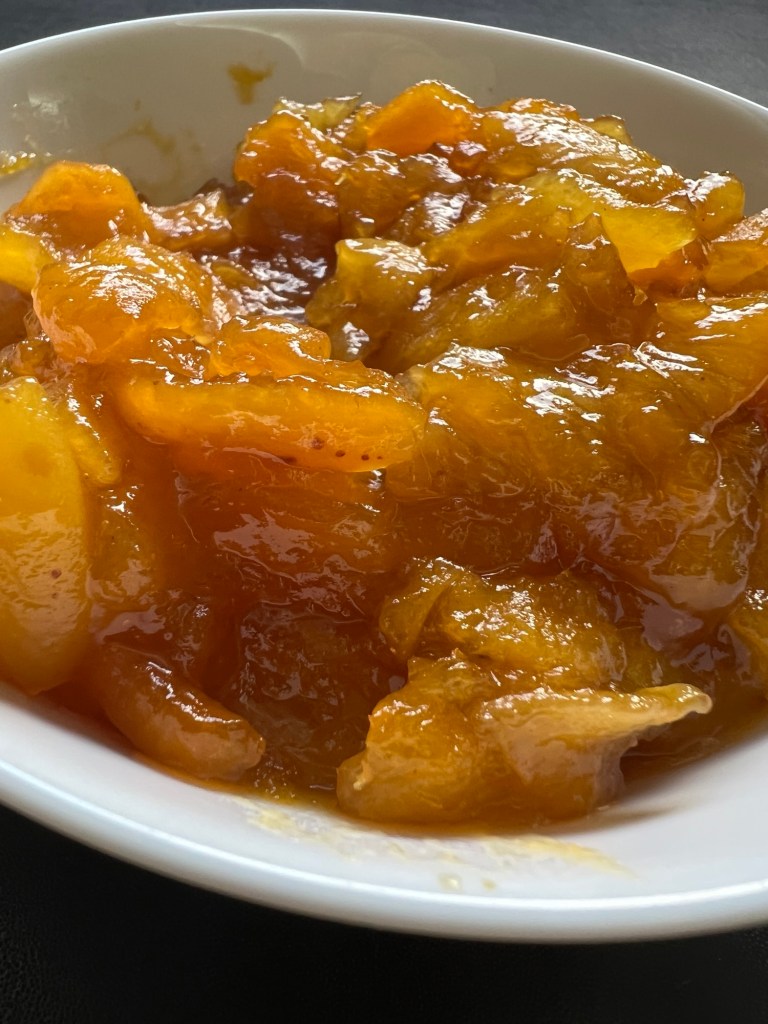
Recipes: Apple Halwa

Happy New Year! Here’s wishing every one of you a year that’s filled with love, hope, happiness and positivity!

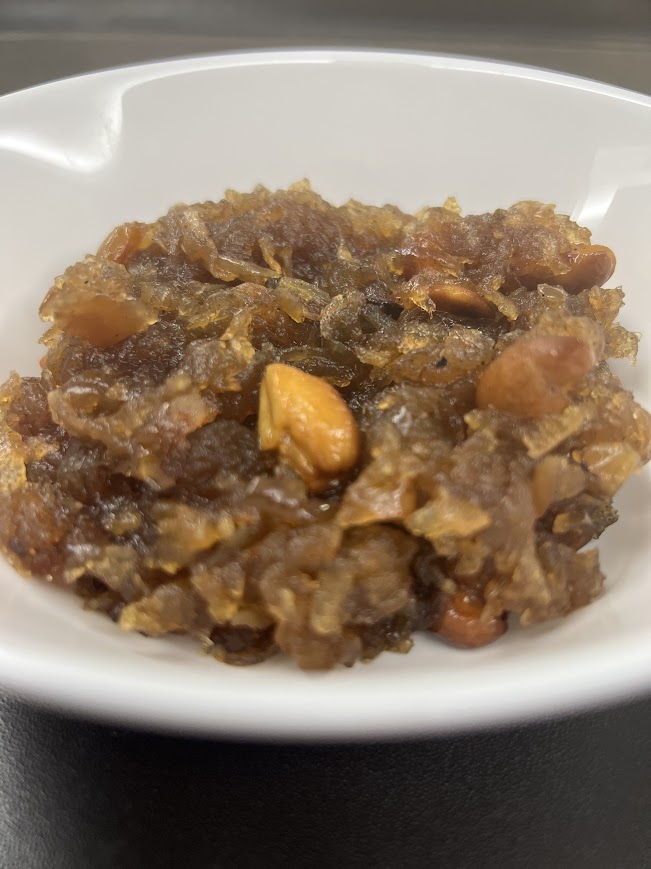
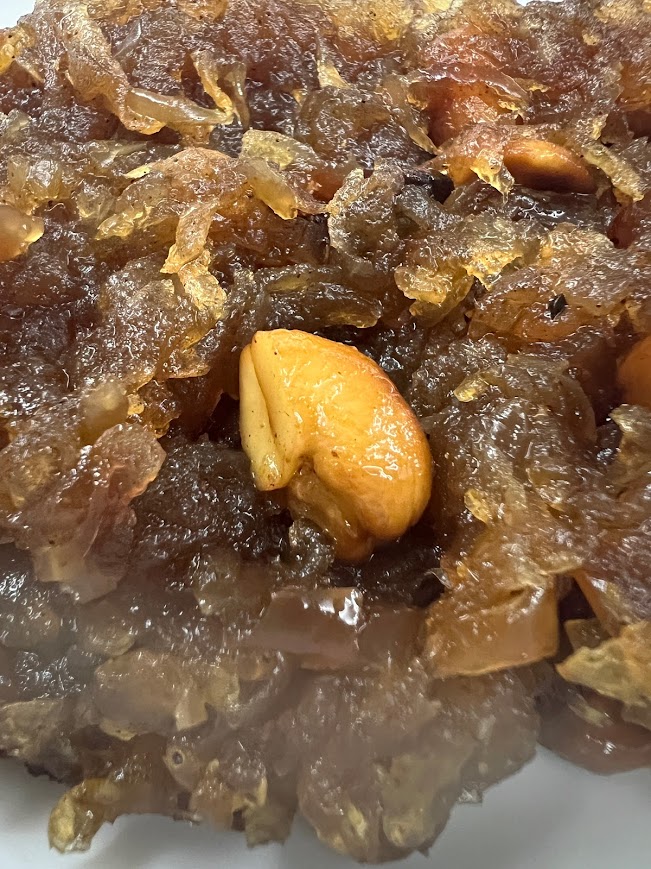
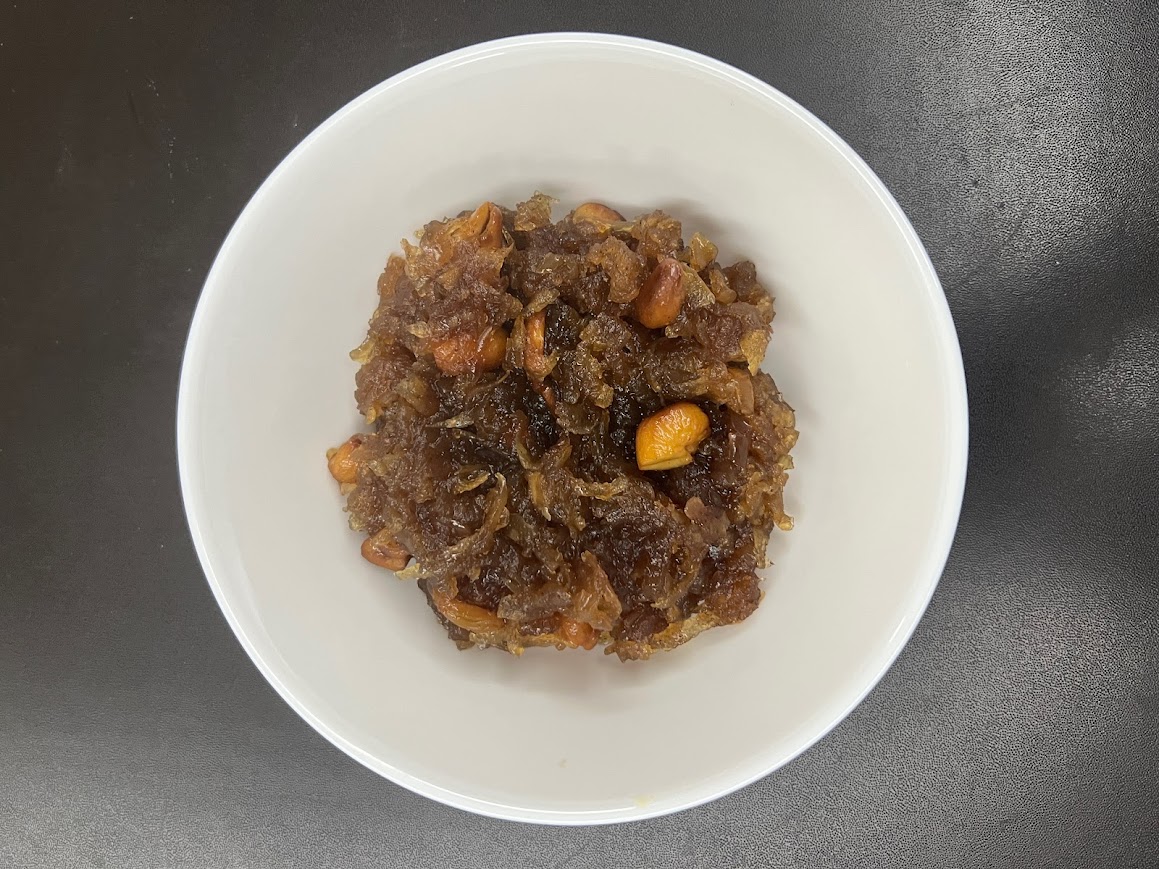
And to start the new year, here’s a sweet dish that I made some time ago. I had many apples at home, which would all start to go bad at the same time. So instead of requesting everyone to eat them, I decided to make apple halwa with some of them. It was delicious and is something I will make again when I am craving something sweet.

Apple Halwa

Ingredients:

  • 3 medium-sized red apples
  • 1.5 tbsp ghee
  • ¼ cup + 2 tbsp sugar, brown sugar, or jaggery
  • ½ tsp ground cinnamon
  • 2 tbsp raisins
  • 10–12 almonds and cashew nuts

Method:

  • Peel and grate the apples and set them aside.
  • Finely chop the almonds and cashew nuts.
  • Heat the ghee in a pan over medium heat.
  • Add the chopped nuts and once they are brown, remove them from the pan with a slotted spoon and keep them in a kitchen towel until later.
  • Add the grated apples and cook, stirring occasionally, until softened and most of the liquid has evaporated. This should take about 7 to 8 minutes.
  • Add the sugar or jaggery and mix well.
  • Once the sugar or jaggery has melted into the apple, add the cinnamon and continue cooking, stirring constantly, until the mixture thickens and pulls away from the sides of the pan, which should take about 5–7 minutes more.
  • If the apples are sour, you may need to add more sweetener to taste and adjust the sweetness if needed.
  • Add the raisins, almonds and cashew nuts, keeping some aside to garnish and mix well.
  • Serve warm, garnished with chopped nuts.

Notes:

  • Use any variety of red apples you like, but sweet and crisp apples will work best.
  • For a smoother texture, the apples can be blended after cooking before adding them back to the pan.
  • This halwa can be stored in an airtight container in the refrigerator for up to 3 days.

Recipes: Sweet Aval or Poha

During the last Krishna Jayanthi festival, while I was speaking with my mum, she told me that Lord Krishna loves aval or poha which are flattened rice flakes and that I should include this dish when I make my neividhyam to the Lord. I had not made this recipe before so I asked her the recipe and this is what she told me. The result was a sweet dish which was not too rich and once that took me barely 15 minutes to make. All the ingredients are usually pantry staples, so if you are in a hurry and have these ingredients on hand, you can make a quick offering to God in 15 minutes or less. The colour of your dish will depend on your jaggery, so try and get the darkest jaggery you can find.

Sweet Aval or Poha

Ingredients:

  • 1 cup aval or poha
  • ½ cup powdered jaggery
  • ¼ tsp cardamom powder
  • 1 tbsp grated coconut
  • 1 tbsp ghee
  • 5-10 cashew nuts

Method:

  • Wash the poha well, drain and keep it aside
  • In a pan, heat the ghee and when the ghee heats up, fry the cashew nuts to a golden brown colour. Drain into a kitchen towel and keep aside.
  • In the same pan, add the powdered jaggery and 1 tbsp of water and bring the jaggery to a nice rolling boil.
  • When the jaggery has completely melted, add in the washed and drained poha and mix well.
  • Add the cardamom powder and coconut and mix well.
  • Add in the fried cashew nuts, mix well and switch off the gas.
  • Remove to a serving dish and serve hot.

Note: I used organic powdered jaggery, so I didn’t have to strain it. If you are using the lump jaggery, chop enough to make ½ a cup and heat it with a tablespoon of water. Once the jaggery syrup has cooled down, strain it to remove any impurities and continue with the recipe.

Recipes: Potato Halwa

Happy Navratri! Today is the first day of the nine days that are spent in prayer, contemplation, and celebrating women.

Last year during Navratri, I wanted to make a different sweet each day as an offering to the Goddess. One of the days, when I didn’t know what to make and had some boiled potatoes and sweet potatoes in the fridge, I made this recipe which I found online. Usually only made from potatoes, I added sweet potatoes to the mix and the result was a super delicious halwa, which nobody could believe was made from potatoes!

This recipe is slightly heavier during the summer months because of the carb and starch content in the potatoes and so is apt for winters. Also, because it is heavy, you can make it if you are fasting as potatoes are the quintessential fasting vegetable.

Potato Halwa

Ingredients:

  • 3 medium-sized potatoes, boiled, peeled, and mashed
  • 1 medium-sized sweet potato, boiled, peeled, and mashed
  • ½ cup milk
  • 1/3 to ½ cup sugar according to taste
  • ½ teaspoon cardamom powder
  • 4 tbsp ghee
  • A generous pinch of saffron
  • 2 tbsp chopped mixed nuts like cashews, almonds, and pistachios
  • 1 tsp raisins

Method:

  • Take the saffron in a small bowl and add 1 tbsp warm milk to it let the saffron dissolve. You may need to stir it a bit or even cook it in the microwave in 30-second increments.
  • In a small pan, with 1 tsp ghee, fry the mixed nuts and raisins and keep aside. You can also dry roast them as I did to make the recipe slightly healthy. Keep aside.
  • Heat ghee in a pan and when the ghee heats up, add the mashed potatoes.
  • Sauté on low heat for about 5-6 minutes until the potatoes start to change in colour and start becoming golden brown.
  • Add in the milk, sugar, cardamom powder and saffron and mix well to combine. The sugar will start to melt and the mixture becomes watery. Make sure you stir well that there are no lumps in this mixture.
  • Stir continuously until the halwa turns dry again and the ghee starts oozing out.
  • Add half the chopped nuts and raisins and mix well.
  • Cook for another minute and switch off the flame.
  • Serve warm garnished with the remaining nuts and raisins.
  • This dish is best served warm, so if you are planning to make it ahead of time, just warm it in the microwave or the stove and serve.

Recipes: Phirni

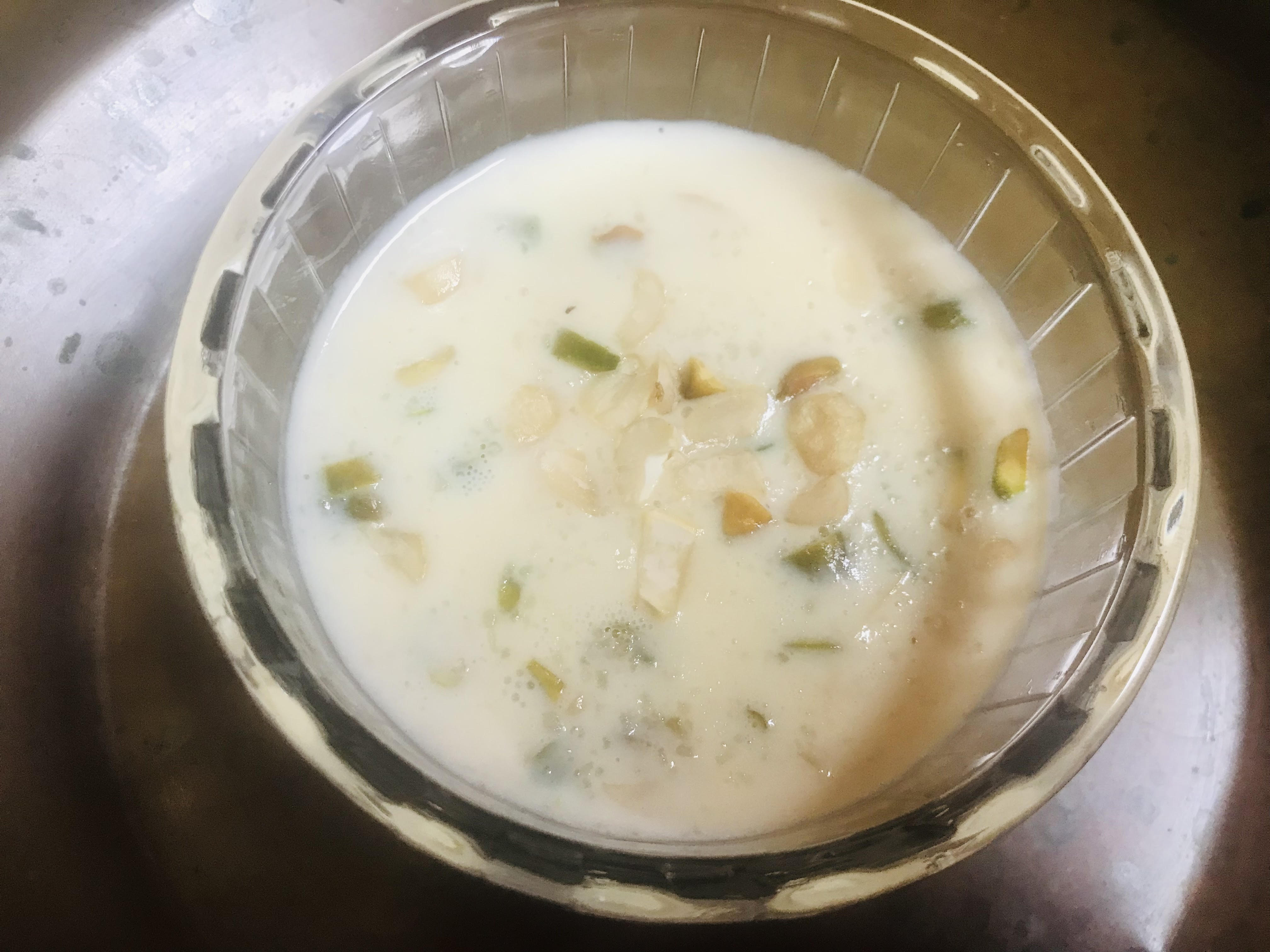
I like to think of Phirni as a sophisticated cousin of the Payasam. Also known as Kheer, Kheeri, Payesh, Payox, Payasam, Phirni is a sweet dish and a type of wet pudding, usually made by boiling milk, sugar or jaggery, and rice, although rice is sometimes substituted with dals, tapioca or vermicelli. It is typically flavoured with desiccated coconut, cardamom, raisins, saffron, cashews, pistachios, almonds, or other dry fruits and nuts and is typically served as a dessert. The word kheer is derived from the Sanskrit word for milk, ksheer and is also the archaic name for sweet rice pudding. The difference as I see between kheer or payasam and phirni is that payasam has whole rice grains cooked in it while Phirni has powdered rice, usually, Basmati added to it. Tasting great both hot and cold, we prefer it cold, but this is a personal preference.

Phirni

Ingredients:

  • ¼ cup basmati rice
  • 1-litre full cream milk
  • ½ cup sugar or as required
  • 10 to 12 almonds, blanched and peeled, keep about a tbsp for garnishing
  • 10 to 12 pistachios, blanched and peeled, keep about a tbsp for garnishing
  • ½ tsp cardamom powder
  • A large pinch of saffron strands
  • 2 tsp rose water

Method:

  • Rinse the basmati rice a couple of times in water. Drain the water and dry the rice by spreading them on a tray or plate. Let the rice dry completely and keep it aside.
  • Grind the rice in a grinder till the consistency resembles fine semolina or couscous and keep the ground rice aside.
  • In a small bowl, add the nuts, add boiling water to it and keep aside for about 30 minutes.
  • After 30 minutes, drain the water and let the nuts cool slightly. Peel the nuts and slice or chop them finely and keep them aside. Keep aside about 1 tbsp each of the almonds and pistachios for the garnish.
  • Heat milk in a thick-bottomed broad pan.
  • When the milk starts to boil, take 1 tbsp of the milk into a small bowl, add in the saffron strands and stir it until the saffron dissolves and the milk becomes a lovely orange colour.
  • Let the milk in the pan reach a rolling boil, lower the heat and add the ground rice. Stir and add the sugar.
  • Cook the ground rice in the milk on low to medium heat on the pan with the pan uncovered and keep stirring at intervals so that the milk is completely lump-free.
  • Add In the cardamom powder, almonds, pistachios, cardamom powder and saffron-infused milk.
  • Stir and cook for another five minutes, or a bit more until the Phirni thickens and the rice granules are softened and cooked completely.
  • Switch off the flame and drizzle the rose water.
  • Garnish it with the reserved chopped nuts and cover tightly and let the Phirni cool down.
  • Once the Phirni is cool, refrigerate until it becomes cold and serve cold as a dessert. It should stay for 2-3 days in the fridge, but I doubt it will last that long!