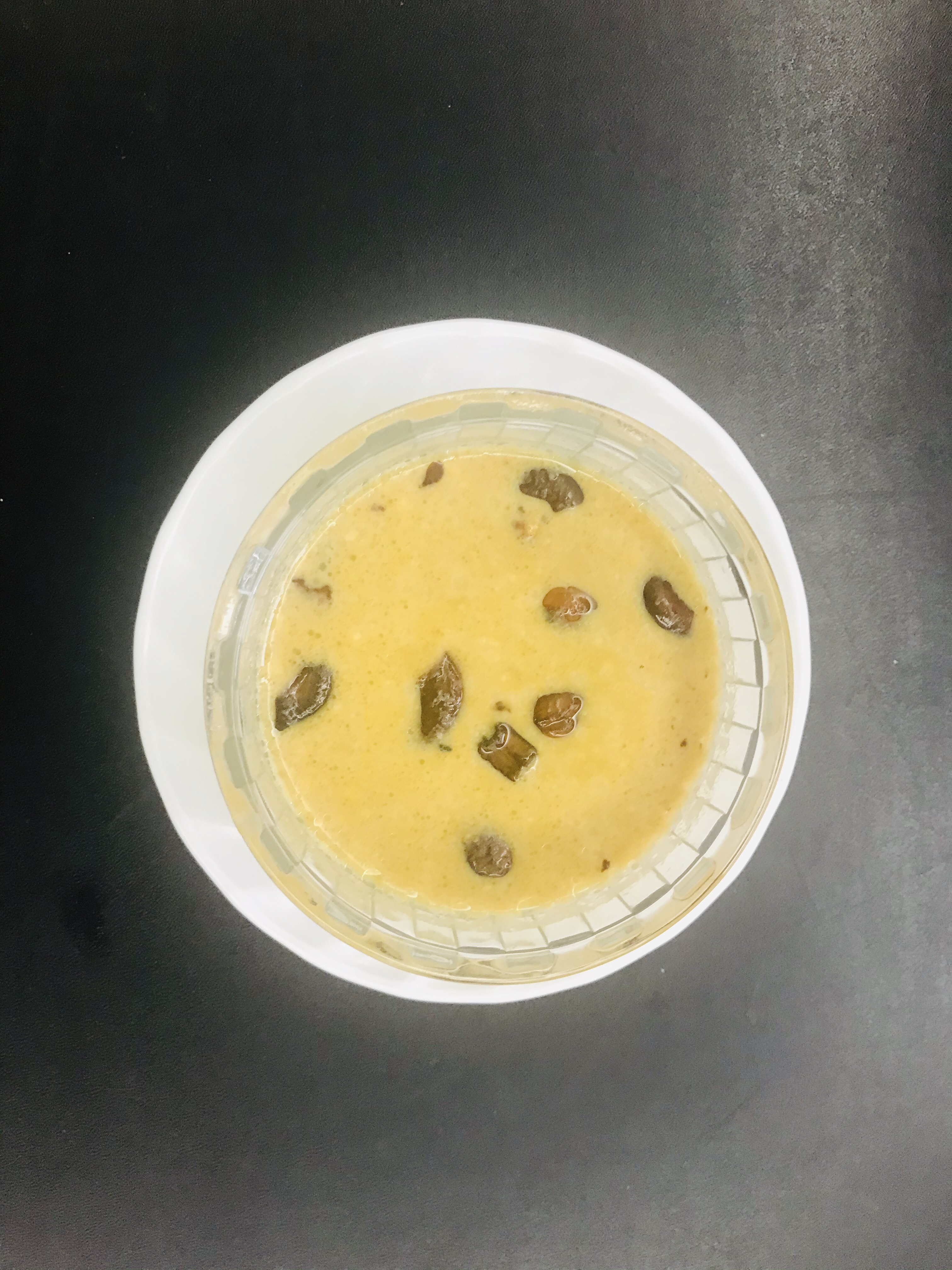
Recipe: Pineapple Halwa or Pineapple Kesari

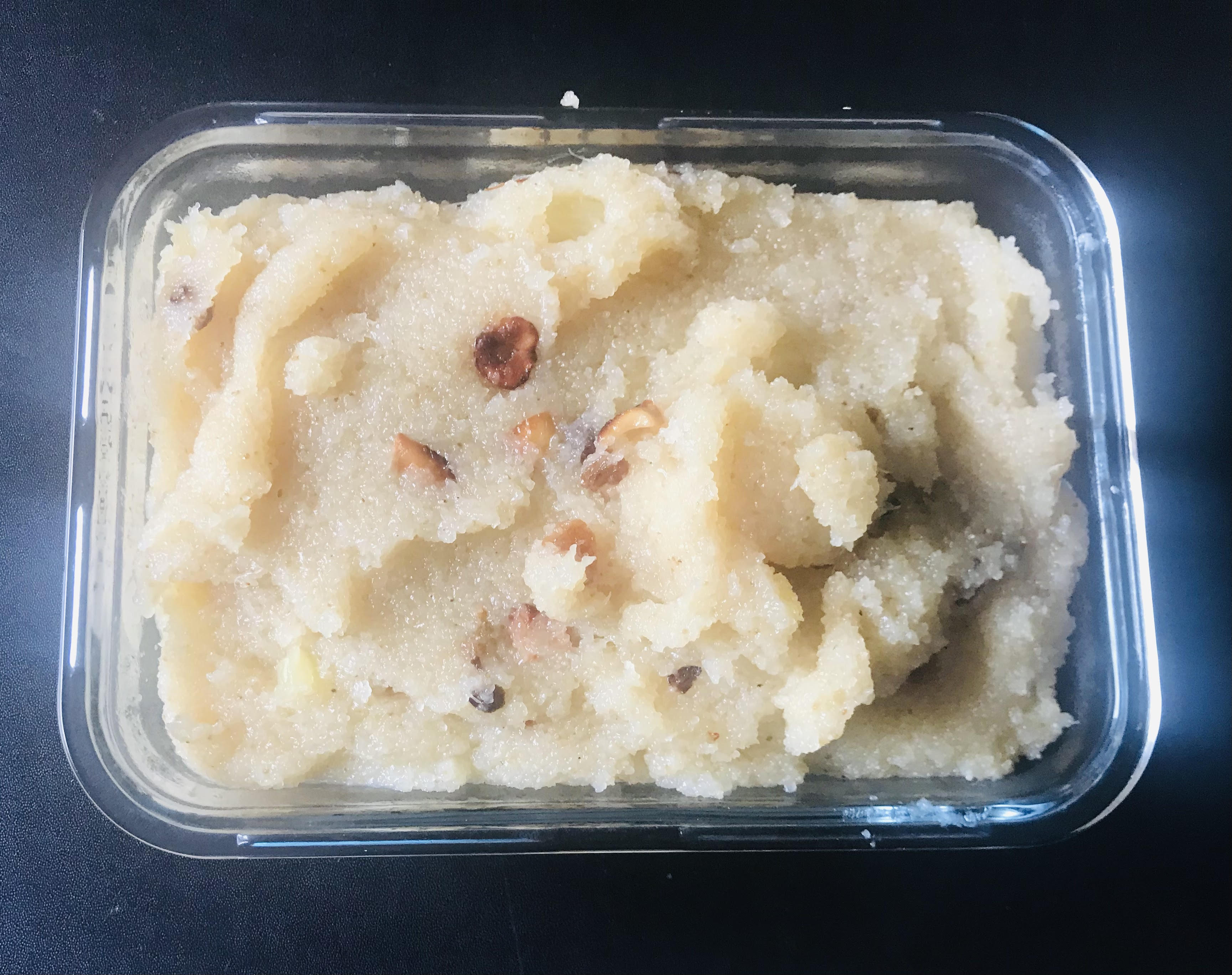
One of the simplest sweets, a kesari or Halwa is made of semolina or rava and is usually the go-to sweet in many South Indian households. Very simply put, a kesari is a sweet sweet upma.

The usual way to make a Kesari is to make it exactly like a plain upma and substitute salt with sugar. Most people add a bit of orange colour to get the distinctive orange hue. During Navaratri last year, I decided to make this on one of the days and added pineapple to it to make Pineapple Kesari. Because I didn’t have any colour on hand, I used a bit of saffron which is why my Kesari is pale cream or yellow. If orange or yellow colour is used, it would have a bright yellow colour.

Pineapple Kesari

Ingredients:

  • 1 cup semolina or rava, roasted
  • 1 cup sugar
  • 3 cups water
  • 4 tbsp ghee
  • 12-15 cashewnuts
  • 1 tbsp raisins
  • ¼ tsp cardamom powder
  • 1 tin canned pineapple
  • 1-2 drops natural yellow or orange colour
  • 1 large pinch saffron

Method:

  • Dry roast the semolina until it starts to emit an aroma. If it is already pre-roasted, you just need to dry roast it for a couple of minutes.
  • Boil the water in a kettle or pot and keep aside, letting it be boiling until needed.
  • Heat 2 tbsp ghee in the same pan in which the semolina was roasted and when the ghee becomes warm and fry the cashew nuts until they are golden brown. Drain the ghee and remove to a kitchen towel and keep aside.
  • Fry the raisins for a couple of seconds and remove and keep aside.
  • Keep aside some of the pineapple and chop it into tiny pieces and keep aside. Blend the balance pineapple into a fine puree and keep aside.
  • Heat 2 tbsp ghee and fry the pineapple pieces for a few minutes. Add in the puree and saute covered for about two minutes.
  • Now add the sugar and stir well. Add in the water and let the water come to a rolling boil. Add in any colour if you are using as well as the saffron.
  • Now add the roasted semolina and quickly stir so that there no lumps form. Add in the cardamom powder as well as the fried cashew nuts and raisins and stir constantly so that lumps are avoided. A rule of thumb I use is that to make the kesari slightly watery so that it does not harden as it cools. Once the water has been absorbed, cover and serve hot.

Notes:

  • If the kesari is cold, you can warm it slightly before serving as this sweet tastes better warm rather than cold.
  • If you are not using tinned pineapple, you will need to cook the pineapple pieces for a bit and soften it before adding the semolina.

Recipes: Paruppu Payasam aka Moongdal Payasam

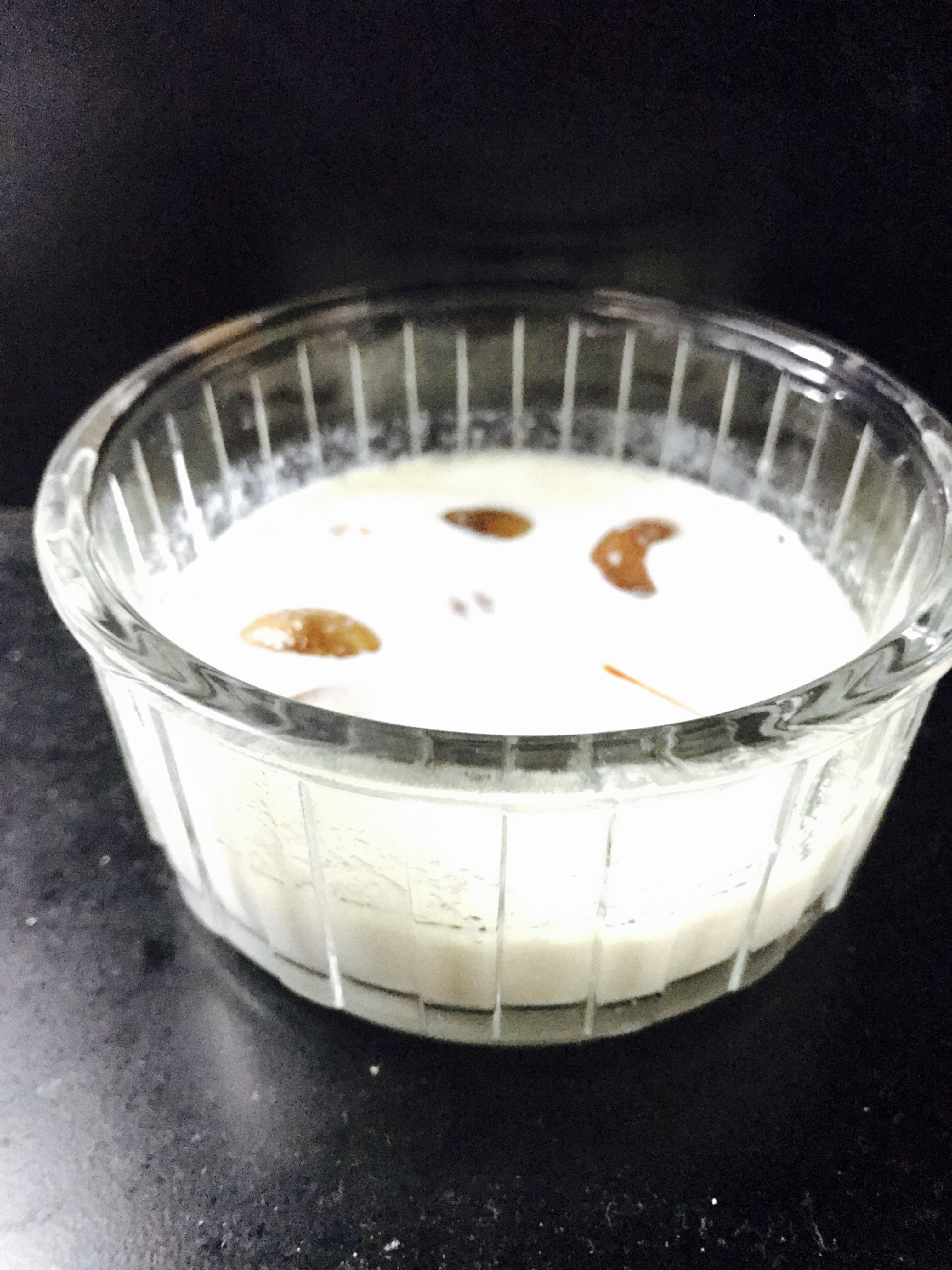
A very simple traditional recipe which does not take much time to prepare, I made this payasam the day after Avani Avittam, when S and BB had to say the Gayatri Japam 1008 times. It is traditional to make a sweet on this day, and since I didn’t have much time in the morning, I decided to go with this simple and tasty sweet dish.

Paruppu Payasam

Ingredients:
1 litre milk, boiled and cooled
1/3 cup moong dal
10-15 cashewnuts, halved
¼ to ½ cup powdered Jaggery or brown sugar
1 tbsp ghee
1/8 tsp cardamom powder
Water as required

Method:
Heat a pan and once the pan is warm, dry roast the moong dal till you get a a lovely fragrance. Make sure you don’t over-roast it and burn it. Remove from the pan and keep aside.

Fry the cashewnuts in the ghee until they are nice and brown and keep aside.
In a small pressure cooker or a container which you can put inside the cooker, mix the roasted moong dal with some milk and water and pressure cook it for some 3-4 whistles. Open the cooker when it cools down and lightly mash the dal.

If you are doing this on a stove top, the method is the same, only keep an eye on the dal when it is cooking and top up milk or water as needed and then lightly mash the dal.
Once the dal has been mashed up a bit, add in the powdered jaggery and mix well.

Put this back on the flame and then add the balance boiled and cooled milk and cook on a low flame for another 5 minutes until the milk, dal and jaggery gets completely mixed together.

Now sprinkle the cardamom powder and the fried cashewnuts along with the ghee.

Do a taste test and serve hot or cold. If you are making this as an offering, then of course, you can’t taste it. We prefer eating this cold as I feel this enhances the taste, but this is personal preference.

You can also make this with only milk to get a richer taste. Also some people use coconut milk plus normal milk, but I don’t make this version.

Recipes: Almond Cashew Pudding or Badam Kaju Kheer

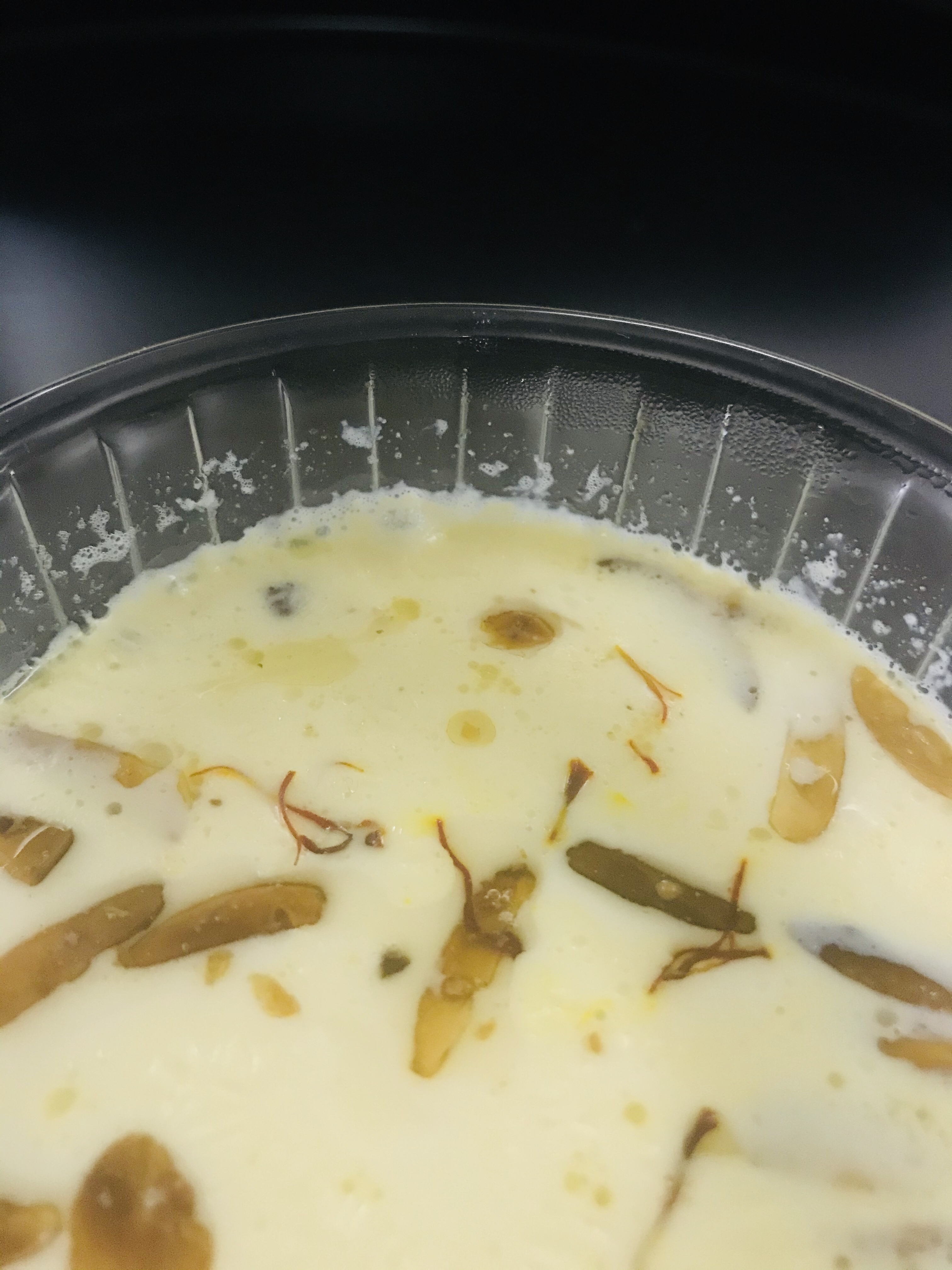
The day S was supposed to fly off for his Sabarimala pilgrimage, I wanted to send him off with something sweet. Since he was flying in the morning, I also wanted to make something quick. This Badam Kaju Kheer is that perfect recipe.

Badam Kaju Kheer or Almond Cashew Pudding

Ingredients:

  • 1 litre full cream milk
  • 20 almonds
  • 20 cashewnuts
  • 5-6 tbsp sugar
  • 1/4 tsp cardamom powder
  • 2 pinches saffron strands
  • 1 tbsp ghee

Method:

  • Soak the almonds and cashew nuts in hot water for 15-20 minutes. When they cool, peel the nuts and keep aside.
  • Chop around 5 each of almonds and cashew into slivers and keep aside.
  • Blend the balance nuts together with some milk to a smooth paste. Keep aside.
  • Boil the milk in a pan and when it comes to a rolling boil, lower the heat and stir for around 10 minutes to thicken the milk.
  • Add the sugar and the almond cashew paste and stir well. Let it come to a rolling boil.
  • Now add the saffron strands and cardamom powder and stir well. Remove from the fire and keep aside.
  • In a small skillet, add the ghee and the slivered nuts and stir until the nuts are brown. When the nuts turn brown, drain from the ghee and garnish the pudding with the nuts and some strands of saffron.
  • Have this hot or cold, but I feel cold is better as it tends to thicken some more. If you find the pudding too thick for your taste, dilute it with some milk.

Recipe: Aval Payasam or Poha Kheer

Earlier this week was Avani Avittam, the only festival dedicated to men in Hinduism (or rather tambramism) and since it was BB’s first one, we had to go down to the temple for a special prayer and then the next day was the recitation of the Gayatri Mantra. This sacred mantra is said to be the root mantra and it is said that reciting it 1008 times is said to be very beneficial.

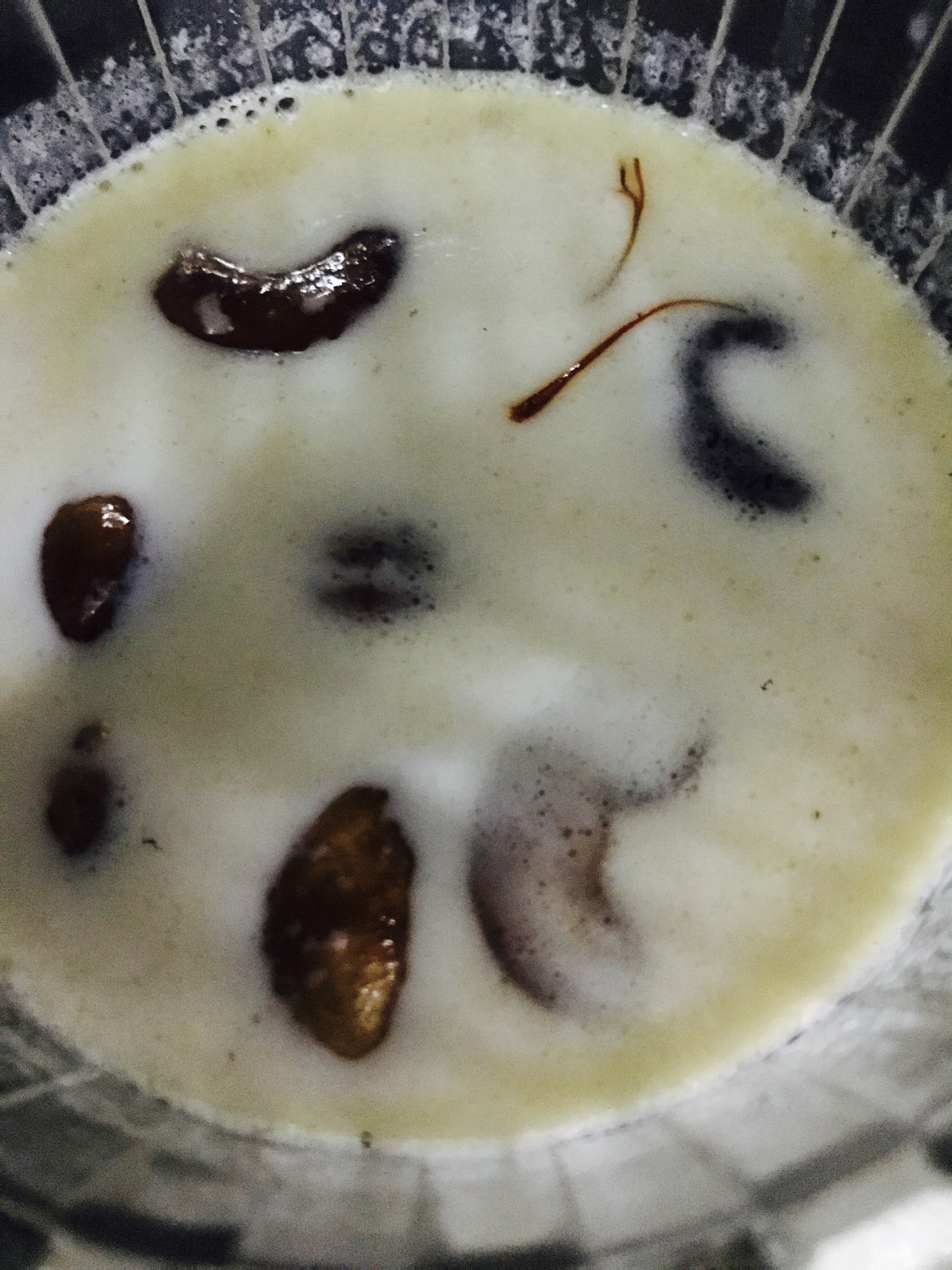
On Avani Avittam, I made my Vermicelli payasam and the day of Gayatri Mantra, I made this easy Aval payasam or Poha Kheer. It’s a simple dish that can be made in less than 30 minutes, start to finish so even an FTWM can make this on a festival.

Aval Payasam/Poha Kheer

Ingredients:

  • 1 cup poha
  • 1 cup sugar
  • 1-litre full cream milk
  • a handful of cashew nuts
  • a pinch of saffron
  • 1/2 tsp cardamom powder
  • 2 tbsps ghee

Method:

  • In a pan heat the ghee and fry the cashew nuts and once brown, keep aside.
  • In the same pan, fry the poha till they slightly turn brown and at this point, add half the milk. Let the poha absorb the milk and then add the remainder of the milk.
  • When the milk comes to a rolling boil, let it boil for another 5 minutes until the poha is soft and has completely absorbed the milk
  • Add the sugar, cashew nuts, saffron and cardamom powder and let the kheer boil for another five minutes.
  • The kheer is ready to serve. Drink hot or cold, though we prefer to drink it cold!

Enjoy!!


Recipe: Gulkand Dry Fruit Barfi

img_6184

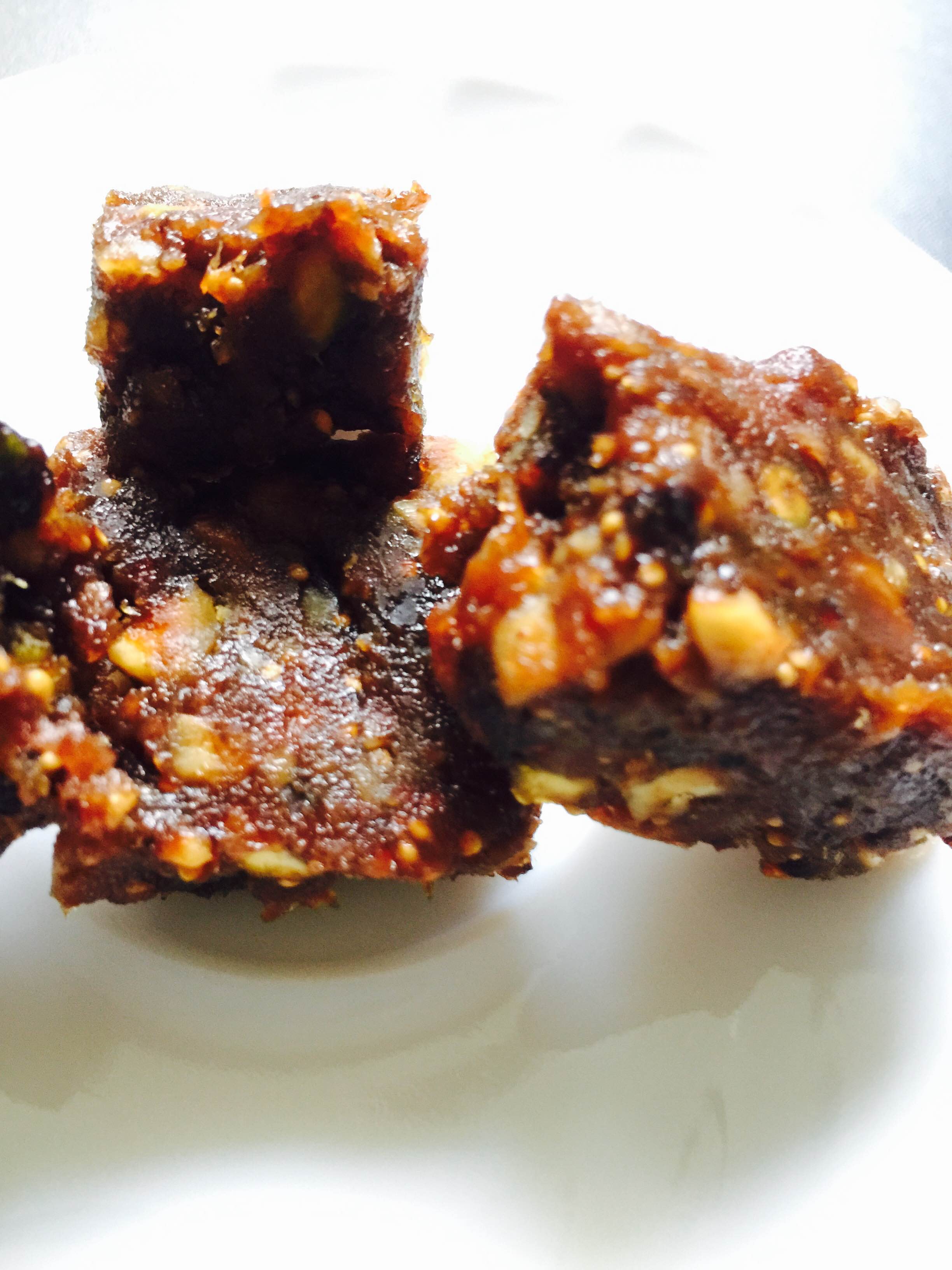
Around six months back, I brought a tub of Gulkand which is a kind of rose jam. To be honest, I was intrigued by its smell and texture and so decided to buy it. It was lying in my fridge all this time and I was wondering if I could do something with it for Diwali when I chanced upon this recipe from Archana’s Kitchen.

I made this recipe almost as it is mentioned on the page and it turned out more like a fudge rather than a barfi.It does not have any added sugars to it, with all the sugars coming from the dry fruit and the gulkand.

img_6188

Gulkand Dry Fruit Barfi

Ingredients:

  • 2 cups dry figs (anjeer), chopped
  • 2 cups dates, chopped
  • 1/2 cup almonds
  • 1/2 cups cashew nuts
  • 1/2 cups walnuts
  • 1/4 cup pistachios
  • 1/2 cup raisins
  • 2-3 tbsps gulkand
  • 1/4 tsp nutmeg powder
  • 1 tbsp ghee

Method:

  • Soak the chopped figs, dates and raisins separately in bowls of water and let them soak for around 30 minutes.
  • Strain the water from the dates, figs and raisins and grind them to a smooth paste. I added some water as my mixer was not a very strong one, but if you can do this without adding water, that is better.
  • In a food chopper, chop the cashew nuts, almonds, walnuts and pistachios into small pieces and keep aside.
  • Grease a tray with some ghee or butter and keep aside.
  • In a non-stick pan, heat the ghee and when the ghee gets warm, add the fig, dates and raisins paste and mix well and saute it for a while.
  • Now add the chopped nuts, gulkand and nutmeg powder and combine well.
  • Stir well for a couple of minutes until the mixture starts to leave the sides of the pan.
  • Once this happens, pour the mixture into the greased tray and level it well.
  • Cover the tray and when the mixture is cool, keep it in the fridge for around 30-45 minutes to firm up.
  • Cut it into smaller pieces and serve.

img_6182

img_6185

img_6183