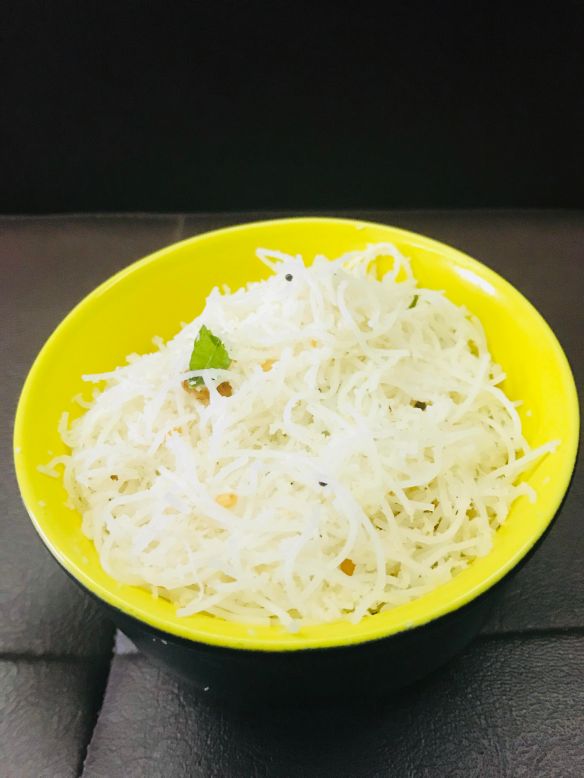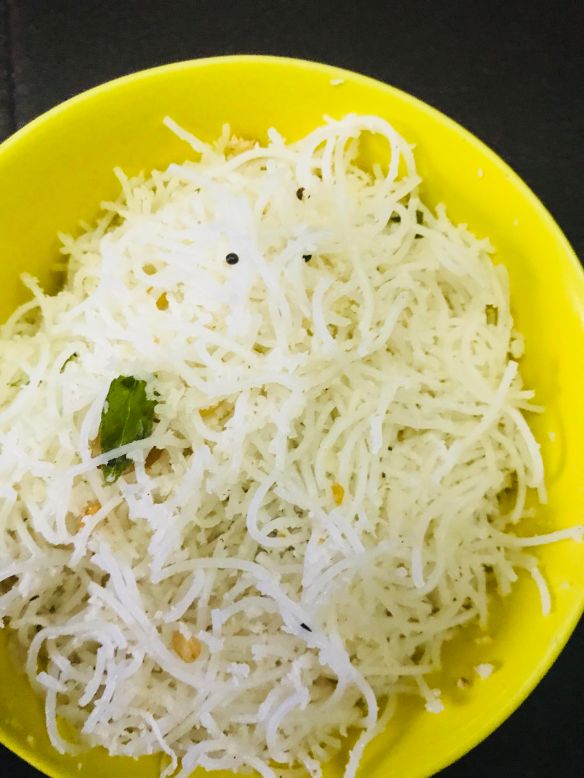
Recipe: Coconut Semiya (Vermicelli)

Coconut Vermicelli 5

Growing up, the making of semiya used to be a day-long affair at home with preparations starting in the morning to make the rice paste which then gets cooked and then using a special machine, thin strands of rice vermicelli are passed out which are then cooked to make this yummy coconut vermicelli. Nowadays, instant rice vermicelli is readily available which makes making this dish easy.

Coconut Vermicelli 3Coconut Semiya or Vermicelli

Ingredients:

  • 1 packet instant rice vermicelli
  • 1 cup grated coconut
  • 2 tsp oil
  • 1 tsp mustard seeds
  • 1 tsp broken urad dal (split black gram)
  • A handful of raisins
  • 1/4 tsp asafoetida
  • 1 green chilli, chopped
  • 4-5 curry leaves
  • 2 dried red chillies, broken
  • Salt to taste

Method:

  • Prepare the instant rice vermicelli as per the instructions in the packet. Drain well and keep aside.
  • In a separate pan, heat the oil and when warm, add the mustard seeds, urad dal, asafoetida, green chillies, dried red chillies, curry leaves, raisins and stir for a few seconds till the urad dal becomes red and the raisins start to plump up.
  • Now add the grated coconut and stir well till it starts to brown and crisp up.
  • Add salt to taste and continue stirring till the coconut is slightly brown and crisp.
  • Now add the drained vermicelli and stir well to mix together.
  • Remove from the flame and serve hot.

This is yummy both as a slightly heavy breakfast or a light meal.

Coconut Vermicelli 2Coconut Vermicelli 4Coconut Vermicelli 1


Recipe: Malai Kofta

img_6096

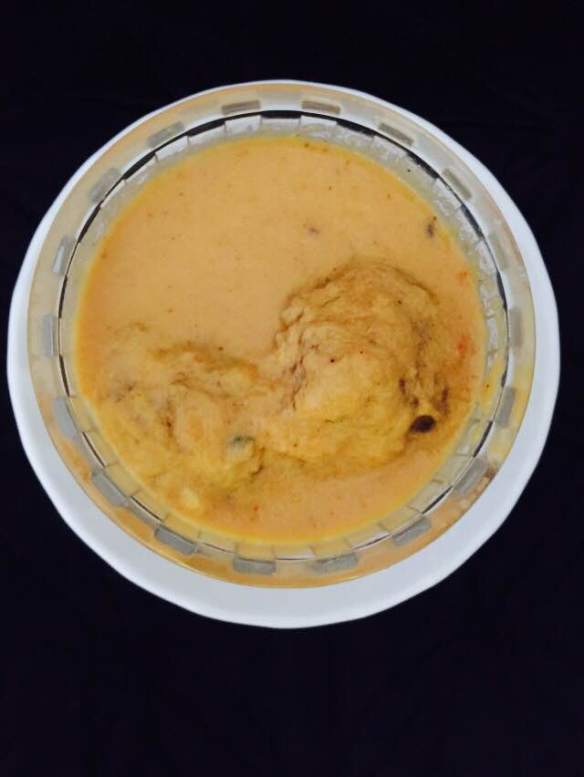
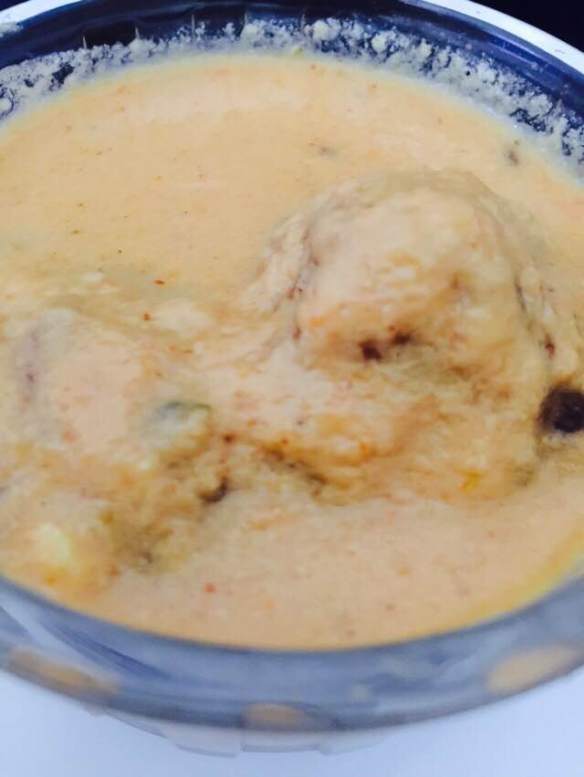
One of the most famous dishes which you find in almost all Indian restaurants, Malai Kofta is a scrumptious dish, albeit one that takes a bit of time to make. This is a dish you should make when you want to impress someone or when you have a dinner party at home. These creamed dumplings are made of the mashed potatoes and paneer (fresh cottage cheese) and served in a rich tomato based gravy which is enhanced with the addition of fresh cream and cashew nuts.

img_6098

Malai Kofta

Ingredients:

For the kofta:

  • 1 cup frozen paneer/cottage cheese, refreshed in hot water for 30 minutes and then mashed well with a masher or your fingers
  • 4 medium size potatoes, boiled, peeled and mashed
  • 1 tbsp finely chopped green chillies
  • 2 tbsps cornflour or plain flour (maida)
  • salt to taste
  • 2 tbsps finely chopped coriander leaves
  • Sunflower or Vegetable oil to deep fry the koftas

For the gravy:

  • 2 large onions, roughly chopped
  • 1/2 inch piece of ginger
  • 3-4 cloves of garlic
  • 3-4 medium sized tomatoes, roughly chopped
  • 7-8 pieces of cashew nuts
  • 1/2 cup milk
  • 1/4 tsp turmeric powder
  • 1-2 tsps red chili powder
  • 1 tsp coriander seed powder
  • 1 tsp cumin seed powder
  • 1 tsp garam masala
  • Water as required
  • 1 tsp kasuri methi (dry fenugreek leaves)
  • Salt to taste
  • 2 tsps oil
  • 1 bayleaf
  • 1/2 inch piece of cinnamon stick
  • 2-3 cloves
  • 2-3 green cardamoms
  • 1/4 to 1/2 cup fresh cooking cream
  • Chopped coriander leaves to garnish

img_6097Method:

For the Koftas

  • In a large pan, mix the mashed potatoes and paneer and add some chopped coriander and salt to taste.
  • Add the required amount of cornflour or plain flour to make it into a smooth dough.
  • Make medium-sized balls with the dough and keep aside.
  • Heat the sunflower or vegetable oil in a pan and fry the koftas till they turn golden brown and keep aside.

For the Gravy

  • In a pan, heat 1 tsp of oil and add the roughly chopped onions and fry for a few minutes till it becomes translucent. At this point, add the ginger and garlic and fry each for a fee seconds before adding the next ingredient.
  • When the ginger and garlic is fully fried, add the cashew nuts and let it fry for a while. Next add the chopped tomatoes and a pinch of salt and stir well till oil is released from the gravy. At this point, switch off the flame and let it cool.
  • When completely cool, blend this mixture till completely smooth. Use some milk to add moisture if you need.
  • In another pan, heat 2 tbsps of oil and add the dry spices – cardamom, cloves, and cinnamon, one by one, and stir well. Next, add the blended gravy and let it boil.
  • Add the turmeric powder, coriander powder, garam masala and cumin powder and salt to taste.
  • When the oil starts to leave the sides, add the cream, reduce the flame and let it come to a nice rolling boil. Check for seasoning (and add if needed) and then add the kasuri methi (after crushing it a bit with your palms).
  • Add water if the gravy is too thick.
  • Garnish with coriander leaves and switch off the flame.

To serve

  • Add the koftas just before you are ready to serve the dish. If you add the koftas too early, it will break when it gets saturated with the gravy and it also soaks up the gravy.

img_6101Notes:

  • You can also serve the koftas as a tea-time snack.
  • You can also serve the koftas as a tea-time snack.
  • To make the dish richer, you can add a tsp of chopped nuts (cashew nuts, almonds, raisins etc) into the middle of each koftas as a stuffing before frying it.


Recipes: Kanda Poha

IMG_5416

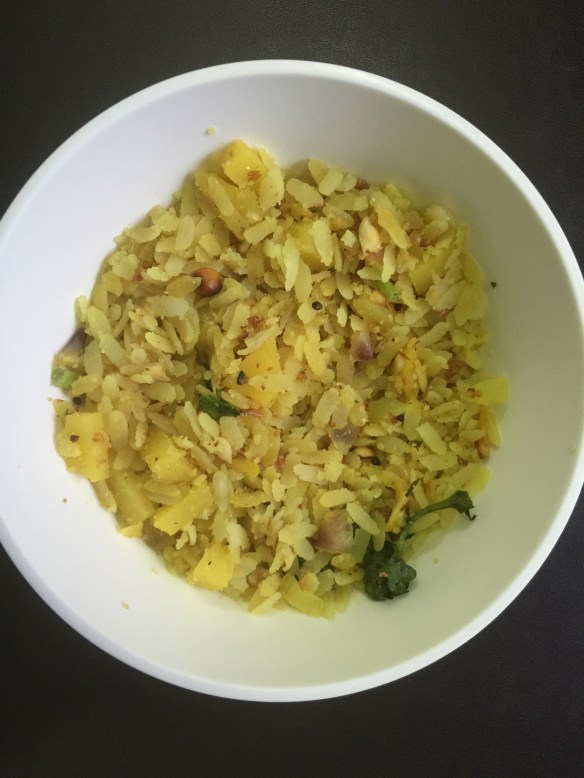
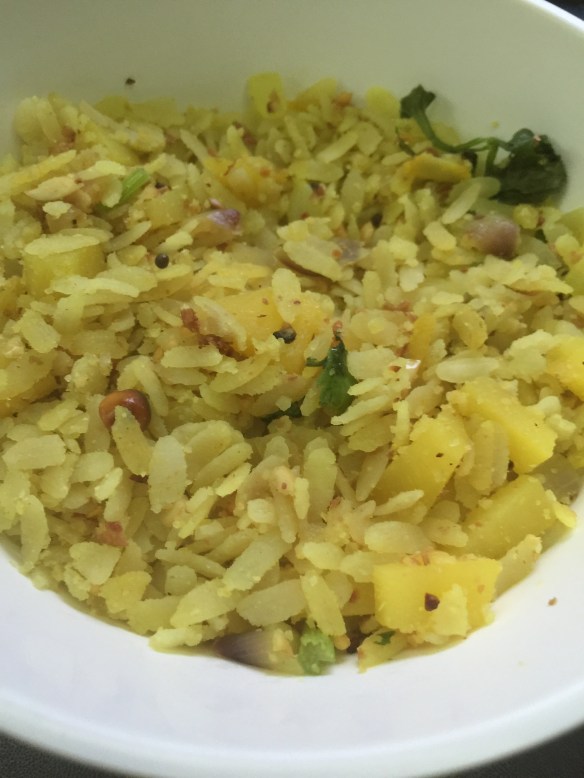
I am surprised that I have not yet blogged and posted this dish. This dish is a staple breakfast item in my home state of Maharashtra and is so embedded into the Maharashtrian psyche that days without Kanda Poha may actually give some people withdrawal symptoms.

In our home, we don’t like to eat heavy meals for dinner, except maybe occasionally when we are dining out. So most dinners are simple, what, in other traditional homes, may be eaten for breakfast.

Last week when I prepared this for dinner, I took pictures and checked whether I had posted it or not, and it was a no, so here it goes….

Like most Indian food, every family prepares this in a different way and if you’ve come across a different recipe for this, it’s quite possible that both variants exist and thrive. Also Poha or beaten rice flakes recipes are common across India, especially in the west and south and each state, nay region or province may have their own specialty. Now add family taste differences into the mix and what you get is a recipe which will be different each time you eat it!

This particular recipe which I make has evolved over the years. I first learned it from a friend who is Maharashtrian and then played with it till it became something that my family likes. S loves this recipe as do the kids and it pops on the dinner table every few weeks. It’s not very difficult to make, most of the items will be available in your pantry. The only pre prep work you need to do is with the peanuts.

Kanda Poha
IMG_5415

Ingredients:

  • 1 pack poha or beaten rice flakes
  • 2 onions, chopped
  • 2 potatoes chopped into small pieces
  • 1 green chilli, chopped into small slices
  • 1 tsp mustard seeds
  • 1.5 tsps turmeric powder
  • 1 tsp oil
  • A pinch of asafoetida
  • ½ tsp sugar (optional)
  • Salt to taste
  • ½ cup peanuts
  • 2 tbsps coconut (optional)
  • 2 tbsps lemon juice
  • Coriander leaves to garnish

Method:

  • In a pan, dry fry the peanuts till they are crisp and slightly brown. When still slightly warm, using your fingers, remove as much of the skin as you can. It’s best if you can remove all the skin, but if not, it’s not the end of the world. When completely cool, using the pulse function of your blender/mixer, crush it a bit. You can make it into a fine powder if you want, but the way I like it is to have some powdered while the others are still in smaller peanut pieces.
  • Chop the onions, potatoes and chilli and keep aside.
  • In a colander, wash the beaten rice flakes and let the water drain completely. Then add a tsp of salt, the sugar and a tsp of turmeric powder and mix it well into the damp rice flakes. Use your hands to make sure all the flakes are coated. Put some of the powdered peanuts also into this mix and keep aside.
  • In a pan, heat the oil and when warm, add the mustard seeds. When the seeds pop, add the chilli and let it fry for a few minutes. Next add the remaining turmeric powder and asafoetida and stir for a couple of seconds. When the chilli is coated with the turmeric, add the onions and let it cook.
  • Once the onions are translucent, add the potatoes with some salt and let it cook well. You can add some water at this stage to help the potatoes cook. Don’t add too much water as the final dish has to be dry, just enough to help the potatoes cook and not catch the bottom of the pan.
  • When the potatoes are completely cooked, add the balance of the peanuts (or less if you don’t like too many peanuts) and let the peanuts absorb any of the water you may have added to the pan.
  • Once the water has been absorbed, add the damp poha and stir well to mix the onion/potato mixture with the rice flakes. When everything comes together well, add the optional coconut and the lemon juice and mix well.
  • Garnish with coriander leaves and serve.

IMG_5417

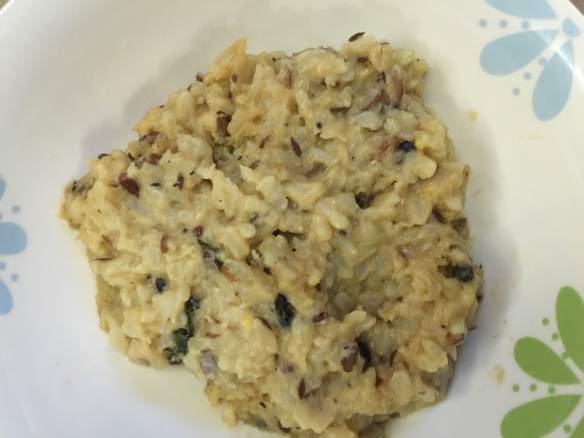
Recipe: Brown Rice Savory Pongal aka Ven Pongal

IMG_5277Last week, I blogged about the sweet Pongal recipe which I made as a neividhyam or offering to the Lord on the occasion of the festival of Pongal. That evening, I made the salted version for dinner. The method for both is quite similar and you can make both at the same time with little extra effort.

This is often eaten as a breakfast dish, especially in the southern parts of India. This combination of rice and dal will really fill you up and if you, like me, plan on having this for dinner, then go a bit easy as you tend to feel really full sometime after your meal!

Brown Rice Ven Pongal

IMG_5278

Ingredients:

  • 2 cups brown rice (traditionally made with white rice)
  • 1 cup yellow moong dal
  • 2 cups water
  • 2 cups milk
  • 2 tsps cumin seeds
  • 2-3 tbsps ghee
  • 2 tsps whole black pepper
  • 1 tsp pepper powder
  • 1 tsp grated ginger
  • 4-5 leaves of curry leaves
  • A handful of broken cashew nuts
  • Salt to taste

Method:

  • Wash the rice well, drain and keep aside. In a pressure cooker, lightly pan fry the dal till a nice aroma comes.
  • Add the rice, water, milk, salt, peppercorns and cook under pressure for 4-5 whistles.
  • In another pan, heat 1 tbsp ghee and fry the cashewnuts until they brown nicely. Remove and keep aside and in the same pan, fry the cumin seeds, and when it begins to splutter, add the curry leaves, grated ginger and pepper powder and fry for a few seconds. Remove from the flame and keep aside.
  • When the pressure reduces, open the cover of the pressure cooker and check if the rice and dal mixture has become mushy (it should look like a risotto at this point). If no, add more water and/or milk and cook it further till it becomes mushy.
  • Add the remaining ghee here and stir well. When it has achieved the right consistency, add the fried cashewnuts and the seasoning (cumin seeds, ginger, curry leaves and pepper powder) and mix well checking for salt.
  • Serve with sambar or coconut chutney

IMG_5276