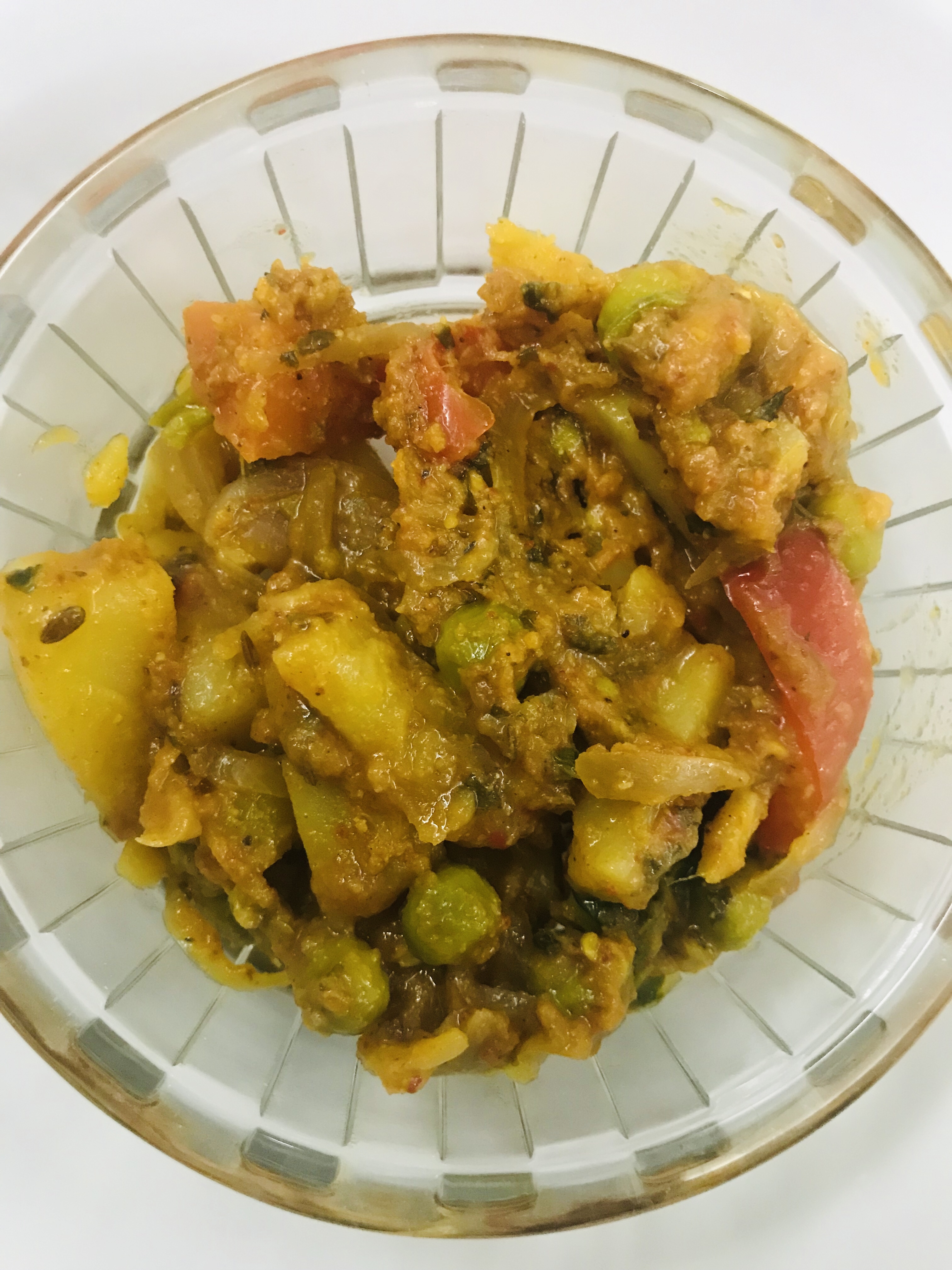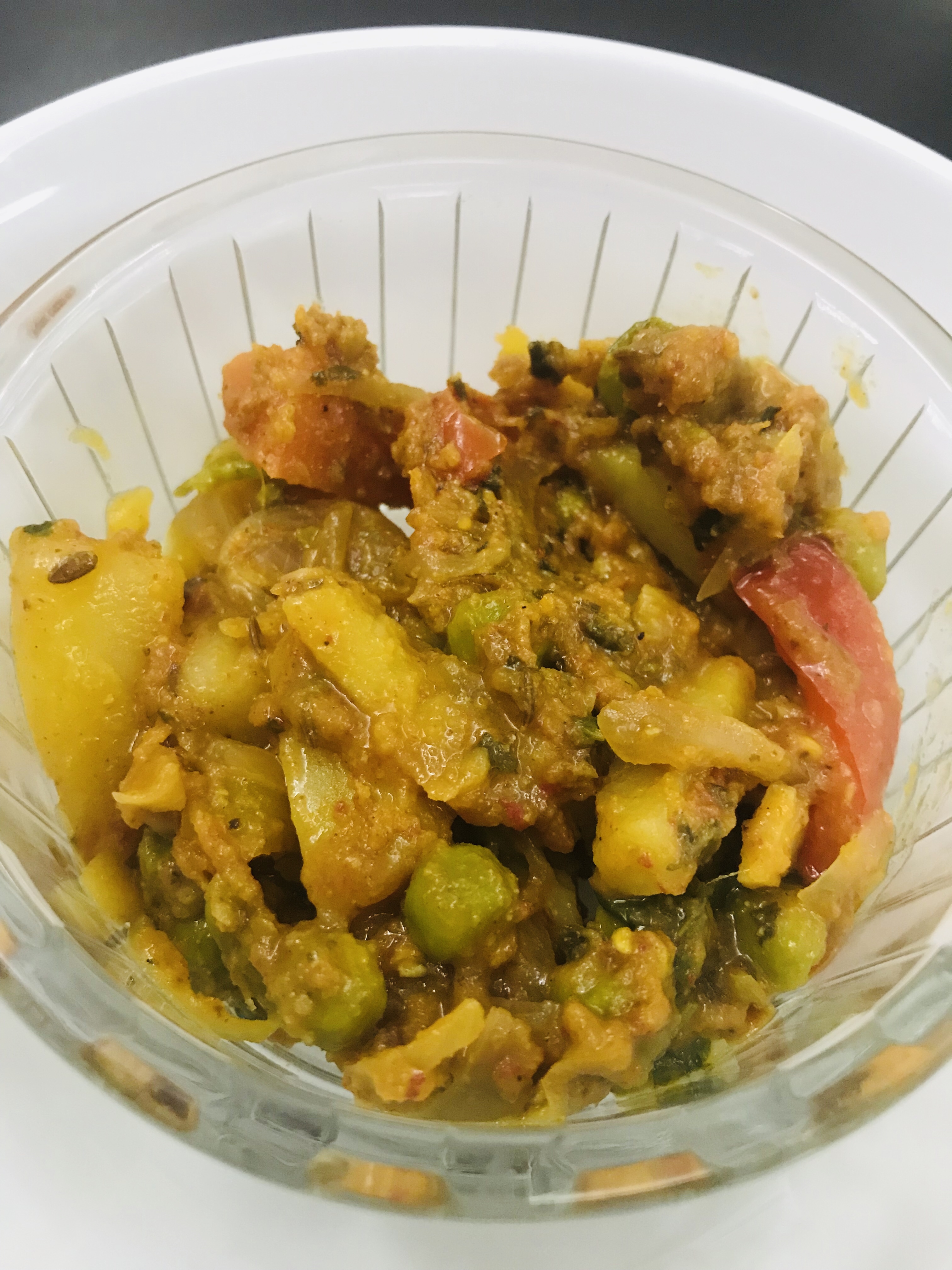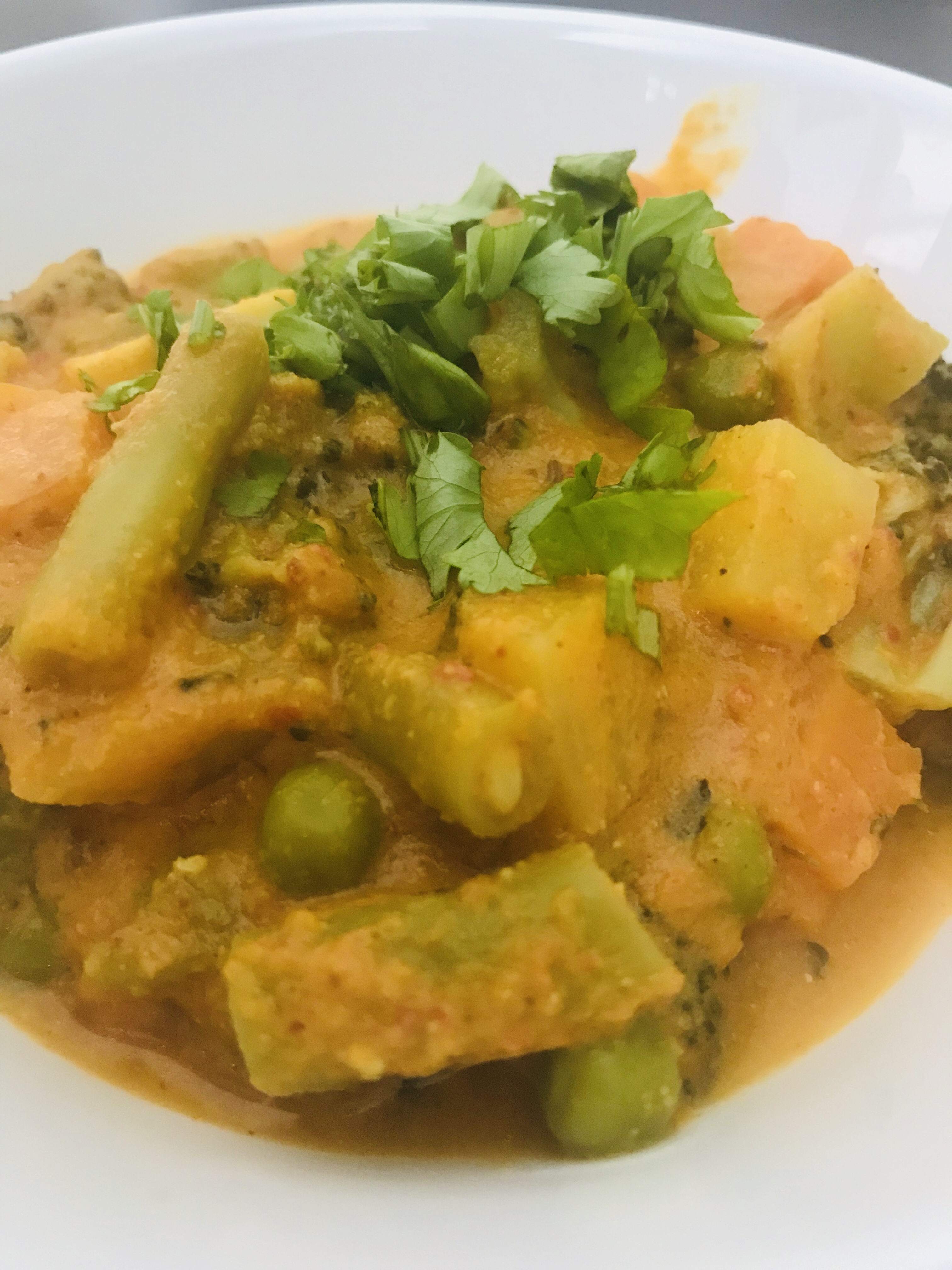
Recipes: Mixed Vegetable Korma

Korma, Kurma or Qorma has its roots in Mughlai cuisine tracing its history back to the 16th century and consists of meat or vegetables braised with yoghurt or cream, coupled with water and spices to produce a thick sauce or glaze.

Various regions in the Indian subcontinent have made it their own and though it started life as a meat dish, it has vegetarian versions also, one of which I made a few days back for our Sunday lunch.

My recipe is a simplified version and is fairly easy to make. It took me around 45 minutes from start to finish to make this dish.

Mixed Vegetable Korma

Ingredients:

  • 2 cups mixed vegetables (I used a combination of carrots, potatoes, broccoli and peas. You can also add cauliflower, spinach and cabbage)
  • 1 cup frozen paneer, soaked in hot water for 30-40 minutes
  • 2 medium-sized onions
  • 2 medium-sized tomatoes
  • 4-6 almonds
  • 4-6 fresh red chillies (you can use green chillies if you don’t have red chillies)
  • 1 pod of garlic (10-12 cloves)
  • 1-inch piece of ginger
  • 1 tsp of red chilli powder
  • 1 tsp cumin powder
  • 1 tsp coriander powder
  • 1 tsp Kasuri methi
  • 1/2 tsp turmeric powder
  • 1-2 tsp garam masala powder
  • 1 tsp cumin seeds
  • 1/2 to 3/4 cup thick beaten yoghurt
  • 2 tbsp oil
  • Salt to taste

Method:

  • Heat 1 tbsp oil in a pan and when the oil warms, add in the chopped vegetables plus 1/4 tsp turmeric powder and cook until it is 80% cooked. When cooked, remove from the pan and keep aside.
  • In a blender, blend to a fine paste the onions, tomatoes, ginger, garlic, red chillies and almonds and keep aside.
  • In the same pan you used to cook the vegetables, heat the remaining oil and when the oil is warm, add the cumin seeds. When the seeds pop, pour in the blended tomato paste and let it cook. When the paste starts to bubble, add the dry spices – red chilli powder, turmeric powder, cumin powder, coriander powder and salt and let it cook till the paste starts to reduce and oil starts to come out from the sides.
  • At this point add the semi-cooked vegetables and stir well. Let it come to a rolling boil. You can add some water, but be careful not to water down the gravy too much.
  • Reduce the flame to a low medium and pour in the beaten yoghurt. The yoghurt should be very smooth otherwise it may curdle. The presence of the masalas and the ginger garlic paste does not allow it to curdle, but keep stirring on a low flame so that it is not allowed to curdle.
  • Chop the paneer (optional) and add to the gravy. I prefer to chop the paneer to the same size as that of my vegetables, but you can choose to keep it as you brought it.
  • Check for seasoning and crush the Kasuri methi in the palms of your hands and season the gravy with it.
  • Serve hot garnished with coriander leaves.
  • This goes very well with Indian flatbreads or rice. I served it with a simple jeera rice.

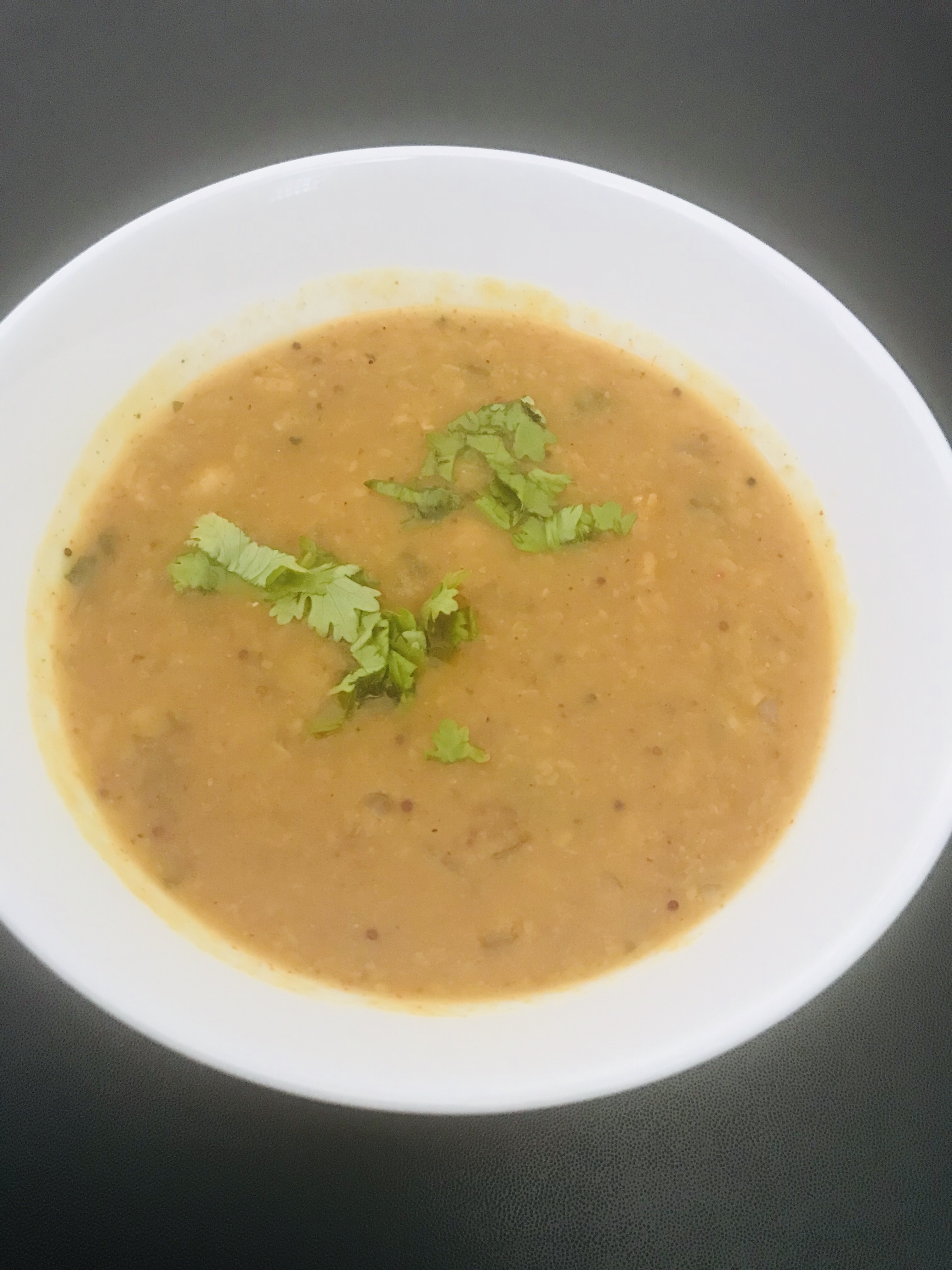
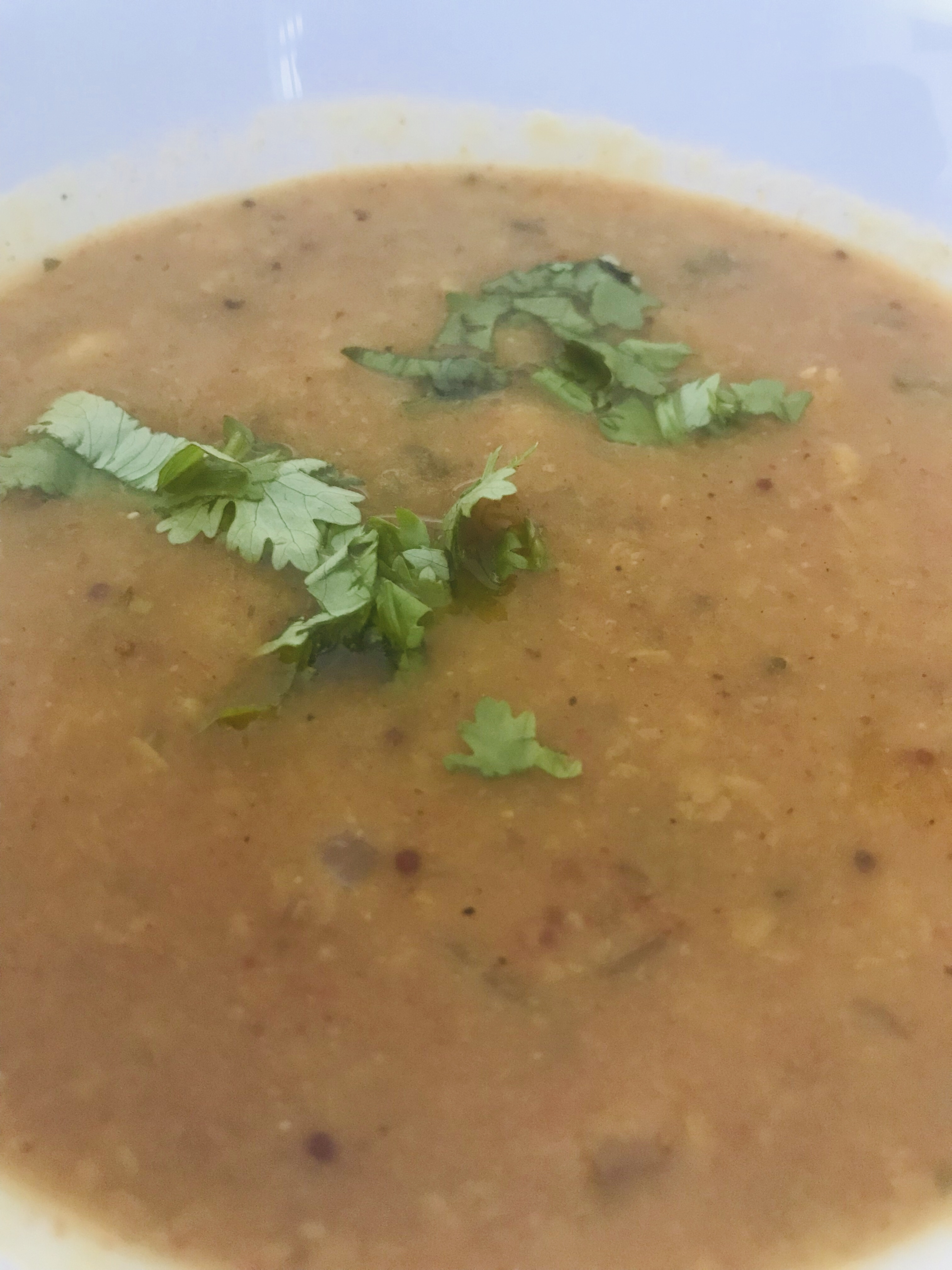
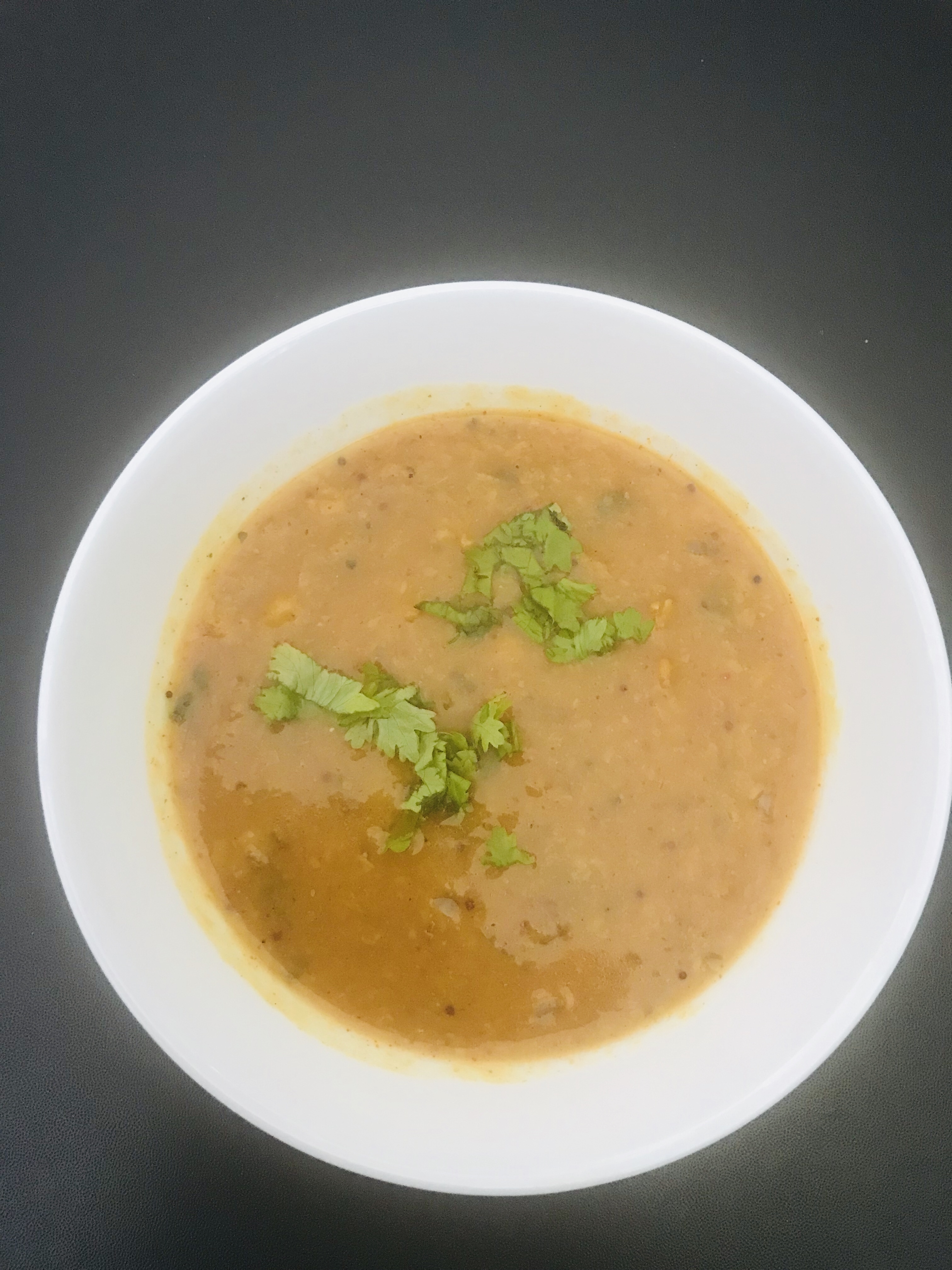
Recipes: Chana Dal

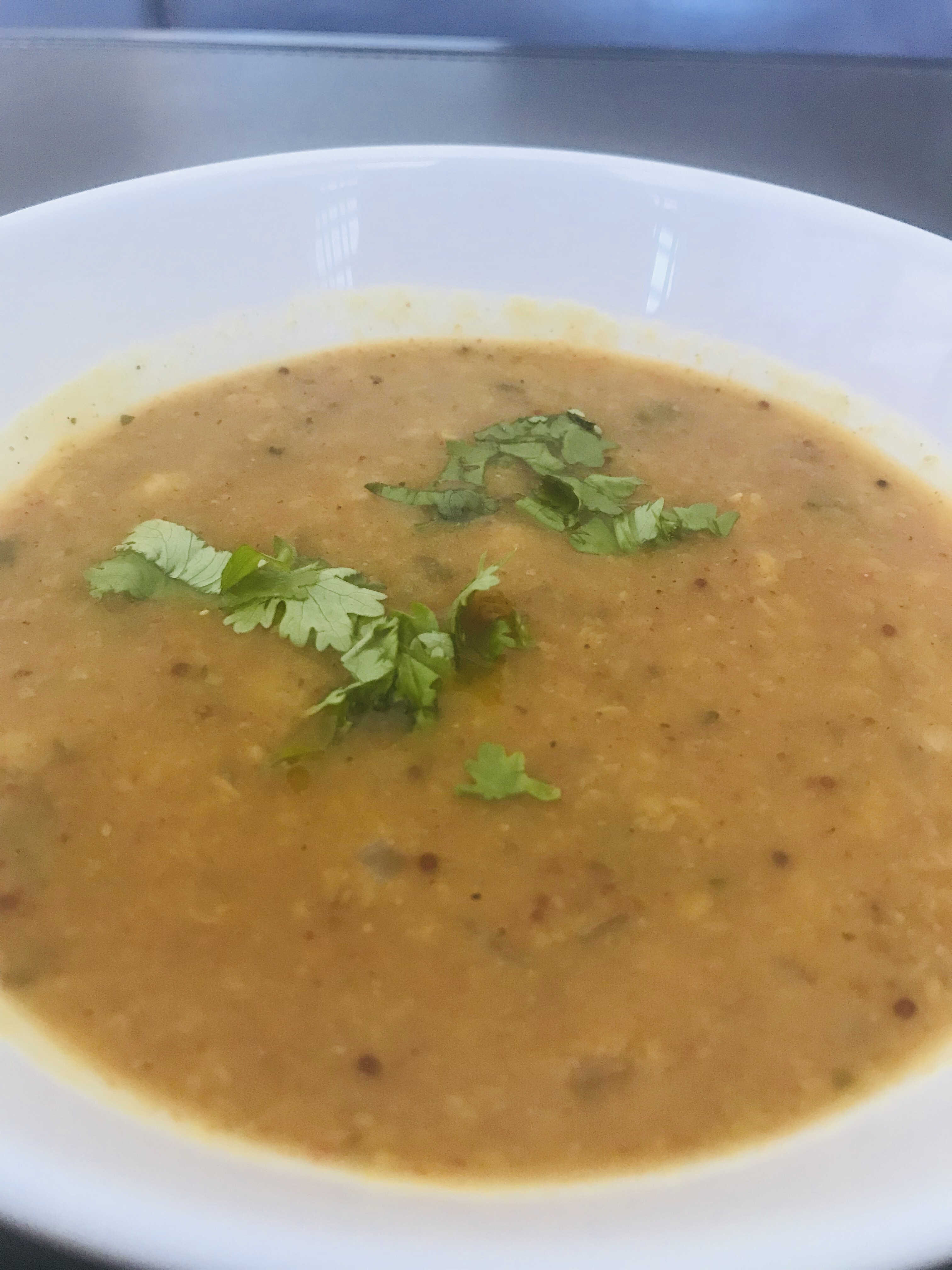
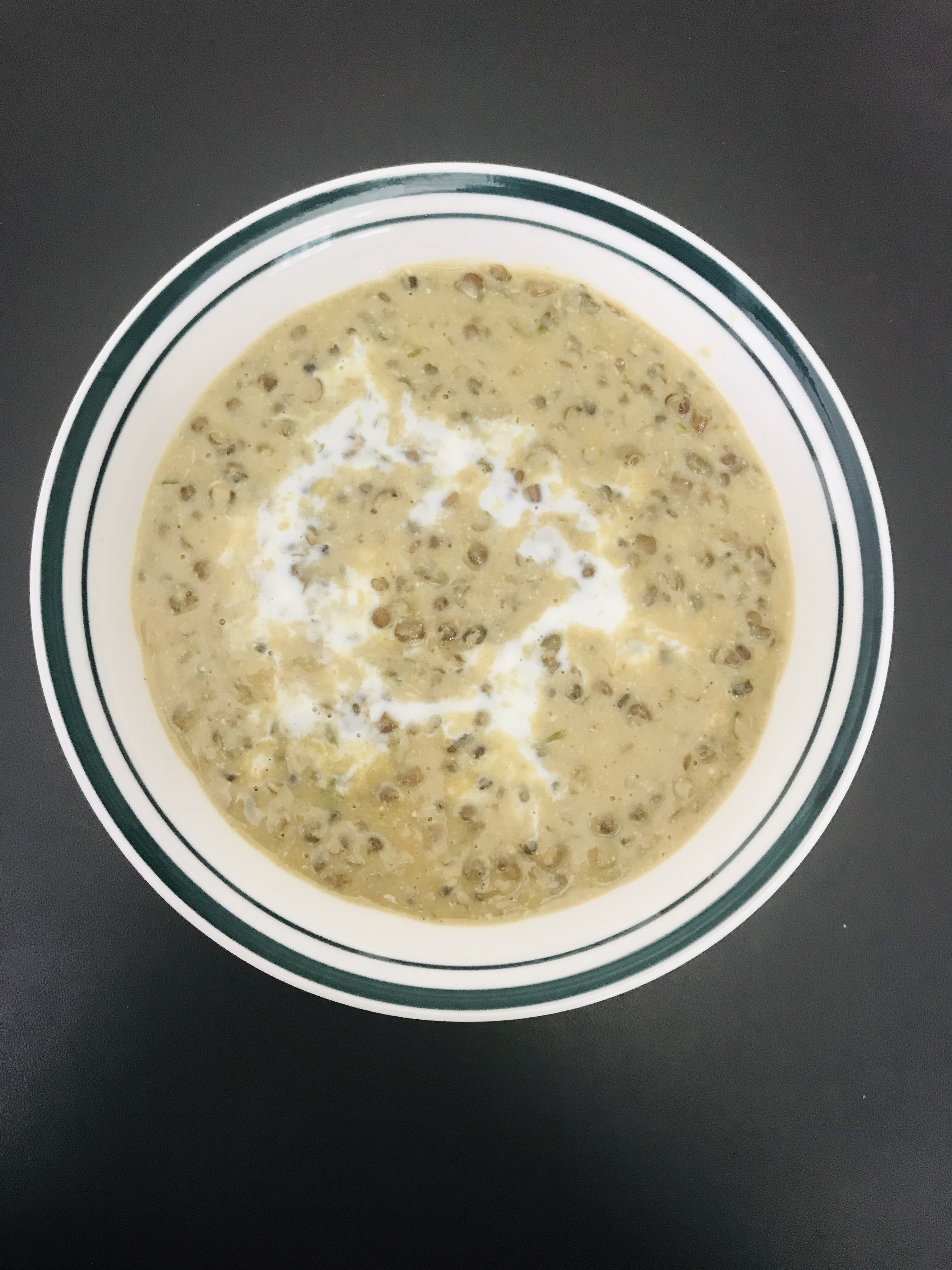
Chana Dal or Split Chickpeas is a dried legume or pulse which is widely used in the Indian subcontinent. A typical dal will be cooked until mushy (usually in a pressure cooker, but also sometimes on the stovetop) and then tempered according to taste. This is a staple in most meals as legumes are said to be full of protein.

In a 100-gram amount, boiled and cooked dal contains 9% protein, 70% water, 20% carbohydrates (which includes 8% fibre), and 1% fat. Cooked dal (per 100 g) also supplies a rich content (20% or more of the Daily Value, DV) of the B vitamin, folate (45% DV) and manganese (25% DV), with moderate amounts of thiamine (11% DV) and several dietary minerals, such as iron (19% DV) and phosphorus (18% DV).

I have earlier posted a recipe for a simple chana dal, so here’s another version of this dal which I made over the weekend for a simple lunch. This is a bit more work than the previous recipe, but is super worth it!

Chana Dal

Ingredients:

  • 1 cup chana dal or split chickpeas, soaked in warm water for 30 minutes
  • 1 large (or 2 medium-sized) onions, finely chopped
  • 2 medium-sized tomatoes
  • 6-8 pods of garlic
  • 1-inch piece of ginger
  • 2-3 fresh red or green chillies
  • 1/2 tsp mustard seeds
  • 1/2 tsp cumin seeds
  • 3-4 curry leaves
  • 1 tsp turmeric powder
  • 1 tsp red chilli powder
  • 1 tsp coriander powder
  • 1 tsp cumin powder
  • 1/4 tsp asafoetida powder
  • 1/2 tsp garam masala powder
  • 1 tbsp ghee or oil
  • 1 tsp lemon juice
  • 1 tsp Kasuri methi
  • Salt to taste
  • Coriander leaves to garnish

Method:

  • Pressure cook the chana dal with 1/2 tsp turmeric powder till it is mushy and keep aside. If using a stovetop to cook the dal, stir till the dal is mushy and keep adding water as required. Keep aside.
  • In a blender, blend together the tomatoes, garlic, ginger and chillies to a fine paste and keep aside.
  • Heat the oil or ghee in a pan and when warm, add in the mustard seeds. When they pop, add the cumin seeds and stir for a couple of seconds. Then add the curry leaves and stir well.
  • Add the onions and cook until the onions become translucent.
  • Then add the blended tomato paste and stir well. To this mixture add the balance spices – turmeric powder, red chilli powder, cumin powder, coriander powder, asafoetida powder, garam masala powder and salt and stir well till the oil starts leaving the sides of the pan.
  • At this point, pour in the cooked chana dal and adjust your seasoning if needed. Let the dal come to a rolling boil and just before you switch off the gas, crush the Kasuri methi leaves in the palms of your hands and stir.
  • Before serving, drizzle the lemon juice and serve garnished with coriander leaves.
  • Serve hot with rice or any Indian flatbread.

Recipes: Green Apple Chutney

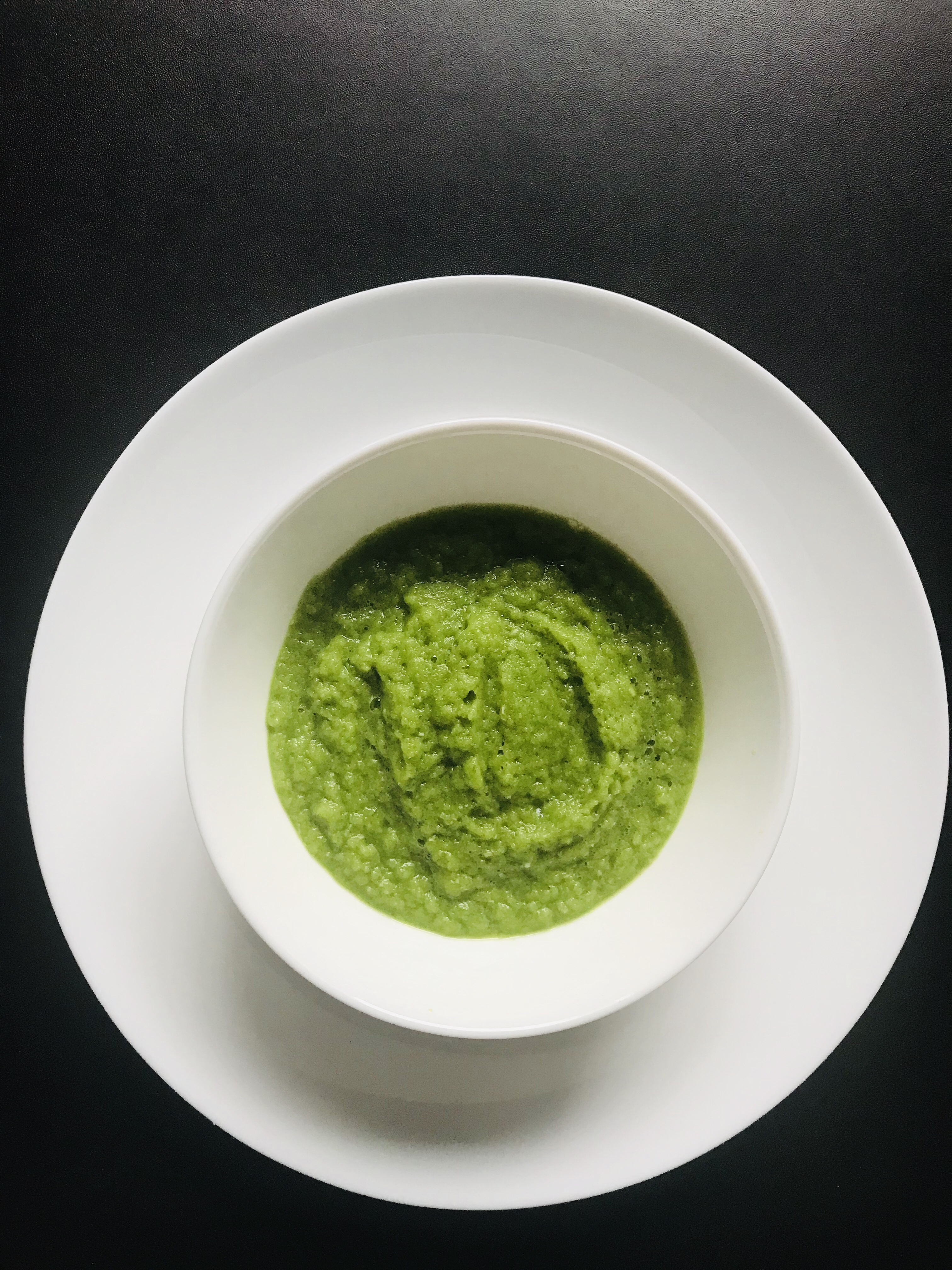
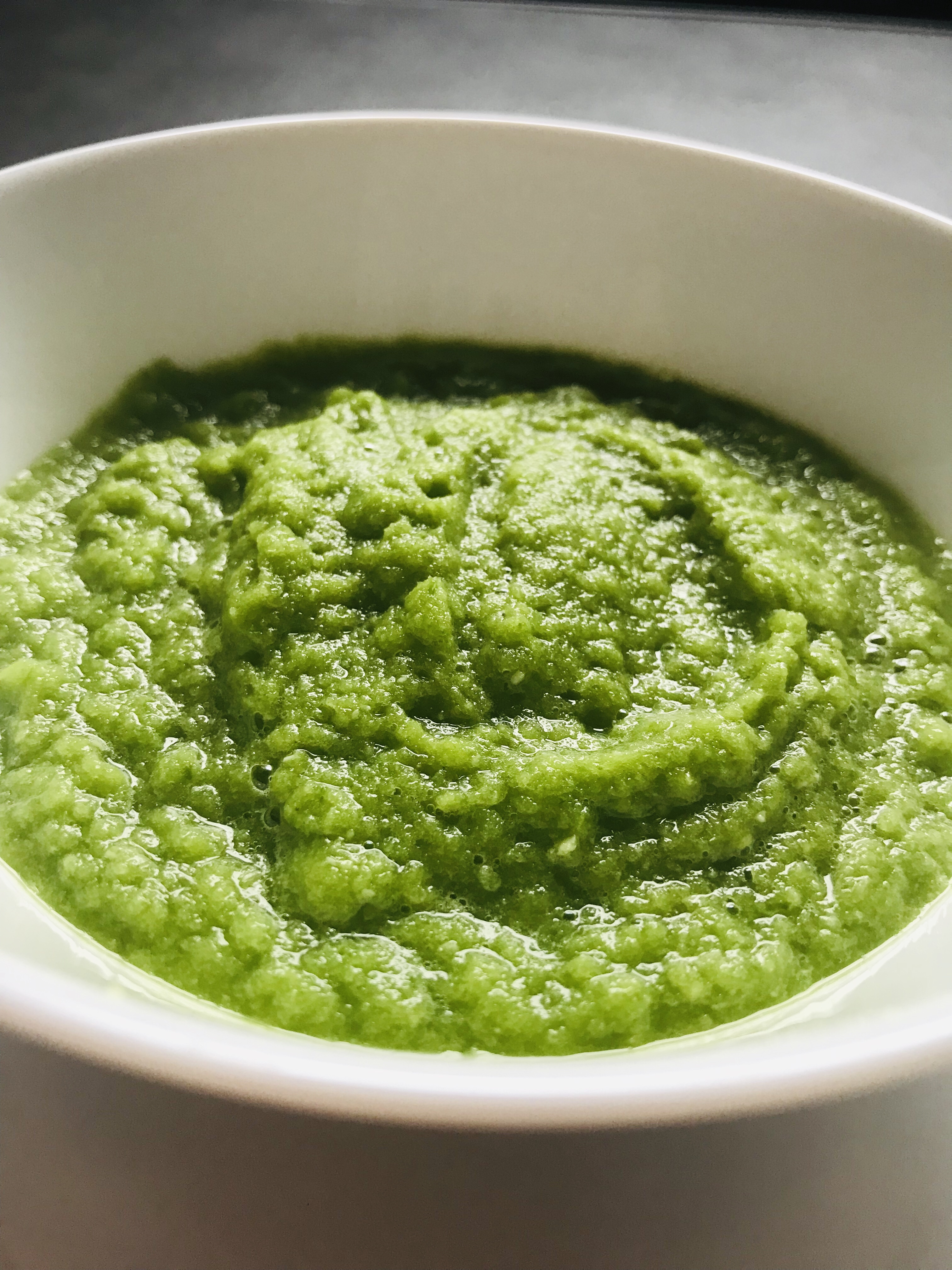
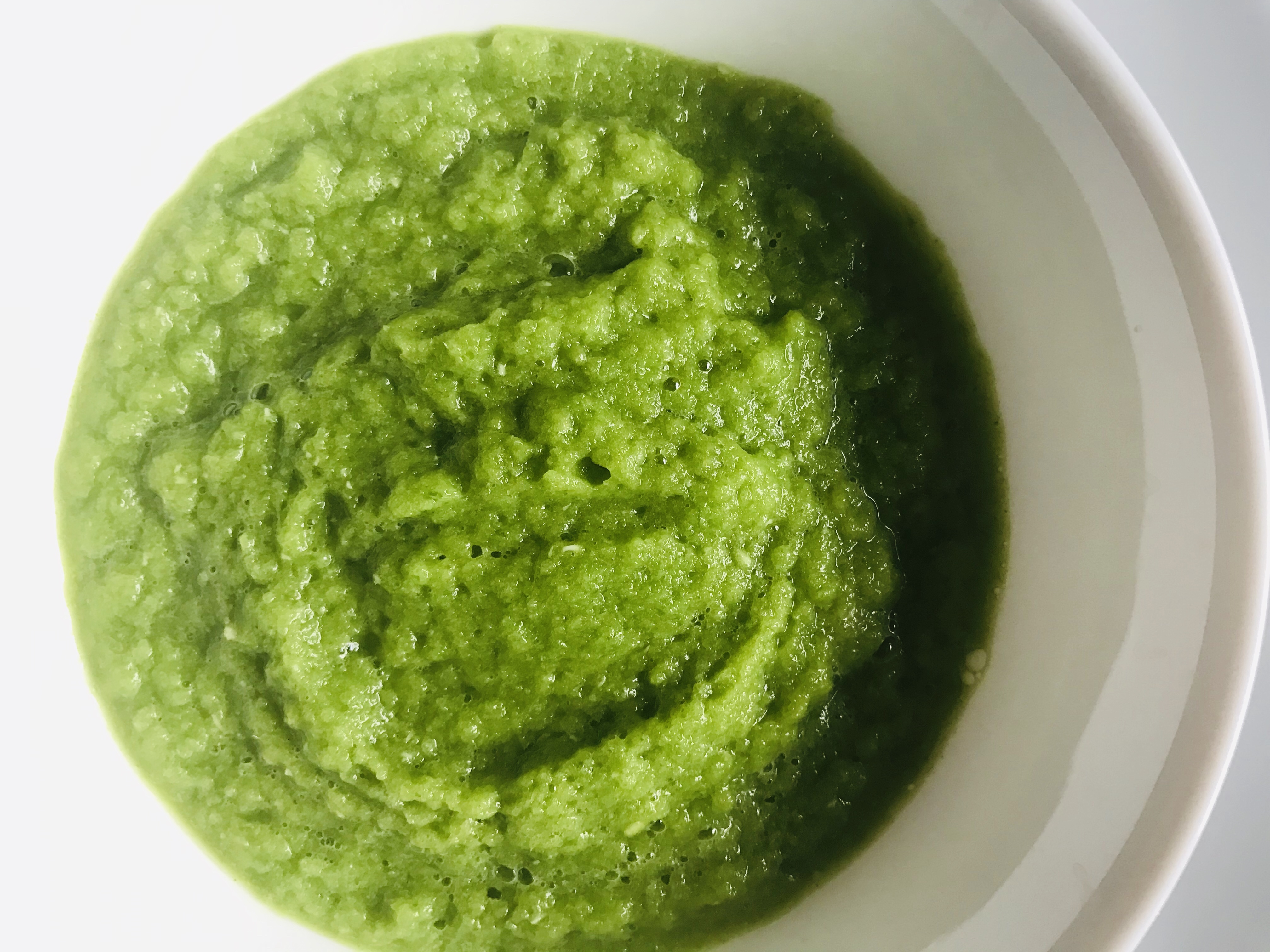
While making dinner the other day, I wanted to make a chutney to go with dinner. I wanted to make something easy and also try something different when I saw some green apples on the counter. I quickly went online to see what I could do and saw many recipes playing with green apples and coriander and so I decided to make something similar.

Green apples are very versatile and tart Granny Smith apples (which I used) can also be used in place of raw green mangoes. I’ve previously made a version of my instant mango pickle using green apples and though it does spoil faster than the pickle made with mangoes, it is a yummy addition to your pickles at home, especially when you are craving pickles but don’t have mangoes in the house.

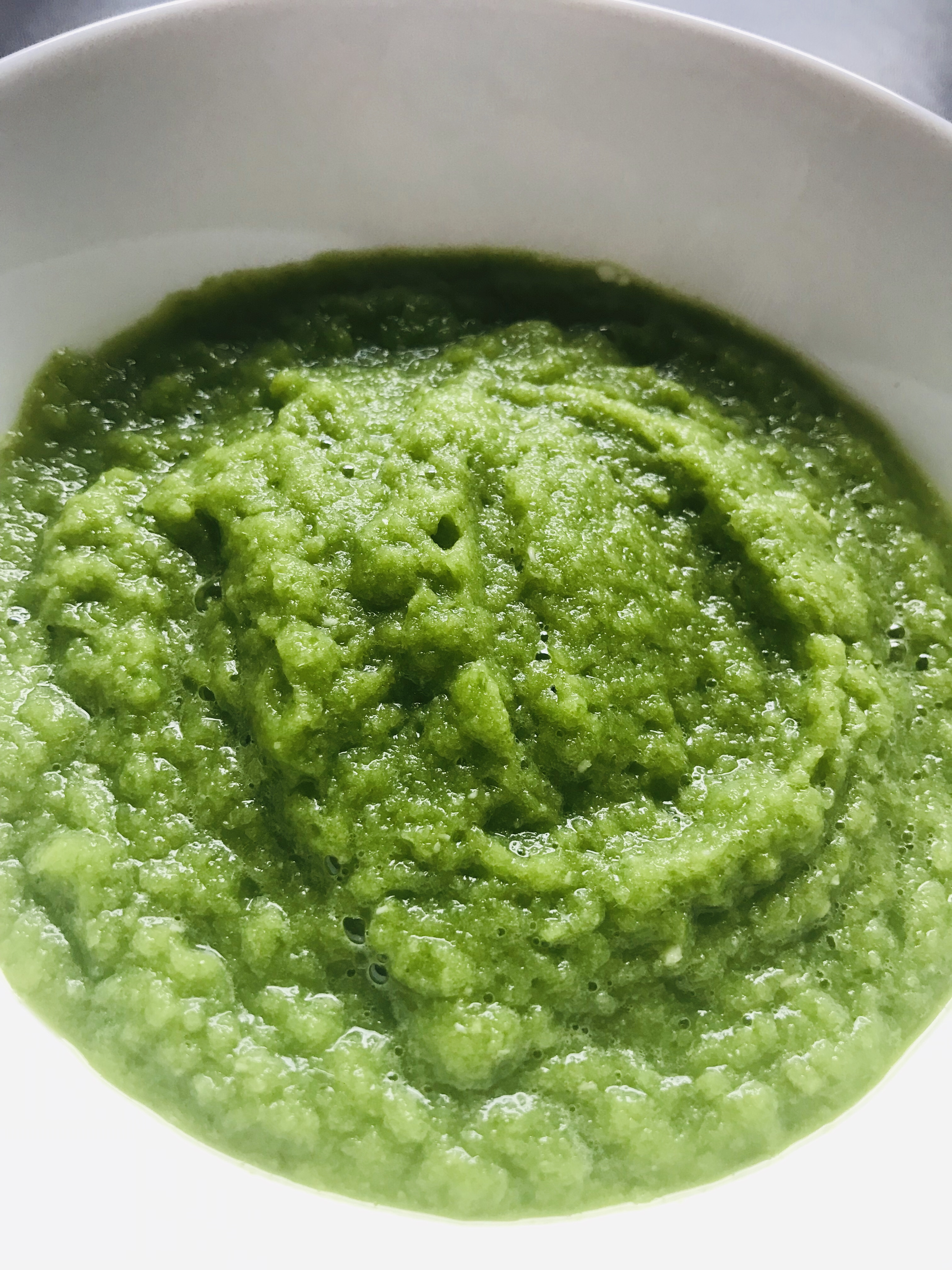
Anyway, on to this recipe. I made this recipe similar to my green coriander chutney and even though it was a tad on the spicier side, it was yummy.

Green Apple Chutney

Ingredients:

  • 2 green apples
  • 4-6 green chillies
  • 1 bulb garlic
  • 1-inch piece of ginger
  • 1 small bunch coriander leaves
  • 1 tsp sugar
  • Salt to taste

Method:

  • Peel the garlic and ginger and keep aside.
  • Chop the green chillies into smaller pieces and keep aside.
  • Core and chop the green apples (keep the skin) and put it immediately into the blender.
  • Add the ginger, garlic, green chillies and coriander leaves to the green apples and blend together to a fine paste.
  • Add salt and the sugar and continue to blend, adding water as necessary to make it into a smooth and fine paste.
  • Eat with idli, dosa, rotis and even as a base for a sandwich.

Notes:

When I first made it, it turned out to be too spicy for S and BB who don’t like spicy food. So I blended a portion of the chutney with some homemade plain yoghurt and it was even better. I would just blend it with yoghurt instead of water. You can also increase the number of chillies if you can tolerate the spice.

Recipes: Mixed Veg Jodhpuri Sabzi

The second largest city in the western state of Rajasthan, is well known as a tourist spot with tourists flocking to the city during it’s peak tourist season to see its forts and palaces. The food of the city is also quite famous with this dish a fixture in most restaurant menus. I tried recreating this menu after having it at my local restaurant. This may not be the most authentic recipe, but was very tasty and the pot was finished with no leftovers. Do try my version and let me know how you liked it.

Mixed Vegetable Jodhpuri Sabzi

Ingredients:

  • 2 cups chopped mixed vegetables (I used a mixture of carrots, sweet potatoes, peas and cauliflower, but you can also use other vegetables like potatoes, cabbage, broccoli, sweet corn etc)
  • 2 medium sized onions, finely chopped
  • 5-6 pods of garlic
  • 1 inch piece of ginger
  • 5 green chillies
  • 4 medium-sized tomatoes
  • 1 large green capsicum, finely chopped
  • 2-3 tbsp ghee or oil
  • 2 tbsp butter
  • 1 tsp whole coriander seeds
  • 1 tsp cumin seeds
  • 1 tsp fennel seeds
  • 3-4 cardamom pods
  • 1/2 inch piece of cinnamon
  • 1 bay leaf
  • 3-4 whole red chillies
  • 1/2 tsp asafoetida powder
  • 10 -15 cashew nuts
  • 1 small can of tomato paste or puree
  • 2-3 tbsp milk
  • Salt to taste
  • 1 tsp sugar
  • 1/2 to 1 tsp red chilli powder
  • 1/4 tsp turmeric powder
  • 1 tsp chat masala powder
  • 1 tsp cumin seed powder
  • 1 tsp coriander powder
  • 1 tbsp kasoori methi ( dry fenugreek leaves)
  • 2-3 tbsp whipped yoghurt
  • Coriander leaves to garnish

Method:

  • Soak the cashew nuts in hot water for 20-30 minutes till it becomes soft, then blend it to a fine paste with the milk and two of the tomatoes. Keep aside.
  • Blend together the garlic, ginger and 3 of the green chillies into a fine paste and keep aside.
  • Finely chop the remaining tomatoes and keep aside.
  • Heat 1 tbsp ghee or oil in a large pan and fry the mixed vegetables you have chosen for this recipe. Cook covered till they are about 80% cooked.
  • Remove the vegetables and in the same pan heat the balance oil or ghee and when the ghee warms up, add the whole spices (coriander seeds, cumin seeds, fennel seeds, cardamom, cinnamon, red chillies and the bay leaf). Once the spices crackle, add the asafoetida powder and stir.
  • Slit the balance green chillies and add it to the pan. Then add the ginger-garlic-chilli paste and stir well for a few minutes.
  • Now add the chopped onions and stir until the onions become translucent. Once translucent, add the chopped tomatoes and capsicum and cook for a few minutes till the tomatoes are mushy and cooked. You can add a pinch of salt to this to help the process.
  • Sprinkle little water if the masala starts to get dry and burn. Now add the cashew-tomato paste and stir it into the gravy. Add the tomato paste or puree and stir. Add enough water to make the gravy as thick as you like and let it come to a rolling boil and cook for another 5-7 minutes.
  • Add the balance spices – salt, sugar, red chilli powder, turmeric powder, chat masala, cumin powder, coriander powder, kasoori methi and stir it into the gravy. Add the butter into the gravy and let it cook.
  • Stir in the semi-cooked vegetables into the gravy and let it simmer for another 5-7 minutes. If you are adding cream to the recipe, remove the gravy from the flame before adding the cream. If you are using whipped yoghurt, add it in, stir well and remove the gravy from the flame.
  • Serve garnished with coriander leaves. Serve hot with any Indian flatbread or jeera rice or even plain basmati rice.

Recipes: Kalyana Gotsu

Earlier in the week, we celebrated the harvest festival of Pongal and on that day I made Venn Pongal for dinner. I wanted to make something to go with this but was not in the mood for Coconut chutney, so decided to search for something else to make to go with Pongal.

I came across Gotsu, which is also a traditional accompaniment to Pongal, but this is usually made with Brinjals or Aubergines. S is allergic to this vegetable, so I decided to substitute it with other vegetables. This is also a one-pot recipe and I made it from start to end in my pressure cooker. It can also be made in a large pan or dutch oven but will take longer than if you use a pressure cooker. It was so yummy and tasty and everyone gobbled it up.

This Gotsu is also served in weddings, especially for breakfast with Idlis, Vadai and Pongal.

Kalyana Gotsu

Ingredients:

  • 2 carrots, chopped finely
  • 2 potatoes, chopped finely
  • 1 large tomato, chopped finely
  • 1 lemon sized ball of tamarind or 3 tbsp tamarind paste
  • 1/4 cup moong dal
  • 3 tbsp chana dal
  • 1 tbsp oil
  • 1 tsp mustard seeds
  • 2 green chillies, slit lengthwise
  • 5-6 curry leaves
  • 2 tbsp sambhar powder
  • 1 tbsp jaggery (can omit this or even substitute with sugar)
  • 1/4 tsp asafoetida
  • Salt to taste

Method:

  • Soak the tamarind in hot water for 30 minutes, then squeeze the pulp out and strain the water. Keep aside.
  • Soak the dals together in warm water for 30 minutes, strain and keep aside.
  • Heat the oil in the pressure cooker and add the mustard seeds. When the seeds pop, add the curry leaves, asafoetida and green chillies and stir for a few seconds.
  • Now add the finely chopped tomatoes and stir for a few minutes.
  • Then add the finely chopped potatoes and carrots and stir well.
  • Then add the soaked dals and give it a good stir.
  • Now add the tamarind water, sambhar powder and salt to taste and stir everything well.
  • Cover the pressure cooker and cook for 3-4 whistles.
  • If you are using a pan or dutch oven to cook, cover and cook, stirring occasionally. Periodically check and add water if needed. You need the vegetables to be fully cooked and the dals to be soft and mushy.
  • When the pressure reduces in the cooker, open and lightly mash the gotsu with a potato masher. Don’t mash it completely like we do for Pav Bhaji, but just a bit to make the gotsu thicker.
  • Add the jaggery and check for seasoning. Garnish with coriander leaves and serve hot with Idli, Dosai, Vadai or Pongal.

Notes:

  • I made this without onions or shallots because I made it on a festival day. If you want, you can add onions or shallots and the place to add it is just after popping the mustard seeds.
  • You can use any vegetables you like though it’s usually made with Brinjals or Aubergines.