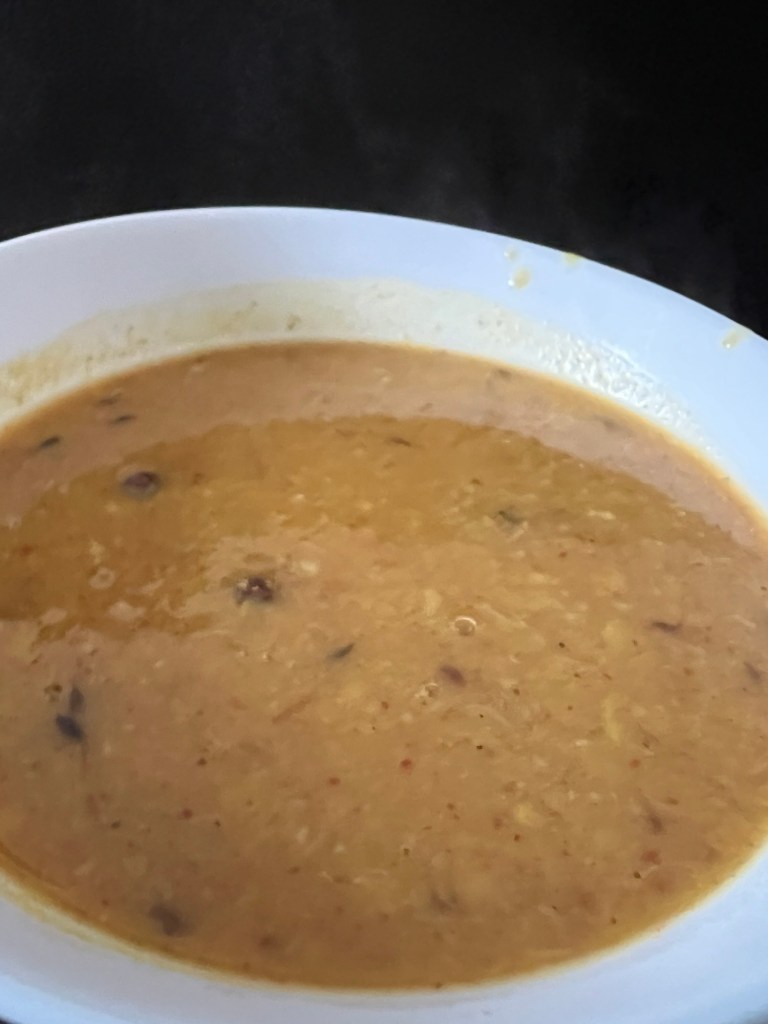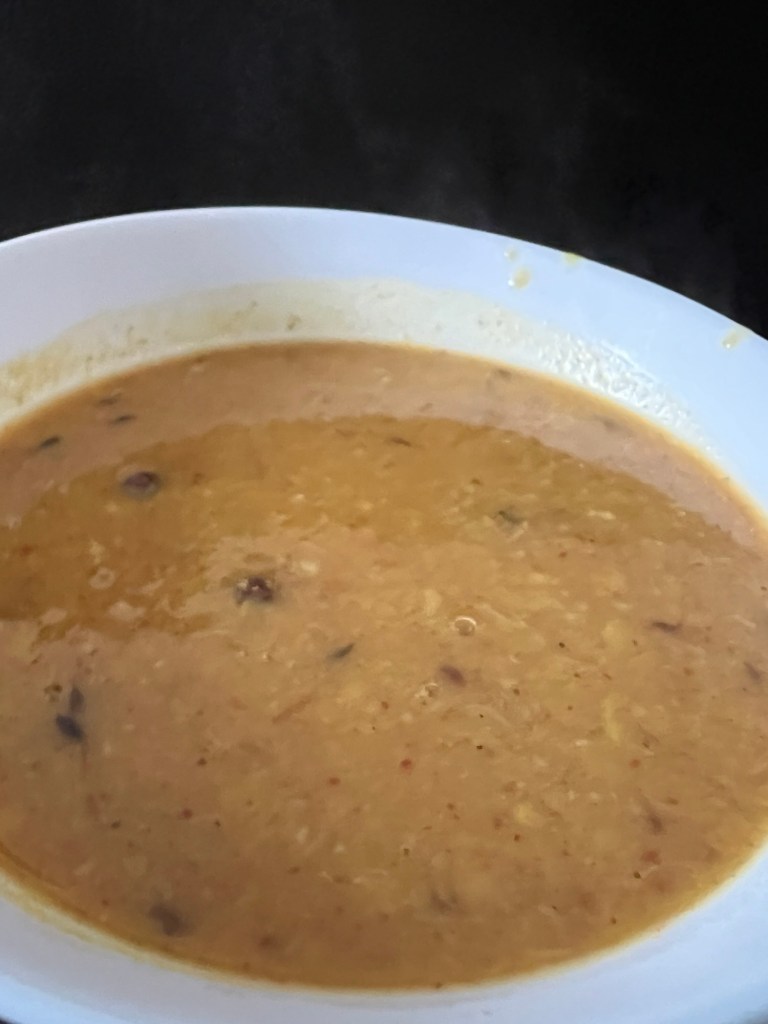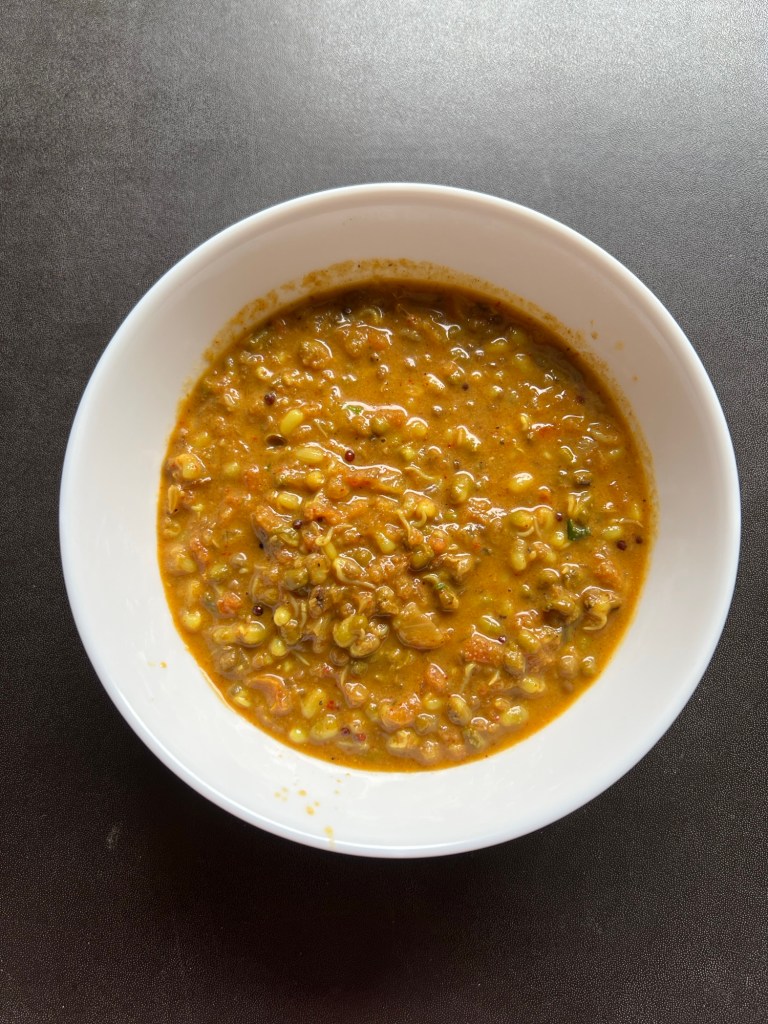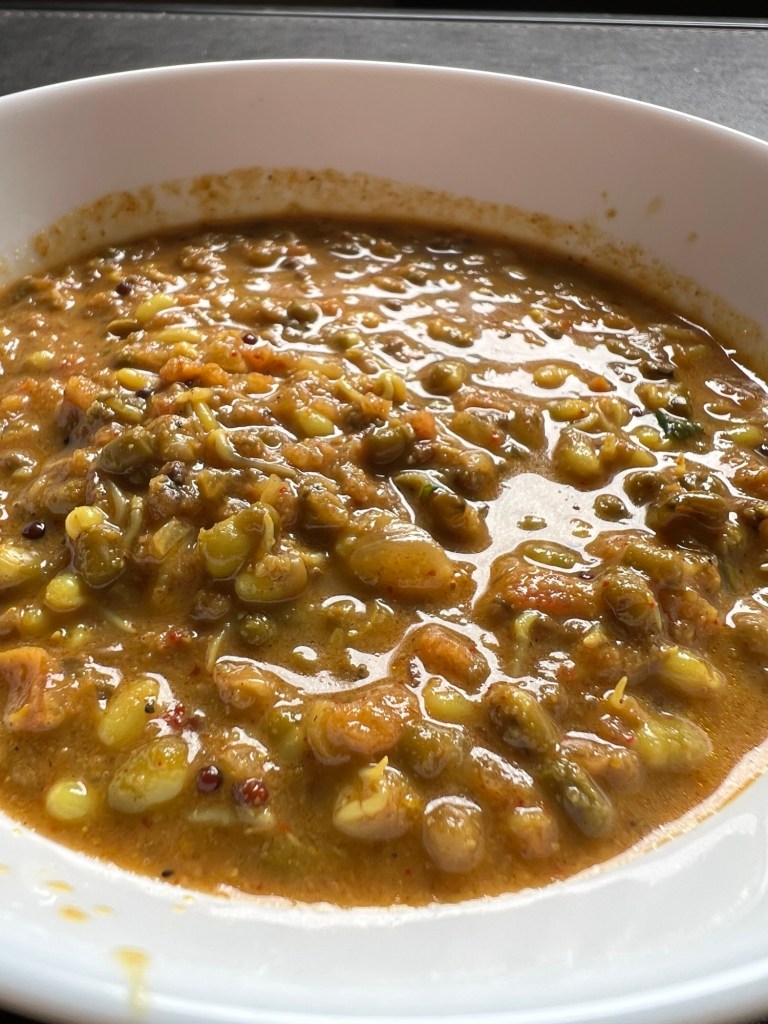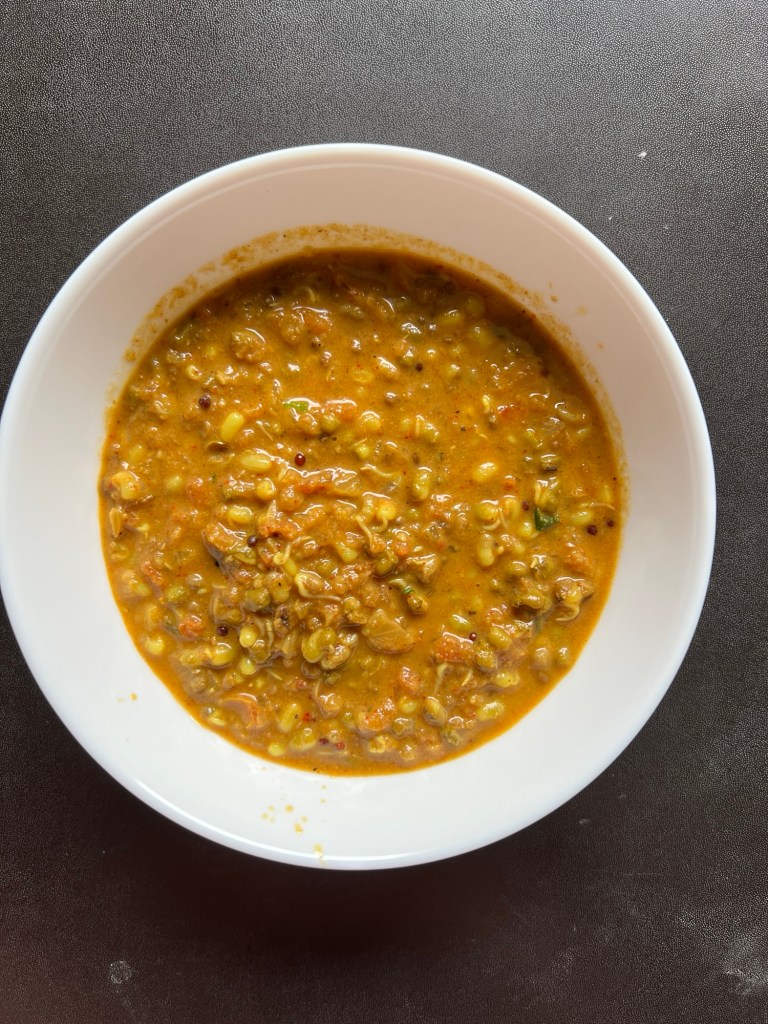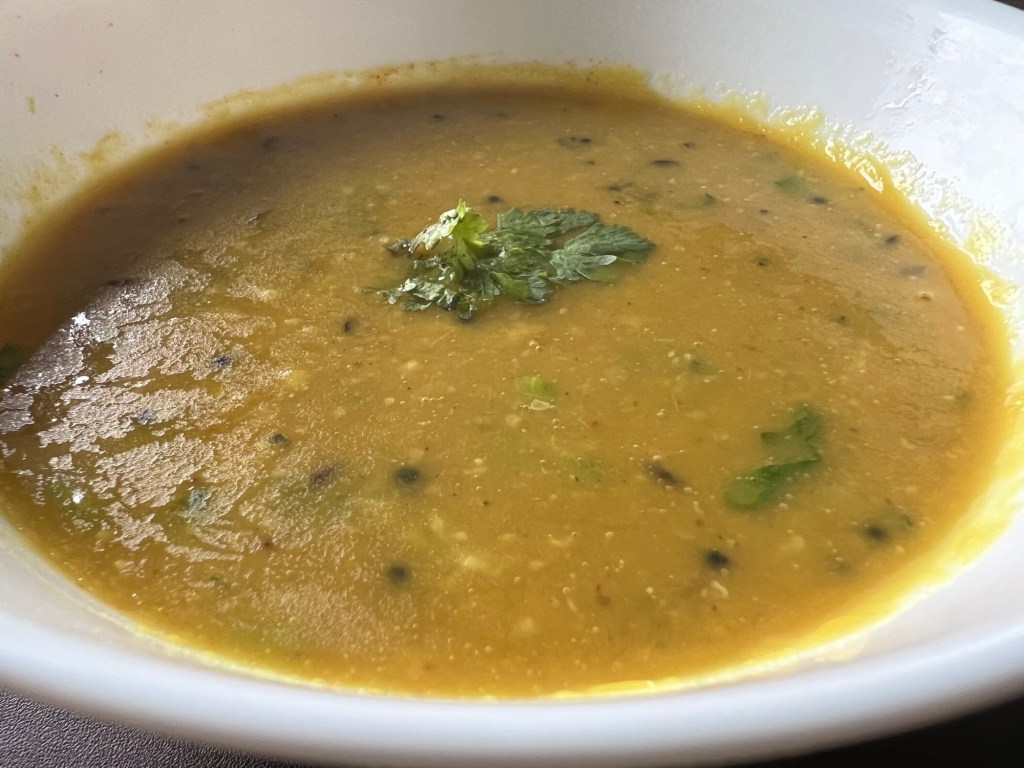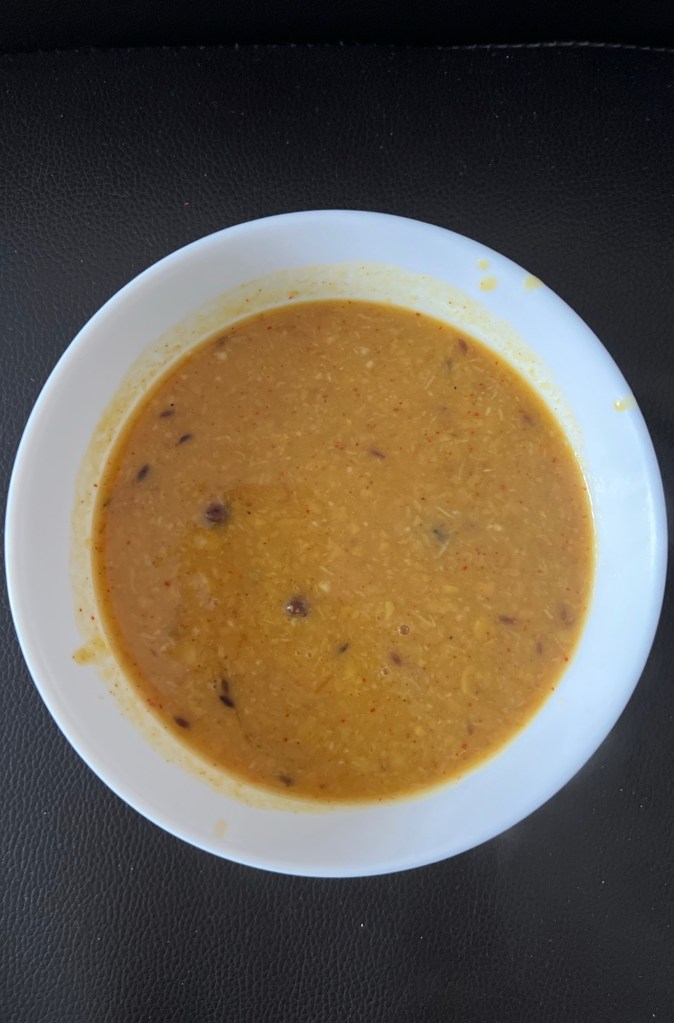
Recipes: Moth ani Mugachi Usal aka Sprouted Moong & Moth Curry

A powerhouse of nutrition, offering protein, fibre, and essential vitamins, this recipe is perfect for a balanced and wholesome meal. Served in all Maharashtrian homes, this usal is both spicy and healthy and even those who do not like sprouts will enjoy this dish. 

Sprouts are high in digestive enzymes that aid gut health, rich in *vitamins A, C, and K, boosting immunity, low in calories but high in protein and fibre, making them weight-loss-friendly, improve heart health by lowering cholesterol and blood pressure, and are great for blood sugar control due to their low glycemic index.

Moong sprouts made with whole green gram are high in protein, good for muscle repair and growth, and rich in folate, making them beneficial for pregnant women, easy to digest, suitable for all age groups, and help detoxify and promote glowing skin. Moth or Matki sprouts are packed with iron and folate, helping to prevent anaemia, are excellent for gut health, promote better digestion, are a good source of complex carbs, provide sustained energy, and are rich in antioxidants, supporting cell repair and reducing inflammation.  

Moth ani Mugachi Usal 

Ingredients:  

  • 1 cup sprouted moong or green gram  
  • 1 cup sprouted moth beans or matki  
  • 2 tbsp oil or ghee  
  • 1 tsp mustard seeds  
  • ½ tsp cumin seeds  
  • ¼ tsp asafoetida 
  • 1 sprig of curry leaves  
  • 2 green chillies, chopped  
  • 2 medium-sized onions, 1 finely chopped and 1 sliced
  • 1 medium-sized tomato, finely chopped 
  • 3-4 cloves of garlic
  • 1 inch piece of ginger
  • 2 tbsp coconut (either dry or fresh) 
  • ½ tsp turmeric powder  
  • 1 tsp red chilli powder  
  • 1 tsp goda masala 
  • 1 tsp coriander powder  
  • ½ tsp jaggery 
  • Salt to taste  
  • Water as needed
  • 2 tbsp grated coconut 
  • 2 tbsp fresh coriander leaves, chopped  

Method:

  • Wash and soak moong and moth beans overnight with enough water to cover the beans. In the morning, drain the beans and put them in a colander and keep covered for another 10-12 hours. Depending on the climate you are in, this make take less than 8 hours or upto 2 days to sprout. 
  • Heat 2 tbsp oil and in a pan and once the oil is hot, add the sliced onions, garlic and ginger and saute on medium flame until it changes colour slightly.
  • Then add the coconut and saute until it turns golden brown and the coconut is completely devoid of water. This is important because if the coconut is still fresh and wet, the curry may spoil if kept outside. You could also use dry coconut and if using dry coconut, just saute till it turns brown.
  • Cool completely and blend to a smooth paste adding enough water. Keep aside.
  • Heat oil in a pan. Add mustard seeds and let them splutter.  
  • Add cumin seeds, asafoetida, curry leaves, and chopped green chillies. Sauté for a few seconds.  
  • Add chopped onions and sauté until golden brown.  
  • Add tomatoes and cook until soft.  
  • Add turmeric, red chilli powder, coriander powder, and goda masala. Stir well.  
  • Add the sprouted moong and moth beans. Stir to coat them with spices.  
  • Add salt, jaggery (if using), and about ½ to 1 cup of water.  
  • Cover and cook for 10-15 minutes on low-medium heat until the sprouts soften but remain slightly crunchy.  
  • Garnish with finely chopped coriander leaves and serve hot with rice or rotis.
  • You can also squeeze a lemon wedge before eating for extra flavour. 

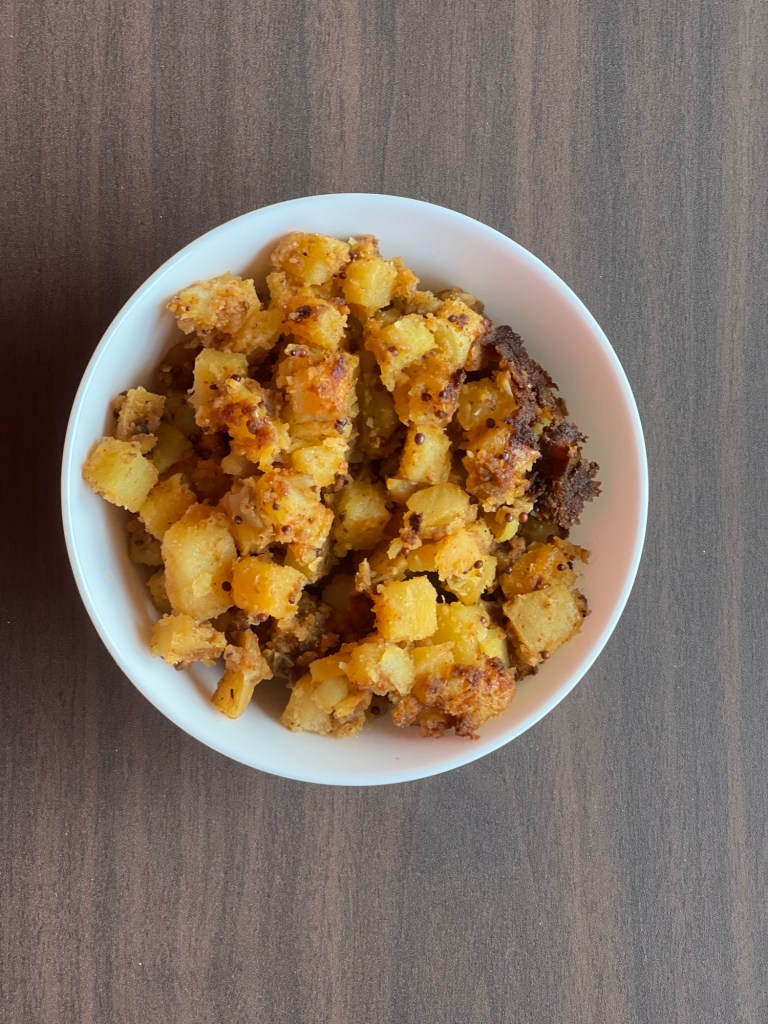
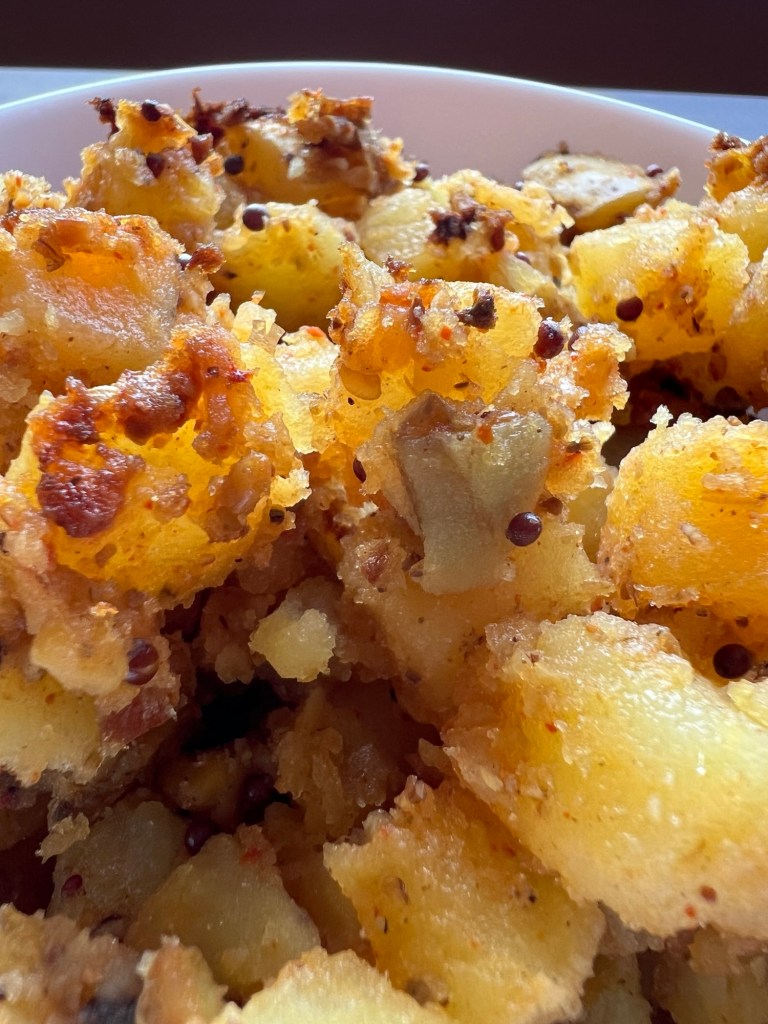
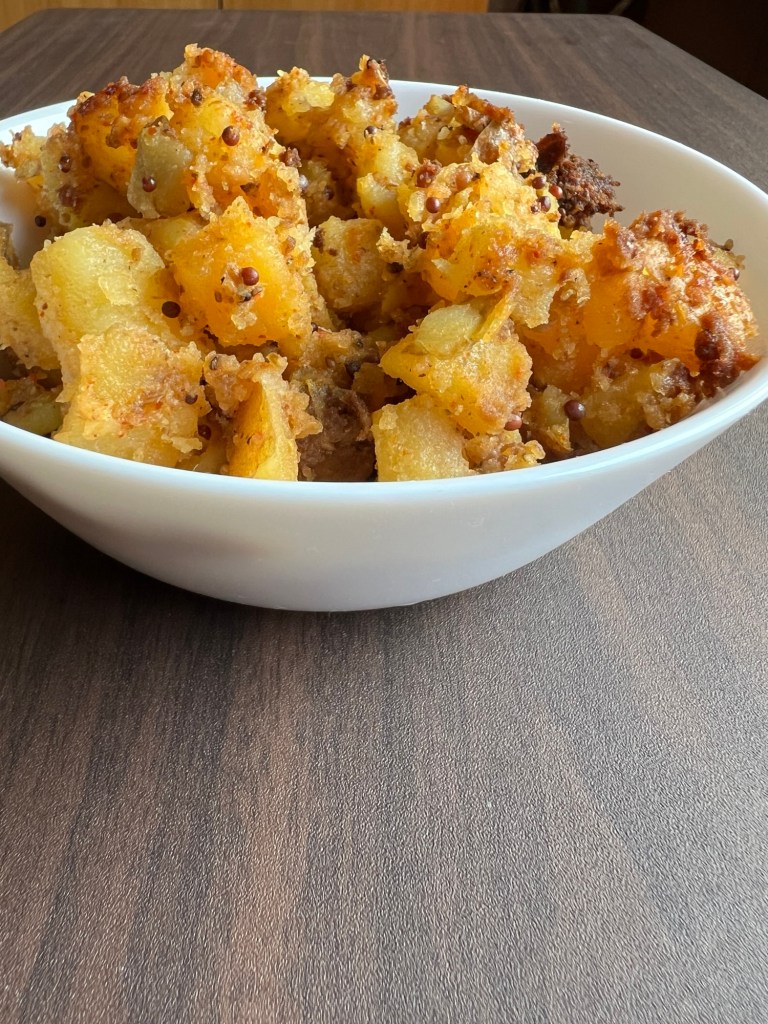
Recipes: Potato Podi Curry

A staple in Tamil Brahmin weddings, Potato Podi Curry, or Urulai Kizhangu Kara Curry, holds a special place in Tamil Brahmin cuisine. This flavourful and spicy potato curry is made without onions and garlic, making it suitable for festive occasions. 

Potato Podi Curry 

Ingredients:

For the potatoes:

  • 4-5 medium-sized potatoes
  • ¼ tsp turmeric powder
  • ¼ tsp asafoetida powder
  • Salt to taste
  • 1 tbsp chopped coriander leaves 
  • 1 tbsp oil
  • 2 tsp mustard seeds
  • 10-12 curry leaves

For the Podi Powder

  • 2 tbsp coriander seeds
  • 2 tbsp chana dal (split Bengal gram)
  • 2 tbsp urad dal
  • 2 tbsp fennel seeds
  • 2 tbsp black peppercorn
  • 2-3 tbsp Kashmiri chilli powder
  • ¼ tsp fenugreek seeds

Method:

  • Wash the potatoes thoroughly. This curry will have unpeeled potatoes, so make sure the potatoes are cleaned. 
  • Chop the potatoes into small, bite-sized pieces. Drop the potatoes in cold water to avoid oxidisation.
  • In the meantime, heat a small skillet and dry roast the ingredients for the podi powder one by one, until they are crisp. Keep aside and let them cool.
  • Once cool, grind the spices to a fine powder. Keep aside.
  • In a large saucepan, add about 4-5 cups of water, add ¼ tsp turmeric and some salt and once the water comes to a rolling boil, add the potatoes and cook the potatoes until they are about 80% done, stirring occasionally.
  • Check to see if the potatoes are done. This can be done by taking a piece and pressing it with your finger. If you can mash it with your fingers, it is cooked. At this point remove the potatoes from the saucepan, drain them and keep aside.
  • Heat about 2-3 tbsp oil in a large pan and once warm add in the mustard seeds. When the mustard seeds pop, add in the curry leaves and mix. 
  • Now add in the asafoetida powder and once that is mixed, add in the drained potatoes.  Season with salt.
  • Add the podi powder and Kashmiri red chilli and mix gently.
  • On a low flame let the potatoes finish cooking. This should take about 7-10 minutes. 
  • Serve the potato podi curry with any South Indian meal.

Recipes: Zafrani Pulao

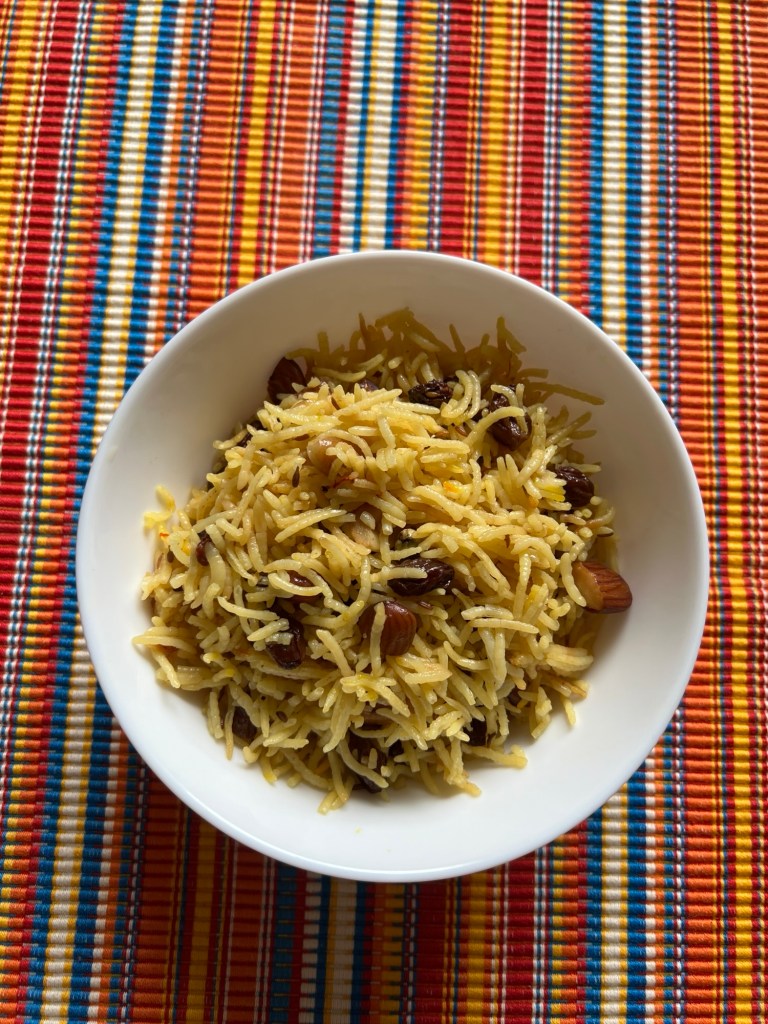
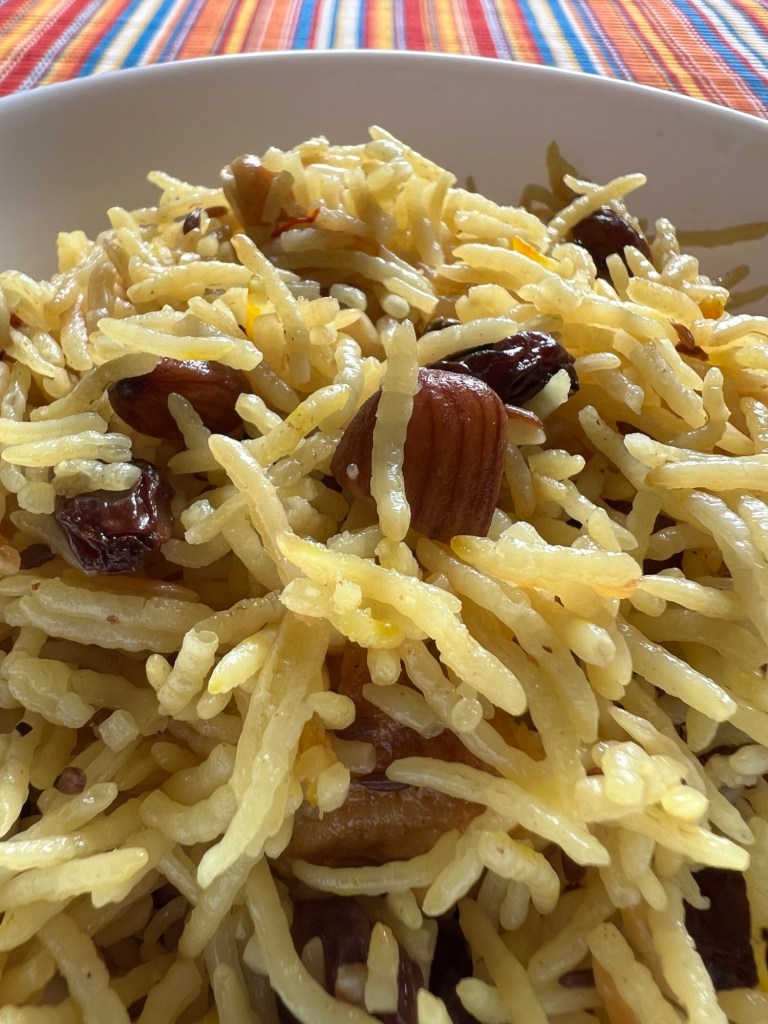
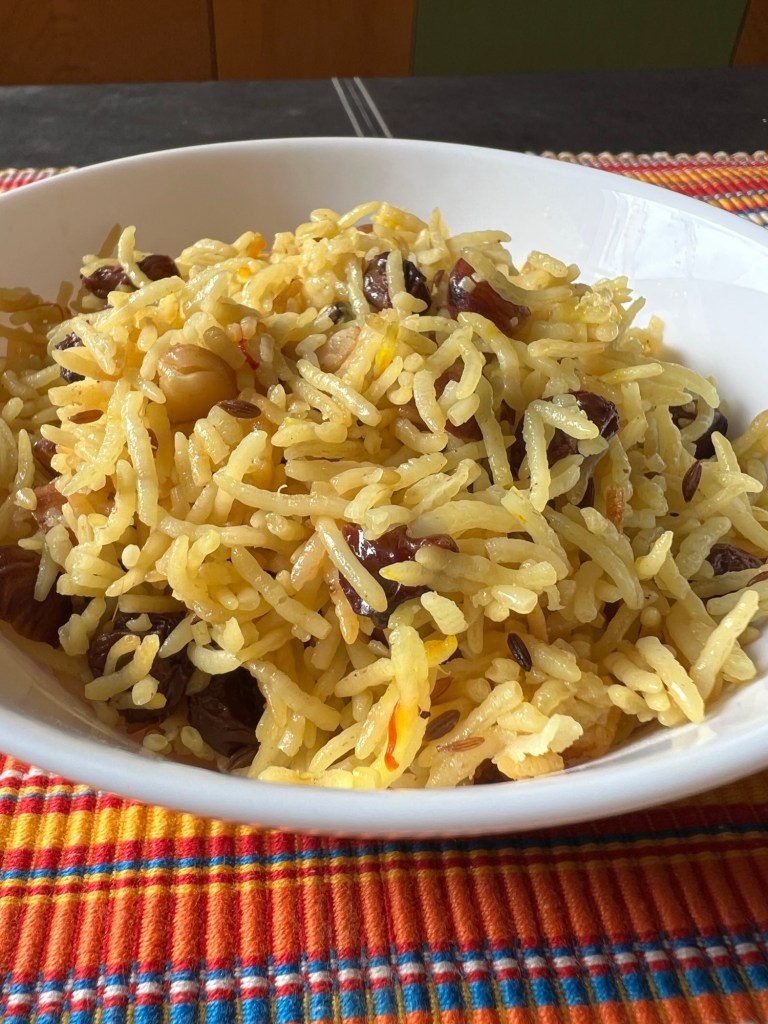
Infused with the rich aroma of saffron and garnished with raisins, cashew nuts and almonds, Zafrani Pulao is perfect for special occasions. Saffron is known for its antioxidant properties, which can help combat oxidative stress in the body. It has also been linked to improved mood and may help alleviate symptoms of depression and anxiety. When garnished with nuts like almonds and cashews, Zafrani Pulao gains additional nutrients such as healthy fats, protein, vitamins, and minerals.

Ingredients:

  • 1 cup basmati rice
  • 2 cups water
  • ½ cup milk
  • 10-12 strands of saffron
  • 2 tbsp ghee (or oil for a vegan option)
  • 1 bay leaf
  • 2-3 green cardamom pods
  • 2-3 cloves
  • 1-inch cinnamon stick
  • Salt, to taste
  • 1 tbsp sugar (optional, adjust to taste)
  • 2-3 tbsp chopped nuts (cashews, almonds) and raisins for garnish 

Method:

  • Rinse the basmati rice under cold water until the water runs clear. Soak it in water for about 30 minutes. Drain and set aside.
  • In a small bowl, soak the saffron strands in warm milk for about 15 minutes. This will help release the colour and flavour of the saffron.
  • In a heavy-bottomed pot, heat ghee over medium heat. Add the chopped nuts and fry until golden brown. Remove and keep aside on a kitchen towel. Add the raisins in the same ghee and once they plump up, remove and keep with the nuts. 
  • In the same ghee, add the bay leaf, cardamom pods, cloves, and cinnamon stick. Sauté for a minute until fragrant.
  • Add the drained rice to the pot and sauté gently for 2-3 minutes to toast the rice slightly.
  • Add the salt and stir for a minute and then transfer to a rice cooker with the two cups of water. 
  • Cook until the rice is done. Switch off the rice cooker and let it sit for 20 minutes. After 20 minutes, open the rice cooker, and drizzle in the saffron milk, add the sugar if using and fluff the rice with a fork. Be gentle so as to keep the grains separate. Add in the fried nuts and raisins. 
  • If using the stovetop, after adding the salt, pour in 2 cups of water and bring it to a boil. 
  • Once boiling, reduce the heat to low, cover the pot with a lid, and let it simmer for about 15 minutes or until the rice is cooked and all the water is absorbed.
  • After the rice is cooked, gently fluff it with a fork. Drizzle the saffron-infused milk over the rice and add sugar if using. Mix gently to combine without breaking the grains. Add in the fried nuts and raisins and sprinkle over the pulao. 
  • Serve hot as a standalone dish or with your favourite curry or raita.

Recipes: Chincha Gul Amti

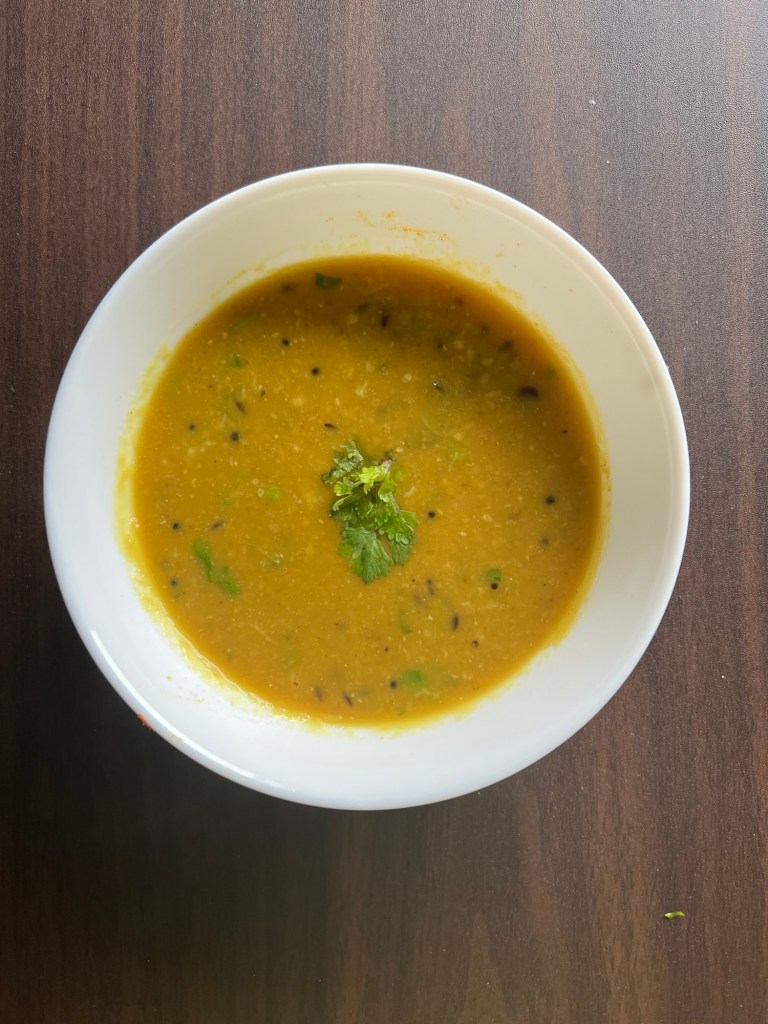
Known for its tangy and sweet flavour, Chincha Gul Amti is a traditional Maharashtrian dal made from tamarind or chincha and jaggery or gul. I got this recipe from one of the many recipe books I own (so old school, right). This version of the recipe includes coconut, which enhances the richness and texture of the dish, but you can opt to omit this if you don’t like the taste. 

Chincha Gul Amti

Ingredients:

  • 1 cup toor dal or pigeon pea lentils
  • 2 tbsp tamarind pulp or paste 
  • 2 tbsp jaggery powder
  • 2 tbsp grated coconut, either fresh or desiccated
  • 1 tbsp oil or ghee
  • ½ tsp mustard seeds
  • ½ tsp cumin seeds
  • ¼ tsp asafoetida 
  • 2 dried red chilies
  • 8-10 curry leaves
  • ½ tsp turmeric powder
  • 1 tsp red chili powder 
  • 1 tsp goda masala (optional) or garam masala
  • Salt to taste
  • Water as needed
  • Finely chopped coriander leaves to garnish

Method:

  • Wash the dal well and soak in hot water for 30 minutes. 
  • Then pressure cook the dal with 2-3 cups of water until soft. This should take around 3-4 whistles. Mash or whisk the cooked dal to a smooth paste and set it aside.
  • If using tamarind pulp, soak tamarind in warm water for about 10-15 minutes. Extract the tamarind pulp by squeezing the tamarind, and set it aside. 
  • If using rock jaggery, dissolve the jaggery in a small amount of water, ensuring no lumps, and set aside.
  • In a deep pan or kadai, heat the oil or ghee on medium heat. Add mustard seeds and cumin seeds, and let them splutter. Add asafoetida, dried red chilies, and curry leaves. Saute for a minute until fragrant.
  • Add turmeric powder, red chili powder, and goda or garam masala and stir for a few seconds. Then add the grated coconut and sauté for another 2-3 minutes until the coconut turns slightly golden.
  • Pour the cooked and mashed dal into the pan. Stir well and adjust the consistency by adding water as needed. Bring it to a gentle simmer.
  • Add the tamarind pulp or paste and jaggery to the simmering dal. Stir well to combine the sweet and tangy flavors. Cook for another 5-7 minutes, allowing the flavours to meld.
  • Add salt to taste and adjust the level of tamarind and jaggery according to your preference. If the amti is too thick, add a bit more water to achieve a medium consistency.
  • Once done, turn off the heat and garnish with freshly chopped coriander leaves.
  • Serve Chincha Gul Amti hot with steamed rice or roti.

Dahiwale Chole aka Chickpeas in a Tomato Yogurt Sauce

The other day, while wondering what to cook — something that happens to all of us — I suddenly had an epiphany and thought of experimenting with some boiled chickpeas that I had at home. The result was this quick gravy that took about 15-20 minutes to put together and went beautifully with the boiled chickpeas. I will also be making this gravy again, this time trying it with different vegetables.

Dahiwale Chole aka Chickpeas in a Tomato Yogurt Sauce

Ingredients:

  • 1 cup boiled chickpeas
  • 2 medium-sized onions, roughly chopped
  • 4 medium-sized tomatoes, roughly chopped
  • 5-6 garlic cloves, peeled
  • 1-inch piece of ginger, peeled
  • 2-3 fresh red chillies, destalked
  • 1 cup yoghurt, whisked
  • 2 tbsp roasted peanut powder
  • 1 tsp cumin seeds
  • ¼ tsp turmeric powder
  • ½ tsp Kashmiri red chilli powder
  • 1 tsp cumin powder
  • 1 tsp coriander powder
  • 1 tsp jaggery powder (optional)
  • Salt to taste
  • 1 tbsp oil or ghee
  • Finely chopped coriander leaves to garnish

Method:

  • Blend together the garlic, ginger and red chillies into a smooth and keep aside.
  • Blend the onions into a fine paste and keep aside.
  • Blend the tomatoes into a fine paste and keep aside.
  • Heat the oil in a pan and when the oil heats up, add in the cumin seeds and let the seeds pop.
  • Pour in the blended garlic, ginger and chillies and stir well for a couple of minutes
  • Then add in the blended onions, sprinkle a bit of salt and cook well until the onion starts to become translucent.
  • Then add the blended tomatoes and cook covered until the oil starts to ooze out.
  • Add the dry spices – turmeric powder, red chilli powder, cumin powder, coriander powder, salt, and peanut powder. If you are adding jaggery powder or sugar, add it now.
  • Once the oil oozes out, add in the whisked yoghurt and stir continuously for a few minutes.
  • Now add the boiled chickpeas and cook covered on a medium-low flame for 5-7 minutes.
  • Check for seasoning and adjust what is needed.
  • Garnish with finely chopped coriander leaves and serve hot with rice or any Indian flatbread.

Notes:

  • I used already boiled chickpeas, but if you don’t have them handy, you can make it with canned chickpeas or soak a cup of dry chickpeas for 6–8 hours and then cook it in a pressure cooker or in a pan until they are soft.
  • To make roasted peanut powder, dry roast peanuts until the skin starts to split. Cool them completely and blend to a coarse powder.
  • You can also add powdered sesame seeds instead of peanuts or both together. To make powdered sesame seeds, dry roast white sesame seeds until they start to pop. Cool then pulse to make a fine powder.
  • If you plan to use other vegetables, lightly fry them in 1 tsp oil until they are 80% cooked. Then remove and keep aside and make the gravy as per the recipe above. Add them back into the gravy where I have indicated adding the boiled chickpeas.