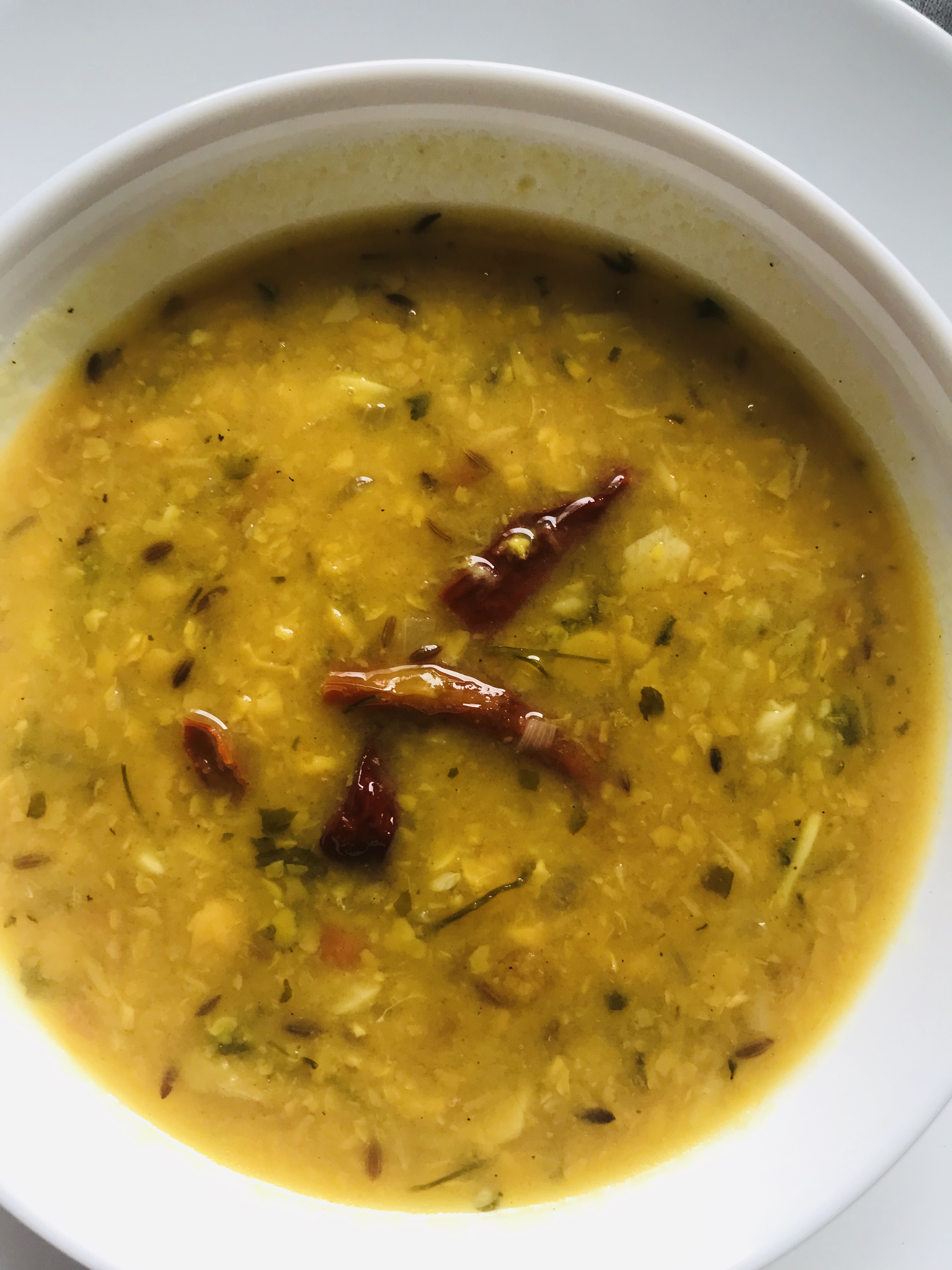
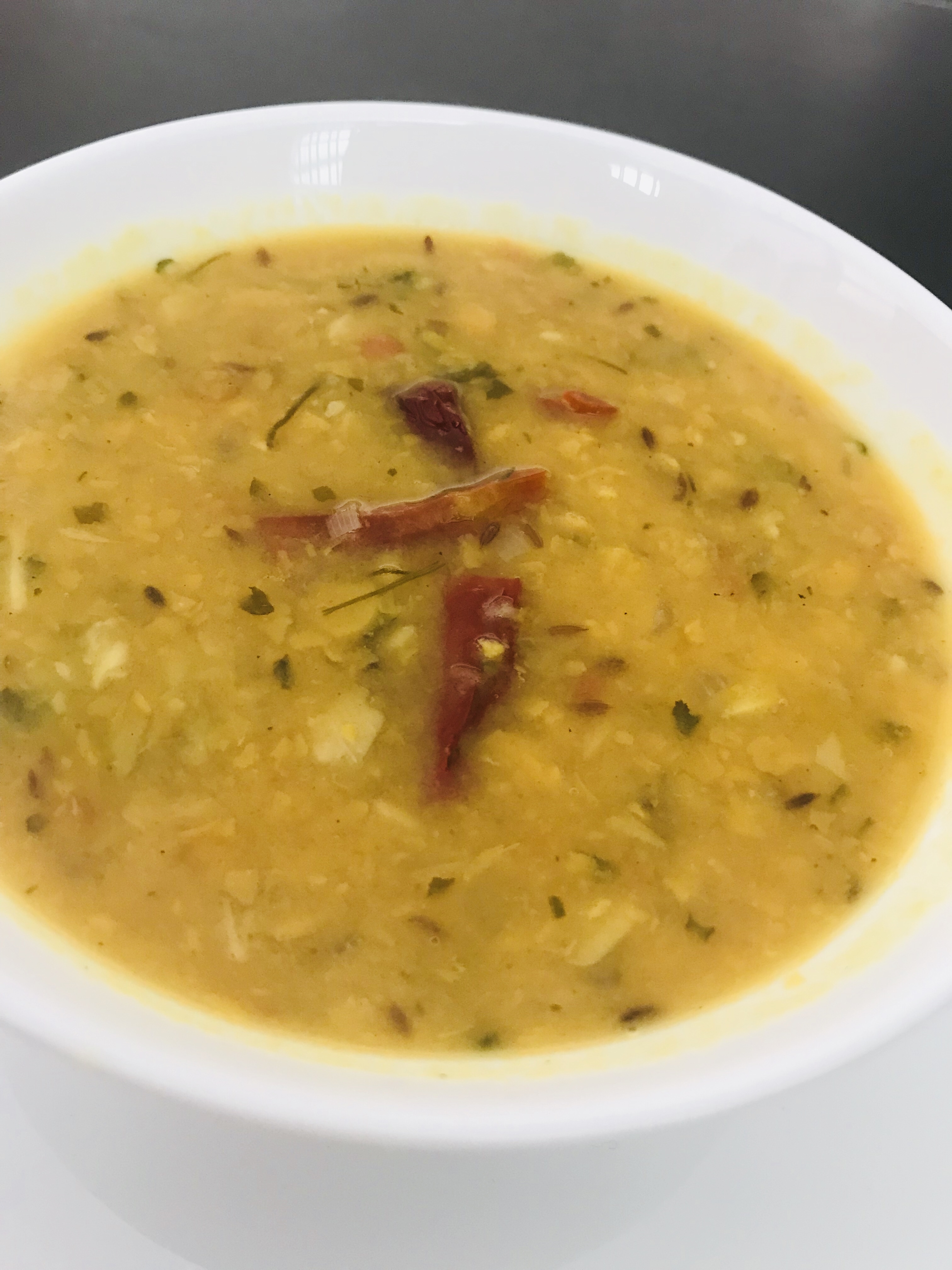
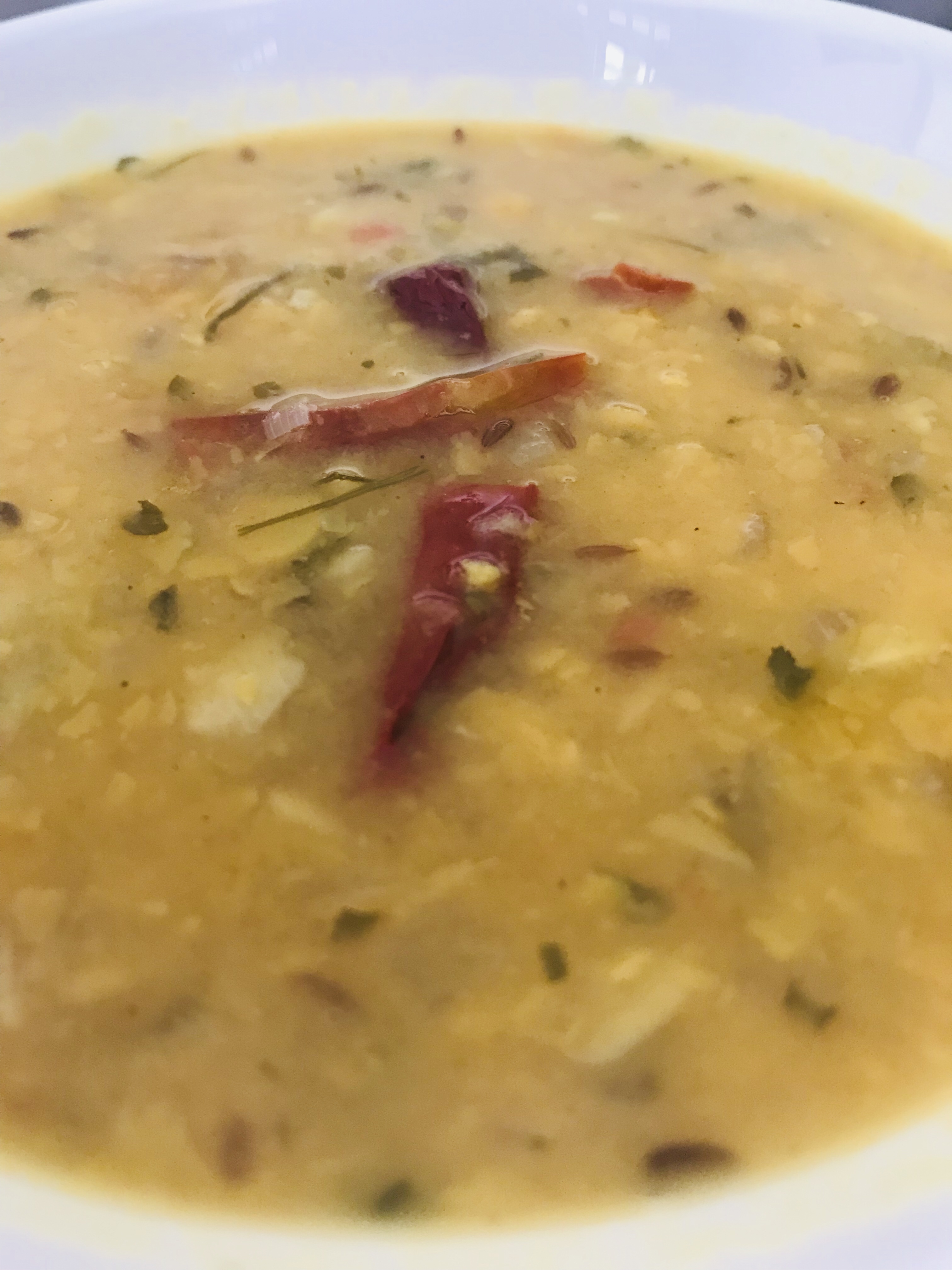
Recipes: Chana Dal

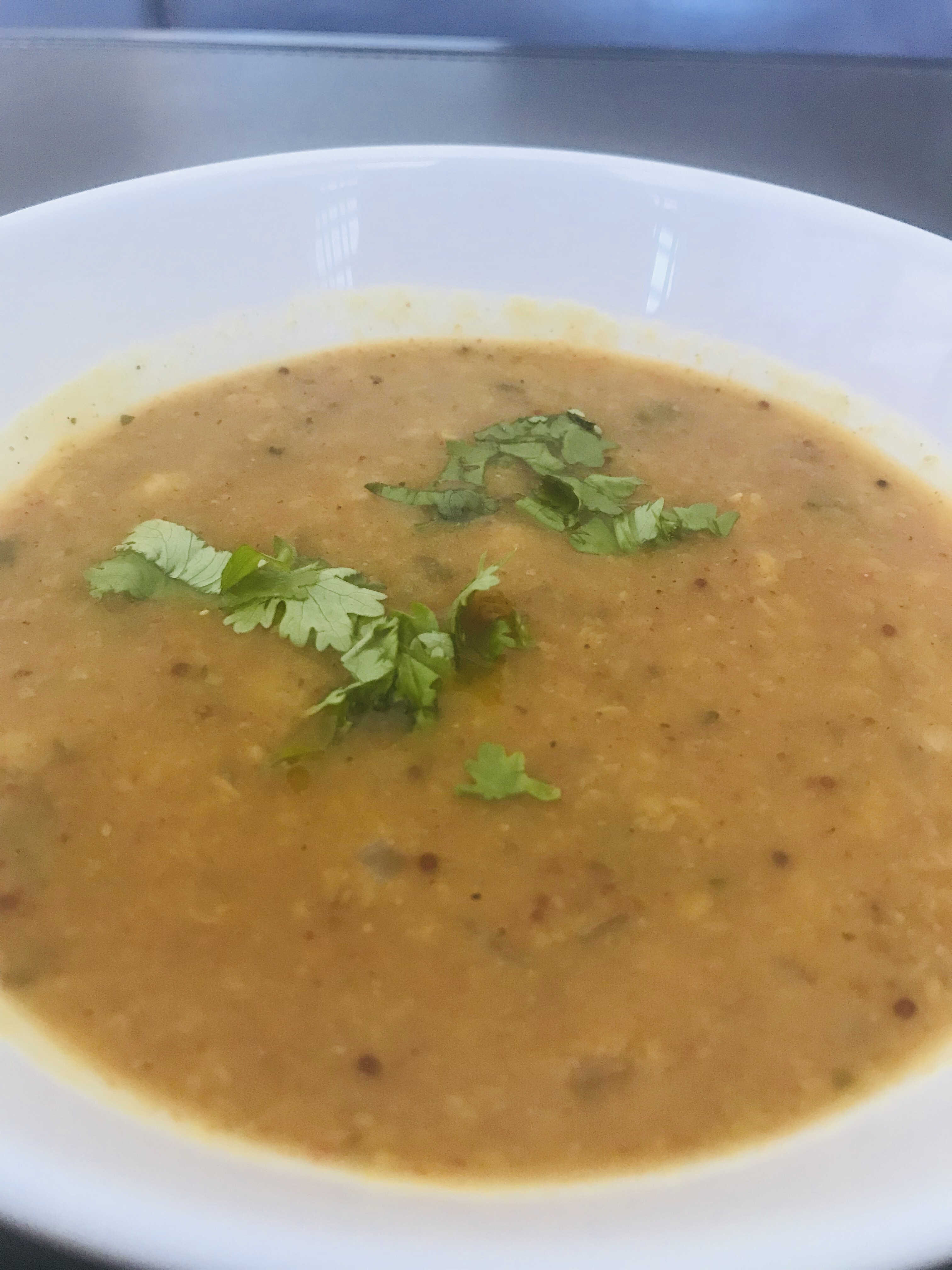
Chana Dal or Split Chickpeas is a dried legume or pulse which is widely used in the Indian subcontinent. A typical dal will be cooked until mushy (usually in a pressure cooker, but also sometimes on the stovetop) and then tempered according to taste. This is a staple in most meals as legumes are said to be full of protein.

In a 100-gram amount, boiled and cooked dal contains 9% protein, 70% water, 20% carbohydrates (which includes 8% fibre), and 1% fat. Cooked dal (per 100 g) also supplies a rich content (20% or more of the Daily Value, DV) of the B vitamin, folate (45% DV) and manganese (25% DV), with moderate amounts of thiamine (11% DV) and several dietary minerals, such as iron (19% DV) and phosphorus (18% DV).

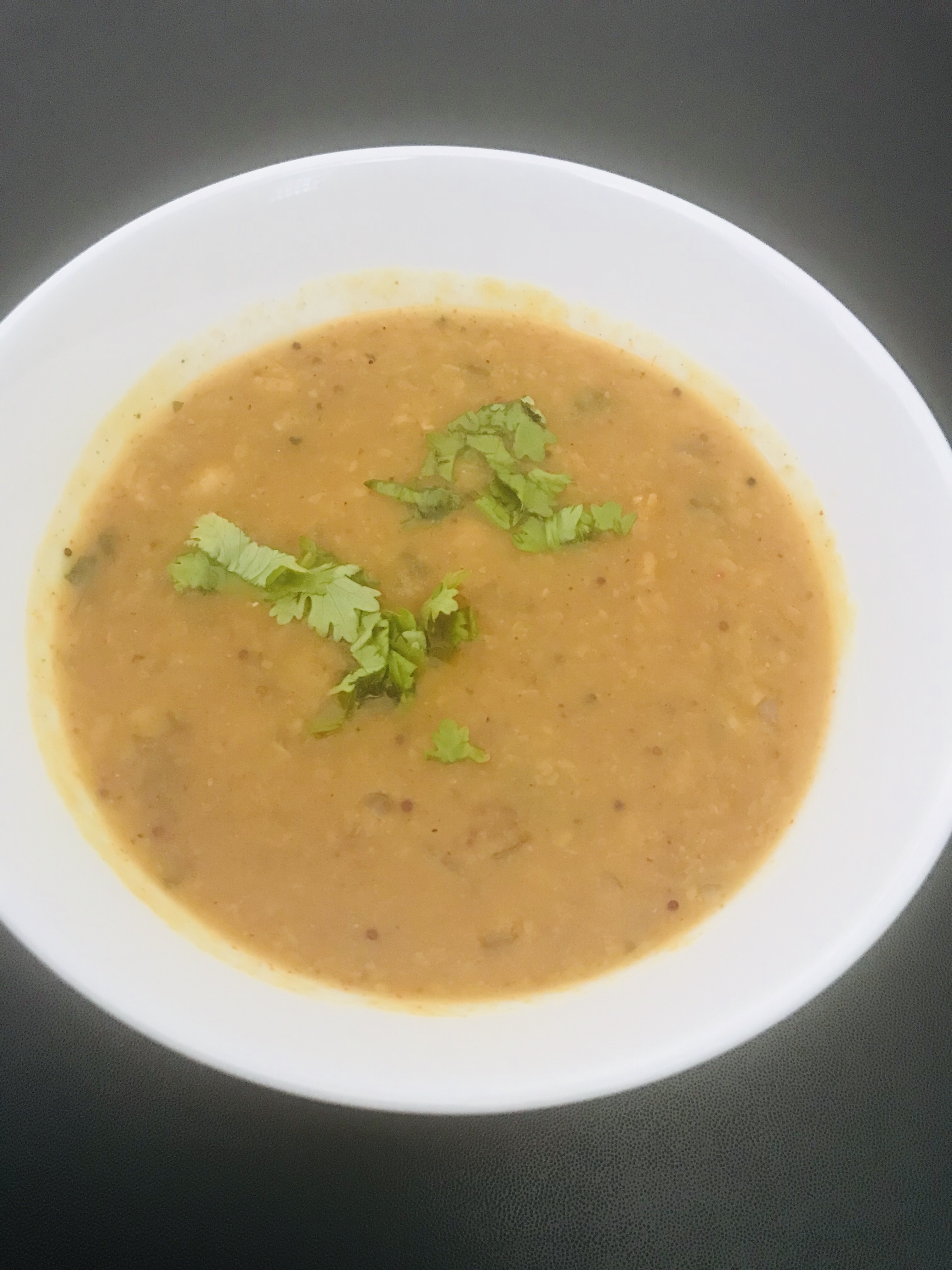
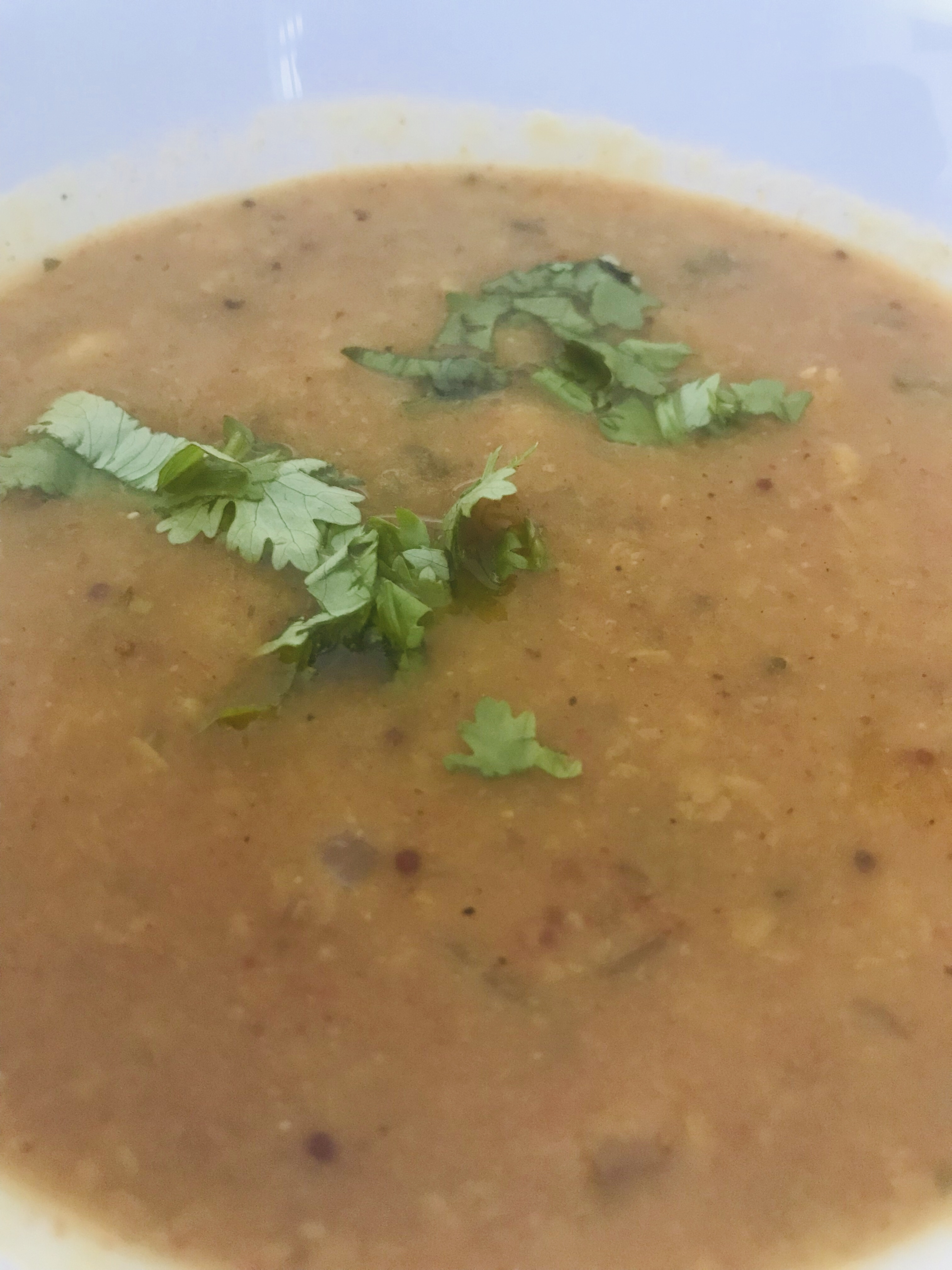
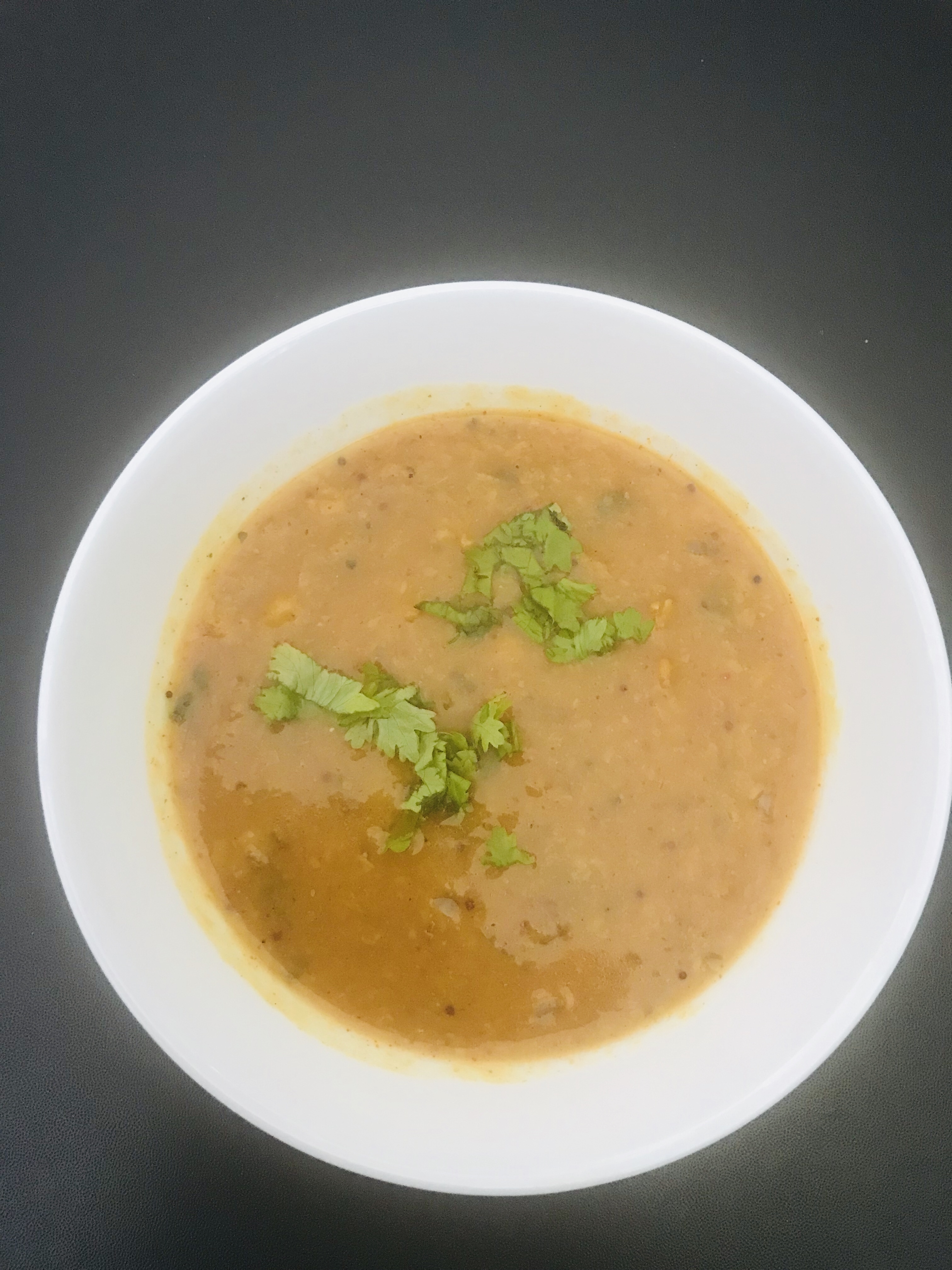
I have earlier posted a recipe for a simple chana dal, so here’s another version of this dal which I made over the weekend for a simple lunch. This is a bit more work than the previous recipe, but is super worth it!

Chana Dal

Ingredients:

  • 1 cup chana dal or split chickpeas, soaked in warm water for 30 minutes
  • 1 large (or 2 medium-sized) onions, finely chopped
  • 2 medium-sized tomatoes
  • 6-8 pods of garlic
  • 1-inch piece of ginger
  • 2-3 fresh red or green chillies
  • 1/2 tsp mustard seeds
  • 1/2 tsp cumin seeds
  • 3-4 curry leaves
  • 1 tsp turmeric powder
  • 1 tsp red chilli powder
  • 1 tsp coriander powder
  • 1 tsp cumin powder
  • 1/4 tsp asafoetida powder
  • 1/2 tsp garam masala powder
  • 1 tbsp ghee or oil
  • 1 tsp lemon juice
  • 1 tsp Kasuri methi
  • Salt to taste
  • Coriander leaves to garnish

Method:

  • Pressure cook the chana dal with 1/2 tsp turmeric powder till it is mushy and keep aside. If using a stovetop to cook the dal, stir till the dal is mushy and keep adding water as required. Keep aside.
  • In a blender, blend together the tomatoes, garlic, ginger and chillies to a fine paste and keep aside.
  • Heat the oil or ghee in a pan and when warm, add in the mustard seeds. When they pop, add the cumin seeds and stir for a couple of seconds. Then add the curry leaves and stir well.
  • Add the onions and cook until the onions become translucent.
  • Then add the blended tomato paste and stir well. To this mixture add the balance spices – turmeric powder, red chilli powder, cumin powder, coriander powder, asafoetida powder, garam masala powder and salt and stir well till the oil starts leaving the sides of the pan.
  • At this point, pour in the cooked chana dal and adjust your seasoning if needed. Let the dal come to a rolling boil and just before you switch off the gas, crush the Kasuri methi leaves in the palms of your hands and stir.
  • Before serving, drizzle the lemon juice and serve garnished with coriander leaves.
  • Serve hot with rice or any Indian flatbread.

Recipes: Mixed Veg Jodhpuri Sabzi

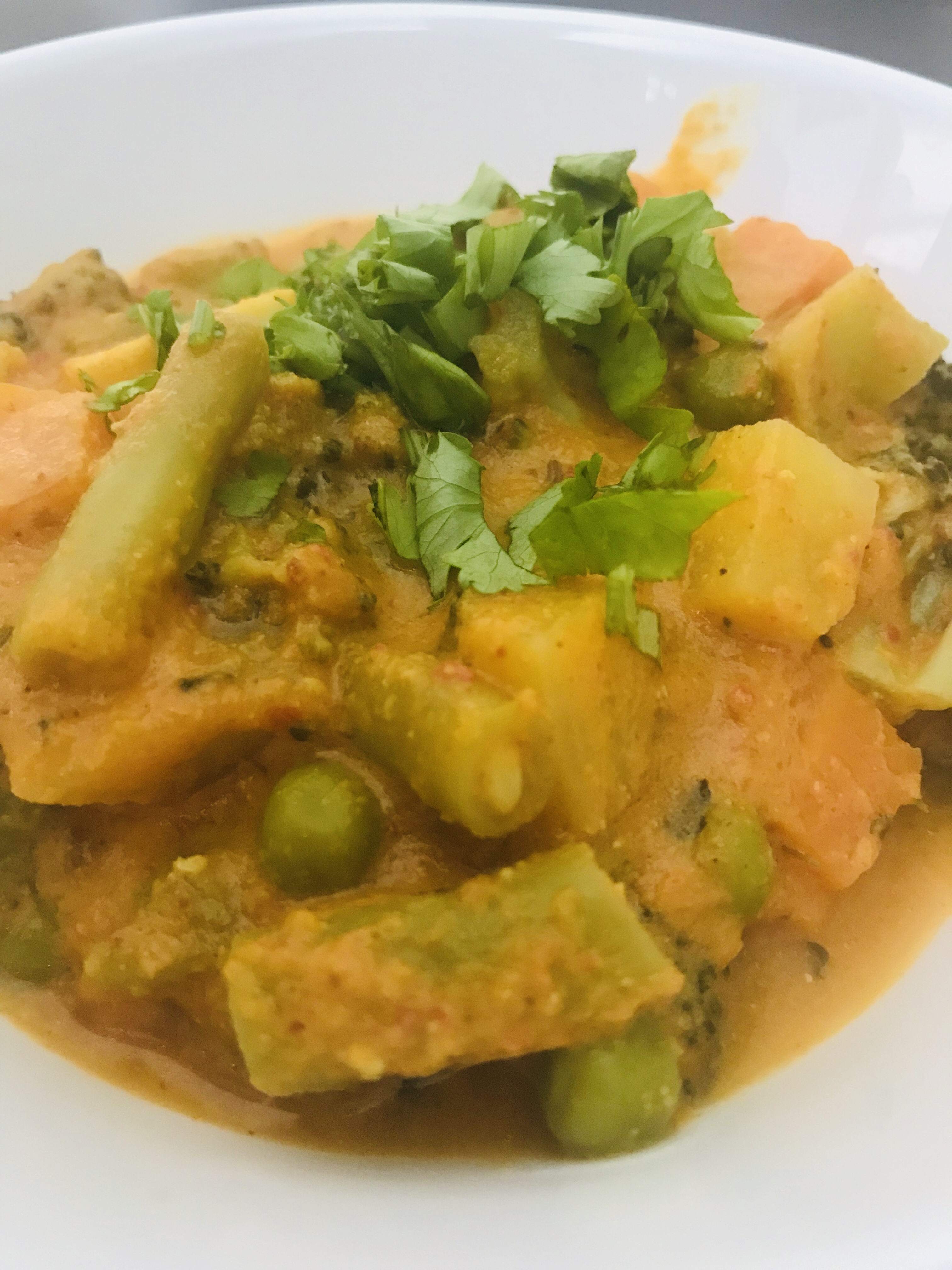
The second largest city in the western state of Rajasthan, is well known as a tourist spot with tourists flocking to the city during it’s peak tourist season to see its forts and palaces. The food of the city is also quite famous with this dish a fixture in most restaurant menus. I tried recreating this menu after having it at my local restaurant. This may not be the most authentic recipe, but was very tasty and the pot was finished with no leftovers. Do try my version and let me know how you liked it.

Mixed Vegetable Jodhpuri Sabzi

Ingredients:

  • 2 cups chopped mixed vegetables (I used a mixture of carrots, sweet potatoes, peas and cauliflower, but you can also use other vegetables like potatoes, cabbage, broccoli, sweet corn etc)
  • 2 medium sized onions, finely chopped
  • 5-6 pods of garlic
  • 1 inch piece of ginger
  • 5 green chillies
  • 4 medium-sized tomatoes
  • 1 large green capsicum, finely chopped
  • 2-3 tbsp ghee or oil
  • 2 tbsp butter
  • 1 tsp whole coriander seeds
  • 1 tsp cumin seeds
  • 1 tsp fennel seeds
  • 3-4 cardamom pods
  • 1/2 inch piece of cinnamon
  • 1 bay leaf
  • 3-4 whole red chillies
  • 1/2 tsp asafoetida powder
  • 10 -15 cashew nuts
  • 1 small can of tomato paste or puree
  • 2-3 tbsp milk
  • Salt to taste
  • 1 tsp sugar
  • 1/2 to 1 tsp red chilli powder
  • 1/4 tsp turmeric powder
  • 1 tsp chat masala powder
  • 1 tsp cumin seed powder
  • 1 tsp coriander powder
  • 1 tbsp kasoori methi ( dry fenugreek leaves)
  • 2-3 tbsp whipped yoghurt
  • Coriander leaves to garnish

Method:

  • Soak the cashew nuts in hot water for 20-30 minutes till it becomes soft, then blend it to a fine paste with the milk and two of the tomatoes. Keep aside.
  • Blend together the garlic, ginger and 3 of the green chillies into a fine paste and keep aside.
  • Finely chop the remaining tomatoes and keep aside.
  • Heat 1 tbsp ghee or oil in a large pan and fry the mixed vegetables you have chosen for this recipe. Cook covered till they are about 80% cooked.
  • Remove the vegetables and in the same pan heat the balance oil or ghee and when the ghee warms up, add the whole spices (coriander seeds, cumin seeds, fennel seeds, cardamom, cinnamon, red chillies and the bay leaf). Once the spices crackle, add the asafoetida powder and stir.
  • Slit the balance green chillies and add it to the pan. Then add the ginger-garlic-chilli paste and stir well for a few minutes.
  • Now add the chopped onions and stir until the onions become translucent. Once translucent, add the chopped tomatoes and capsicum and cook for a few minutes till the tomatoes are mushy and cooked. You can add a pinch of salt to this to help the process.
  • Sprinkle little water if the masala starts to get dry and burn. Now add the cashew-tomato paste and stir it into the gravy. Add the tomato paste or puree and stir. Add enough water to make the gravy as thick as you like and let it come to a rolling boil and cook for another 5-7 minutes.
  • Add the balance spices – salt, sugar, red chilli powder, turmeric powder, chat masala, cumin powder, coriander powder, kasoori methi and stir it into the gravy. Add the butter into the gravy and let it cook.
  • Stir in the semi-cooked vegetables into the gravy and let it simmer for another 5-7 minutes. If you are adding cream to the recipe, remove the gravy from the flame before adding the cream. If you are using whipped yoghurt, add it in, stir well and remove the gravy from the flame.
  • Serve garnished with coriander leaves. Serve hot with any Indian flatbread or jeera rice or even plain basmati rice.

Recipes: Kashmiri Potato Yakhni

“Gar Firdaus bar-rue zamin ast, hami asto, hamin asto, hamin ast.”

This quote, attributed to the Mughal Emperor Jahangir in the 17th century when he first visited Kashmir can be translated as, “If there is a heaven on Earth, it is here, it is here, it is here”. The Mughal Emperor was so impressed by the beauty in Kashmir that he would often say, if one has not visited this beautiful paradise, they are missing out on something worthwhile.

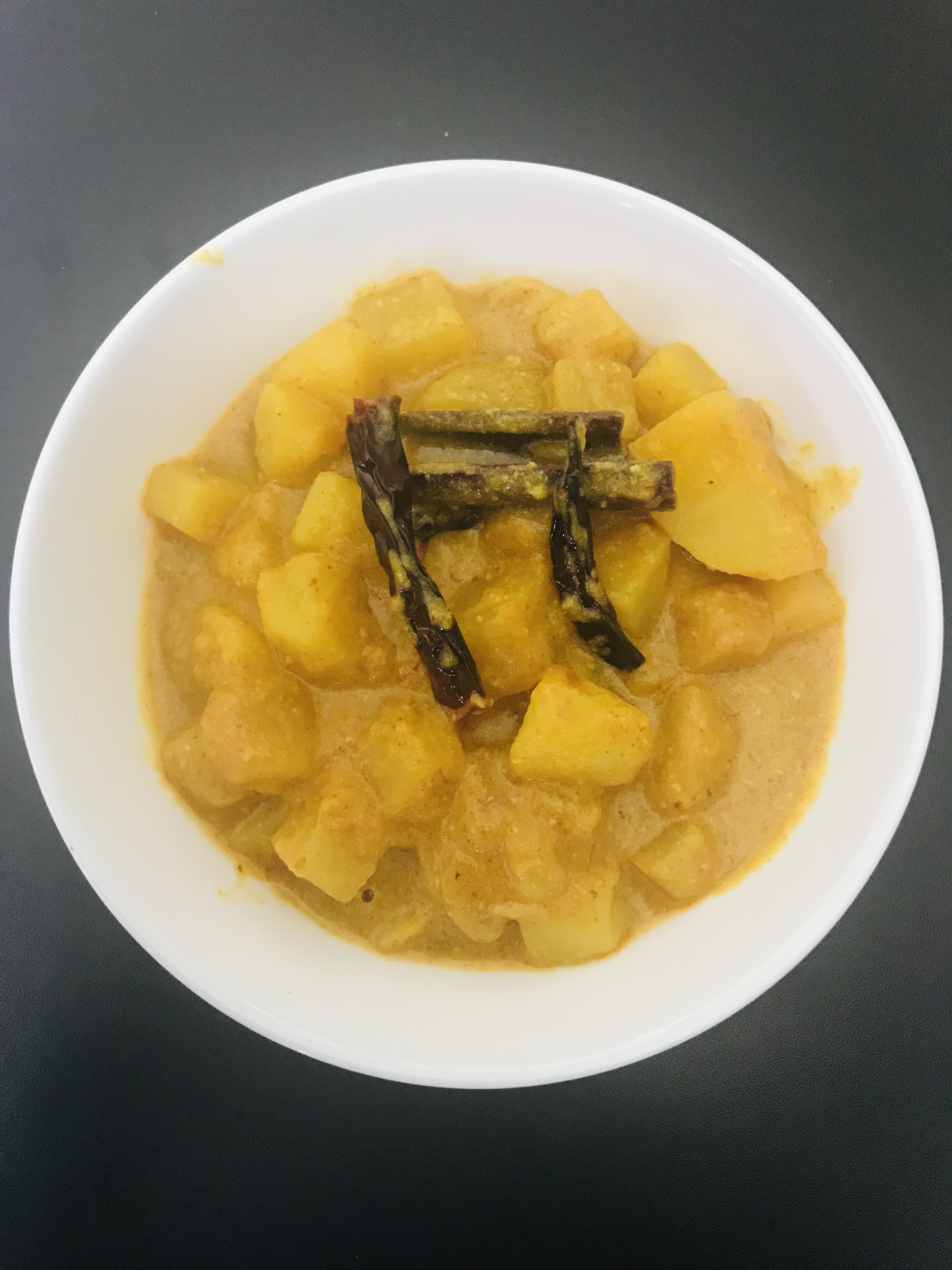
When I made my Kashmiri Pulao, I wanted it to be accompanied by a gravy dish from the same region. But as I discovered, since vegetables are scarce in the region, it is difficult to find vegetarian dishes here. So I adapted a mutton dish which I found online and created a potato yakhni. This may not be absolutely 100% authentic, but I was impressed with the taste.

Yakhni essentially means a gravy based dish and is a light curry or broth which has to include two main ingredients other than the meat – yoghurt and saffron. Yakhni came to be known in Kashmir during the Mughal emperor Akbar’s rule. Yoghurt-based meat curries were part of Persian cuisine, and the Emperor introduced this style of cooking to his new state when he annexed it in 1586. Yakhni dishes are also seen in Greek and Turkish cuisines, but what sets the Kashmiri Yakhni apart is the absence of tomatoes. Certain recipes also avoid onions and garlic since the Kashmiri pundits didn’t use those ingredients in their cooking.

So after this short lesson on the Kashmiri cuisine, let’s go on to the dish!

Potato Yakhni

Ingredients:

  • 1 kg potatoes, boiled, peeled and chopped into bite-sized pieces
  • 5 green cardamoms
  • 1-inch cinnamon stick
  • 1 bay leaf
  • 3 cloves
  • 1 tsp red chilli powder
  • 1 tsp turmeric
  • 2 tsp warm milk
  • 1 tsp dried ginger powder (saunth)
  • 2 tsp fennel powder
  • 2 dried red chillies
  • 1 cup yoghurt
  • 2 tbsp ghee
  • 2 pinches saffron
  • Salt to taste

Method:

  • Chop the potatoes into bite-sized pieces and keep aside.
  • Dissolve the saffron in the warm milk and stir a bit. Keep aside till needed.
  • Heat ghee in a deep bottomed pan. Add bay leaf, cinnamon, cardamom, clove, whole red chilli and cook on low flame till the spices begin to crackle.
  • Now add the chopped potatoes, turmeric powder, salt and saute for about five minutes on a medium flame.
  • Whisk the yoghurt well and add it to the potatoes. Make sure your flame is on low so that the yoghurt does not curdle.
  • Mix together the fennel and ginger powders and add it to the gravy.
  • Then add the red chilli powder and cook till the mixture thickens slightly.
  • Next, add the dissolved saffron along with the milk and stir for a couple of minutes. Check for seasoning and remove from the gas.
  • Serve hot with Kashmiri Pulao.

Notes:

  • If you want to make this with mutton, wash the mutton well and just replace the potatoes with the mutton.
  • To make fennel powder, simply grind 2 tbsp of fennel seeds into a fine powder. You can also find this readymade in Indian grocery stores. The same store will also have dried ginger powder available.

Recipes: Simple Chana Dal

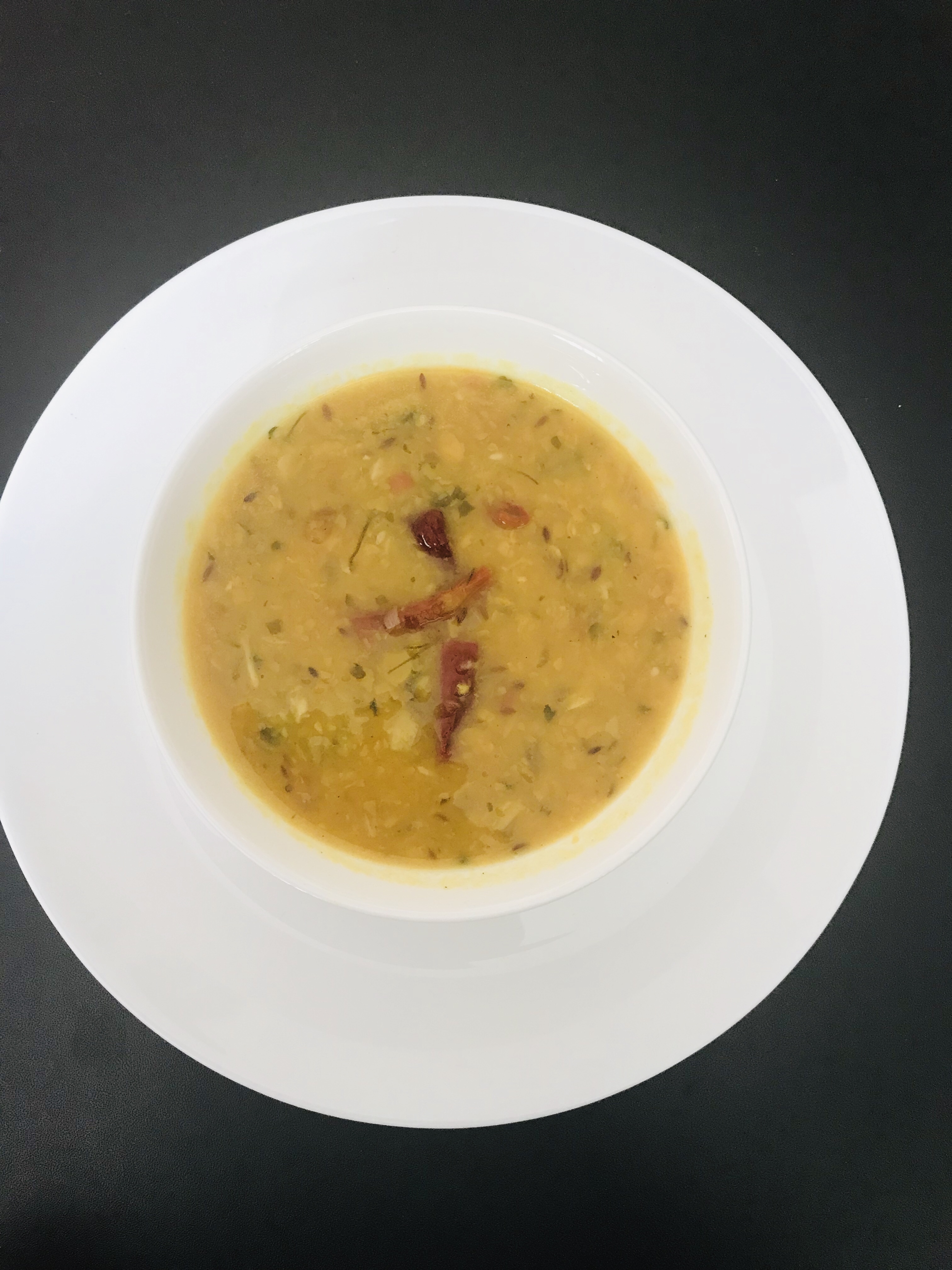
Today was one of those days when I didn’t really feel like cooking anything! But I had to make something for S and the children, so thought of making a very simple dal to go with a vegetable stir fry. Here’s a very simple dal which you can make in minutes, but which is so hearty and tasty.
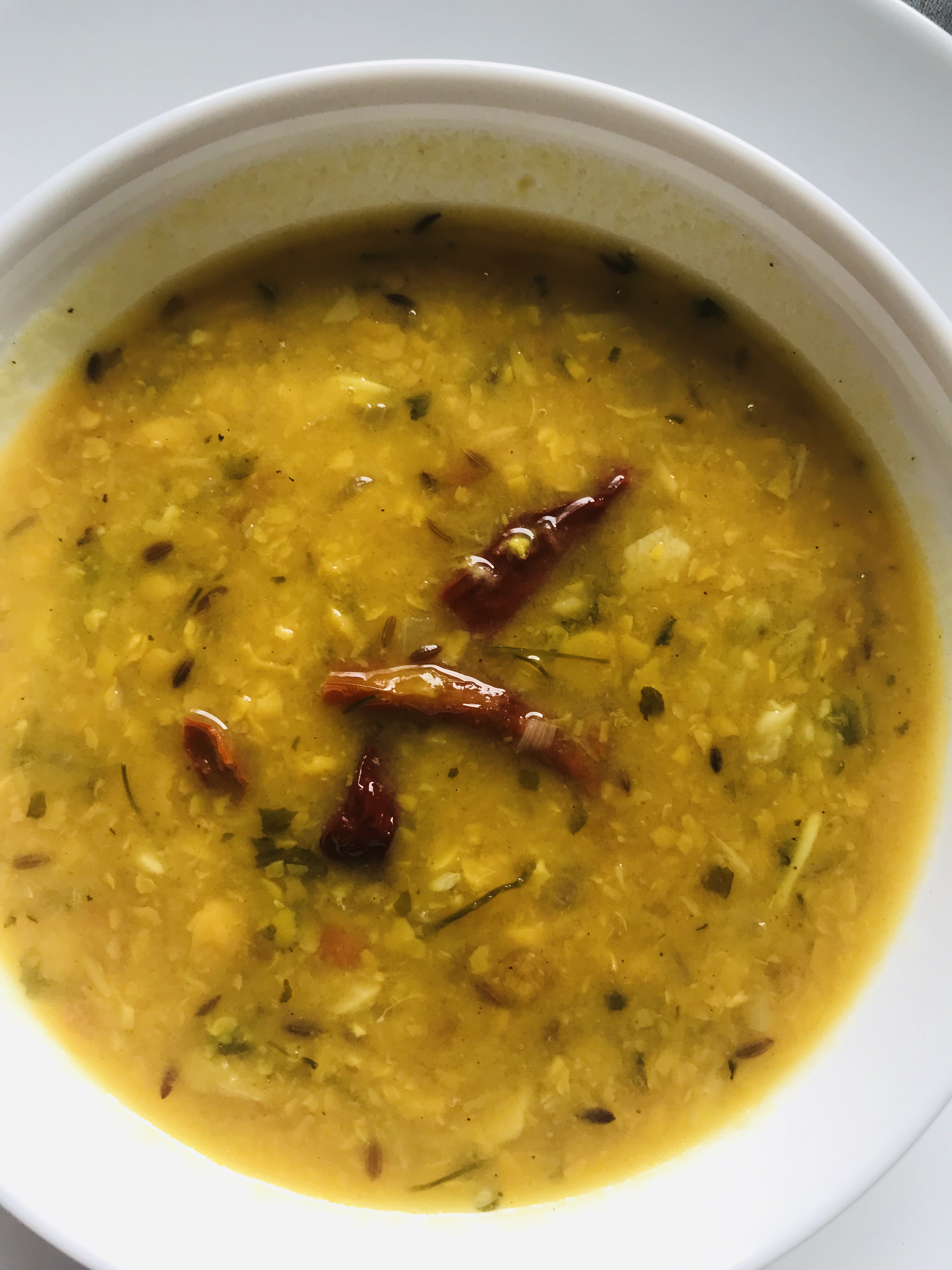
Simple Chana Dal

Ingredients:

  • 1 cup chana dal (Split chickpeas), soaked in water for 10 minutes
  • 2 medium sized onions, finely chopped
  • 1 large tomato, finely chopped
  • 1 tbsp grated or finely chopped ginger
  • 1 tbsp grated or finely chopped garlic
  • 1 tsp cumin seeds
  • 3-4 dried red chillies
  • 1/4 tsp turmeric powder
  • 1/8 tsp asafoetida
  • 1 tbsp Kasuri Methi (dried fenugreek leaves)
  • 2 tbsp ghee
  • 1 tbsp lemon juice

Method:

  • Boil the soaked chana dal in a pan or the pressure cooker with the turmeric powder and asafoetida until it is cooked and slightly mushy. At this point, beat it well till it becomes a homogenous mass. Keep aside.
  • In a separate pan, heat the ghee and when it becomes warm, add the cumin seeds and let them pop. Break the chillies into smaller pieces and add it to the oil. Then add the ginger and garlic and stir for a few minutes till the aroma is released.
  • Next, add the onions and saute till the onions become translucent.
  • At this point, add the tomatoes and a bit of salt to cook the tomatoes. Let the tomatoes become mushy and completely cooked.
  • Then pour cooked dal into the tomato-onion mixture and bring it to a rolling boil. Check for seasoning and add more salt if needed.
  • Crush the kasuri methi between the palms of your hands and sprinkle this over the dal. Boil for another 5 minutes and switch off the flame.
  • Drizzle the lemon juice over the dal and serve hot with rice and a dry vegetable or even with Indian flatbreads.


Recipes: Panchratna Dal

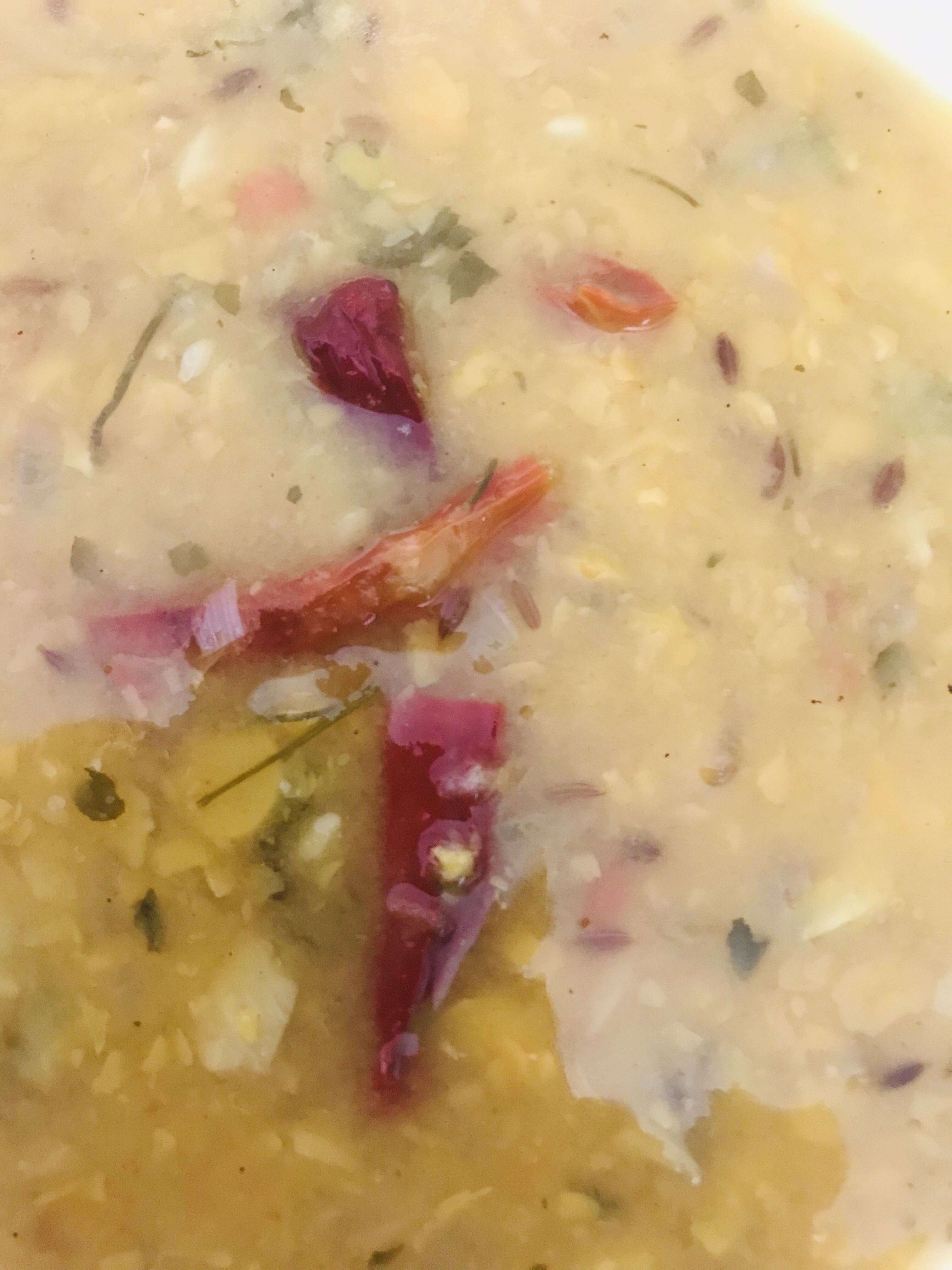
We make dal at least thrice a week at home in various forms, both north and south Indian versions. This time I made a dal with five different types of lentils which is extremely tasty and goes very well with both rice and flatbread. Try it as a different take on your usual dal at home.

Panchratna Dal

Ingredients:

  • 1/4 cup toovar dal
  • 1/4 cup chana dal
  • 1/4 cup whole urad dal
  • 1/4 cup yellow moong dal
  • 1/4 cup masoor dal
  • 2 medium-sized onions, chopped finely
  • 3 medium sized tomatoes, chopped finely
  • 2-inch piece of ginger, grated
  • 1 tbsp ghee
  • 1 tsp cumin seeds
  • 1/8 tsp asafoetida
  • 2 green chillies, chopped finely
  • 1 tsp coriander powder
  • 1/2 tsp coriander powder
  • 1 tsp kasuri methi
  • Salt to taste
  • Coriander leaves to garnish

Method:

  • Wash the lentils thoroughly and then soak them in hot water for about an hour.
  • Then pressure cook the lentils with just enough water to cover the lentils with the turmeric powder and pressure cook for four whistles. If you are cooking the lentils in a pan, cook until the lentils are completely cooked and broken down.
  • When the pressure in the cooker reduces, whisk the dals well so that they are completely broken down and form a creamy mass.
  • In the meantime, heat a pan and add the ghee to it. When the ghee warms, add the cumin seeds. When the cumin seeds splutter, add the asafoetida to it.
  • Now add the grated ginger and stir for a couple of minutes. When the ginger starts to brown, add the finely chopped onions and stir well and allow the onions to brown.
  • Then add the finely chopped tomatoes and the coriander powder along with some salt and cook well till the onions are soft and mushy and you can see the oil starting to leave the sides of the pan.
  • Now pour this onion-tomato mixture to the whisked lentils and let it boil on a low to medium flame. Add water to get to your desired consistency. Check for seasoning. Let the dal boil on a low to medium flame for 10-15 minutes, stirring intermittently. 
  • Crush the kasuri methi in your palms and sprinkle it over the dal and let it simmer for a couple of minutes more.
  • Garnish with coriander leaves and serve hot with rice or rotis.

Note:

  • You can also add garlic to this recipe. I didn’t because I didn’t have it at home. If adding garlic, add it just before adding the ginger. You can either grate the garlic or make a paste of it. Ginger can also be made into a paste or you can also make a paste of ginger or garlic together.
  • You can also add a dash of lemon juice just before serving if you want this dish to be slightly sourish.