

As young adults navigate the complexities of life, from university to the workplace, maintaining physical and mental fitness becomes increasingly important. The demands of academic responsibilities, job expectations, and social pressures can take a toll on both the body and mind.
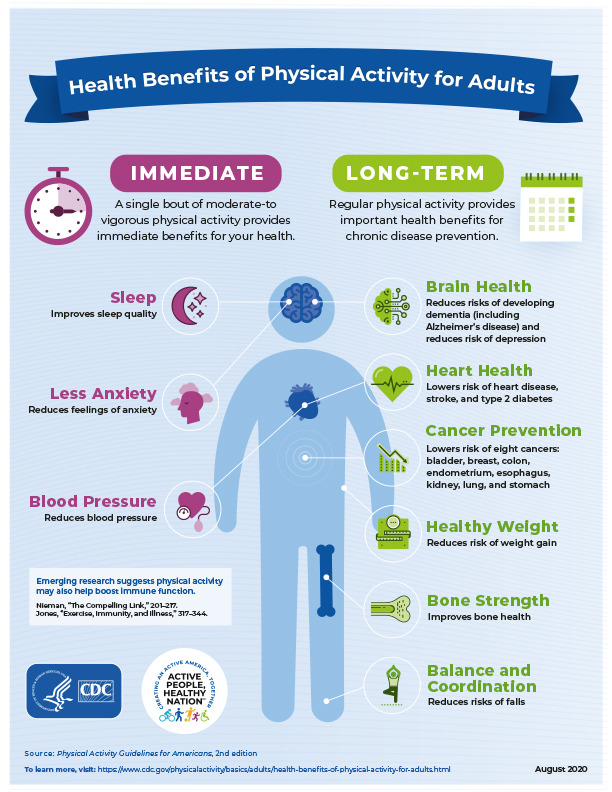
Before diving into specific strategies, it’s essential to understand why physical and mental fitness are crucial for young adults. Regular exercise helps prevent chronic diseases such as obesity, diabetes, and heart disease. It strengthens the cardiovascular system, boosts the immune system, and enhances overall health. Physical activity increases stamina and reduces fatigue, allowing you to tackle daily tasks with more vigour. Exercise releases endorphins, which are natural mood lifters. Regular physical activity can reduce symptoms of anxiety and depression. Regular exercise can help regulate sleep patterns, leading to more restful and restorative sleep. Achieving fitness goals, whether big or small, can enhance self-esteem and body image.
The benefits of mental fitness are many and varied. Practising self-care techniques help to manage stress levels, leading to a more balanced and peaceful life. Mental fitness practices, such as mindfulness and meditation, enhance cognitive function and improve attention span. Developing mental fitness helps individuals cope with challenges and setbacks more effectively, fostering a greater sense of control over life circumstances. A mentally fit individual is often more empathetic and better equipped to communicate effectively, leading to healthier relationships. Mental clarity and emotional well-being contribute to higher levels of productivity in both academic and professional settings.

By prioritising physical and mental fitness, young adults can cultivate a healthier, more fulfilling life.
So how can one stay physically fit? Creating a consistent exercise routine is essential for maintaining physical fitness. Some tips to help one get started include setting realistic goals like SMART goals, which stand for Specific, Measurable, Achievable, Relevant, and Time-bound goals. Finding activities one enjoys, whether it’s dancing, swimming, hiking, or playing a sport. This will make it easier to stick to the routine. Incorporating different types of workouts prevents boredom and works different muscle groups. One can consider combining cardio, strength training, and flexibility exercises. Make exercises a priority. One should treat workouts like appointments and schedule them into one’s calendar to ensure one makes time for them.
Staying active doesn’t have to mean hitting the gym for an hour every day. Some ways to incorporate movement into the daily routine include choosing walking or biking over driving for short trips. This not only adds physical activity but also reduces one’s carbon footprint. Opt for stairs instead of elevators whenever possible. It’s a simple way to get the heart rate up. If one has a desk job or studies for long periods, one should take short breaks to stand up, stretch, or walk around. \
What one eats significantly impacts one’s physical fitness. Aim for a diet rich in fruits, vegetables, whole grains, lean proteins, and healthy fats. This ensures one gets a wide range of nutrients. Aim for at least eight 8-ounce glasses of water a day. Staying hydrated is crucial for overall health and can improve energy levels and cognitive function. Pay attention to hunger and fullness cues. Eating mindfully can help prevent overeating and promote a healthier relationship with food.
Sleep is a vital component of physical fitness. One should go to bed and wake up at the same time every day, even on weekends. This helps regulate the body’s internal clock. Make the bedroom a quiet, dark, and comfortable space. Consider using blackout curtains and white noise machines if necessary. Avoid screens for at least an hour before bedtime. The blue light emitted by devices can interfere with the ability to fall asleep.
To stay mentally fit, here are some tips:
Practice Mindfulness and Meditation: Mindfulness and meditation are powerful tools for enhancing mental fitness. Start with just a few minutes of mindfulness or meditation each day. Gradually increase the duration as one becomes more comfortable. Use guided meditations using apps like Headspace, Insight Timer or Calm, which offer guided meditations for beginners. Incorporate mindfulness into daily activities and everyday tasks, such as eating or walking. Focus on the sensations and experiences in the moment.
Engage in Self-Care Activities: Self-care is essential for maintaining mental health. Create a self-care routine and schedule self-time by setting aside regular time for self-care activities, whether it’s reading, taking a bath, or engaging in a hobby. Explore new hobbies and try new creative activities, such as painting, writing, or playing a musical instrument that can provide a mental boost and help relieve stress.
Spend Time in Nature: Get outside as nature has a calming effect on the mind. Spend time outdoors, whether it’s hiking, gardening, or simply taking a walk in the park.
Build Strong Social Connections: Social support is vital for mental well-being. Make an effort to stay in touch with friends and family. Regular communication can help strengthen bonds and provide emotional support. Consider joining clubs, sports teams, or interest groups to meet new people and build connections. Volunteering not only helps others but also provides a sense of purpose and fulfilment. One can look for local organisations or causes that resonate with themselves.

Manage Stress Effectively: Stress management is crucial for maintaining mental fitness. Identify stressors by keeping a journal to identify situations or activities that cause stress. Understanding one’s triggers can help one develop coping strategies. Practice relaxation techniques and incorporate deep breathing exercises into one’s daily routine. Inhale deeply through the nose, hold for a few seconds, and exhale slowly through the mouth. Progressive muscle relaxation is a technique that involves the tensing and relaxing of different muscle groups to release tension and promote relaxation.
Set Boundaries: Learn to say no and avoid overcommitting oneself. Setting boundaries protects one’s time and energy, allowing for adequate rest and self-care.
Seek Professional Help When Needed: If one is struggling with mental health issues, don’t hesitate to seek help from a professional. Consider speaking with a therapist or counsellor who can provide support and guidance in navigating challenges. Look for support groups in the community or online. Sharing experiences with others who understand can be incredibly beneficial. If necessary, consult a healthcare professional about medication options for managing mental health conditions.
Staying physically and mentally fit is essential for young adults as they navigate the challenges of life. By prioritising exercise and self-care, one can cultivate a healthier, more balanced lifestyle. Remember that fitness is a journey, not a destination. It’s about finding what works and making gradual changes that lead to lasting habits.
Celebrate successes, no matter how small, and remember that taking care of the body and mind is one of the most important investments one can make for one’s future. By fostering both physical and mental fitness, one’ll be better equipped to handle life’s challenges, pursue their passions, and enjoy a fulfilling and vibrant life.
 Memories and Such