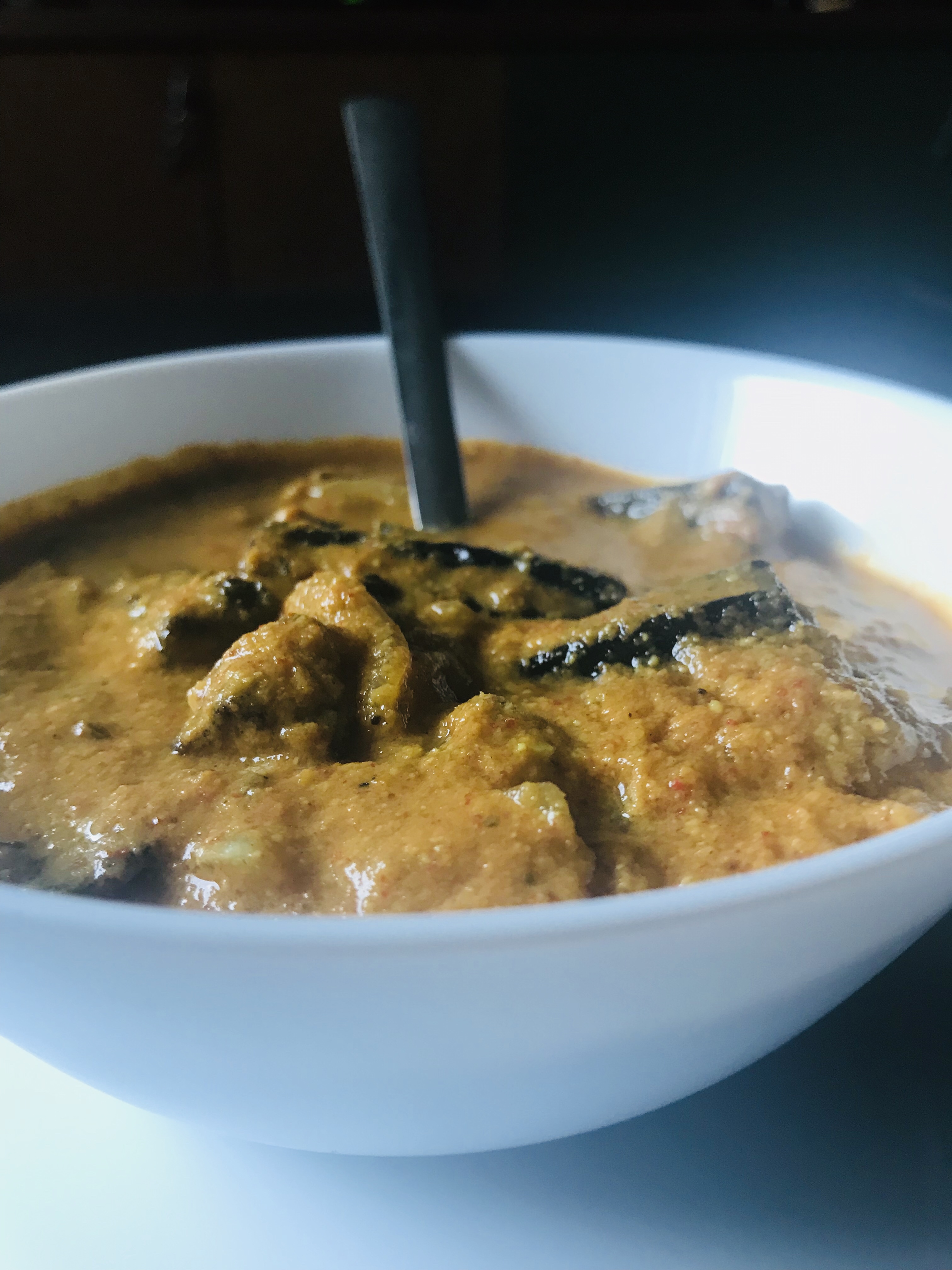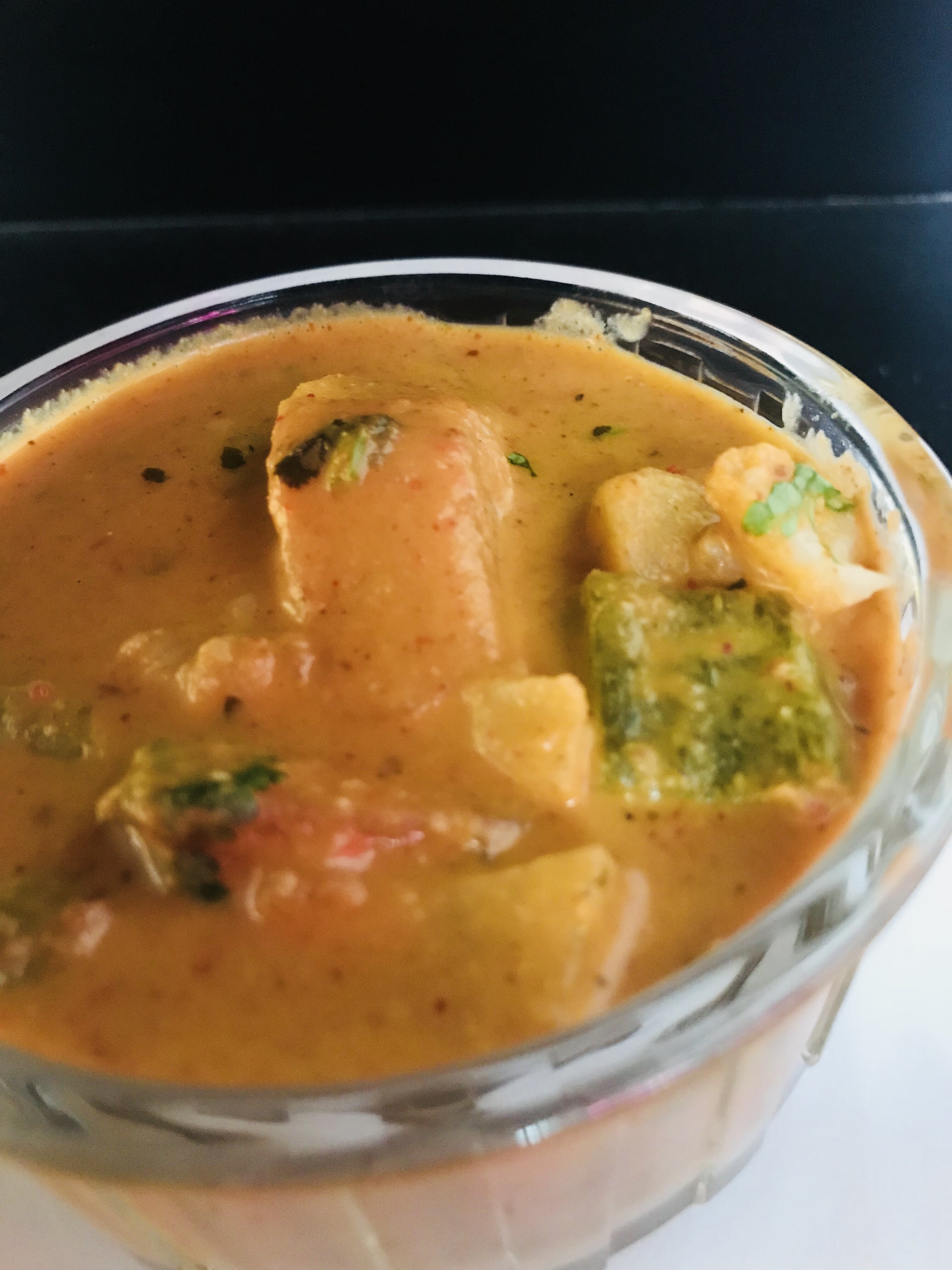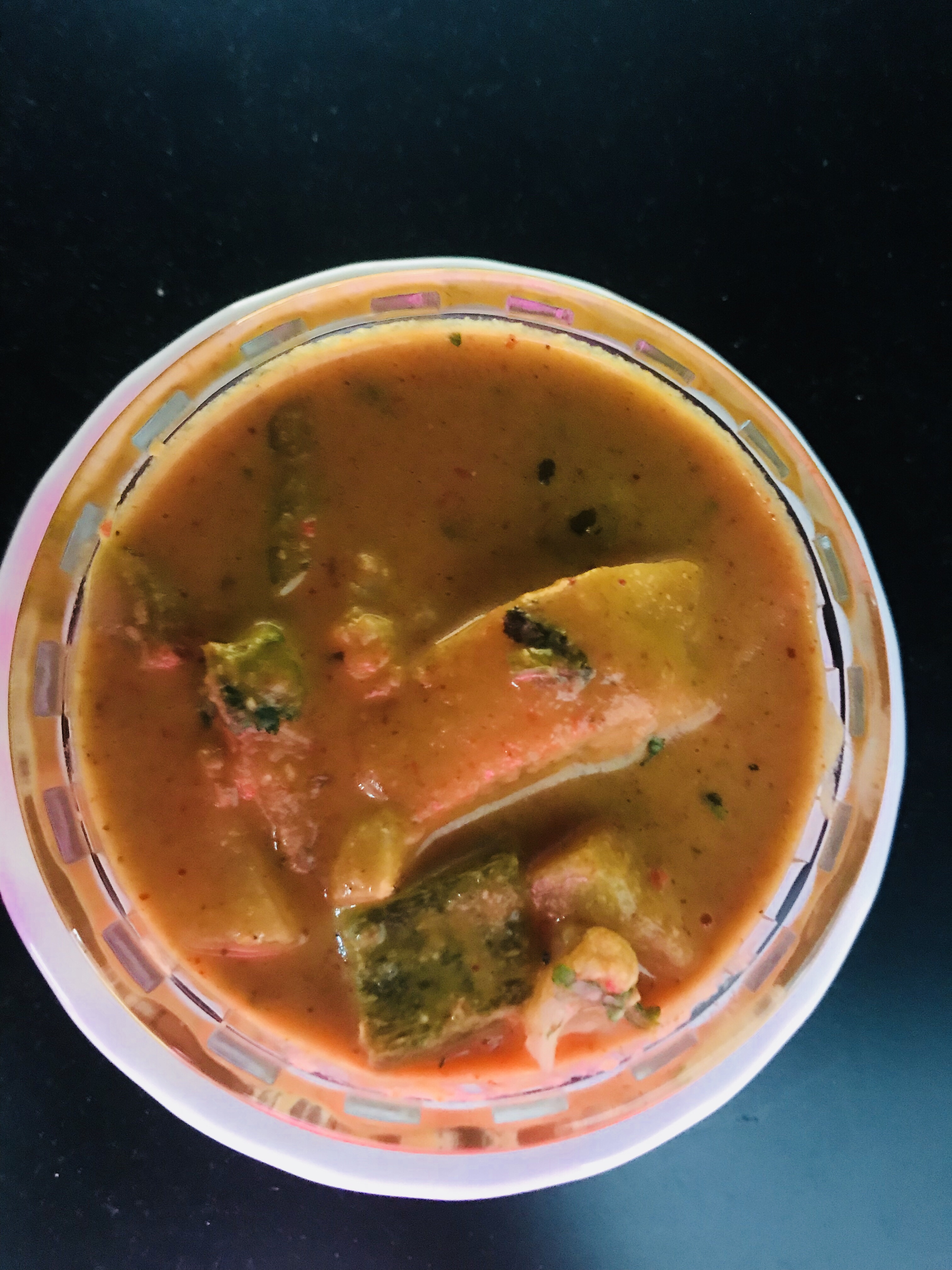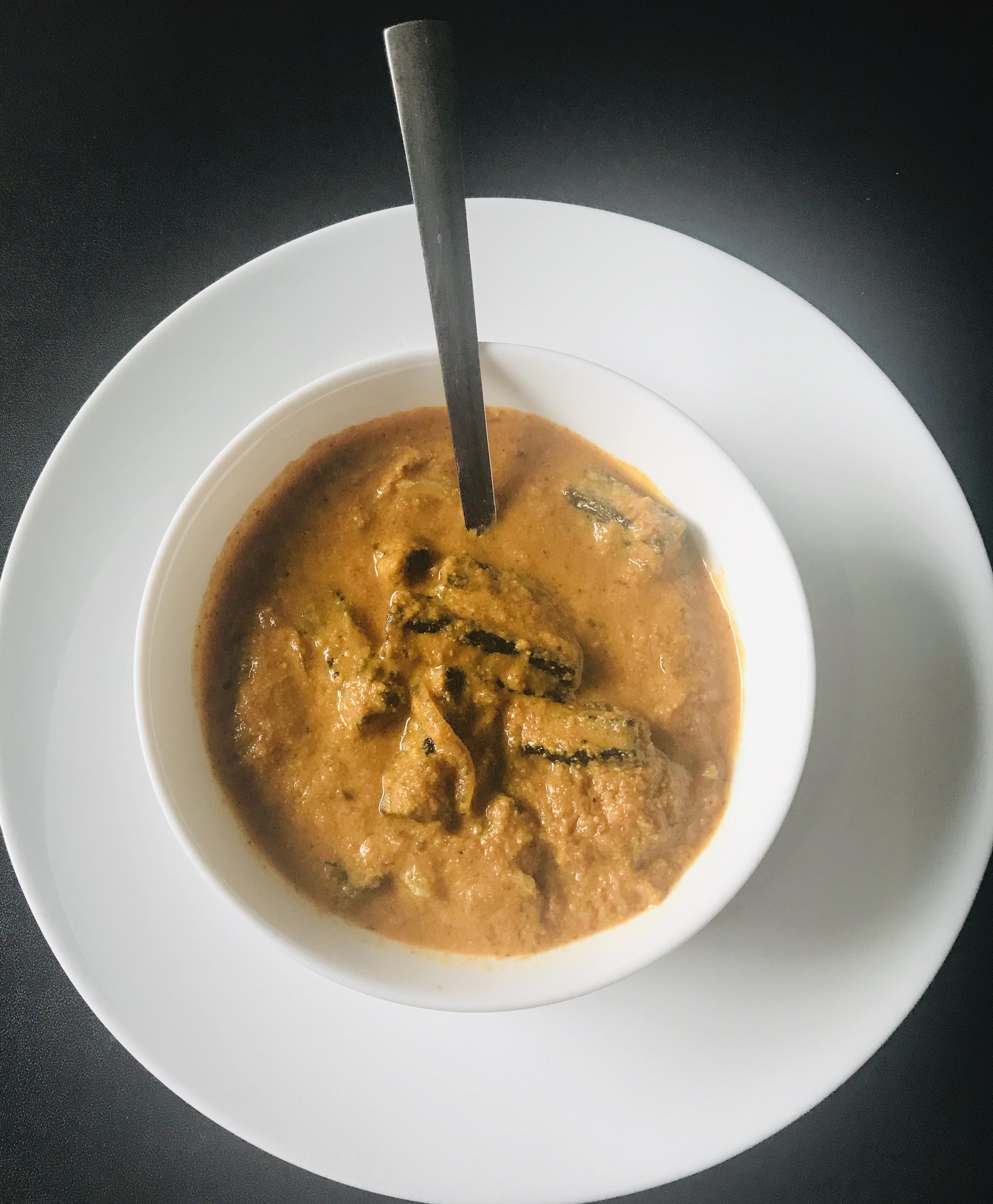
Recipes: Bhindi Masala or Okra (Ladies Finger) in a Tomato Gravy

Bhindi or Ladies Finger is one of my favourite vegetables. When fried right, it is crisp and super yummy. I remember my grandmother’s telling us to eat this vegetable when we were young saying that eating this vegetable will improve your brain. Though I have no idea if this is true or just an old wives tale, it did ensure that this became one of my favourite vegetables ever.

Okra is scientifically known as Abelmoschus esculentus, and it might have originated in parts of Western Africa and Asia. It has been cultivated since the 12th century BC. While researching on the benefits of Ladies Finger for this post, I realised that this unassuming vegetable actually has many benefits. Bhindi has one of the richest sources of potassium, folic acid, vitamins B and C, calcium, and fibre. Okra alleviates asthma, lowers cholesterol, protects the heart, manages diabetes, boosts your immune system, improves vision, prevents kidney diseases and is a very good addition for pregnant women to eat.

A note of warning though, this recipe does use more oil than usual, so keep that in mind while making it. If you are on a diet, this recipe is probably not for you. This version of bhindi masala is made using a modified basic Punjabi gravy.
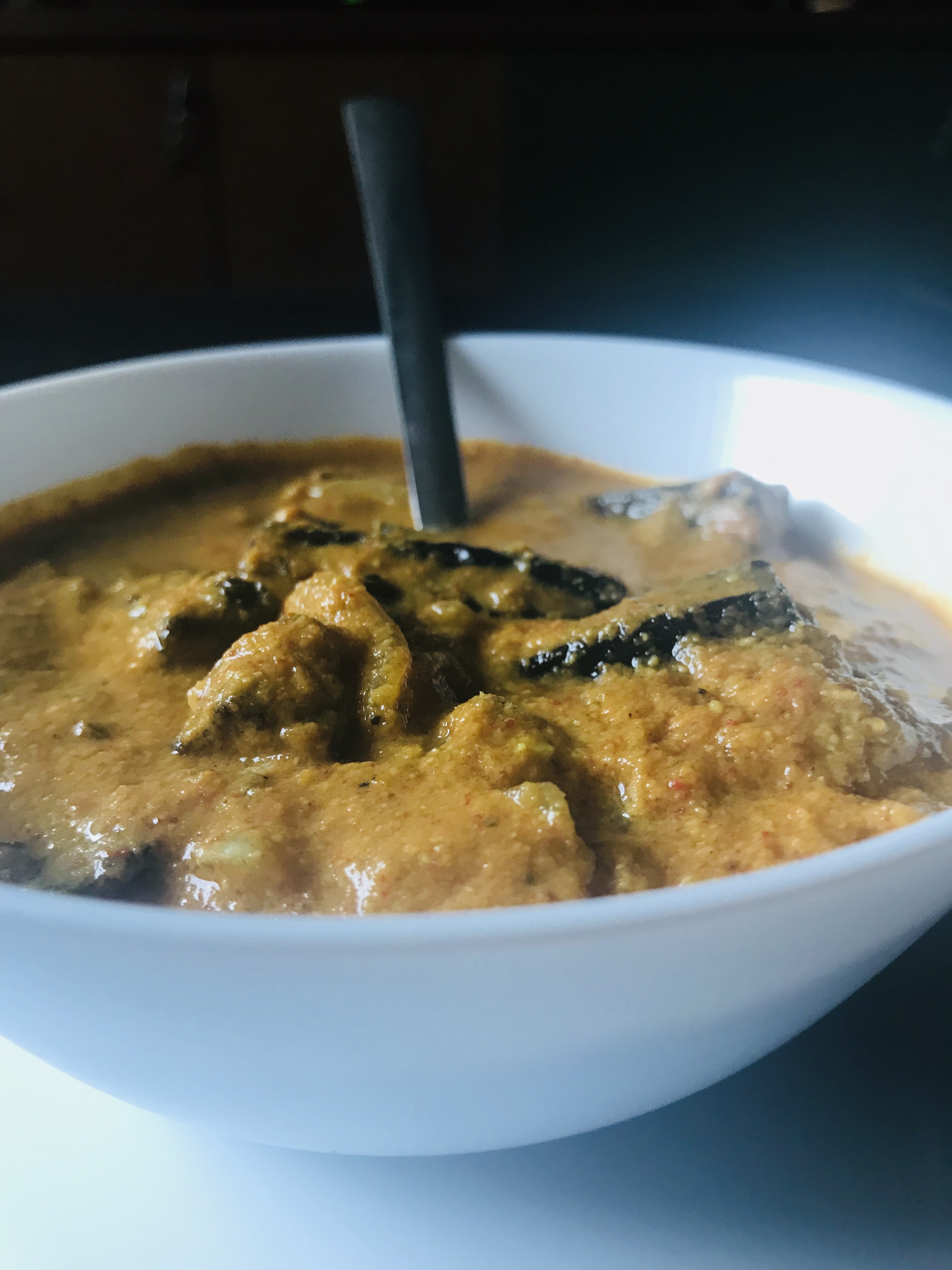
Bhindi Masala

Ingredients:

  • 20-25 ladies fingers, washed and completely dried
  • 1 large and 1 medium sized onion
  • 3 medium sized tomatoes
  • 8-10 garlic pods
  • 1 inch piece of ginger
  • 6-8 pieces of cashewnuts
  • 1 tsp cumin seeds
  • 1-2 tsp red chilli powder
  • ½ tsp turmeric powder
  • 1 tsp cumin powder
  • 1 tsp coriander powder
  • 1 tsp dry mango powder
  • 1 tsp garam masala powder
  • 3-4 tbsp oil
  • Salt to taste
  • 1 tbsp finely chopped coriander leaves to garnish

Method:

  • Make sure the ladies fingers are completely dry. Then top and tail them and cut them into one inch pieces. Keep wiping your knife with a kitchen towel to remove all the slime from the seeds of the okra. Keep aside.
  • Chop the large onion vertically into long thin slices and keep aside.
  • In a blender, blend the ginger, garlic, the medium sized onion, tomatoes and cashewnuts into a fio a fine paste. Keep aside.
  • Heat the oil in a pan and when it is hot, add the okra in batches along with a pinch of salt and let it cook. The okra should turn dark green and crisp. Remove from the pan and keep aside.
  • In the same pan, with the balance oil, add the cumin seeds and when the seeds pop, add the sliced onions. Stir and let the onions become translucent.
  • When the onions become translucent, add in the blended gravy and let it come to a rolling boil. Add in the spices – salt, red chilli powder, turmeric powder, cumin powder, coriander powder and raw mango powder and let it simmer for around 5-10 minutes.
  • Add water to thin the gravy to the consistency you want. Add in the garam masala powder and check for seasoning and add what seems to be missing.
  • Add in the fried ladies finger and give it a simmer and switch off the flame after garnishing with the finely chopped coriander leaves.
  • If you don’t have access to dry mango powder, you can substitute it with 1 tsp lemon juice. Add the lemon juice at the very end, just after you switch off the flame.

This goes very well with both Indian flatbreads and even rice.

Recipes: Masala Potatoes

A very basic recipe, which can be modified to make it slightly richer as well as made with other vegetables and probably even meat, this gravy can also be made in advance and be frozen for when you need to make something in a hurry.

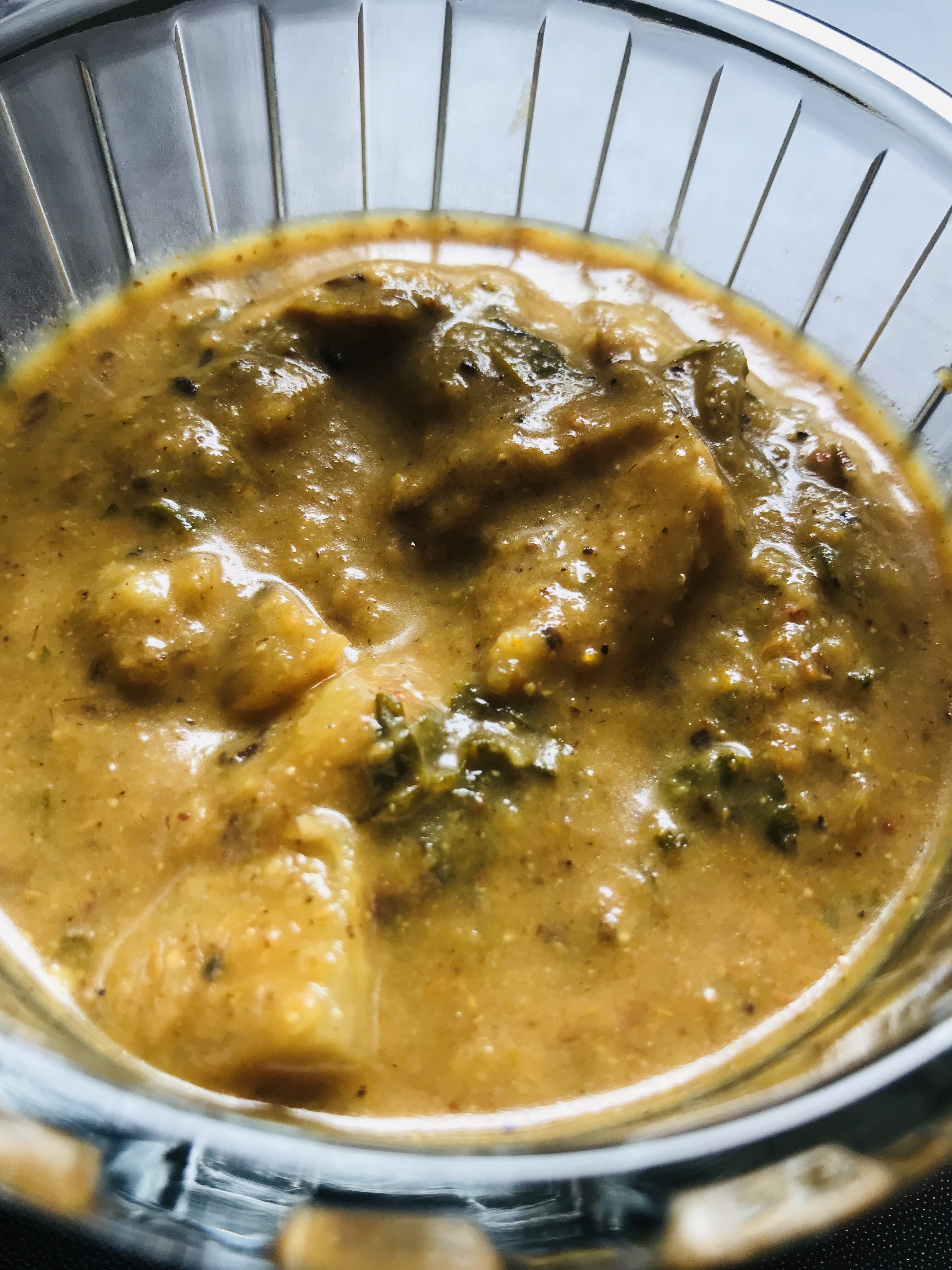
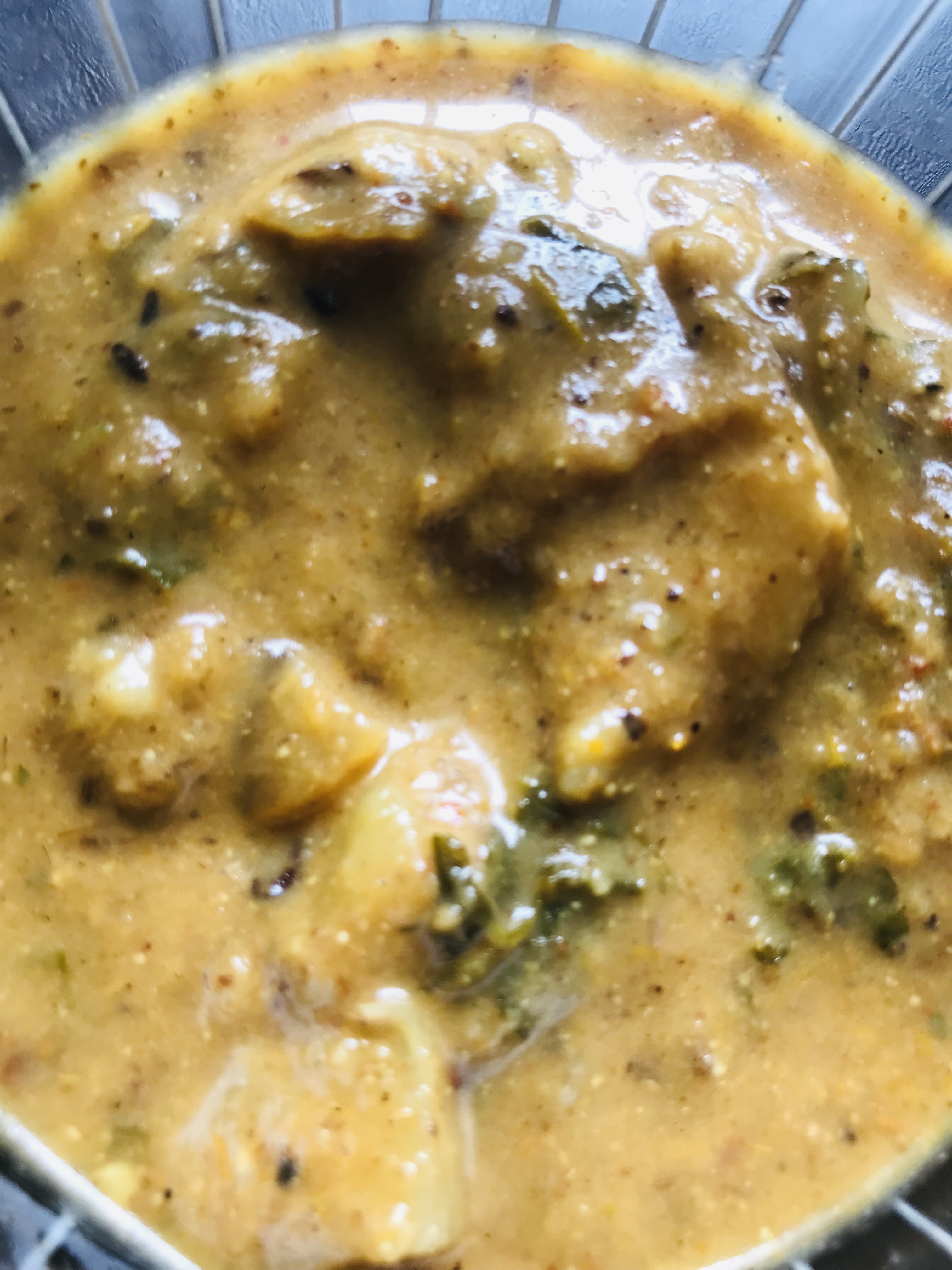
Masala Potatoes

Ingredients:

  • 4-5 medium-sized potatoes, peeled and chopped
  • 3 medium-sized onions, chopped roughly
  • 3 medium sized tomatoes, chopped roughly
  • 5-6 cloves of garlic, peeled
  • 1 inch piece of ginger, peeled
  • 2 tsp cumin seeds
  • 1 tsp fennel seeds
  • 1/2 tsp Carom seeds
  • 1 tbsp coriander seeds
  • 4-5 almonds
  • 1 tsp red chilli powder
  • 1/4 tsp turmeric powder
  • 1 tbsp cumin powder
  • 1 tbsp coriander powder
  • 1-2 tbsp garam masala powder
  • 1-2 tbsp Kasuri Methi (dried fenugreek leaves)
  • Salt to taste
  • 2 tbsp oil

Method:

  • Keep the chopped potatoes in a pan of water so that it does not oxidise while you make the gravy.
  • In a pan, heat 1 tbsp oil and then add 1 tsp cumin seeds and let it splutter. Then add the fennel and carom seeds and stir for a few seconds each before adding the next spice.
  • When the spices splutter, add the garlic and ginger and saute it for a few seconds.
  • Then add the almonds and stir for a minute or so.
  • Now add the onions and saute till it turns translucent. When the onions turn translucent, add the chopped tomatoes and give it a good stir.
  • Add around a tsp of salt to let the onion and tomato become mushy. At the same time, add the red chilli powder, cumin powder and coriander powder and stir well.
  • Once the tomatoes are completely cooked and mushy, remove from the flame, let it cool down completely and then blend to a fine paste. You can add water as needed to thin it down while blending.
  • Drain the potatoes and keep aside.
  • In the same pan, use the balance oil and when it becomes warm, add the remaining cumin seeds. When the seeds start to splutter, add the turmeric powder and the asafoetida and then quickly add in the drained potatoes. Add a bit of salt, cover and cook on a low to medium flame till the potatoes are almost cooked.
  • At this point, pour in the prepared gravy and stir well, letting it come to a boil. Check the seasoning at this point and add what is missing.
  • Add the garam masala and crush the Kasuri Methi in the palms of your hands before sprinkling it over the gravy.
  • Let the gravy come to a nice rolling boil, reduce the flame and continue to boil for another five minutes.
  • Remove from the flame, garnish with coriander leaves and serve hot with any rice or Indian flatbread.

Notes:

  • This is a very basic gravy and if you want to make it richer, you can add cashew nuts along with almonds when cooking. Also adding cooking cream while the gravy is boiling (towards the end) will make it more rich and creamy.
  • I made this with only potatoes, but you can add any combination of vegetables, including paneer (or tofu), cauliflower, peas, carrots etc to make it more wholesome.

Recipes: Chole

This recipe for Chole (or Chana Masala) is a bit different from what you typically see in recipe blogs. I have not seen something similar below and when I made this last week, I thought, I should share with you all.
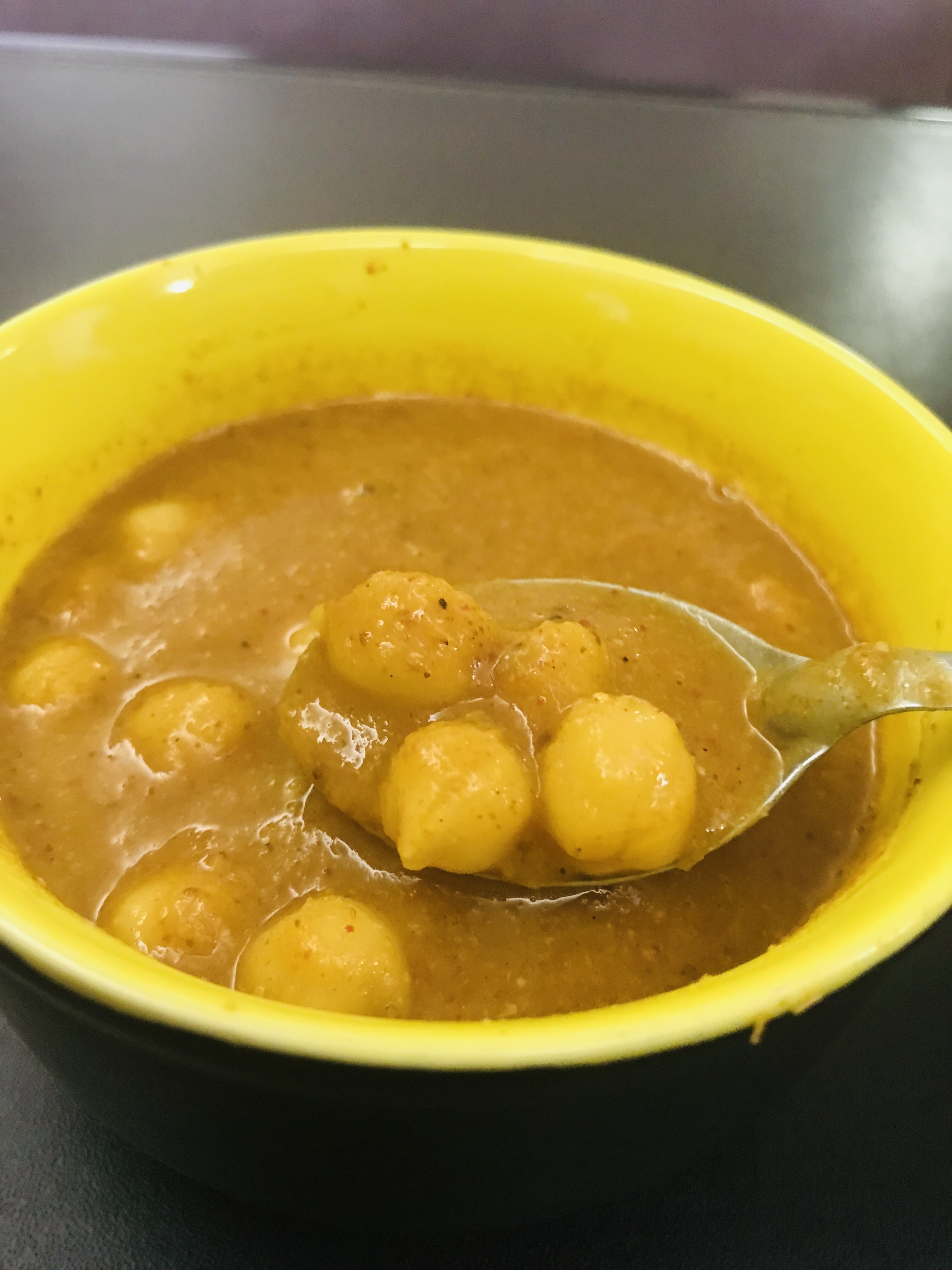
This recipe was shared by our Sindhi neighbour aeons ago to my mum and I further experimented with this recipe, with this recipe the final incarnation which I have been making for years!

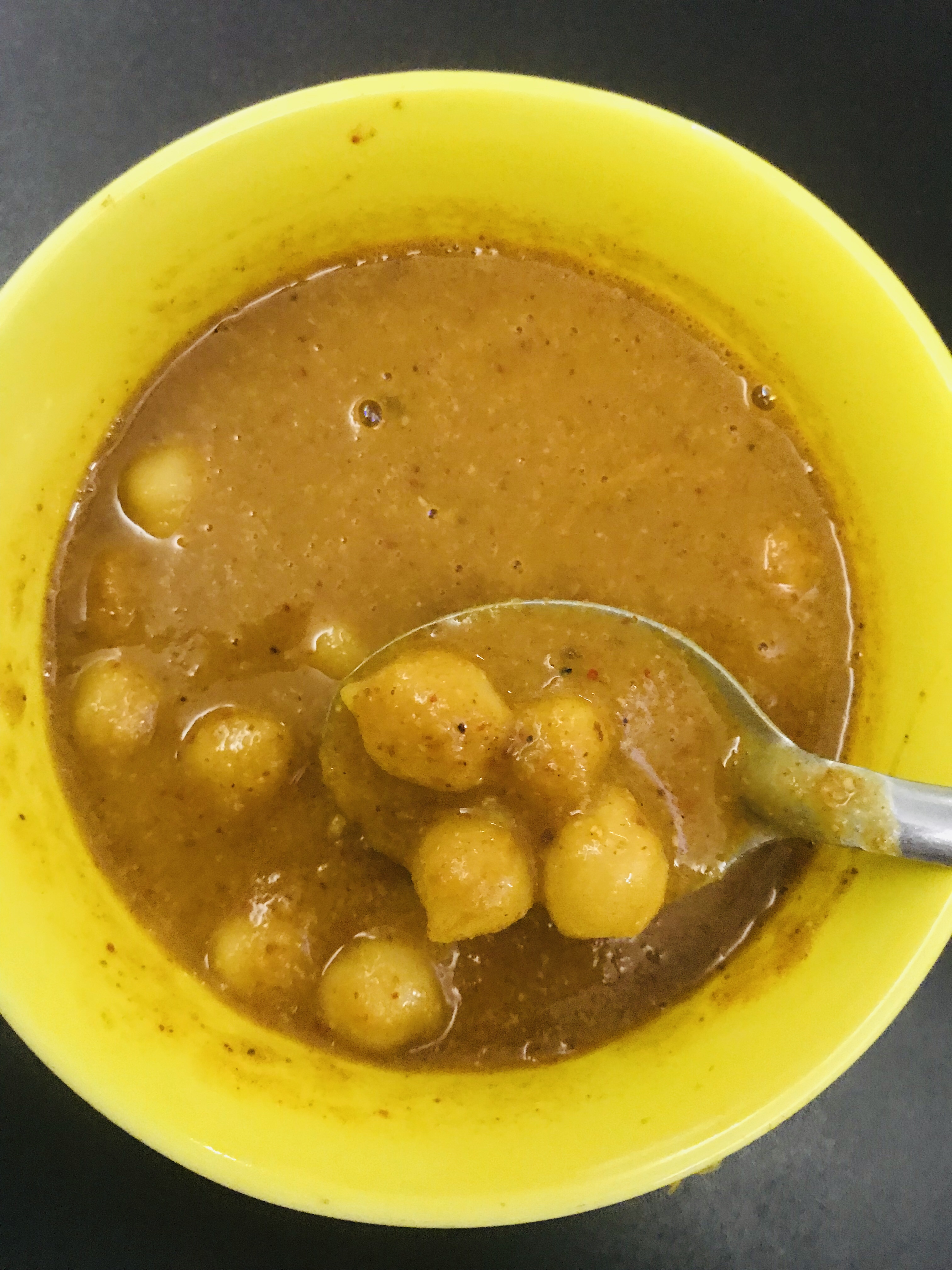
Chole

  • 1 cup of dry chickpeas, soaked overnight
  • 2 tbsp each of chana dal and yellow moong dal
  • 4 onions, finely chopped
  • 3 tomatoes, finely chopped
  • 1 pod garlic, chopped
  • 1-inch pieces ginger, chopped
  • 1 tsp cumin seeds
  • 1 tsp amchur powder
  • 1 tsp tamarind paste
  • 1-2 tsp chole (or chana masala) powder
  • 1 tsp garam masala powder
  • 1/4 tsp turmeric powder
  • 1-2 tsp red chilli powder
  • Salt to taste
  • 2 tbsp oil
  • Coriander leaves to garnish

Method:

  • In a pressure cooker, cook the soaked chickpeas with the turmeric powder till they are soft
  • Cook the dals (chana and moong) separately and keep aside.
  • Heat the oil in a pan and when warm, add the cumin seeds and when the seeds pop, add the garlic and stir for a few seconds. Then add the ginger and saute for a few seconds.
  • Now add half the chopped onions and saute till it becomes translucent.
  • Next, add the tomatoes and a bit of salt plus the red chilli powder and let the tomatoes cook till it becomes mushy.
  • Remove from the flame and keep aside till completely cool.
  • In a blender, blend to a fine paste with the cooked dals.
  • In the pan, pour the blended paste and let it come to a boil. Add the cooked chole and let it blend together.
  • Add the tamarind paste if using, otherwise omit this step.
  • Add the amchur powder and the garam and chole masalas and check for seasoning at this point. Add more if needed.
  • Switch off the flame, garnish with coriander leaves and serve hot with puris or bhature.
  • Sprinkle the remaining chopped onions on individual servings and serve hot.
  • I usually serve it with a sprinkling of chopped onions, followed by a tsp of tamarind dates chutney and some sev.

Notes:

  • You can also cook the dals along with the chole to save time. This is how I usually do it, but this time I did as above and the result was that nobody could say there was dal in the chole and the whole gravy was super thick. Doing it with dal makes the gravy thick and you don’t need to add any thickening agents to the gravy, including blending some the cooked chole as some people are wont to do.
  • I also realised that I have not yet shared the recipe for my Tamarind Dates chutney, so will do that soon. I’ll then link this recipe to that one so you have both recipes in the same page.

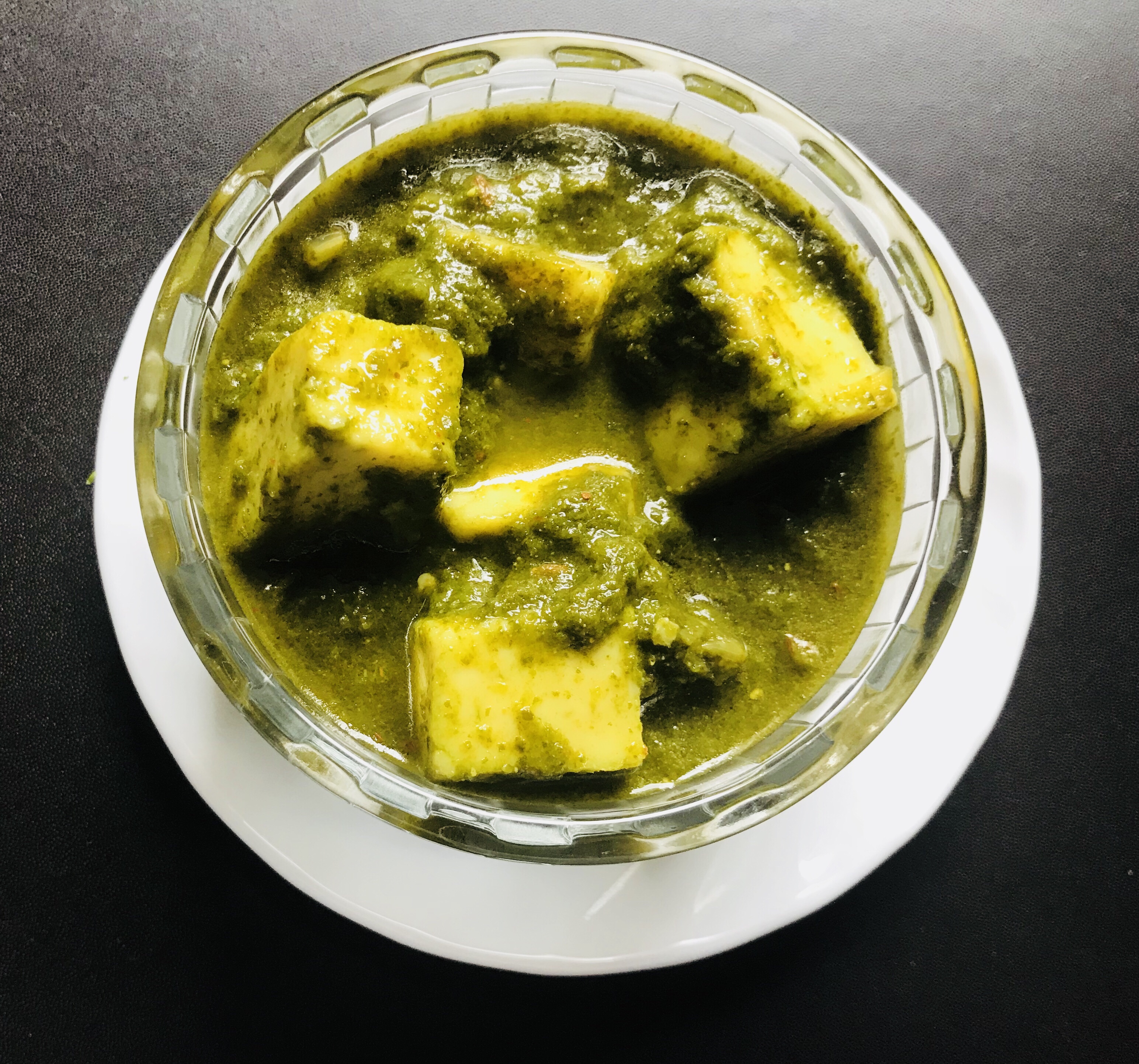
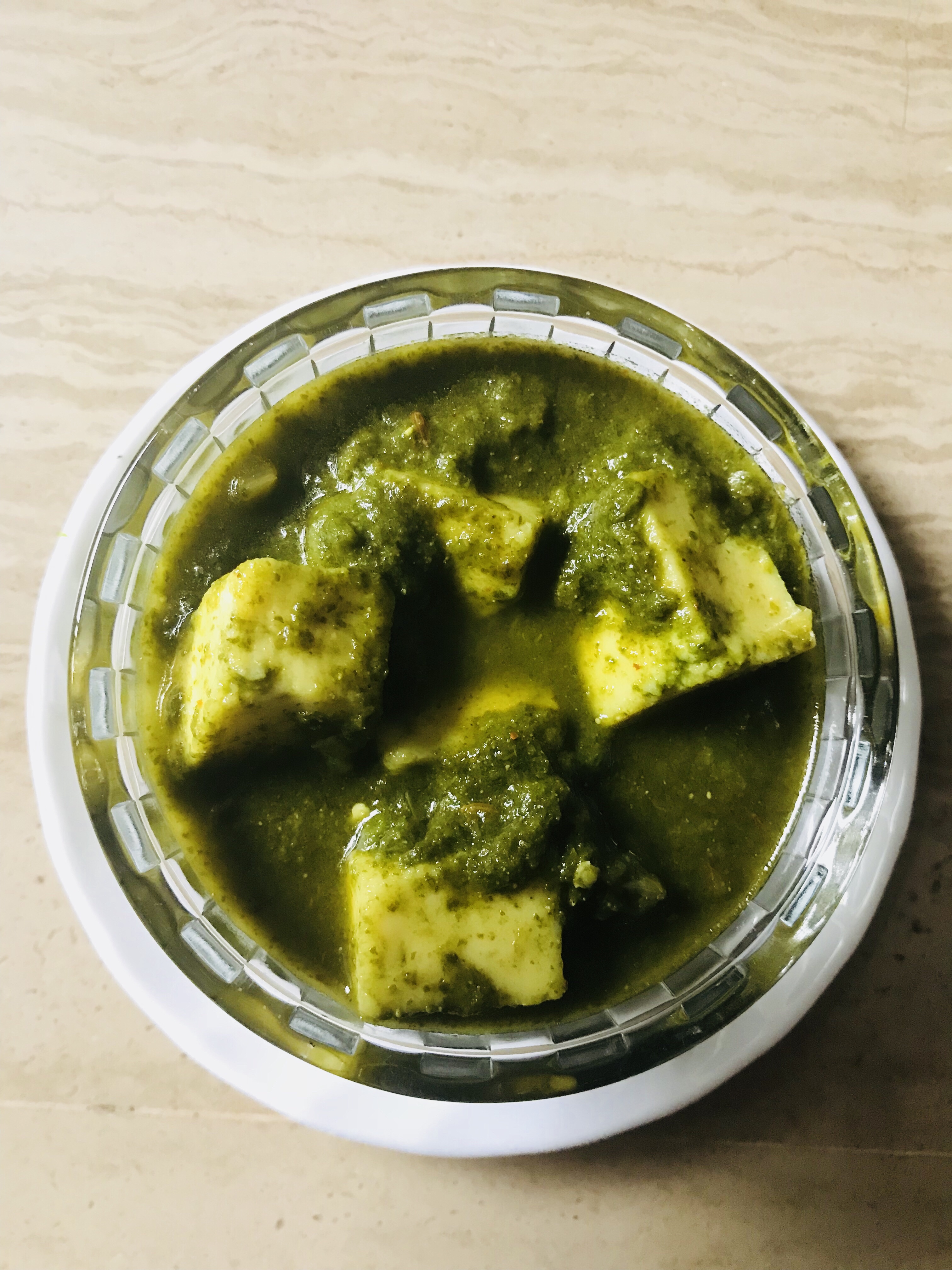
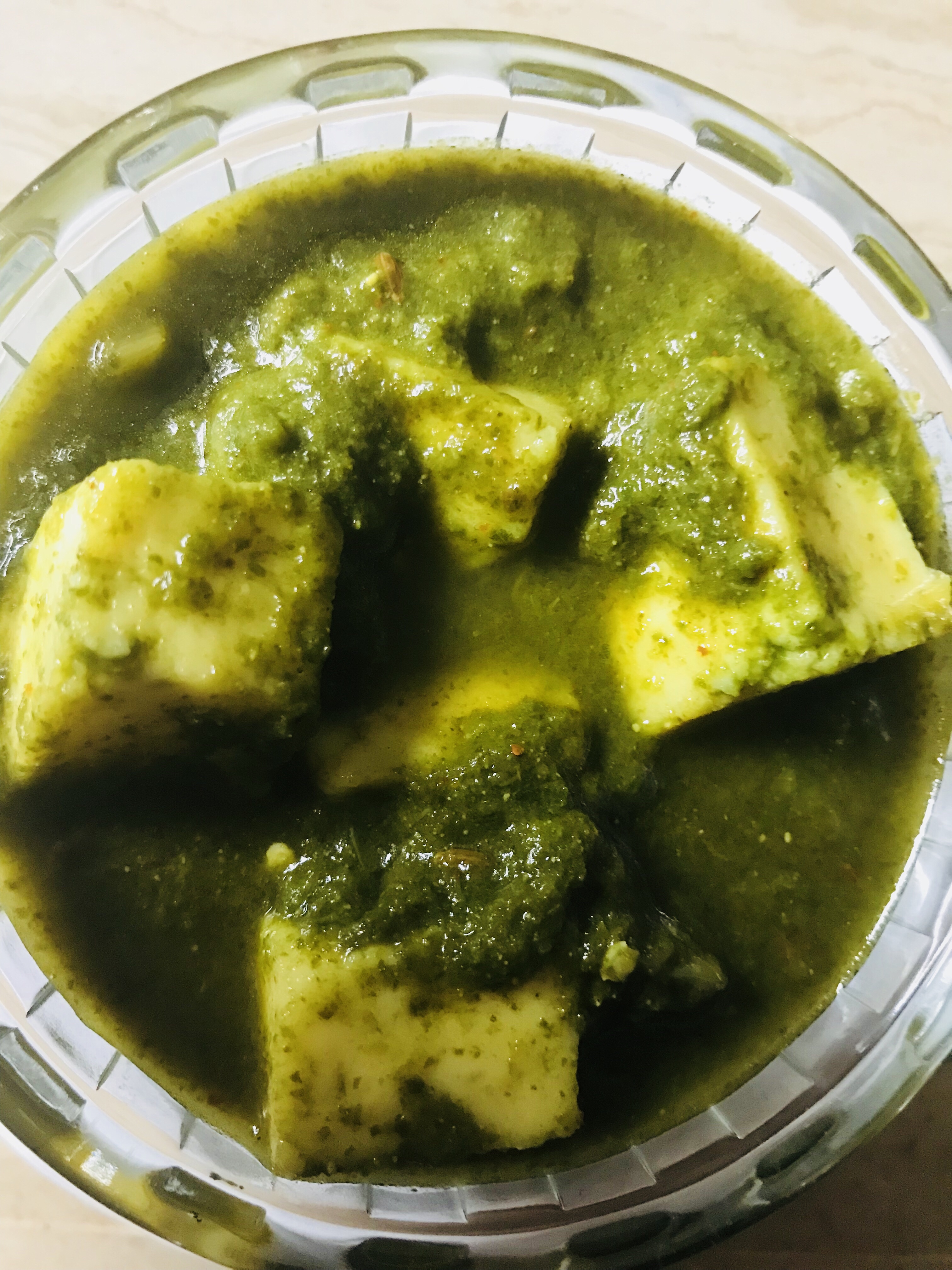
Recipes: Palak Paneer

I had been craving for some Palak Paneer for a few weeks now when I chanced upon this recipe on Facebook from Chef Sanjyot Keer of Your Food Lab. The recipe was intriguing enough to tempt me and when I chanced upon some spinach over the weekend, I knew it was time to try this recipe. This is very different from the usual recipe that I make which is inspired by Chef Sanjeev Kapoor’s recipe which is very simple. This one is slightly more complicated, but was super delicious and was a hit at home!

Palak Paneer

Ingredients:

  • 2 big bunches spinach or palak, chopped
  • 1 big cup frozen paneer (soaked in hot water for 30 minutes)
  • 1 big pod of garlic, grated or chopped finely
  • 1 large onion, cut in half and then sliced vertically
  • 4-5 green chillies
  • 1 bunch of coriander leaves
  • 1/2 cup beaten yoghurt
  • 2 tbsp ghee or oil
  • 1 tsp cumin seeds
  • 1 tsp cumin powder
  • 1/4 tsp turmeric powder
  • 1 tsp red chilli powder
  • 1 tsp garam masala powder
  • 1 tsp whole wheat flour
  • 1/2 tsp black or pink salt
  • Salt to taste
  • 1 tbsp lemon juice

Method:

  • Take a large pan and boil water in it. When the water is boiling, blanch the spinach in it for 2-3 minutes and remove. Soak it in a large bowl of iced water for a  few minutes before removing and draining the water. This preserves the lovely green colour of the spinach.
  • When the spinach is cool, blend it with the green chillies and coriander leaves into a smooth paste and keep aside.
  • In another pan, heat the ghee and when warm, add the cumin seeds and let it splutter.
  • Then add the chopped or grated garlic and let it saute for a few minutes.
  • Next, add the sliced onions and let the onions slightly brown.
  • When the onions start to brown, add the cumin powder, turmeric powder and red chilli powder and mix well. Then add the black or pink salt and season with salt.
  • Now add the beaten yoghurt and mix well. Let the masala cook well and the ghee start to leave the sides of the pan.
  • Then add the spinach puree and let the palak cook well. When the spinach starts to bubble, add the paneer pieces and let it cook for a few more minutes.
  • Now gently sprinkle the wholewheat flour a bit by bit and let it get absorbed into the gravy. This is to thicken the gravy.
  • Lastly, sprinkle the garam masala and the lemon juice and switch off the gas. Serve hot with Indian flatbreads or jeera rice.
  • You can also add fresh cream as the last step before adding the garam masala and the lemon juice as well as a  garnish. I didn’t have cream at home and omitted this step.


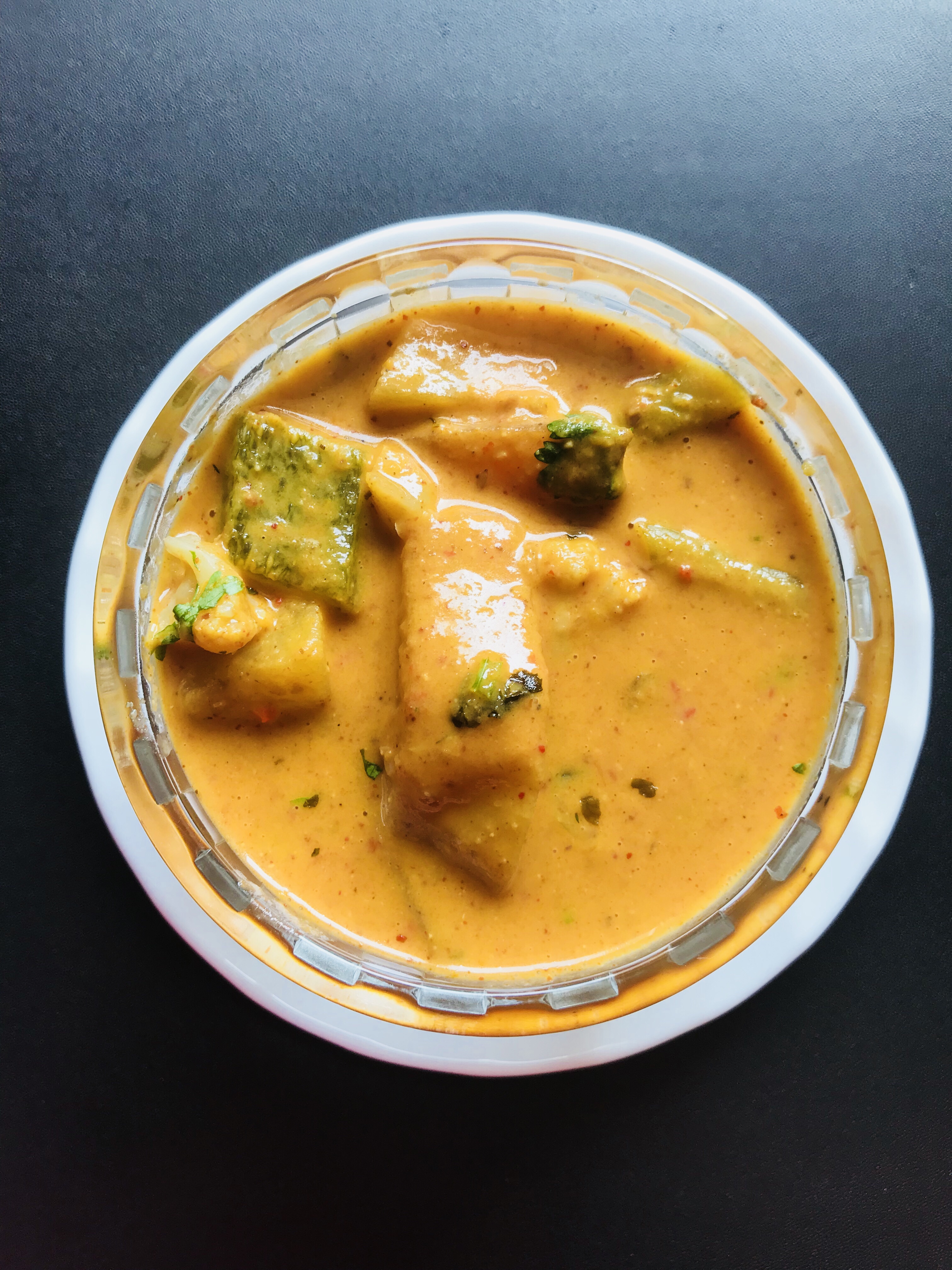
Recipes: Vegetable Makhanwala

One weekend, I was wondering what to cook and neither S nor the children were being helpful. When asked what do you want to eat, they’d say “Anything”. So when I searched online, I found a couple of recipes for Butten chicken and also for Paneer Makhanwala. So I decided to play around with these recipes and came up with this Vegetable Makhanwala recipe.
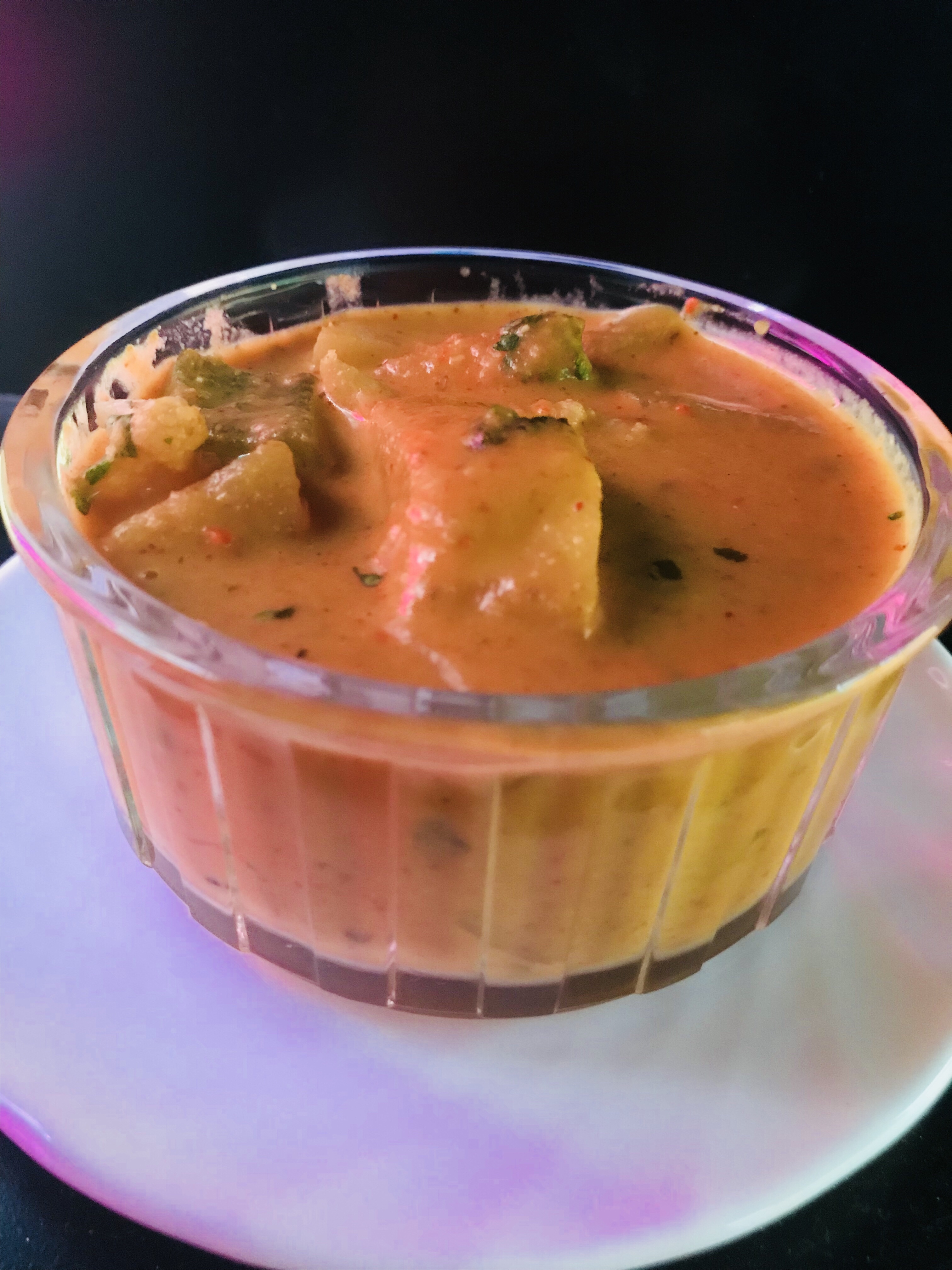
Makhanwala means with butter and true to its name, this recipe is not for the faint of heart, it needs loads of butter, ghee and oil, not to mention cholesterol inducing items like cream and dry fruits like almonds and cashew nuts. If you are making this for a special occasion, please go full steam ahead and don’t hold back.

Vegetable Makhanwala

Ingredients:

  • 2 cups mixed vegetables, chopped into slightly larger than bite-sized pieces (I used cauliflower, green capsicum, potatoes, sweet potatoes, carrots, french beans and frozen corn. You can also add peas and broccoli to this mix)
  •  1cup frozen paneer, refreshed in hot water for 20 minutes to soften it
  • 2 medium-sized onions, chopped
  • 4 medium-sized tomatoes, chopped
  • 1-inch piece of ginger
  • 6-7 cloves of garlic
  • 4-5 dried red chillies
  • 4 fresh red chillies
  • 7-8 cashew nuts
  • 7-8 almonds
  • 3-4 cardamom pods
  • 3-4 cloves
  • 1 tsp cumin seeds
  • 1 tsp fennel seeds
  • 4 tbsp butter
  • 2 tbsp ghee
  • 2 tbsp oil
  • 2 tsp Kashmiri red chilli powder
  • 1 tsp cumin powder
  • 1 tsp coriander powder
  • 1/4 tsp turmeric powder
  • 1-2 tsp garam masala powder
  •  2 tsp kasuri methi
  • 200 ml cup cooking cream
  • Salt to taste
  • Coriander

Method:

  • In a pan, heat 2 tbsp butter, 1 tsp oil and 1 tsp ghee and when the ghee and butter melts, add the cumin seeds and fennel seeds.
  • When the seeds splutter, add the garlic and let it stir for a few seconds. Then add in the ginger, fresh and dried chillies and stir for a few seconds. Next, add the onions and let it stir until it becomes translucent. Then add the almonds and cashew nuts and give it a good stir. Lastly, add the tomatoes and a tsp of salt to allow the tomatoes to start disintegrating.
  • When the tomatoes and mushy and cooked, remove from the flame, cool down and blend to a very fine paste.
  • In the same pan, heat up the remaining ghee, oil and butter and add the chopped vegetables in it. Add the dry spices – turmeric powder, chilli powder, cumin powder, coriander powder and some salt and cover and cook till the vegetables are three quarters done.
  • When the vegetables are almost done, pour in the blended paste and add water if needed to make the gravy to the consistency you require. Check for salt and add if needed. Also, add in the paneer, kasuri methi and garam masala and let it come to a rolling boil.
  • After about 5-7 minutes at a rolling boil, reduce the flame and add in the cooking cream. Let it come to a gentle boil and switch off the fire, garnish with coriander leaves and serve hot with any rice or Indian flatbread.

Notes:

  • Kasuri Methi is dried fenugreek leaves which can be omitted if you don’t have them.
  • If you don’t have access to either fresh or dried red chillies, just substitute one for the other. Kashmiri red chillies give you the best colour without the spice factor.
  • If you are not eating immediately after cooking, omit the last step until you are ready to serve the dish. This is because cooking cream may curdle when you heat it time and again. When you are ready to serve, heat it in a pan and when it comes to a gentle roll, lower the flame and add the cream and finally the coriander. You can omit the cream totally if you want, it tastes very good even without it.