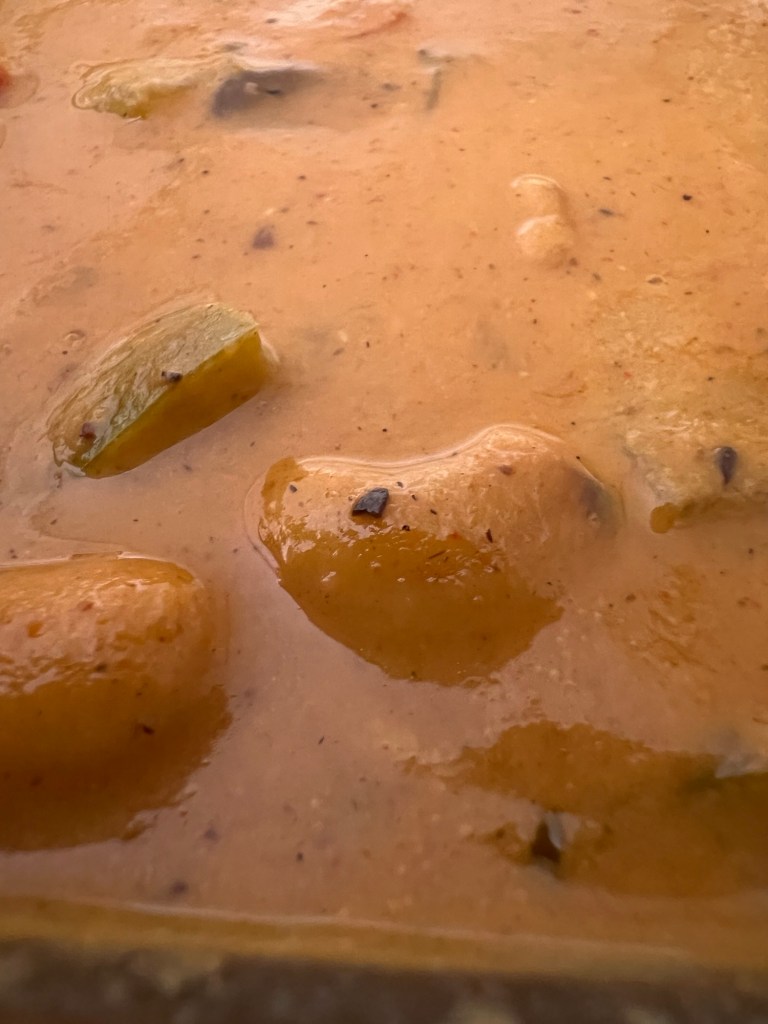
Recipes: Bharvan Baingan or Stuffed Eggplant

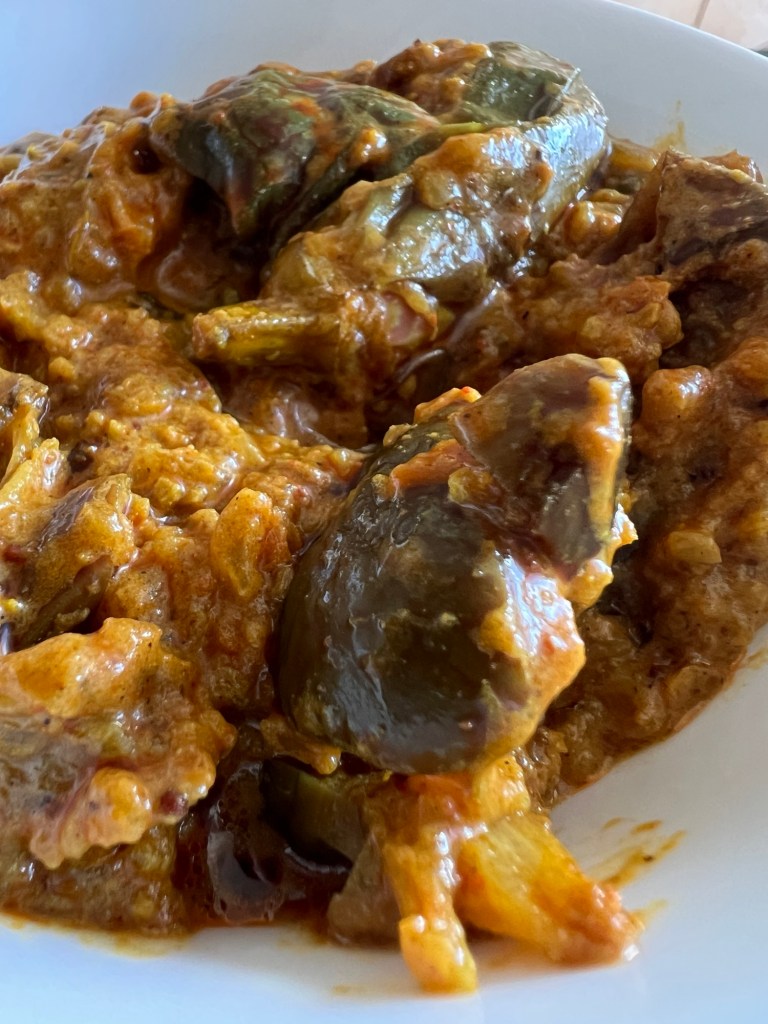
One of my favourite recipes to order at restaurants (if they have them) is stuffed eggplant or stuffed okra. I love the stuffed eggplant recipe from my home state and when I saw this recipe on Facebook, I saved it for making one day. That one day was a couple of weeks back. The chef who posted the recipe promised it was an easy one. Well, it was easy, but she didn’t mention that it took so long. The recipe took me two hours to make, start to end. But it was so worth it, it was so tasty that even GG, who does not like eggplant, had some of the gravy and pronounced it delicious!

Bharvan Baingan or Stuffed Eggplant

Ingredients:

  • 12-15 medium sized baby eggplants

For the stuffing:

  • 1 tbsp besan or chickpea flour
  • 3 tbsp coriander powder
  • 1 tbsp cumin powder
  • 1 tsp turmeric powder
  • 1 tbsp red chilli powder
  • 1 tbsp Kashmiri red chilli powder
  • 1 tbsp amchur powder
  • 1 tsp asafoetida podwer
  • 1 tbsp fennel seed powder
  • 1 tsp garam masala powder
  • 2 tbsp kauri methi
  • 4 tbsp oil (any oil, but mustard oil will be the best)

For the Gravy:

  • 2 tbsp oil
  • 1 tsp cumin seeds
  • ½ tsp mustard seeds
  • 3-4 finely chopped green chillies
  • 2 medium-sized finely minced onions
  • 2-3 medium-sized finely minced tomatoes
  • Salt to taste
  • 5 tbsp yoghurt, whisked
  • ½ tsp turmeric powder
  • 1 tsp Kashmiri red chilli powder
  • 1 tsp coriander powder
  • The balance masala
  • 1 tsp ginger garlic paste

Method:

  • If the stalk of the eggplant is more than 1 inch, cut it off and also remove the excess crown. Keep aside.
  • Make a cross on the bottom of the brinjal (opposite the crown), check and see inside for any worms and discard any unsightly ones. Put the cut brinjals in water for a while to avoid oxidation.

For the Masala:

  • Heat a pan and when warm, take the chickpea flour and lightly roast it till it starts to emit an aroma. This should take about 3-4 mins.
  • At this point switch off the flame and add the dry masalas –coriander powder, cumin powder, turmeric powder, Kashmiri red chilli powder, red chilli powder, amchur powder, asafoetida, fennel powder, garam masala and kasuri methi. Toss the masalas with the chickpea flour and keep them aside on a plate. Add 2 tbsp oil to it and mix well.
  • Fill the masalas into the brinjal, filling it tightly. The masala should show up as a nice thick line. Remove the extra masala and drop it into the masala plate.
  • In a pan, take 2 tbsp oil and shallow fry the stuffed brinjals for about 3-4 mins. Remove and keep aside.

For the Gravy:

  • In another pan, take 2 tbsp oil and when it heats, add the cumin seeds, mustard seeds and finely chopped green chillies.
  • Then add the finely chopped onions and fry until they become translucent.
  • At this point, add the finely chopped tomatoes and let it cook.
  • Add salt to taste and let the tomatoes cook well until the gravy starts to ooze oil.  
  • In a bowl, add the yoghurt and whisk it well. To this, add ½ tsp turmeric powder, 1 tsp Kashmiri red chilli powder, 1 tsp coriander powder, 1 tsp ginger-garlic paste and the balance masala. Whisk everything well and keep it aside.
  • Once the tomatoes are cooked, add 2-3 tsp water, switch off the gas and add in the yoghurt mixture.
  • Mix well and switch on the gas again. Add water if needed.

To assemble:

  • Gently add the stuffed eggplants and garnish with coriander leaves. Cover and cook on a low flame for 5 mins.
  • Serve with rotis or Indian flatbreads or rice.

Recipes: Kottu Rasam

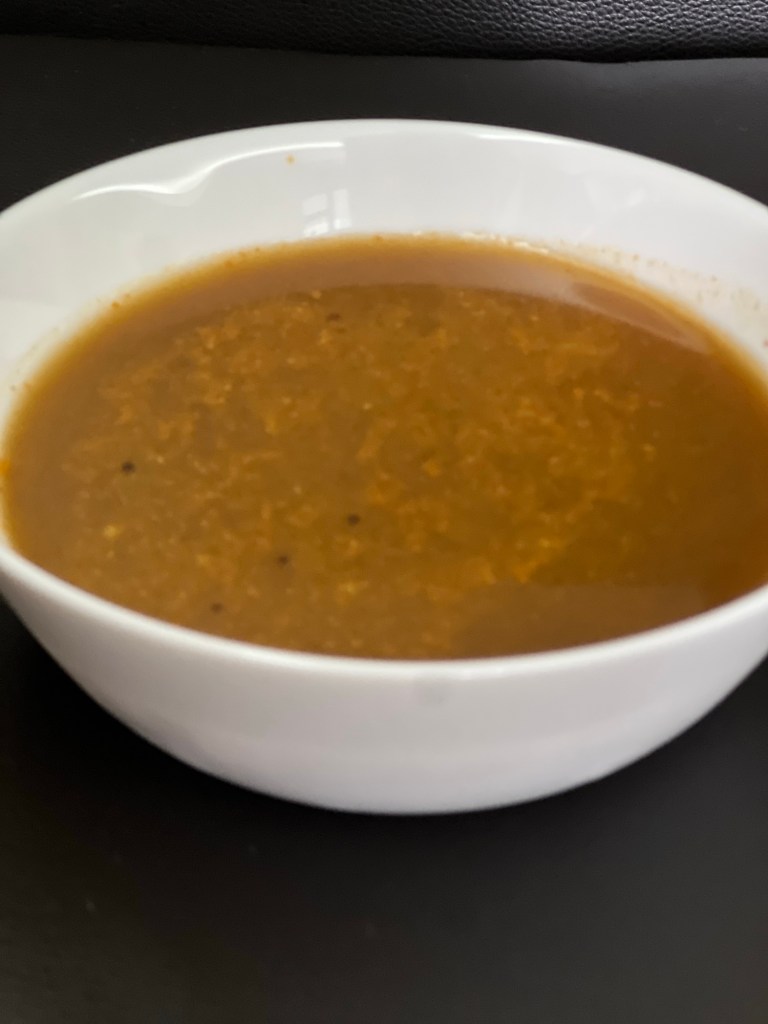
Rasam is a favourite with BB & GG and they are happy to have it for every meal. But I don’t make it that often. Having said that, I had not made this Rasam as yet for the children. When I did make it, it was a huge hit. It does not take a long time to make and can be eaten with rice or as a soup. In my home, kottu Rasam is prepared for those who are not well. It is prepared without using dal and is lightly tempered.

Kottu Rasam

Ingredients:

  • 2 large tomatoes
  • 1 tsp ghee
  • ½ tsp mustard seeds
  • ½ tsp cumin seeds
  • 5-6 curry leaves
  • 1 tsp crushed ginger and green chilli paste
  • 1 small lemon-sized ball of tamarind
  • 1.5 tsp rasam powder
  • 1 tsp jaggery powder
  • Salt to taste
  • Finely chopped coriander leaves to garnish

Method:

  • Soak the tamarind in hot water for about 30 minutes. Then crush the tamarind pulp and drain, keeping the tamarind water aside.
  • Either finely chop the tomatoes or use a food processor and crush the tomatoes into fine pieces.
  • In a pan, heat the ghee and when it warms, add the mustard and cumin seeds and let them pop. Then add the crushed ginger and green chillis and stir for a couple of seconds.
  • Now, add the tomatoes, sprinkle some salt and let the tomatoes cook for about five minutes.
  • At this point, add the tamarind water, rasam powder, jaggery powder and any additional salt, if needed.
  • Let this cook for about 5-7 minutes, then switch off the flame. Garnish with finely chopped coriander leaves and serve hot.

Notes:

  • This is great as an accompaniment to rice or as a soup.
  • Instead of crushing the tomatoes, you could also use tomato puree for a more soup-like experience.
  • Tamarind paste or lemon juice could be substituted for tamarind water.

Recipes: Date and Mint Raita

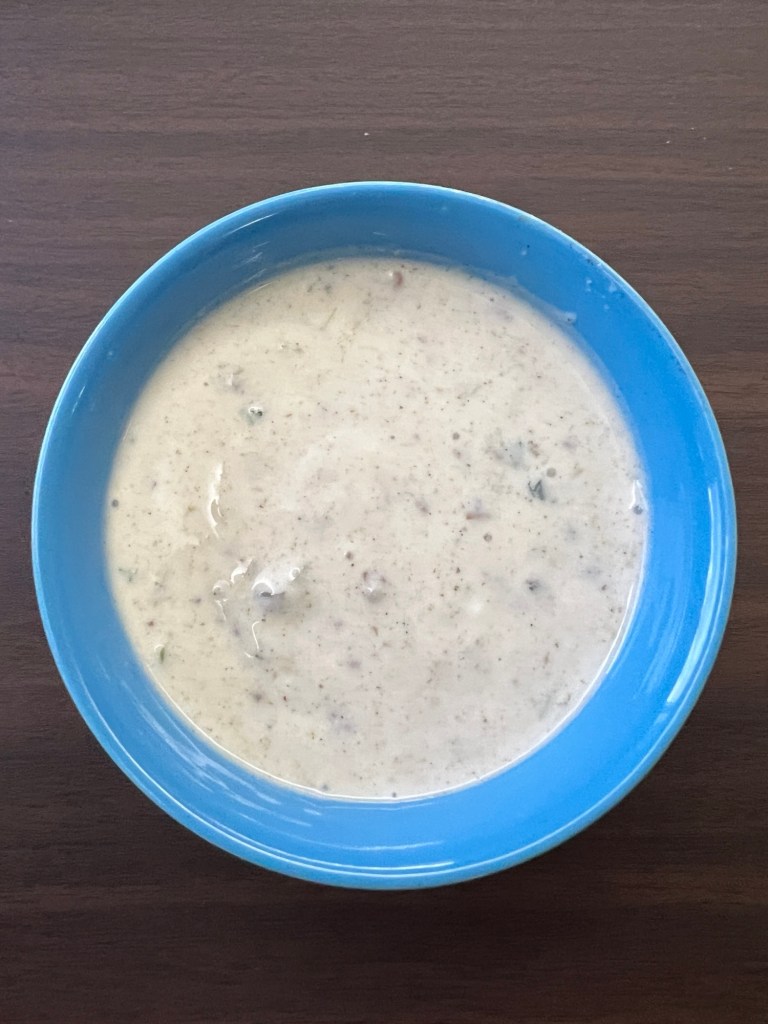
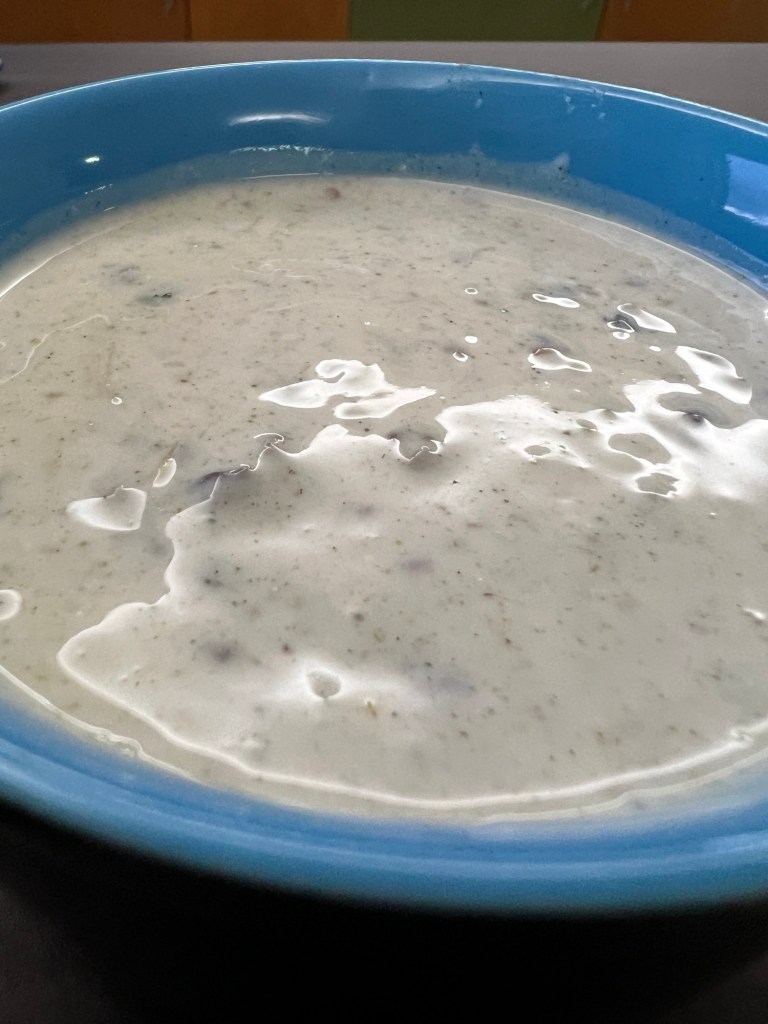
Sometime back, I saw a video by Rujuta Divekar about date raita with very minimal ingredients. I was intrigued and decided to make my version of this recipe recently. It has been very hot in Singapore the last few months and this was made for lunch on one of those hot, summery days. This is perfect for the summer and can be made in 10 minutes, from start to finish. This sweet and savoury yoghurt-based dish goes with anything and is very good on its own too.

Date Raita

Ingredients:

  • 1 cup plain yoghurt
  • 12–15 Dates, pitted
  • ½ tsp. cumin powder
  • ½ tsp. black salt, or to taste
  • 1 inch of ginger
  • 2-3 green chillies, chopped
  • 1 tbsp chopped fresh mint leaves or 1 tsp dried mint powder
  • Salt to taste

Method:

  • In a mixing bowl, whisk the yoghurt until smooth. If the yoghurt is too thick, you can add a little water or milk to achieve the desired consistency.
  • In a small blender, add the pitted dates, ginger, green chillies, and mint (or mint powder) and coarsely grind them using some yoghurt or water.
  • Add this to the whisked yoghurt.
  • Season with salt, black salt, and cumin powder. Mix well to combine all the ingredients evenly.
  • Taste the raita and adjust the seasoning if necessary, adding more salt or black salt according to your preference.
  • Refrigerate the Dates Raita for at least 30 minutes to allow the flavours to meld together and for the raita to chill.
  • Before serving, give the raita a final stir. Optionally, sprinkle a pinch of roasted cumin powder on top for extra flavour.

Recipes: Cashewnut or Kaju Curry

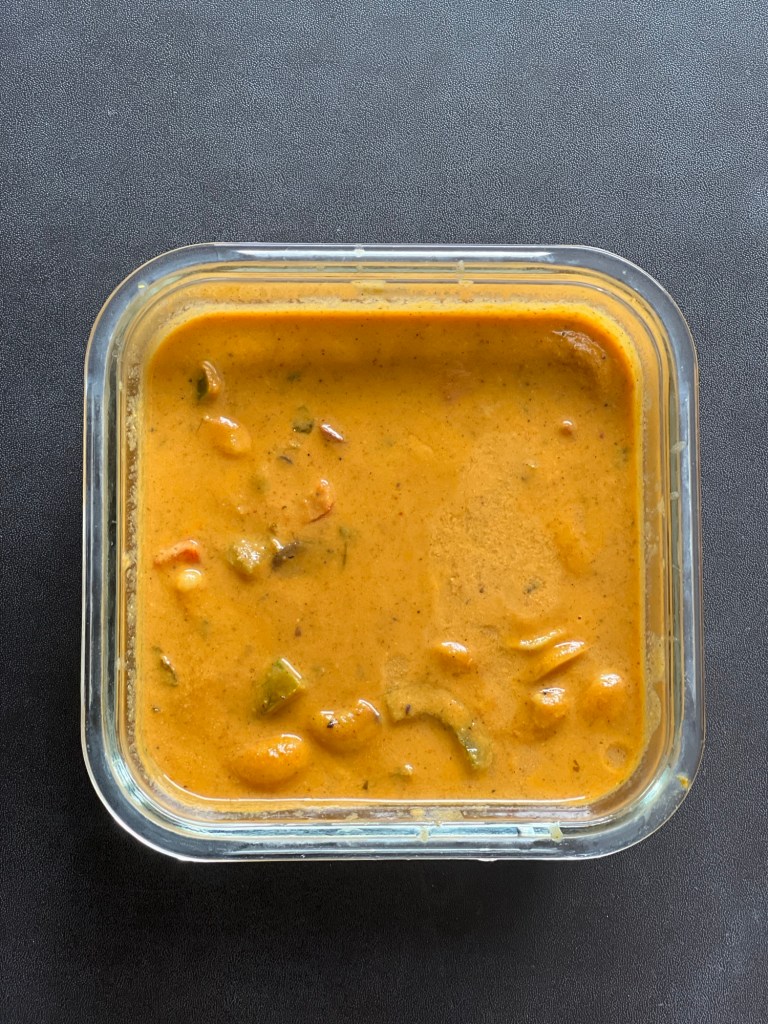
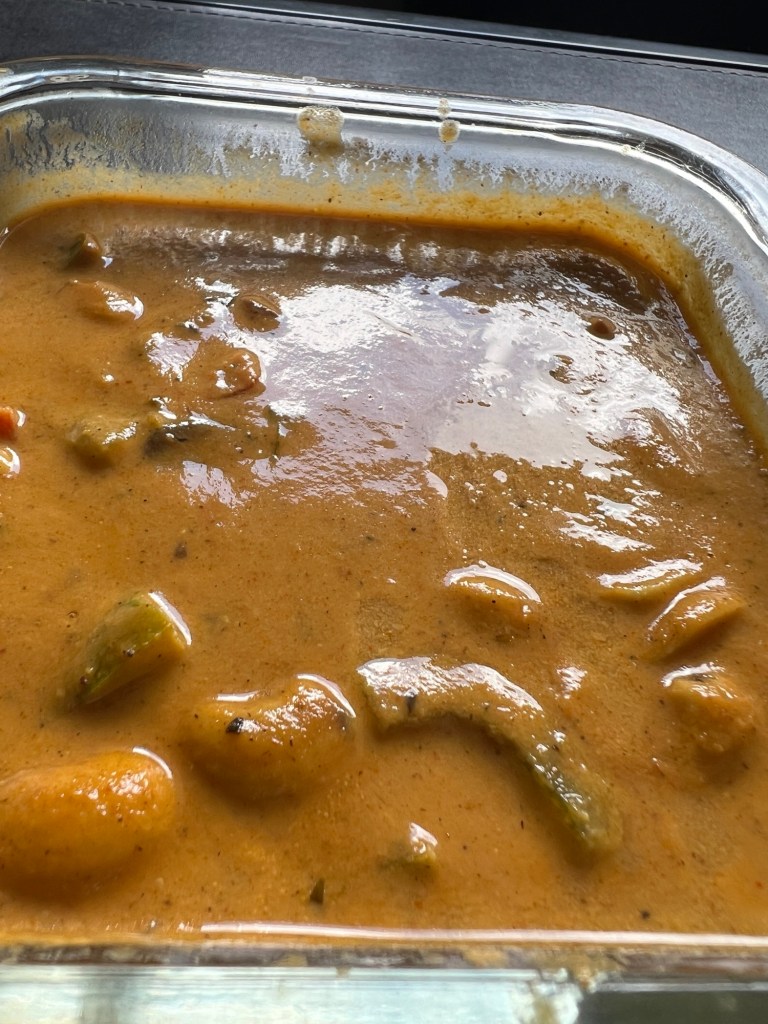
Famous in the coastal areas of Maharashtra, Goa, and Karnataka, Kaju or Cashewnut Curry, is a rich and creamy curry that is so delicious. I saw someone eating this curry in a video some months ago and have been wanting to make it ever since. I finally got the opportunity recently and here’s my version.

Kaju Curry

Ingredients:

  • 1 cup whole cashew nuts
  • 2 medium-sized onions, chopped
  • 4-5 medium-sized tomatoes, chopped
  • 6-8 cloves garlic
  • 1 inch piece of ginger
  • 3 dried red chillies
  • inch piece of cinnamon
  • 3 cloves
  • star anise
  • 2 bell peppers (any colour), chopped into big pieces
  • 1 cup low-fat milk (optional)
  • 1 tsp cumin seeds
  • ¼ tsp turmeric powder
  • 2-3 tsp red chilli powder
  • ½ tsp garam masala powder
  • 1 tsp jaggery powder
  • 1 tbsp kasuri methi
  • Salt to taste
  • 2-3 tbsp ghee
  • 2-3 tbsp butter

Method:

  • Take 1 tsp ghee and butter in a pan and let the butter melt. Once the butter melts, add the cashew nuts and stir continuously until the cashews become golden brown. Remove and keep aside.
  • Add some more ghee and butter and saute the chopped bell peppers till they are slightly cooked, but retain their crispness. Remove and keep aside.
  • In the same pan, add one more tsp of ghee and butter, add in the cumin seeds and let them pop. Once they pop, add in the dry whole spices – dried red chillies, cinnamon, cloves and star anise and stir for a couple of seconds each before adding in the next spice.
  • Then add in the chopped ginger and garlic and stir for a few seconds, add in the chopped onions and stir well.
  • Add in 1 tsp salt, stir well and let the onions lightly brown and become translucent. Remove and keep aside.
  • When the onions are cool, blend into a smooth paste and keep aside.
  • Remove the paste from the blender and in the same blender, take about 12-15 fried cashews and blend into a powder. Add the tomatoes and blend the cashew powder and tomatoes into a smooth paste. Keep aside.
  • In the same pan, pour the remaining ghee and butter and once the butter melts, add in the onion paste and stir continuously, not letting the paste burn or stick to the bottom of the pan.
  • Once the onion paste has cooked and started to reduce, add in the tomato-cashew paste and stir well.
  • Add in the dry spices – turmeric powder, red chilli powder, jaggery powder, garam masala, and salt, if needed and continue stirring. You may pop a lid on the pan and the tomato mixture may start splattering.
  • Crush the Kasuri methi in the palm of your hand and sprinkle it on the gravy.
  • Add in the bell peppers and cashew nuts. Stir well. Add 1-2 cups of milk and water to bring it to the consistency you desire. Let it come to a rolling boil.
  • Switch off the gas and add finely chopped coriander leaves to garnish.
  • Serve hot with rice or any Indian flatbread.

Recipes: Dal Makhni

A quintessential staple in every Punjabi restaurant, Dal Makhani is known for its rich and creamy texture. The dish has its roots in the Punjab region of the Indian subcontinent and was created by Kundan Lal Gujral and Kundan Lal Jaggi, who were Punjabi Hindu migrants from Peshawar. They are also credited with inventing the famous butter chicken.

The dish is a modern variation of traditional lentil dishes, made with urad dal or black lentils and other pulses, and is known for its rich buttery and creamy content. The name Dal Makhni comes from Dal, meaning lentils, and Makhni, meaning buttery. It’s a testament to the culinary innovation that occurred during the post-partition era, as these chefs sought to create a vegetarian dish that would complement their already popular Butter Chicken. This recipe comes from my helper, R, who comes from Punjab.

Dal Makhni

Ingredients:

  • 1 cup whole black lentils or urad dal
  • ¼ cup kidney beans or rajma
  • 4 cups water for pressure cooking
  • 2 tbsp ghee or butter
  • 1 tbsp oil
  • 1 tsp cumin seeds
  • 1 large onion, finely chopped
  • 2 large tomatoes, pureed
  • 1 tbsp ginger-garlic paste
  • 2 green chillies, slit lengthwise
  • ½ tsp turmeric powder
  • 1 tsp Kashmiri red chilli powder
  • 1 tsp coriander powder
  • ½ tsp garam masala
  • ½ cup fresh cream
  • Salt to taste
  • Finely chopped fresh coriander leaves for garnish

Method:

  • Rinse the whole urad dal and rajma thoroughly under running water. Soak them together in enough water for at least 6–8 hours or overnight.
  • Drain the soaked lentils and beans and transfer them to a pressure cooker. Add 4 cups of water and a pinch of salt. Pressure cook for about 6-7 whistles on medium-high heat, or until the lentils and beans are soft and well cooked.
  • Once cooked, mash the lentils and beans slightly using the back of a spoon or a potato masher. Set aside.
  • Heat ghee or butter along with oil in a deep pan or kadai over medium heat. Add cumin seeds and let them splutter.
  • Add finely chopped onions and sauté until they turn golden brown.
  • Stir in ginger-garlic paste and green chillies. Sauté for a couple of minutes until the raw aroma disappears.
  • Add the tomato puree and cook until the mixture thickens and the oil starts to separate from the sides.
  • Add turmeric powder, red chilli powder, coriander powder, and garam masala. Mix well and cook for a few more minutes.
  • Pour in the cooked lentils and beans, along with any remaining water from the pressure cooker. Mix everything.
  • Adjust the consistency by adding water if necessary. Bring the mixture to a gentle simmer.
  • Add fresh cream and salt to taste. Stir well to combine.
  • Let the Dal Makhani simmer on low heat for about 20–30 minutes, stirring occasionally. This helps to blend the flavours and thicken the gravy.
  • Once the desired consistency is achieved, garnish with fresh coriander leaves.

Serve hot with steamed rice, naan, or roti for a delicious and comforting meal.