Recipes: No Onion, No Garlic Tomato Peanut Chutney

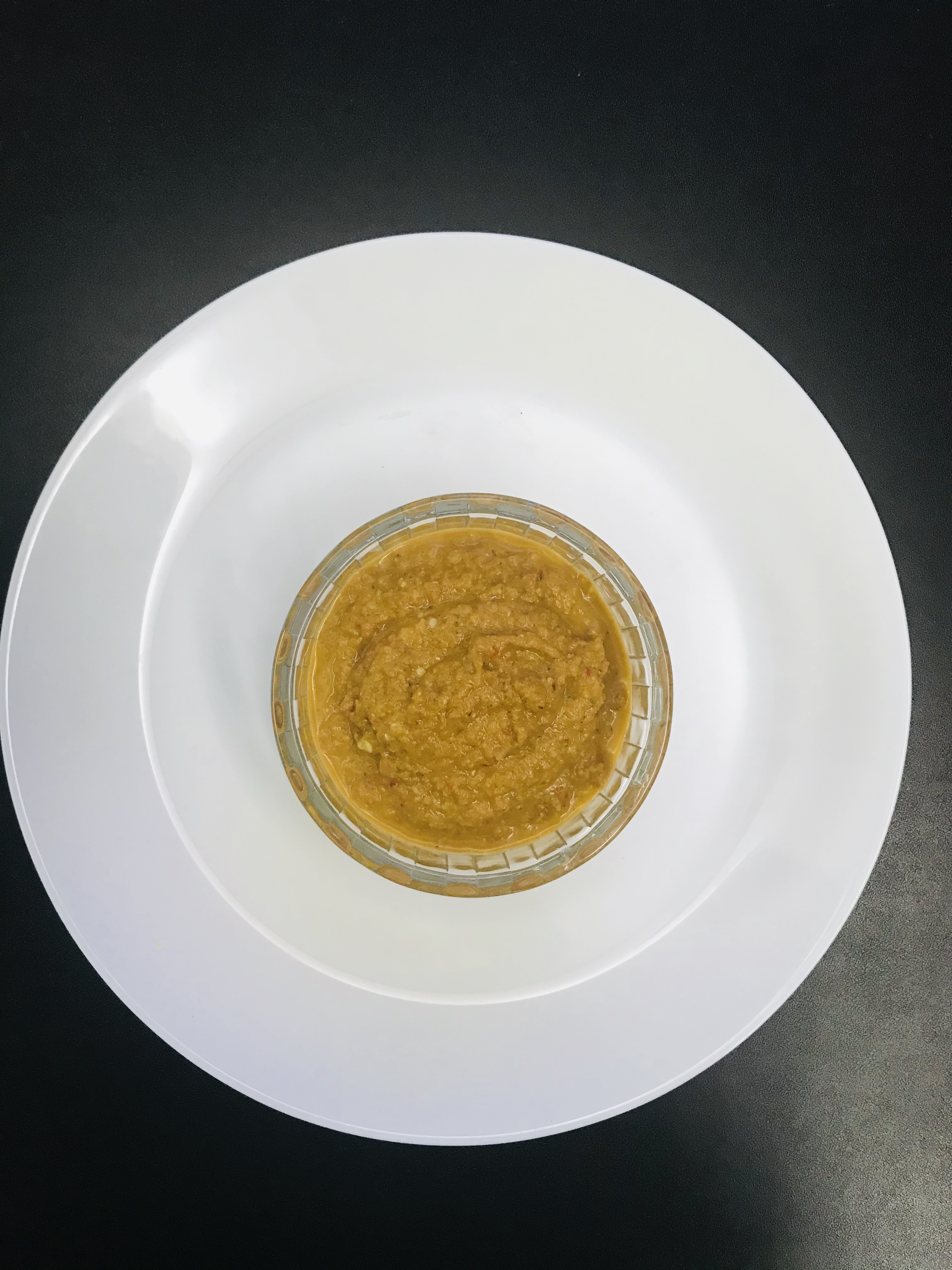
During Navratri, I don’t use onions and garlic in my cooking. My cooking during those 10 days is more satvic in nature and so it sometimes becomes a challenge to figure out recipes to make which don’t incorporate the two almost essential ingredients in Indian cooking. Though, if I am to be completly honest, tambram cooking generally does not use the two ingredients. But we were getting bored of traditional recipes and so I tried this recipe which was an experiment of sorts. It did come out quite nice and was a good accompaniment to not only idlis and dosais, but also as a substitute to sandwich chutneys.

No Onion, No Garlic Tomato Peanut Chutney

Ingredients:

  • 6-8 medium sized tomatoes, chopped
  • 8-10 curry leaves
  • 5-6 fresh red chillies (you can also use green chillies if you don’t have access to red chillies)
  • 1/2 cup roasted peanuts
  • 2 tbsp tamarind paste
  • 1/4 tsp turmeric powder
  • 1/4 tsp asafoetida powder
  • 1 tsp mustard seeds
  • 2 tbsp chopped coriander leaves
  • 1 tsp oil
  • Salt to taste

Method:

  • Heat oil in a pan and when warm, add the mustard seeds and let them pop.
  • Then add the turmeric powder, asafoetida powder and stir for a couple of seconds.
  • Next, add the curry leaves and red chillies and stir till the chillies start to brown and the curry leaves become crisp.
  • Now add the roasted peanuts and stir well. Then add the chopped tomatoes and some salt and stir well. Keep stirring the tomatoes occasionally until the tomatoes cook and turn mushy.
  • Remove from the flame and cool completely. When cool, blend into a fine paste and serve as an accompaniment to idlis and dosai.

Navratri Recipes: Green Peas Sundal

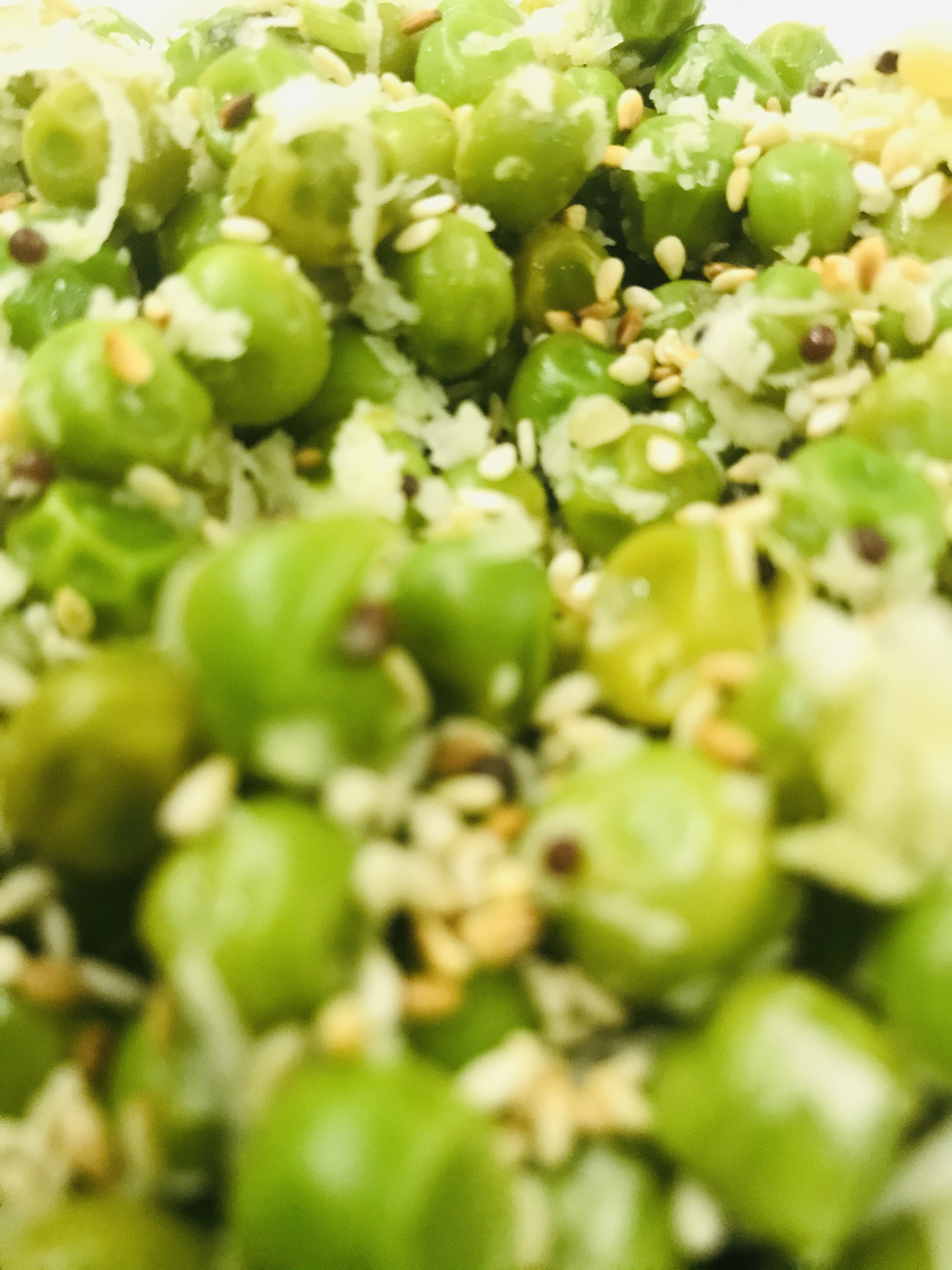
Another day during Navratri and another sundal to offer the Goddess. The Sundal this time is made of fresh peas and is another super quick recipe. You could make this as a quick afternoon snack when the children are home from school and it is also very healthy to boot! This is a far cry from the commercial and suage and salt laden biscuits and sweets that are usually eaten.

Green Peas Sundal

Ingredients:

  • 2 cups fresh or frozen green peas
  • 1 tsp mustard seeds
  • 1 tsp urad dal
  • 1/8 tsp asafoetida powder
  • 4-5 curry leaves
  • 1 tsp green chilli paste
  • 2-3 tbsp grated coconut
  • 1 tbsp oil
  • Lemon juice to taste
  • Salt to taste
  • Coriander leaves to garnish

Method:

  • Soak the frozen green peas in hot water for 15 minutes and then cook them in a microwave or the stovetop till the peas are cooked, but still retain their green colour. Drain and keep aside.
  • Heat the oil in a pan and when the oil is warm, add the mustard seeds and let them pop.
  • Then add the urad dal and let it start to brown. Next add the asafoetida powder, curry leaves and green chilli paste and stir for a couple of seconds.
  • Now add the boiled and drained green peas and season with salt. Stir for a few minutes.
  • Then drizzle the lemon juice and add the coconut and stir well to mix into the peas.
  • Garnish with coriander leaves and serve warm or cold as a salad or snack.

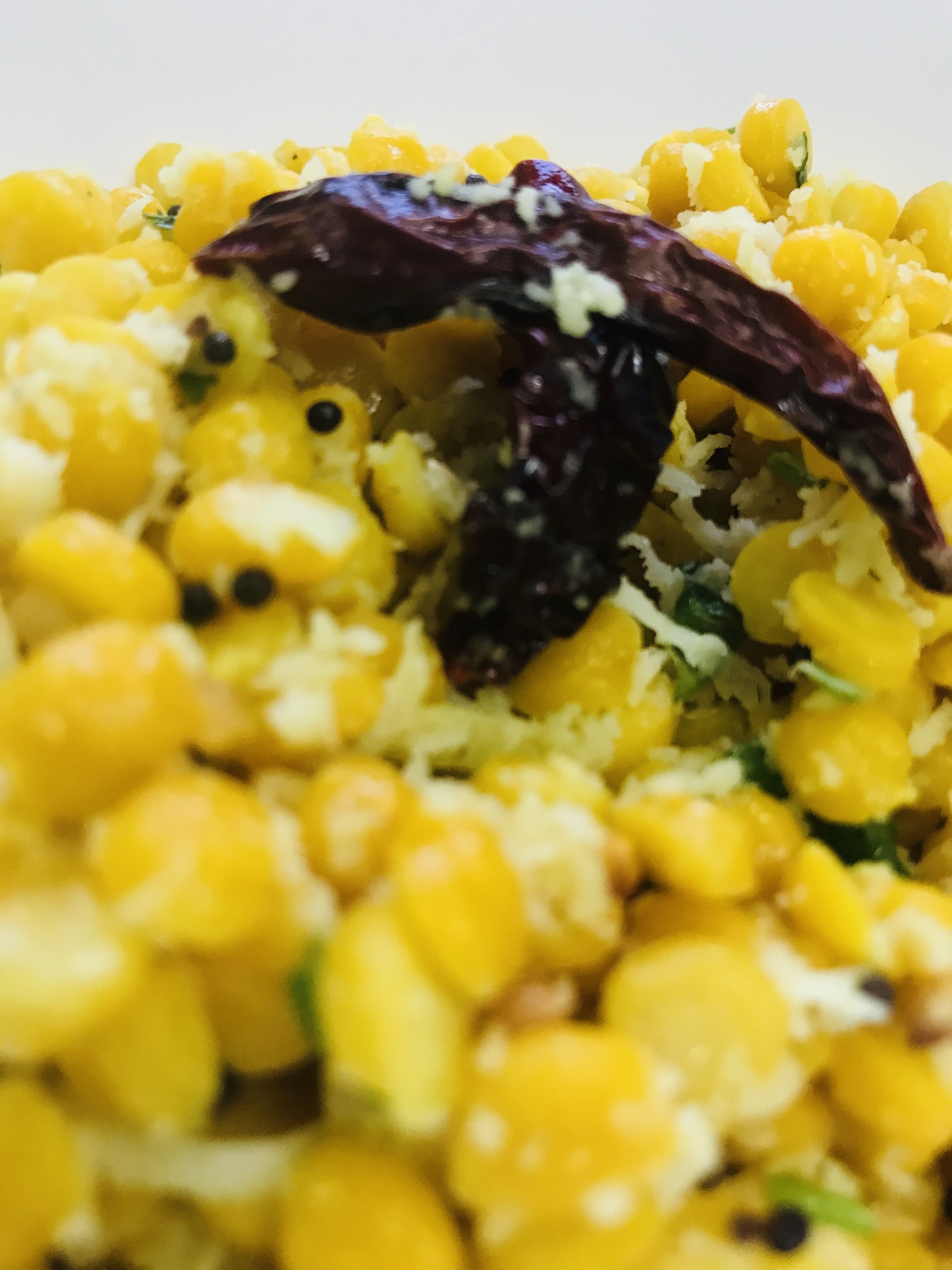
Navratri Recipes: Chana Dal Sundal

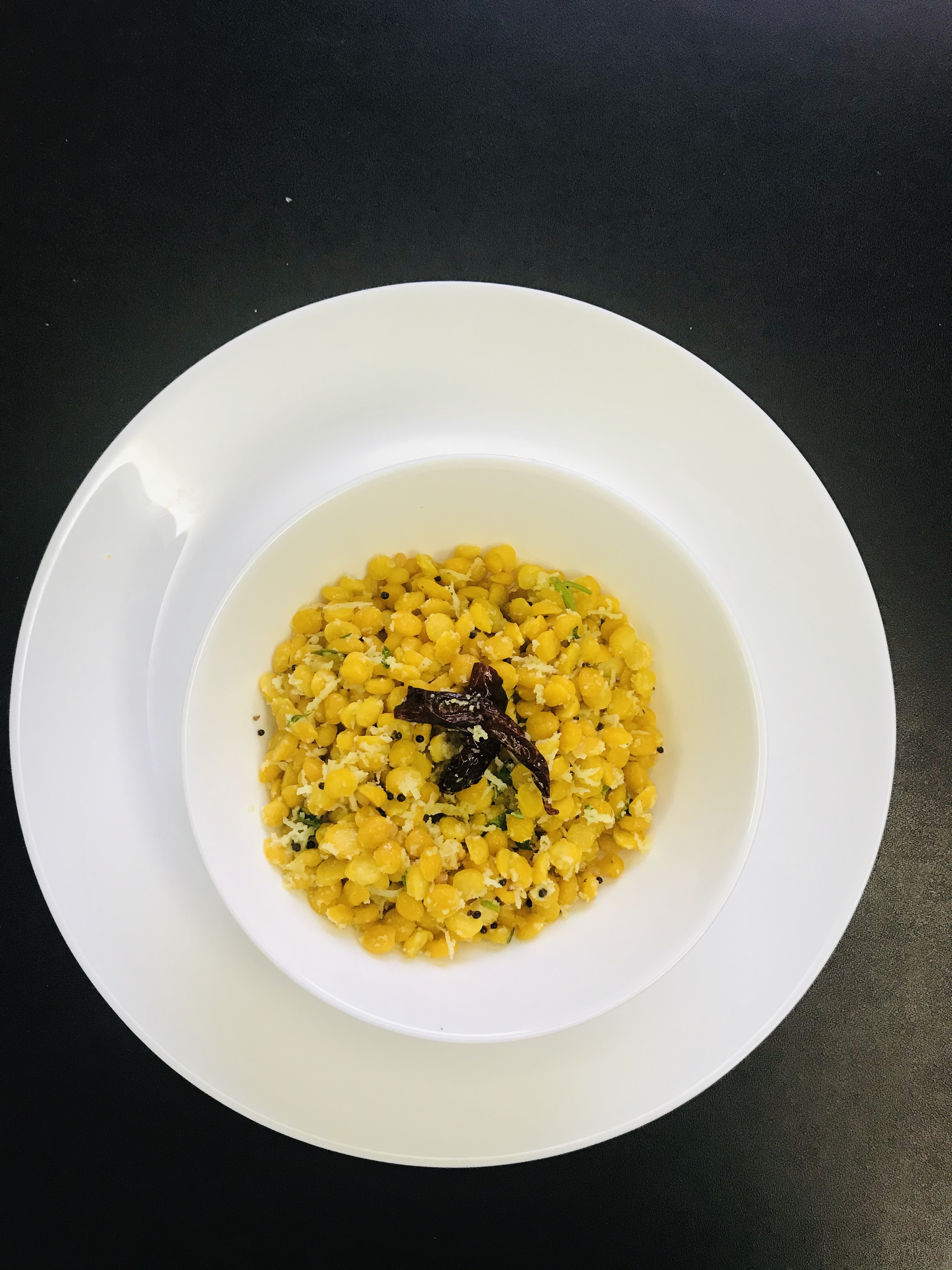
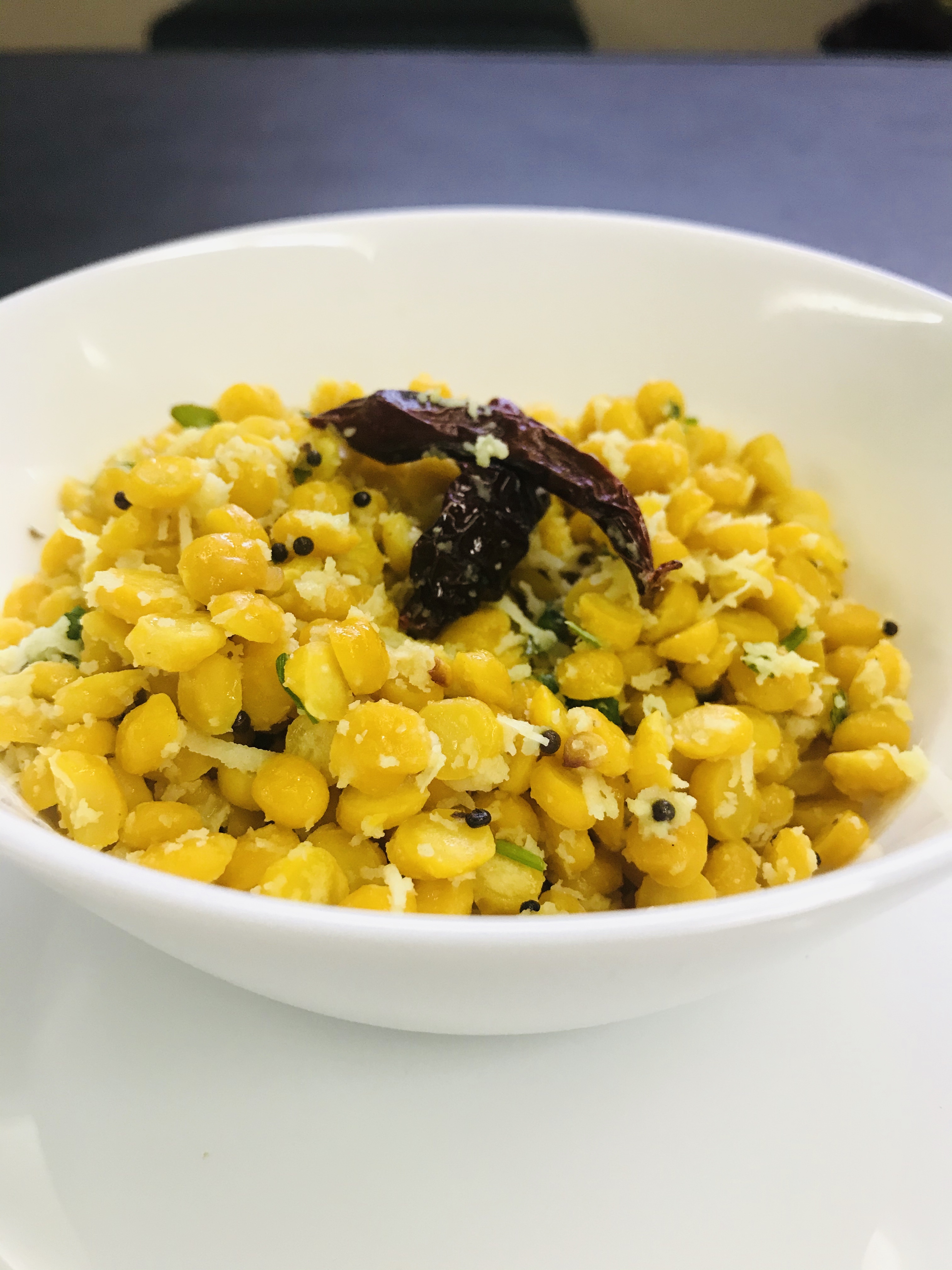
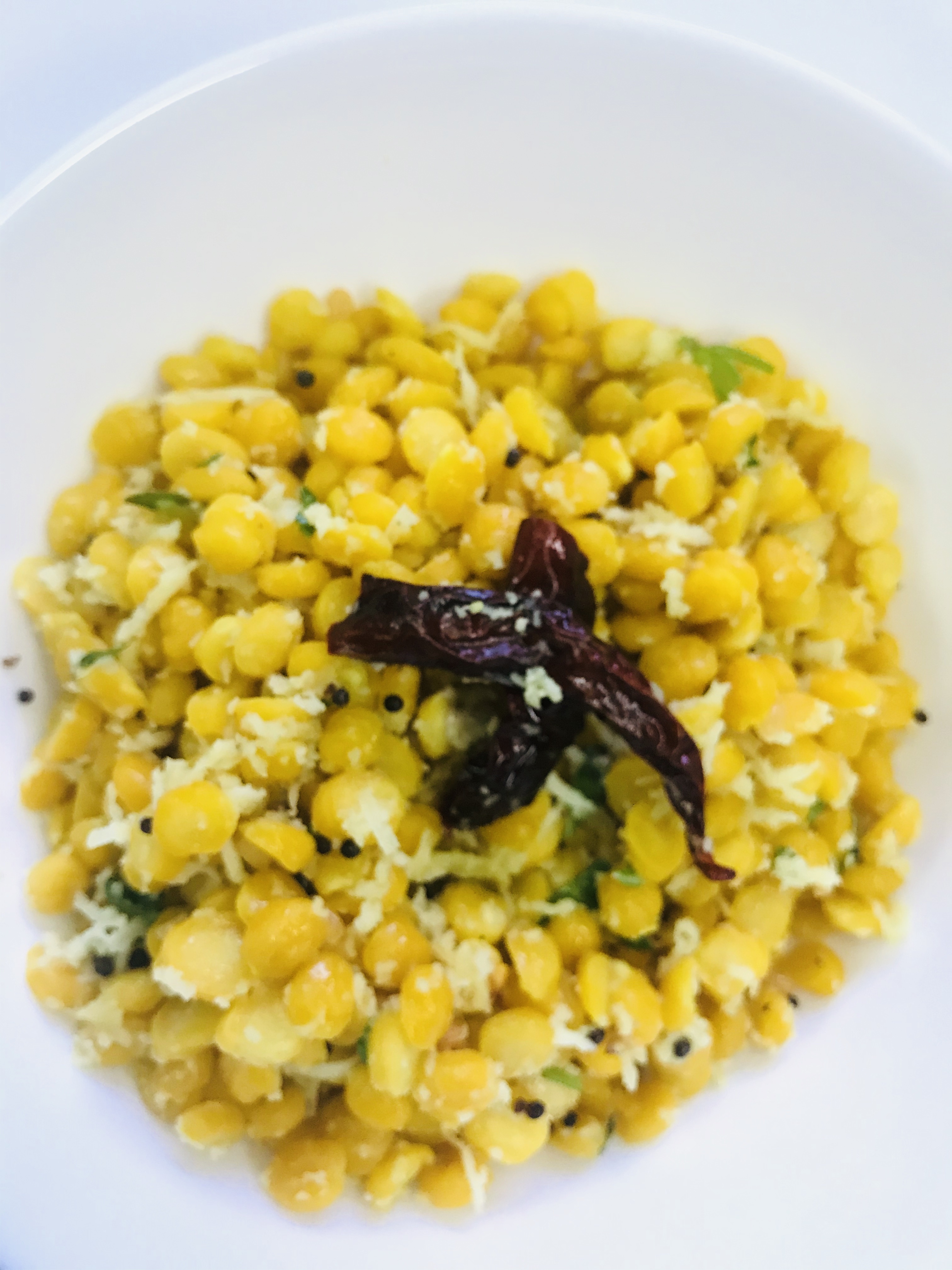
Since it’s the festival of Navratri going on, I am making some kind of Sundal every day as an offering or neividhyam to the Goddess. Today’s Sundal is a simple and delicious Sundal made out of Chana Dal. This is easy to make and took me less than 10 minutes to make (without taking into account the soak time). This is a definite keeper for me.

Chana Dal Sundal

Ingredients:

  • 2 cups chana dal
  • 2-3 tbsp grated coconut
  • 1 tbsp oil
  • 1 tsp mustard seeds
  • 1 tsp split urad dal
  • 4-5 curry leaves
  • 3-4 dried red chillies, broken
  • 1/4 tsp turmeric powder
  • 1/4 tsp asafoetida powder
  • 2 tbsp lemon juice
  • 1 tsp grated ginger
  • Salt to taste
  • Coriander leaves to garnish

Method:

  • Soak the chana dal in hot water for 1-2 hours.
  • Cook the chana dal in the same pan it was soaked in with 1/4 tsp turmeric powder, salt and 1/8 tsp asafoetida in enough water on the stove till it gets cooked, but still retains it’s shape. Remove from the flame and drain and cool the chana dal.
  • If you plan to use the pressure cooker, just cook it for a max of 2 whistles. Remove from the cooker when the pressure goes down and drain the chana dal.
  • In another pan, heat the oil and when it warms up, add the mustard seeds and let the seeds pop.
  • Then add the urad dal, remaining asafoetida, curry leaves, grated ginger and broken dried red chillies and stir for a few seconds.
  • Now pour in the drained chana dal and stir well to mix everything for a few minutes.
  • Switch off the flame and add the lemon juice and grated coconut. Garnish with coriander leaves and serve as a salad or side with a south indian meal.

For more Navratri Sundal recipes, here are some other recipes:

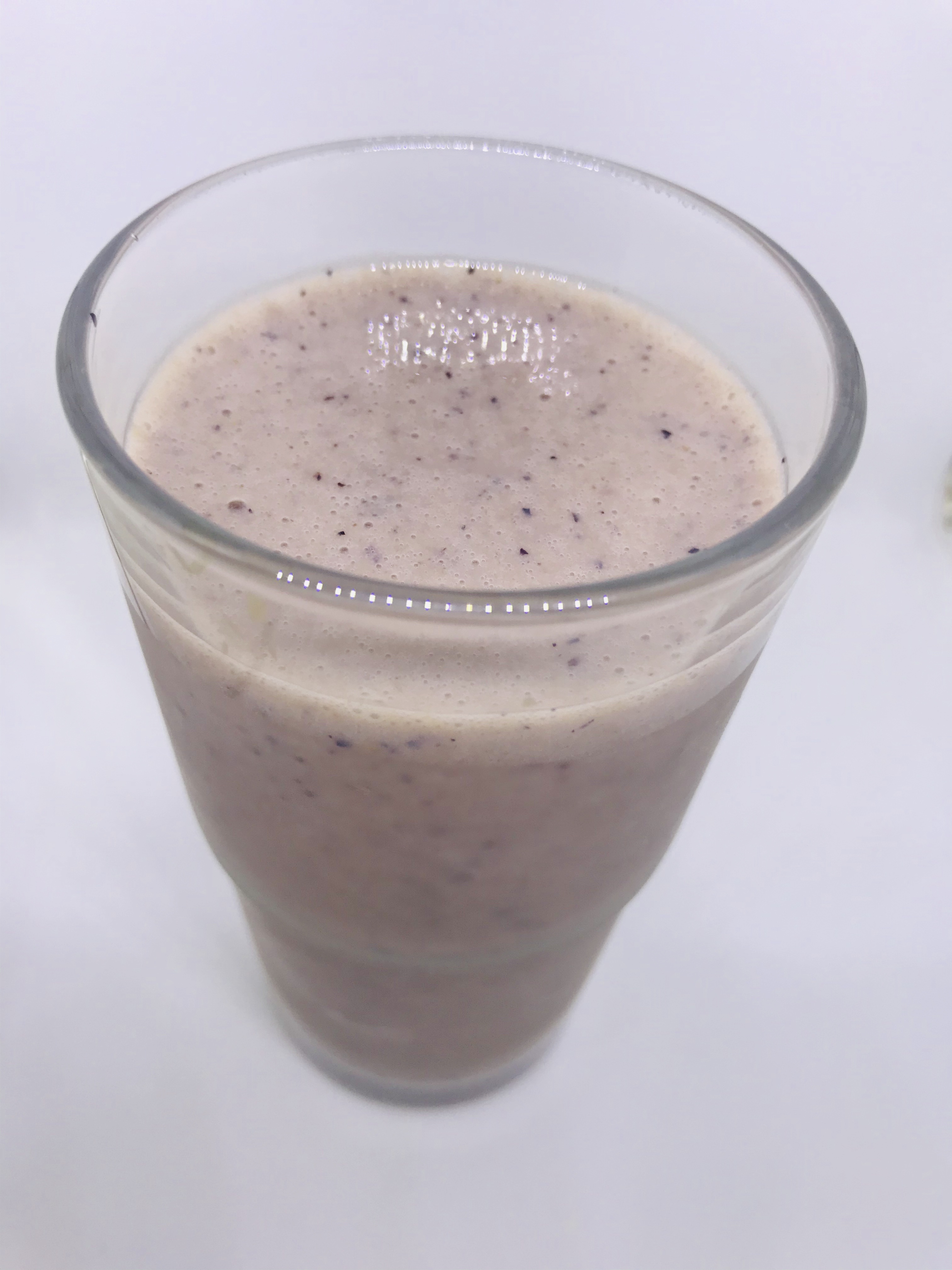
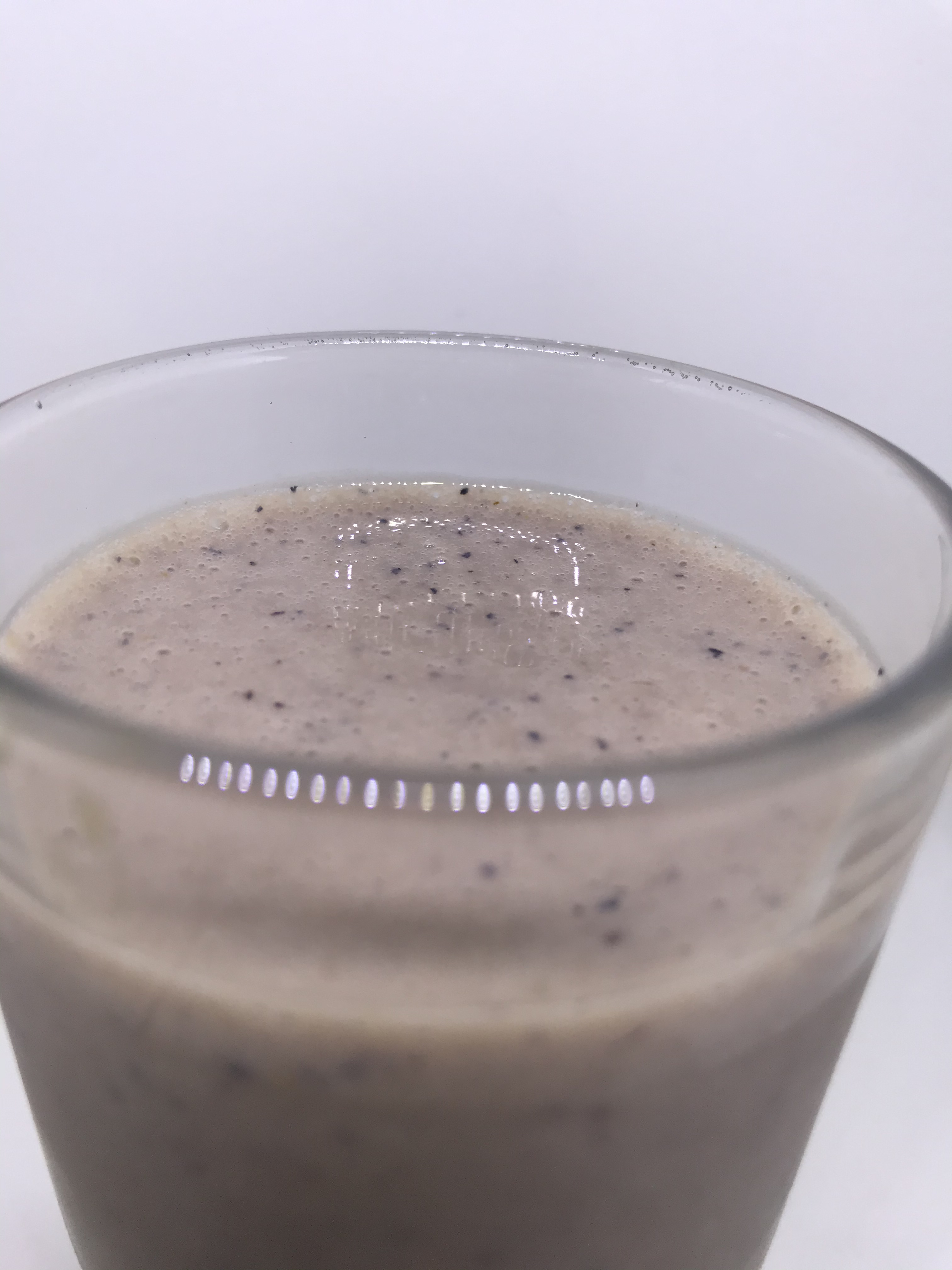
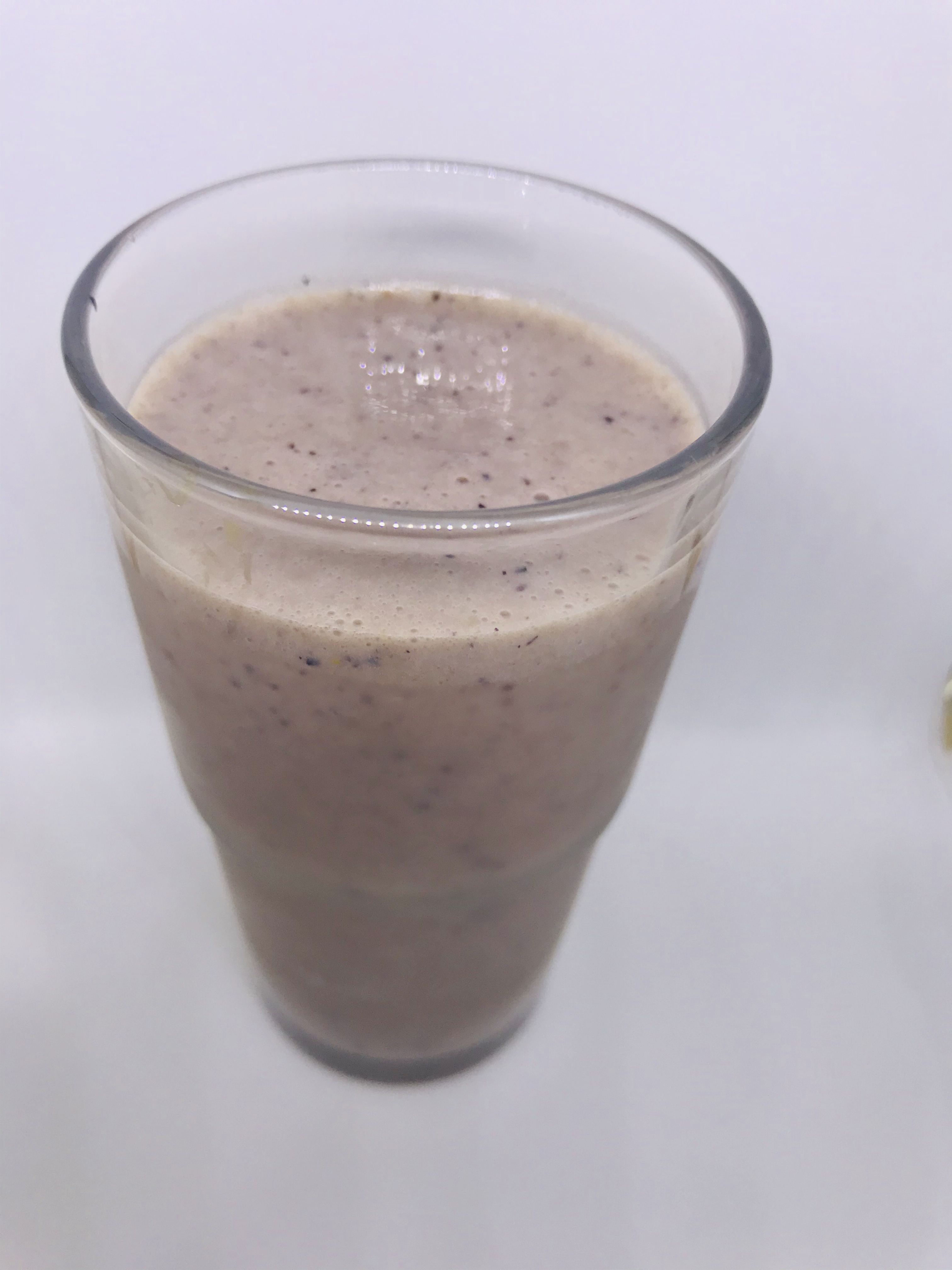
Recipes: Berry Smoothie/Milkshake

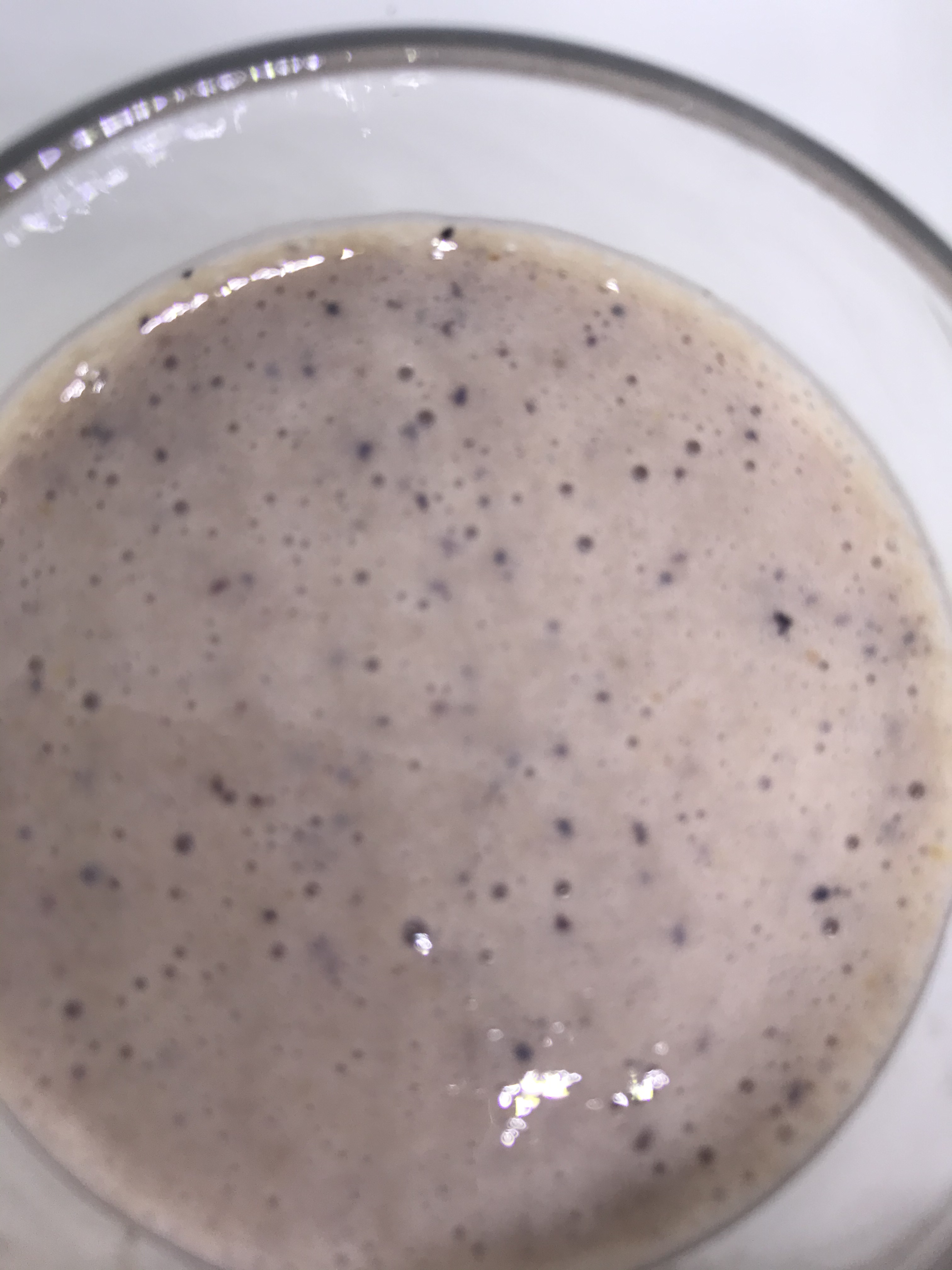
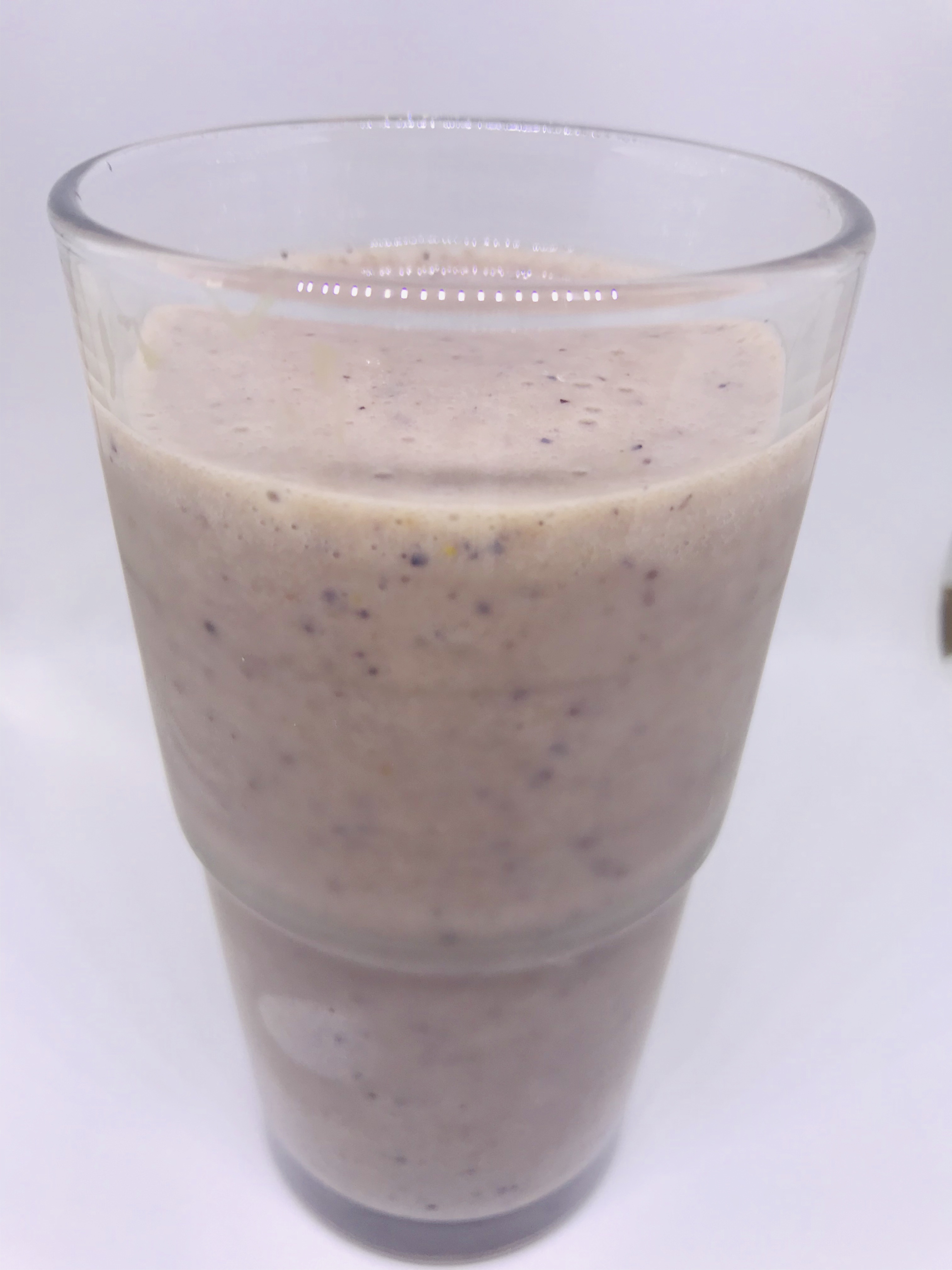
Most mornings GG has Museli for breakfast while BB does not eat anything before going to school. So we usually have a selection of berries in the fridge as GG loves them in her museli. Earlier this week, I felt some of the berries would spoil if kept long and so decided to make a smoothie/milkshake with them. It was quite tasty and is a good quick breakfast, especially if you can’t eat solid food in the mornings or are in a hurry.

Berry Smoothie/Milkshake

Ingredients:

  • 1 ripe banana
  • 6 medium sized strawberries
  • 15-20 blueberries
  • 1-1.5 cups skimmed milk
  • 1 tbsp honey or 1 tbsp sugar (optional)

Method:

  • Wash and dry the blueberries, remove the leaves and wash and dry the strawberries, peel the banana and keep all the fruits inside an airtight container and freeze overnight. You can also hull and chop the strawberries if they are big before freezing.
  • The next morning, blend all the frozen fruits along with the skimmed milk to a smooth paste. Thin the smoothie to the consistency you like. Add the honey or sugar if you feel you need to add some sweetness to the drink.
  • You can drink it as it is. You can also add some drops of vanilla essence to enhance the flavour or even add some plain vanilla yoghurt or icecream to thicken it up.
  • If you want to make this vegan, just substitute the skimmed milk for some nut milk like soya, almond or cashew or even some light coconut milk

Recipes: Hyderabadi Khatti Dal

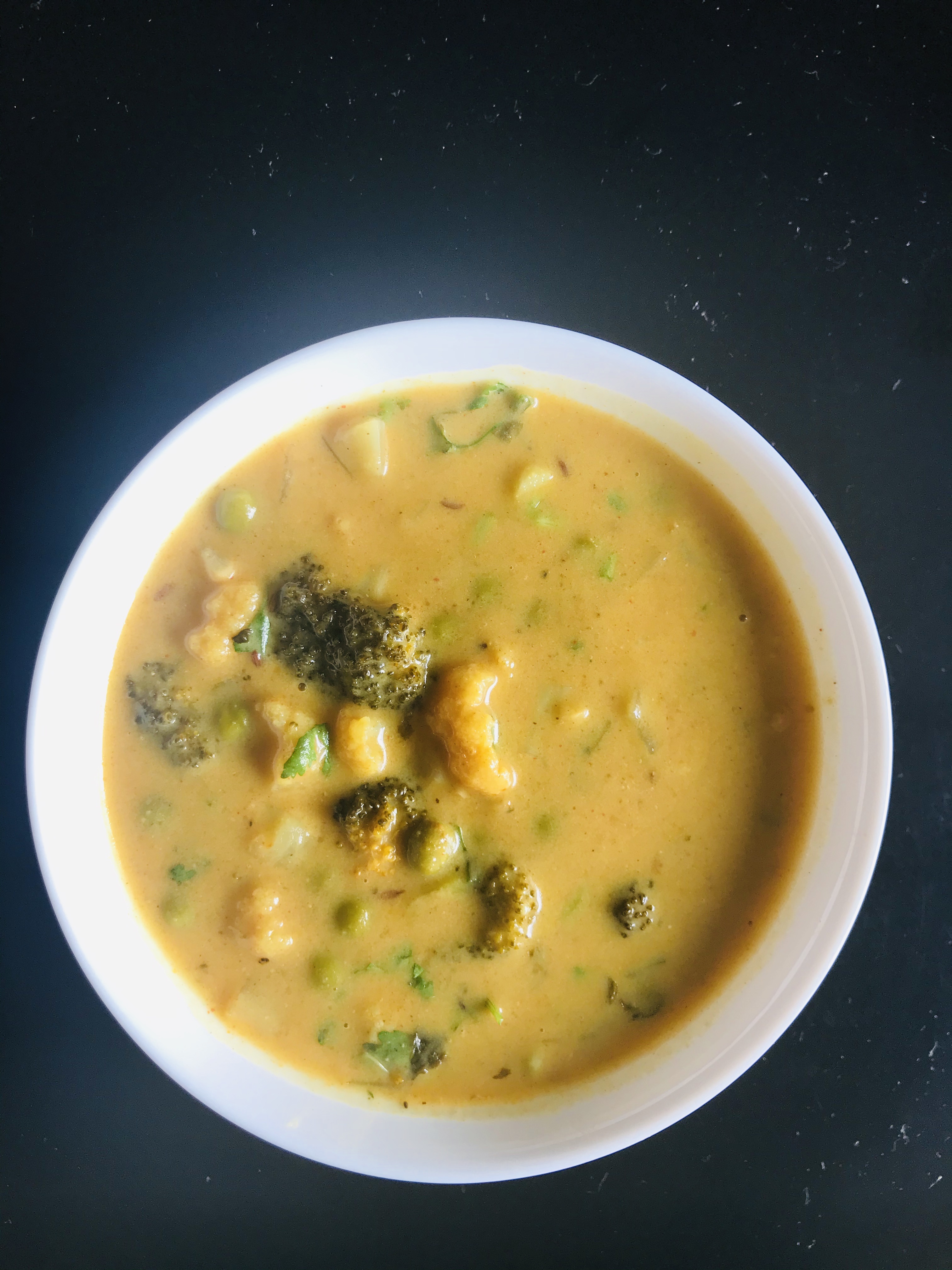
Dal, in most Indian households is ubequetiois and gets prepared almost every day. For those who are vegetarian, this is the main source of protein in their diet. What this means is that there are probably as many variations of dals as there are households in the country!

I came across this recipe for Khatti Dal which literally means ‘Sour Dal’ in my Facebook feed. I really don’t know which website this was from, so I can’t credit them here. I also slightly changed the recipe because I only saw it once and it may not be the most authentic recipe around.

The recipe was this slightly garlicky dal with the children saying it reminded them of a garlic sambar or rasam. I thought though it reminded me of a puli kozhambu. Irrespective of what this dal reminded us of, it was delicious and is a definite keeper in our home.

Here’s the recipe I made so I can refer to it the next time I make it.

Hyderabadi Khatti Dal

Ingredients:

  • 1 cup toovar dal, washed and soaked for 15 mins in warm water
  • 1 small lime sized ball of tamarind (or 1-2 tbsp tamarind paste)
  • 1 medium sized tomato
  • 2 tbsp grated garlic
  • 1.5 tbsp grated ginger
  • 2 medium sized green chillies
  • 1/2 tsp asafoetida powder
  • 1/4 tsp turmeric powder
  • 1 tsp coriander powder
  • 1 tsp red chilli powder
  • 1 tbsp ghee or oil
  • 2-3 dried red chillies
  • 8-10 curry leaves
  • 1 tsp cumin seeds
  • Salt to taste
  • Coriander leaves to garnish

Method:

  • Soak the tamarind in warm water for 15 minutes, squeeze and mash it and strain the water. Keep aside
  • In a pressure cooker, add the toovar dal and 1.5 cups water with the turmeric powder, 1 tbsp each of grated ginger and garlic and half the asafoetida.
  • Make an x slit in the stem of the tomato and add it to the soaked dal and then pressure cook it for 3-4 whistles. Switch off the flame and let the pressure reduce.
  • When the pressure reduces, open the cooker and remove the tomato gently. Remove the skin which should have started peeling and put it back with the dal. Using a hand-held blender or whisk, whisk the dal till it becomes a smooth paste.
  • Switch on the gas again. Chop the green chilli into 2-3 pieces and add it to the dal along with the tamarind water. Add the tamarind water slowly till it reaches the sourness you like. When it comes to a boil, add the salt, red chilli powder and coriander powder and let it come to a nice rolling boil. Boil on a medium heat for around 10 minutes till the raw smell of the tamarind goes away. Check for seasoning and add what extra is needed. Keep aside.
  • In a smaller skillet, add the ghee or oil and when it warms up, add the cumin seeds and let the seeds crackle. Then add the curry leaves, the balance of garlic and ginger and the red chillies. Let the grated ginger, garlic and red chillies start to brown switch off the flame and pour this tempering directly into the dal.
  • Garnish with coiander leaves and cover for 10 minutes till the flavours blend well. Serve hot with plain rice.