Recipes: Kadhai Vegetable

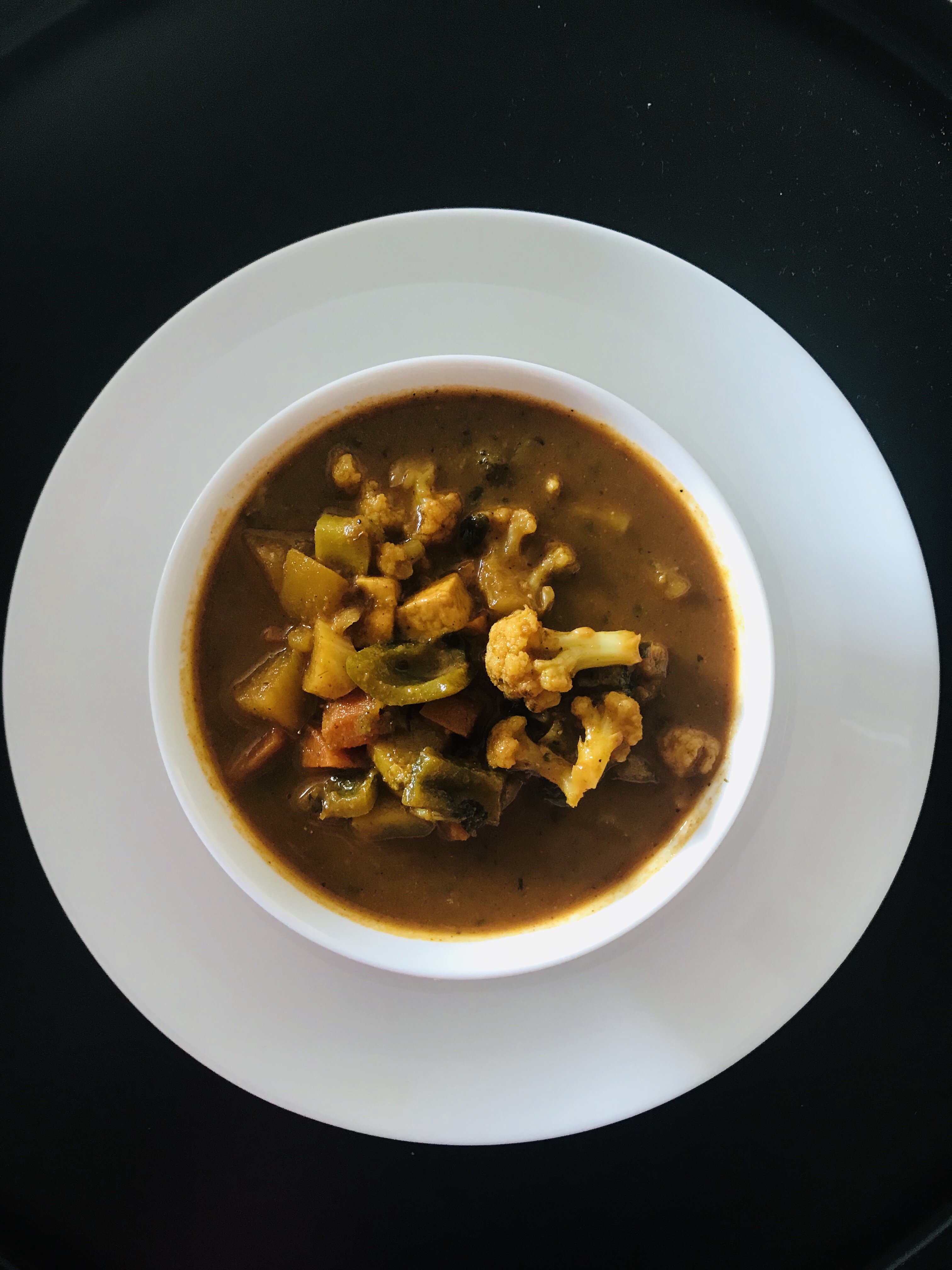
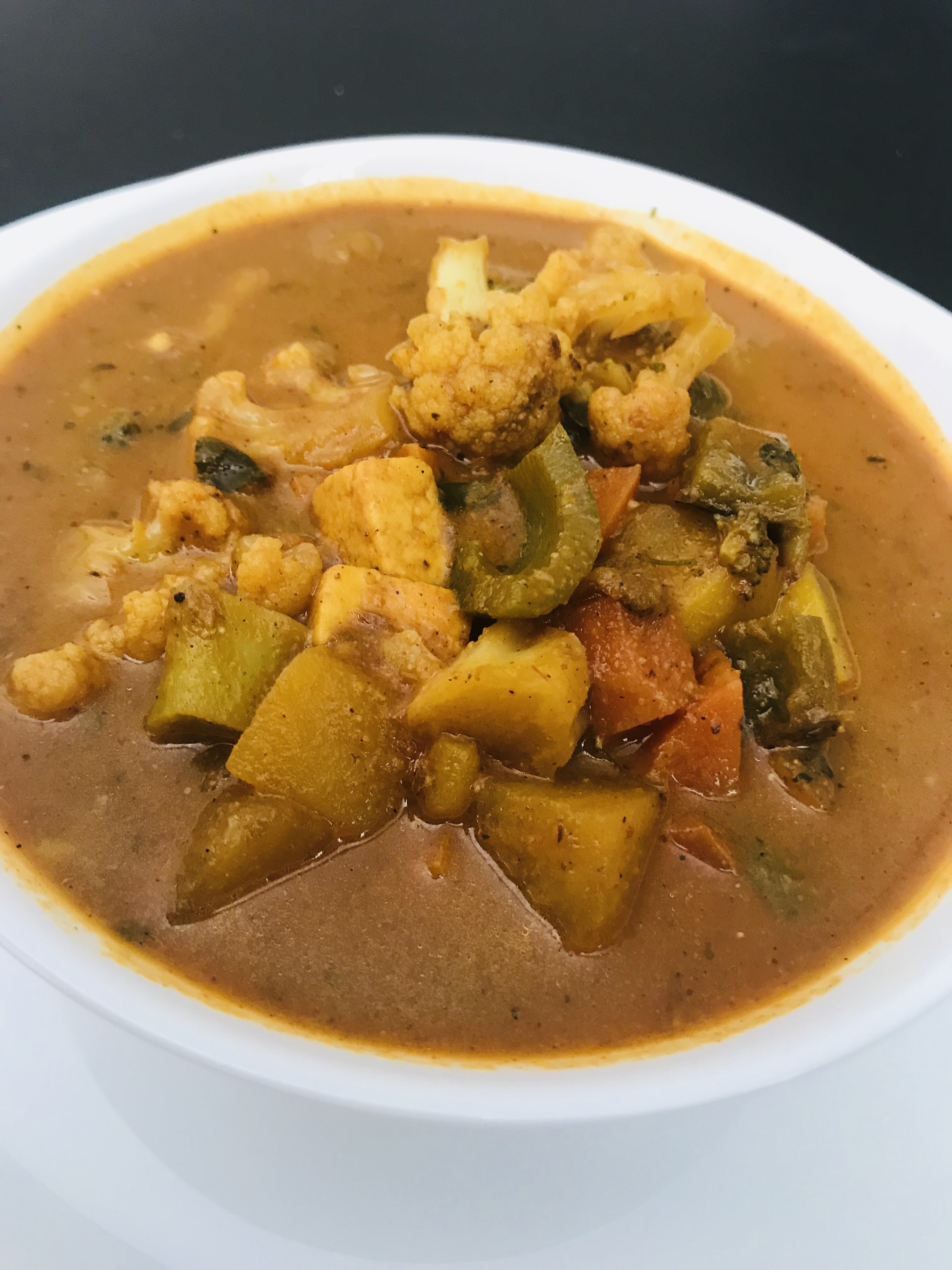
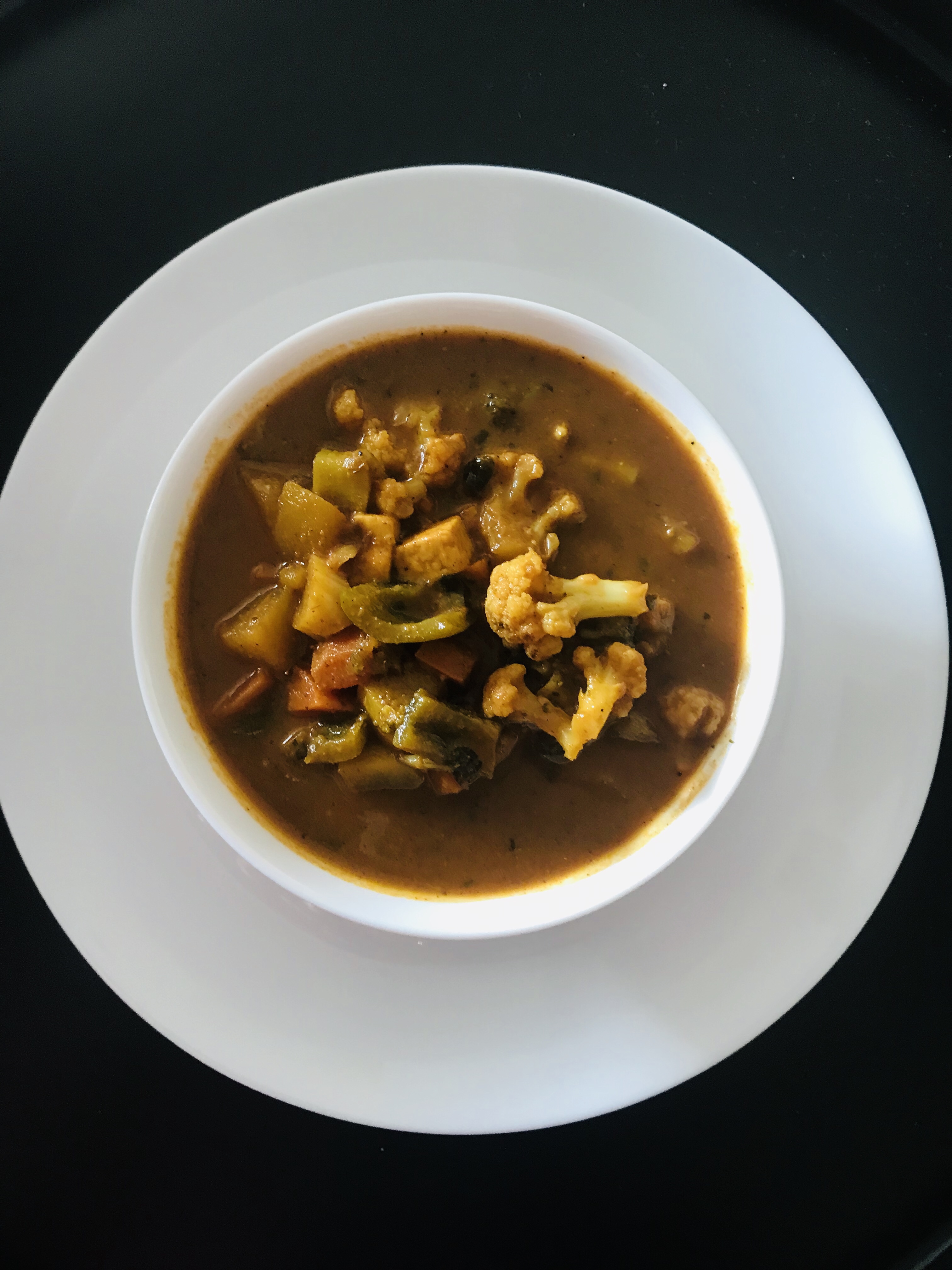
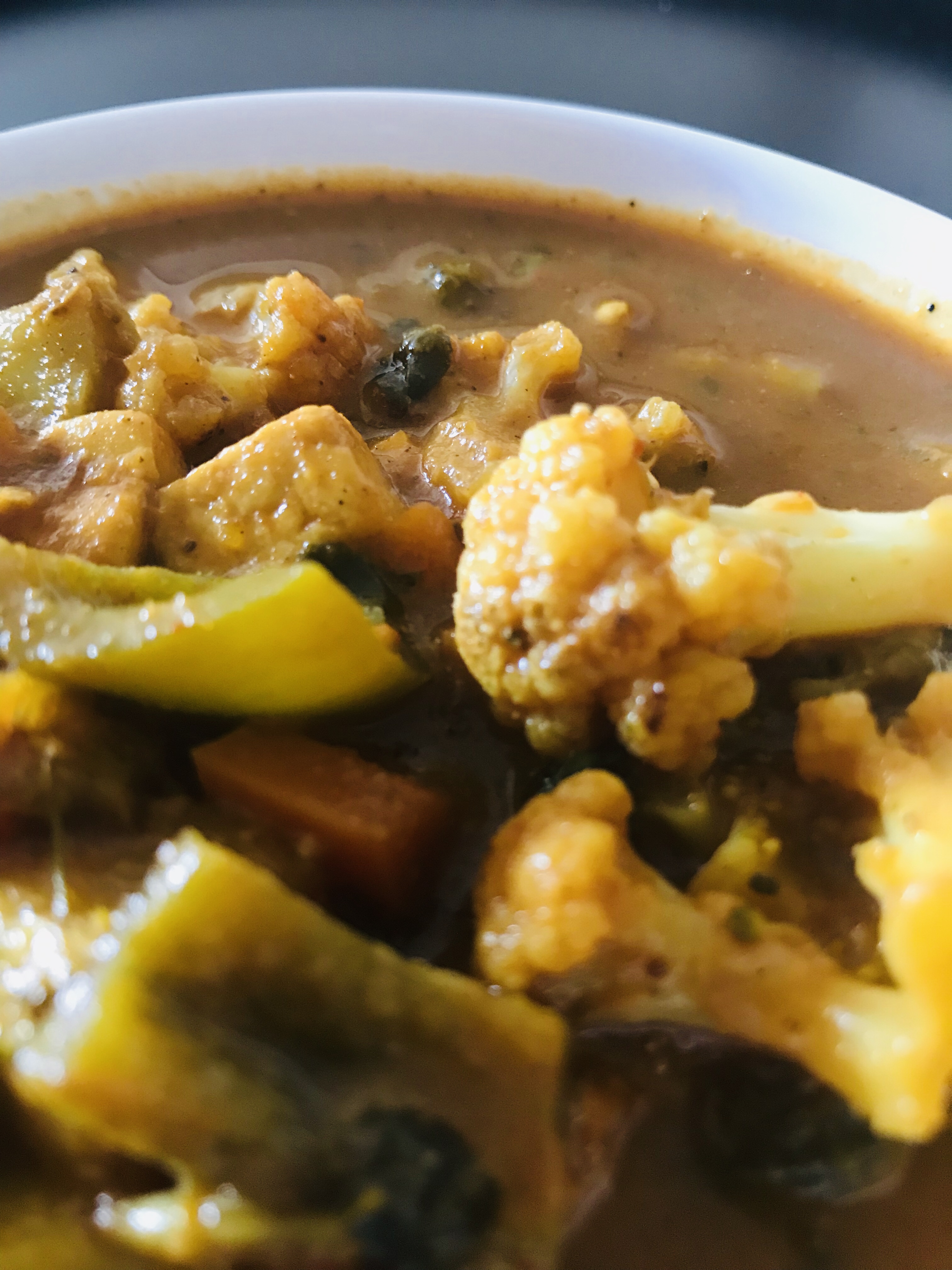
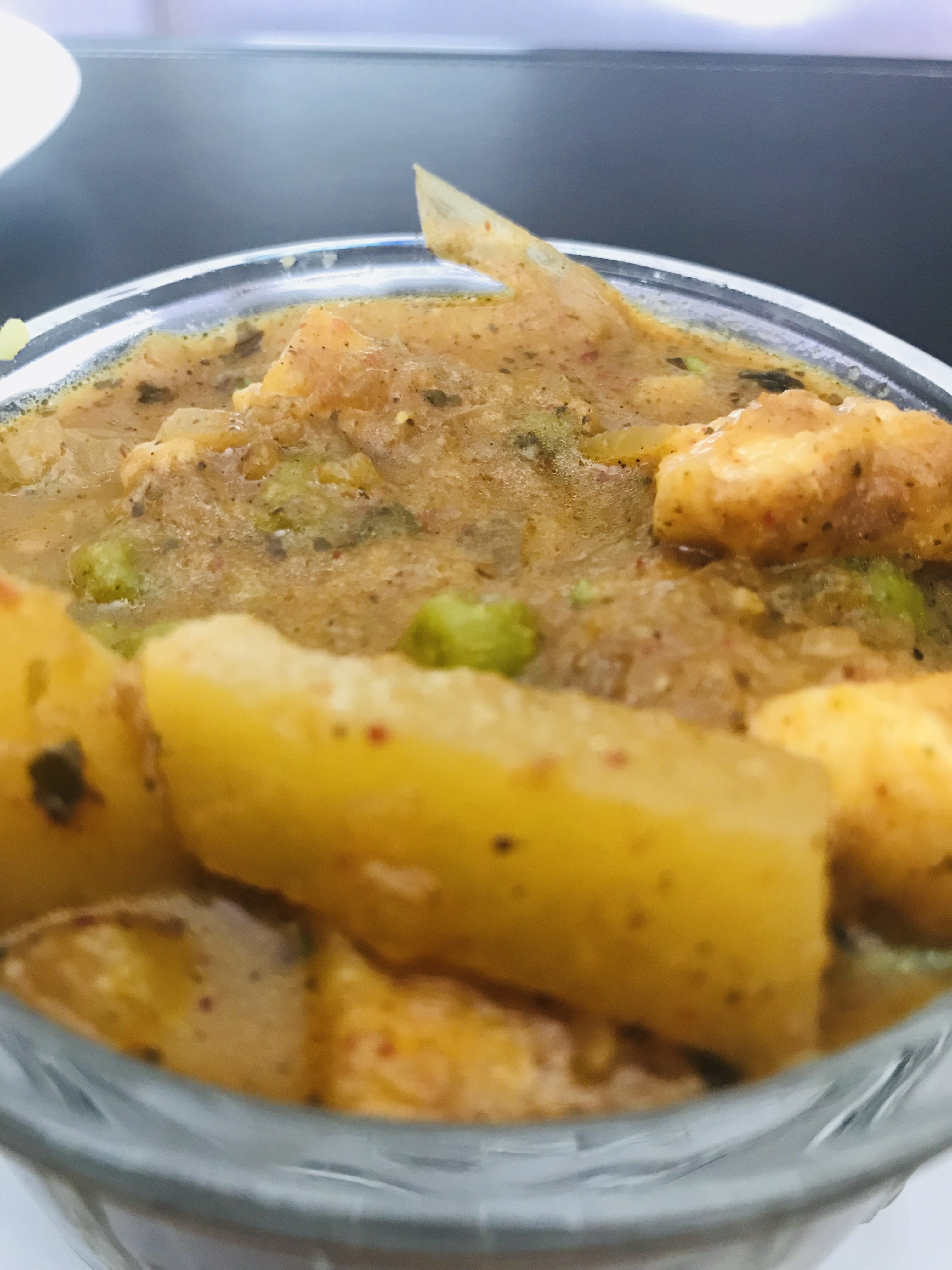
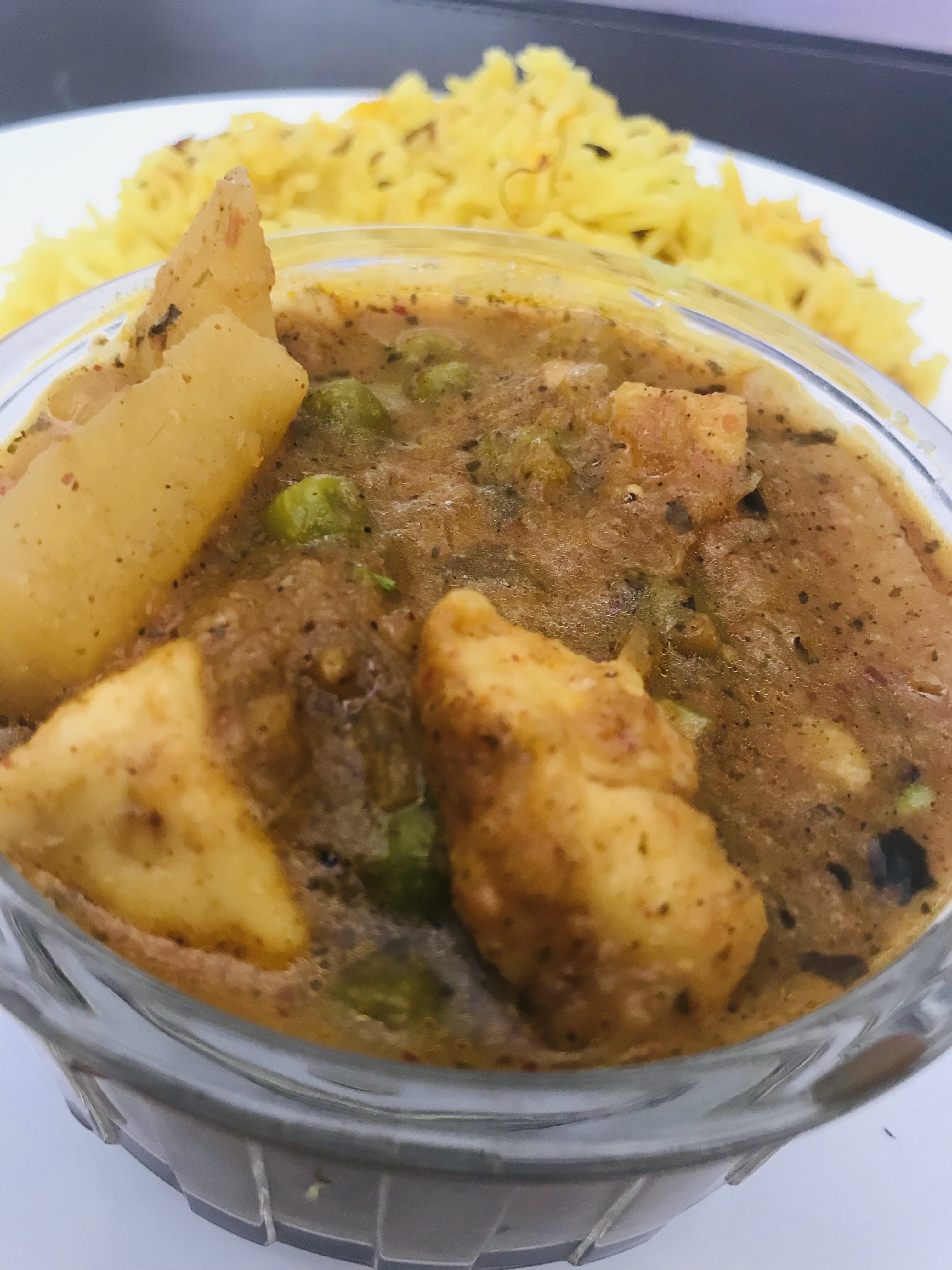
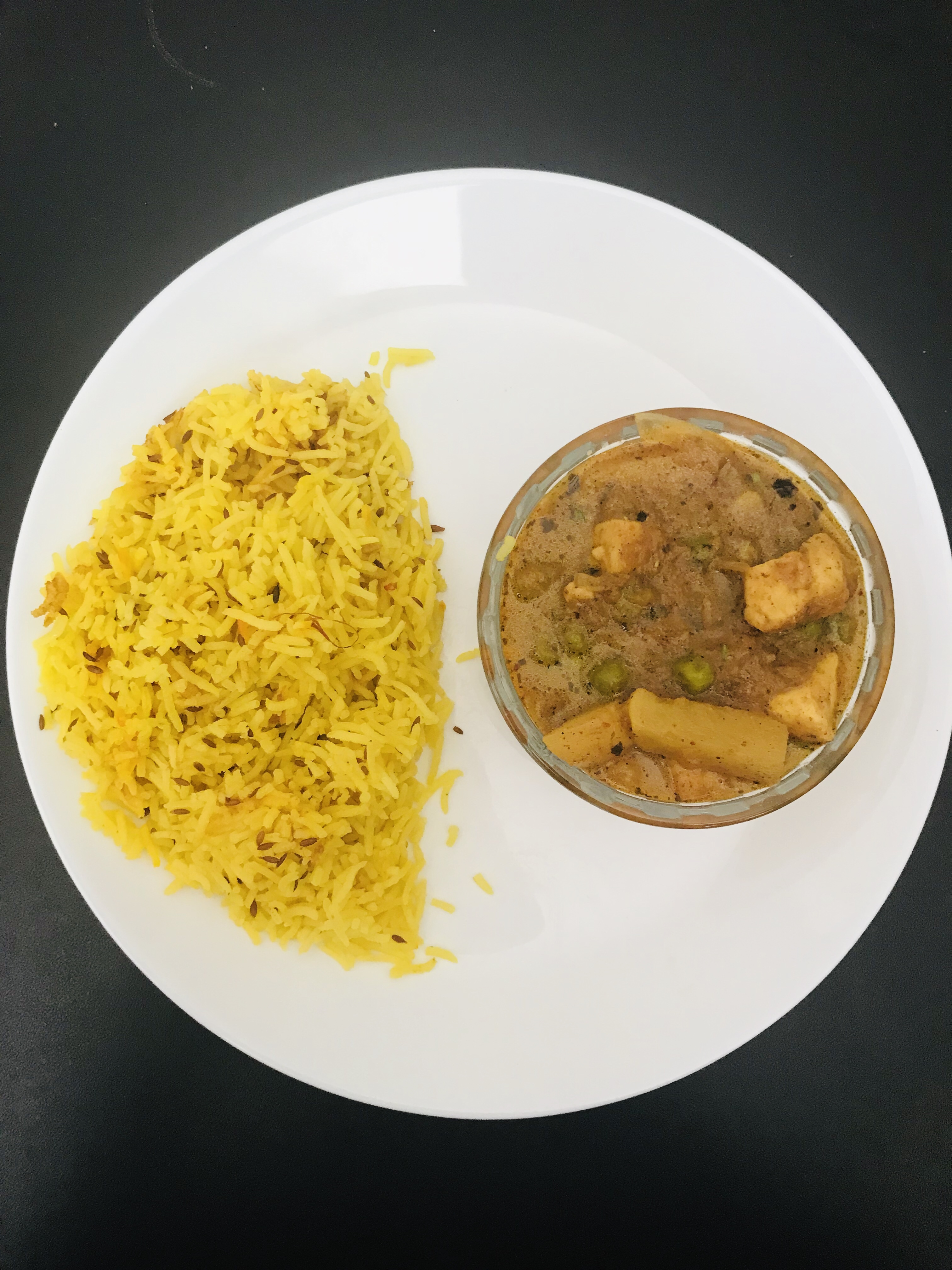
Another Sunday and another recipe. While browsing online for something to pair with my Saffron Cumin Rice, I found a few kadhai vegetable recipes which I modified to make this delicious recipe for our Sunday lunch. It was super yummy and a definite keeper.

Kadhai Vegetables

Ingredients:

For the masala powder:

  • 1 tbsp coriander seeds
  • 1 tsp cumin seeds
  • 2-3 cloves
  • 2-3 green cardamom
  • 1/2 inch piece of cinammon
  • 4-5 dried red chillies
  • 5-7 black peppercorns
  • 8-10 raw cashewnuts
  • 1 tbsp kasuri methi

For the vegetables:

  • 1 carrot
  • 1 medium-sized potato
  • 1/2 cup frozen green peas
  • 1 large sized green bell pepper
  • 2 medium sized onions
  • 1 cup frozen paneer
  • 2-3 tbsp oil

For the Gravy:

  • 1 tbsp oil
  • 1 medium-sized onion
  • 1 inch ginger
  • 4-5 garlic cloves
  • 3 tomatoes
  • 1/4 tsp turmeric powder
  • 1 tsp red chilli powder (or to taste)
  • Salt to taste
  • Coriander leaves to garnish

Method:

  • In a dry pan, dry roast the ingredients for the masala – coriander seeds, cumin seeds, cloves, green cardamom, cinammon, dried red chillies, peppercorns, cashewnuts and kasuri methi – until it becomes fragrant and starts to brown.
  • Remove and keep aside until it is cooled. Then blend using a spice grinder into a fine and smooth powder. Keep aside.
  • In a blender, blend the ginger and garlic and make into a fine paste and keep aside.
  • Soak the frozen paneer in hot water for 20-30 minutes, then drain and keep aside.
  • Chop the carrot, potato and green bell pepper into 1 inch sticks and keep aside.
  • Slice 2 onions and keep aside.
  • In the same pan, heat 2 tbsp oil and one by one, fry the carrot, potato and peas until they are half cooked and start to slightly char. Remove and keep aside.
  • In the same pan, add another tbsp oil and fry the sliced onions until they start caramelising and keep aside. Fry the bell pepper until it is half cooked (it shuld have a bit of crunch in it) and keep aside.
  • Chop the remaining onion finely and keep aside.
  • In thr same blender, blend the tomatoes into a fine puree and keep aside.
  • Heat the balance oil in the pan and when the oil warms up, put in the ginger-garlic paste and saute the paste till the raw smell goes away.
  • Then add the finely chopped onions and saute till it turns translucent.
  • At this point, add the pureed tomatoes and stir well.
  • Add the dried spices (turmeric and red chilli powders) and stir well. Keep stirring occassionally until the gravy starts to thicken and you can see the oil leaving the sides of the pan.
  • Add in the fried carrot, potato and peas and let the vegetables finish cooking completely.
  • Then add the ground masala powder, salt, and about one cup of water and let the gravy simmer on a low to medium heat, covered, for about 5-6 minutes.
  • Then add the paneer, fried onions and capsicum and contine simmering for another 5 minutes. Add more water if needed.
  • Check for seasoning and garnish with coriander leaves and serve hot with rice or rotis.

Recipe: Saffron Cumin Rice

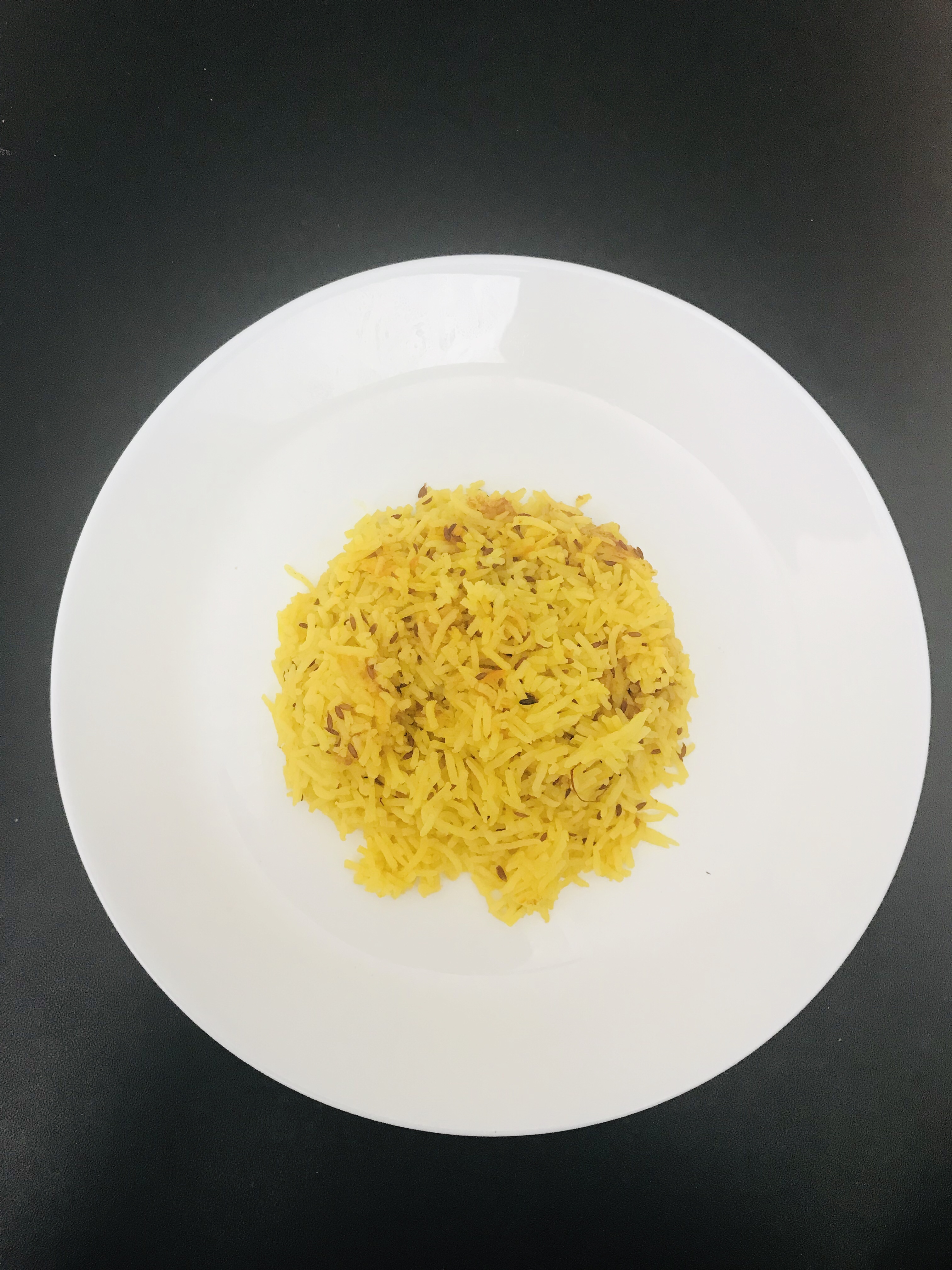
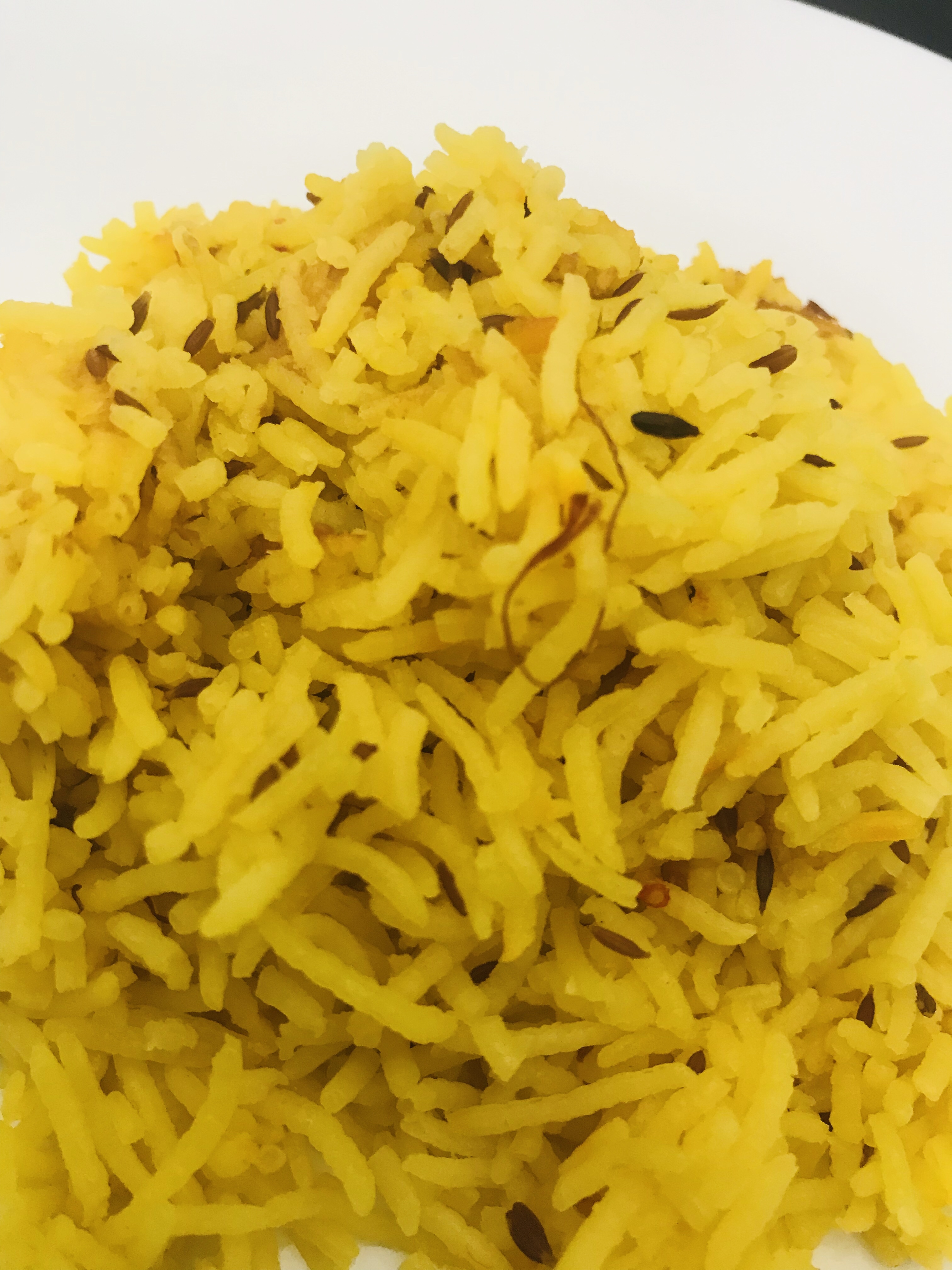
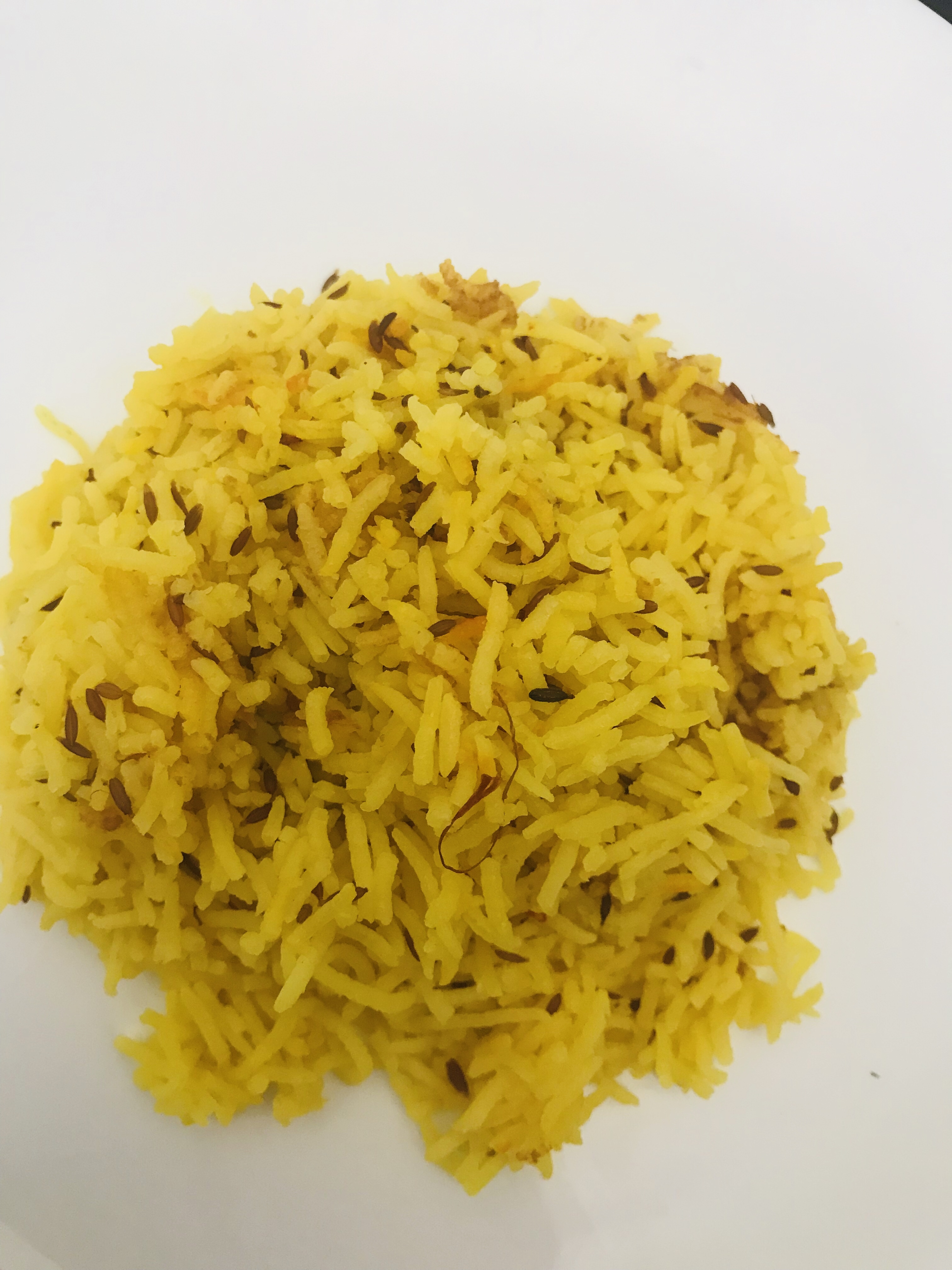
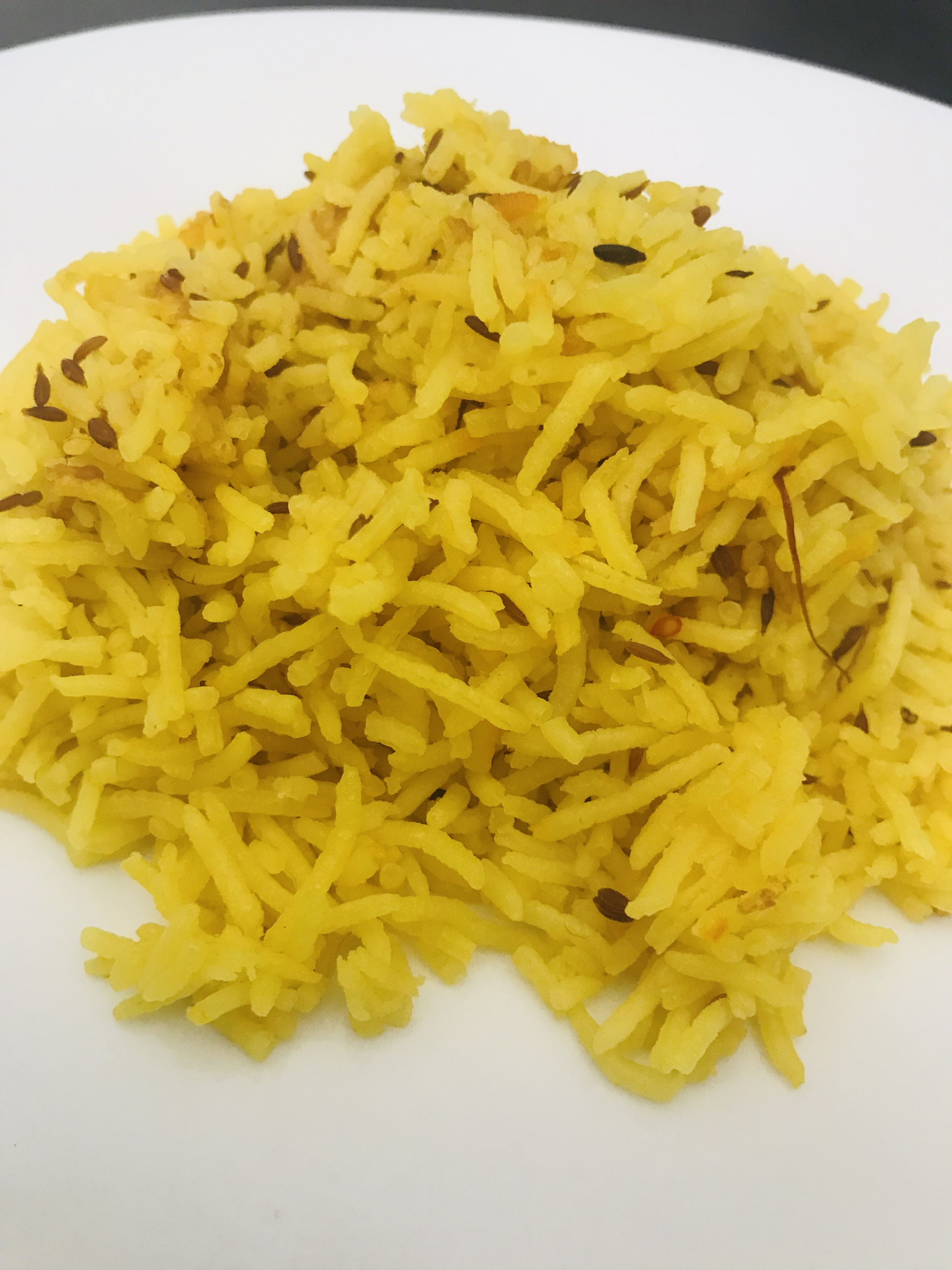
I saw a reference to Saffron Rice in some recipes I was browsing while thinking about what to cook last Sunday. The name intrigued me and I got thinking about how this recipe would look and taste. So I tried making my version and the result was a delicious, fragrant but simple dish which I put together in less than 15 minutes of prep time plus cooking time.

Saffron is a very exotic and expensive spice. It is derived from the flower of Crocus sativus, commonly known as the “saffron crocus”. The vivid crimson stigmata and styles, called threads, are collected and dried to be used mainly as a seasoning and colouring agent in food. Although some doubts remain on its origin, it is believed that saffron originated in Iran, but Greece and Mesopotamia have also been suggested as the possible region of origin of this plant.

Saffron is a powerful antioxidant and is said to have cancer fighting properties. It is also said to reduce heart disease risk factors, lower blood sugar levels and improve eyesight in adults with age-related macular degeneration. It may improve memory in adults with Alzheimer’s disease

Saffron and Cumin Rice

Ingredients:

  • 1 cup basmati rice, soaked in water for 20 minutes
  • 2 pinches saffron
  • 2 tsp cumin seeds
  • ¼ tsp turmeric powder
  • 1 tbsp milk
  • 1 tbsp ghee
  • 1 cup water
  • Salt to taste

Method:

  • Soak the basmati rice for 20-30 minutes and drain and keep aside.
  • Warm the milk in a small container and then put one pinch of the saffron and let the saffron dissolve in the milk.
  • Heat the ghee in a pan and when warm, add the cumin seeds. Let the cumin seeds splutter and then crush the remaining saffron with your fingertips and add to the ghee.
  • Add the turmeric powder and stir for a couple of seconds. The turmeric is added to enhance the colour of the rice plus for its antiseptic properties. So you can omit it if you want.
  • Next add the soaked rice and stir for a few minutes. Stir the dissolved saffron and milk and add this to the rice. Mix well.
  • Add the salt (approximately 1 tsp per cup of rice) and stir well.
  • Transfer to a rice cooker, add the water and cook until it is done. Let it sit in the rice cooker for 10 minutes and then fluff the rice. Serve hot with any gravy vegetable.
  • If you are cooking using the stove top, add the water to the rice while using the pan to fry the rice, then cook it until it is al-dente. Keep an eye on the rice and add more water if needed.

I served this rice with a yummy kadhai vegetable, the recipe which I will share very soon

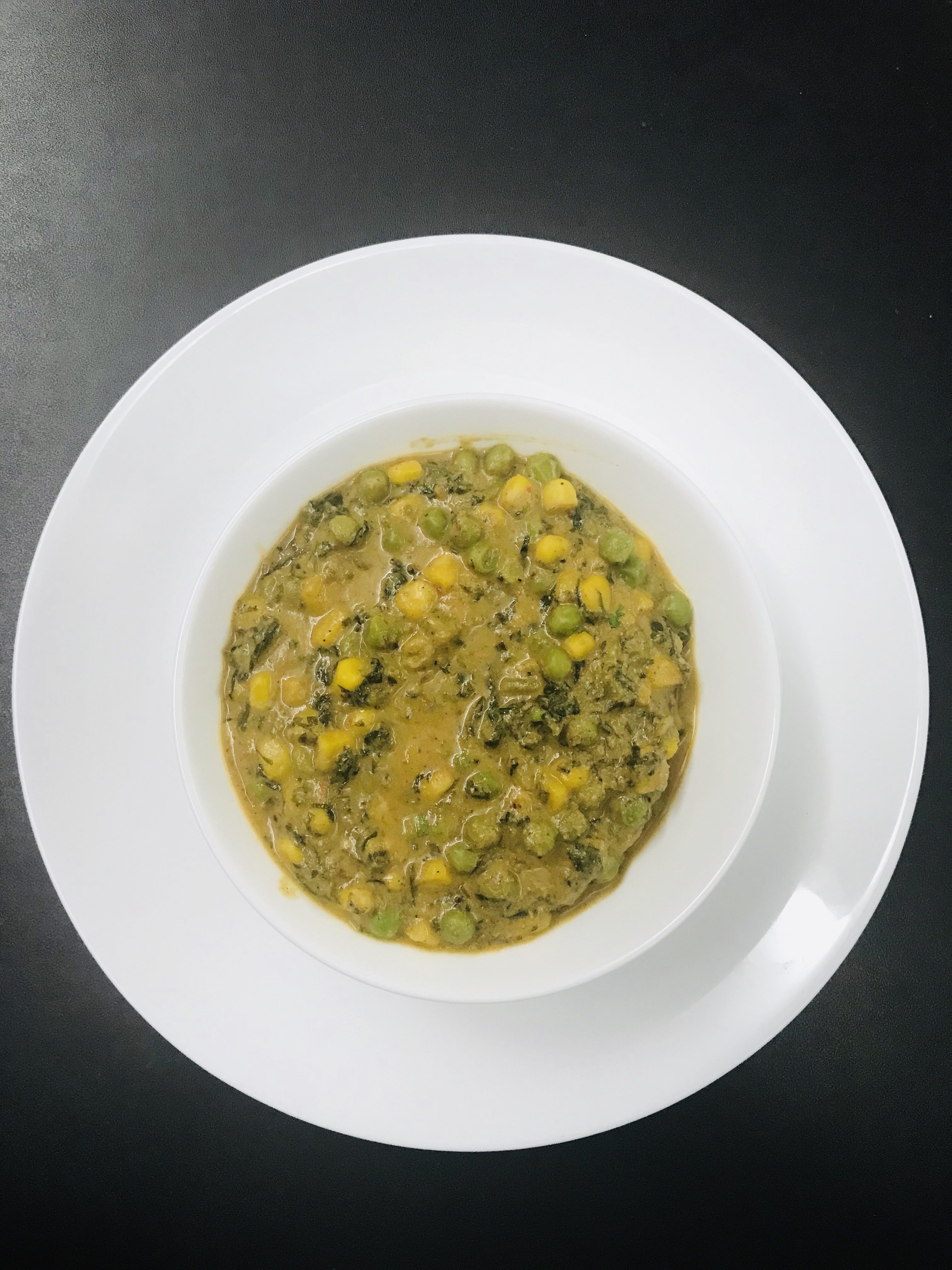
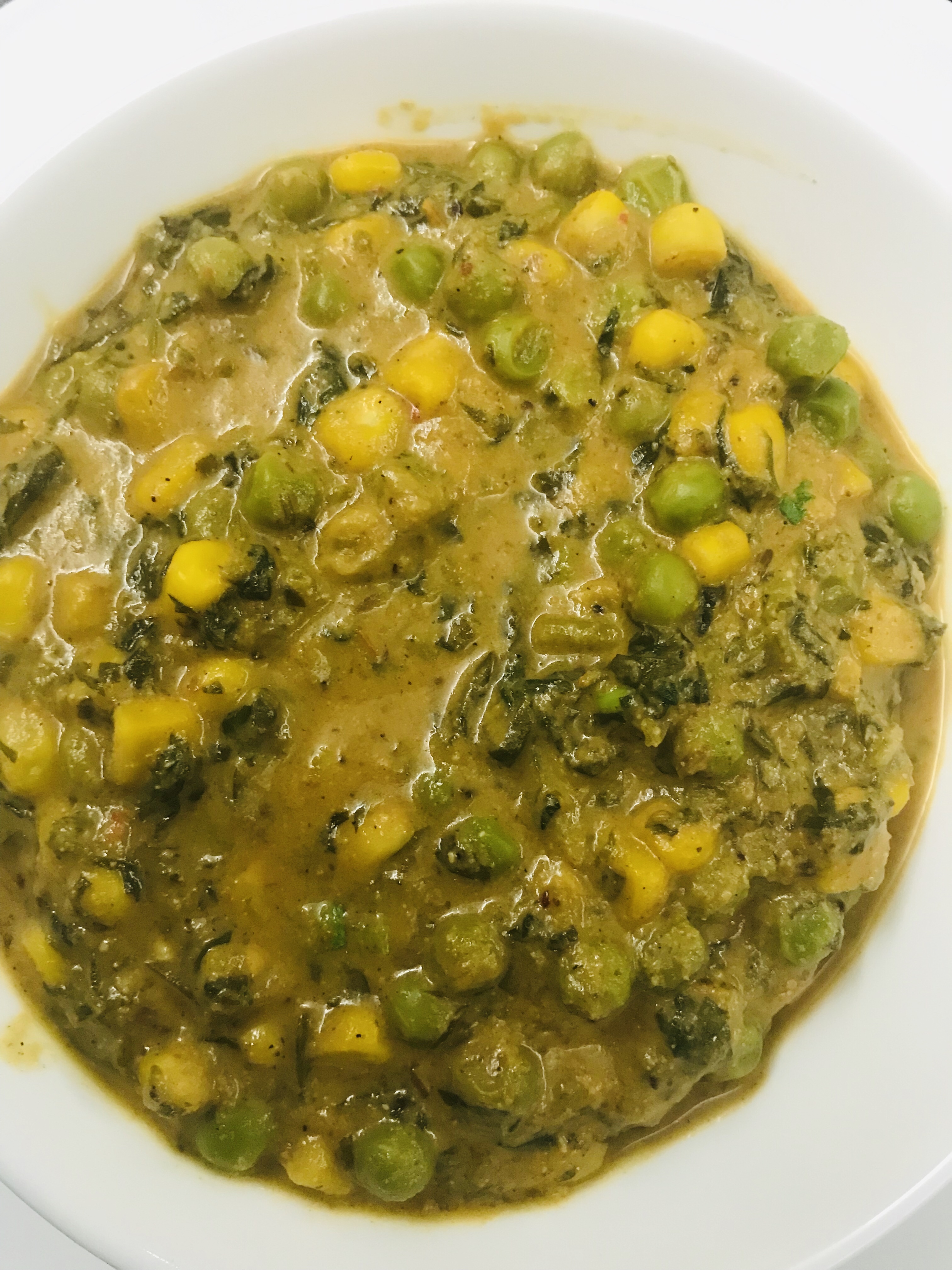
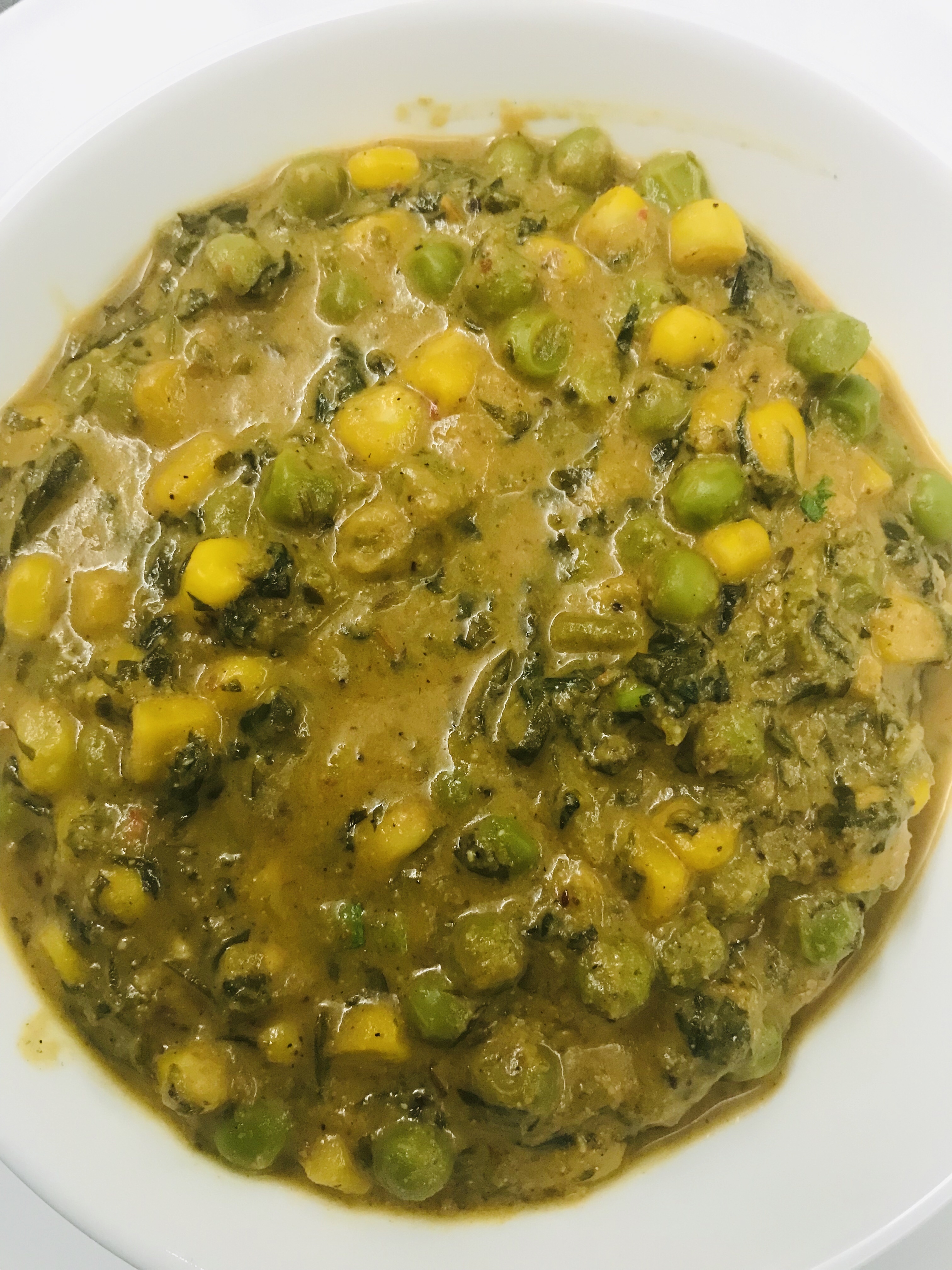
Methi Makkai Mattar or Fenugreek Leaves, Sweet Corn and Peas in Gravy

I had some frozen Methi lying in my fridge and was thinking about how to use it when am idea popped into my head and would not leave. So last week, I decided to try something and just hoped for the best. Luckily for me, the recipe turned out fine and was actually quite good, if I may say so. So here’s the latest experiment from my kitchen.

Methi Makkai Matar or Fenugreek leaves, Sweet Corn and Peas in a Gravy

Ingredients:

  • 1 small cup frozen or fresh methi leaves
  • 1 cup frozen or fresh sweet corn
  • 1 cup frozen or fresh green peas
  • 2 medium sized onions
  • 2 medium sized tomatoes, chppped
  • 5-6 pods of garlic, peeled
  • 1 inch piece of ginger, peeled
  • 3-4 red chillies (I used the small ones, you can also use green chillies)
  • 10 pieces of whole cashew nuts
  • 10 pieces of almonds
  • 4-6 tbsp yoghurt
  • 4 pieces of clove
  • 4 pieces of cardamom
  • 1.5 tsp cumin seeds
  • 1 tsp coriander seeds
  • 1/2 tsp ajwain or carom seeds
  • 1/4 tsp turmeric powder
  • 1 tsp red chilli powder
  • 1/2 tsp coriander powder
  • 1/2 tsp cumin powder
  • 1/2 tsp garam masala powder
  • Salt to taste
  • 2 tbsp finely chopped coriander leaves
  • 4-5 tsp oil

Method:

  • Defrost the frozen vegetables (if using) and lightly cook them in a microwave till they are soft.
  • If you don’t have access to a microwave, then pour boiling water over the frozen corn and peas for 20 minutes, drain and keep aside. Let the frozen methi defrost and keep aside.
  • If you are using fresh methi, pluck and chop the leaves and keep aside.
  • Slice the onions and keep aside. Roughly chop the tomatoes and keep aside. Peel the ginger and garlic and keep aside.
  • In a pan, heat about 3-4 tsp of oil and when the oil warms, add the sliced onions and let it brown. We want the onions to caramelise and become brown.
  • When the onions are about 80% brown, move the onions to the sides of the pan and in the same oil, add the whole spices – 1 tsp cumin seeds, coriander seeds, carom seeds, cloves and cardamom and let them pop.
  • Then add the garlic and ginger and sauté for a minute. Then add the chopped onions and let the tomatoes cook and become pulpy. Switch off the gas and let it cool. Move this to a blender and when fully cool, blend to a smooth paste, adding water if needed.
  • In the same pan, add the balance oil and heat it. When the oil warms, add the remaining cumin seeds and let it pop.
  • Then add the methi leaves and stir for a few minutes. After that, add the corn and peas and salt to taste.
  • Cover and cook until the vegetables are almost done, stirring often.
  • When the vegetables are almost done, add the blended paste and stir.
  • Add some water to thin (but not too much) and then the spice powders – turmeric powder, red chilli powder, cumin powder and coriander powder.
  • In the same blender, whisk the yoghurt well and add it to the gravy.
  • Check for seasoning and add what’s missing.
  • Add the garam masala powder and let it boil on a low to medium flame for 5 minutes
  • Garnish with coriander leaves and serve hot with an Indian bread or even plain rice.

Keerai Sambar or Spinach Sambar

Everyone knows how healthy spinach is. A low calorie vegetable, the spinach is consiidered a superfood and green vegetables like the spinach are very good for skin, hair and bone health. Spinach is a great source of iron and one cup of raw spinach contains as much as 0.81 gm of iron. Spinach is low in carbs but high in insoluble fiber. Spinach also packs high amounts of carotenoids, vitamin C, vitamin K, folic acid, iron, and calcium.

I usually make Spinach Dal, Mor Keerai or even Spinach Rice, but never really tried trying spinach as a sambar. Earlier this week, when making lunch where the other dishes were south Indian, I decided to make spinach sambar as opposed to a dal which was what the children were asking for just so all the dishes were south Indian. The resultant sambar was super yum and it even cooked faster than the usual sambar.

Spinach or Keerai Sambar

Ingredients:

  • 2 cups spinach, washed and chopped roughly
  • 2 medium sized onions, chopped into big pieces
  • 1 gooseberry size tamarind, soaked in hot water for 20-30 minutes
  • 1 cup toor dar, soaked in warm water for 20 minutes
  • 1 tsp mustard seeds
  • 1/4 tsp asafoetida
  • 1 tsp jaggery
  • 2 tsp sambar powder
  • Salt to taste
  • 1 tbsp oil

Method:

  • Cook the toor dal in a pressure cooker or on the stove top till it is cooked and mushy. Beat it well till it becomes a homogenous mass, adding water if it is too thick. Keep aside.
  • Mash and seive the soaked tamarind and thin it till it is at the sourness you like. Keep aside.
  • Heat the oil in a pan and when warm, add the mustard seeds and let them pop. Then add the asafoetida and stir for a few seconds.
  • Now add the chopped onions and stir until they are translucent.
  • When the onions are translucent and soft, add the chopped spinach and let them wilt.
  • When the spinach is wilted, add in the prepared tamarind water and then add the salt, sambar powder and jaggery and let it cook for around 5-7 minutes.
  • When the spinach and onions and completely cooked and the raw smell of tamarind goes away, add the cooked dal to the sambar.
  • Check for seasoning and add what needs to be added. Let the sambar cook for another five minutes and then switch off the flame.
  • Serve hot with a south Indian meal of rice and a stir fry curry.

Notes:

  • If you don’t have access to tamarind pulp, you can also buy tamarind paste which you should get in any Indian store. Use 1-2 tsp (as per your taste)
  • Instead of spinach, you can use any greens for this recipe

Recipes: Bhindi Masala or Okra (Ladies Finger) in a Tomato Gravy

Bhindi or Ladies Finger is one of my favourite vegetables. When fried right, it is crisp and super yummy. I remember my grandmother’s telling us to eat this vegetable when we were young saying that eating this vegetable will improve your brain. Though I have no idea if this is true or just an old wives tale, it did ensure that this became one of my favourite vegetables ever.

Okra is scientifically known as Abelmoschus esculentus, and it might have originated in parts of Western Africa and Asia. It has been cultivated since the 12th century BC. While researching on the benefits of Ladies Finger for this post, I realised that this unassuming vegetable actually has many benefits. Bhindi has one of the richest sources of potassium, folic acid, vitamins B and C, calcium, and fibre. Okra alleviates asthma, lowers cholesterol, protects the heart, manages diabetes, boosts your immune system, improves vision, prevents kidney diseases and is a very good addition for pregnant women to eat.

A note of warning though, this recipe does use more oil than usual, so keep that in mind while making it. If you are on a diet, this recipe is probably not for you. This version of bhindi masala is made using a modified basic Punjabi gravy.

Bhindi Masala

Ingredients:

  • 20-25 ladies fingers, washed and completely dried
  • 1 large and 1 medium sized onion
  • 3 medium sized tomatoes
  • 8-10 garlic pods
  • 1 inch piece of ginger
  • 6-8 pieces of cashewnuts
  • 1 tsp cumin seeds
  • 1-2 tsp red chilli powder
  • ½ tsp turmeric powder
  • 1 tsp cumin powder
  • 1 tsp coriander powder
  • 1 tsp dry mango powder
  • 1 tsp garam masala powder
  • 3-4 tbsp oil
  • Salt to taste
  • 1 tbsp finely chopped coriander leaves to garnish

Method:

  • Make sure the ladies fingers are completely dry. Then top and tail them and cut them into one inch pieces. Keep wiping your knife with a kitchen towel to remove all the slime from the seeds of the okra. Keep aside.
  • Chop the large onion vertically into long thin slices and keep aside.
  • In a blender, blend the ginger, garlic, the medium sized onion, tomatoes and cashewnuts into a fio a fine paste. Keep aside.
  • Heat the oil in a pan and when it is hot, add the okra in batches along with a pinch of salt and let it cook. The okra should turn dark green and crisp. Remove from the pan and keep aside.
  • In the same pan, with the balance oil, add the cumin seeds and when the seeds pop, add the sliced onions. Stir and let the onions become translucent.
  • When the onions become translucent, add in the blended gravy and let it come to a rolling boil. Add in the spices – salt, red chilli powder, turmeric powder, cumin powder, coriander powder and raw mango powder and let it simmer for around 5-10 minutes.
  • Add water to thin the gravy to the consistency you want. Add in the garam masala powder and check for seasoning and add what seems to be missing.
  • Add in the fried ladies finger and give it a simmer and switch off the flame after garnishing with the finely chopped coriander leaves.
  • If you don’t have access to dry mango powder, you can substitute it with 1 tsp lemon juice. Add the lemon juice at the very end, just after you switch off the flame.

This goes very well with both Indian flatbreads and even rice.