Recipe: Mysore Rasam

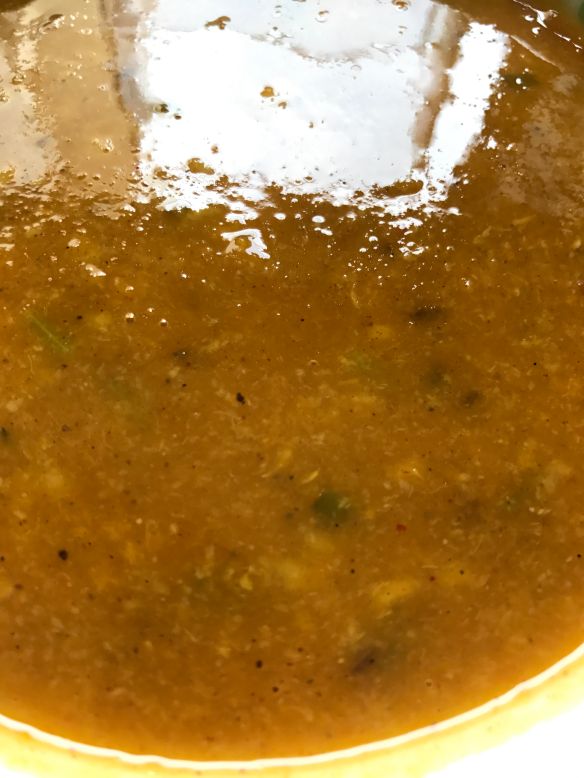
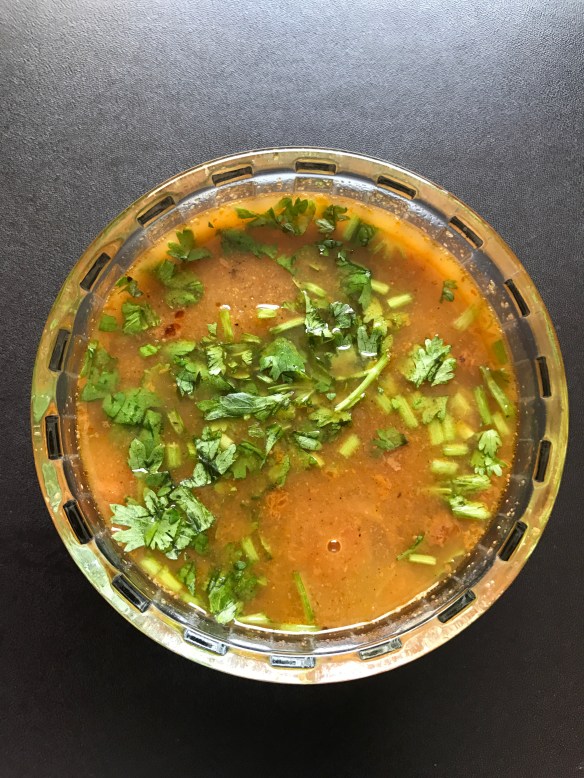
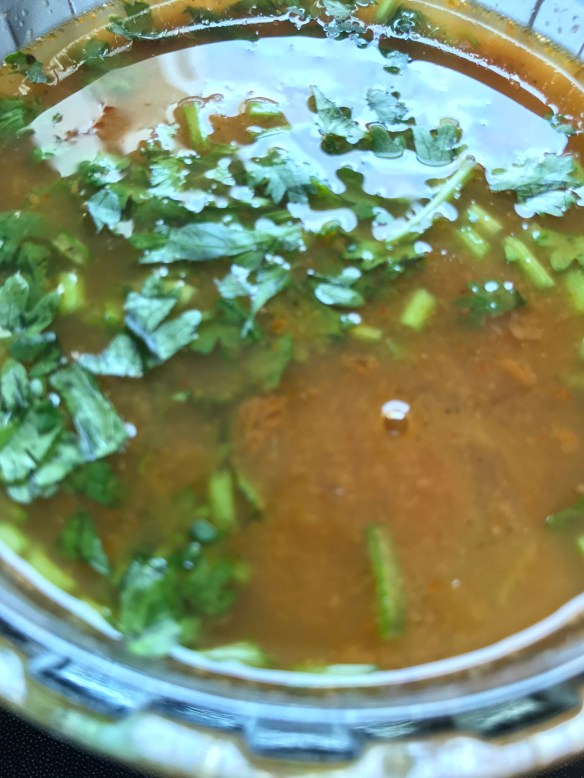
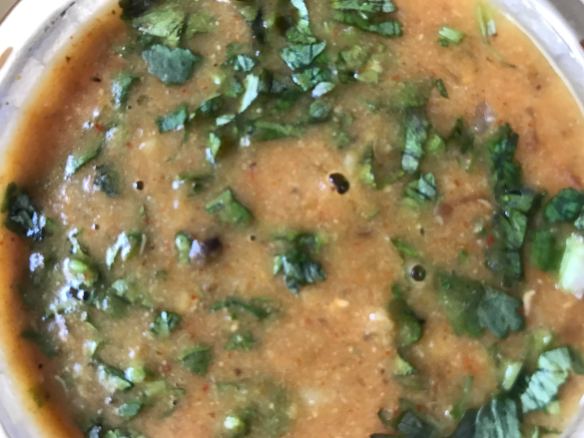
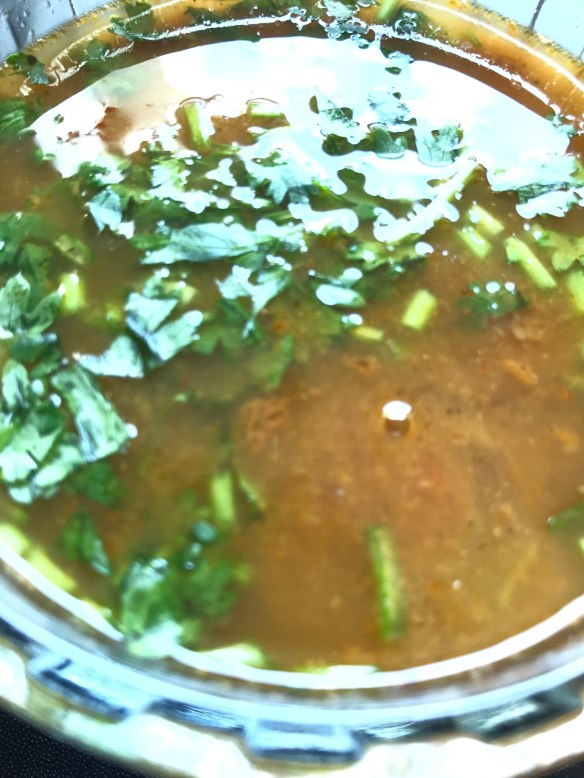
IMG_0639This a very typical rasam made in tambram households, yet at the same time, this is not something we usually make on a daily basis. You can call this a version of the arachavitta sambhar, only this is a rasam. In this recipe, you do not use the rasam powder at all, instead of making the masala paste fresh just before you start cooking.
I know of a friend, when she first got married, had a culture shock of sorts as she had to make the paste for sambhar and rasam on a daily basis as her in-laws did not like to use powders for the two items. So what we used to eat on special occasions, she had to cook daily. Now after years of marriage, she has converted her husband to liking rasams and sambhars made with powders, so things are a lot easier for her now.

I made this over the weekend when I was bored of making the same three-four things over and over. It does take a bit of time to make, but the end result is lip-smackingly delicious. You can also drink this as a spicy soup, especially when the weather is cold or rainy.

IMG_0641Mysore Rasam

Ingredients:

  • 1 cup toor dal, washed and cooked until done in a pressure cooker or on the stove. The dal has to be mushy and has to be completely disintegrated
  • 1 small, lime-sized ball of tamarind, soaked in warm water for 20-30 minutes and the pulp squeezed and water extracted. Alternatively, use 2-3 tbsps of tamarind paste
  • 2 tomatoes, quartered and halved again
  • 1 tsp jaggery. You can omit this or substitute brown or white sugar instead
  • Salt to taste
  • 1/4 tsp asafoetida powder
  • Coriander leaves to garnish

To be ground into a paste

  • 4-5 dried red chillies
  • 1 tsp peppercorn
  • 1.5 tsp coriander seeds
  • 1 tsp chana dal
  • 2 tbsps grated coconut
  • 1 tbsp ghee

To temper

  • 1 tsp ghee
  • 1 tsp mustard seeds
  • 1 tsp cumin seeds
  • 4-5 curry leaves

Method:

  • In a pan, heat the ghee and fry the dried red chillies, peppercorn, coriander seeds and chana dal till they start turning brown. Now add the grated coconut and fry until the coconut loses its moisture and turns brown. You need to keep stirring once you add the coconut, otherwise, the coconut will burn.
  • Cool this and when cool, grind this to a smooth paste and keep aside.
  • In a large vessel, add the tamarind water,  some water to reach the level of sourness you want, the chopped tomatoes, salt and asafoetida powder and let it boil.
  • Boil for a while till the raw smell of the tamarind goes away and then add the mashed dal and let it boil for a couple of minutes more.
  • Now add the blended masala paste and let it boil well till it comes together. Add the jaggery if you are using it this point.
  • The rasam will start frothing and at this point, add around 1/2 cup water and when it starts to boil again, switch off the flame and remove the rasam. Check for seasoning and adjust if needed.
  • In a smaller skillet, heat the ghee and when it is warm, add the mustard seeds. When the seeds pop, add the cumin seeds and the curry leaves. Pour this over the rasam. Garnish with coriander leaves and serve with hot rice and a vegetable of your choice.

IMG_0637

IMG_0642

IMG_0640


Recipes: Spinach Dal

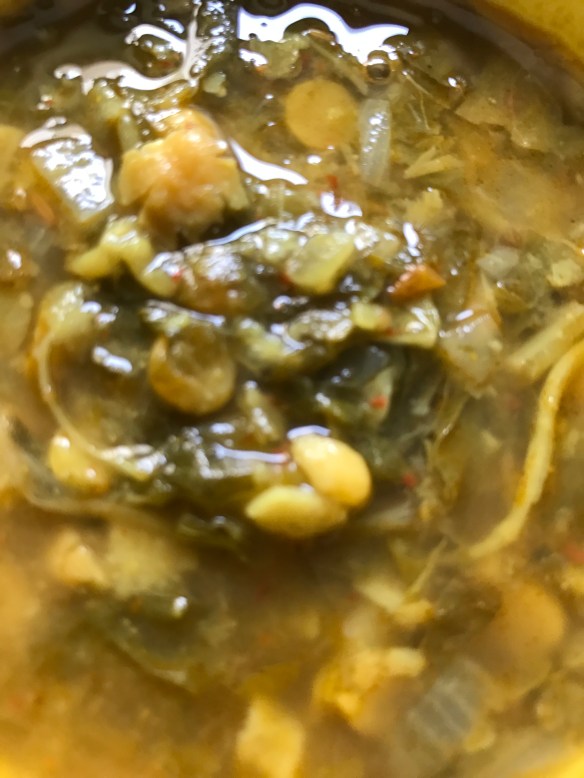
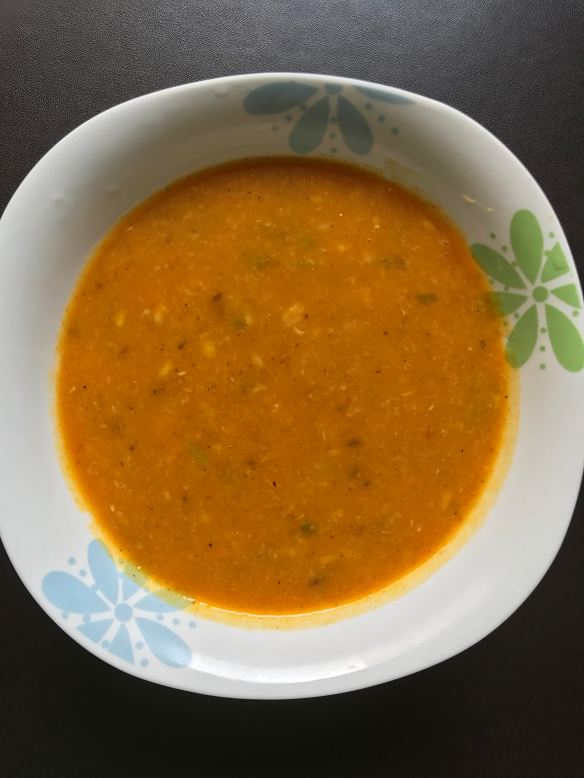
IMG_0611A perennial favourite in our home, I make this quite often, sometimes as often as once a week! BB also loves this dal and even has it as a soup!

IMG_0612Spinach Dal

Ingredients:

  • 1 cup spinach (or any greens), chopped and washed well
  • 1 cup chana dal, soaked in water for 10 minutes and then drained
  • 2 onions, finely chopped
  • 2 tomatoes, finely chopped
  • 1 tsp ginger paste or 1-inch piece of ginger, grated
  • 1 tsp garlic paste or 5-6 pods of garlic minced
  • 1 tsp mustard seeds
  • 1 tsp cumin seeds
  • ½ tsp turmeric powder
  • 1-2 tsp red chilli powder
  • 1 tsp cumin powder
  • 1 tsp coriander powder
  • 1 tsp sambar or garam masala powder
  • 1 tsp amchur powder (optional)
  • Salt to taste
  • 2 tsp oil

Method:

  • Heat a large pan (or even the pressure cooker you plan to cook the dal in) and add the oil to it.
  • When the oil warms, add the mustard seeds and let it pop. Then add the cumin seeds and turmeric powder and stir for a couple of seconds.
  • Now add the ginger and garlic and stir each for a few seconds each before adding the other.
  • When the ginger and garlic start browning, add the onions and saute till they turn translucent.
  • Next, add the tomatoes and a bit of salt and let it cook. Add the dry masalas also at this point – red chilli powder, cumin powder, coriander powder, sambar or garam masala and amchur powder (if you are using it).
  • When the tomatoes start becoming mushy, add the spinach (or greens) and let them start wilting.
  • When the spinach starts wilting and cooking, add the soaked and drained dal and cook for a few minutes.
  • Add 2 cups of water and cover and pressure cook for 3 whistles.
  • If you are not using a pressure cooker, cover and cook till the dal is completely cooked and soft.
  • Chana dal will not lose it shape unlike other dals, so check when it is done.
  • When the pressure cools down, open the cooker and check for seasoning. Add what you feel is lacking and turn off the flame.
  • Serve with any rice or flatbread of your choice.

IMG_0618

IMG_0614

IMG_0613

Recipe: Spicy Mixed Dal

mixed-dal-1

One weekend, when vegetables were low and I was bored of making the same dishes all the time, I decided to make something different. So I found this mixed dal recipe from Tarla Dalal and made it with some slight tweaks, based on what I had available in my pantry.

mixed-dal-4

Spicy Mixed Dal

Ingredients:

  • 2 tbsps split yellow moong dal
  • 2 tbsps urad dal
  • 2 tbsps chana dal
  • 2 tbsps toovar dal
  • 2 tbsp whole green moong dal
  • 1 tsp turmeric powder
  • 1 tsp cumin seeds
  • 2 onions, finely chopped
  • 2 tomatoes, finely chopped
  • 5-6 cloves of Garlic
  • 1-inch piece of Ginger
  • 4-5 fresh red chillies
  • 2 tsp garam masala powder
  • 2 tsps (more or less) red chilli powder
  • 2 tsps coriander powder
  • 2 tsps cumin powder
  • 2 tbsps Ghee or oil
  • 1 cup of beaten yoghurt
  • Salt to taste
  • Coriander leaves to garnish

Method:

  • Wash all the dals. Soak them in hot water for 20 – 30 mins and then cook them in a pressure cooker along with 1/2 tsp turmeric powder until mashed well.Allow the steam to escape and then open the lid.
  • In the meantime, blend the ginger, garlic and red chillies into a smooth paste and keep aside.
  • In a small pan, heat the ghee and add the cumin seeds, then the onions and saute till the onions are slightly translucent.
  • Now add the ginger, garlic, chilli paste and saute till the oil starts coming out.
  • Then add the tomatoes and the dry spices (remainder of turmeric powder, red chilli powder, coriander powder, cumin powder and garam masala powder) and saute for a while.
  • When the oil starts to come out, add the yoghurt and stir continuously on a medium flame till the mixture comes together.
  • Pour this gravy into the cooked dal and mix well. Check for seasoning and cook for around 10 minutes till the dal is completely mashed and mixed well.
  • Season with coriander leaves and serve with any rice or roti.

mixed-dal-5

mixed-dal-2

mixed-dal-3


Recipe: Sindhi Kadhi

sindhi-kadhi-2

Growing up in Mumbai, my closest neighbours were people who had fled Sindh in Pakistan after the partition and came to India as refugees. They were a joint family of four brothers and their families and the children in that family and me and my sister grew up together. Our front doors faced each other and growing up, the doors were only closed in the afternoons and at night. We were in and out of each other’s homes all the time and so food became one of the things we shared. Avial, sambhar, Idli, Dosai etc were favourites from our home to theirs and Samosas, Koki (a type of parathas), Sai Bhaji etc were our favourites from their home. I learnt to make many dishes from the aunties in that home and my mum learnt to make Sindhi Kadhi, which is a gravy dish from them too.

Over the Chinese New Year weekend, when I was wondering what to make for a sudden lunch invite to S’ uncle and aunt, I decided to make this version of Sindhi Kadhi. I didn’t exactly remember how my mum made it, so I turned online to source for a recipe. I used this recipe from Sanjeev Kapoor as my guide but played with it a bit. The main ingredient, as I remember used to be okra or ladies finger, but since I didn’t have that, I omitted it and added other vegetables.

sindhi-kadhi-1

Sindhi Kadhi

Ingredients:

  • 4 tsp gram flour or besan
  • 1 drumstick
  • 2 potatoes
  • 2 carrots
  • 7-8 beans
  • 1/2 tsp asafoetida
  • 1/2 tsp fenugreek seeds or methi
  • 1/2 tsp cumin seeds
  • 6-8 curry leaves
  • 3 tbsps oil
  • 2 tomatoes
  • 1/4 tsp turmeric
  • 1/2 tsp red chilli powder
  • 1 lemon sized ball of tamarind or 2 tbsp tamarind pulp
  • Salt to taste

Method:

  • In a large bowl, add the tamarind and pour hot water into it. Leave it for 20-30 mins and when cool to touch, squeeze the pulp and remove it. Strain the tamarind water and keep aside.
  • Chop all the vegetables into largish cubes and cut the drumstick into around 1.5-inch sticks.
  • Heat 2 tsp oil in a pan and stir fry the vegetables for a few minutes and aside.
  • In the same pan, heat the remaining oil and add the asafoetida, mustard seeds, fenugreek seeds, cumin seeds and curry leaves to the pan and sauté until fragrant.
  • Then add the gram flour and sauté until fragrant. Do not allow the gram flour to burn. When you smell a nice aroma from the gram flour, add around 1.5 cups of water and whisk well until the mixture is very smooth.
  • The mixture will thicken very quickly so you can add another cup of water to thin it. Add the sautéed vegetables.
  • In a hand food processor, crush the tomatoes or grate or chop them into very fine bits. Add this to the gravy which should be bubbling away by now. Add turmeric powder, red chilli powder and salt and mix well.
  • When the vegetables are almost cooked, add the tamarind juice or pulp and let them blend well. If the gravy is too thick, you can thin it with some water.
  • Check for seasoning and add what is missing and serve hot with rice.
  • I served this with my Caramelised Onion Pulao and a raita

sindhi-kadhi-1


Recipes: Caramelised Onion Pulao

caramelised-onion-pulao-3

Over the Chinese New Year long weekend, suddenly S’ aunt and uncle said they would be coming to meet us. So we invited them to lunch instead. Since this was literally a last minute invite, I did not have any time to plan a meal and also since the shops were closed for the new year, I could not top up any groceries. So I made a meal with what I had at home. I made this Caramelised Onion Pulao which is inspired by a Sindhi rice dish I’ve eaten at my neighbour’s house in Mumbai called Bugha Chaanwara. I served this with a classic Sindhi Kadhi and some raita. A simple, but very satisfying meal.

caramelised-onion-pulao-1Caramelised Onion Pulao

Ingredients:

  • 2 cups basmati rice, soaked in water for 20 minutes and drained
  • 3 onions, finely sliced
  • 1 tsp cumin seeds
  • 4-5 cloves
  • 4-5 cardamom pods
  • Salt to taste
  • 2 tbsps ghee or oil
  • a handful of cashew nuts
  • 2 cups water

Method:

  • In a pan, heat the ghee or oil and when warm, add the onions and stir them to brown them.
  • Keep stirring and make sure they brown but do not burn. Stir them until they caramelise and become crisp.
  • Move the onions to the side of the pan and in the balance ghee or oil, add the cashewnuts and let them brown.
  • Next, add the cumin seeds and stir for a few seconds followed by the cardamom pods and cloves.
  • Now add the drained rice and salt to taste and stir well till the rice is completely mixed with the onions
  • Move this mixture to a rice cooker, add water and cook till done.
  • If you are cooking this on the stovetop, add water and check periodically till the rice is completely cooked.
  • The end result is a slightly brown and sweet rice which goes with any gravy.

caramelised-onion-pulao-2