Recipes: Pune Style Maharashtrian Misal

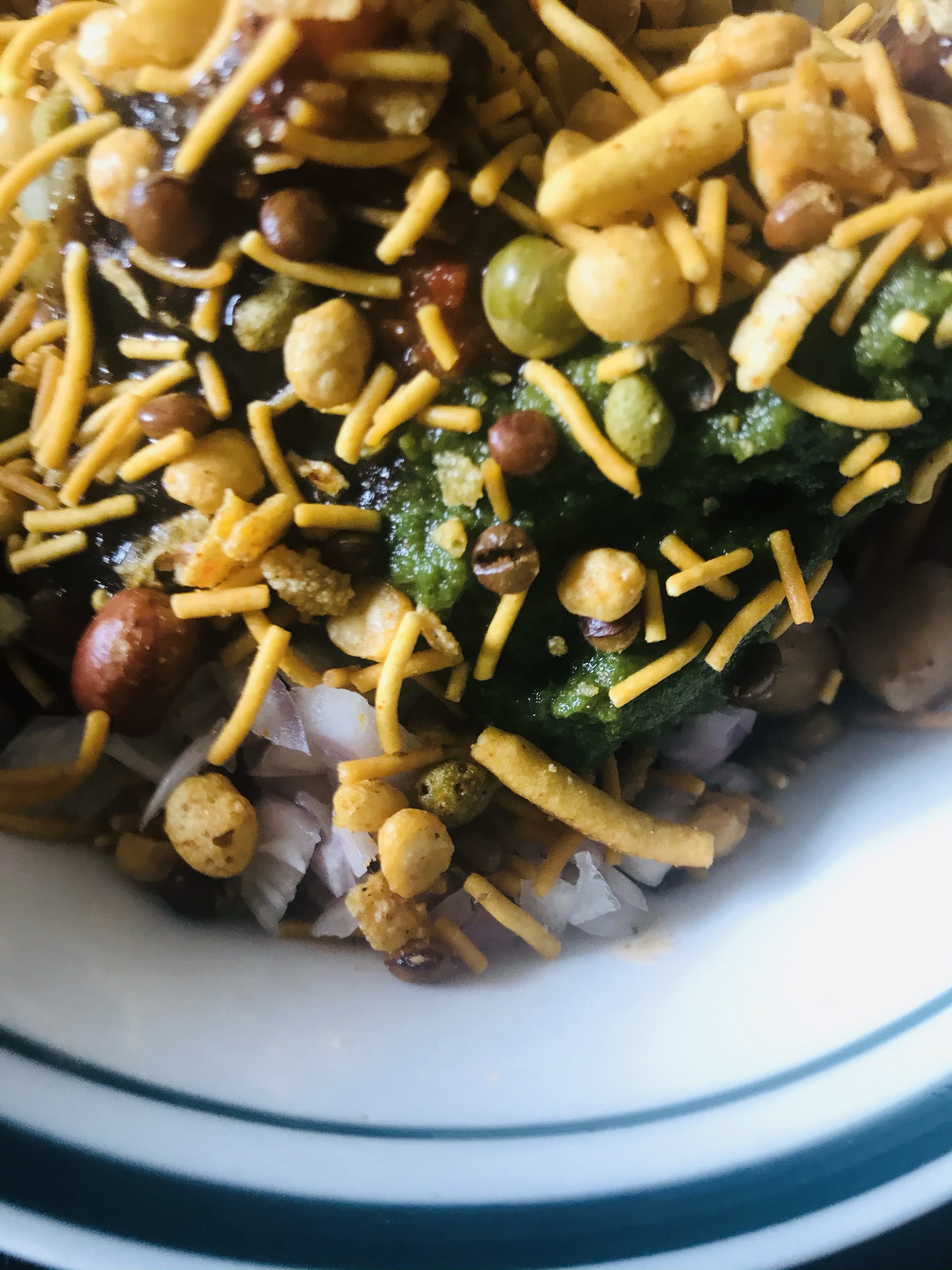
Misal is probably a quessiantial Maharashtrian dish, you will find it in every corner of the state and each city, town or district has their own variation of this dish. Misal pav consists of usal which is a spicy curry usually made from moth beans, which I think is called haricot beans and pavwhich is a type of an Indian bread roll. The final dish is topped with farsan which are dry snacks or sev, onions, lemon and coriander. It is served as a breakfast dish, as a snack and also as a full meal.

I have been wanting to try and make this for the longest time, but somehow the fact that this is quite a lengthy recipe to make always put me off. Then one Sunday, I finally decided to make it. I read up a few recipes and then did it my own way. Traditionally Misal is made with sprouted green gram or sprouted brown gram, but I decided to make this more healthy by incorporating many dried beans and also since this was a fairly last minute decision, I did not sprout the beans and just soaked them in water. The version I have made is in the Pune style which incorporates poha or flattened rice flakes, while the Nashik version is usually spicy and served with pav, curd, chopped coriander and onion.
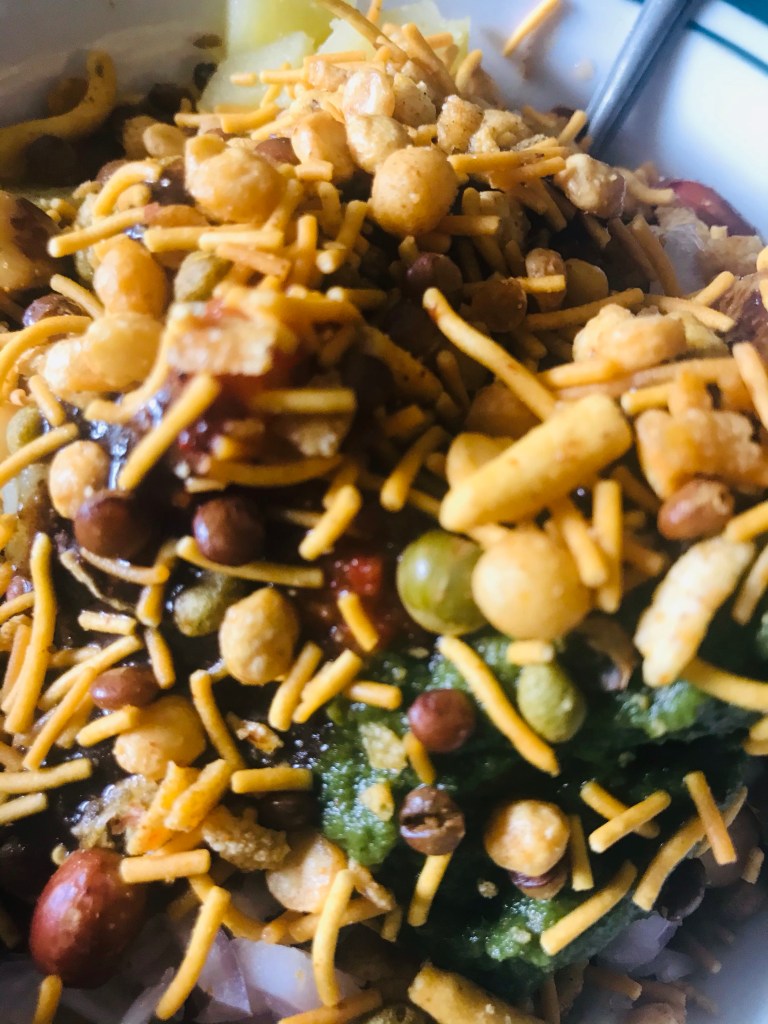
Pune Style Maharashtrian Misal

Ingredients:

For the Usal

  • 1.5 – 2 cups mixed dried beans soaked in water overnight (I used a mixture of dried chickpeas, dried black-eyed peas, dried green peas, dried black beans and black chickpeas, but you can use what you have in the kitchen)
  • 1 tbsp oil
  • 1 tsp mustard seeds
  • 5-8 curry leaves
  • 2 medium sized onions, chopped finely
  • 3-4 medium sized tomatoes, chopped finely
  • 1 tbsp tamarind pulp
  • Kashmiri red chilli powder to taste
  • 1 tsp coriander powder
  • 1 tsp cumin powder
  • ¼ tsp turmeric powder
  • ¼ tsp asafoetida powder

For the dry masala paste

  • 1 tbsp cumin seeds
  • 1 tbsp coriander seeds
  • 1 tbsp sesame seeds
  • 7-8 pepper corns
  • 5-6 dried red chillies
  • 1 inch piece of cinammom
  • 4-5 cloves
  • ¼ cup dessicated coconut

For the wet masala paste

  • 1 medium sized onion
  • 1 bulb garlic, peeled
  • 1 inch piece ginger

For the poha

  • 1 cup poha or flattened rice flakes
  • ¼ tsp plus a pinch turmeric powder
  • 1 tsp sugar
  • ¼ tsp asafoetida powder
  • 1 small onion, finely chopped
  • Salt to taste
  • 1 tsp oil

To serve

  • 2-3 onions, finely chopped
  • 2 medium sized potatoes, boiled, peeled and chopped into small pieces
  • 1 cup mixed farsan
  • Date Tamarind chutney (optional)
  • Green Coriander chutney (optional)
  • 1 cup beaten yoghurt mixed with rock salt

Method:

  • Cook the soaked dals in a pressure cooker with a bit of salt and cook till the beans are soft, but not overcooked. Let it cool and keep aside. Don’t drain the water it has been cooked in.

For the dry masala

  • In a dry pan, heat the masala ingredients except the coconut and let them brown.
  • When the dry spices become brown and start to emit an aroma, add the desiccated coconut and continue stirring until the coconut becomes crisp and brown and loses its moisture.
  • Remove from the flame and keep aside till it becomes cool.
  • Then grind it to a fine powder and keep aside. If there is any left over after using it for the usal, you can use it to spice other stir fries.

For the wet masala

  • Grind together the ginger, garlic and onion to a smooth paste and keep aside.

For the Poha

  • Wash the poha in running water till it softens and then let the water drain.
  • Add some salt and the sugar plus a pinch of turmeric powder and mix well. Keep aside.
  • Heat 1 tsp oil in a pan and when the oil heats up, add 1 tsp mustard seeds and let the mustard crackle. Next add the curry leaves and let the leaves become crisp.
  • Then add ¼ tsp turmeric powder and ¼ tsp asafoetida powder and stir for a few seconds.
  • Then add the finely chopped onions and a pinch of salt and let the onions soften.
  • When the onions soften and become translucent, add the soaked poha and mix well.
  • Cover and cook for 3-4 minutes. Remove into a serving dish and keep aside.

For the Usal

  • Heat oil in a large pan and when the oil heats up, add the mustard seeds and let it crackle.
  • When the mustard seeds crackle, add the curry leaves, turmeric powder and asafoetida and let the curry leaves crisp up.
  • Then add the finely chopped onions and let it cook for a while.
  • When the onions are translucent, add the wet masala paste and let it cook for a while.
  • Add the finely chopped tomatoes and cover and cook till the tomatoes become mushy and disintegrate.
  • Now add about 3-4 tbsps of the dry masala (or as much as you want) and then add the cooked beans along with the water it was cooked in.
  • Add in the dry spice powders – cumin powder, coriander powder as well as salt and cook covered for about five minutes.
  • Add in the tamarind paste and about 1 to 2 cups of water (you can make this as thick or thin as you like it) and continue cooking covered for about 10 minutes more.
  • Cover and keep aside till it’s time to assemble it.

To assemble the Misal Pav and Dahi Misal

  • In a bowl, layer some poha and pour in some usal above the poha.
  • Top with some of the onions and potatoes and finally add some farsan on top of it.
  • Add some of the green and tamarind chutney if you want and also a squeeze of lime.
  • You can eat it as it is or with some pav or bread.
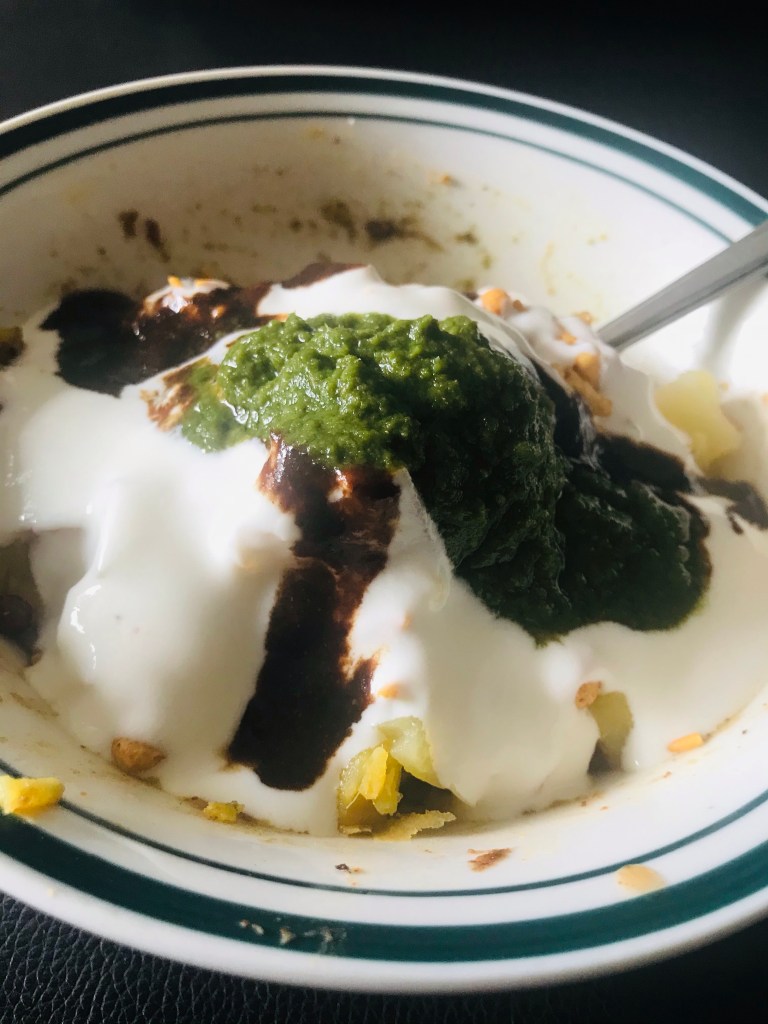
  • To make dahi missal after you top the farsan, add some of the prepared yoghurt and tp with the chutneys and then eat as it is.

It’s a tad long to make and takes time, but the taste is totally worth it!
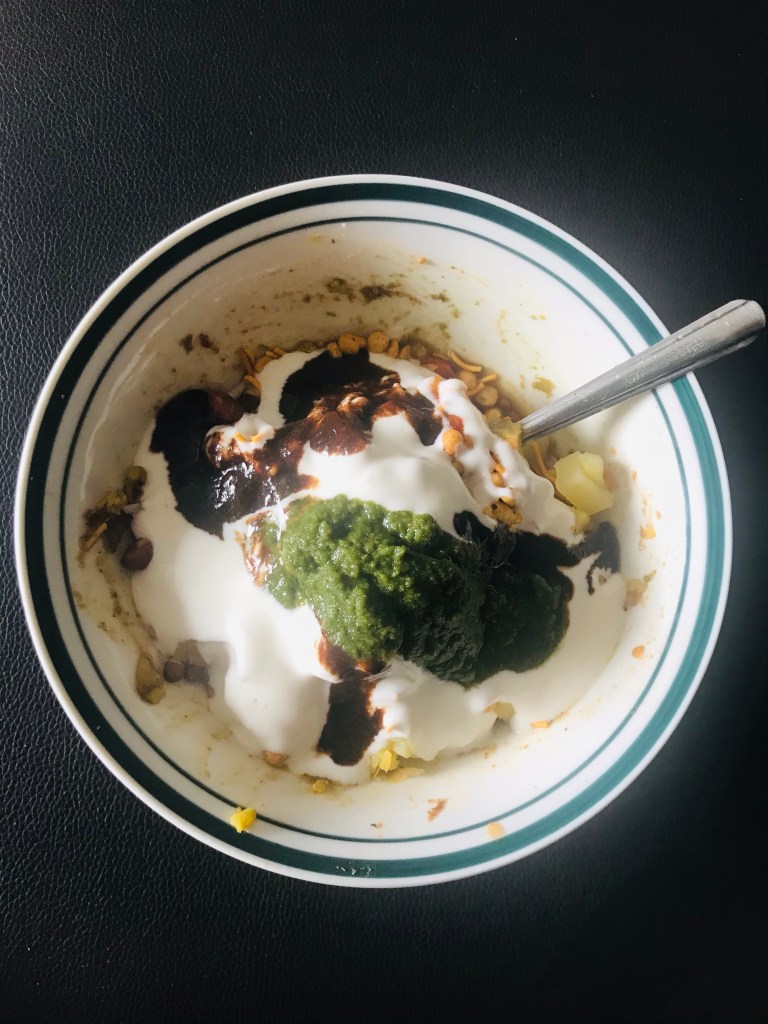
Healthier Chivda

The way BB’s timetable is structured, he does not have a lunch break even though they end school around 3 pm (after starting school at 7:30 am), so when he comes home, he is super hungry and starts rooting for something to eat. We usually have some biscuits at home, but I was on the lookout for something slightly healthier.
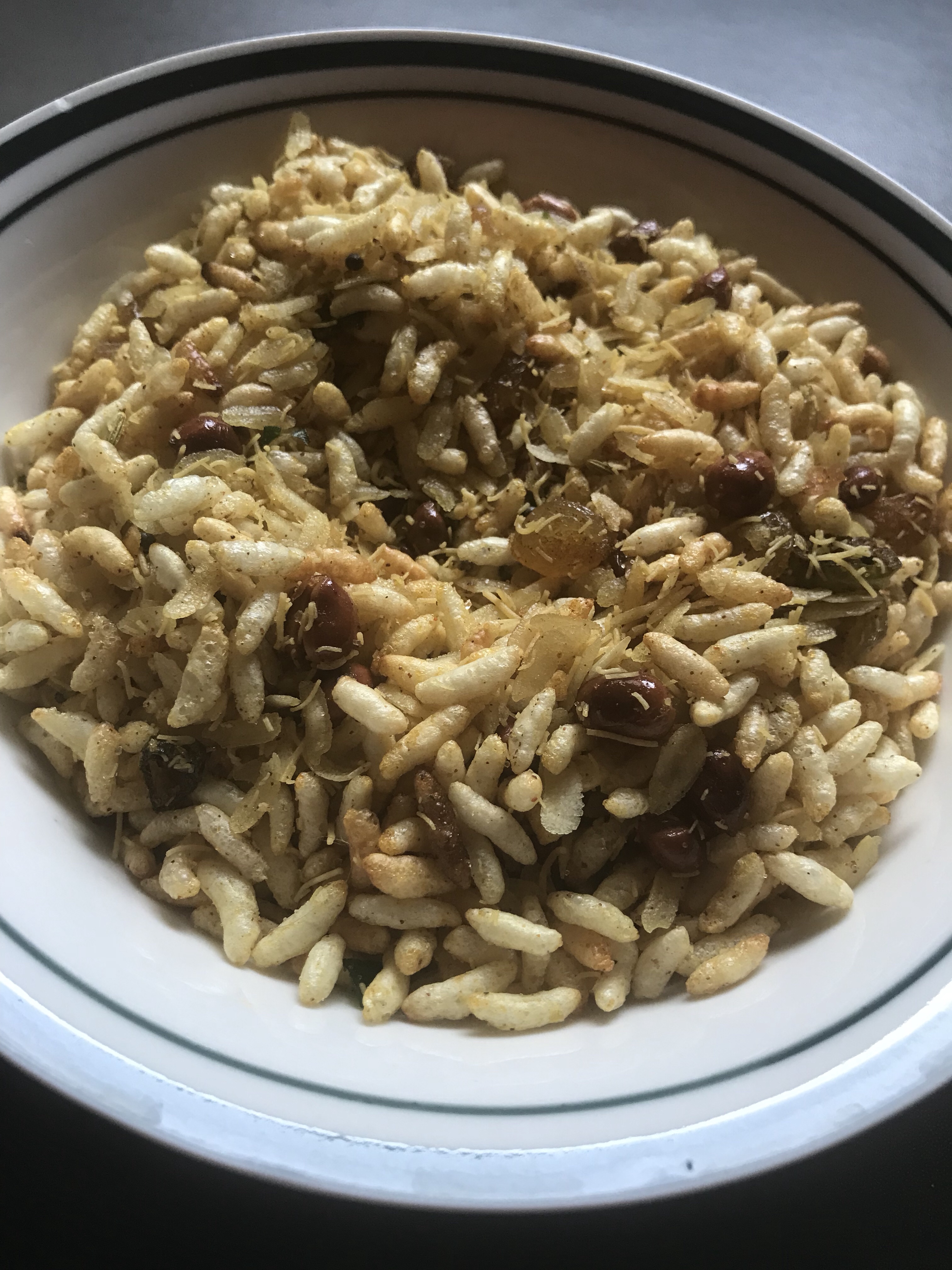
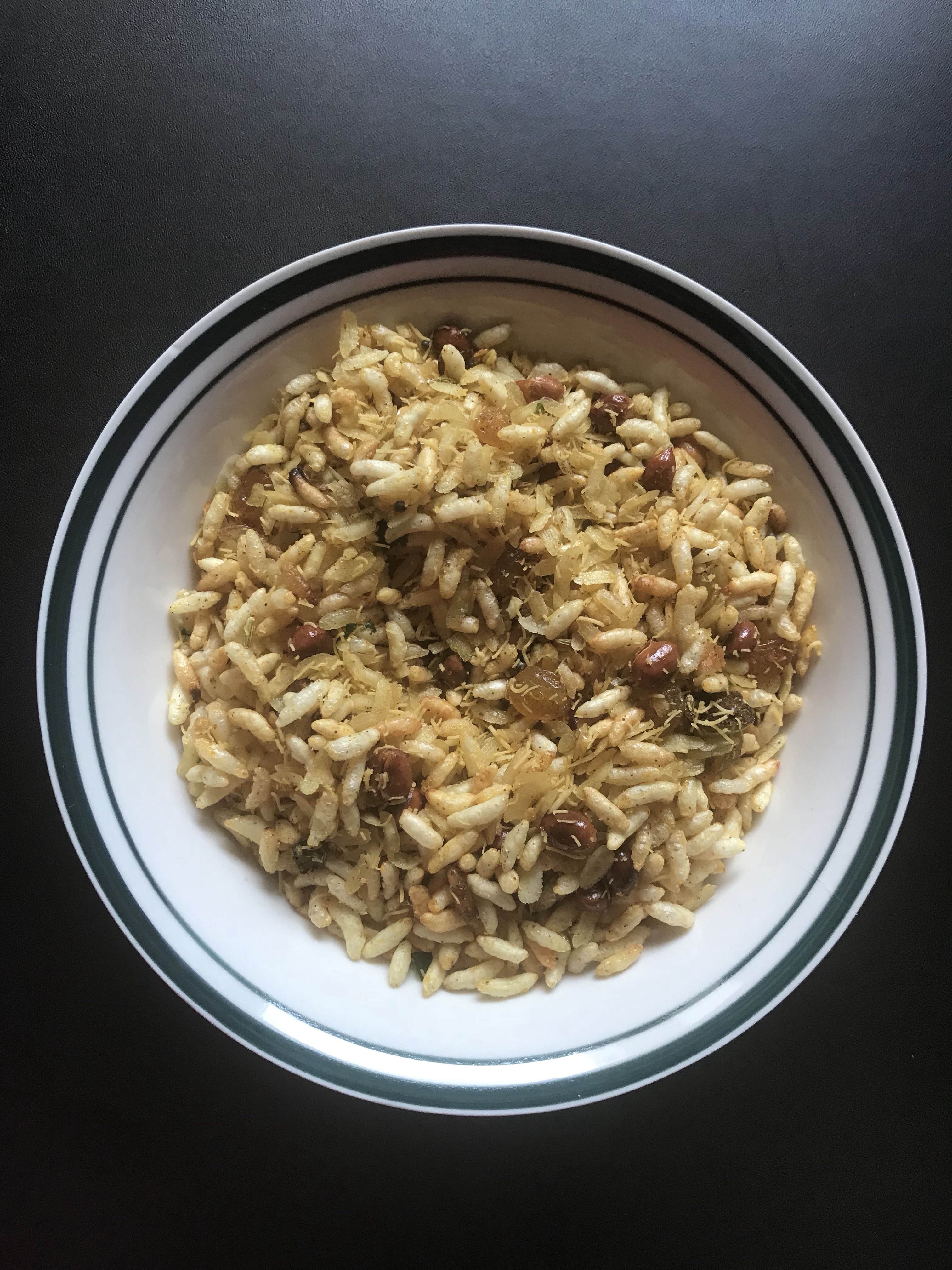
I came across a couple of versions of this chivda, which is basically a mixture of various ingredients, traditionally deep fried, but which in this case, was dry roasted and so healthier. I made it and it was a hit, and a large bottle of this chivda didn’t even last a week. As soon as I finish this blog post, I’m off to making a new batch!

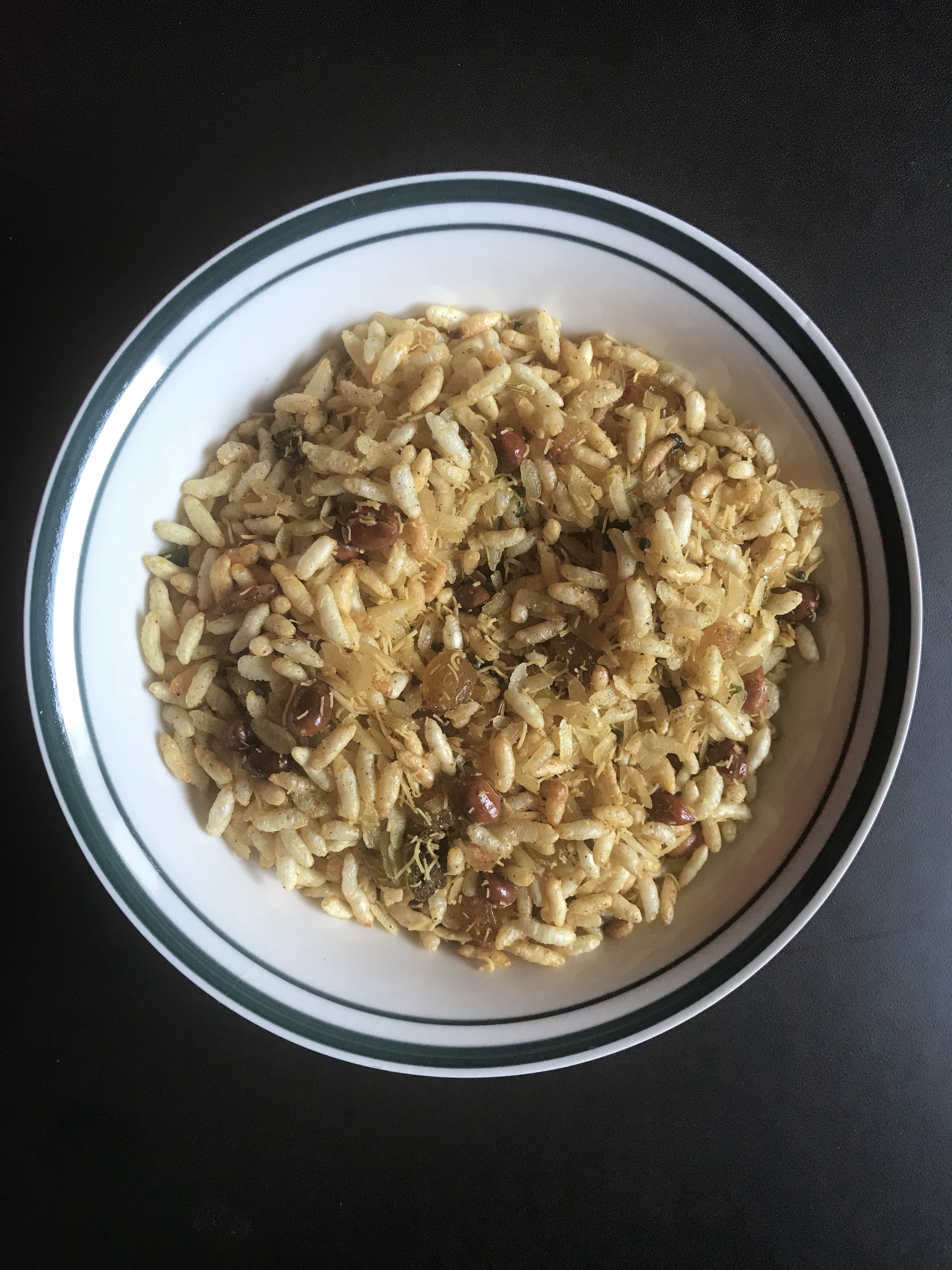
Puffed Rice and Flattened Rice Flakes Chivda
Ingredients:

  • 2 cups flattened rice flakes (Poha)
  • 4 cups puffed rice (Mumra)

For the seasoning

  • 3 tbsps oil
  • 1 tsp mustard seeds
  • 1 tsp cumin seeds
  • 1 tsp fennel seeds
  • 1/2 tsp turmeric powder
  • 2 green chillies, finely chopped
  • 1/2 cup raw peanuts
  • 8-10 curry leaves
  • 1 tbsp sugar (optional)
  • Salt to taste

Method:

  • In either the stove top or the microwave, dry roast the flattened rice flakes and puffed rice till they are crisp, but not burned. This should take around 10-15 minutes on the stove top and around 5-6 minutes in the microwave.
  • If you are using a microwave, make sure you roast it in increments of 1 minute each and in between each roasting, stir well. In the stovetop, also keep stirring to ensure it does not burn.
  • In a smaller pan, in the meantime, heat the oil, and when the oil becomes warm, add the raw peanuts and fry for a while till the peanuts start to become crisp.
  • When the peanuts start to crisp up, add the other seasoning one by one in this order – mustard seeds, cumin seeds, fennel seeds, green chillies, curry leaves and turmeric powder. When the peanuts are really crisp and ready, add the sugar and salt and remove the pan from the fire.
  • Pour this seasoning over the roasted flattened rice flakes and puffed rice and mix thoroughly. Check for sugar and salt and let it cool completely before storing it in an airtight container. It should easily last for a couple of weeks or so, but I seriously doubt it will last that long.

Recipe: Lemon Semiya or Vermicelli

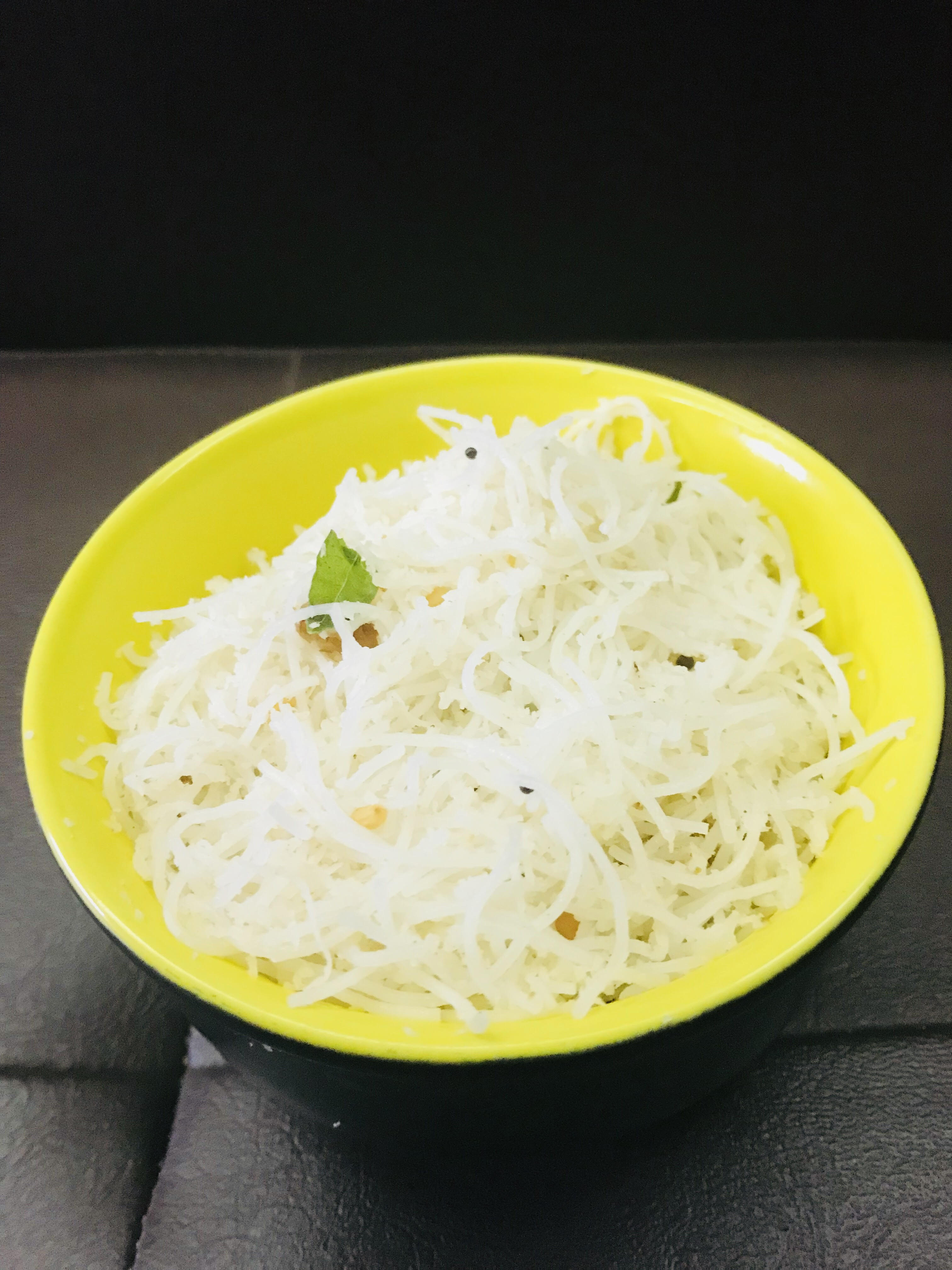
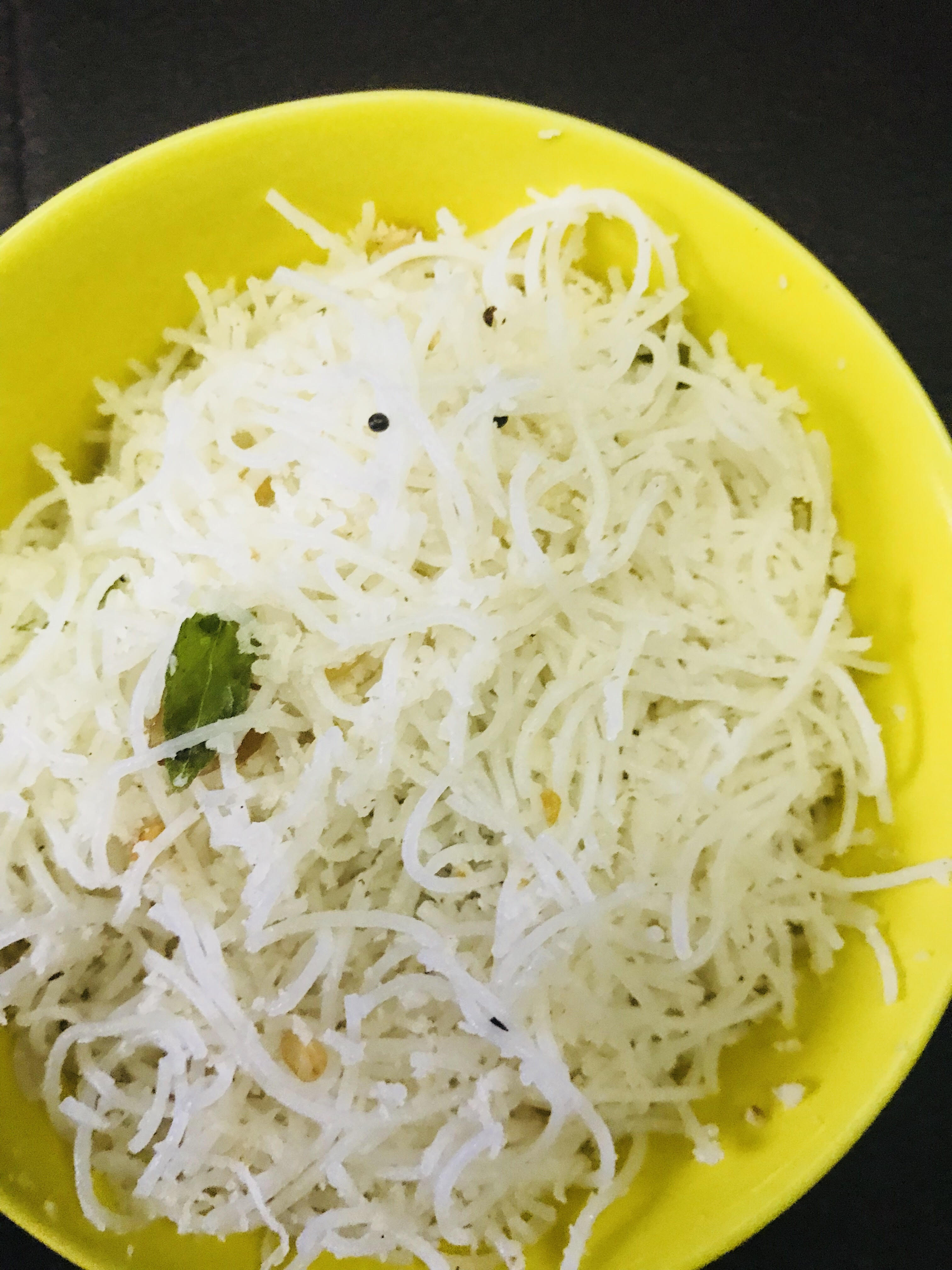
Lemon Vermicelli 2Usually, when I prepare vermicelli for dinner, it’s always both this lemon vermicelli and the coconut vermicelli I shared a couple of weeks back. So this was made the same time we made the coconut vermicelli. This is also super easy to make and will appeal to those who like a sharp tangy taste!

Lemon Vermicelli 4Lemon Semiya or Vermicelli

Ingredients:

  • 1 packet instant rice vermicelli
  • 1 tsp oil
  • 1 tsp mustard seeds
  • 1 tsp broken urad dal (split black gram)
  • 1/4 tsp asafoetida
  • 2 green chillies, chopped
  • 1/2 tsp turmeric powder
  • 4-5 curry leaves
  • Lemon juice as per taste (around 3-4 tbsps)
  • Salt to taste

Method:

  • Prepare the instant rice vermicelli as per the instructions in the packet. Drain well and keep aside.
  • In a separate pan, heat the oil and when warm, add the mustard seeds, urad dal, asafoetida, green chillies, turmeric powder, curry leaves and salt and stir for a few seconds till the urad dal becomes red.
  • When the urad dal becomes red, switch off the flame and then add the lemon juice. Adding it while the flame is on will result in the lemon juice becoming bitter.
  • Now add the drained vermicelli and stir well to mix together.
  • Remove from the flame and serve hot.

Notes:

  • You can make the same dish with rice. Just substitute the vermicelli with precooked rice and you have lemon rice!
  • You can also add cashew nuts and fry them in the oil to add an extra zing to the dish!

Lemon Vermicelli 5Lemon Vermicelli 1

Recipe: Coconut Semiya (Vermicelli)

Coconut Vermicelli 5

Growing up, the making of semiya used to be a day-long affair at home with preparations starting in the morning to make the rice paste which then gets cooked and then using a special machine, thin strands of rice vermicelli are passed out which are then cooked to make this yummy coconut vermicelli. Nowadays, instant rice vermicelli is readily available which makes making this dish easy.

Coconut Vermicelli 3Coconut Semiya or Vermicelli

Ingredients:

  • 1 packet instant rice vermicelli
  • 1 cup grated coconut
  • 2 tsp oil
  • 1 tsp mustard seeds
  • 1 tsp broken urad dal (split black gram)
  • A handful of raisins
  • 1/4 tsp asafoetida
  • 1 green chilli, chopped
  • 4-5 curry leaves
  • 2 dried red chillies, broken
  • Salt to taste

Method:

  • Prepare the instant rice vermicelli as per the instructions in the packet. Drain well and keep aside.
  • In a separate pan, heat the oil and when warm, add the mustard seeds, urad dal, asafoetida, green chillies, dried red chillies, curry leaves, raisins and stir for a few seconds till the urad dal becomes red and the raisins start to plump up.
  • Now add the grated coconut and stir well till it starts to brown and crisp up.
  • Add salt to taste and continue stirring till the coconut is slightly brown and crisp.
  • Now add the drained vermicelli and stir well to mix together.
  • Remove from the flame and serve hot.

This is yummy both as a slightly heavy breakfast or a light meal.

Coconut Vermicelli 2Coconut Vermicelli 4Coconut Vermicelli 1


Recipe: Mixed Vegetable Koftas in Red Gravy

IMG_5286

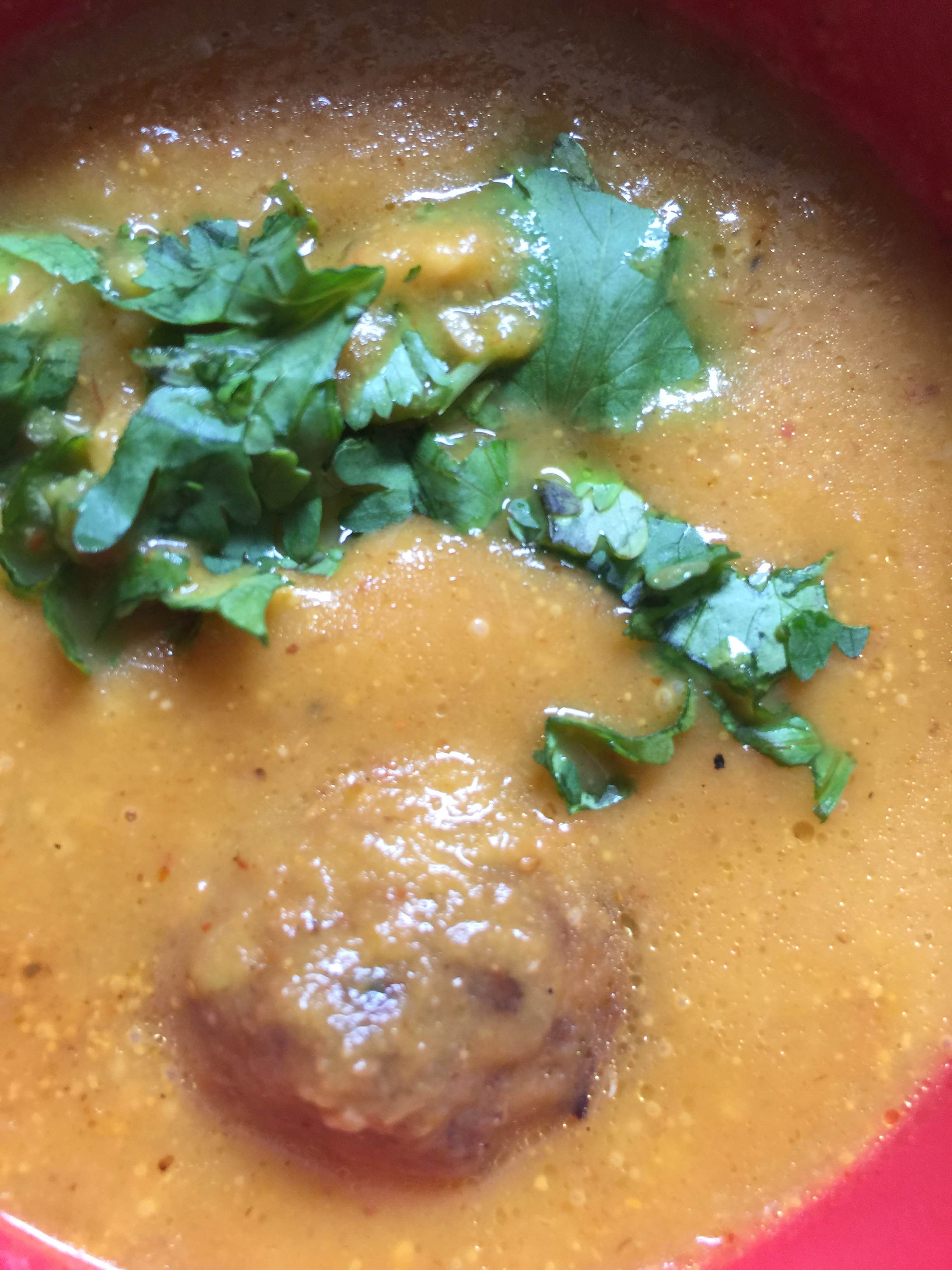
Last week S asked for some koftas for lunch. You could call Koftas a kind of Indian meatballs which are made with both meat as well as vegetables mixed with spices. Normally when asked for these labour intensive dishes, my usual answer is a no, but I decided to make them this time. I usually prepare these with potatoes, but for some reason didn’t want to that day. I decided to experiment and that experiment was a huge success, hence this blog post. These koftas, though labour and time intensive are extremely versatile and you could have them as part of your main course, as a snack or even made into veggie burgers! You’ll be glad you tried them….

Mixed Vegetable Koftas in Red Gravy

IMG_5285

Ingredients:

For the Koftas:

  • 2 cups chopped mixed vegetables (I used potatoes, sweet potatoes, cauliflowers, French beans, carrots, peas, corn and cabbage. You could use some of these, all or even experiment with your own version)
  • 1 cup frozen paneer
  • 2 cups Breadcrumbs (may need slightly more or less, depending on the wetness of the paste)
  • 1 tsp turmeric
  • 1 – 2 tsps red chilli powder (add more or less depending on the intensity of the chilli and your tolerance level)
  • 2 tsps Amchur powder (dry mango powder, can omit if not available, though it gives a nice tanginess to the kofta)
  • Salt to taste
  • Oil for deep frying

For the Red Gravy

  • 2 tbps oil
  • 2 large onions, chopped roughly
  • 3 medium tomatoes, chopped roughly
  • 1 medium carrot, chopped
  • 1/3 of orange pumpkin, peeled and chopped
  • 1 cup skimmed milk
  • 1 inch piece of ginger
  • 4-5 garlic pods
  • 1 tsp coriander seeds
  • 1 tsp cumin seeds
  • 1 tsp fennel seeds
  • 1 tsp carom seeds
  • 1 tsp garam masala
  • Fresh coriander leaves to garnish

Method:

For the koftas

  • In a large pressure cooker, cook the chopped vegetables with minimum water for about 4 whistles. Let the pressure reduce completely, remove from the cooker and drain all the water completely.
  • In a largish dish put the frozen paneer and cover with hot water. This will soften the paneer and when soft enough to press with your fingers, drain the water completely. Keep the water to use for the gravy.
  • Once the vegetables are cool enough to touch and the water has drained away, using your hands or a potato masher, mash up the vegetables so that it resembles a dough. At the point, squeeze out the water from the paneer and crumble it, adding it to the paste.
  • Add salt to taste, red chilli powder, turmeric powder, amchur powder and mix well. Add the breadcrumbs a cup at a time and try to make balls. If the mixture is able to retain the shape of the ball without crumbling or sticking to your hand, the koftas are ready to be fried. Keep this aside while you start on the gravy.
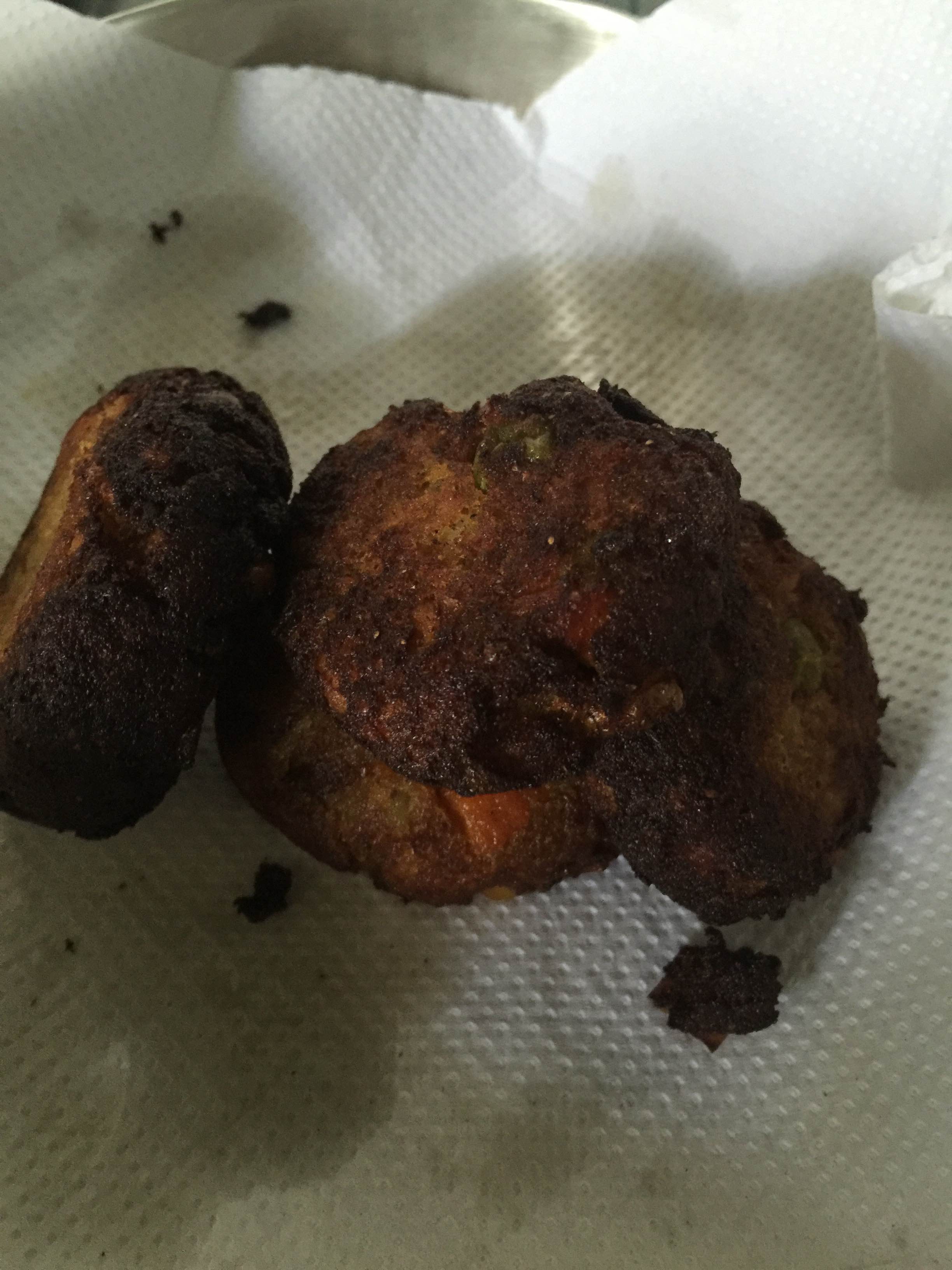
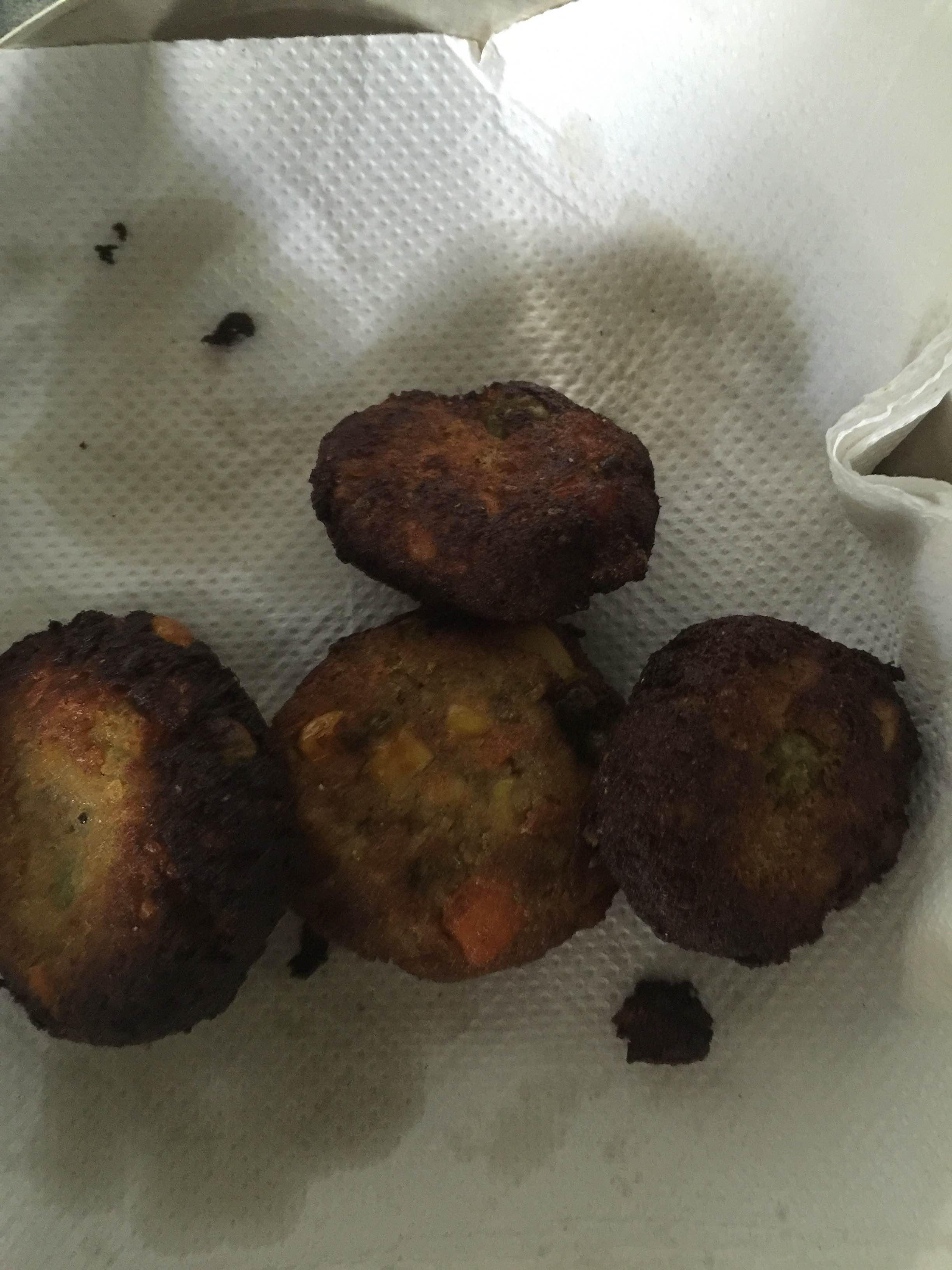
  • Make the required number of koftas and fry on a medium flame till the outside is nice, crisp and brown. Drain on kitchen paper. You need not cook the inside too much as it is already cooked. Keep it aside till it is time to serve.

For the Gravy

  • In a pan, heat 1 tsp oil and fry the following, stirring for a couple of seconds each before you add the next ingredient – cumin seeds, coriander seeds, fennel seeds, carom seeds, chillies, ginger and finally the garlic.
  • Next add the chopped onions, fry for a few minutes, then put in the carrots and pumpkin, frying each for a couple of minutes before adding the next one.
    When the vegetables start softening, add the tomatoes and add a tsp of salt to allow the vegetable to sweat and cook. When the tomatoes are cooked and the vegetables soft, remove from the fire.
  • Let it cool and then zap it in a blender. You can use the paneer water here as it has all the goodness of paneer.
  • Once cool, in a clean pan, heat the balance 1 tsp oil, and when warm, pour the blended mixture and let it boil. If the mixture if thick, add some milk or cream (if you want to make it rich) to thin it.
  • When it starts boiling, check for salt and add the garam masala. Give it a quick boil and switch off the gas.

Assembling the dish

  • When it’s time to serve, heat the gravy and add the koftas to the gravy, garnish with coriander leaves and serve immediately.

Tips and Notes:

  • You can make the koftas as a teatime snack. I even made these into patties and served as veggie burgers. They were delicious!
  • Do not assemble the dish in advance as the koftas tend to absorb the gravy, so make them separately and assemble when it’s time to serve.
  • Instead of milk, you could do a combination of milk and cream in the gravy to make it richer. At the stage of frying the onions and spices, a handful of cashewnuts could also be added to increase the richness of the gravy.
  • I also felt that if the gravy was thinned with milk, you could also drink it as a soup. Just increase the amount of carrots and pumpkin and it’s quite similar to my Coriander Carrot Pumpkin Soup.

IMG_5307

The Koftas made as patty for a delicious Veggie Burger!

IMG_5308