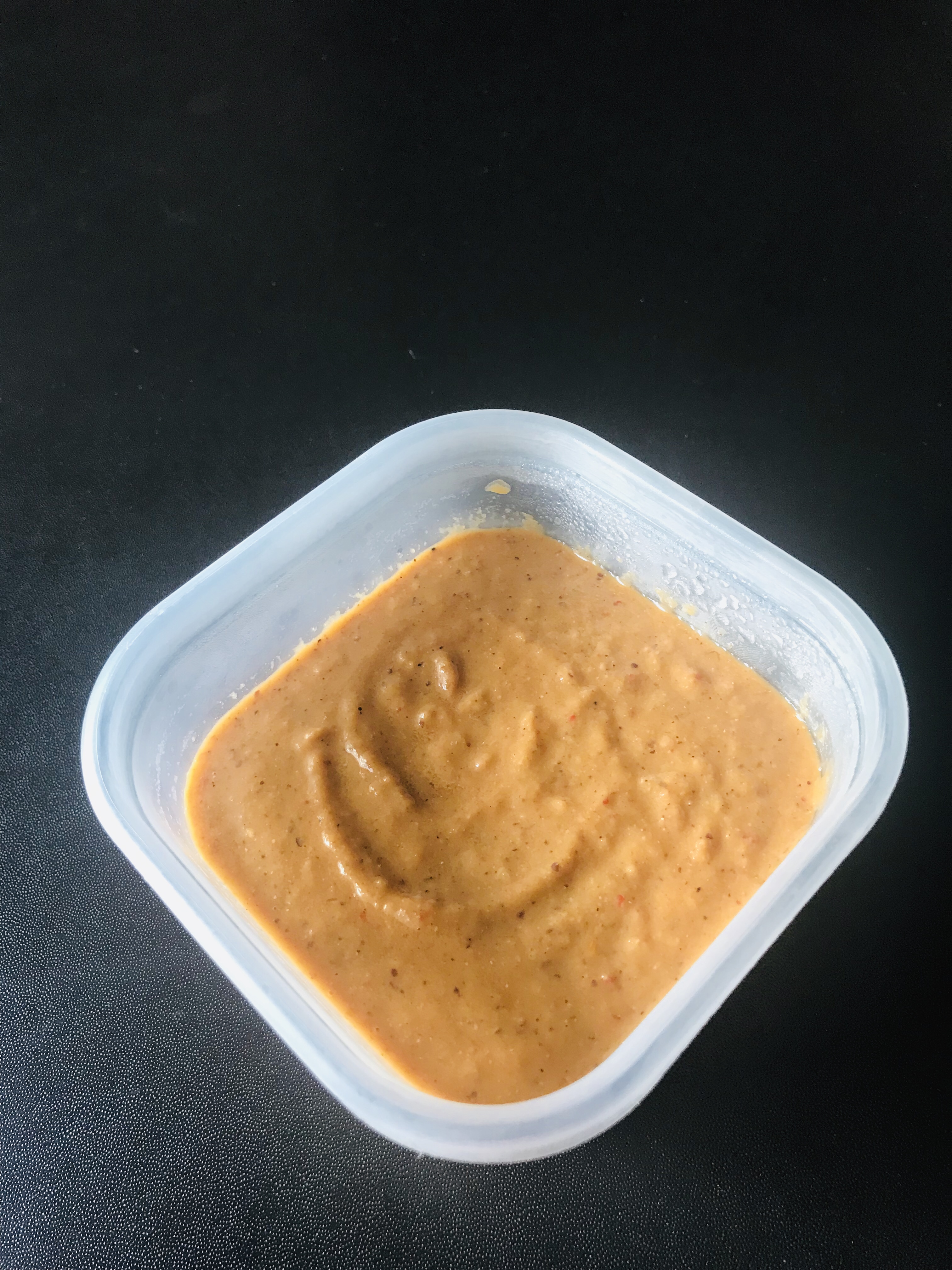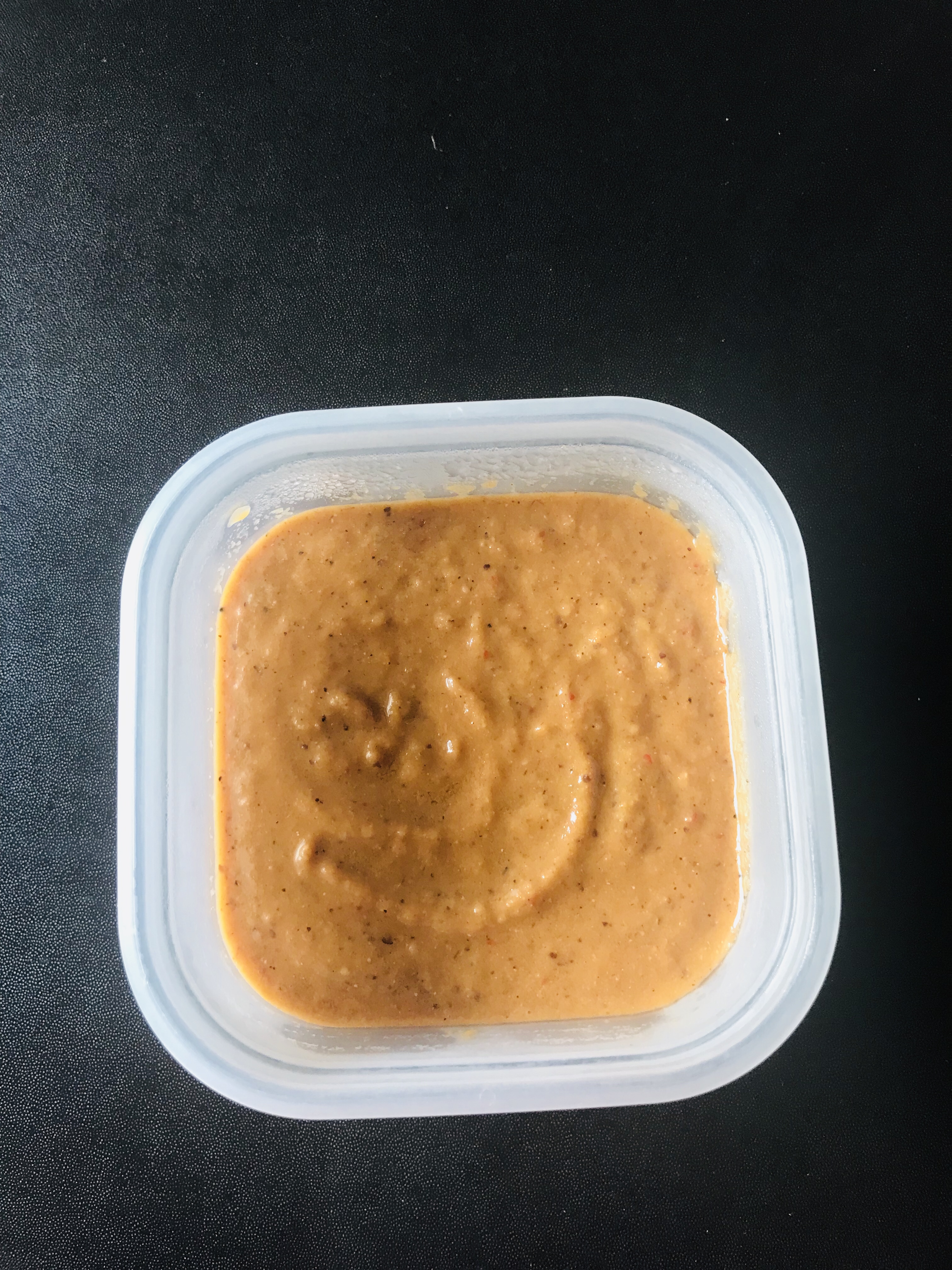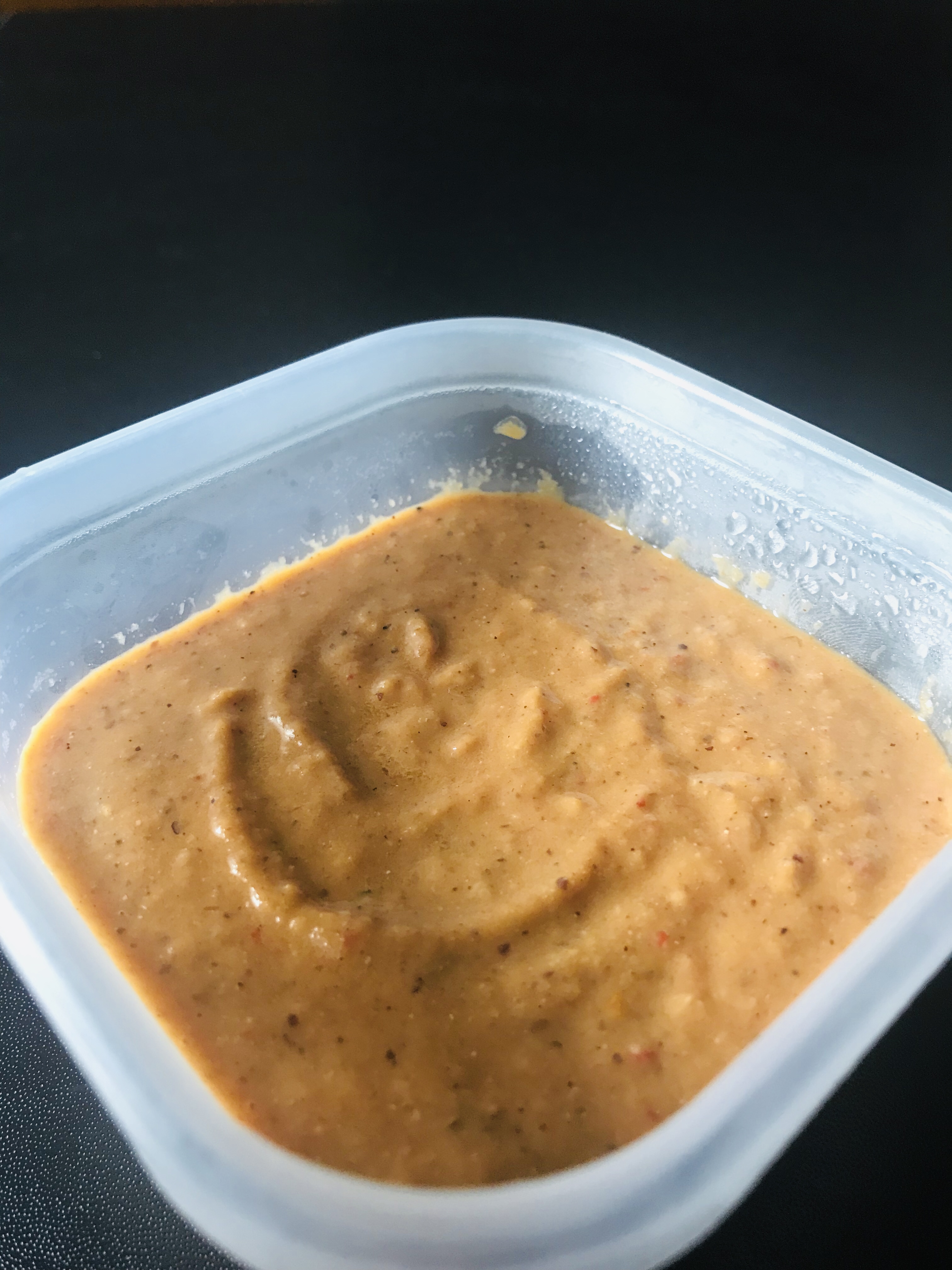
Recipes: Kalyana Gotsu

Earlier in the week, we celebrated the harvest festival of Pongal and on that day I made Venn Pongal for dinner. I wanted to make something to go with this but was not in the mood for Coconut chutney, so decided to search for something else to make to go with Pongal.

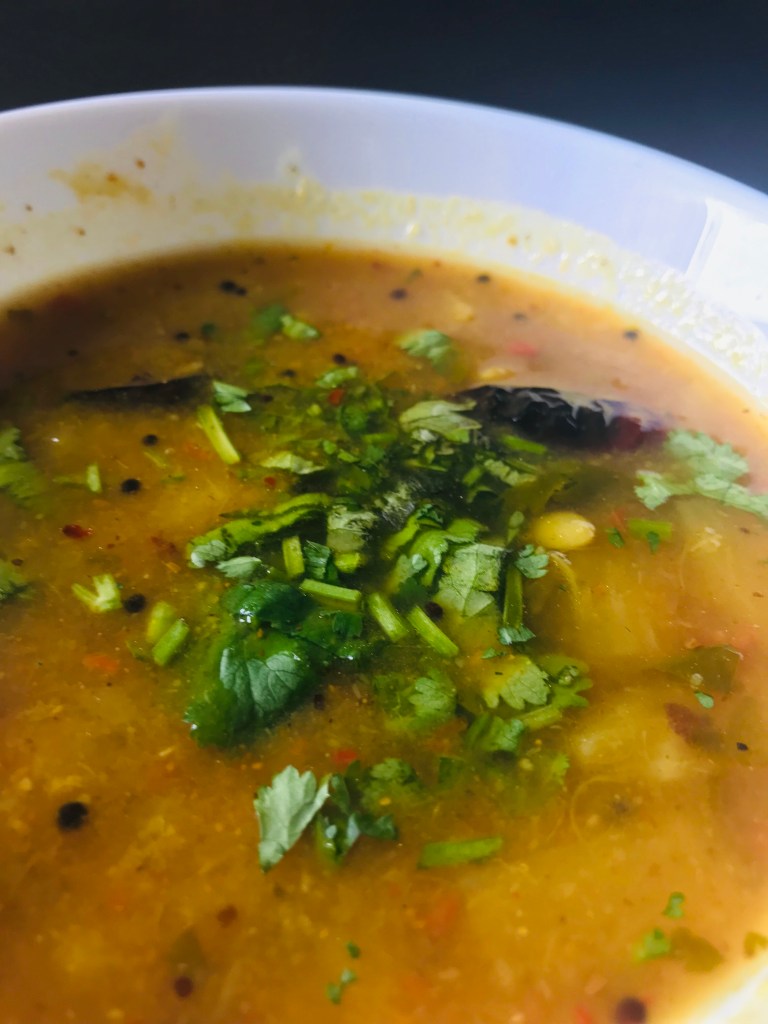
I came across Gotsu, which is also a traditional accompaniment to Pongal, but this is usually made with Brinjals or Aubergines. S is allergic to this vegetable, so I decided to substitute it with other vegetables. This is also a one-pot recipe and I made it from start to end in my pressure cooker. It can also be made in a large pan or dutch oven but will take longer than if you use a pressure cooker. It was so yummy and tasty and everyone gobbled it up.

This Gotsu is also served in weddings, especially for breakfast with Idlis, Vadai and Pongal.
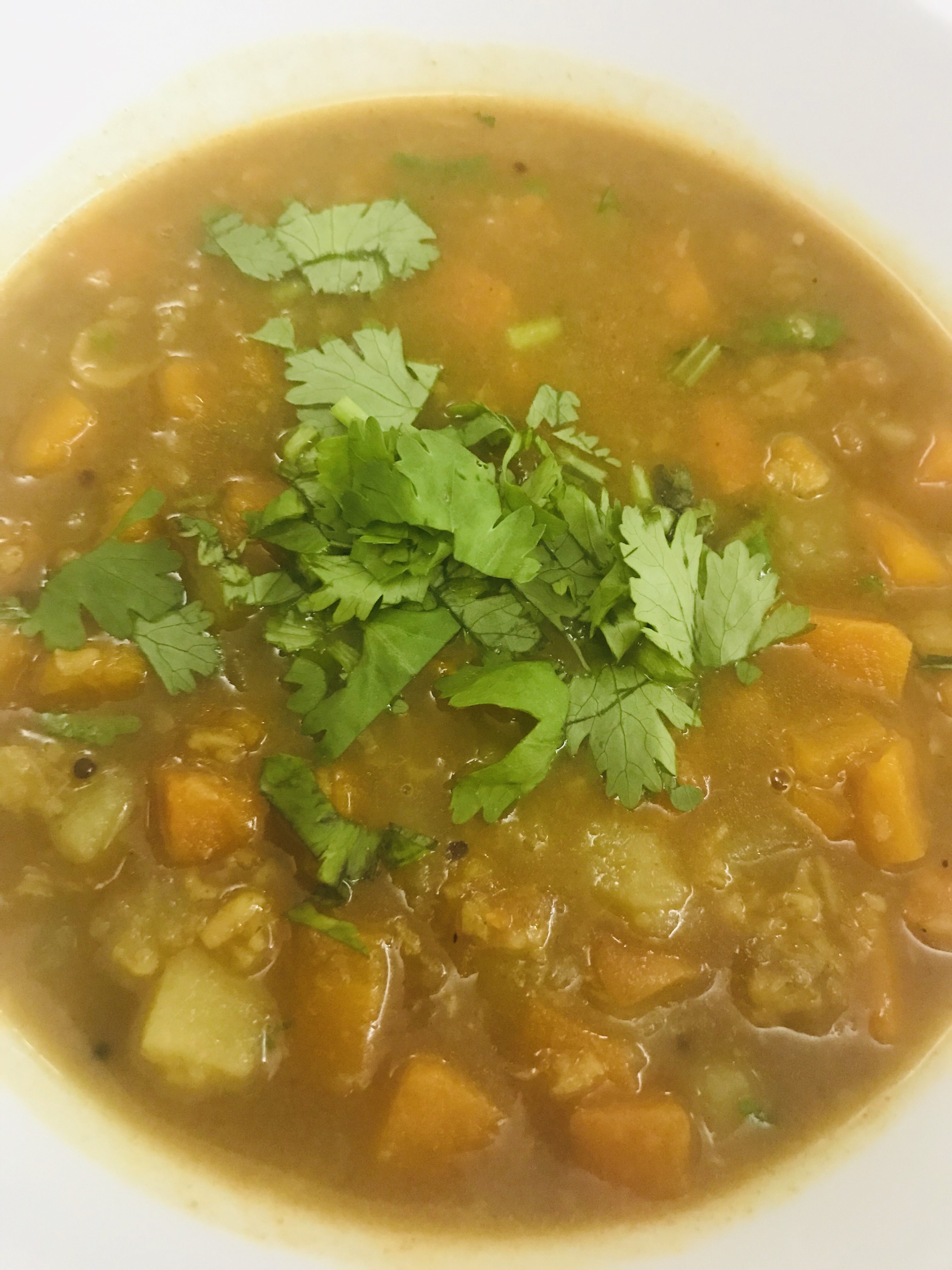
Kalyana Gotsu

Ingredients:

  • 2 carrots, chopped finely
  • 2 potatoes, chopped finely
  • 1 large tomato, chopped finely
  • 1 lemon sized ball of tamarind or 3 tbsp tamarind paste
  • 1/4 cup moong dal
  • 3 tbsp chana dal
  • 1 tbsp oil
  • 1 tsp mustard seeds
  • 2 green chillies, slit lengthwise
  • 5-6 curry leaves
  • 2 tbsp sambhar powder
  • 1 tbsp jaggery (can omit this or even substitute with sugar)
  • 1/4 tsp asafoetida
  • Salt to taste

Method:

  • Soak the tamarind in hot water for 30 minutes, then squeeze the pulp out and strain the water. Keep aside.
  • Soak the dals together in warm water for 30 minutes, strain and keep aside.
  • Heat the oil in the pressure cooker and add the mustard seeds. When the seeds pop, add the curry leaves, asafoetida and green chillies and stir for a few seconds.
  • Now add the finely chopped tomatoes and stir for a few minutes.
  • Then add the finely chopped potatoes and carrots and stir well.
  • Then add the soaked dals and give it a good stir.
  • Now add the tamarind water, sambhar powder and salt to taste and stir everything well.
  • Cover the pressure cooker and cook for 3-4 whistles.
  • If you are using a pan or dutch oven to cook, cover and cook, stirring occasionally. Periodically check and add water if needed. You need the vegetables to be fully cooked and the dals to be soft and mushy.
  • When the pressure reduces in the cooker, open and lightly mash the gotsu with a potato masher. Don’t mash it completely like we do for Pav Bhaji, but just a bit to make the gotsu thicker.
  • Add the jaggery and check for seasoning. Garnish with coriander leaves and serve hot with Idli, Dosai, Vadai or Pongal.

Notes:

  • I made this without onions or shallots because I made it on a festival day. If you want, you can add onions or shallots and the place to add it is just after popping the mustard seeds.
  • You can use any vegetables you like though it’s usually made with Brinjals or Aubergines.


Recipes: Tomato Onion Chutney

The other day while making dinner, I realised I needed to make some kind of chutney to go with dosa or adai. I didn’t want to make one with coconut which is what is traditionally made for these dishes since I didn’t have enough coconut on hand to make it, so came up with this tomato onion chutney which was super yummy!

Tomato Onion Chutney

Ingredients:

  • 2 medium-sized onions, chopped
  • 2 large tomatoes, chopped
  • 7-8 cloves of garlic
  • 1 tsp mustard seeds
  • 1 tsp broken urad dal
  • 1 tsp roasted Bengal gram
  • 1 tsp seedless tamarind (If using tamarind paste, you can use about 1/2 tsp)
  • 6-8 dried red chillies (more or less depending on spice tolerance)
  • 1 tbsp sesame seeds
  • 2 tsp oil
  • 1/2 tsp grated jaggery (can omit or substitute with brown sugar)
  • Salt to taste

Method:

  • Heat the oil in a pan and when warm add the mustard seeds and let it pop.
  • Next, add the urad dal and Bengal gram dal and stir for a couple of seconds.
  • Now add the dried red chillies and stir for a few seconds. Then add the sesame seeds and give it a good stir.
  • Then add the tamarind and stir for a few seconds.
  • Now add the garlic and let it saute for a minute and then add the onions. Let the onions become translucent.
  • Once the onions are translucent, add the tomatoes and stir until the tomatoes become mushy and cooked. You can also add in a pinch of salt to help this process. At the point add the jaggery if using.
  • Switch off the gas and let the mixture cool completely before grinding it to a fine paste. Add salt while blending and adjust as per your taste. You can add a bit of water while blending if you feel the need.

Recipes: Pineapple Rasam

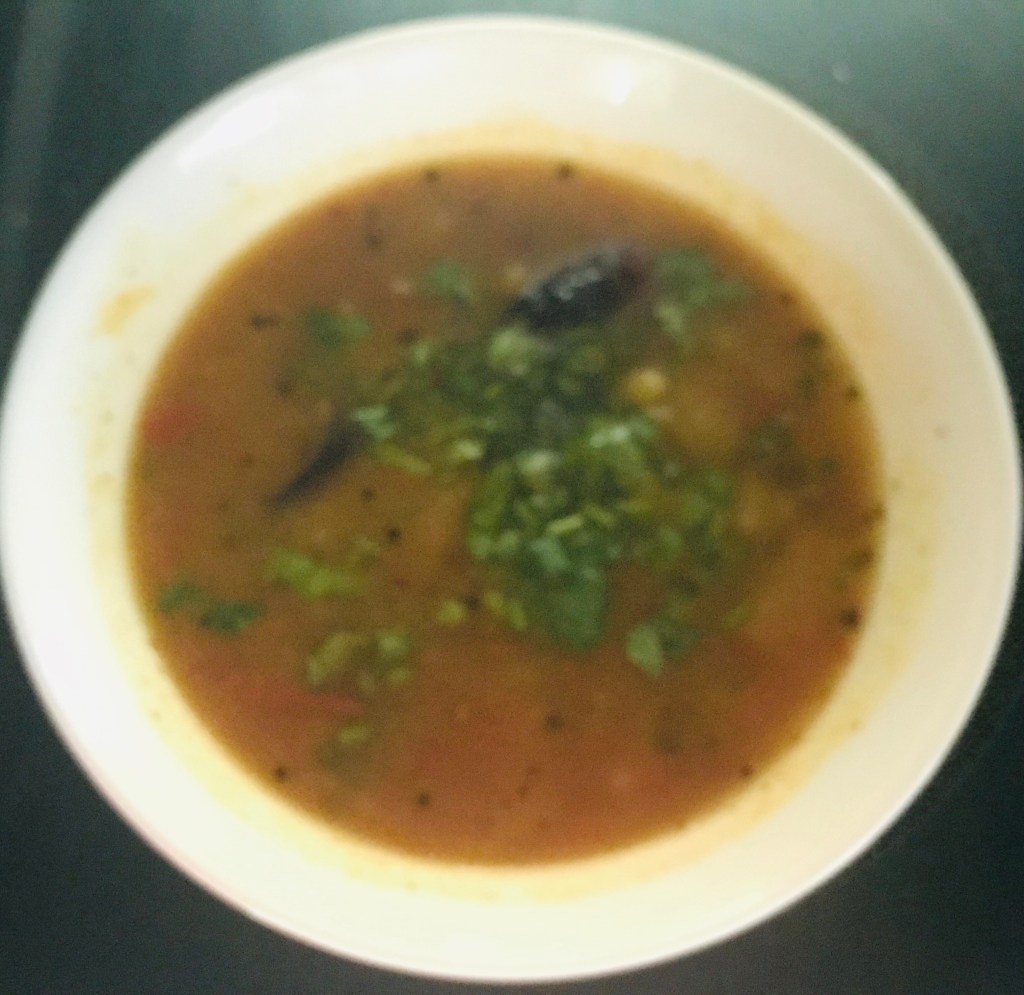
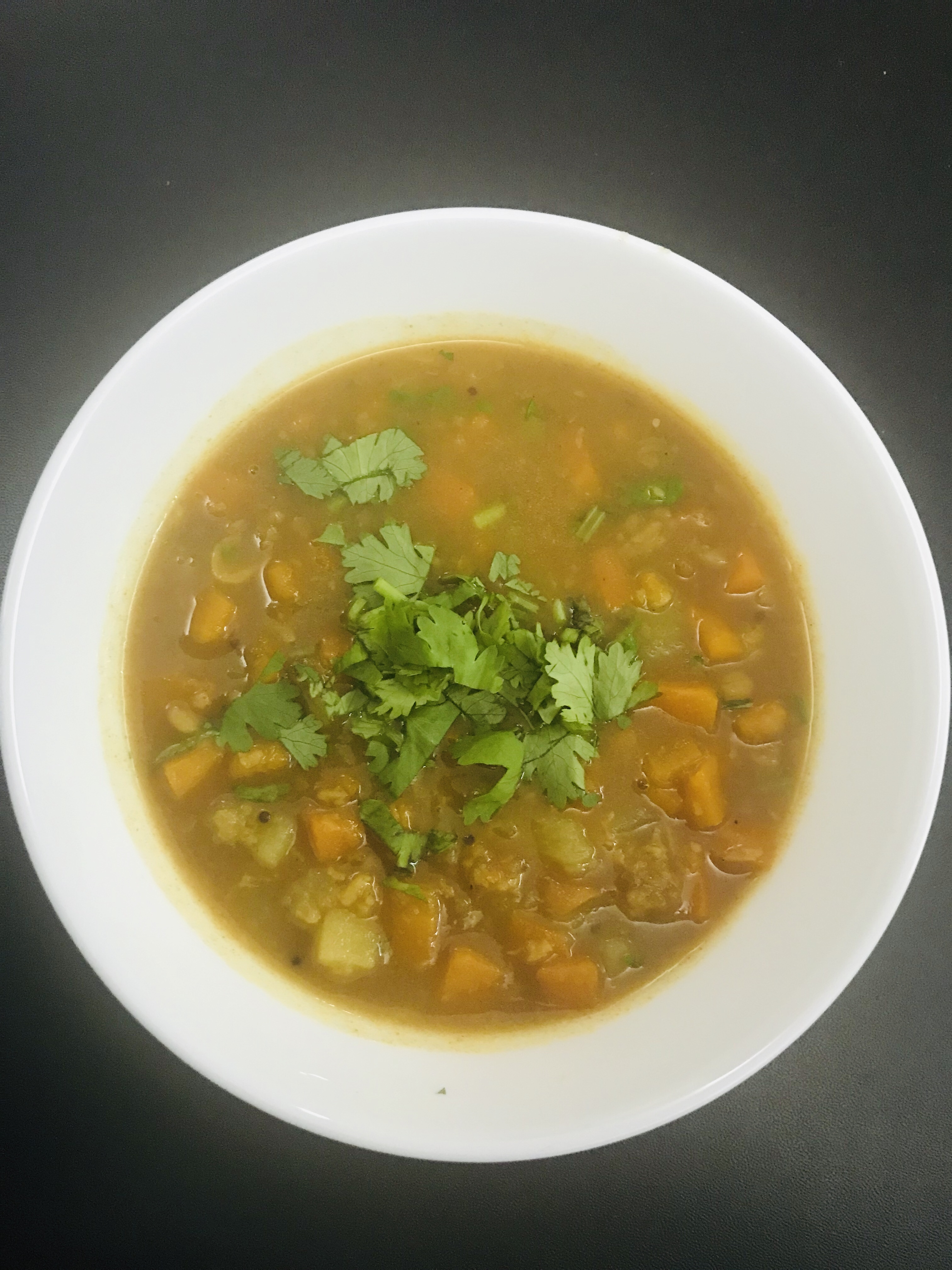
A special variety of Rasam, this one is made usually during weddings and is something we don’t usually make during a normal lunch. I have made this many aeons ago and so this week when I opened a tin of pineapple, I decided to keep aside some to make this yummy rasam.

Rasam is a spicy soup made in south India using tamarind juice, pepper, tomato, cumin and other spices and each household has their own unique recipe which they make on a daily or regular basis. Rasam has a distinct sour, peppery and chilly taste that makes it a true repository of flavours. Rasam is either eaten along with rice or savoured after a meal. The British also adapted this rasam and what is Mulligatawny Soup is nothing more than rasam. In Tamil, this word translates to “Pepper Water”

Rasam prevents constipation, is a powerhouse of vitamins and minerals, facilitates digestion, is rich in antioxidents, helps in weight loss, is an excellent food for patients recovering from illness and the best food when introding babies to solids.

Pineapple Rasam

Ingredients:

  • 1/4 cup Toor Dal
  • 6 rings of pineapple
  • 1 tsp rasam powder
  • 1/2 tsp turmeric powder
  • 2 large tomatoes
  • 1 tsp peppercorn
  • 1 tsp cumin seeds
  • 4-6 dried red chillies
  • 1 tbsp ghee
  • 1 tsp mustard seeds
  • 1/4 tsp asafoetida
  • Coriander leaves to garnish

Method:

  • Pressure cook the toor dal with 1/4 tsp turmeric powder and enough water till it is soft and mushy. Keep aside.
  • Chop 2 of the pineapple rings into small pieces and keep aside.
  • Chop one tomato into small pieces and keep aside.
  • Powder the cumin seeds, peppercorns and 2 dried chillies into a coarse powder and keep aside.
  • Blend together the balance pineapple slices into a smooth paste and keep aside.
  • Blend the remaining tomato into a smooth paste and keep aside.
  • In a largish pan, mix together the tomato puree, 1 cup water, the remaining turmeric powder and half the quantity of the blended peppercorn, cumin and dried chilli powder and let it start boiling.
  • When it comes to a boil, add the pineapple paste and rasam powder and let it continue to boil. Allow the pineapple paste and tomato puree to cook well.
  • In a separate pan, add the ghee and when the ghee warms up, add the mustard seeds. When the mustard seeds start to pop, add in the red chillies, after breaking them into halves, the asafoetida, rest of the ground pepper-cumin-chilli powder and saute it for 20 seconds
  • Add the chopped pineapple and tomato pieces and saute it for 2 minutes in a medium flame
  • Add the ingredients in the pan to the rasam which has been boiling all along.
  • At this point, add the mushed dal and mix well.
  • Then add 1.5 – 2 cups of water and keep the flame in a medium level until the rasam starts to froth. Finally, garnish with coriander leaves and remove from flame.
  • The delicious and spicy pineapple rasam is ready to serve. Serve with rice and an Indian dry vegetable stir fry.

Notes:

  • If you don’t have access to rasam powder, just omit it, the taste should be just as good.
  • You can also blend together some garlic pods along with the cumin seeds, peppercorns and red chillies for a different taste.
  • This is wonderful as a slightly spicy and tangy soup during the winters.

Pal Payasam

Since yesterday was Diwali, here’s a sweet recipe to sweeten your lives. Happy Diwali folks!

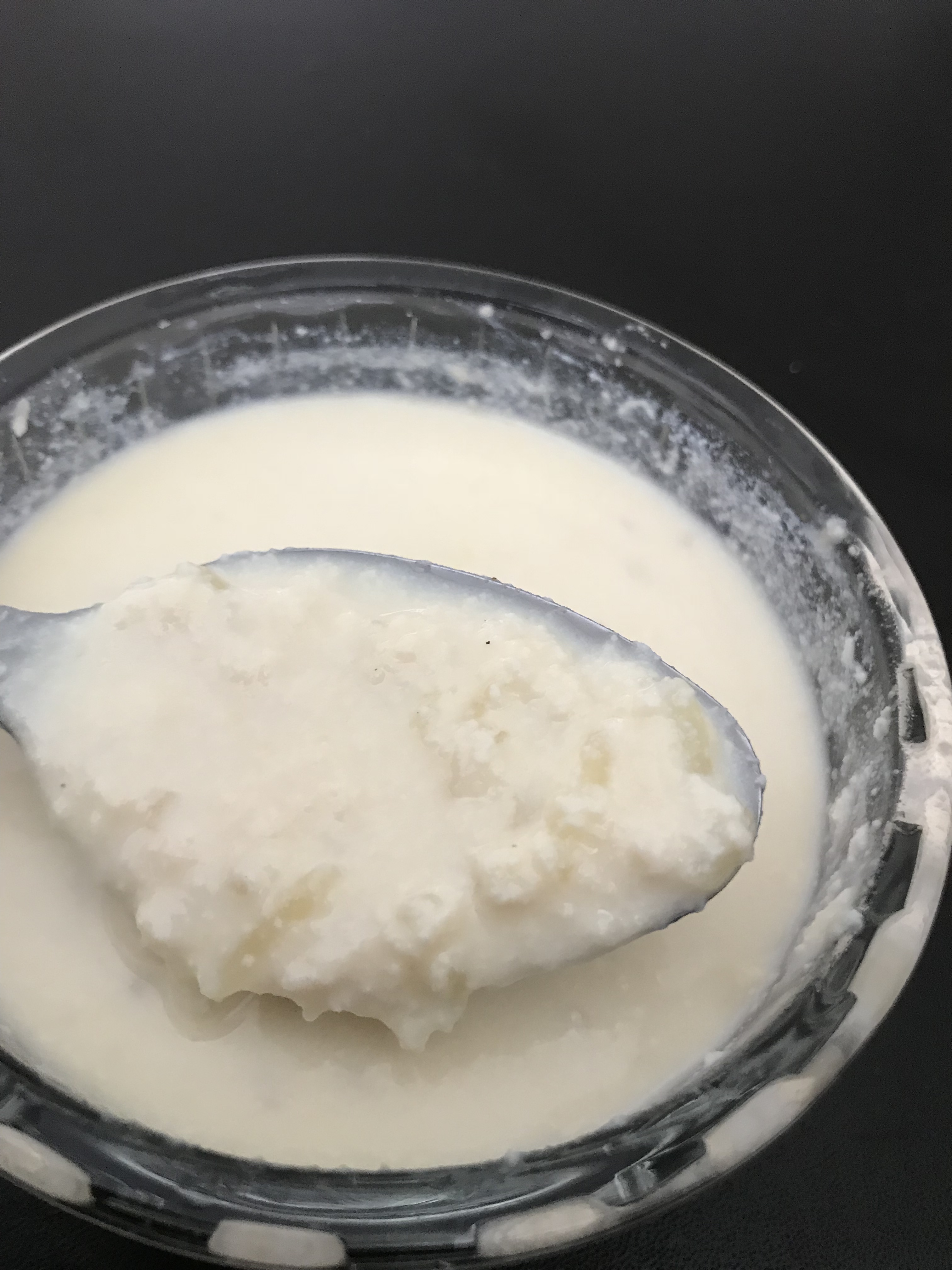
As the name suggests, it is a milk kheer or milk sweet. In its very basic form, this is the simplest of the south Indian sweets and hardly needs 3-4 ingredients to make. It’s fairly easy to make with the only effort being in reducing the milk.

Pal Payasam

Ingredients:

  • 1-litre milk
  • 1 tbsp basmati rice (or any long grained rice)
  • 4-6 tbsp sugar
  • 1 tsp ghee
  • A pinch of cardamom powder (optional)

Method:

  • In a large pan, boil the milk and when the milk starts to boil over and bubble, reduce the heat and continue to boil the milk.
  • In a smaller pan, heat the ghee and fry the rice for around 30 seconds.
  • Pour the rice into the boiling milk and keep stirring till it reduces to half the original quantity.
  • When the rice has completely cooked, add the sugar and the cardamom powder (if you are using it).
  • At this point, you can also use a few strands of saffron as well as some fried cashew nuts and raisins.
  • Continue boiling until the sugar gets absorbed into the milk.
  • Switch off the flame and serve hot or cold.

Recipes: Spicy Vermicelli Upma

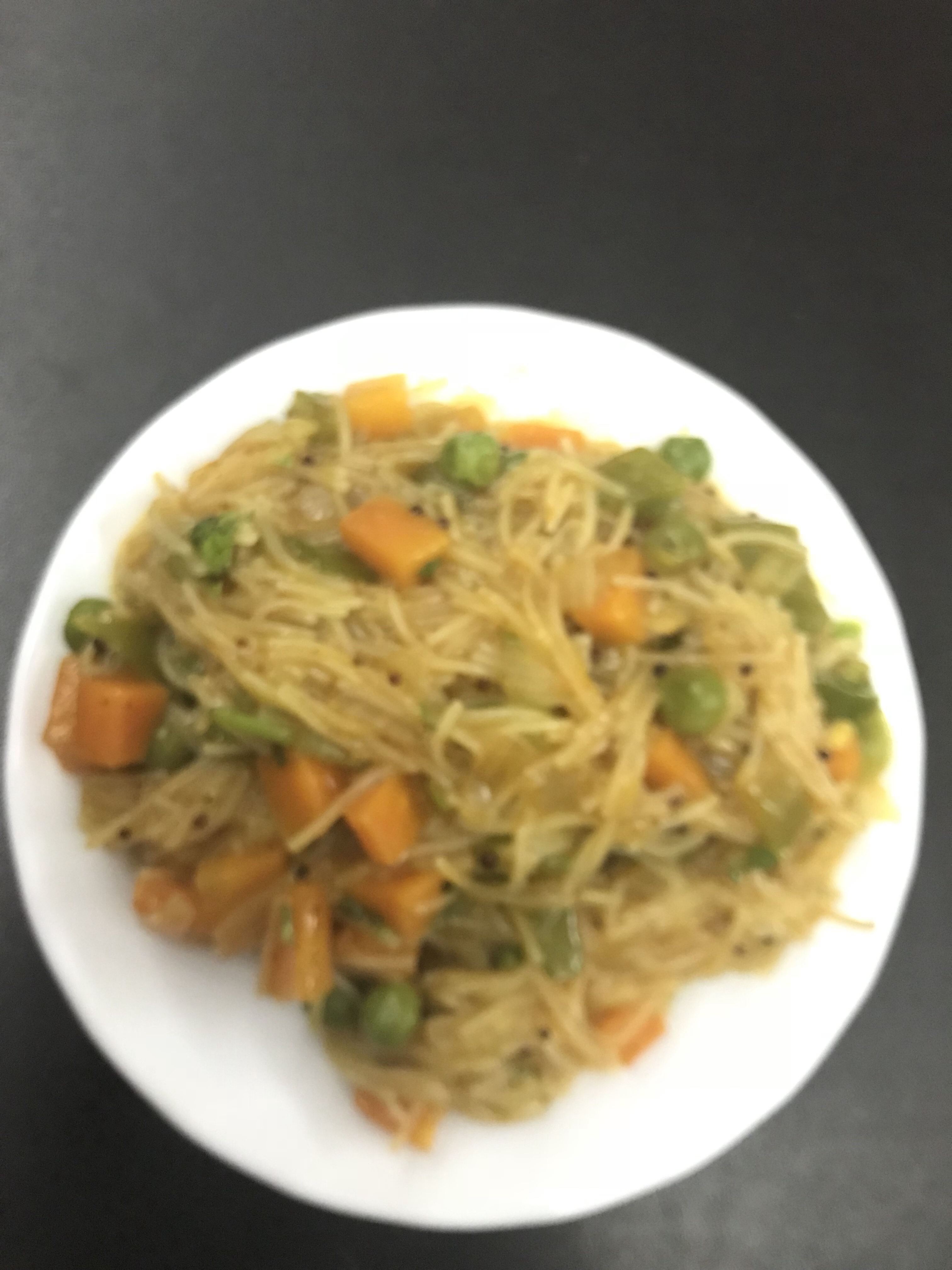
This is another staple dish in Tamil households which I tweaked slightly this week to make it different.

Spicy Vermicelli Upma

Ingredients:

  • 1 cup vermicelli, dry roasted
  • 1 onion, chopped
  • 1 carrot, chopped
  • 1/2 cup frozen peas
  • 1 tsp minced garlic
  • 1 tsp minced ginger
  • 1/4 tsp turmeric powder
  • 1/8 tsp asafoetida
  • 1 tsp red chilli powder
  • 2 tsp pav bhaji (or garam) masala
  • 1 tsp mustard seeds
  • 4-5 curry leaves
  • Salt to taste
  • 2 tsp oil
  • 1 tbsp lemon juice
  • Coriander leaves to garnish
  • 1 tbsp ghee (optional)

Method:

  • Heat oil in a pan and when it warms up, add the mustard seeds and let it pop.
  • When the mustard pops, add the curry leaves, asafoetida and turmeric powder and stir for a couple of seconds.
  • Add the onions and saute till translucent. Then add the remaining vegetables and saute for 1 minute.
  • Season with salt, chilli powder and pav bhaji masala and let the vegetables cook completely.
  • When the vegetables are done, add the roasted vermicelli and stir well.
  • Add enough boiling water to the vermicelli and cook it well.
  • When the vermicelli is cooked completely, check for seasoning and adjust as necessary.
  • Add the optional ghee to the dish and switch off the gas.
  • Drizzle the lemon juice over the dish and garnish with coriander leaves.
  • Serve hot.

Notes:

  • Instead of pav bhaji masala, you can also use garam masala or any other masala lying around.
  • To make a Jain version of this dish, omit the onions and garlic and cook as above.