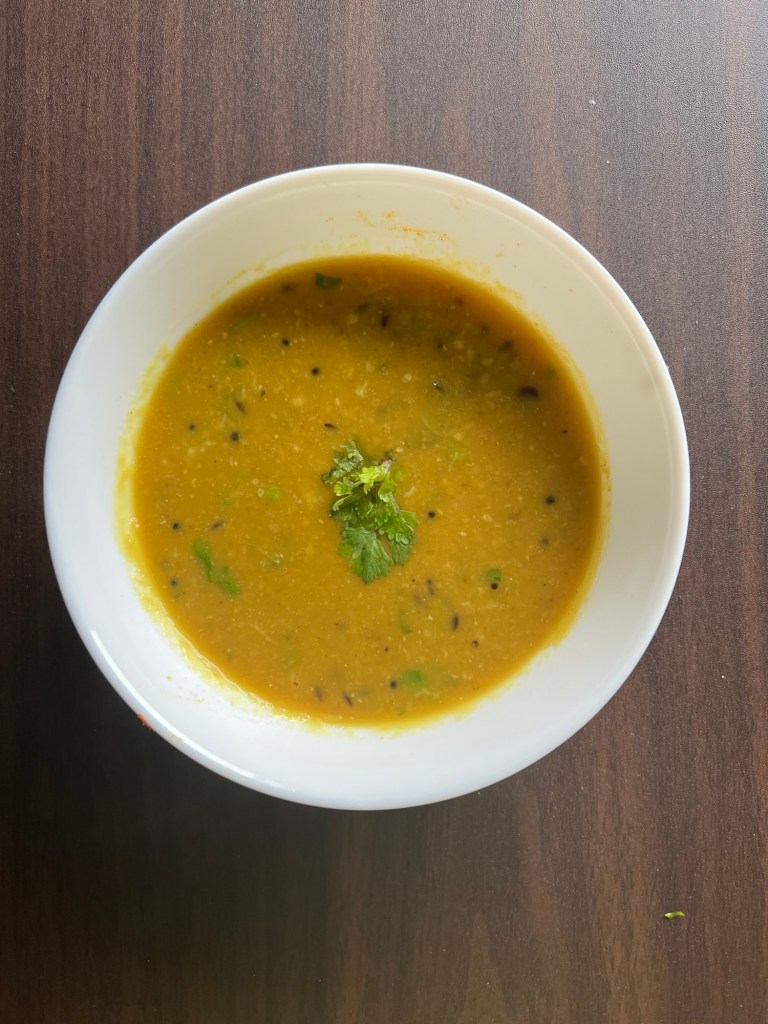
Recipes: Chincha Gul Amti

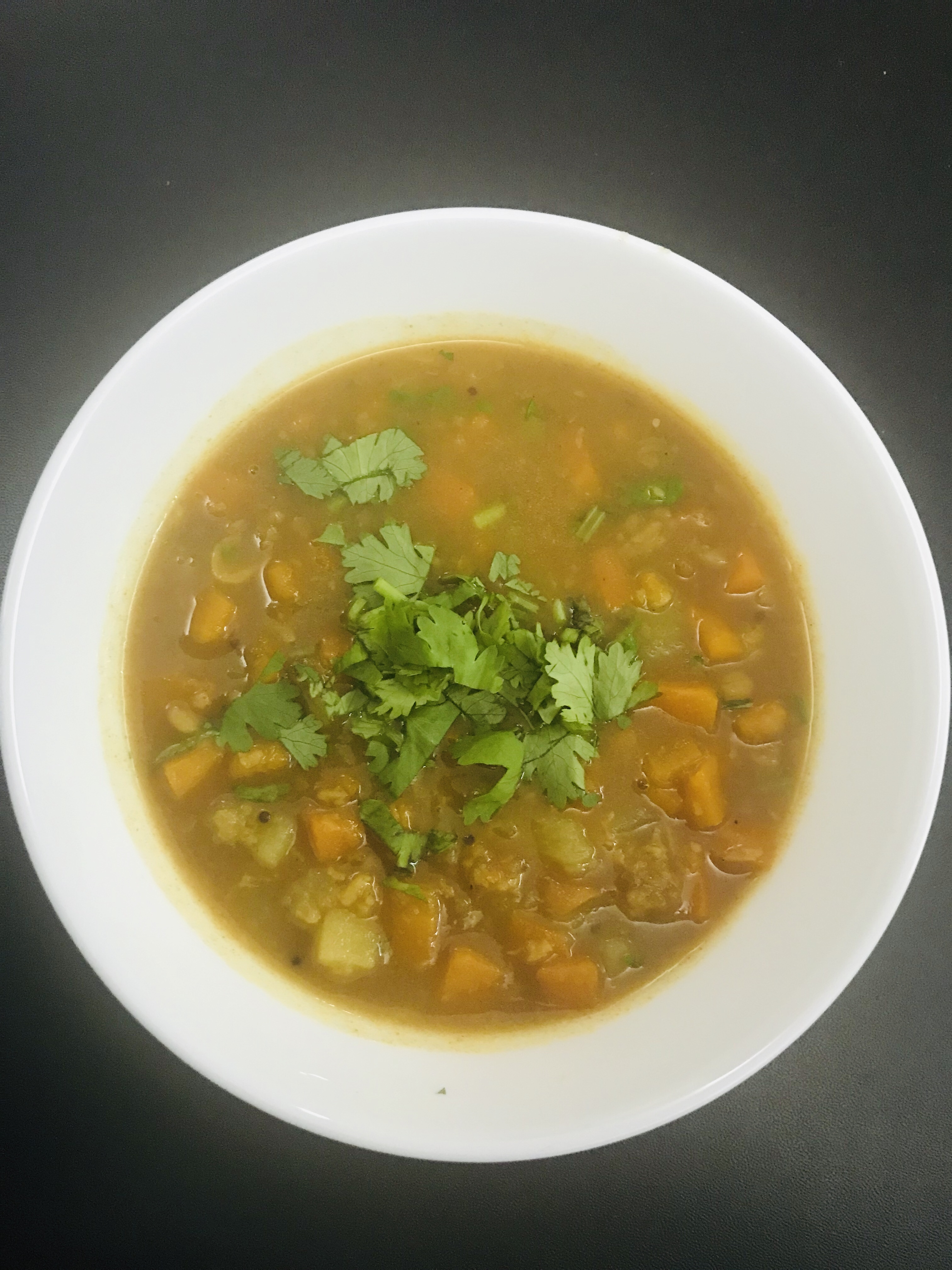
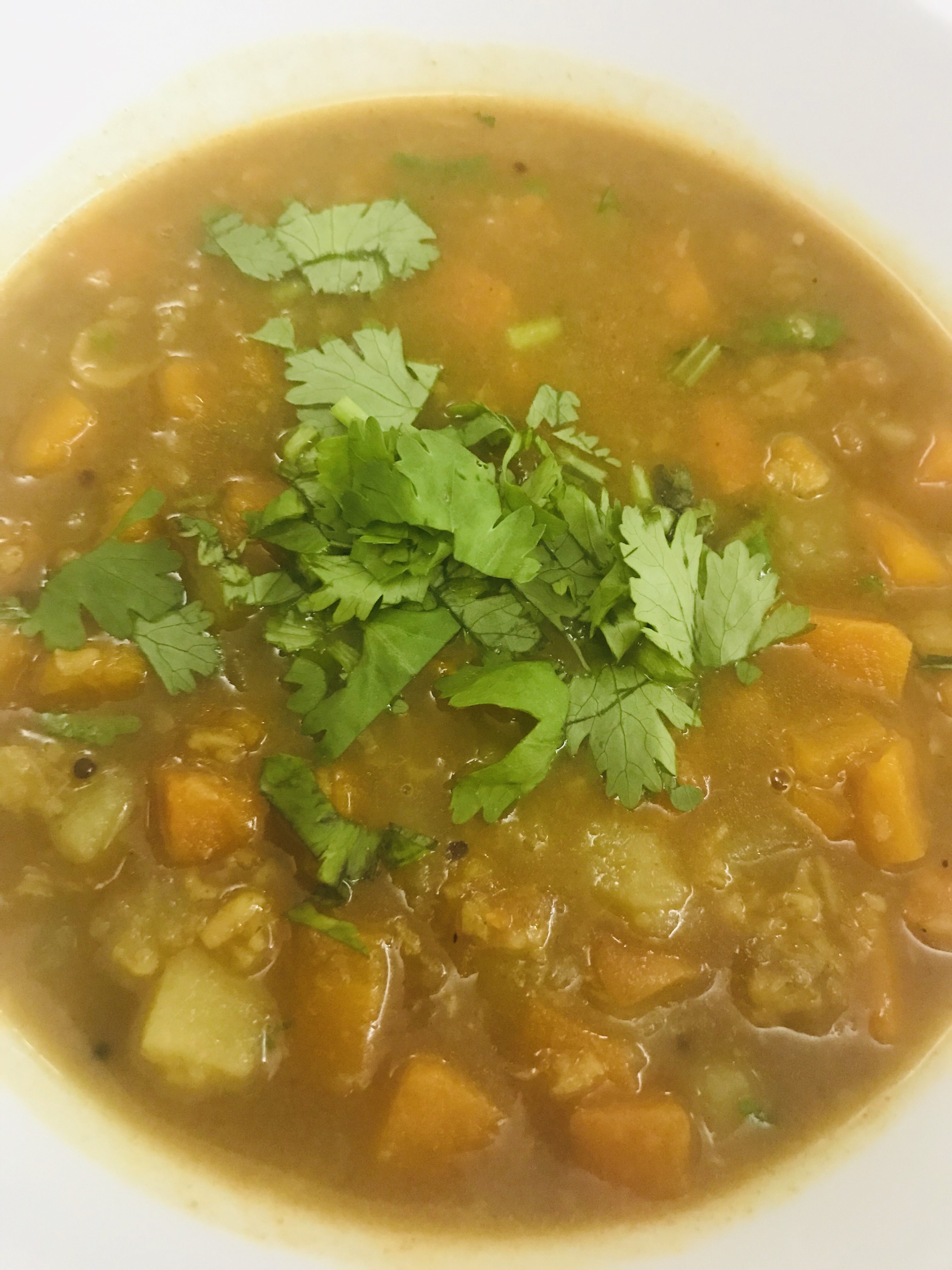
Known for its tangy and sweet flavour, Chincha Gul Amti is a traditional Maharashtrian dal made from tamarind or chincha and jaggery or gul. I got this recipe from one of the many recipe books I own (so old school, right). This version of the recipe includes coconut, which enhances the richness and texture of the dish, but you can opt to omit this if you don’t like the taste. 
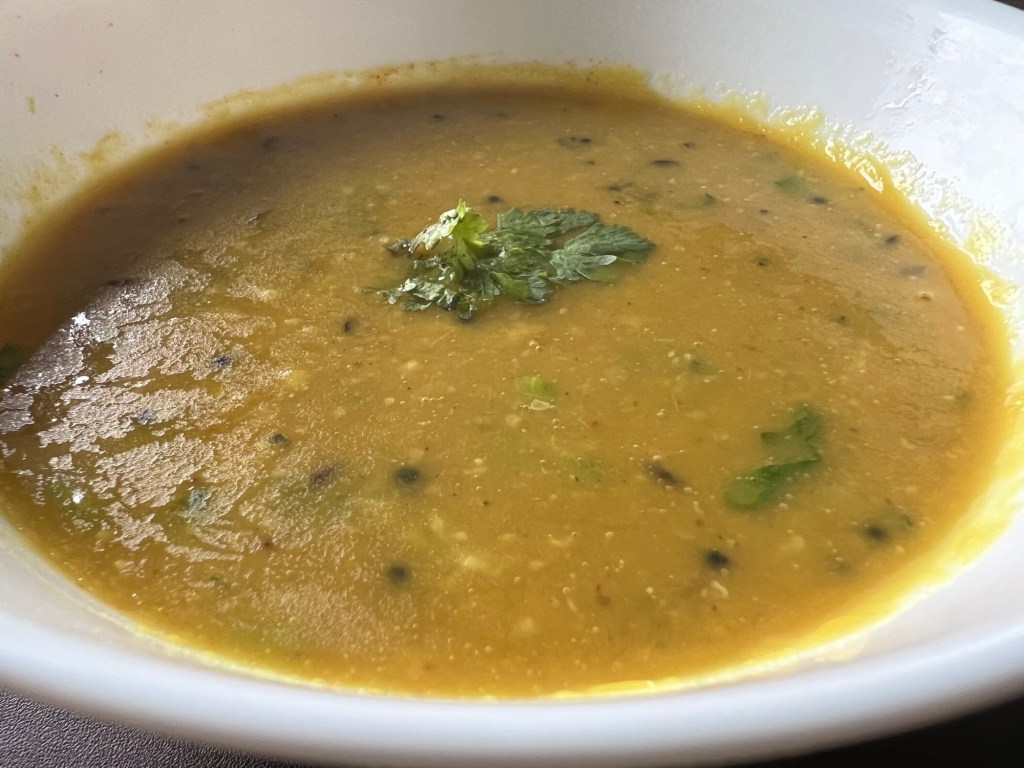
Chincha Gul Amti

Ingredients:

  • 1 cup toor dal or pigeon pea lentils
  • 2 tbsp tamarind pulp or paste 
  • 2 tbsp jaggery powder
  • 2 tbsp grated coconut, either fresh or desiccated
  • 1 tbsp oil or ghee
  • ½ tsp mustard seeds
  • ½ tsp cumin seeds
  • ¼ tsp asafoetida 
  • 2 dried red chilies
  • 8-10 curry leaves
  • ½ tsp turmeric powder
  • 1 tsp red chili powder 
  • 1 tsp goda masala (optional) or garam masala
  • Salt to taste
  • Water as needed
  • Finely chopped coriander leaves to garnish

Method:

  • Wash the dal well and soak in hot water for 30 minutes. 
  • Then pressure cook the dal with 2-3 cups of water until soft. This should take around 3-4 whistles. Mash or whisk the cooked dal to a smooth paste and set it aside.
  • If using tamarind pulp, soak tamarind in warm water for about 10-15 minutes. Extract the tamarind pulp by squeezing the tamarind, and set it aside. 
  • If using rock jaggery, dissolve the jaggery in a small amount of water, ensuring no lumps, and set aside.
  • In a deep pan or kadai, heat the oil or ghee on medium heat. Add mustard seeds and cumin seeds, and let them splutter. Add asafoetida, dried red chilies, and curry leaves. Saute for a minute until fragrant.
  • Add turmeric powder, red chili powder, and goda or garam masala and stir for a few seconds. Then add the grated coconut and sauté for another 2-3 minutes until the coconut turns slightly golden.
  • Pour the cooked and mashed dal into the pan. Stir well and adjust the consistency by adding water as needed. Bring it to a gentle simmer.
  • Add the tamarind pulp or paste and jaggery to the simmering dal. Stir well to combine the sweet and tangy flavors. Cook for another 5-7 minutes, allowing the flavours to meld.
  • Add salt to taste and adjust the level of tamarind and jaggery according to your preference. If the amti is too thick, add a bit more water to achieve a medium consistency.
  • Once done, turn off the heat and garnish with freshly chopped coriander leaves.
  • Serve Chincha Gul Amti hot with steamed rice or roti.
Recipes: Kalyana Gotsu

Earlier in the week, we celebrated the harvest festival of Pongal and on that day I made Venn Pongal for dinner. I wanted to make something to go with this but was not in the mood for Coconut chutney, so decided to search for something else to make to go with Pongal.

I came across Gotsu, which is also a traditional accompaniment to Pongal, but this is usually made with Brinjals or Aubergines. S is allergic to this vegetable, so I decided to substitute it with other vegetables. This is also a one-pot recipe and I made it from start to end in my pressure cooker. It can also be made in a large pan or dutch oven but will take longer than if you use a pressure cooker. It was so yummy and tasty and everyone gobbled it up.

This Gotsu is also served in weddings, especially for breakfast with Idlis, Vadai and Pongal.

Kalyana Gotsu

Ingredients:

  • 2 carrots, chopped finely
  • 2 potatoes, chopped finely
  • 1 large tomato, chopped finely
  • 1 lemon sized ball of tamarind or 3 tbsp tamarind paste
  • 1/4 cup moong dal
  • 3 tbsp chana dal
  • 1 tbsp oil
  • 1 tsp mustard seeds
  • 2 green chillies, slit lengthwise
  • 5-6 curry leaves
  • 2 tbsp sambhar powder
  • 1 tbsp jaggery (can omit this or even substitute with sugar)
  • 1/4 tsp asafoetida
  • Salt to taste

Method:

  • Soak the tamarind in hot water for 30 minutes, then squeeze the pulp out and strain the water. Keep aside.
  • Soak the dals together in warm water for 30 minutes, strain and keep aside.
  • Heat the oil in the pressure cooker and add the mustard seeds. When the seeds pop, add the curry leaves, asafoetida and green chillies and stir for a few seconds.
  • Now add the finely chopped tomatoes and stir for a few minutes.
  • Then add the finely chopped potatoes and carrots and stir well.
  • Then add the soaked dals and give it a good stir.
  • Now add the tamarind water, sambhar powder and salt to taste and stir everything well.
  • Cover the pressure cooker and cook for 3-4 whistles.
  • If you are using a pan or dutch oven to cook, cover and cook, stirring occasionally. Periodically check and add water if needed. You need the vegetables to be fully cooked and the dals to be soft and mushy.
  • When the pressure reduces in the cooker, open and lightly mash the gotsu with a potato masher. Don’t mash it completely like we do for Pav Bhaji, but just a bit to make the gotsu thicker.
  • Add the jaggery and check for seasoning. Garnish with coriander leaves and serve hot with Idli, Dosai, Vadai or Pongal.

Notes:

  • I made this without onions or shallots because I made it on a festival day. If you want, you can add onions or shallots and the place to add it is just after popping the mustard seeds.
  • You can use any vegetables you like though it’s usually made with Brinjals or Aubergines.


Recipes: Tamarind Date Chutney

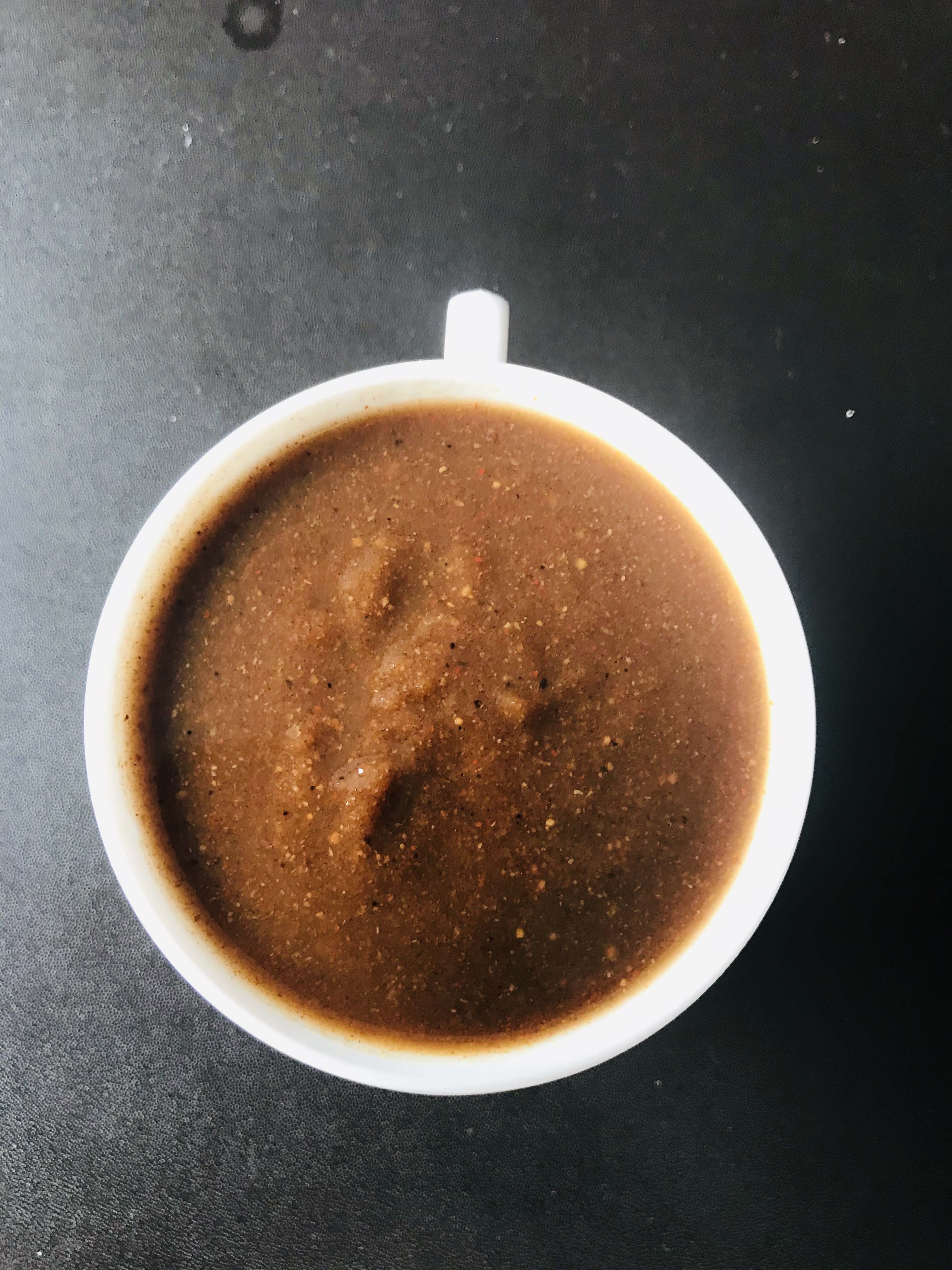
img_2125I realised when I shared my recipe for chole that I have not yet shared this easy, piquant yet sweet Chutney. This is great when paired with fried food and also makes a great spread for sandwiches. It does take a while to make but is totally worth the effort.
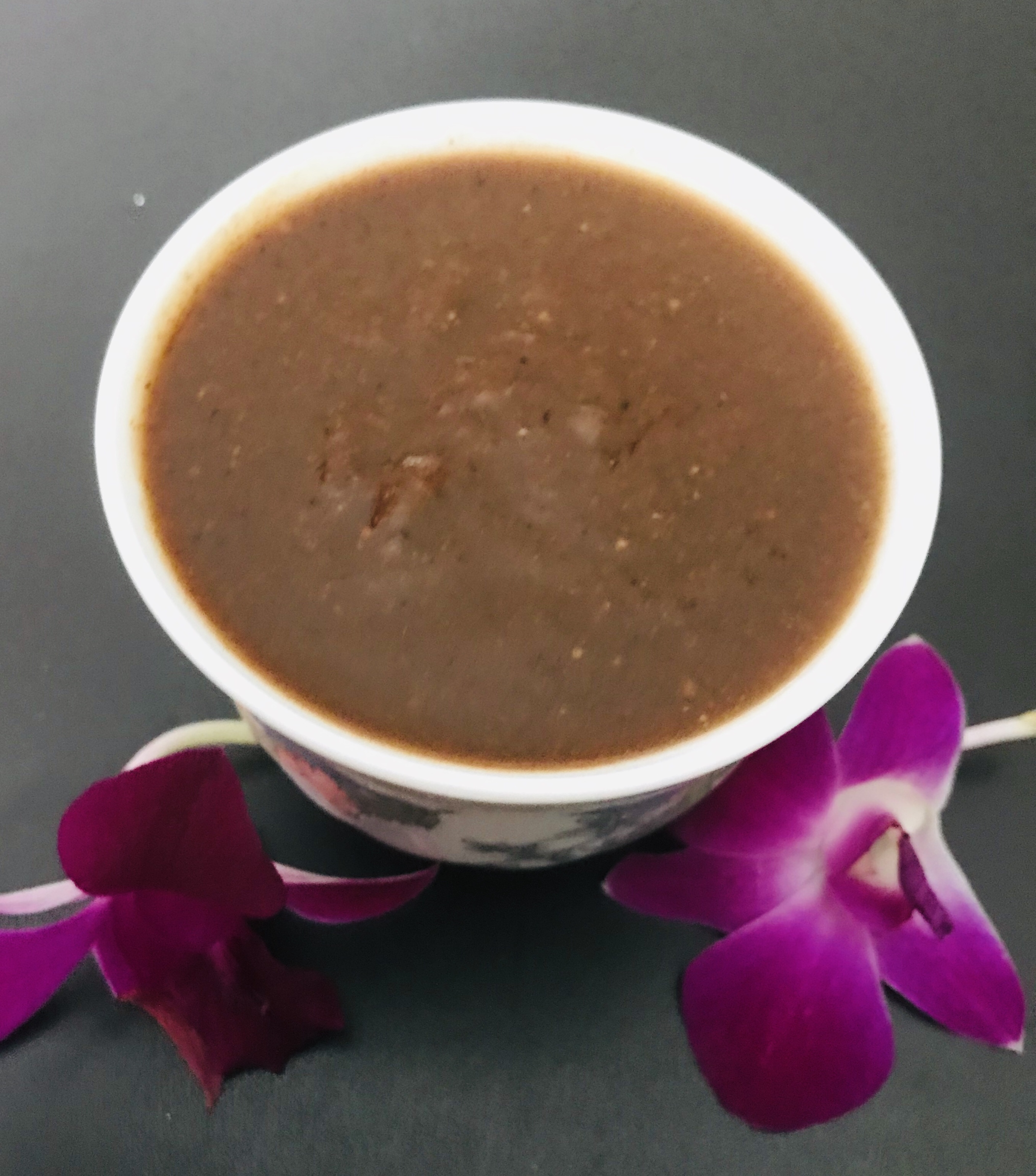
I made this chutney along with my Green Coriander Chutney and Dried Red Chilli & Raisin Chutney when we hosted S’ colleagues for a Diwali open house.

Tamarind Dates Chutney

Ingredients:

  • 1 cup tamarind
  • 1 cup dates
  • 2 tsp rock salt
  • 1 tbsp red chilli powder
  • 1 tbsp cumin powder
  • Salt to taste

Method:

  • Deseed the dates and the tamarind. Make sure there is no fibre also in the tamarind.
  • Soak the dates and tamarind either separately or together in hot water for an hour or so.
  • When the dates and tamarind have cooled off, blend them, along with the water they were strained into a fine paste.
  • Strain this paste through a strainer into a large pot which you can put on the gas. You may need to blend and strain a few times so that you get all the paste in.
  • When everything has been strained, put the pot on the gas and add the salt, rock salt, red chilli powder and cumin powder and let it come to a rolling boil. You can also check spices at this point and add more if needed.
  • Once it comes to a rolling boil, reduce the flame and let it boil for around 5-10 mins. It will start thickening and once it is almost as thick as you require, switch off the flame. It will become thicker as it cools.
  • When cool, remove to a clean container and refrigerate. It should stay well in the fridge for a couple of weeks.

Notes:

  • If you don’t have access to dates, you can substitute them with raisins. Or you can even do a combination of both dates and raisins. Just use the same quantity as above.


Recipes: Sweet Sour Potatoes

When I was in college, I used to make a potato recipe in a tamarind sauce a lot. That was a signature dish I had discovered in a magazine, most likely Women’s Era and had written it down. I did not bring that notebook with me when I moved to Singapore and now that recipe is lost.

The other day I suddenly started thinking of that recipe and turned to Google to see if I can find it somewhere in the world wide web. Unfortunately, I could not remember most of the ingredients and hence could not verify if any of the recipes were the same.

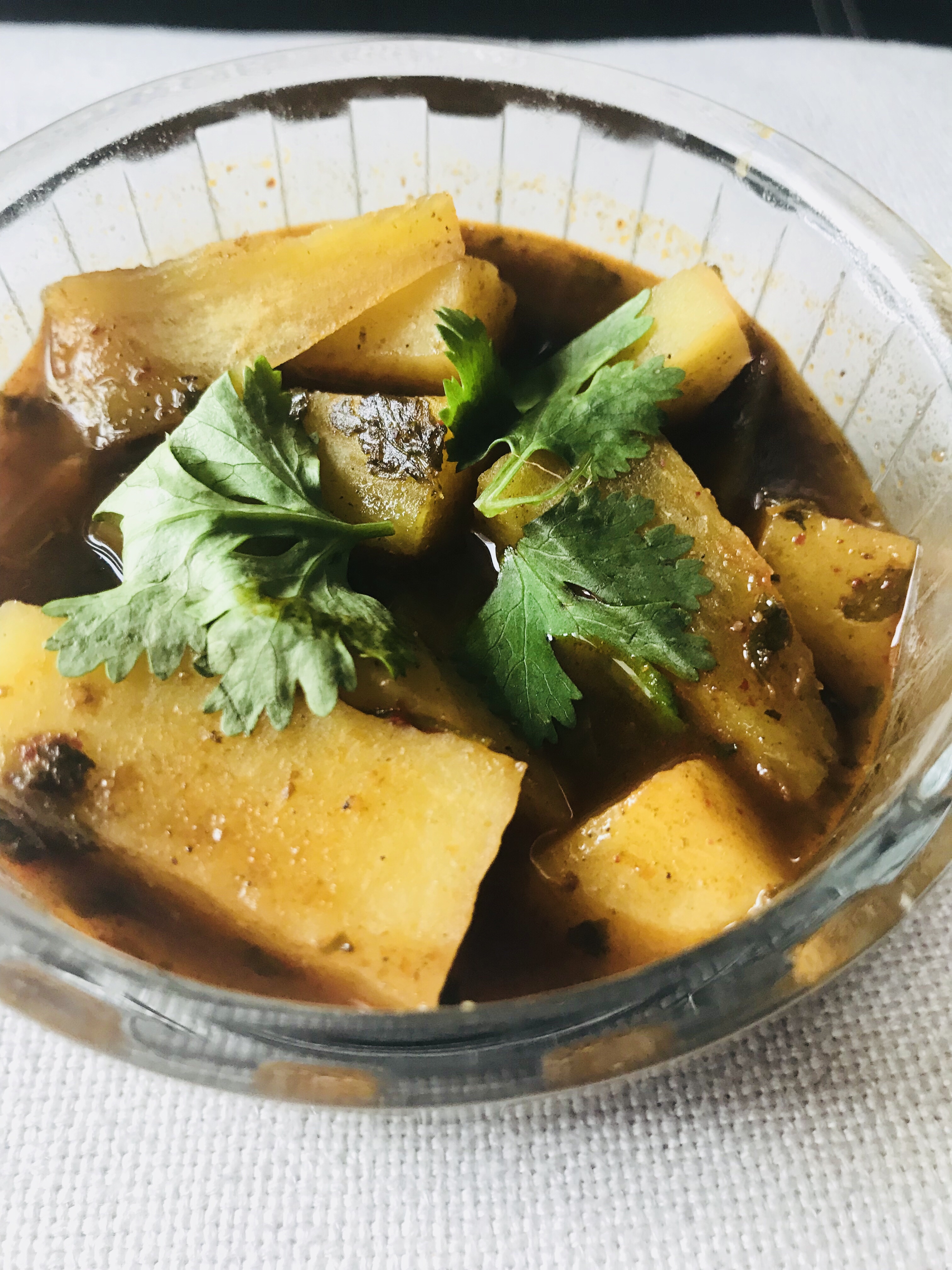
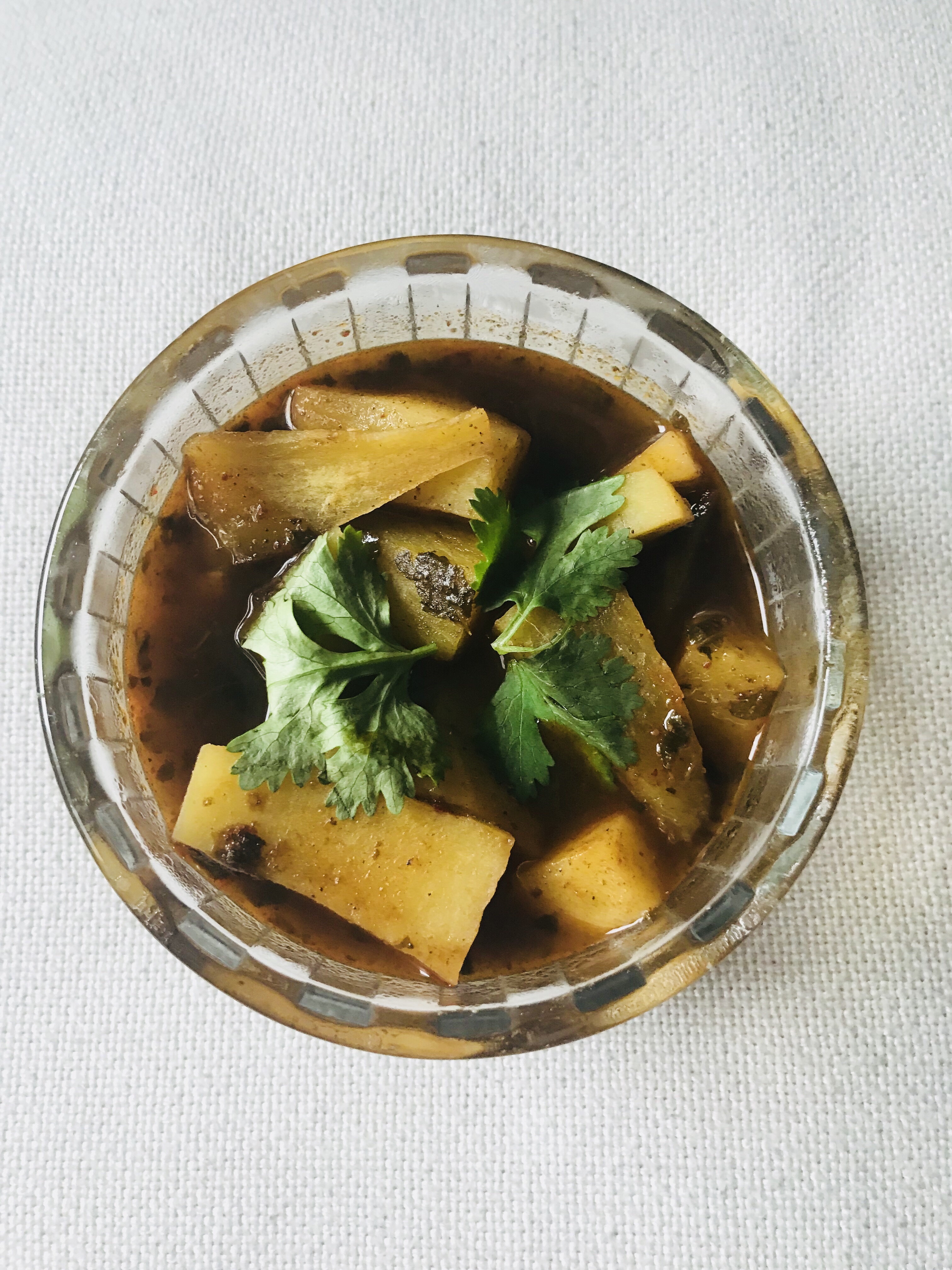
I did read a recipe from Sanjeev Kapoor which I felt was the closest to what I remembered and so adapted this recipe to my own. So here’s my version of tangy and sweet-sour potatoes.

Sweet Sour Potatoes

Ingredients:

  • 1 cup potatoes, scrubbed well and cut into long fingers with the jacket on
  • 1 lemon-sized ball of tamarind, soaked in hot water for 20 minutes and pulped and make it into 2 cups of tamarind water (or if you are using tamarind paste, use 2-3 tsp of the same)
  • 2 tbsp (more or less) Jaggery (you can alternate this with brown sugar if you don’t have access to jaggery)
  • 1 tsp cumin seeds
  • 1 tsp fennel seeds
  • 1 tsp mustard seeds
  • 1 tsp coriander seeds
  • 3-4 dried red chillies
  • 1/8 tsp asafoetida
  • 1 tsp kasuri methi (dried fenugreek leaves)
  • 1 tsp oil
  • Salt to taste

Method:

  • In a dry pan, dry roast the cumin seeds, fennel seeds, coriander seeds and chillies separately till they start to emit a nice aroma. Make sure you don’t burn the spices. Keep aside, cool and blend into a fine powder.
  • Heat oil in a largish pan and when the oil heats up, add the mustard seeds and let them pop. When they pop, add the asafoetida and stir for a couple of seconds. Then add in the powdered spice mix and stir for a couple of seconds.
  • Then pour in the tamarind water and jaggery and some salt and let it come to a nice rolling boil.
  • After about five minutes, when the raw smell of the tamarind goes away, add the potatoes and let them cook. Cook the potatoes till a knife pierced through one, goes in cleanly. Don’t overcook them. Check for salt at this point and add more if needed.
  • Finish off with taking the kasuri methi in the palms of your hands and crush it to release the oils and aroma and sprinkle it over the potatoes and gravy.
  • Switch off the gas and garnish with chopped coriander. Serve with rice or rotis (Indian flatbreads)
  • Recipe: White Pumpkin Rasavangi

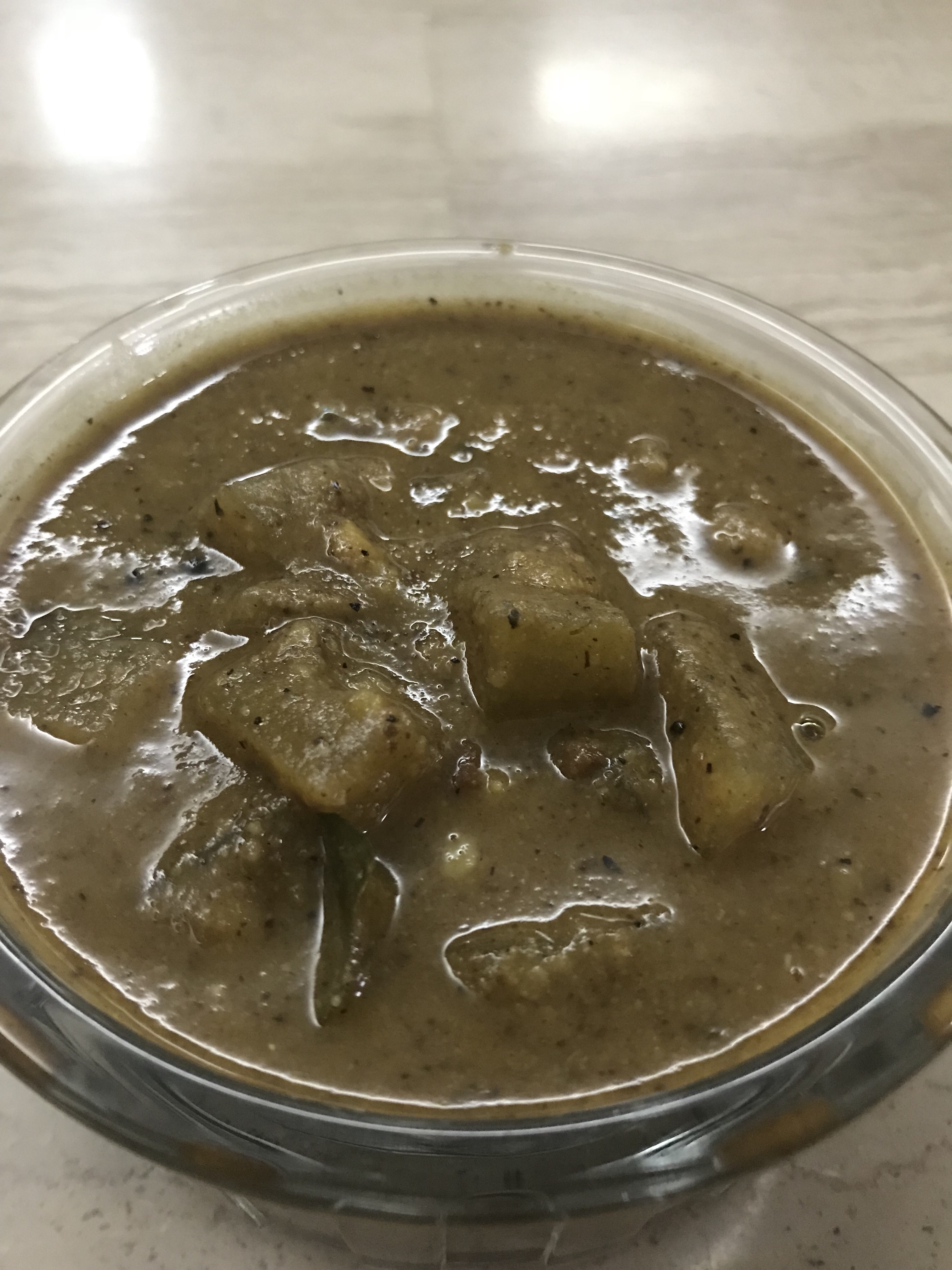
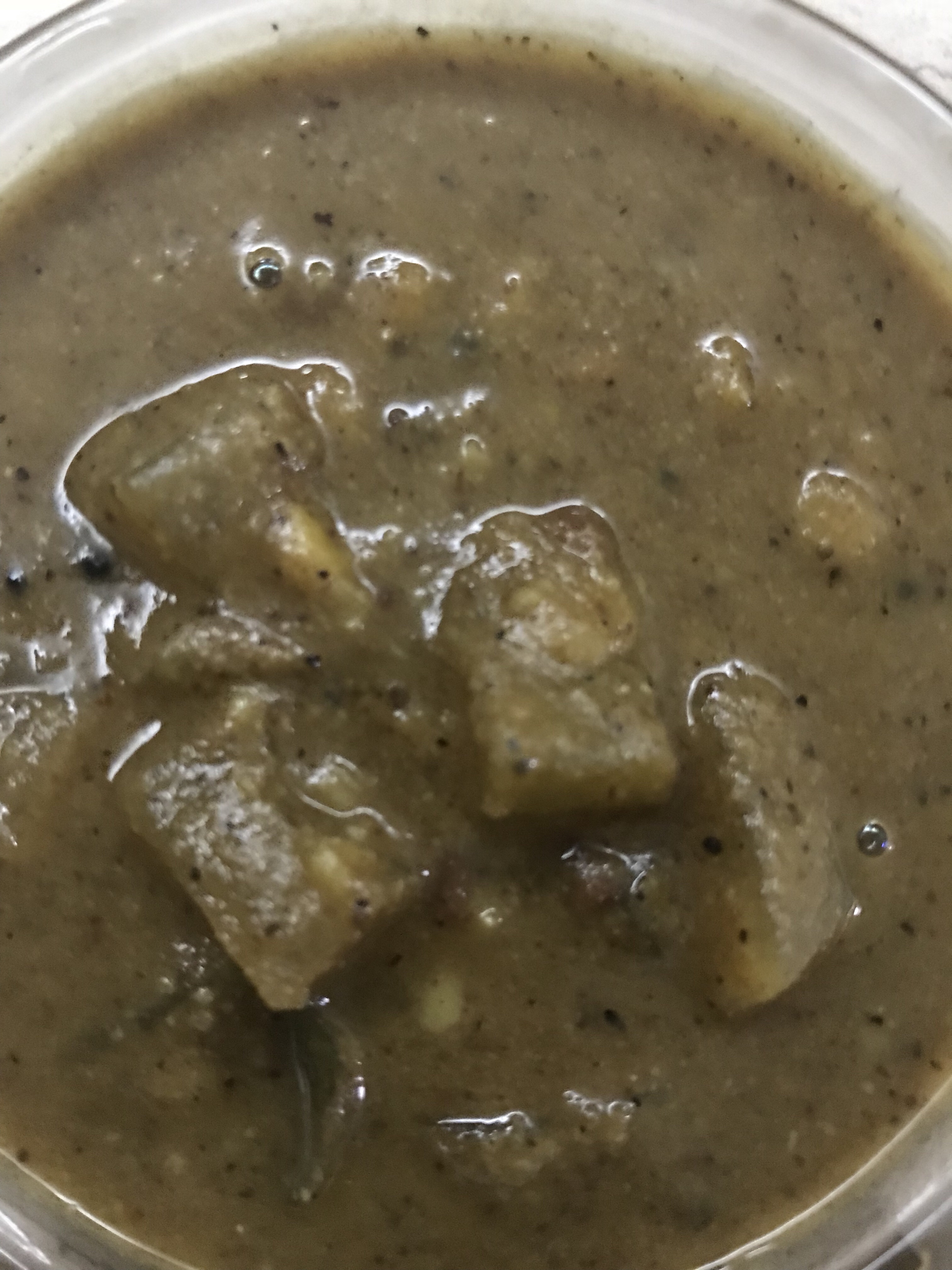
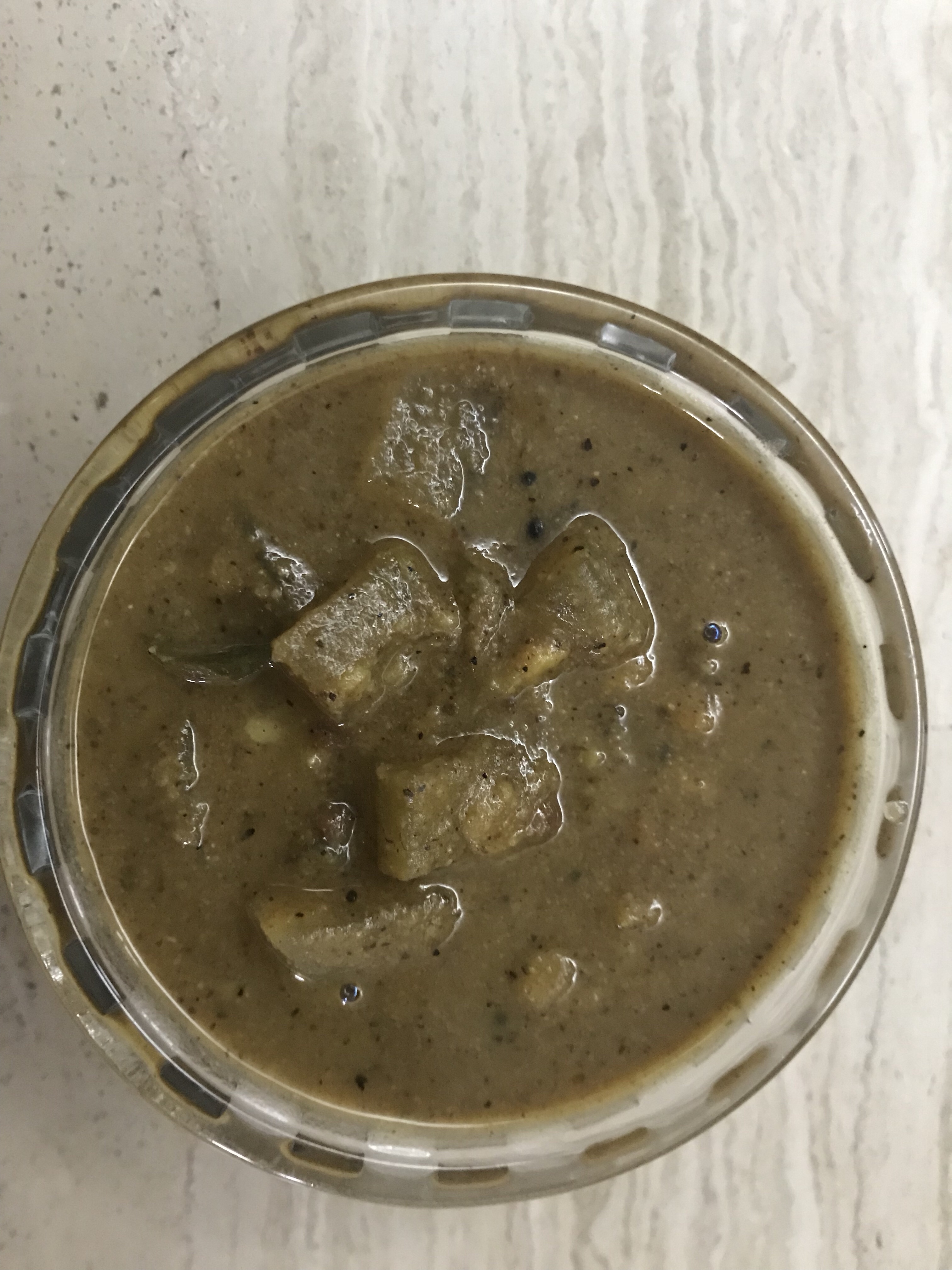
    The word Rasavangi is very evocative and exotic, isn’t it? In Marathi (or rather the Bambaiya Hindi which is spoken in Mumbai), Vangi means Brinjal or Aubergine. And Rasa in most Indian languages brings to mind a gravy. So I always thought Rasavangi is brinjal cooked in gravy. It was only recently I learnt that it is, in fact, a South Indian term and most probably used by the Brahmins. All this time, I used to call this dish a Pumpkin Sambhar. Anyway, here’s the Rasavangi I made recently.

    White Pumpkin Rasavangi

    Ingredients:

    • 1 large white pumpkin, peeled and chopped into small pieces after discarding the seeds and fibre
    • 1 lemons sized ball of tamarind, soaked in hot water for 20-30 minutes, then squeezed so the fibres are removed and the tamarind water separated
    • 1 tsp turmeric powder
    • 1/2 cup toor dal
    • 2-3 tbsp chana dal

    To be ground into a paste:

    • 1/2 cup grated coconut
    • 6-8 dried red chillies
    • 2 tbsp coriander seeds
    • 1 tbsp chana dal
    • 2 tbsp oil

    To Temper:

    • 1 tbsp oil
    • 1 tsp mustard seeds
    • 1 tsp broken urad dal
    • 5-6 curry leaves

    Method:

    • Cook the toor and chana dal until they lose their shape. Whisk them well till it becomes a homogeneous mixture. Keep aside
    • In a pan, take 2 tbsp oil and when the oil warms, add the dried red chillies, coriander seeds and chana dal and stir until they start becoming red. Then add the coconut and keep stirring till the coconut becomes reddish brown and loses all moisture and becomes completely dry. Keep aside to cool.
    • When cool, blend to a fine powder. If your blender can’t do this, you can also add water and blend it to a fine paste.
    • In the same pan, put the chopped pumpkin and turmeric powder with just enough water to cover the bottom of the pan and ensure it does not burn. You can also add a bit of salt here so the pumpkin is not bland.
    • Cook the pumpkin till it becomes tender. At this point add the tamarind water and boil until the raw smell of the tamarind goes away.
    • Now add the cooked dals and the ground paste and check for seasoning. When the Rasavangi starts to boil again, remove from the flame.
    • Take a smaller skillet and pour in the remaining 1 tbsp oil. When the oil heats up, add the mustard seeds and let it splutter. Then add the urad dal and let it brown slightly. Add the curry leaves and switch off the flame. Pour this seasoning over the Rasavangi.
    • Serve hot as a gravy with rice or even as an accompaniment to a traditional South Indian meal. If serving as an accompaniment, make it thicker than usual. This can also be eaten with Indian flatbreads.