
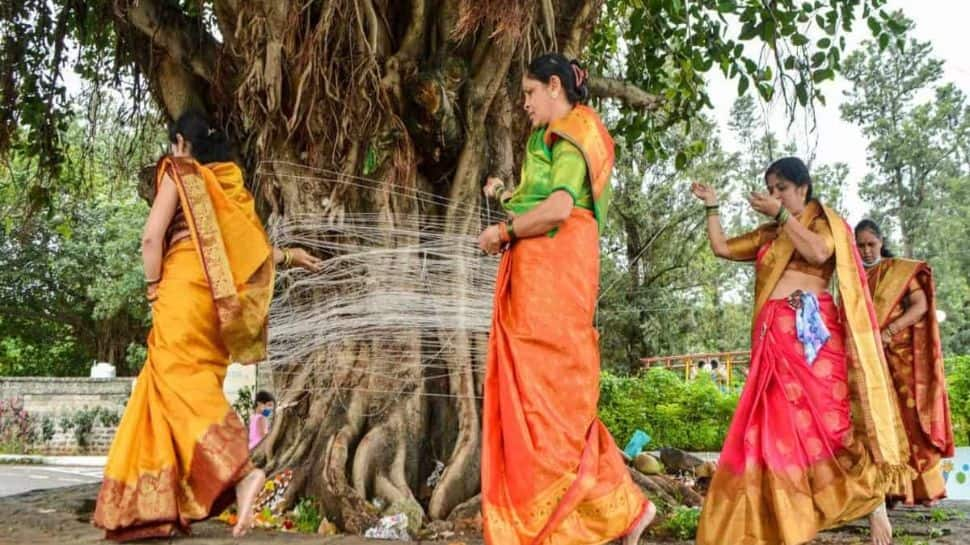
Also known as Savitri Vrata or Savitri Amavasya, the festival of Vata Savitri has its roots deeply embedded in the ancient Hindu epic, the Mahabharata. The story behind this auspicious celebration centres around the legendary tale of Savitri and her husband, Satyavan.
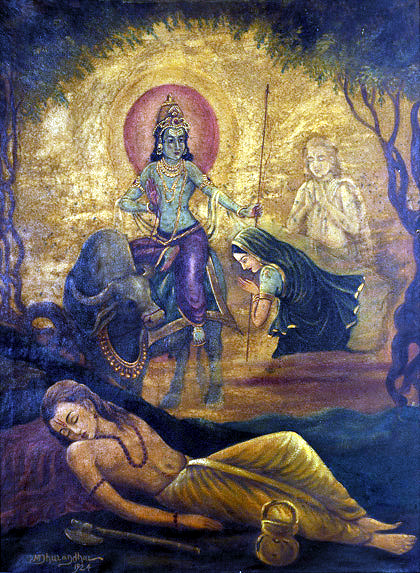
According to the epic, Savitri was the beautiful and virtuous daughter of King Ashvapati. When the time came for her to choose a husband, she selected Satyavan, the exiled prince who lived in the forest with his blind father, Dyumatsena. Despite being warned by the sage Narada that Satyavan was destined to die within a year, Savitri remained steadfast in her decision to marry him.
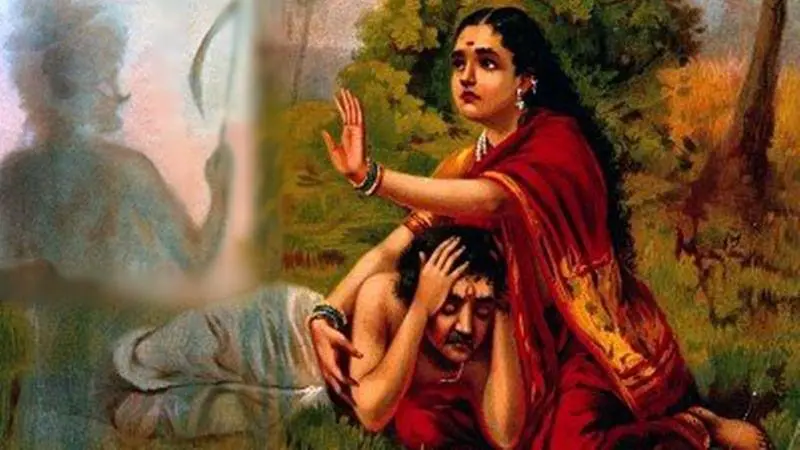
On the fateful day, as Satyavan went to the forest to gather wood, he collapsed and died. Yama, the god of death, appeared to claim Satyavan’s soul. Undeterred, Savitri followed Yama and pleaded for her husband’s life. Moved by her unwavering devotion and determination, Yama granted her three boons. Savitri used these boons to restore her father-in-law’s sight and kingdom and ensure she would become the mother of a hundred sons. Ultimately, Yama, impressed by Savitri’s selfless love and courage, relented and returned Satyavan’s life to her. This act of Savitri’s triumph over death and her ability to secure her husband’s life have made her an exemplary figure of marital devotion and faithfulness in Hindu tradition. The festival of Vata Savitri commemorates this legendary story and the power of a woman’s love.
The name Savitri itself holds deep significance in Hindu mythology. Savitri is also the name of the Vedic goddess of knowledge, wisdom, and spiritual enlightenment. By invoking the name of Savitri, the festival emphasises the importance of understanding, devotion, and the sanctity of marriage.
Therefore, the name Savitri is central to the festival, as it represents the embodiment of the ideal wife and the triumph of love over death, which are the core themes celebrated during the Vata Savitri festival.
The festival of Vata Savitri is celebrated primarily by married Hindu women in various regions of India, particularly in the states of Uttar Pradesh, Maharashtra, Bihar, Jharkhand, Madhya Pradesh, Punjab, and Haryana. The celebration is centred around the veneration of the Vata, or Banyan tree, believed to be the abode of the three primary deities in Hinduism; Lord Shiva, Lord Vishnu, and Lord Brahma.
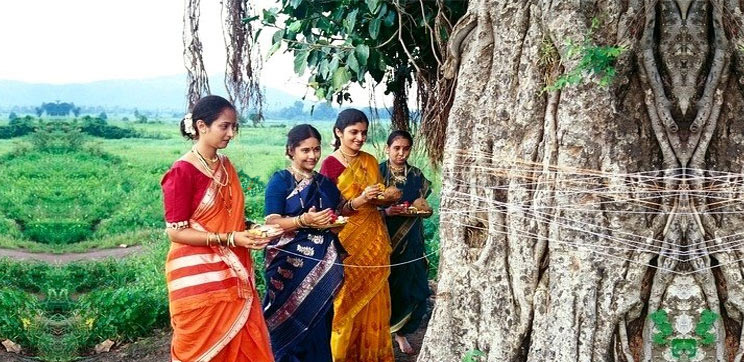
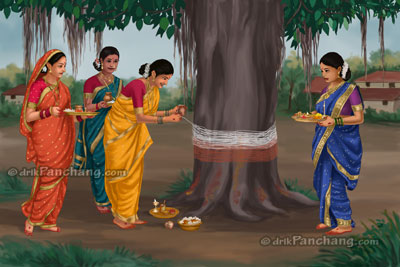
The Vata Savitri festival is observed with great devotion in the northern states of Uttar Pradesh and Bihar. Married women wake up early, bathe, and don their finest traditional attire and jewellery. The women then gather at a Vata tree, carrying a sacred white thread, and a Kalash, or pot, filled with water, turmeric, vermilion, and flowers. They worship the tree, lighting a ghee lamp and offering prayers for the well-being and longevity of their husbands. The highlight of the celebrations is the ritual of tying the white thread around the Vata tree seven times, symbolising the unbreakable bond between the wife and her husband. This act is believed to ensure the husband’s long and prosperous life. In some regions, the women also prepare a special satvik or pure meal, which they offer as a sacred offering to the deities. The day is marked by fasting, the chanting of mantras, and the exchanging of blessings among the women.
In Maharashtra, Goa, and Gujarat, the festival is known as Vat Purnima and is observed during the full moon, or Purnima, in the month of Jyeshtha. In Maharashtra, women fast for the entire day and tie red and orange threads around the auspicious Banyan tree, praying for the well-being and longevity of their husbands. In some parts of Maharashtra, the women also draw pictures of the Vata tree, Savitri, Satyavan, and Yama on the floor or walls using a paste of sandalwood and rice. These images are then worshipped with mantras and offerings. In Gujarat and Goa, women follow similar customs as those in Maharashtra.
In Odisha, the Vata Savitri festival is celebrated with a unique twist. Here, the women offer worship to a grinding stone or sila pua, which is considered a symbolic representation of Savitri. Women perform puja on the grinding stone, adorning it with flowers and applying vermilion. They also tie threads around the stone, seeking the blessings of Savitri for their husbands’ well-being. This regional variation in the celebration of Vata Savitri showcases the diverse cultural and traditional practices that have evolved around this ancient festival across different parts of India.

The festival of Vata Savitri holds immense spiritual and cultural significance for Hindu married women. It is a celebration of the unwavering love, devotion, and determination of Savitri, who defied the god of death to save her husband’s life. For Hindu women, Savitri is revered as an exemplary figure of marital fidelity and the embodiment of the ideal wife. The festival serves as a reminder of the power of a woman’s love and the importance of preserving the sanctity of marriage.
By observing the Vata Savitri fast and performing the rituals associated with the festival, married women seek to emulate Savitri’s virtues and pray for the long life and well-being of their husbands. The act of tying the thread around the Vata tree is believed to symbolise the unbreakable bond between the wife and her husband, and the desire for a prosperous and harmonious marital life. The festival also serves as a means of fostering community and social harmony, as the shared experience of celebrating Vata Savitri transcends religious, social, and economic boundaries. The women come together to support and encourage one another, strengthening the bonds of sisterhood and collective identity.
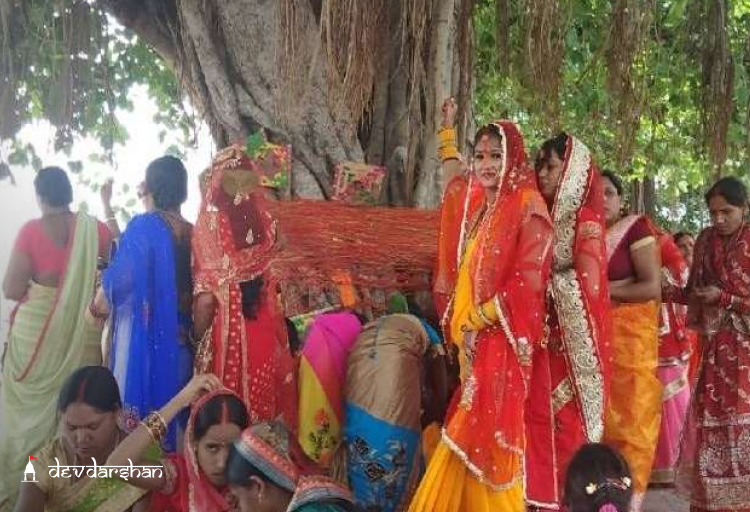
The festival of Vata Savitri is a testament to the enduring power of love, devotion, and the unwavering spirit of the human soul. The story of Savitri’s triumph over death and her ability to secure her husband’s life has made her a revered figure in Hindu tradition, inspiring generations of women to emulate her virtues and seek the blessings of the divine. Through the various rituals, customs, and celebrations associated with Vata Savitri, married Hindu women across India reaffirm their commitment to their husbands and seek divine grace to ensure their well-being and longevity.
As the Vata tree continues to be a symbol of longevity and the abode of the divine, the celebration of Vata Savitri serves as a reminder of the importance of preserving the sanctity of marriage and the enduring legacy of Savitri’s unwavering love and determination.

 Memories and Such