
 In my years of being in the workforce, I’ve had many managers, good, bad and even indifferent, but I don’t think I’ve had one as the one I reported to in my last short-lived job. This person, who was a nice person by nature, exemplified everything that a manager should not be. It was not because this person was being a manager for the first time, this person had been a good 40 odd years in the workforce and probably had been a manager for at least half that time. But the traits the person brought to the table as someone overseeing a team were traits that do not make a good manager. I kept thinking back to how this person treated people and this became the fodder for this blog post.
So what are the traits that exemplify a good manager? Keep reading….
 Leadership:
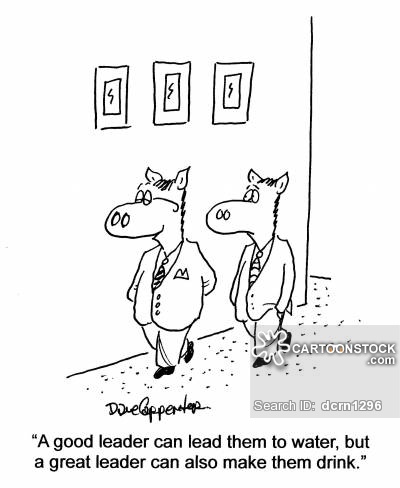
A good manager should not just manage the people under them, they should inspire and lead them. They should be emotionally stable, have enthusiasm for the work they and their team does and learn to take failures as well as success. A good leader also shares credit for a job well done and does not throw any member of their team under the bus just to save their skin.
Communication:
A good manager is someone who is able to communicate well. Managers communicate in a 360 degree, from employees who report to them, peers, clients and their own managers. This can be in person, via phone or even written communication through email. What they say should not be evasive or unintelligible, but should be clear and concise and not have any room for ambiguity. Another important communication is non-verbal communication, especially when dealing with subordinates.
Planning:
Good managers are organized. They know what needs to be done and when it needs to be done. A good manager not only knows the long-term goals of the organisation but also know what they and the team they supervise need to do to achieve those goals. A good manager will not only plan and schedule the team but will also have a good grasp of the departmental budget.
 Problem-Solving:
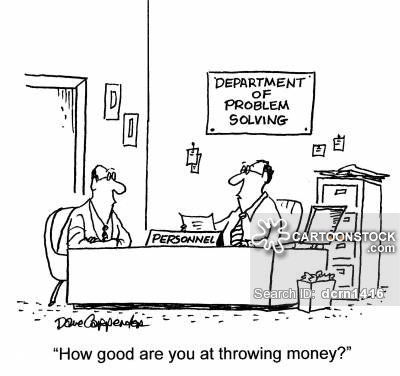
Good managers are able to identify and solve problems. Whether it’s a personnel issue, an upset customer or a difficult vendor, good managers can think of creative solutions to problems, then execute the solutions. Good managers also take responsibility for problems that arise rather than seeing them as someone else’s responsibility and take an ethical approach to problem-solving. Great managers know in addition to being a leader, they are also teammates. They don’t just give feedback on problems; they help with implementing the solutions. These managers are very clear and realistic when it comes setting and communicating goals. Along the way, they get their hands dirty and put in the work to ensure their direct reports are set up for success. They show them how to be successful if they are falling behind and demonstrate best practices to help guide them along.
Attitude:
What sets every good manager that I’ve had over the years is simply nothing more than a good attitude. Attitude really is everything and great managers know that their energy and attitude set the pace for the day. A great manager knows when to hold certain situations lightly and when to drive certain situations with a high degree of urgency. Their communication is not hard to read or understand. A good manager never over-reacts and keep calm even under immense fire. They are always cool in the office and always have a smile on their face even under exceptional circumstances.
Transparent:
You cannot be a great manager if you sugarcoat things. They must know how to speak to their reports in a way that is direct, factual and straightforward — especially when it comes to bad news. They also get to the point quickly and transition into solution-based thinking (versus wallowing). Top-notch managers must also be transparent. This trait helps drive away any potential rumour mills before they open. They foster a culture of candour, making it easier for people to give meaningful real-time feedback.
 Flexible:
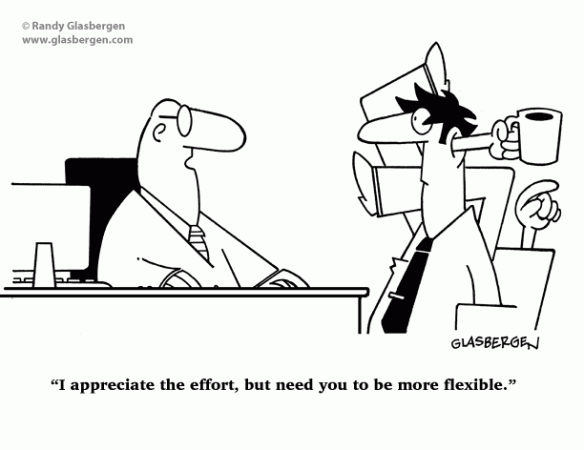
Great managers know that it is not all about them; it is all about the people. When things get bumpy they embrace ambiguity and make others comfortable in dealing with change. They also know that no two employees are the same and spend the time getting to know what motivates and challenges people. They ask questions and listen so they can set up a working relationship that is tailored to the specific needs of an employee (as appropriate and reasonable as possible).
Accountability:
Remarkable managers are obsessed with accountability. They realize that the success of their direct reports is their success. On the flipside, they share in failures and mistakes. They hold regular one-on-one meetings with their direct reports and reinforce the outcomes they and the team are responsible for. They are vested in driving solution-based cultures and strive to build an environment of continued learning (versus finger pointing). Also, to keep staff focused, they make sure to handle and manage accountability conflicts as they come up (instead of letting things fester).
Develop great talent:
A great manager is very good at spotting potential not only among their own team members but also among the other employees in the organisation and using the spotted talent to the best of their ability. They are able to get the right people in the right roles at the right time. They do this through the encouragement of mentorship opportunities and the implementation of a proactive plan for addressing career development interests, needs and desires. Great managers care about the future as much as they care about the present for both the business and the individual.
Decision Making:
If supervisors can’t make decisions for their team, how can they expect to guide them towards the finish line for projects or goals? The truth is, they can’t. That’s why the best managers have the ability to make decisions with a wealth of information — in a short amount of time — to get the best results from their team. The best managers are hard to come by, and with good reason: they have to be emotionally intelligent, honest and hold their team to the same performance and accountability standards that they hold themselves to.
These are the traits that I found that make up a good manager. I am going to use this as a guide when I become a manager.
What has your experiences been either as a manager or under a manager? I’d love to hear in the comments section below.
 Memories and Such