

Held annually on 18 October, World Menopause Day aims to raise awareness about menopause and its impact on women’s health and well-being.
Menopause is a natural biological process that marks the end of a woman’s reproductive years. It is defined as the cessation of menstruation for a consecutive 12 months, usually occurring between the ages of 45 and 55, though it can occur earlier or later. Menopause is a part of the aging process and signifies a decrease in the production of reproductive hormones like estrogen and progesterone.
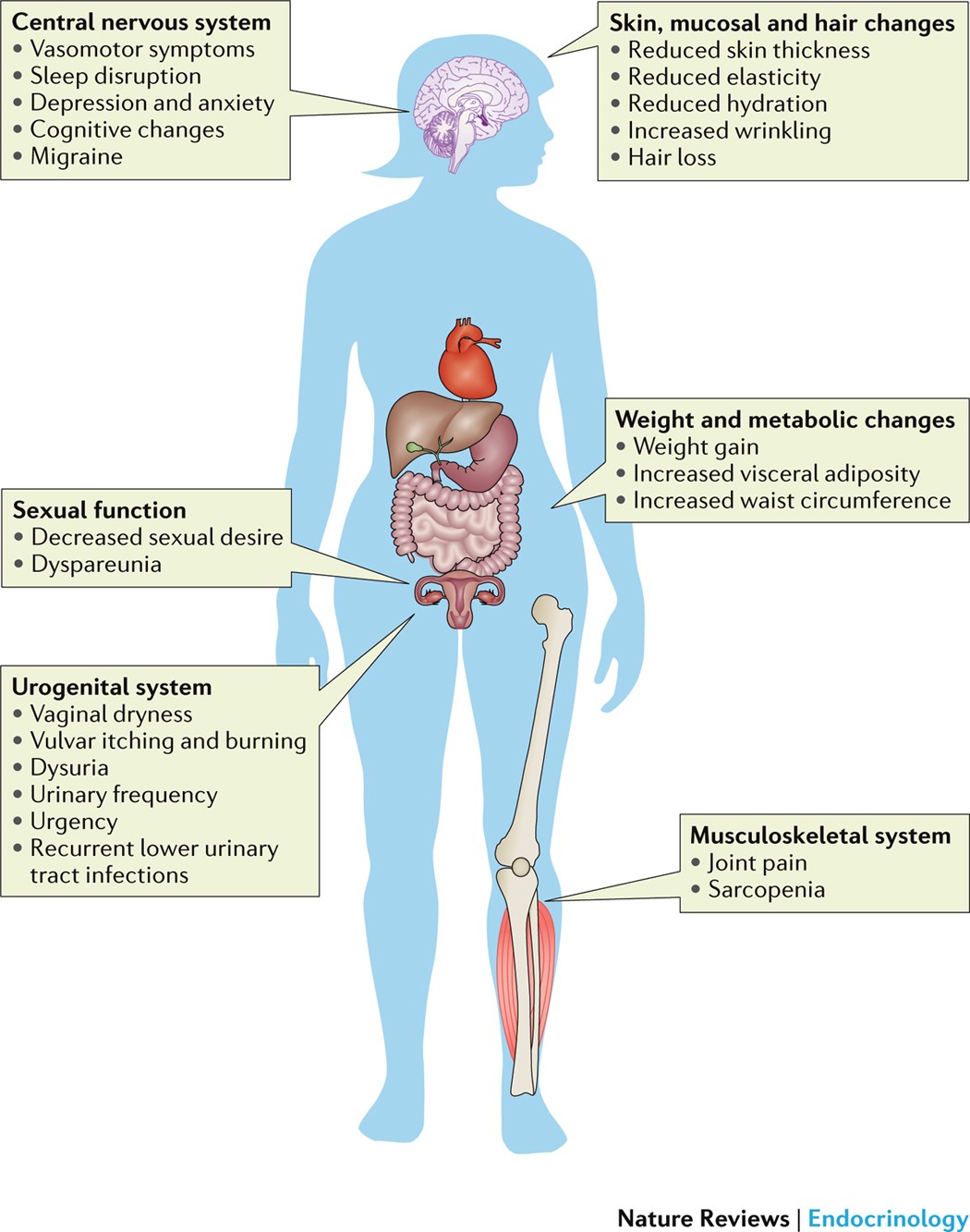
Perimenopause, the transitional phase leading up to menopause, often starts several years before the final menstrual period. During this time, women may experience irregular periods, hot flashes, night sweats, mood swings, and other symptoms as their hormone levels fluctuate. Menopause itself is not a medical condition but rather a natural phase of life, and it is essential to understand and normalize this process to support women adequately.
:max_bytes(150000):strip_icc()/menopause-definitions-4588759_final-8687dbdd6c5e4fa4859045bc34a7ae8d.png)
World Menopause Day holds immense significance as it brings attention to the physical, emotional, and psychological changes women undergo during this critical life stage. Menopause affects women globally, and by promoting awareness and understanding, we can create a more supportive and compassionate society for women transitioning through this phase.
Menopause is a time of change—a shift from the reproductive phase of life to a new chapter that holds infinite possibilities. Women must embrace this transformation positively. Society can play a vital role in reshaping the narrative surrounding menopause, dispelling myths, and celebrating this natural process as a beautiful and empowering journey. By encouraging open conversations about menopause, we can foster a supportive environment where women feel understood and accepted. For many years, menopause has been surrounded by silence and stigma. Women often felt uncomfortable discussing their experiences, and this lack of open dialogue hindered the spread of awareness and access to accurate information. Women should be encouraged to break this silence and share their menopause stories without fear or shame. When women speak up and share their experiences, it helps others understand that they are not alone and that menopause is a shared experience, that transcends cultural and geographical boundaries.
Knowledge is power, and empowering women with accurate information about menopause is vital for their physical and mental well-being. Understanding the physiological changes, symptoms, and potential treatments available can make a significant difference in how women navigate through menopause. Menopause affects women in diverse ways, and its impact goes beyond physical symptoms. It can have emotional and psychological repercussions as well. Support from family, friends, employers, and healthcare providers plays a crucial role in women’s menopause journey.
The theme for World Menopause Day 2023 is Cardiovascular Disease. According to the World Health Organisation, cardiovascular disease or CVD, also called heart and circulatory disease, is an umbrella name for conditions that affect the heart or circulation. Depending on the Source or DotS this umbrella may include Cardiovascular Conditions; Cardiovascular Diseases or CVD/CVDs; Cardiovascular Disorders; Diseases or Disorders of the Heart and Blood Vessels, Diseases or Disorders of the Heart and Circulatory System, Heart Diseases, Heart and Circulatory Diseases, and Stroke. These also include coronary heart disease which is a disease of the blood vessels supplying the heart muscle; cerebrovascular disease, a disease of the blood vessels supplying the brain; peripheral arterial disease which is a disease of blood vessels supplying the arms and legs; rheumatic heart disease which is damages to the heart muscle and heart valves from rheumatic fever, caused by streptococcal bacteria; congenital heart diseases that are birth defects that affect the normal development and functioning of the heart caused by malformations of the heart structure from birth; and deep vein thrombosis and pulmonary embolism which are blood clots in the leg veins, which can dislodge and move to the heart and lungs.
Before menopause, women have a lower risk of heart disease than men. However, as women age and their oestrogen levels fall, their risk of cardiovascular disease increases. Though heart disease is often thought of as a man’s disease, cardiovascular diseases often account for more than half of the deaths of women over 55 years old. There are several risk factors for CVD, including smoking, stress, alcohol, high blood pressure, high blood cholesterol, being physically inactive, being overweight or obese, diabetes, a family history of heart disease, the ethnic background, gender, age, and prevention.
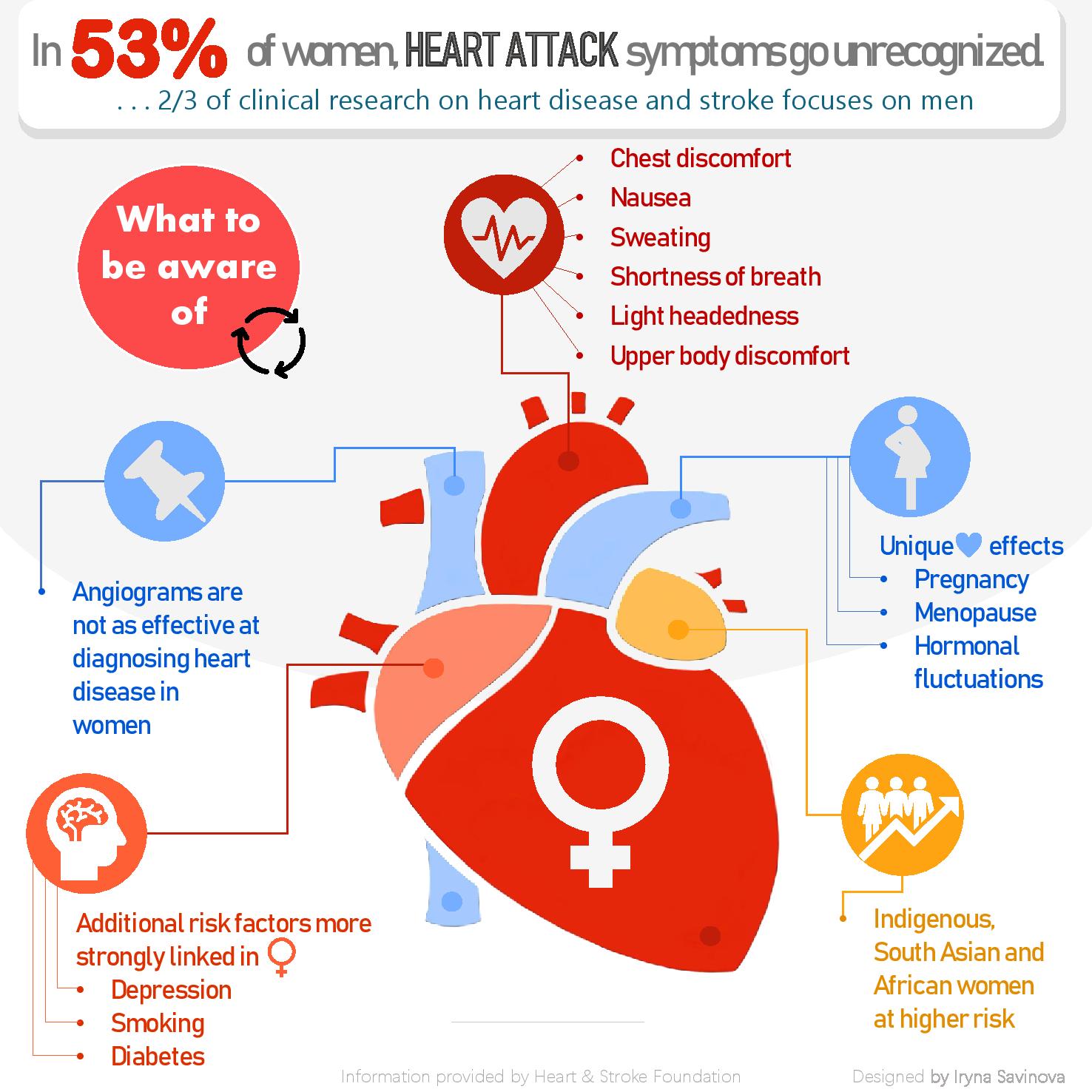
To Prevent heart disease and stroke, one should know their risk, eat a healthy diet, be physically active, watch their weight, live tobacco-free, manage conditions, take necessary medicines, and be a team player. The cardiovascular risk factors that every woman should know about include age at the time of menopause, the cause and timing of menopause, estrogen levels, hot flashes and night sweats, depression and sleep problems, increased visceral fat, and cholesterol levels and metabolic syndrome risk.
World Menopause Day 2023 encourages the creation of supportive environments where women feel comfortable discussing their concerns and seeking help. Employers should consider providing flexible work arrangements to accommodate menopause-related challenges, and healthcare providers should offer personalised care and treatment options tailored to each woman’s needs. By breaking the silence, promoting knowledge, and fostering supportive environments, we can ensure that women navigate menopause with dignity and grace, embracing the change it brings and empowering themselves to lead healthy and fulfilling lives. Let us stand together on this day and beyond, championing the cause of women’s health and celebrating the beauty of menopause.
 Memories and Such