

In the last few weeks, we have been hearing about this phenomenon on various platforms. In the intricate ballet of the corporate world, few manoeuvres spark as much debate as dry promotion. Unlike traditional promotions that come hand-in-hand with a salary increase, dry promotions denote an elevation in job title, responsibilities, or status without a corresponding financial reward.
Dry promotions present a seemingly paradoxical situation: recognition without reward. While some dismiss it as a disingenuous tactic, others argue its potential as a valuable stepping stone or strategic tool. So, is the dry promotion a demotivating dead end or a gateway to greater opportunities? The answer, as with most things in life, lies in the intricate dance of understanding its complexities and navigating its challenges effectively.
So why is dry promotion being discussed so much these days? Several factors contribute to this phenomenon. In competitive economic landscapes, budget constraints can limit salary increases. Companies may prioritise hiring top talent or investing in other areas, temporarily putting salary hikes on hold. Dry promotions can be strategic tools for talent development. They offer opportunities for individuals to take on new responsibilities, acquire skills, and demonstrate leadership potential, paving the way for future financial rewards. Dry promotions can act as stepping stones within the organisational hierarchy. By assigning increased responsibilities without immediate salary bumps, companies can groom promising individuals for senior positions while ensuring existing salaries remain competitive. Some dry promotions arise from temporary situations like restructuring or mergers. Companies may delay financial adjustments until the dust settles, offering recognition and new roles in the meantime.

While the concept of a promotion without a raise might raise eyebrows, it’s important to approach it with nuance. There are both potential benefits and drawbacks to consider. Dry promotions offer valuable opportunities for learning and growth. Taking on new challenges expands skillsets, enhances leadership qualities, and builds an impressive resume. Stepping into a bigger role increases visibility within the organisation, leading to greater recognition and potentially paving the way for future promotions with financial rewards. Employers may opt for dry promotions as a strategic move to contain costs while recognising and rewarding employees for their contributions. In times of budget constraints, offering non-monetary advancements allows organizations to acknowledge exceptional performance without immediately impacting the bottom line.
For individuals seeking specific career changes or advancement within a particular department, a dry promotion can serve as a strategic foot in the door, positioning them for future opportunities within that area. In some cases, the recognition and increased responsibility associated with a dry promotion can boost morale and employee engagement, especially when paired with clear communication and future advancement plans. Dry promotions can serve as a tool for professional development, providing employees with opportunities to enhance their skills, broaden their experience, and prepare for higher-level roles. This approach aligns with the philosophy that career progression is not solely defined by financial gains but also by the acquisition of diverse skills and experiences. The elevation in job titles and responsibilities can enhance their marketability and open doors to future career opportunities, even if the immediate financial gains are not realized.
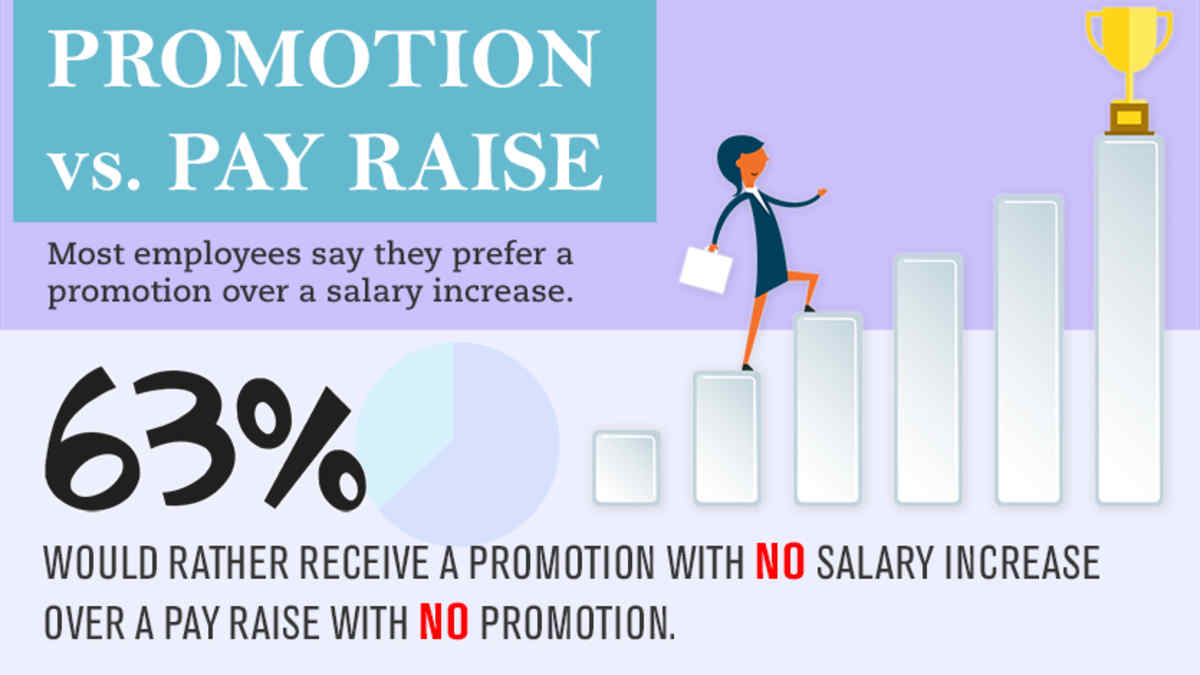
However, if poorly handled, dry promotions can create feelings of resentment and demotivation. Employees may view it as a broken promise or a lack of appreciation, leading to decreased productivity and increased turnover. Offering dry promotions without a corresponding salary increase may pose a risk to employee retention. Talented individuals, especially those with sought-after skills, may be enticed by external opportunities that offer both professional growth and financial rewards. Depending on individual financial situations, the lack of a salary increase can create significant financial strain. This can be particularly detrimental for lower-income employees, potentially leading to decreased job satisfaction and increased stress. Companies must manage expectations effectively. Offering a dry promotion without a clear roadmap for future financial rewards can fuel frustration and resentment if those expectations aren’t met. The market value of an employee’s skills and experience may not be adequately reflected in their compensation package, potentially hindering their ability to negotiate competitive salaries in the job market. This consideration is particularly relevant when employees explore external career opportunities. This can be a costly loss for companies that have invested in their development.
The success of a dry promotion hinges on effective communication, strategic implementation, and transparency. Here are some key factors for navigating this nuanced concept:
- Clear Communication: Companies must be transparent about the reasons behind the dry promotion, outlining the rationale, potential benefits, and future salary adjustment plans. Employers should emphasise the value placed on professional growth and the organisation’s commitment to long-term employee development. Open communication fosters trust and prevents misunderstandings.
- Focus on Development: Dry promotions should be presented as opportunities for learning and growth, not just additional workload. Companies should provide support and resources for skill development and career advancement.
- Setting Expectations: A clear timeline for future salary adjustments or promotion possibilities is crucial to managing expectations and maintaining employee morale. Ambiguity breeds frustration, so be forthright in your communication.
- Individual Considerations: Not all employees react to dry promotions the same way. Companies should be sensitive to individual situations and financial constraints, potentially offering alternative forms of compensation or support in the interim. Understanding the diverse needs of the workforce is essential.
- Performance Metrics: Linking dry promotions to clear performance metrics helps in objectively assessing employee contributions. By establishing transparent criteria, employers can ensure that promotions are merit-based and aligned with organizational goals.
- Career Path Planning: Organisations should actively engage in career path planning with employees, providing a roadmap for future progression. This involves outlining the steps required for transitioning from a dry promotion to a role with increased financial compensation.
- Monitoring and Feedback: The impact of dry promotions should be monitored and feedback should be actively sought. This allows companies to identify potential concerns and adjust their approach for future instances.
A dry promotion is not inherently good or bad; it’s a nuanced tool that requires careful consideration and thoughtful implementation. While this practice can be a strategic tool for employers to acknowledge and reward excellence, it also necessitates a thoughtful and transparent approach.
Companies must understand the motivations behind them, employ transparent communication, prioritize employee development, and manage expectations effectively. For employees, understanding the potential benefits and navigating the challenges while advocating for their needs is crucial. By fostering open communication, aligning promotions with performance metrics, and maintaining a comprehensive approach to compensation and benefits, both employers and employees can navigate the intricacies of dry promotions effectively. Ultimately, the success of dry promotions hinges on the ability of organisations to create a work environment that values both the professional and financial dimensions of employee growth. As the business landscape continues to evolve, the judicious use of dry promotions may well become a strategic lever for organisations seeking to balance fiscal responsibility with the imperatives of talent retention and development.
 Memories and Such