

In a world that often celebrates extroversion, the quiet strength of introverts often goes unnoticed. But beneath the calm and sometimes unassuming demeanour lie many unique talents and abilities that shape our society in profound ways.
Introversion refers to a personality trait characterised by a preference for solitude, introspection, and quiet reflection. Introverts tend to feel more energised and fulfilled when they spend time alone or engage in activities that allow for deep thinking and self-exploration. Introversion is not simply about shyness or reticence in social situations, but rather a preference for solitude, reflection, and deep introspection. Introverts draw energy from within, finding solace and renewal in moments of quiet contemplation and solitude.
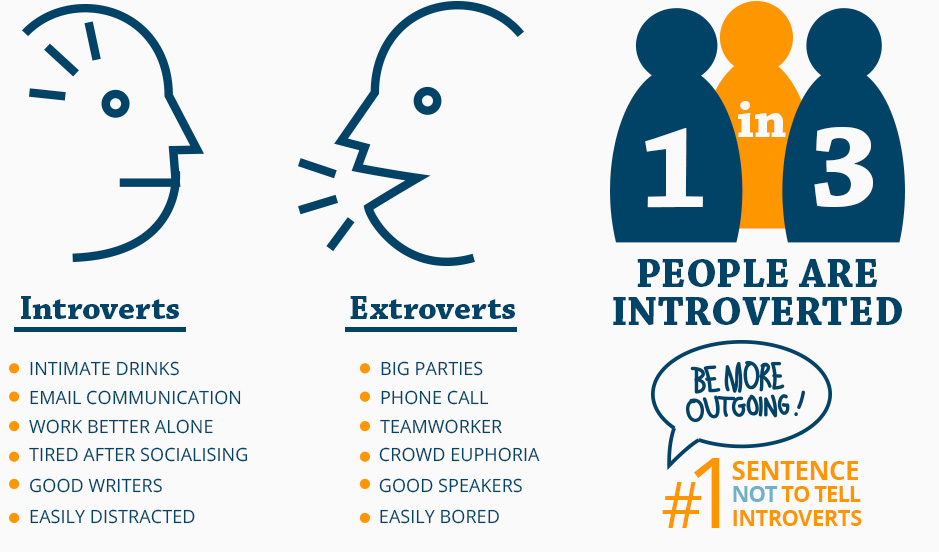
Introverts possess a remarkable capacity for reflection and self-awareness, often delving deep into their inner thoughts and emotions to gain insights and perspective on themselves and the world around them. This introspective nature fuels creativity, innovation, and personal growth. Introverts thrive in the quiet corners of life. They find solace in solitude, introspection, and deep thought. While extroverts draw energy from social interactions, introverts recharge their mental and emotional batteries by retreating to their inner sanctums. They often seek out quiet environments where they can focus their thoughts and feelings. But this preference for quietude doesn’t equate to weakness; rather, it’s a wellspring of strength waiting to be tapped.
Introverts may have a smaller circle of friends but maintain meaningful connections. They value quality over quantity in relationships and prefer deeper conversations. They are deep thinkers, often excelling at contemplating complex ideas and exploring their inner worlds. Their ability to listen to and understand others makes them empathetic and supportive. Introverts are also very creative, with many artists, writers, and thinkers identifying as introverts and channeling their creativity into their work.

Introverts are exceptional listeners. Their ability to absorb information, empathize, and truly understand others is unparalleled. In a world where noise often drowns out nuance, introverts provide a vital counterbalance. They listen not just with their ears but with their hearts, fostering genuine connections and bridging gaps between people.
Introverts possess a unique set of strengths that contribute to their success and well-being. Introverts tend to listen more than they speak, allowing them to absorb information about other people. Their empathetic nature enables them to understand others deeply and offer meaningful support. Solitude provides fertile ground for creativity. Introverts often tap into their rich inner world to generate innovative ideas, artistic expressions, and unique solutions. Their preference for focused, solitary work allows introverts to excel in academic pursuits. They thrive when given the opportunity to delve into complex subjects and explore ideas deeply. They prioritise self-care and introspection. Their ability to recharge through alone time contributes to better mental and physical health. Introverts possess qualities like thoughtful preparation, calm focus, and grounded energy. These attributes make them effective leaders and entrepreneurs. Introverts thrive when working independently. Their ability to concentrate without distractions leads to increased productivity. Introverts value quality over quantity in relationships. Their small circle of close friends allows for deeper connections and meaningful interactions.
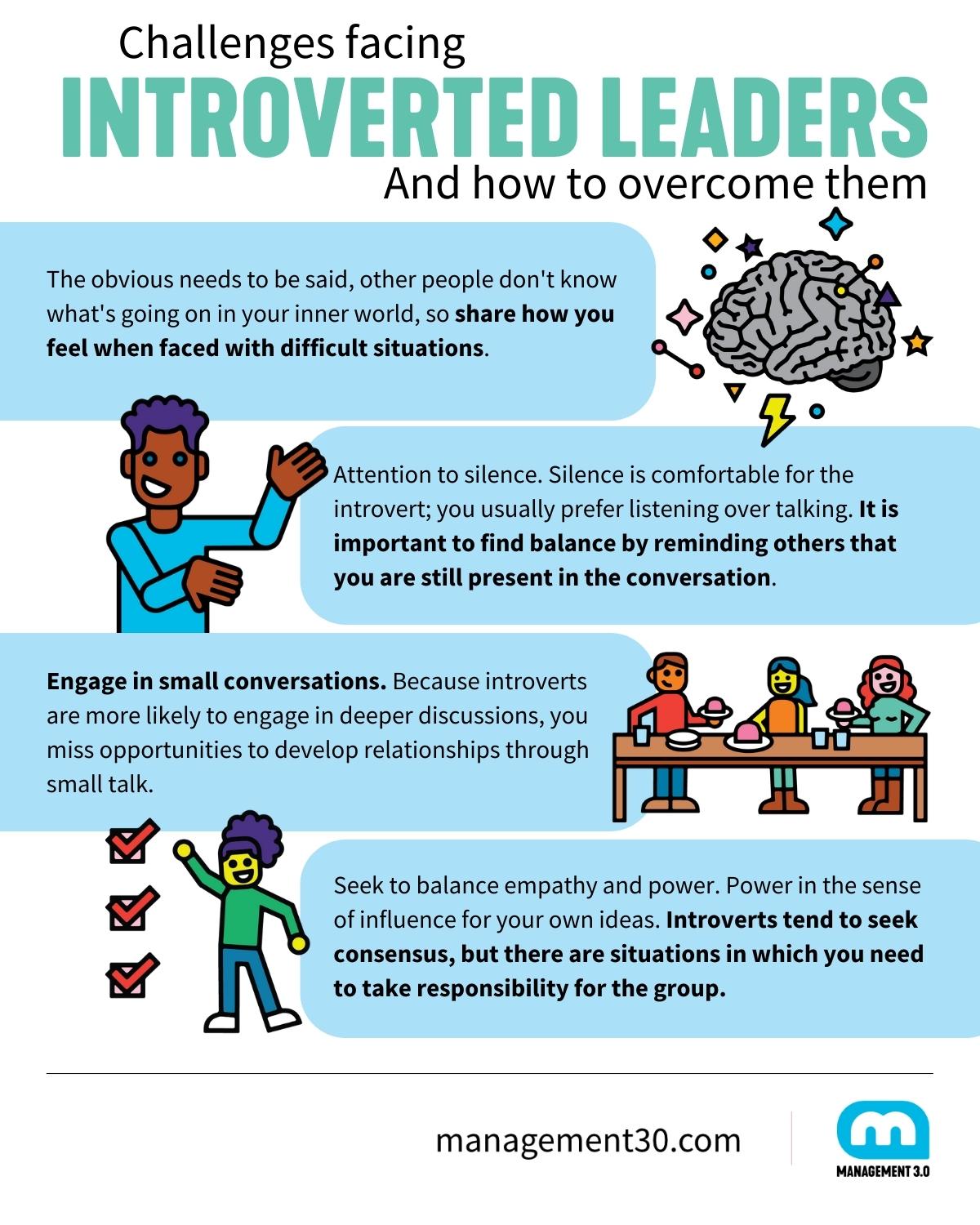
Leadership isn’t synonymous with extroversion. Contrary to stereotypes, introverts can be effective leaders. Introverted leaders lead by example, inspire through their actions, and create spaces where everyone’s voice is heard. Consider Rosa Parks, whose quiet defiance sparked a civil rights movement, or Mahatma Gandhi, whose inner strength transformed nations. Introverted leaders lead not with bravado or charisma, but with authenticity, humility, and integrity. Their quiet strength inspires trust, loyalty, and commitment, empowering others to embrace their own unique gifts and talents. In a world that often values extroversion over introversion, introverted leaders serve as catalysts for change, challenging conventional wisdom and championing inclusivity, diversity, and authenticity. Their quiet revolution sparks innovation, empathy, and social change. Introverted leaders often exhibit qualities such as not dominating conversations, synthesising information, and reassuring others during challenging times.
Introverts are catalysts for change. Their thoughtful contributions—whether in art, science, or social justice—shape the world. Susan Cain, author of “Quiet: The Power of Introverts in a World That Can’t Stop Talking,” ignited a quiet revolution by championing introverts’ value. TED Talks like hers remind us that introverts are not outliers; they are essential threads in our societal fabric.
Despite their strengths, introverts often face challenges. Society tends to favour the gregarious, the charismatic, and the outspoken. But introverts have much to offer, and it’s time to recognise their quiet brilliance. Introversion is not a flaw or a weakness. It is a unique way of being. Remember, introversion is not a limitation, it’s a strength that contributes to the rich diversity of human personalities.
As we celebrate extroversion, let’s also honour the introverts—the poets, the thinkers, and the dreamers. Let’s recognize that their quiet brilliance fuels progress, innovation, and compassion. So, the next time you encounter an introvert, listen closely. Under their soft-spoken words lies a symphony of wisdom waiting to be heard. In a world that often shouts, let’s lean in and listen to the whispers of introverts. Their power lies not in volume but in depth, not in noise but in nuance. Let’s celebrate the introvert within us all.
 Memories and Such