
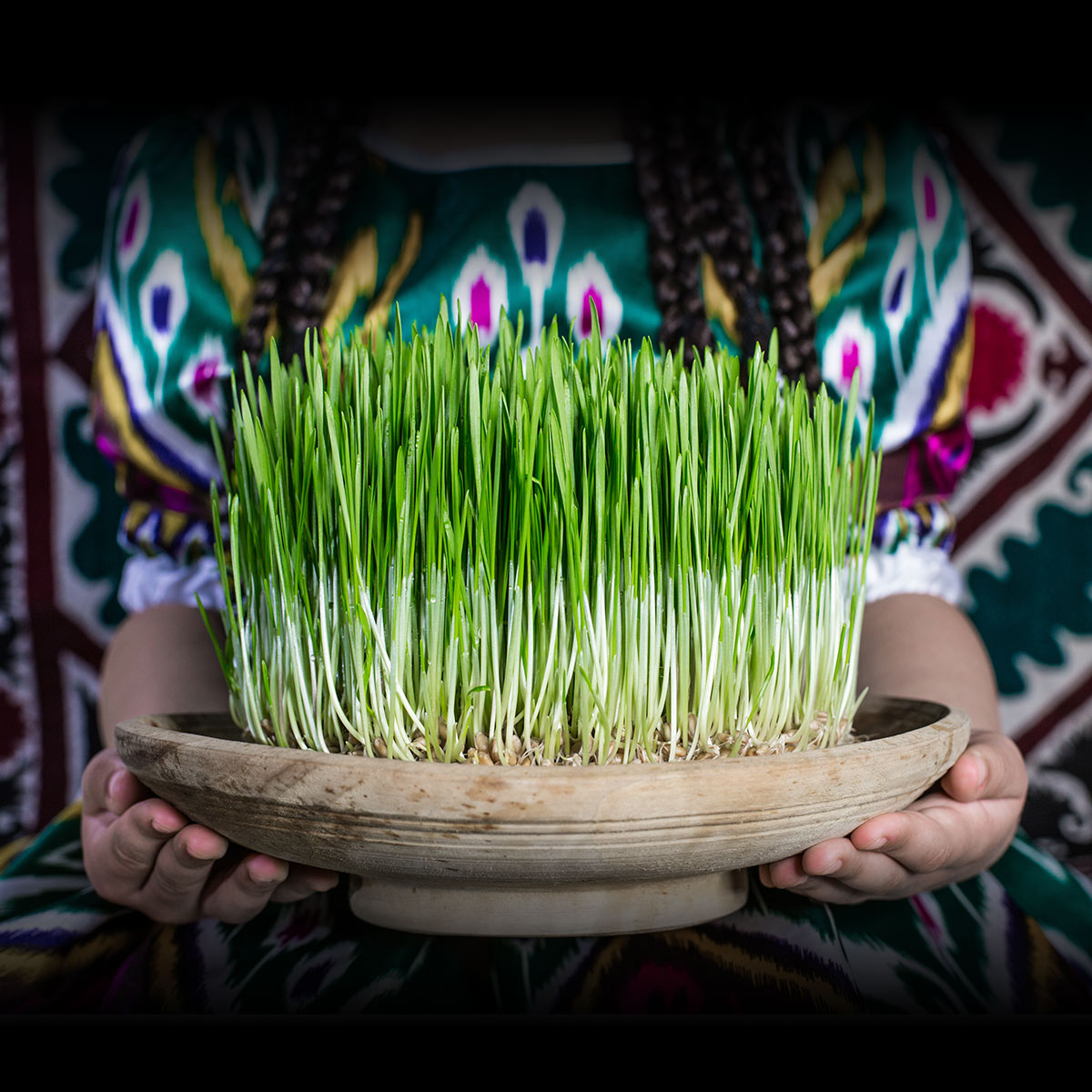
Tomorrow is the International Day of Nowroz, a celebration of the first day of spring and the new year in the Solar Hijri calendar, which is based on the astronomical vernal equinox. It is observed by more than 300 million people around the world, especially in Iran and the Persian diaspora, as well as in Central Asia, the Caucasus, the Balkans, and South Asia. It has been celebrated for over 3,000 years and has its roots in the ancient Iranian religion of Zoroastrianism, which viewed the arrival of spring as a victory of light over darkness.
The Solar Hijri calendar is a solar calendar that is used in Iran and Afghanistan. It is based on the astronomical observation of the March equinox, which marks the beginning of the new year, called Nowruz. The calendar has 12 months, with the first six months having 31 days, the next five having 30 days, and the last month having 29 or 30 days depending on the leap year. The calendar counts the years from the migration of the Islamic prophet Muhammad in 622 CE, but it is not related to the Islamic Hijri calendar, which is a lunar calendar. The Solar Hijri calendar is also known as the Persian calendar, the Iranian calendar, and the SH calendar.
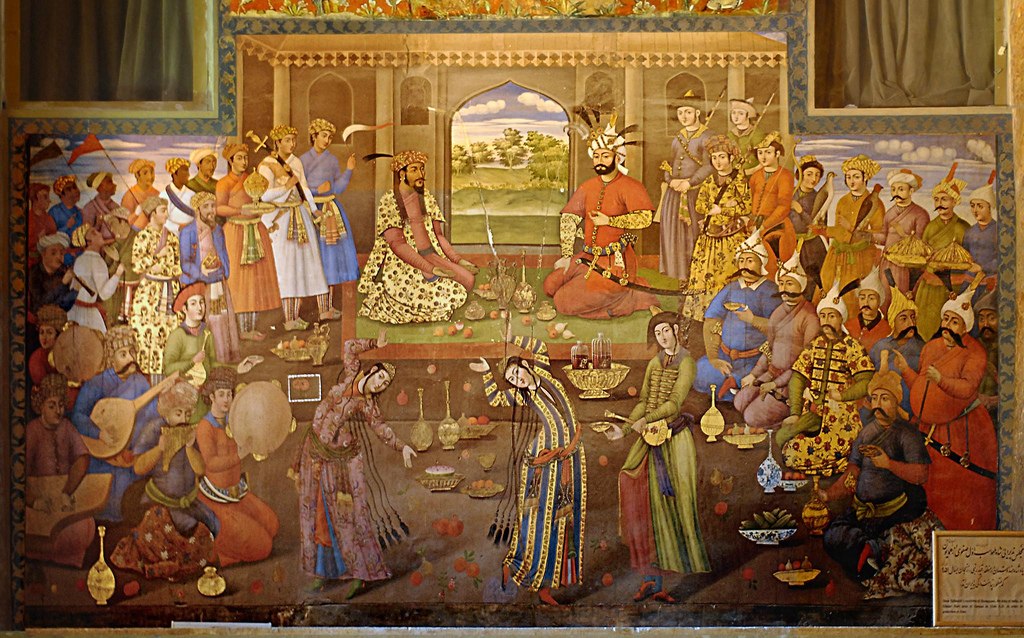
The history of Nowruz is very ancient and rich. Nowruz which means a new day in Persian, is the celebration of the first day of spring and the new year in the Solar Hijri calendar, which is based on the astronomical vernal equinox. Nowruz survived the Islamic conquest of Persia in the seventh century and the decline of Zoroastrianism’s popularity, and it spread across the globe through the diaspora of Persian people throughout history. It is also a holy day for Zoroastrians, Baháʼís, and some Muslim communities.
The International Day of Nowroz was proclaimed by the United Nations General Assembly in 2010, at the initiative of several countries that share this holiday, to promote the values of peace, solidarity, reconciliation, neighbourliness, and mutual respect among peoples and communities. It is also inscribed on the UNESCO Representative List of the Intangible Cultural Heritage of Humanity, as a cultural tradition observed by numerous peoples.
The 2024 theme of the International Day of Nowroz is “To protect the planet and live in harmony with nature”. This theme reflects the message of the UN Secretary-General António Guterres, who urged the world to choose hope and compassion, embrace the opportunities that lie ahead, and work together to build a more peaceful, more sustainable and more inclusive world for all. He also highlighted the importance of celebrating humanity’s rich cultural heritage and diversity and being guided by the values of peace, dialogue and solidarity.
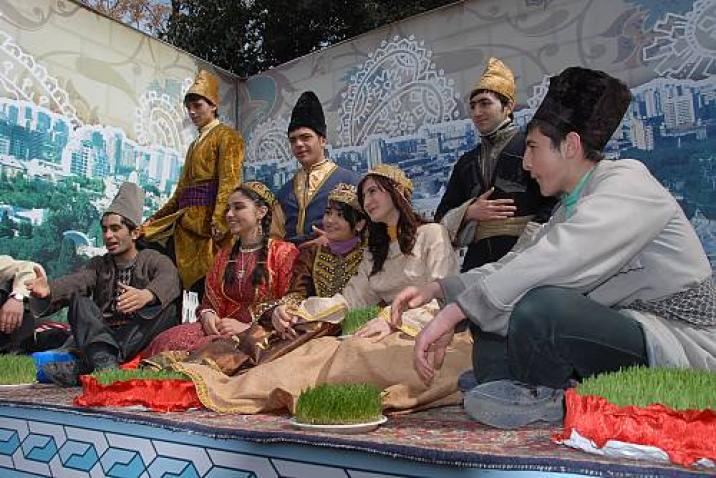
The theme also resonates with the spirit of Nowruz, which means “new day” in Persian and symbolises the renewal of nature and life. Celebrating Nowruz means the affirmation of life in harmony with nature, awareness of the inseparable link between constructive labour and natural cycles of renewal, and a solicitous and respectful attitude towards natural sources of life.
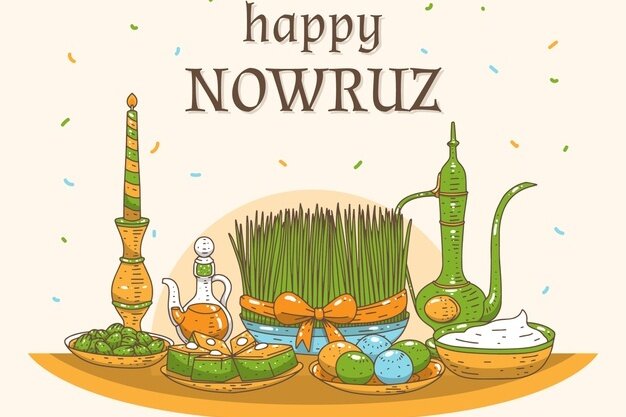
Some of the traditions and rituals of Nowruz include preparing for the holiday by cleaning the house, buying new clothes, and visiting family and friends. The haft-seen table is also set up. This is a display of seven symbolic items that start with the letter “s” in Farsi, such as seed sprouts, garlic, apple, vinegar, sumac, and a pudding made of sprouted wheat. The table may also include other items, such as a mirror, eggs, coins, candles, a book of poetry, and a Koran. Charshanbe Suri, which is the last Wednesday before Nowruz, is celebrated by jumping over fire, banging spoons on doors, and visiting cemeteries. These activities are meant to scare away bad luck, bring happiness, and honour the dead. Gifts are exchanged, especially for children, and charity is given to the poor and needy. Celebrants enjoy a special meal with loved ones, usually consisting of rice, fish, herbs, and other dishes and participate in various festivities, such as music, dance, sports, games, and nature outings. The 13th of Nowruz, known as Sizdah Bedar is celebrated by spending the day outdoors, picnicking, and throwing away the seed sprouts from the haft-seen table. This is believed to ward off evil and bring good fortune.

Different countries celebrate Nowruz in their way. In Iran, people light up the streets and skies for Chaharshanbe Suri, or Red Celebration, in honour of fire, an element Zoroastrians believe to be a symbol of purity. They also set up a haft-seen table, which is a display of seven symbolic items that start with the letter “s” in Farsi, such as seed sprouts, garlic, apple, vinegar, sumac, and a pudding made of sprouted wheat. In Azerbaijan, people celebrate Novruz by making bonfires and jumping over them, which is believed to burn away the troubles of the past year. They also visit the graves of their ancestors, plant trees, and cook special dishes, such as samani halva, a sweet paste made from wheat germ and nuts. In Afghanistan, people celebrate Nowroz by flying kites, playing games, and watching buzkashi, a traditional sport involving horsemen competing for a goat carcass. They also prepare a special dish called haft mewa, which is a mixture of seven dried fruits and nuts soaked in water. In Central Asia, people celebrate Nawruz by wearing new clothes, visiting relatives and friends, and exchanging gifts. They also enjoy various festivities, such as music, dance, sports, and nature outings. Some of the traditional foods include sumalak, a porridge made from wheat sprouts and flour, and naan, a flatbread baked in a clay oven. In Kurdish regions, people celebrate Newroz by wearing colourful clothes, dancing in circles, and singing folk songs. They also light bonfires and jump over them, symbolising the resistance and freedom of the Kurdish people. Some of the traditional foods include dolma, stuffed grape leaves, and kofta, minced meatballs.
Nowruz is a celebration of life, hope, and renewal that transcends borders, religions, and cultures. It is a reminder of our common humanity and our shared responsibility to care for our planet and each other. As the world faces unprecedented challenges and uncertainties, Nowruz offers us a message of hope and resilience. It invites us to appreciate the beauty of nature, the diversity of cultures, and the bonds of friendship. It also urges us to reflect on our actions, our values, and our goals. It is a time to express our love and gratitude to our families and friends and to extend our generosity and compassion to those in need. Let us join the millions of people around the world who celebrate Nowruz, and let us share the blessings of this new day.
 Memories and Such