
A couple of weeks ago, I came across this phrase and it instantly intrigued me.

To care usually guides our actions, shapes our relationships, and defines our sense of purpose and meaning. Yet, there lies a paradox, a curious interplay between indifference and significance, detachment and engagement. However, when we stop caring about something we previously wanted, sometimes it just comes up in front of us. This paradox of not caring, often dismissed as apathy or indifference, belies a complex web of psychological, social, and philosophical dynamics that merit closer examination.
Apathy, often described as a lack of interest, enthusiasm, or concern, represents a state of emotional detachment and disengagement from the world around us. It manifests as a pervasive sense of indifference or indifference towards one’s own life, relationships, and responsibilities. At first glance, apathy may seem inconsequential—a mere absence of caring or concern. However, upon closer examination, it reveals itself as a paradoxical state wherein the absence of caring paradoxically holds profound significance, shaping our perceptions, decisions, and actions in subtle yet profound ways.
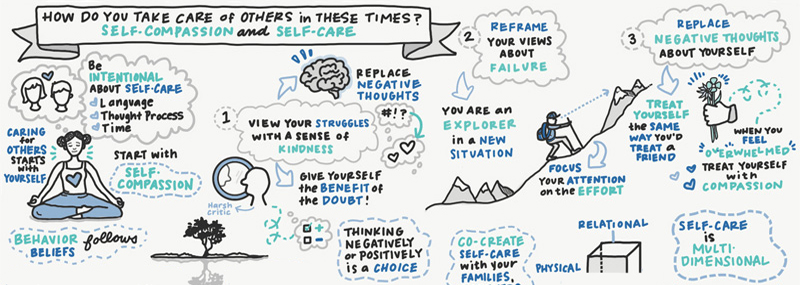
Apathy often stems from psychological factors such as depression, burnout, or trauma, which can dampen one’s ability to experience emotions and engage with the world. It may serve as a coping mechanism for overwhelming stress or emotional pain, offering a refuge from the demands and pressures of daily life. Social and cultural norms can also contribute to apathy, shaping our attitudes towards success, ambition, and achievement. In societies that prioritise individualism and materialism, apathy may arise as a response to societal pressures to conform to rigid expectations and standards.
At the individual level, apathy manifests as a lack of motivation, initiative, or interest in pursuing personal goals and aspirations. It may lead to feelings of emptiness, meaninglessness, and existential despair, as individuals struggle to find purpose and fulfillment in their lives. On a broader societal level, apathy can manifest as social indifference or complacency towards pressing issues such as inequality, injustice, and environmental degradation. It may result in a collective numbness or resignation, as people become desensitised to the suffering and injustices that pervade the world.
For individuals, apathy can have profound consequences, undermining their mental health, relationships, and overall well-being. It may lead to feelings of isolation, alienation, and disconnection from others, as well as a sense of futility or hopelessness about the future. On a societal level, apathy can perpetuate systems of inequality, oppression, and injustice by fostering a culture of complacency and inaction. It may hinder efforts to address pressing social and environmental challenges, exacerbating existing disparities and marginalizing vulnerable populations.
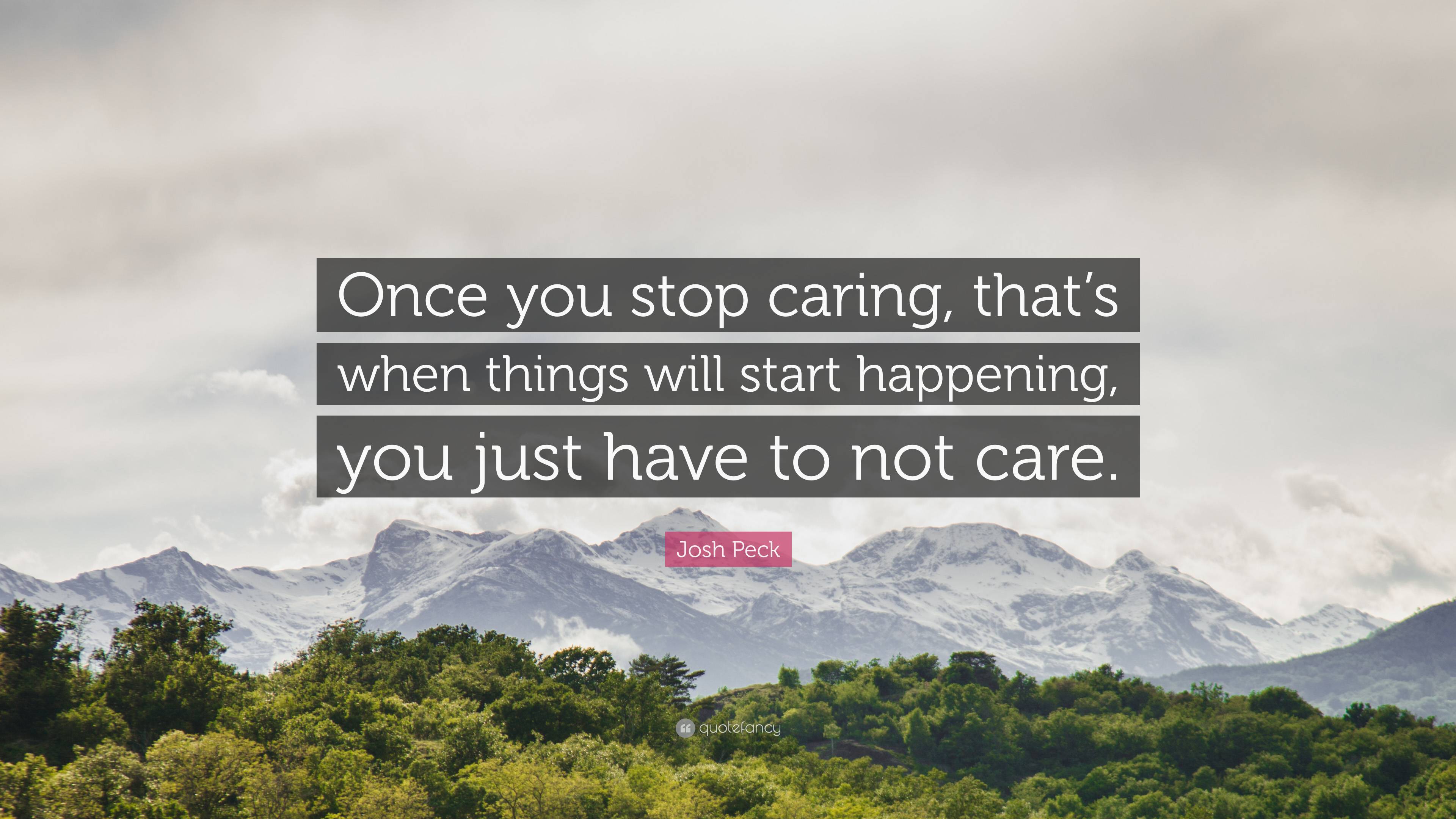
But here lies the paradox’s magic: In not caring, we discover hidden reservoirs of strength. How does this paradox make us better at things? When we release the burden of excessive concern, our minds are clear. Like a painter wiping the canvas, we see the essential strokes. At work or school, this clarity allows us to prioritise, solve problems, and make decisions with precision. Paradoxically, indifference breeds courage. When we stop fearing failure or judgment, we leap into the unknown. Fearlessness fuels creativity, innovation, and bold actions. It’s the artist, unafraid of the blank canvas and the student, unafraid of the unanswered question.
Not caring about trivial distractions streamlines our efforts. We channel energy into what truly matters. At work, it means focusing on impactful tasks. In school, it means studying purposefully rather than drowning in anxiety. The heartache of not caring tempers our resilience. We learn that setbacks don’t define us. Instead, they propel us forward. Like a phoenix rising from ashes, we emerge stronger, ready to face challenges head-on.
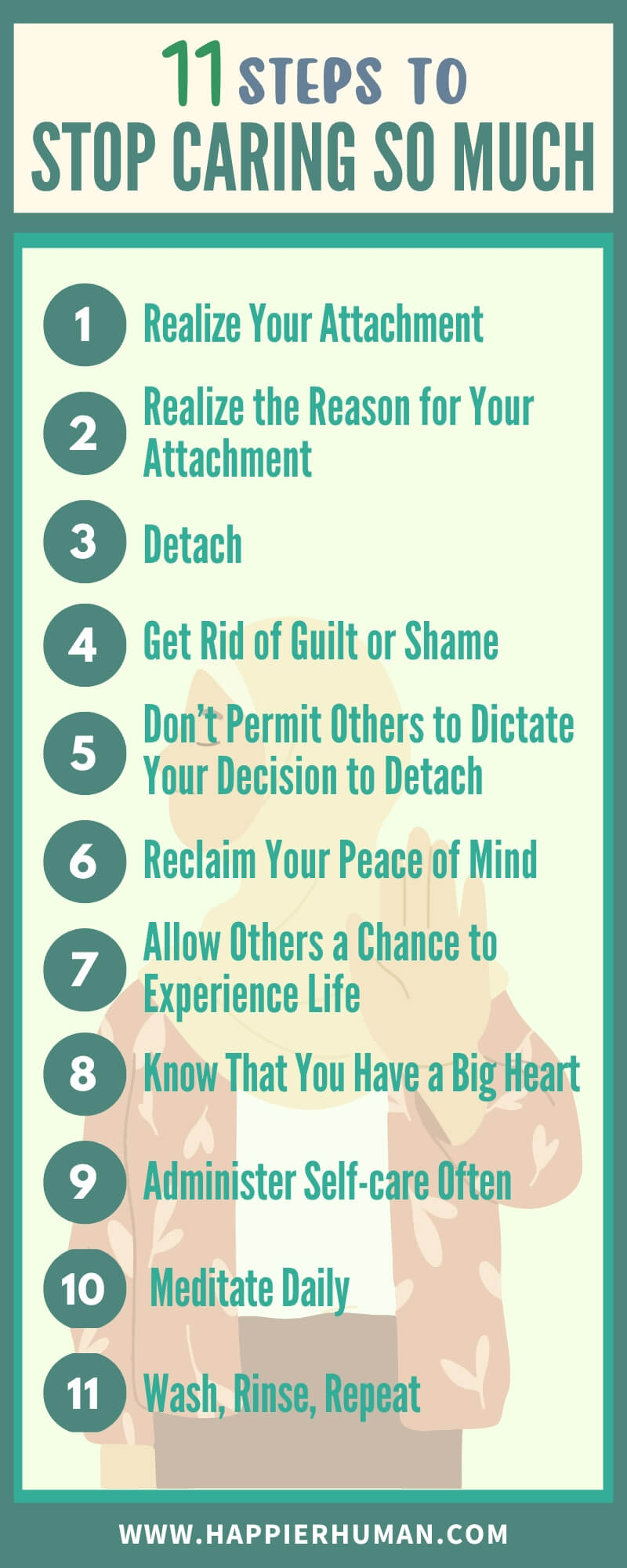
So, how do we harness this paradox? It’s not about becoming indifferent automatons. Instead, care deeply about what aligns with your purpose. Let go of the rest. Be aware of when you’re pretending not to care. Is it a shield or a genuine choice? Use detachment as fuel. Let it ignite your curiosity and your hunger for growth.
In the quiet spaces where love and loss entwine, we find the delicate beauty of a heart that refuses to be indifferent. So, embrace the paradox. Dance it, stumble through it, and emerge wiser. For in not caring, we discover the art of caring deeply—for the right things.
 Memories and Such
Wow! How interesting that I just last night shared a post about apathy and your post from April 07 showed in my reader this morning. I found your point of view interesting and I appreciate it. Thank you for sharing it.
Thanks so much for reading and then commenting😊