
World Press Freedom Day is an annual observance celebrated on May 3rd to highlight the fundamental principles of press freedom and honour journalists who have lost their lives in the line of duty.
A free and independent press is the cornerstone of a healthy democracy. Journalists play a crucial watchdog role, holding those in power accountable and shedding light on issues that impact the public. When press freedom is restricted, it erodes the public’s access to accurate, unbiased information and enables the spread of misinformation and propaganda.
As the world grapples with the proliferation of “fake news” and the erosion of trust in media institutions, the need for robust, ethical journalism has never been greater. World Press Freedom Day serves as a reminder that press freedom is a fundamental human right and a necessary condition for sustainable development, peace, and justice.
World Press Freedom Day was established by the United Nations General Assembly in December 1993, following a recommendation from UNESCO’s General Conference. The day is observed annually on May 3rd to celebrate the fundamental principles of press freedom, evaluate press freedom around the world, defend the media from attacks on their independence, and pay tribute to journalists who have lost their lives in the line of duty.
The origins of World Press Freedom Day can be traced back to the “Windhoek Declaration,” a statement of free press principles put together by African newspaper journalists in Windhoek, Namibia, in 1991. This declaration affirmed that “a free press is essential to the development and maintenance of democracy in a nation and for economic development.”.
In 1993, the United Nations General Assembly declared May 3 as World Press Freedom Day, based on a recommendation from UNESCO. The first World Press Freedom Day was celebrated in 1994. Since then, UNESCO has taken the lead in organising the global commemoration of World Press Freedom Day each year, bringing together media professionals, press freedom organisations, and UN agencies to assess the state of press freedom worldwide and discuss solutions to the challenges facing journalists. The annual observance has featured a different theme related to press freedom.
World Press Freedom Day also serves as an occasion to honour journalists who have lost their lives in the line of duty, through the UNESCO/Guillermo Cano World Press Freedom Prize, named after the Colombian journalist who was assassinated in 1986. This is awarded annually to an individual or organization that has made an outstanding contribution to the defence and promotion of press freedom. In 2024, the prize will be an opportunity to honour the memory of the journalists who have made the ultimate sacrifice in their pursuit of the truth and to reaffirm the global commitment to protecting media professionals and ensuring their safety.
This year’s theme, “Empowering Journalists to Uphold Truth and Accountability,” underscores the critical role of journalists in promoting transparency, exposing corruption, and holding those in power accountable. In an era of increasing digital threats, misinformation, and political interference, journalists must be equipped with the resources, skills, and legal protections to fulfil their vital function in society. The UNESCO World Press Freedom Day conference will be hosted in Santiago, Chile.
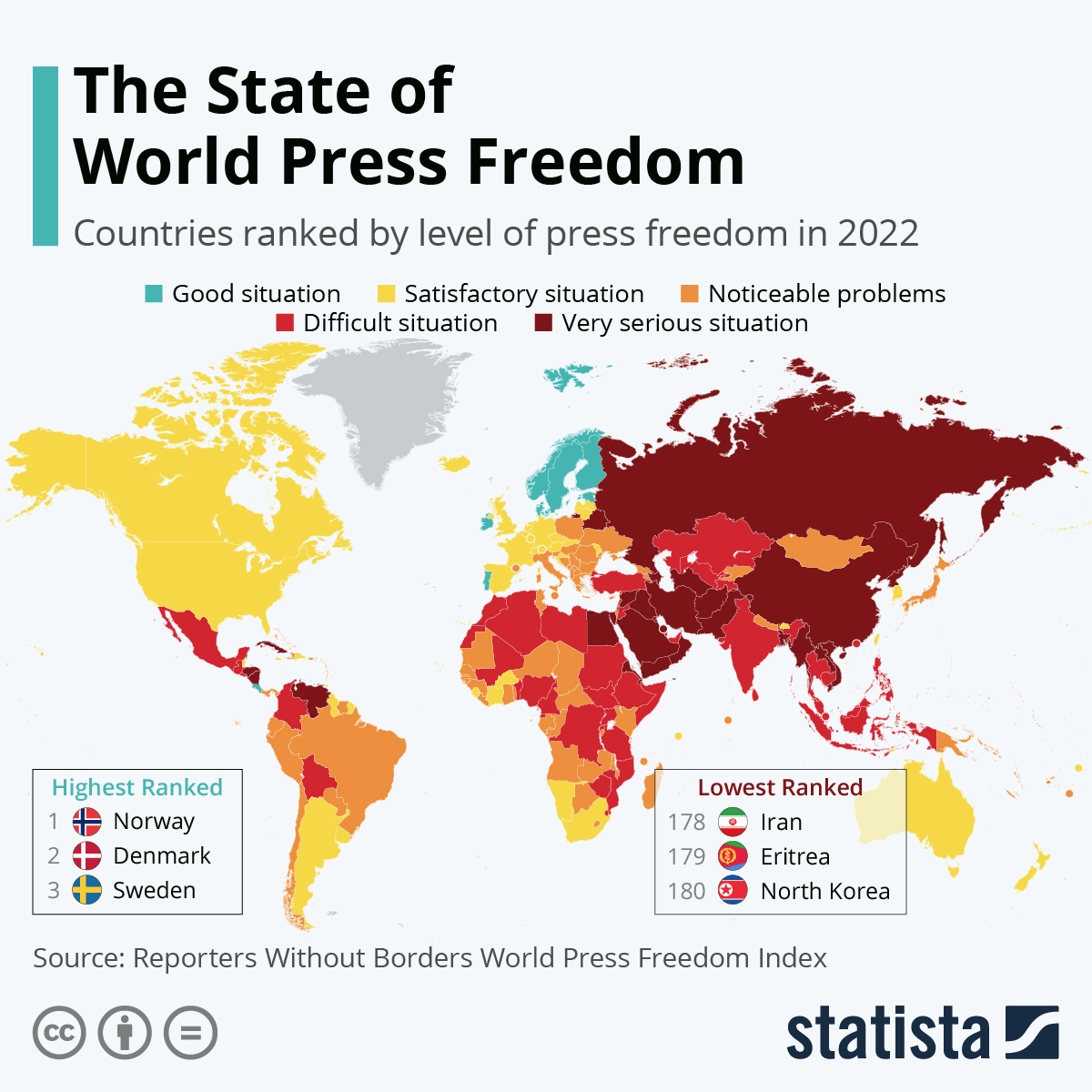
The World Press Freedom Index, published annually by Reporters Without Borders (RSF), provides a comprehensive assessment of the state of press freedom globally. In the 2023 edition, the top-ranked countries for press freedom were Norway, Finland, Sweden, Denmark, and Costa Rica, while the bottom-ranked countries included Eritrea, Turkmenistan, North Korea, and China.
The index measures factors such as media pluralism, media independence, the quality of the legal framework, and the safety of journalists. It highlights the alarming trend of increasing restrictions on press freedom, with more than 73% of the 180 countries assessed as having “problematic,” “difficult,” or “very serious” situations for journalists.
One of the most pressing challenges to press freedom is the ongoing persecution and targeting of journalists around the world. According to the Committee to Protect Journalists (CPJ), at least 67 journalists were killed in 2022 while carrying out their work. Countries with the highest numbers of journalist fatalities include Mexico, Ukraine, and Haiti.
In addition to physical violence, journalists also face other forms of repression, such as arbitrary arrests, imprisonment, and online harassment. The 2023 World Press Freedom Index found that journalism is completely or partly blocked in 73% of the countries assessed, with the COVID-19 pandemic further exacerbating the challenges faced by reporters in the field.
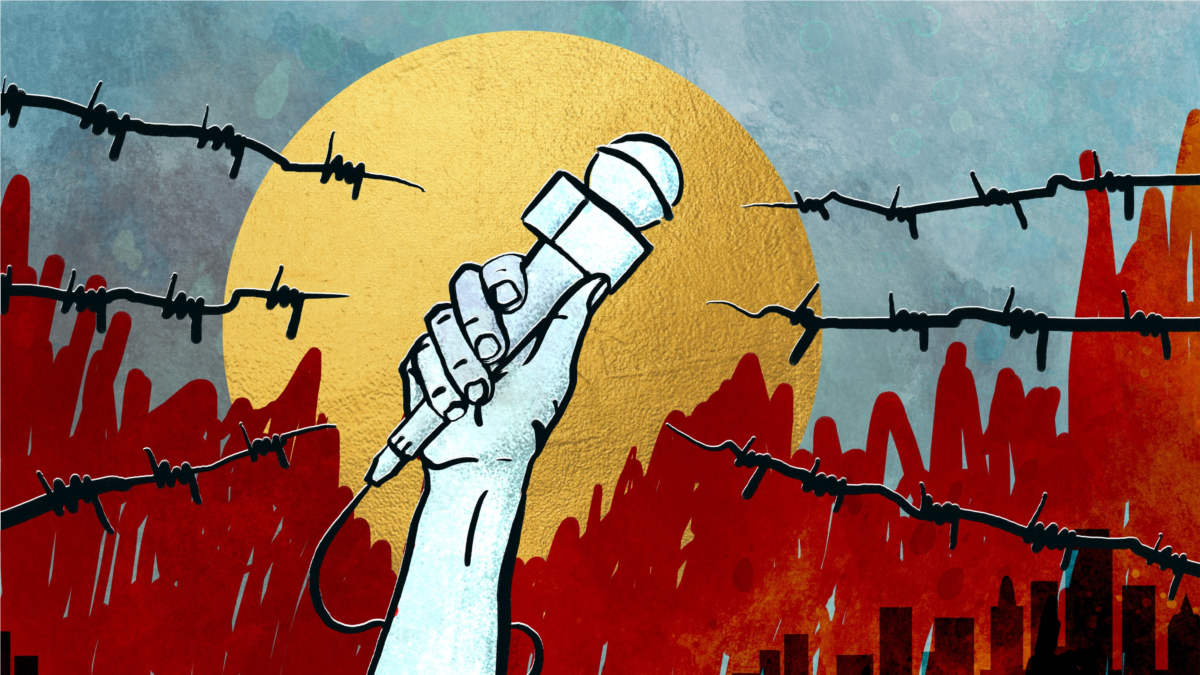
World Press Freedom Day 2024 serves as a critical reminder of the vital role that a free and independent press plays in upholding the principles of democracy, transparency, and accountability. The day is not just a celebration for media professionals; it is also an opportunity to engage the broader public and raise awareness about the importance of press freedom. UNESCO encourages the organisation of events, workshops, and discussions to educate the public about the role of the media in a democratic society and the challenges faced by journalists worldwide.
By participating in World Press Freedom Day activities, citizens can learn to identify and combat the spread of misinformation, support ethical journalism, and advocate for the protection of press freedom in their communities and around the world.
 Memories and Such