

Cancel culture has become a highly debated and polarising phenomenon in recent years, fueled by the rise of social media and shifting societal norms. At its core, cancel culture refers to the collective withdrawal of support or association from an individual, organisation, or brand due to perceived offensive or unethical behaviour.
Cancel culture is a form of modern-day ostracization, where individuals or entities are “cancelled” or boycotted for their actions, statements, or associations deemed unacceptable by a significant portion of the public. It often manifests through coordinated social media campaigns, calls for boycotts, and the withdrawal of support or endorsements. It has become increasingly prevalent in recent years, driven by the rise of social media and the amplification of outrage.
The reasons for cancel culture can vary widely, from legitimate concerns about harmful behaviour to more subjective disagreements over political or social views. The intensity and speed with which cancel culture can unfold, often fueled by the viral nature of social media, can have significant consequences for the targets, ranging from reputational damage to professional and financial repercussions.
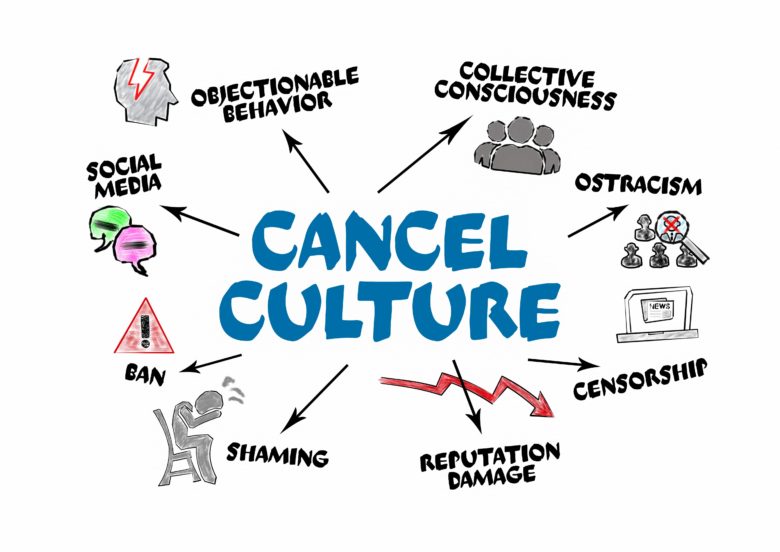
The rise of cancel culture can be attributed to several factors, including:
- Increased social media usage and amplification of outrage: Social media platforms have provided a powerful tool for individuals and groups to quickly mobilize and voice their disapproval, leading to a culture of “call-out” and heightened sensitivity to controversial statements or actions.
- Shifting societal values and norms: As societal attitudes and norms evolve, particularly around issues of social justice, diversity, and inclusion, there is a growing intolerance for behaviours or statements perceived as insensitive or discriminatory.
- Lack of nuance and context: The rapid nature of social media discourse often leads to a lack of nuance and context, with complex issues being reduced to simplistic narratives, resulting in disproportionate responses.
- Cancel culture has been both praised and criticized for its effectiveness in holding individuals and organizations accountable for their actions. Proponents argue that it has been a powerful tool for combating systemic issues such as sexism, racism, and other forms of discrimination or abuse.
By amplifying marginalised voices and drawing attention to problematic behaviour, cancel culture has facilitated important conversations and prompted positive changes in various industries and institutions. For instance, the #MeToo movement effectively “cancelled” high-profile individuals accused of sexual misconduct, leading to their removal from positions of power and influencing broader cultural shifts.
However, critics argue that cancel culture has gone too far, often targeting individuals for minor transgressions or past mistakes without allowing for growth, redemption, or nuanced discussions. They contend that the fear of being “cancelled” has stifled free speech and open discourse, creating an environment of self-censorship and perpetual outrage.

Teens and young adults, who are often at the forefront of social media activism and cancel culture campaigns, are particularly impacted by this phenomenon. While their engagement in social justice issues is commendable, the intense and unforgiving nature of cancel culture can have negative consequences for their mental health and personal development.
- Mental health challenges: Being the target of the cancel culture can lead to feelings of isolation, depression, anxiety, and a sense of shame, potentially exacerbating existing mental health conditions.
- Lack of nuance and empathy: The binary nature of cancel culture, where individuals are either “cancelled” or not, can foster a lack of nuance and empathy, hindering the ability to engage in constructive dialogue and understand different perspectives.
- Perpetuation of outrage culture: The constant cycle of outrage and cancellation can desensitize young people to the severity of issues, leading to a normalisation of extreme reactions and a diminished ability to engage in meaningful discourse.
- Stunted personal growth: Cancel culture’s unforgiving nature can discourage personal growth and learning from mistakes, as individuals may fear being permanently ostracised for past transgressions.

Navigating the challenges of cancel culture requires a balanced and thoughtful approach. Here are some dos and don’ts:
Dos:
- Stay calm and avoid reacting impulsively or emotionally.
- Listen to the criticism and consider if there is any merit to the concerns being raised.
- Apologise sincerely and take concrete steps to address the issues, if appropriate.
- Seek support from trusted friends, family, or professionals to manage the emotional toll.
- Continue to act with integrity and stay true to your values.
- Maintain business continuity plans and ensure the safety of employees.
Don’ts:
- Dismiss or downplay the concerns of those calling for accountability.
- Retaliate or engage in cancel culture tactics against others.
- Become a hypocrite or fail to uphold the principles you claim to represent.
- Assume that you are immune to the effects of cancel culture.
- Neglect to plan for the potential consequences of controversial statements or actions.
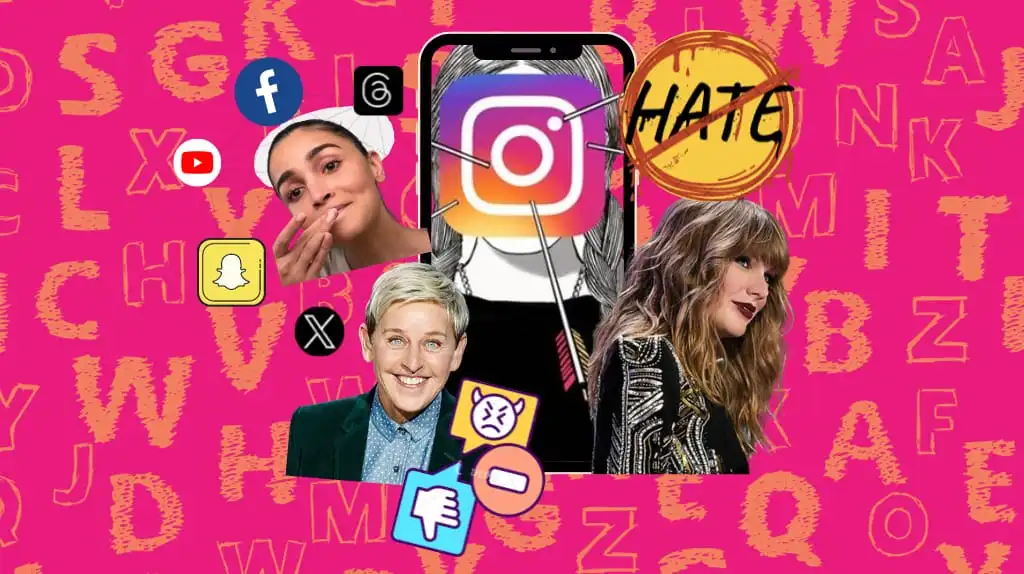
Cancel culture has impacted individuals and organisations across various industries and sectors. Here are a few notable examples:
- Entertainment industry: Celebrities such as Harvey Weinstein, Kevin Spacey, and Louis C.K. were effectively “cancelled” due to allegations of sexual misconduct, leading to the termination of their projects and a significant loss of public support. In India, Tanushree Dutta, a Bollywood actress, accused veteran actor Nana Patekar of sexual harassment on a film set in 2008. Her allegations reignited the #MeToo movement in India and led to Patekar being dropped from several projects and facing widespread backlash. Alia Bhatt faced calls for boycott and cancellation after her comments on the Kashmir issue were perceived as insensitive by some. She later clarified her stance, but the controversy highlighted the sensitivity around the Kashmir conflict. Singaporean social media influencer, Xiaxue (real name Wendy Cheng) faced backlash and lost several brand deals after making insensitive comments about an alleged victim of sexual assault.
- Politics: Raeesah Khan, a former member of parliament in Singapore, faced calls for resignation and was eventually expelled from her party after admitting to lying about accompanying a sexual assault victim to a police station. Ivan Lim, a former candidate for the ruling People’s Action Party, was forced to withdraw his candidacy just days before the general election due to allegations of elitist behaviour and bullying surfacing on social media.
- Sports: Professional athletes like Colin Kaepernick and Naomi Osaka have faced backlash and calls for cancellation due to their political stances and advocacy for social justice issues.
- Corporate world: Brands like Dolce & Gabbana and Pepsi have faced intense backlash and boycotts for insensitive advertising campaigns or perceived missteps, leading to significant reputational and financial consequences.
While some of these examples highlight the potential positive impact of cancel culture in holding individuals and organisations accountable, others demonstrate the potential for overreach and the stifling of diverse perspectives.

As cancel culture continues to shape public discourse, it is crucial to strike a balance between accountability and nuanced understanding. Here are some strategies for navigating this complex phenomenon:
- Promote open and respectful dialogue: Encourage open and respectful discussions that allow for the exploration of different perspectives, rather than immediate condemnation or cancellation.
- Seek context and nuance: Avoid oversimplifying complex issues and strive to understand the full context and nuances surrounding controversial statements or actions.
- Allow for growth and redemption: Recognise that individuals and organizations can learn and grow from their mistakes, and provide opportunities for genuine accountability, apology, and corrective action.
- Foster empathy and understanding: Cultivate empathy and seek to understand the perspectives of those who may hold different views or come from different backgrounds.
- Prioritise education and awareness: Rather than immediate cancellation, prioritise education and awareness campaigns that can foster greater understanding and promote positive change.
By adopting a more nuanced and empathetic approach, individuals and organizations can navigate the challenges of cancel culture while still holding themselves and others accountable for harmful or unethical behaviour.
In conclusion, cancel culture is a complex and multifaceted phenomenon that has both positive and negative implications. While it has been effective in amplifying marginalised voices and holding individuals and organisations accountable, it has also been criticised for its potential to stifle free speech, lack nuance, and negatively impact mental health, particularly among teens and young adults. As society continues to grapple with this issue, it is crucial to strike a balance between accountability and understanding, promoting open dialogue, empathy, and opportunities for growth and redemption.
 Memories and Such