

Every year on 11 July, the world observes World Population Day, a pivotal occasion that shines a spotlight on the complex dynamics of global population trends and their far-reaching implications. As humanity continues to grow, this day serves as a poignant reminder of the delicate balance we must strike between accommodating our burgeoning numbers and preserving the planet’s finite resources.
The origins of World Population Day can be traced back to 1989, when the United Nations Development Programme, UNDP, proposed the idea of commemorating the day. This initiative was born out of the recognition that the world’s population had reached a staggering five billion people on July 11, 1987, a milestone that underscored the urgency of addressing population-related challenges. The first official observance of World Population Day took place on July 11, 1990, with over 90 countries participating. Since then, it has become an annual event, providing a platform for governments, non-governmental organisations, and civil society to raise awareness, promote advocacy, and foster dialogue on critical issues related to population growth, reproductive health, and sustainable development.
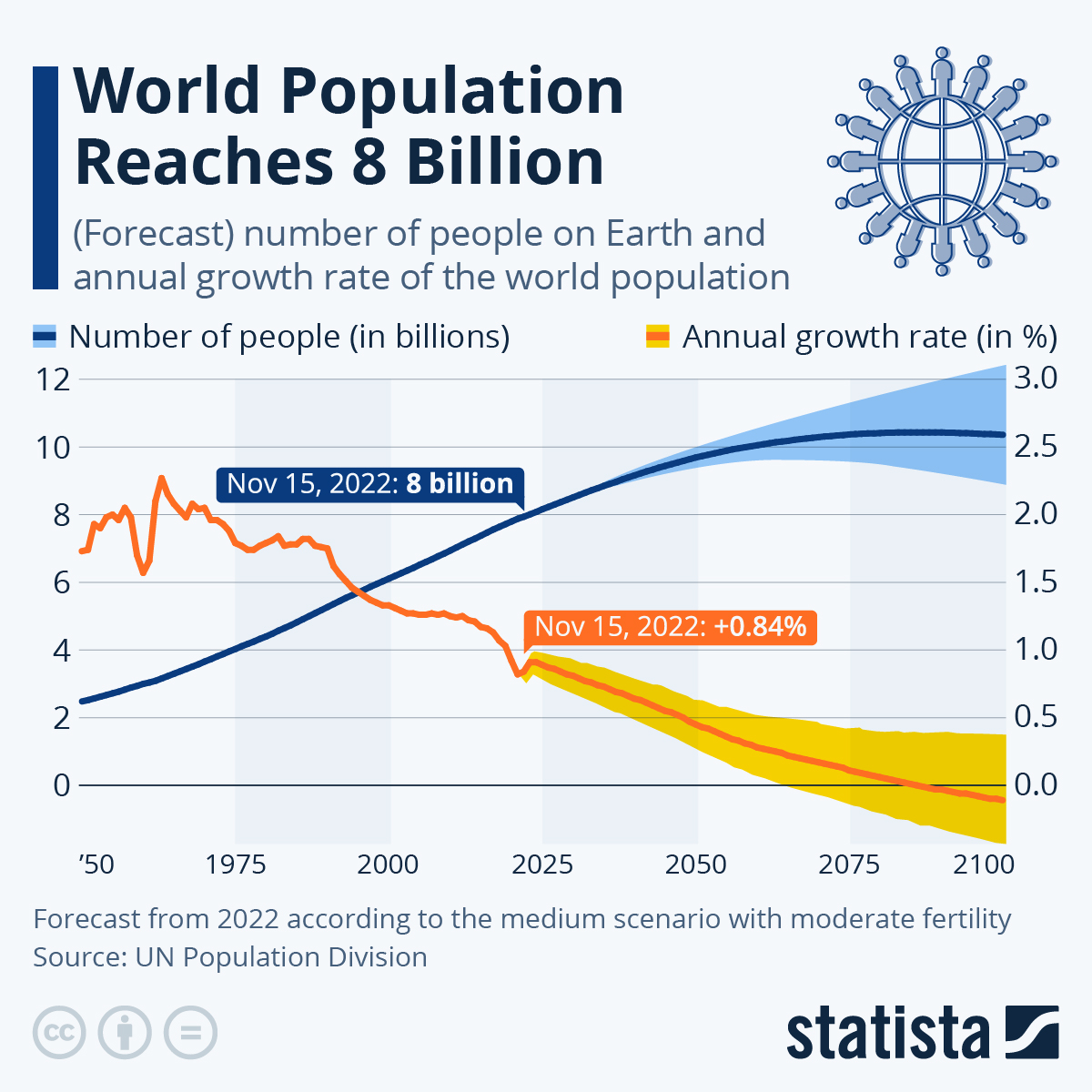
Population growth is a complex phenomenon with both positive and negative implications. On the one hand, a growing population can drive economic growth, innovation, and cultural diversity. A larger workforce can contribute to increased productivity, while a diverse population can foster creativity and new perspectives.
However, unchecked population growth can also strain finite resources, exacerbate environmental degradation, and intensify social and economic inequalities. Rapid population growth can lead to overcrowding, inadequate access to healthcare, education, and housing, and increased competition for limited resources such as food, water, and energy.
It is crucial to strike a balance between accommodating population growth and ensuring sustainable development. This requires a multifaceted approach that addresses issues such as access to family planning services, women’s empowerment, education, and economic opportunities, as well as responsible resource management and environmental conservation.
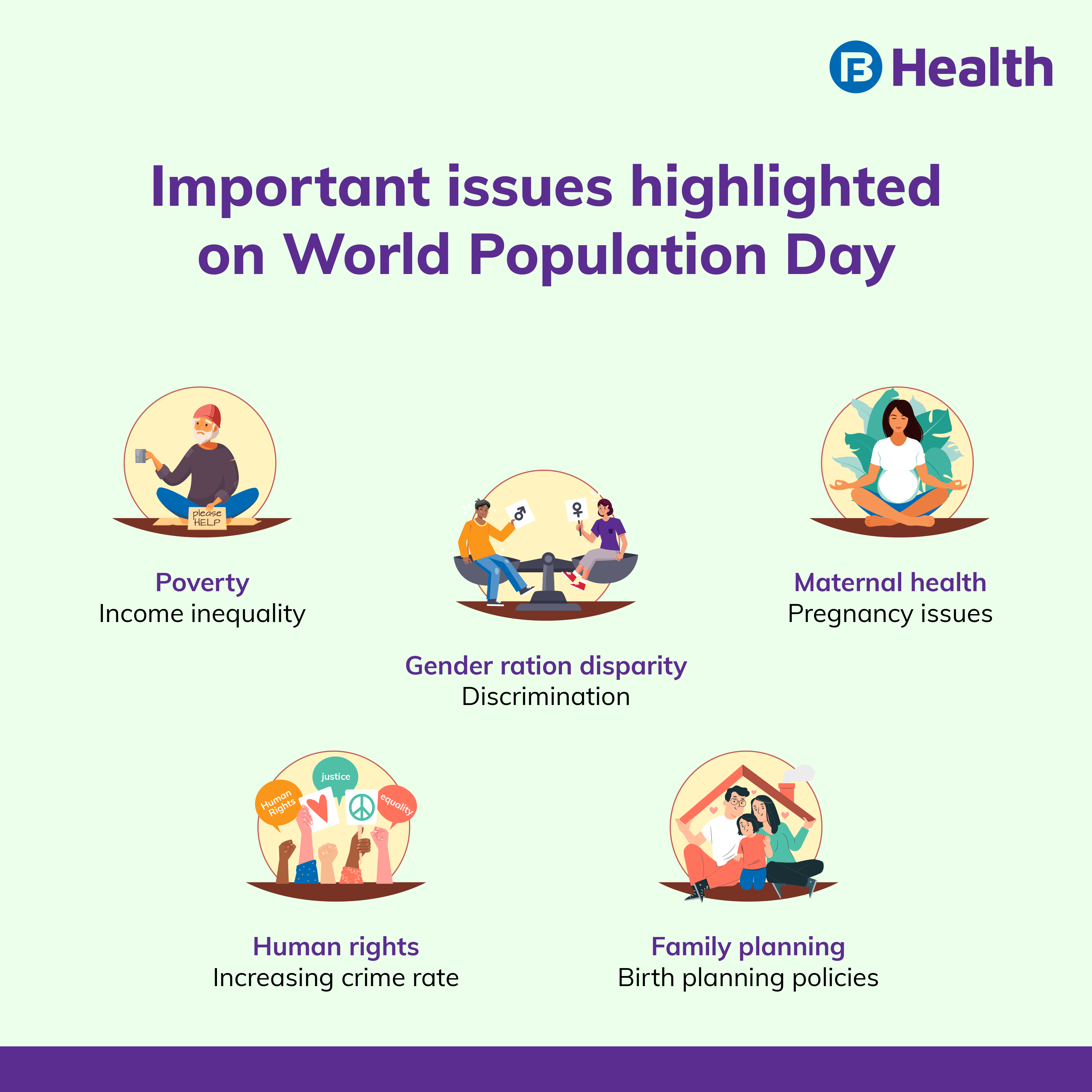
World Population Day serves as a powerful reminder of the interconnectedness of population dynamics and global development challenges. It highlights the importance of investing in reproductive health services, promoting gender equality, and empowering women and girls to make informed choices about their lives and families. By raising awareness and fostering dialogue, World Population Day aims to mobilise efforts towards achieving the United Nations’ Sustainable Development Goals (SDGs), particularly those related to health, education, gender equality, and sustainable cities and communities.
Each year, the United Nations sets a specific theme for World Population Day, providing a focal point for discussions and initiatives. For 2024, the theme is “Empowering Women, Transforming Societies.” This theme recognises the pivotal role that women play in shaping population dynamics and driving sustainable development. When women are empowered with access to education, healthcare, and economic opportunities, they are better equipped to make informed decisions about their reproductive health and family planning. This, in turn, can lead to improved maternal and child health outcomes, reduced poverty, and greater gender equality. Empowering women has a ripple effect on society as a whole. When women can participate fully in social, economic, and political spheres, they can contribute to the development of more inclusive, equitable, and sustainable communities.
Women’s empowerment through education and reproductive health services allows them to make informed family planning choices, which can help manage population growth rates. Gender discrimination and a lack of opportunities for women hinder their ability to fully participate in and contribute to economic and social progress. Promoting women’s rights, ending gender-based discrimination, and ensuring access to sexual and reproductive health services are crucial for achieving many of the Sustainable Development Goals related to health, education, and inclusive development.
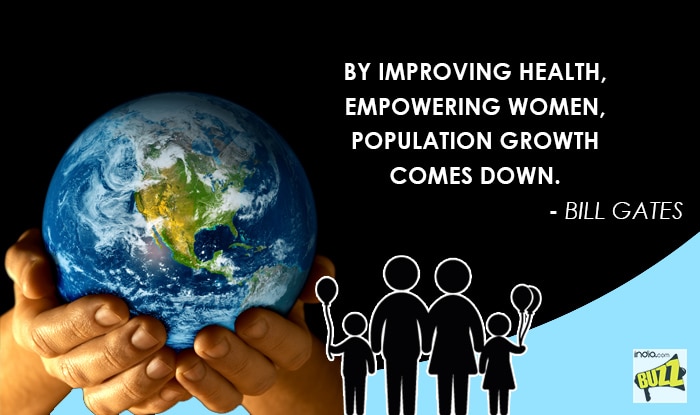
World Population Day serves as a vital reminder of the intricate relationship between population dynamics, sustainable development, and the empowerment of women and girls. As we celebrate this day in 2024, let us renew our commitment to creating a world where every individual has access to quality education, healthcare, and economic opportunities, regardless of gender. By empowering women and promoting gender equality, we can unlock the transformative potential of societies and pave the way for a more sustainable and equitable future for all. It is through collective action, advocacy, and a shared vision that we can address the challenges posed by population growth and ensure a prosperous and thriving world for generations to come.
 Memories and Such