

In our increasingly interconnected world, the cost of living has become a crucial factor in determining the quality of life and economic opportunities available to individuals and families. From the bustling metropolises of Asia to the cultural hubs of Europe and the financial powerhouses of North America, certain cities stand out as the most expensive places to call home.
According to the Economist Intelligence Unit’s (EIU) Worldwide Cost of Living Survey for 2023, Singapore and Zurich, Switzerland, share the top spot as the world’s most expensive cities. This prestigious yet costly ranking is determined by analyzing the prices of over 200 goods and services across 173 cities worldwide, providing a comprehensive assessment of the cost of living.
The top 10 most expensive cities in the world for 2023 are:
- Singapore and Zurich, Switzerland (tied for first place)
- Geneva, Switzerland, and New York, USA (tied for third place)
- Hong Kong
- Los Angeles, USA
- Paris, France
- Copenhagen, Denmark, and Tel Aviv, Israel (tied for seventh place)
- San Francisco, USA
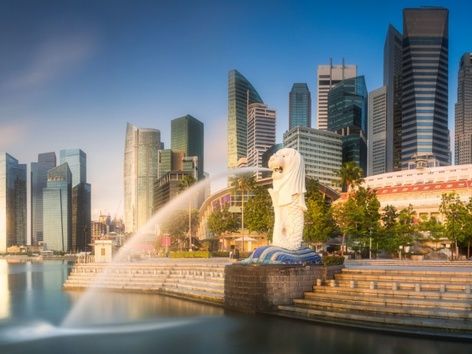
Singapore’s position as the world’s most expensive city is a testament to its remarkable economic growth, strategic location, and unwavering commitment to urban development. This island city-state has consistently ranked among the top three most expensive cities for over a decade, holding the number one spot for nine out of the last eleven years.
Several factors contribute to Singapore’s high cost of living, including its limited land area, robust housing demand, and thriving business environment. The city’s reputation as a global financial hub and its strong currency have also played a role in driving up costs. Despite the high prices, Singapore continues to attract expatriates and multinational corporations, drawn by its efficient infrastructure, low crime rates, and business-friendly policies.
While living in one of the world’s most expensive cities can offer unparalleled opportunities and experiences, it also presents significant challenges. Housing costs, in particular, can be a major burden, with sky-high rents and property prices often forcing residents to compromise on living space or commute long distances.
Transportation expenses, including fuel, public transit, and vehicle maintenance, can also strain household budgets. Additionally, the cost of essential goods and services, such as healthcare, education, and utilities, can be substantially higher in these cities, further exacerbating the financial strain on residents.

Despite the challenges, many individuals and families find ways to navigate the high costs of living in these cities. One common strategy is to prioritise housing in more affordable neighbourhoods or suburbs, sacrificing proximity to the city centre for lower housing costs. Others opt for shared living arrangements, such as renting rooms or apartments with roommates, to split expenses.
Careful budgeting and financial planning are also essential for managing the high costs associated with these cities. Residents may need to make trade-offs between discretionary spending and essential expenses, prioritizing necessities while finding creative ways to enjoy leisure activities and entertainment within their means.
Despite the high costs, the world’s most expensive cities continue to attract people from all walks of life, drawn by the promise of economic opportunities, cultural richness, and a vibrant quality of life. These cities often boast thriving job markets, world-class educational institutions, and a diverse array of cultural attractions, making them appealing destinations for professionals, students, and those seeking new experiences.
Additionally, the prestige associated with living in these cities can be a powerful draw, as they are often perceived as global centres of influence, innovation, and sophistication. For some, the high cost of living is a trade-off for the opportunity to be part of these dynamic and cosmopolitan environments.

While no Indian city features in the top 10 most expensive cities globally, several major metropolitan areas in the country rank among the pricier locations for residents and expatriates alike.
Mumbai, India’s financial capital, is often cited as one of the most expensive cities in the country. According to the EIU’s Cost of Living Index, Mumbai ranks 118th globally, making it one of the more expensive cities in South Asia.
Delhi, the nation’s capital, follows closely behind at 120th place, with high housing costs and a thriving expatriate community contributing to its relatively high cost of living.
Other major Indian cities like Bengaluru (135th), Chennai (146th), and Kolkata (156th) also feature in the rankings, reflecting the diverse economic landscapes and varying costs of living across the country.
It’s important to note that these rankings are based on a basket of goods and services tailored to expatriate and international business traveller lifestyles, which may not fully reflect the cost of living for residents.
Several key factors contribute to the high costs of living in these cities, including:
- Housing and Real Estate: Limited land availability, high demand, and robust real estate markets drive up housing costs, making rent and property prices a significant expense for residents.
- Currency Strength: Cities with strong currencies, such as Singapore and Zurich, often experience higher costs for imported goods and services, contributing to an overall higher cost of living.
- Expatriate Demand: Cities with large expatriate populations and multinational corporations tend to have higher costs associated with goods and services catering to these communities.
- Taxes and Regulations: Local taxes, regulations, and policies can impact the cost of goods, services, and housing, influencing the overall cost of living in a city.
- Transportation and Infrastructure: Well-developed transportation systems and robust infrastructure can drive up costs, particularly in densely populated urban areas.
- Cost of Goods and Services: The prices of essential goods and services, such as healthcare, education, and utilities, can vary significantly across cities, impacting the overall cost of living.
While the high costs of living in these cities can be daunting, many residents find that the benefits of living in these dynamic and vibrant environments outweigh the financial challenges. Access to world-class amenities, diverse cultural experiences, and robust job markets can make the trade-off worthwhile for those who can afford it.
However, cities must strike a balance between maintaining their appeal and ensuring that the cost of living remains manageable for a diverse range of residents. Affordable housing initiatives, public transportation improvements, and policies that promote economic inclusivity can help mitigate the financial strain on residents and ensure that these cities remain accessible to a broader population.
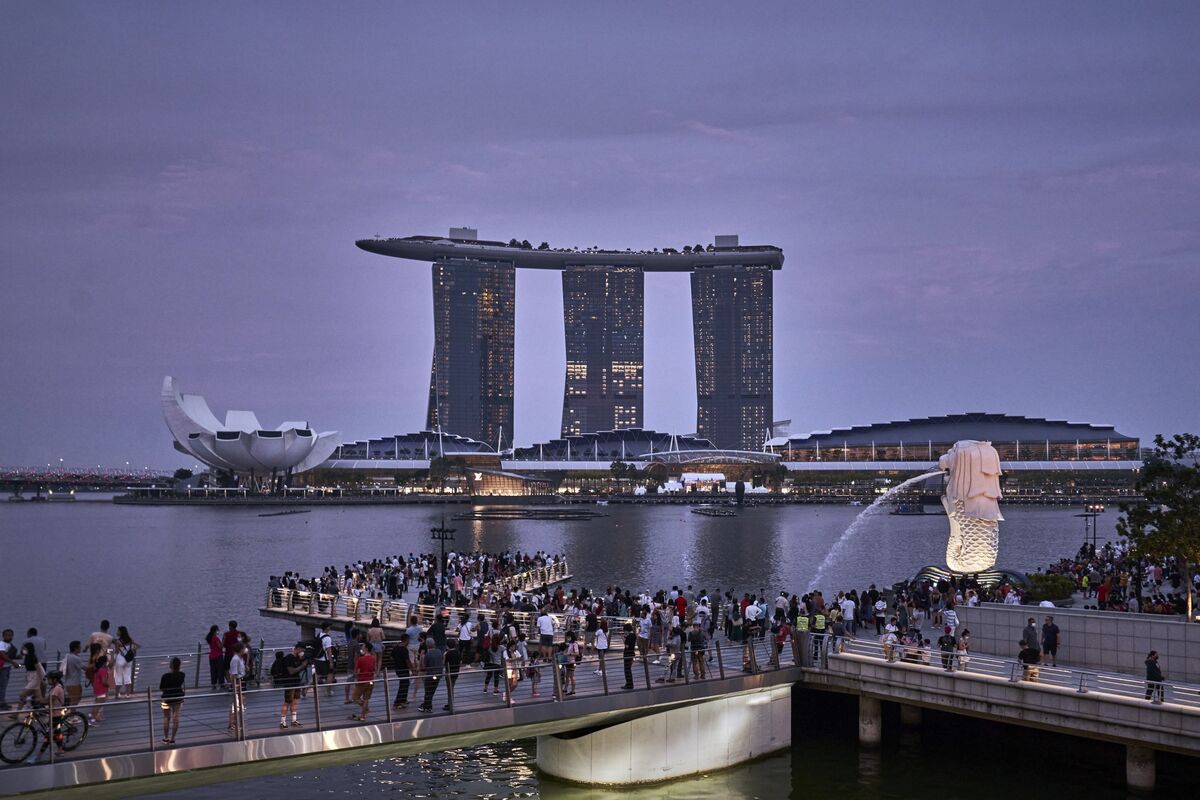
The world’s most expensive cities are a testament to the global diversity of economic landscapes, cultural influences, and quality of life aspirations. While the high costs of living in these cities present significant challenges, they also offer unparalleled opportunities and experiences that continue to draw people from around the world.
As we navigate the ever-changing global economic landscape, it’s essential to recognize the factors that contribute to these high costs and explore strategies to ensure that these cities remain accessible and inclusive. By striking a balance between economic growth, urban development, and affordability, we can create vibrant and sustainable communities that offer a high quality of life for all residents, regardless of their financial means.
 Memories and Such