

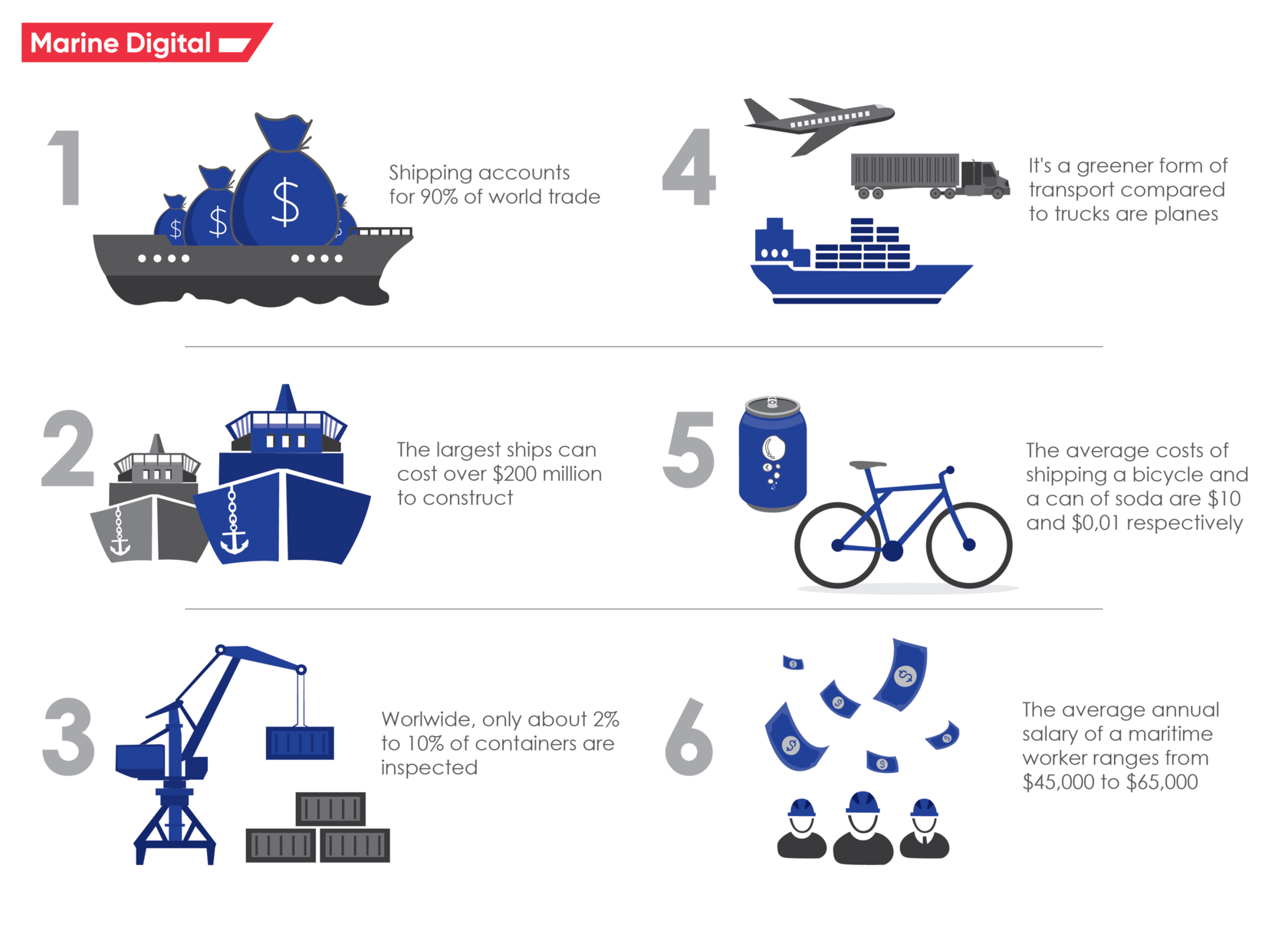
International shipping transports more than 80 per cent of global trade to peoples and communities worldwide. Shipping is the most efficient and cost-effective method of international transportation for most goods; it provides a dependable, low-cost means of transporting goods globally, facilitating commerce and helping to create prosperity among nations and peoples. The world relies on a safe, secure and efficient international shipping industry, which is an essential component of any programme for future sustainable green economic growth in a sustainable manner.
The roots of World Maritime Day can be traced back to the establishment of the International Maritime Organization or IMO itself. The IMO, originally known as the Inter-Governmental Maritime Consultative Organization or IMCO, was established in Geneva in 1948. However, it wasn’t until 1958 that the organisation came into force. World Maritime Day was first celebrated on March 17, 1978, marking the date when the IMO Convention entered into force in 1958. The annual day was started to draw global attention to the vital role of international shipping in supporting and sustaining the global economy and the importance of maritime security, safety, and the marine environment.
World Maritime Day serves several crucial purposes in today’s globalised world. It helps raise awareness about the importance of shipping safety, maritime security, and the marine environment among the general public, policymakers, and industry stakeholders. The day showcases the significant contributions of the maritime industry to the global economy. Over 80% of global trade by volume is carried by sea, making maritime transport essential for sustainable development and economic growth. World Maritime Day fosters international cooperation in maritime affairs, encouraging nations to work together to address common challenges and achieve shared goals. The day provides an opportunity to recognise and appreciate the 1.5 million seafarers who operate the global fleet, ensuring the smooth flow of international trade. Through various events and activities, World Maritime Day helps educate the public about maritime issues, careers, and the sector’s importance to everyday life.
Each year, the IMO selects a theme for World Maritime Day that reflects current priorities in the maritime sector. These themes have covered a range of issues, from safety and environmental protection to the human element of shipping.
Yesterday was World Maritime Day 2024. The theme for this year is “Navigating the Future: Safety First!”. This year’s theme reflects the IMO’s work to enhance maritime safety and security, in tandem with the protection of the marine environment, whilst ensuring its regulatory development process safely anticipates the fast pace of technological change and innovation. The theme provides the opportunity to focus on the full range of safety regulatory implications arising from new and adapted technologies and the introduction of alternative fuels including measures to reduce greenhouse gas emissions from ships, as IMO strives to ensure the safety and efficiency of shipping are maintained, and potentially improved so that the flow of seaborne international trade continues to be smooth and efficient.
World Maritime Day is celebrated globally through many activities and events organised by governments, maritime organisations, educational institutions, and industry stakeholders. These celebrations engage the public, promote maritime careers, and foster discussions on key industry issues. World Maritime Day plays a significant role in shaping global maritime policy. The annual themes often align with or influence the IMO’s strategic directions and work programs.
In addition to individual country celebrations, the IMO organises an annual World Maritime Day Parallel Event. This event is hosted by a different IMO Member State each year, providing an opportunity for the host country to showcase its maritime capabilities and culture. The Parallel Event typically includes high-level conferences and panel discussions, technical workshops on maritime issues, cultural exhibitions and performances, site visits to local maritime facilities, and networking opportunities for industry professionals. This year’s parallel event will be hosted by Spain in Barcelona from 20 – 22 October.
The maritime industry plays a crucial role in achieving many of the United Nations Sustainable Development Goals (SDGs). World Maritime Day themes often reflect this connection, highlighting how the maritime sector can contribute to sustainable development.

World Maritime Day stands as a testament to the enduring importance of the maritime sector in our globalised world. From its origins as a day to mark the IMO’s establishment to its current role as a global platform for addressing critical maritime issues, this annual observance continues to evolve and adapt to the changing needs of the industry and the world at large. The day serves as a reminder of the vital role that shipping plays in our daily lives and the global economy. It highlights the dedication and skill of the millions of maritime professionals who keep our oceans safe and our trade flowing. The day also underscores the collective responsibility we all share in ensuring that maritime activities are conducted safely, securely, and with minimal impact on the marine environment.
 Memories and Such