

The other day, when I was getting ready for a meeting, I found myself wearing a dress in the colour green. This is my superstition: I wear something in green when I have something important to do, be it an exam, an interview or a client meeting. This is probably irrational, but something that gives me that little burst of confidence. Other superstitions we follow in my family include not going to take a bath immediately after someone leaves the house, touching a book or any paper with your hands and bringing your hands to your eyes if you accidentally touch it with your feet, and not wearing or using anything new on a Saturday.
Superstitions are an intriguing aspect of human culture, reflecting our desire to find meaning and control in an unpredictable world. They often arise from historical beliefs, cultural traditions, and psychological needs, manifesting in various forms across different societies.
Superstitions are beliefs or practices that stem from a fear of the unknown or a desire to influence future events. They often involve rituals, charms, or specific behaviors intended to bring good luck or ward off misfortune. While some superstitions may seem irrational, they provide comfort and a sense of control in uncertain situations.
Psychologically, superstitions can serve as coping mechanisms. During times of stress or anxiety, individuals may turn to superstitious practices to alleviate their fears. Studies have shown that engaging in superstitious behaviour can enhance performance and reduce anxiety, as belief in the efficacy of these rituals can lead to a more positive mindset.
Superstitions vary significantly from one culture to another, yet many share common themes.
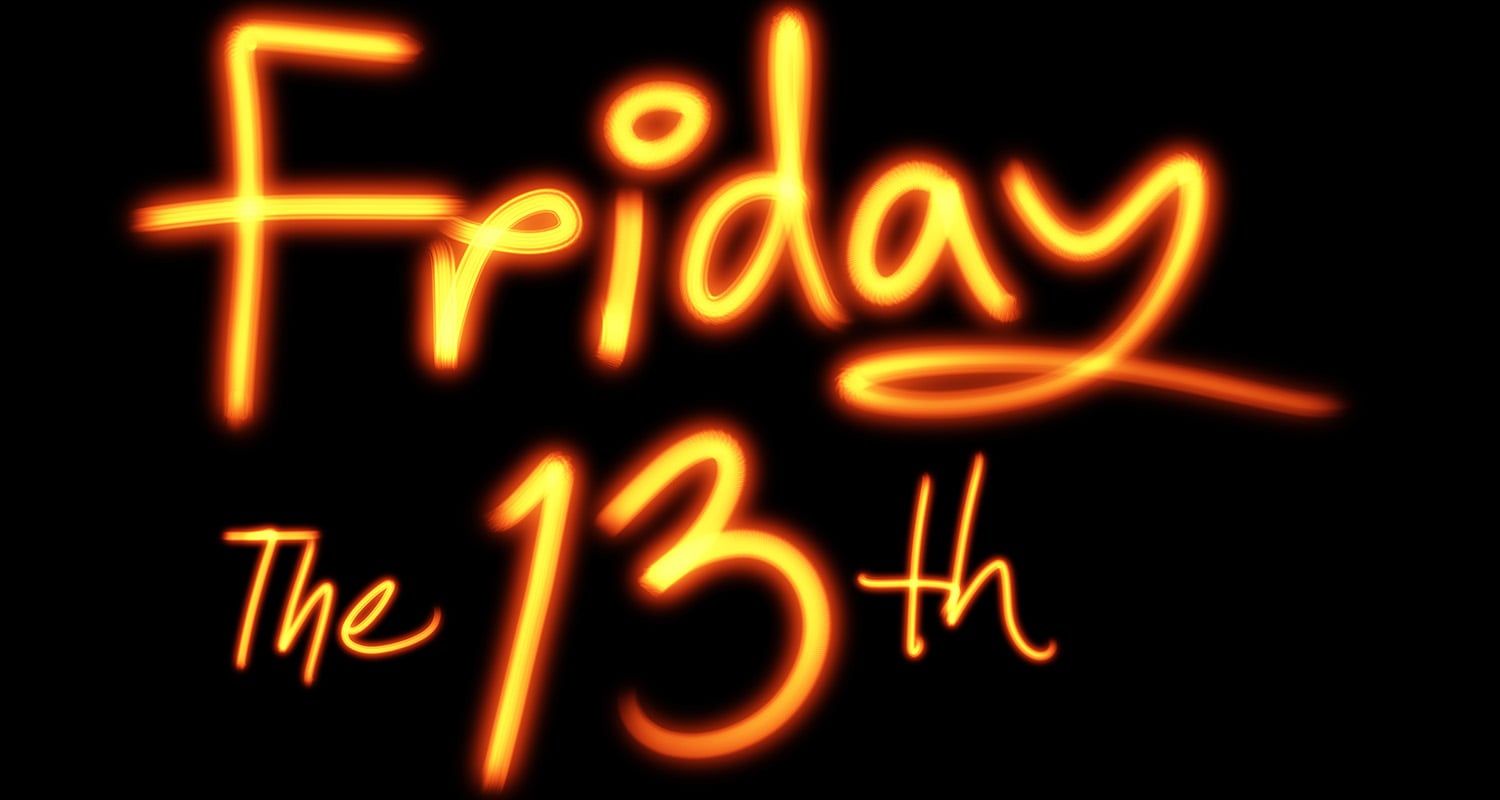
In many Western cultures, Friday the 13th is considered an unlucky day. This superstition is rooted in the belief that both Friday and the number 13 are associated with bad luck. The fear of this day is so widespread that it has its own term: “paraskevidekatriaphobia.” Breaking a mirror is believed to bring seven years of bad luck. This superstition originates from the idea that mirrors reflect not only physical appearances but also the soul. Thus, breaking a mirror is seen as damaging one’s soul. In some cultures, particularly in the United States and parts of Europe, a black cat crossing one’s path is considered a bad omen. This belief likely stems from historical associations between black cats and witchcraft. Walking under a ladder is thought to be rooted in Christian symbolism, where a ladder leaning against a wall forms a triangle, representing the Holy Trinity. Walking under it is believed to break this sacred symbol, leading to misfortune. The saying “Find a penny, pick it up, and all day long you’ll have good luck” reflects the belief that finding money, no matter how small, is a sign of good fortune.
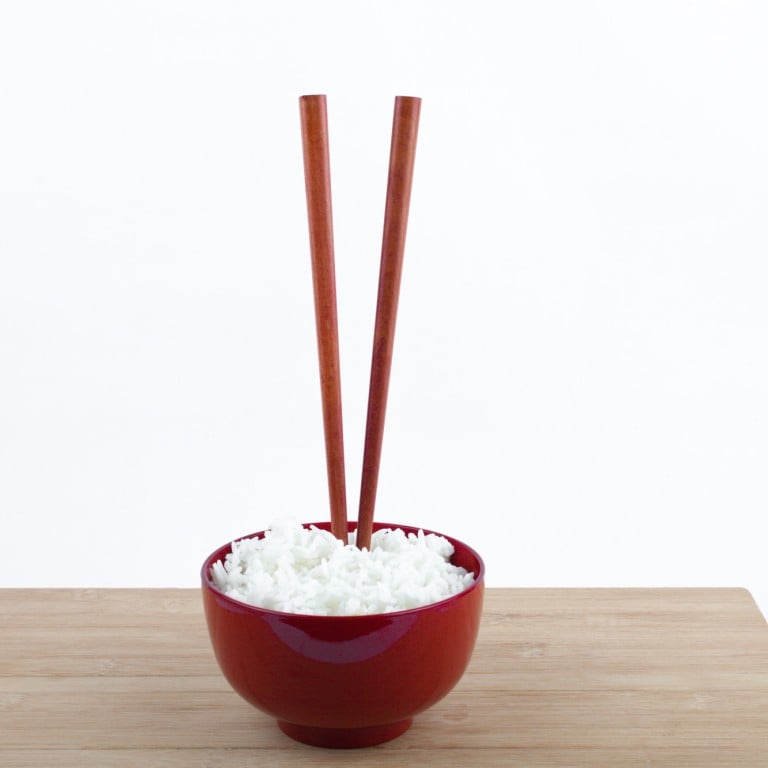
Over in Asia, in China and Japan, sticking chopsticks upright in a bowl of rice is a taboo practice, as it resembles incense sticks used at funerals. This act is believed to invite death and is considered disrespectful. In many East Asian cultures, burning ghost money is a common practice during festivals to honour deceased ancestors. This act is believed to provide comfort and support to the spirits in the afterlife. In countries like Japan and the Philippines, whistling at night is thought to attract evil spirits. This superstition reflects a broader cultural belief in the supernatural and the need to protect oneself from malevolent forces. In Chinese culture, the number four is associated with death, as the word for “four” sounds similar to the word for “death,” or sǐ. As a result, many buildings skip the fourth floor, and people avoid using the number in various contexts. In Vietnam, it is believed that during a thunderstorm, one should hide their belly button to prevent it from being struck by lightning. This superstition showcases the unique ways cultures interpret natural phenomena.
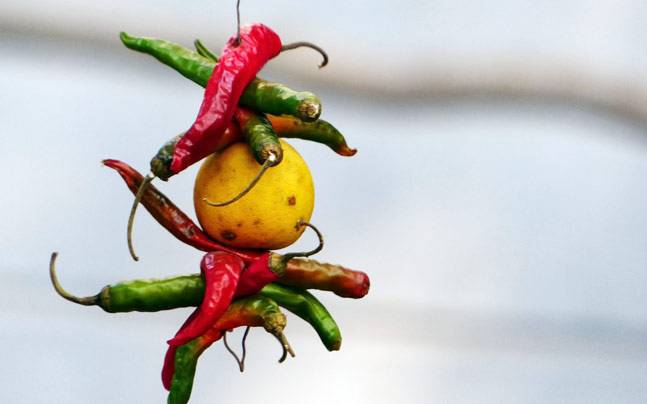
In India, similar to beliefs in many Western cultures, a black cat crossing one’s path is considered an omen of bad luck. This superstition is linked to the association of black cats with Lord Shani, the deity representing misfortune. To counteract this bad luck, people often wait for another person to pass before continuing on their way. It is common to see a string of lemons and seven green chillies hung at the entrances of homes and businesses. This practice is believed to ward off the evil eye, specifically the goddess Alakshmi, who embodies misfortune. The sourness of the lemon and the heat of the chillies are thought to appease her, preventing her from entering the premises. Many Indians believe that sweeping the house after sunset will drive away Goddess Lakshmi, the deity of wealth and prosperity. This superstition is rooted in the idea that cleaning at night could lead to the accidental disposal of valuables, as visibility is limited. Eye twitching is interpreted differently across cultures. In India, the twitching of the right eye is often considered a good omen, while the left eye twitching is viewed as inauspicious. This belief varies by gender; for example, it is considered good luck for men but bad for women. The practice of putting a dot of kohl on a child’s forehead is common in India to protect them from the evil eye. This superstition is based on the belief that the evil eye can cause harm or misfortune, and the dot serves as a protective charm. It is customary to add one rupee to monetary gifts, especially during weddings. This practice is believed to bring good luck and symbolises that the gift will not return to the giver. The number one is considered auspicious, and making the total an odd number is thought to ensure prosperity for the recipients. Many people refrain from cutting their nails or hair on Saturdays, as it is believed to bring bad luck. This superstition may stem from cultural associations with certain days being more auspicious than others.
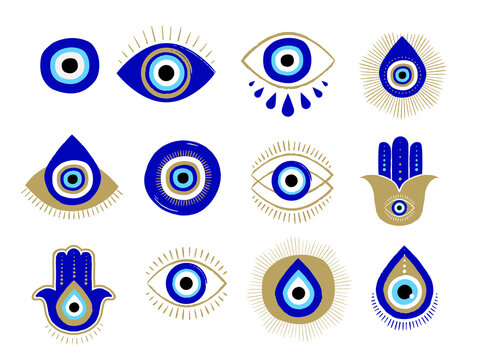
The concept of the evil eye is prevalent in many Middle Eastern cultures. It is believed that envy or malice from others can cause harm, and various talismans, such as the Nazar, are used to ward off this negative energy. In some cultures, spitting three times after mentioning something bad is a way to ward off misfortune. This act is believed to protect against the evil eye and negative energies. In certain Middle Eastern traditions, breaking bread with someone is seen as a sign of friendship and trust. However, if the bread falls, it is considered a bad omen, indicating that the friendship may be in jeopardy.
While many superstitions are shared across cultures, some are unique to specific regions or communities. These unique beliefs often reflect the historical, environmental, and social contexts of the cultures they originate from. In Iceland, it is believed that knitting outside can prolong winter. This superstition highlights the connection between cultural practices and the environment, as Icelandic culture is deeply intertwined with its harsh climate. In Afghanistan, if a broom touches someone’s feet while sweeping, it is believed that one of their parents will die. This superstition underscores the cultural significance of family and the fear of losing loved ones. In Germany, toasting with water is seen as wishing death upon the people you are drinking with. This superstition reflects the cultural importance of toasting and the associated rituals of camaraderie and celebration. After attending a wake, many Filipinos make a pitstop at a restaurant or café to “shake off” bad spirits before returning home. This practice illustrates the cultural belief in the influence of spirits and the importance of rituals in daily life.
Certain superstitions have transcended geographical boundaries, becoming widely recognised across cultures. These shared beliefs often reflect universal human concerns about luck, fate, and the unknown. The use of lucky charms is a common practice worldwide. Whether it’s a rabbit’s foot in the United States, a four-leaf clover in Ireland, or a horseshoe in various cultures, these objects are believed to bring good fortune and protect against misfortune. The belief that bad luck occurs in threes is prevalent in many cultures. This superstition highlights the human tendency to seek patterns and meaning in random events. The notion of “beginner’s luck,” where novices experience unexpected success, is a common belief across cultures. This superstition reflects the psychological phenomenon of confirmation bias, where individuals remember instances that support their beliefs. The practice of knocking on wood to ward off bad luck is widespread. This superstition is thought to have originated from ancient beliefs in tree spirits, and it serves as a way to invoke protection against misfortune.

Several studies have explored the impact of superstitions on human behaviour, revealing that certain superstitions can indeed have a positive effect on performance and mental well-being. Research published in *Psychological Science* indicates that engaging in good-luck-related superstitions can significantly improve performance across various tasks. For instance, participants who activated superstitions—through familiar sayings or actions, such as crossing fingers or using lucky charms—demonstrated better outcomes in tasks involving motor dexterity, memory, and problem-solving. This improvement is attributed to increased self-efficacy and confidence, which are essential for tackling challenging tasks.
Superstitions often serve as coping mechanisms, providing individuals with a sense of control in unpredictable situations. For example, athletes frequently rely on personal superstitions or rituals to manage anxiety and enhance focus before competitions. These rituals can help ground them in the moment and alleviate pressure, ultimately leading to improved performance. Belief in superstitions can foster a positive mental attitude. Studies have shown that individuals who hold superstitious beliefs often exhibit higher levels of optimism and motivation. This positive mindset can lead to goal-oriented behaviour and increased persistence in the face of challenges.
Some research suggests that the effects of superstitions may vary by gender. For instance, a study indicated that inducing beliefs in good luck helped improve self-efficacy among female participants, leading to better performance in cognitive tasks. However, the same induction did not yield the same benefits for male participants, suggesting that the impact of superstitions may be context-dependent. The placebo effect is another mechanism through which superstitions can yield positive outcomes. The belief that a particular charm or ritual will bring good luck can enhance an individual’s performance simply because they believe it will. This psychological boost can be powerful, reinforcing the idea that superstitions, while not scientifically grounded, can have real-world effects on behaviour and outcomes. In summary, while superstitions may seem irrational on the surface, they can have beneficial effects on performance and mental health by enhancing confidence, providing comfort, and serving as effective coping mechanisms in uncertain situations.
Despite advances in science and rational thought, superstitions continue to play a significant role in many people’s lives. They often serve as coping mechanisms, providing comfort and a sense of control in uncertain situations. In contemporary society, superstitions can be seen in various contexts, from sports rituals to personal habits. Moreover, superstitions can be found in everyday decision-making. People may avoid certain actions or make specific choices based on their superstitious beliefs, such as avoiding the number 13 in hotel rooms or refraining from making significant decisions on Friday the 13th.
Superstitions are a fascinating aspect of human culture, reflecting our desire for control and meaning in an unpredictable world. From common beliefs like avoiding black cats and walking under ladders to unique practices found in specific cultures, superstitions offer insight into the values and fears of societies worldwide.
While some may view superstitions as irrational, they serve important psychological and cultural functions, providing comfort and a sense of security in uncertain times. As we navigate the complexities of modern life, these everyday superstitions remind us of our shared humanity and the enduring power of belief. Whether consciously or unconsciously, we all engage with these rituals, illustrating the intricate tapestry of human experience that transcends geographical boundaries.
I’d love to hear from you all. Do you have any superstition you consciously or unconsciously do? Let me know in the comments below.
 Memories and Such