
World Diabetes Day is an annual global health awareness campaign observed on November 14th. The day was established in 1991 by the International Diabetes Federation (IDF) and the World Health Organization (WHO) in response to the rapidly increasing prevalence of diabetes worldwide. The date, November 14th, was chosen to honour the birthday of Sir Frederick Banting, who, along with Charles Best, first conceived the idea that led to the discovery of insulin in 1922.
The day gained official recognition as a United Nations Day in 2006 with a resolution that acknowledged diabetes as a chronic, debilitating, and costly disease associated with severe complications that pose a significant threat to families, countries, and the entire world. Since its inception, World Diabetes Day has grown into a global campaign reaching millions of people in over 160 countries. It serves as a platform for diabetes awareness and advocacy, uniting the global diabetes community in a collective effort to address the growing diabetes epidemic.
World Diabetes Day plays a crucial role in raising awareness by helping educate the public about diabetes, its risk factors, symptoms, and complications; by encouraging people to get tested, it supports early detection and intervention; the day advocates for better care and pushes for improved access to quality diabetes care and treatment options; it highlights the importance of ongoing research in diabetes prevention and management; and fosters community support by bringing together individuals, healthcare professionals, and organisations to support those affected by diabetes.
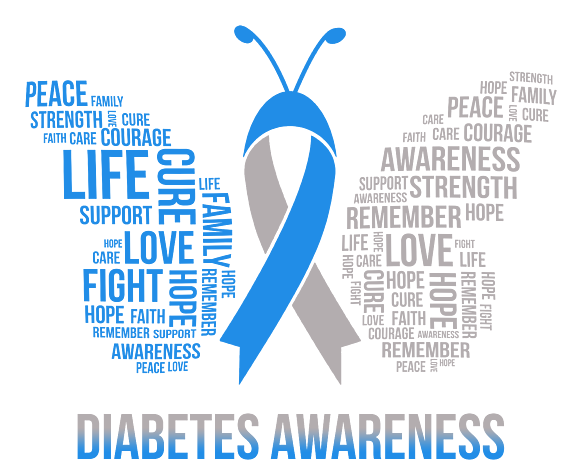
The theme for World Diabetes Day from 2024 to 2026 will be ‘Diabetes and Well-being’. This theme will focus on three key aspects between 2024 and 2026 – physical well-being, societal well-being, and mental well-being. The choice of this theme reflects a holistic approach to diabetes management, recognising that diabetes affects not only physical health but also mental and social well-being. By addressing these interconnected aspects, the campaign aims to improve the overall quality of life for people living with diabetes.
To fully appreciate the importance of World Diabetes Day, it’s crucial to understand the nature of diabetes and its impact on global health. There are two main types of diabetes: Type 1 diabetes is an autoimmune condition where the body doesn’t produce insulin. It’s not preventable and requires daily insulin administration. Type 2 diabetes results from the body’s ineffective use of insulin. It’s often associated with physical inactivity and excess body weight, and in many cases, it’s preventable.
Common symptoms of diabetes include frequent urination, excessive thirst, unexplained weight loss, slow-healing wounds, recurring skin infections, and numbness or tingling in hands and feet. It’s important to note that symptoms can be less pronounced in Type 2 diabetes, and diagnosis may occur years after onset.
The IDF Diabetes Atlas provides alarming statistics on the global diabetes scenario. In 2021, 537 million adults or 1 in 10 were living with diabetes. This number is expected to rise to 643 million by 2030 and 783 million by 2045. Almost half of adults with diabetes or 44% remain undiagnosed, primarily with type 2 diabetes. Over three-quarters of people with diabetes live in low and middle-income countries. 541 million adults are at increased risk of developing type 2 diabetes. Over 1.2 million children and adolescents between the ages of 0 and 19 years live with type 1 diabetes.
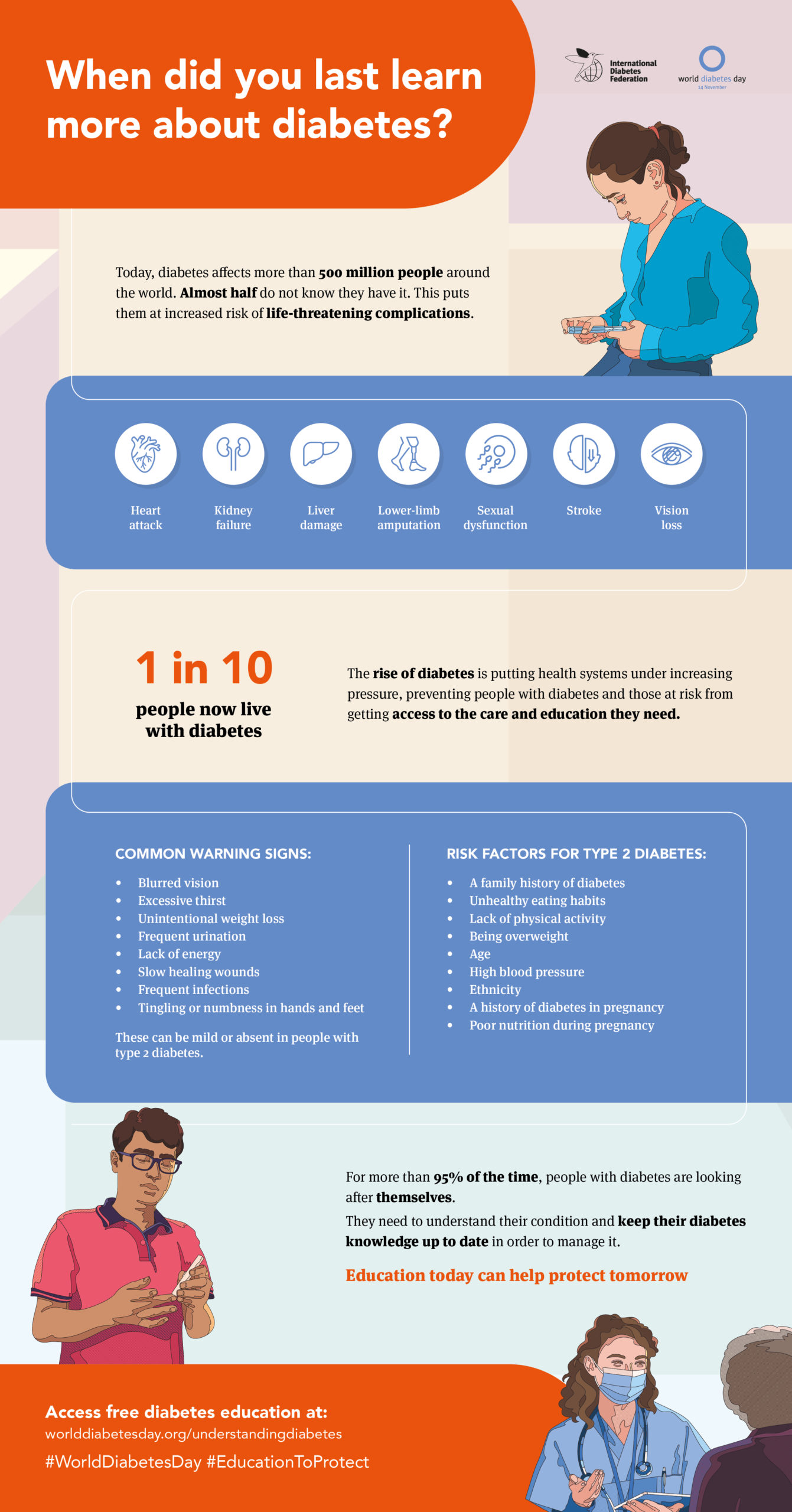
Diabetes imposes a substantial economic burden globally. In 2021, diabetes accounted for at least $966 billion in health expenditure, constituting 9% of the global total spent on healthcare. High blood glucose or hyperglycemia during pregnancy affects one in six live births or about 21 million.
World Diabetes Day serves as a catalyst for various activities and initiatives aimed at raising awareness and promoting better diabetes care. The official colour of diabetes awareness is blue. Wearing blue clothing or accessories on November 14th shows support for the cause. One can use social media and other platforms to educate others about diabetes, its risk factors, and the importance of a healthy lifestyle. Another way is to encourage those at risk to get tested for diabetes, supporting early detection and intervention. One can host or participate in events, workshops, or seminars that raise awareness about diabetes in local communities. The IDF provides an interactive tool for individuals to assess their risk of developing type 2 diabetes.
Healthcare professionals play a crucial role in diabetes management and prevention. World Diabetes Day highlights their importance and provides resources to support their work. The day often features educational sessions for healthcare providers to stay updated on the latest diabetes care practices. It encourages healthcare professionals to engage more effectively with patients, promoting better diabetes management. Healthcare professionals are encouraged to advocate for better diabetes care policies and resources. The day highlights opportunities for healthcare professionals to participate in diabetes research.
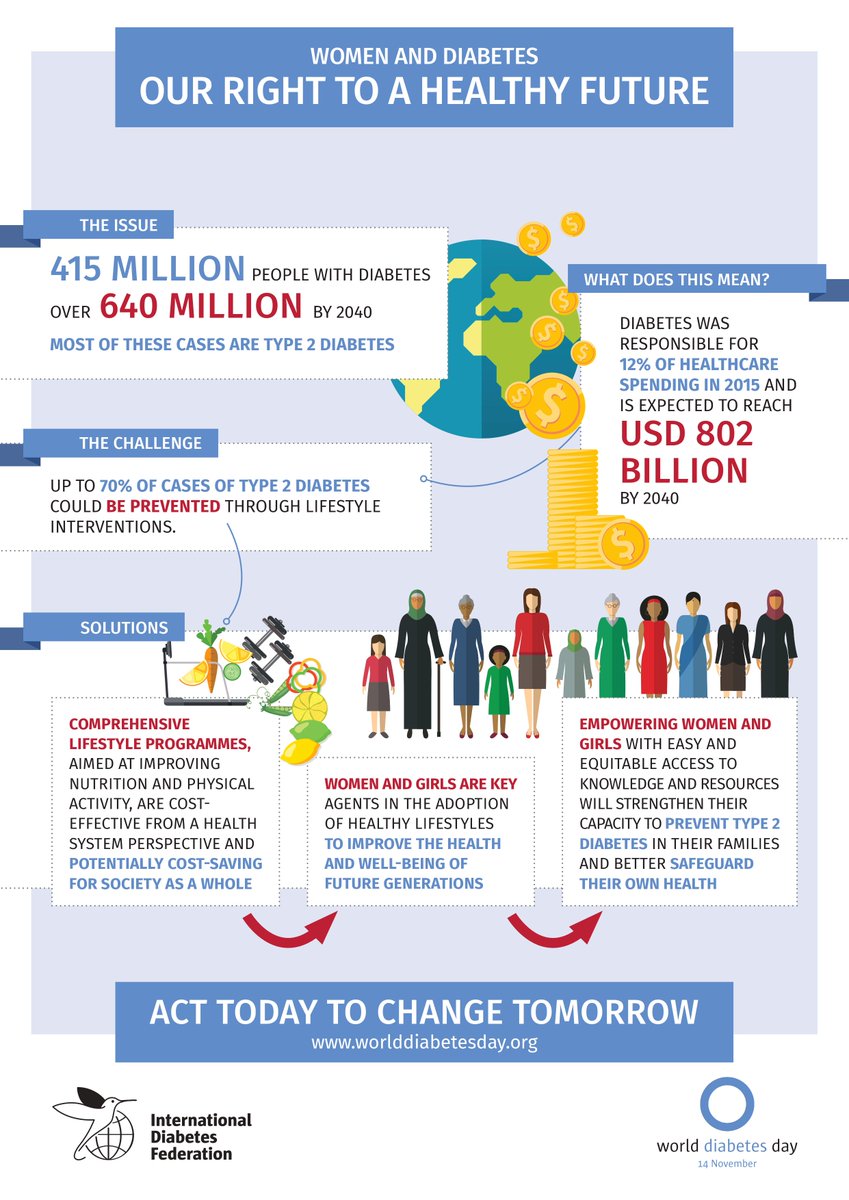
World Diabetes Day emphasises the importance of diabetes prevention and effective management. Key strategies include promoting balanced diets, regular physical activity, and maintaining a healthy weight; encouraging regular check-ups and diabetes screenings, especially for those at higher risk; stressing the importance of following prescribed treatment plans for those diagnosed with diabetes; providing resources and support for people with diabetes to effectively manage their condition; and highlighting new technologies and treatments that can improve diabetes management.
World Diabetes Day fosters global collaboration in the fight against diabetes. This includes international partnerships which encourage cooperation between countries and organisations to address diabetes on a global scale; knowledge sharing and the facilitating the exchange of best practices and research findings across borders; advocating for equitable distribution of diabetes care resources, especially in low and middle-income countries; and promoting consistent policies and guidelines for diabetes prevention and management worldwide.
While World Diabetes Day has made significant strides in raising awareness and improving diabetes care, several challenges remain. These include ensuring equitable access to quality diabetes care, especially in resource-limited settings; combating social stigma associated with diabetes and promoting inclusivity; addressing the gap in access to diabetes management technologies between high and low-income countries; managing the increasing prevalence of diabetes alongside other chronic conditions; and developing strategies to engage younger generations in diabetes prevention and awareness.
World Diabetes Day stands as a beacon of hope and action in the global fight against diabetes. Today, the focus is shifting towards a more holistic approach to diabetes care, encompassing physical, societal, and mental well-being. The day serves not only as a reminder of the challenges posed by diabetes but also as a celebration of the progress made in diabetes care and management. It unites millions of people worldwide in a common cause, fostering a sense of community and shared purpose.
World Diabetes Day remains a crucial platform for raising awareness, promoting prevention, and advocating for better care. It reminds us that while diabetes is a serious condition, it is manageable with the right knowledge, support, and resources.
 Memories and Such