

Navigating the workplace can be challenging, especially for young adults just starting their careers. One of the most significant hurdles they may face is dealing with difficult coworkers and office politics. Understanding how to manage these situations effectively is crucial for maintaining a positive work environment and ensuring professional growth.
Difficult coworkers can manifest in various ways, from passive-aggressive behaviour to overt hostility. Recognising the different types of difficult coworkers is the first step in learning how to manage these relationships effectively.

Types of Difficult Coworkers
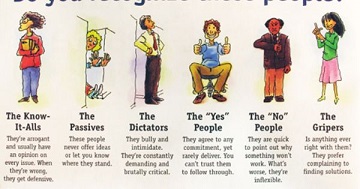
The Gossip: This coworker thrives on spreading rumours and creating drama. They often distort the truth and can create a toxic atmosphere.
The Micromanager: This individual has a hard time letting go of control. They may hover over colleagues’ work, constantly checking in and offering unsolicited advice.
The Negative Naysayer: This coworker is perpetually pessimistic and focuses on problems rather than solutions. Their negative attitude can be contagious and demoralising.
The Credit Stealer: This person takes credit for others’ ideas or work, often undermining a colleague’s contributions in front of others.
The Saboteur: This coworker actively works against a colleague by spreading false information or undermining their efforts.
The Know-It-All: This individual believes they have all the answers and is often dismissive of others’ ideas or contributions.
Recognising the Impact of Difficult Coworkers
Difficult coworkers can significantly affect one’s work experience, leading to increased stress, decreased productivity, and even burnout. Understanding the impact of these relationships is essential for developing effective coping strategies.
Emotional Toll: Constantly dealing with difficult personalities can lead to feelings of frustration, anxiety, and resentment.
Reduced Collaboration: Difficult coworkers can hinder teamwork and collaboration, making it challenging to achieve common goals.
Career Advancement: Negative interactions can impact one’s professional reputation and hinder career advancement opportunities.
Work-Life Balance: Stress from difficult coworkers can spill over into the personal life, affecting overall well-being.
Strategies for Dealing with Difficult Coworkers
Maintain professionalism: Regardless of the behaviour of coworkers, it’s essential to maintain professionalism in all interactions. This includes staying calm and keeping emotions in check, even in challenging situations. Responding with anger or frustration can escalate conflicts. Using respectful language and choosing words carefully. One should avoid using derogatory or confrontational language, even when they provoke. One should also set an example and model the behaviour they wish to see in others. Demonstrating professionalism can encourage coworkers to do the same.
Communicate effectively: Effective communication is key to resolving conflicts with difficult coworkers. One should practice active listening and show genuine interest in what their coworker is saying. This can help de-escalate tensions and foster a more collaborative environment. One can also frame concerns using ‘I’ statements to express how a situation affects them without placing blame. For example, “I feel overwhelmed when deadlines are changed at the last minute.” One can also be direct but tactful while addressing issues. Avoid beating around the bush, as this can lead to misunderstandings.
Set boundaries: Establishing clear boundaries is crucial when dealing with difficult coworkers. Identify limits and decide what behaviours one is willing to tolerate and what crosses the line. Be clear about boundaries and communicate them well directly to the coworker. For example, if a coworker frequently interrupts one’s work, let them know one needs uninterrupted time to focus. One should also be consistent in enforcing said boundaries. If a coworker is allowed to cross them occasionally, it may become a pattern.
Focus on solutions: When faced with difficult coworkers, it’s essential to focus on finding solutions rather than dwelling on problems. Try to understand the underlying reasons for the coworker’s behaviour. This can help address the issue more effectively. Collaborate with the coworker to brainstorm and identify potential solutions to the problem. This can foster a sense of teamwork and cooperation. Sometimes, finding a middle ground is necessary for resolving conflicts. Be willing to compromise when appropriate.
Seek support from management: If a difficult coworker’s behavior becomes unmanageable, it may be time to seek support from management or HR. Document incidents and keep a record of specific incidents involving the difficult coworker, including dates, times, and details. This documentation can be helpful when discussing the issue with management. Identify the appropriate person to speak to, whether it’s a supervisor, HR representative, or team leader. When discussing the issue with management, present the concerns calmly and professionally. Focus on how the behaviour affects work and the team.
Practice self-care: Dealing with difficult coworkers can be emotionally draining. Practising self-care is essential for maintaining well-being. Find activities that help unwind and relieve stress, such as exercise, meditation, or hobbies. Talk to trusted friends or family members about the experiences. Sharing feelings can provide emotional relief and perspective. Make time for activities that bring joy and fulfilment outside of work. This can help recharge and maintain a positive outlook.

Understanding Office Politics
Office politics refers to the dynamics and power structures that exist within a workplace. While it can be challenging to navigate, understanding office politics is essential for career success. Office politics often involves navigating the power dynamics between colleagues, supervisors, and management. Understanding who holds influence can help you navigate relationships more effectively. Building positive relationships with colleagues can be beneficial in a politically charged environment. Networking and fostering connections can enhance one’s professional reputation. Office politics can lead to conflicts and competition among coworkers. Recognising these dynamics can help one avoid unnecessary drama.
Strategies for Navigating Office Politics
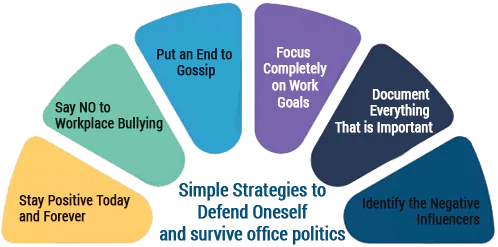
Build strong relationships: Take the time to connect with colleagues across departments. Building a strong professional network can provide support and open doors for future opportunities. Foster a friendly and approachable demeanor. Being open to conversations can help one build rapport with coworkers.
Stay informed: Stay informed about company developments, changes in leadership, and organisational goals. Understanding the bigger picture can help one navigate office politics more effectively. Pay attention to conversations and dynamics within the office. Being aware of the political landscape can help one make informed decisions.
Stay neutral: Steer clear of gossip and negative talk about coworkers. Engaging in gossip can damage the reputation and create unnecessary drama. When conflicts arise, try to remain neutral. Taking sides can alienate one from colleagues and create tension.
Focus on performance: Focus on delivering high-quality work and meeting goals. A strong performance can help one build credibility and respect within the organisation. Regularly seek feedback from supervisors and colleagues. This shows the commitment to improvement and can help one navigate office dynamics.
Be professional: Regardless of the political climate, always maintain professionalism in all interactions. This includes being respectful, courteous, and accountable. Stay above the fray and avoid engaging in office drama. Focus on the work and maintain a positive attitude.

Dealing with difficult coworkers and navigating office politics can be challenging, especially for young adults entering the workforce. However, by implementing the strategies outlined above, one can effectively manage difficult relationships and foster a positive work environment. Maintaining professionalism, effective communication, and a focus on solutions are key to overcoming challenges in the workplace. Additionally, understanding the dynamics of office politics can help one navigate relationships and enhance their career prospects. Ultimately, the workplace is a microcosm of society, and learning to manage difficult personalities and political dynamics is an essential skill that will serve one well throughout their career. Embrace these challenges as opportunities for growth, and remember that the ability to navigate difficult situations will contribute to one’s long-term success and fulfilment in their professional life.
 Memories and Such