
Celebrated annually on November 20, World Children’s Day is dedicated to promoting children’s rights and welfare worldwide. Established as Universal Children’s Day in 1954 by the United Nations General Assembly, the day was created to promote international togetherness, and awareness among children worldwide, and improve children’s welfare. November 20th was chosen to commemorate two important milestones in advancing children’s rights.
On November 20, 1959, the UN General Assembly adopted the Declaration of the Rights of the Child. This landmark document outlined the fundamental rights of children, emphasising their need for special protection and care. Exactly 30 years later, on November 20, 1989, the UN General Assembly adopted the Convention on the Rights of the Child (CRC). This set out children’s civil, political, economic, social, and cultural rights and has been ratified by 196 countries, making it the most widely ratified human rights treaty in history.
Over the years, World Children’s Day has evolved to become a platform for advocating children’s rights and addressing the challenges they face. It serves as a reminder of the commitments made by countries to uphold the rights of children and ensure their well-being. The day helps raise awareness about the rights of children and the importance of ensuring their well-being. It highlights issues such as child labour, child abuse, and lack of access to education and healthcare. World Children’s Day emphasises the importance of protecting and promoting children’s rights as outlined in the CRC. It encourages governments, organisations, and individuals to take action to uphold these rights. The day encourages children to participate in discussions and decision-making processes that affect their lives. It empowers them to voice their opinions and be active agents of change. World Children’s Day fosters a sense of global solidarity and cooperation in addressing the challenges faced by children. It brings together various stakeholders, including governments, NGOs, and communities, to work towards a common goal.
The theme for World Children’s Day 2024 is “A Better Future for Every Child.” This theme underscores the importance of creating a world where every child can thrive, regardless of background or circumstances. It focuses on several key areas, including ensuring access to quality education for all children, including marginalised and vulnerable groups; promoting access to healthcare services, proper nutrition, and a healthy environment for children; safeguarding children from violence, exploitation, and abuse; encouraging children’s participation in decision-making processes that affect their lives; and addressing inequalities and ensuring that every child, regardless of their socio-economic status, gender, or ethnicity, has equal opportunities to succeed.
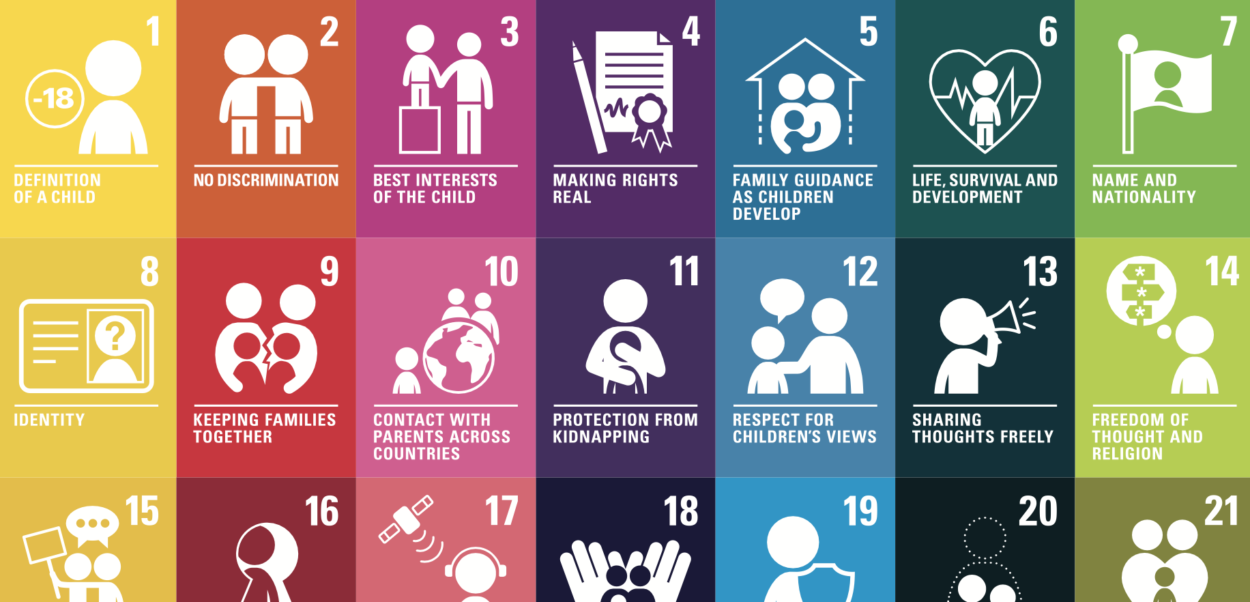
To fully appreciate the importance of World Children’s Day, it’s crucial to understand the rights of children as outlined in the CRC. The Convention on the Rights of the Child includes 54 articles that cover various aspects of children’s rights.
Some of the key rights include the Right to Life, Survival, and Development where every child has the inherent right to life, and governments must ensure their survival and development. The Right to Education is one where every child has the right to free primary education, and access to secondary and higher education should be available to all while under the Right to Health, children must have the right to the highest attainable standard of health and access to healthcare services. Under the Right to Protection from Abuse and Exploitation, children must be protected from all forms of physical or mental violence, injury, abuse, neglect, and exploitation and children have the right to express their views freely in all matters affecting them and to have their opinions taken into account under the Right to Participation.

Despite significant progress in promoting children’s rights, many challenges remain. Some of the key issues affecting children worldwide include:
- Child Labour: Millions of children are engaged in child labour, often in hazardous conditions, depriving them of their right to education and a safe childhood.
- Child Marriage: Child marriage remains prevalent in many parts of the world, leading to negative health, education, and economic outcomes for girls.
- Lack of Access to Education: Many children, particularly in low-income countries, lack access to quality education due to factors such as poverty, conflict, and discrimination.
- Malnutrition: Malnutrition remains a significant issue, affecting children’s physical and cognitive development and increasing their vulnerability to diseases.
- Violence and Exploitation: Children continue to face various forms of violence, including physical, sexual, and emotional abuse, as well as exploitation in the form of trafficking and forced labor.
Governments and organisations play a crucial role in promoting and protecting children’s rights. World Children’s Day highlights their responsibilities and encourages them to take action. Governments must develop and implement policies that uphold children’s rights and address the challenges they face. Adequate resources must be allocated to programs and services that support children’s health, education, and protection. Governments and organisations should collaborate with various stakeholders, including NGOs, communities, and the private sector, to create a supportive environment for children. Effective monitoring and accountability mechanisms should be in place to ensure that children’s rights are upheld and that progress is made towards achieving the goals set out in the CRC.
Children and youth are not just passive recipients of rights; they are active agents of change. World Children’s Day encourages their participation and empowers them to take action. Children and youth must be encouraged to advocate for their rights and the rights of their peers. Organisations and governments must provide platforms for them to voice their opinions and participate in decision-making processes. Peer education programmes must be supported where children and youth can educate each other about their rights and how to protect them. Youth-led initiatives that address issues affecting children and contribute to their well-being must be promoted and supported. Mentorship programmes that connect children and youth with positive role models who can guide and support themmust be developed.
World Children’s Day has had a significant impact on promoting children’s rights and improving their well-being. The day has successfully raised awareness about children’s rights and the challenges they face, leading to greater public support and action. Advocacy efforts on World Children’s Day have contributed to policy changes and the implementation of laws that protect children’s rights. Initiatives launched on World Children’s Day have helped improve access to education for marginalised and vulnerable children. Programmes and campaigns have strengthened child protection systems, reducing the incidence of violence, exploitation, and abuse. The day has empowered children and youth to take an active role in advocating for their rights and contributing to positive change in their communities.
While significant progress has been made, there is still much work to be done to ensure that every child can enjoy their rights and reach their full potential. World Children’s Day highlights the importance of promoting and protecting children’s rights. The day serves as a reminder of the commitments made by countries to uphold the rights of children and the importance of collective action in achieving this goal. By raising awareness, advocating for change, and supporting initiatives that benefit children, we can create a world where every child can thrive and reach their full potential.
 Memories and Such