

Often referred to as “The Great Night of Shiva,” Maha Shivaratri is one of the most significant festivals in Hinduism, dedicated to Lord Shiva, the deity symbolising creation, preservation, and destruction. This festival is celebrated annually on the 14th night of the dark fortnight in the month of Phalguna, which comes in February or March, marking a time for spiritual reflection, devotion, and celebration. The festival’s origins are steeped in rich mythology and tradition, and its observance varies widely across different regions of India and among Hindu communities worldwide.
The origins of Maha Shivaratri are deeply rooted in Hindu mythology. Several legends recount the significance of this festival. One prominent legend states that Maha Shivaratri commemorates the night when Lord Shiva performed the ‘Tandava’, a cosmic dance symbolising creation, preservation, and destruction. This dance is believed to represent the rhythm of the universe and is a vital aspect of Shiva’s divine nature. Another significant narrative is that Maha Shivaratri marks the wedding night of Lord Shiva and Goddess Parvati. Their union symbolises the balance between masculine and feminine energies, representing harmony in the cosmos. This aspect makes Maha Shivaratri particularly special for married couples who seek blessings for their relationships. According to another legend, it was on this night that Shiva manifested himself in the form of a Lingam, a representation of his divine presence. This event signifies his infinite existence and connection to creation.
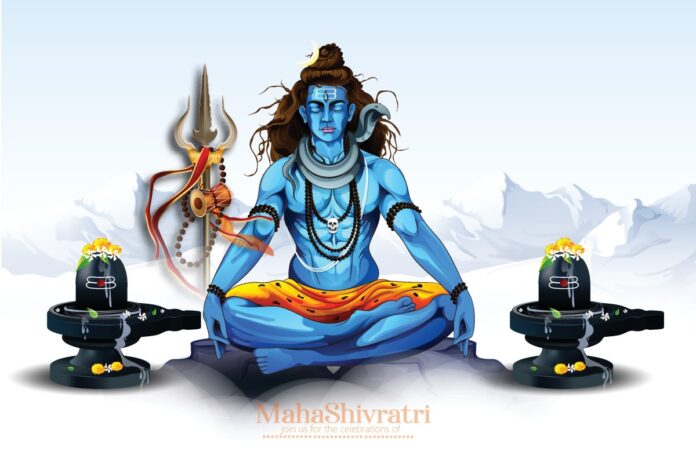
Maha Shivaratri has been celebrated for centuries, with its roots tracing back to ancient Hindu civilisation. The festival reflects a broader cultural significance beyond mere religious observance; it encapsulates themes of transformation, renewal, and spiritual awakening that resonate across various aspects of life.
Maha Shivaratri holds profound spiritual importance for devotees. The festival is seen as an opportunity for spiritual growth and introspection. Devotees believe that observing rituals during this time can lead to purification of the mind and soul, helping them overcome obstacles in life. Fasting and prayer during Maha Shivaratri are believed to cleanse devotees’ hearts and minds. Many observe strict fasts, consuming only water or milk throughout the day before breaking their fast at dawn on the following day. The festival fosters a sense of community among participants as they come together for prayers, chanting, and singing devotional songs or bhajans. It serves as a reminder of shared beliefs and collective spirituality.
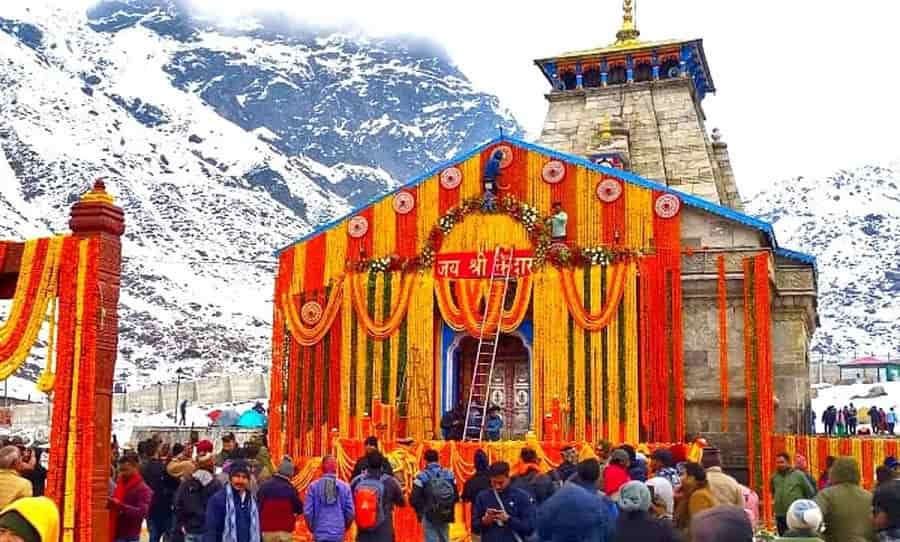
The festival is celebrated with great fervor across India, with regional variations reflecting local customs and traditions. In northern states like Uttar Pradesh and Uttarakhand, devotees flock to temples such as Kashi Vishwanath in Varanasi and Kedarnath to participate in elaborate rituals. The night is marked by all-night vigils where devotees chant “Om Namah Shivaya” while offering milk, honey, and bel leaves to Shiva Lingams. In South India, particularly among Brahmin communities, rituals begin early in the morning with special prayers or pujas at temples dedicated to Lord Shiva. Devotees often perform Rudra Abhishek, bathing Shiva Lingams with sacred substances like milk and honey. The night is spent in meditation, bhajans, and discussions about Shiva’s teachings.
In Maharashtra, celebrations often include processions featuring traditional music and dance. Temples are beautifully decorated, attracting large crowds who engage in communal prayers. In West Bengal and Odisha, Maha Shivaratri is celebrated with unique cultural performances such as folk dances that narrate stories from Shiva’s life. Devotees also prepare special dishes as offerings during this time.
Maha Shivaratri transcends geographical boundaries. In countries with significant Hindu populations such as Nepal, Mauritius, Fiji, and Trinidad & Tobago, festivities take place with similar fervor. In Nepal’s Pashupatinath Temple—one of the holiest sites for Hindus—thousands gather to participate in rituals throughout the night. Indo-Caribbean communities also observe this festival with solemnity in over 400 temples worldwide.

The rituals performed during Maha Shivaratri are diverse yet share common elements. Devotees typically fast throughout the day leading up to the night celebrations. Some consume only water or milk while others may choose to abstain from food altogether. Rituals involve offerings made to Shiva Lingams consisting of milk, honey, ghee (clarified butter), fruits, flowers, and bel leaves—considered sacred to Lord Shiva. The chanting of mantras such as “Om Namah Shivaya” plays a central role during worship sessions both at home and in temples. Many devotees stay awake throughout the night engaging in prayers, singing bhajans or participating in discourses about Lord Shiva’s teachings. In various regions, cultural performances including dance dramas depicting stories from Shiva’s life add vibrancy to the celebrations.
Several myths enhance the richness of Maha Shivaratri’s narrative. One myth recounts how Lord Shiva vanquished Tripurasura—the demon representing ignorance—on this auspicious night. This victory symbolises triumph over darkness and ignorance. Another popular tale involves Markandeya—a devotee who was destined to die young but was saved by Lord Shiva when he embraced him as a child amidst death’s approach. Legends often highlight Lord Shiva’s compassion towards his devotees; many stories illustrate how he intervenes to protect those who sincerely seek his blessings during Maha Shivaratri.

Maha Shivaratri stands as a testament to the rich tapestry of Hindu culture—a celebration that encompasses devotion, spirituality, community bonding, and deep-rooted traditions. As devotees across India and around the world honour Lord Shiva through fasting, prayer, cultural performances, and communal gatherings on this auspicious night, they not only pay homage to their deity but also embrace themes that resonate universally—transformation, renewal, love, and spiritual awakening. The festival serves not just as a religious observance but also as an opportunity for individuals to reflect on their lives while seeking blessings for personal growth and harmony within their families and communities. Through its myriad forms of celebration—from temple rituals to vibrant cultural expressions—Maha Shivaratri continues to inspire millions each year with its profound significance rooted in ancient mythology yet relevant in contemporary society.
 Memories and Such