
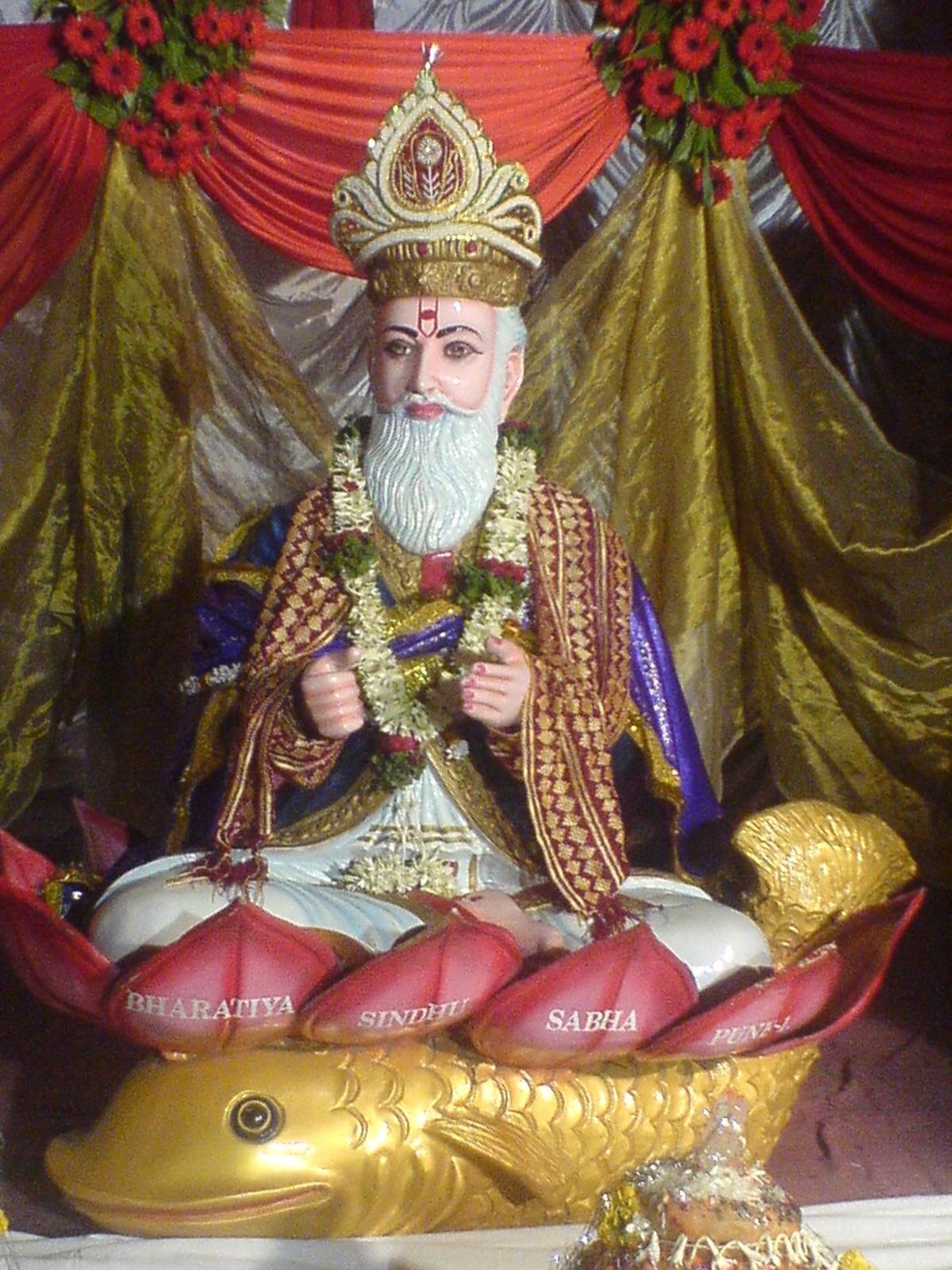
Celebrated primarily by the Sindhi community, Cheti Chand marks the beginning of the Hindu New Year and commemorates the birth of their revered patron saint, Lord Jhulelal. This festival, which falls on the second day of the month of Chet in the Sindhi lunar calendar, corresponding to March and April in the Gregorian calendar, holds immense cultural and religious significance. It is a time for renewal, reflection, and celebration among Sindhis worldwide.
The roots of Cheti Chand can be traced back to the Sindhi community’s struggle against oppression during the rule of Mirkhshah, a tyrannical Muslim ruler. According to legend, Mirkhshah sought to convert the Sindhi Hindus to Islam, threatening their cultural and religious identity. In desperation, the Sindhi people prayed to Varun Devta, the Water God for deliverance. Their prayers led to a divine promise that a saviour would be born to protect them.
This saviour was Uderolal, later known as Jhulelal, who was born in Nasarpur in 1007 CE. His miraculous birth was heralded by a divine voice that assured the Sindhis of their protection. Jhulelal is believed to have performed numerous miracles that not only saved his people from persecution but also reinforced their faith and cultural identity. The festival of Cheti Chand thus symbolises hope, resilience, and divine intervention.

Jhulelal is often depicted as an old man with a long beard, seated on a lotus flower supported by a fish. He embodies wisdom and strength and is regarded as the protector of Sindhi culture and values. Celebrating Cheti Chand serves as a reaffirmation of faith for Sindhis, honouring their heritage while fostering a sense of unity within the community.
Cheti Chand holds deep spiritual significance for the Sindhi community. The festival marks the start of the Hindu New Year for Sindhis, symbolizing fresh starts and new opportunities. It reinforces the cultural identity of Sindhis, especially those who migrated after the Partition in 1947. Cheti Chand serves as a reminder of their roots and traditions. The festival fosters communal harmony as families come together to celebrate with rituals, prayers, and festive meals. And it is an occasion for introspection and gratitude towards Lord Jhulelal for his protection and blessings.
Cheti Chand is celebrated with enthusiasm across various regions in India, each with its own unique customs and traditions. In states like Punjab and Haryana, Cheti Chand is observed with fervour among local Sindhi communities. Families come together to perform rituals at home or in temples dedicated to Jhulelal and devotees prepare offerings such as fruits, sweets, and special dishes like Guji Deg, a sweet dish made from rice flour to honour Jhulelal.
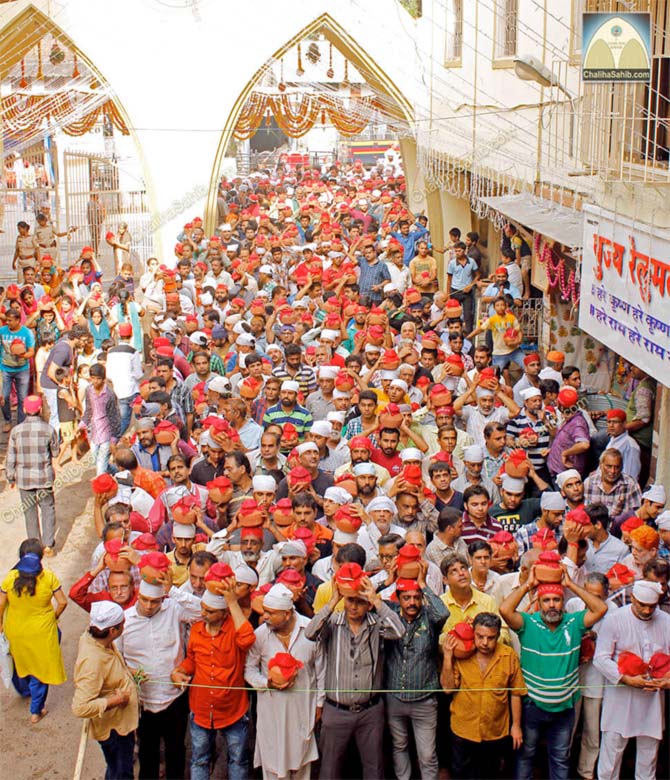
In Maharashtra, celebrations during Cheti Chand include traditional folk dances performed in honour of Lord Jhulelal. Participants often dress in colourful attire and engage in lively music. The Behrana Sahib Ceremony involves preparing a ceremonial plate containing items like an oil lamp or diya, sugar crystals or misri, fruits, and flowers which are taken to nearby rivers or lakes as offerings. In states like Karnataka and Tamil Nadu, devotees visit rivers or lakes to perform rituals, reflecting their gratitude towards Varun Devta. Leading up to Cheti Chand, many observe a period of prayer known as Chaliho for 40 days. In West Bengal, families prepare special dishes for communal feasts after performing rituals and local communities organise events that include singing devotional songs dedicated to Jhulelal.
Cheti Chand is characterised by several unique rituals that reflect its cultural significance. A central ritual involves lighting an earthen wheat lamp known as Jyot Jagan on a bronze plate filled with rice grains. This lamp typically has five wicks symbolising enlightenment and prosperity. The lighting marks the beginning of the festivities. The Behrana Sahib consists of symbolic items such as an oil lamp, crystal sugar, and fruits. These items are taken to water bodies where they are immersed as an offering to Lord Jhulelal.
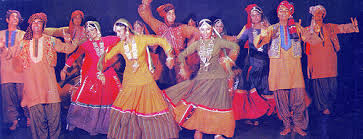
One of the most vibrant aspects of Cheti Chand celebrations is the Chhej dance, where participants form circles while clapping in rhythm with traditional drums, or dhols, and wind instruments, or shehnais. This dance embodies communal joy and unity among devotees.
On this day, devotees prepare an offering called Akho—made from rice mixed with flour and milk—which symbolises gratitude towards Varun Devta.
The festival is rich with stories that highlight its significance. The tale of how Jhulelal emerged during a time of crisis for the Sindhi people serves as a reminder of hope amidst adversity. The miraculous circumstances surrounding Jhulelal’s birth reflect divine intervention in protecting his devotees. The narrative emphasises how faith can triumph over tyranny, reinforcing the importance of cultural identity among Sindhis.
Cheti Chand transcends geographical boundaries; it is celebrated by Sindhi communities around the globe. In Pakistan’s Sindh province, where many original traditions have been preserved, local temples host elaborate celebrations while community feasts are organised with families gathering to celebrate their heritage. The Sindhi diaspora communities in North America celebrate Cheti Chand through cultural events showcasing traditional music and dance, and community gatherings where prayers are offered collectively. In the United Kingdom, in cities with significant Sindhi populations, temples organise special prayers and community members participate in cultural programs highlighting Sindhi traditions.
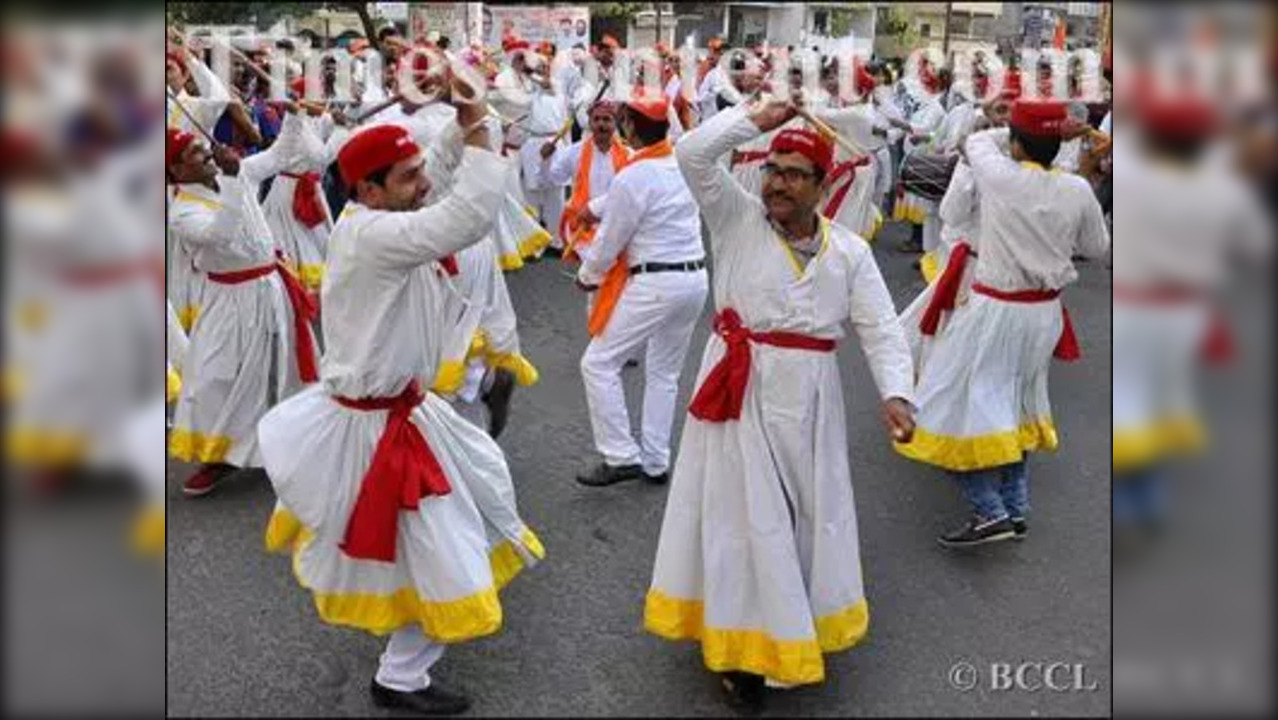
Cheti Chand stands as a beacon of hope, resilience, and cultural pride for the Sindhi community worldwide. As they commemorate the birth of Lord Jhulelal on this auspicious day, they reaffirm their faith while celebrating their rich heritage through vibrant rituals, communal gatherings, and heartfelt prayers. The festival not only marks the beginning of a new year but also reinforces the values that bind them together as a community—unity, devotion, and an unwavering spirit in preserving their identity against challenges throughout history. Through its unique customs and stories that resonate deeply within their cultural memory, Cheti Chand invites everyone to partake in its love, light, and legacy—a celebration that transcends time and space while nurturing communal bonds across generations.
 Memories and Such