

A day aimed at raising awareness about autism and promoting acceptance and inclusion for individuals on the spectrum, World Autism Awareness Day (WAAD) is celebrated annually on April 2. Established by the United Nations General Assembly in 2007, this day serves as a platform for advocating for the rights and needs of autistic individuals, emphasising the importance of understanding and support from society.
Autism Spectrum Disorder (ASD) is a developmental condition that affects communication, behaviour, and social interaction. Parents can recognise potential signs of autism in their children by observing specific behaviors and developmental milestones. Key symptoms to watch for include social interaction difficulties, communication delays, repetitive behaviours, and sensory sensitivities. Children with autism may avoid eye contact, show little interest in engaging with others, or not respond to their name being called. They might also struggle with understanding social cues and emotions. Delayed speech and language development are common. Some children may not babble by 12 months or fail to use gestures like pointing or waving. They may also have difficulty understanding simple verbal instructions. Many children with autism engage in repetitive movements like hand-flapping, and rocking or exhibit intense focus on specific interests, often to the exclusion of other activities. Autistic children may be overly sensitive to sounds, lights, textures, or tastes, leading to distress in certain environments. Recognising these symptoms early is crucial for seeking appropriate support and intervention. Parents should consult a paediatrician for further evaluation and guidance if they notice these signs. Early intervention can significantly improve outcomes for children with autism.

In 2025, WAAD will focus on the theme “Moving from Surviving to Thriving,” highlighting the need for autistic individuals to survive and thrive in their communities. The theme reflects a significant shift in how society views and supports individuals with autism. This theme emphasises empowerment, resilience, and the importance of creating environments where autistic individuals can flourish. It encourages communities to focus on empowerment by providing resources and opportunities that enable autistic individuals to lead fulfilling lives; support systems by establishing strong support networks within families, schools, and workplaces to foster growth; and celebrating strengths by recognising and valuing the unique contributions that autistic individuals bring to society. The theme aligns with broader goals of inclusivity and acceptance, urging all stakeholders — families, educators, employers, and policymakers — to work collaboratively towards creating a supportive atmosphere for those on the autism spectrum.
Since its inception in 2008, WAAD has focused on various themes that address crucial aspects of autism awareness and acceptance. Each year has brought a new focus, allowing for a diverse range of discussions around education, employment, health care, and social inclusion.

Autism Spectrum Disorder (ASD) prevalence in Asia varies significantly across different regions, reflecting a complex interplay of cultural, diagnostic, and healthcare factors. A systematic review indicated that the overall prevalence of ASD in Asia is approximately 0.36%, with notable differences among regions: 0.51% in East Asia, 0.31% in South Asia, and 0.35% in West Asia. In Southeast Asia specifically, the prevalence has been estimated at 6 cases per 1,000 individuals, which translates to about 0.6%. Notably, this prevalence is higher among males, with studies showing that males are affected at rates approximately two to three times higher than females. In Singapore, recent statistics suggest that 1 in 150 children is diagnosed with autism, surpassing the global average of 1 in 1603. This increase is attributed to heightened awareness and improved diagnostic practices rather than an actual rise in cases. Overall, while autism prevalence is increasing across Asia, it remains essential to standardise diagnostic criteria and improve awareness to ensure better identification and support for affected individuals.
Education plays a crucial role in promoting understanding about autism. Schools are encouraged to implement programs that educate students about neurodiversity, fostering an environment where differences are celebrated rather than stigmatised.
Advocacy is also essential in ensuring that policies reflect the needs of autistic individuals. Organisations worldwide are working towards legislative changes that enhance accessibility in education, healthcare, and employment for those on the spectrum.
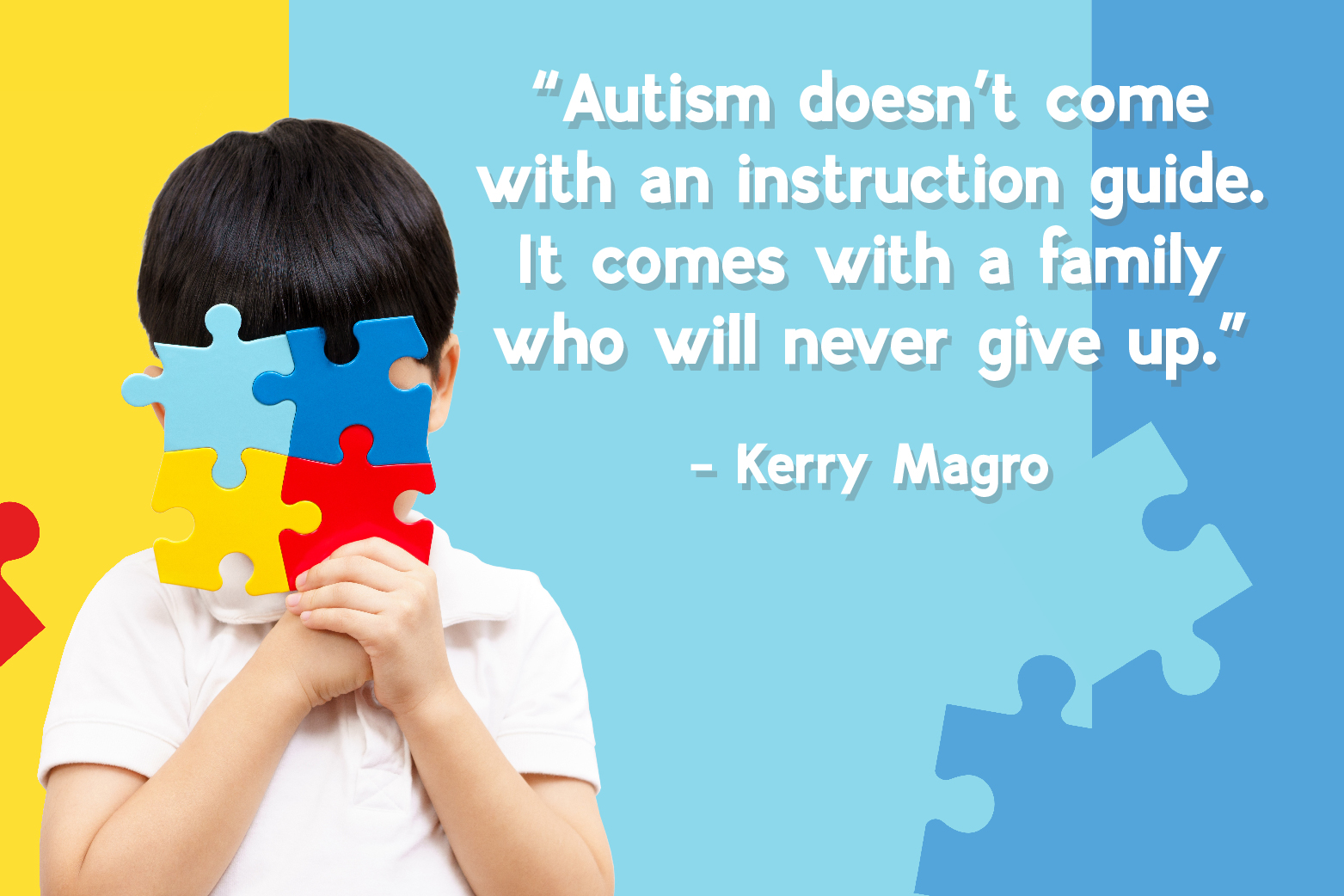
Families are often the first line of support for autistic individuals. By fostering an environment of understanding at home, families can help their loved ones navigate challenges effectively. Engaging with local autism organisations can provide families with resources and community connections that enhance their support systems.
World Autism Awareness Day serves as a reminder of our collective responsibility to create an inclusive society where every individual has the opportunity to thrive by advocating for change, celebrating diversity, and fostering environments where all autistic individuals can flourish. Through education, community engagement, and supportive policies, we can ensure that neurodiversity is recognized as a valuable aspect of our society.
 Memories and Such