

Sleep is often one of the first sacrifices young adults make in today’s fast-paced world. With busy schedules filled with classes, work, social activities, and the constant allure of technology, many find themselves prioritising everything but rest. However, understanding the importance of sleep and establishing a good sleep schedule is crucial for overall health and well-being.
Sleep is a natural state of rest characterised by altered consciousness, reduced sensory activity, inhibition of voluntary muscles, and decreased interactions with the environment. It plays a vital role in physical health, mental well-being, and cognitive function.

Sleep consists of several stages that cycle throughout the night. NREM or Non-Rapid Eye Movement Sleep consists of three stages. Stage 1 is the light sleep stage where one drifts in and out of sleep; it is easy to wake up during this stage. Stage 2 is the slightly deeper sleep; the heart rate slows down, and body temperature drops. Stage 3 is the deep sleep stage. This stage is crucial for physical recovery and growth.
The REM or Rapid Eye Movement Sleep stage occurs after about 90 minutes of sleep. During REM sleep, the brain is active, dreams occur, and the body experiences temporary paralysis to prevent acting out dreams. REM sleep is essential for memory consolidation and emotional processing.
A typical sleep cycle lasts about 90 minutes and includes both NREM and REM stages. Most adults require 7-9 hours of sleep per night to complete several cycles effectively. Understanding this cycle can help young adults appreciate the importance of uninterrupted sleep.
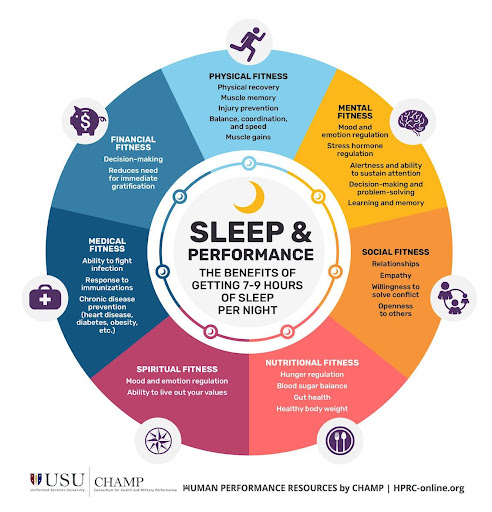
A good sleep schedule is very important for physical and mental health as good academic performance, social interactions, and long-term health risks.
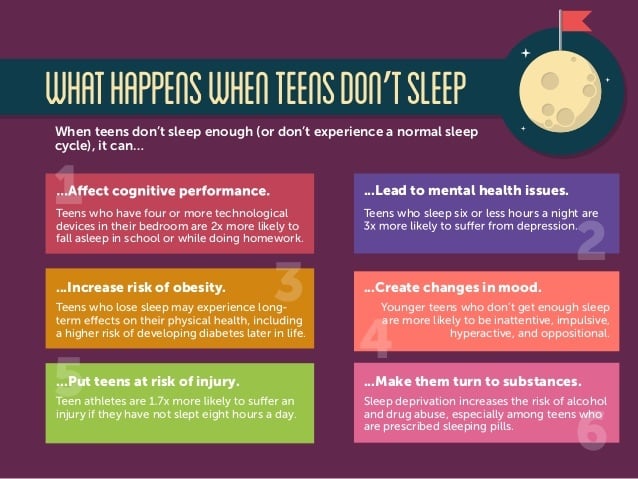
Adequate sleep is essential for maintaining physical health. Sleep plays a critical role in immune system function. Lack of sleep can weaken the immune response, making individuals more susceptible to illness. During deep sleep, the body releases growth hormones that aid in tissue growth and muscle repair. Poor sleep can disrupt hormones that regulate appetite, leading to weight gain and obesity.
Sleep has a profound impact on mental well-being. Insufficient sleep can lead to irritability, mood swings, anxiety, and depression. Sleep is vital for cognitive processes such as attention, memory consolidation, problem-solving skills, and decision-making abilities.
For students, good sleep is directly linked to academic success. Adequate rest enhances focus and concentration in class or while studying. Sleep helps consolidate memories learned during the day, making it easier to recall information during exams.
Sleep deprivation can affect social skills. Lack of sleep can lead to increased stress levels and irritability, which may strain relationships with peers and family members. Feeling tired can reduce motivation to engage in social activities or maintain friendships.
Chronic sleep deprivation has been linked to various long-term health issues. Inadequate sleep increases the risk of heart disease and hypertension. Poor sleep patterns are associated with insulin resistance and increased risk of type 2 diabetes. Long-term lack of quality sleep can contribute to serious mental health conditions such as anxiety disorders or depression.
Many young adults believe that sacrificing sleep for productivity or social activities is a sign of strength or ambition. However, this mindset can be detrimental. Society often glorifies busyness and productivity at the expense of self-care. It’s essential to challenge this narrative by recognizing that rest is not a weakness but a necessity for optimal performance.
Understanding the science behind why we need sleep can help shift perspectives. Quality rest improves cognitive function, creativity, and problem-solving skills—key attributes for success in both academic and professional settings. Well-rested individuals are better equipped to handle stressors and challenges effectively.

Tips for Establishing a Healthy Sleep Schedule
Creating a consistent sleep schedule is crucial for reaping the benefits of restorative rest. Here are some tips for young adults looking to improve their sleeping habits:
- Set a consistent sleep schedule: Aim to go to bed and wake up at the same time every day—even on weekends—to regulate the body’s internal clock.
- Create a relaxing bedtime routine: Establish calming pre-sleep rituals such as reading a book, practising relaxation techniques like deep breathing or meditation, or taking a warm bath to create the best way to start a sleep schedule.
- Limit screen time before bed: Avoid screens like phones, computers, and TVs at least an hour before bedtime, as blue light interferes with melatonin production—a hormone that regulates sleep.
- Optimise the sleep environment: Invest in a comfortable mattress and pillows that support restful sleep. Use blackout curtains to keep the room dark; consider earplugs or white noise machines if noise disrupts your rest.
- Be mindful of food and drink intake: Limit caffeine consumption after mid-afternoon, as it can interfere with the ability to fall asleep. If hungry before bed, opt for light snacks rather than heavy meals that may cause discomfort during the night.
- Incorporate physical activity: Engage in physical activity during the day; however, avoid vigorous exercise close to bedtime as it may energise instead of helping to wind down.
- Manage stress levels: Incorporate mindfulness practices like yoga or meditation into the daily routine to help manage stress effectively.
- Seek professional help if needed: If one continues to experience difficulties with sleeping despite implementing these strategies, seek guidance from a doctor or specialist who can provide insights into potential underlying issues affecting the ability to rest well.
Understanding the importance of quality sleep is essential for young adults navigating their academic pursuits or early careers; prioritising healthy sleeping habits leads to improved physical health but also enhanced mental clarity & emotional resilience! By establishing consistent routines while creating optimal environments conducive towards restful slumber, young individuals will find themselves better equipped both personally & professionally!
Remember—it’s not merely about getting enough hours in bed; it’s about ensuring those hours are restorative! By embracing these tips & strategies, young adults who are embarking on their journey towards better sleeping patterns, their future self will thank them! Prioritise rest today so that one can thrive tomorrow!
 Memories and Such
Pingback: Adulting 101: The Importance of Sleep for Young Adults – All Time News