

A significant Hindu festival holding deep religious and cultural importance, particularly in South India, Rama Lakshmana Dwadashi is dedicated to Lord Rama and his brother Lakshmana. The festival falls on the twelfth day, or Dwadashi, of the bright fortnight, or Shukla Paksha, in the month of Jyestha according to the Hindu lunar calendar.
The origins of Rama Lakshmana Dwadashi can be traced back to ancient Hindu scriptures and legends. It is believed that this observance has its roots in the Treta Yuga, one of the four ages in Hindu cosmology. The festival’s inception is closely tied to the story of King Dasaratha, the ruler of Ayodhya and father of Lord Rama. According to legend, King Dasaratha, who was childless, observed a stringent fast and performed rituals on this day, praying fervently for a son. His devotion and adherence to the Rama-Lakshmana Dwadashi Vrat were rewarded, as Lord Vishnu himself incarnated as his son, Rama, in the following year. This divine birth occurred on the auspicious day of Chaitra Masa Navami, which is celebrated as Ram Navami. The significance of this festival extends beyond its historical origins. It symbolises the power of devotion, the fulfilment of righteous desires, and the blessings that can be attained through sincere worship and adherence to spiritual practices.
Rama Lakshmana Dwadashi is celebrated with great fervour, especially in the states of Andhra Pradesh, Telangana, and Karnataka, and among certain Hindu communities in Tamil Nadu. The observance involves a series of rituals and practices that devotees follow with dedication. One of the primary aspects of this festival is fasting. Devotees have the option to observe a full-day fast or a simpler version where they consume only fruits and milk. This act of abstinence is believed to purify the body and mind, making one more receptive to spiritual energies.

The core of the celebration involves the worship of Lord Rama and Lakshmana. Devotees perform elaborate pujas, or ritual offerings, which include the offering of prayers and reciting mantras, lighting lamps as a symbol of divine light, and presenting sacred offerings to the deities. As Dwadashi is considered an auspicious day for worshipping the sacred Tulsi plant, devotees pay special attention to Tulsi Puja on this day. The Tulsi plant, also known as Holy Basil, holds a significant place in Hindu worship and is often associated with Lord Vishnu. Reading or listening to passages from the Ramayana, the epic that narrates the life and adventures of Lord Rama, is considered highly auspicious on this day. This practice not only reinforces the spiritual significance of the festival but also helps in imparting moral and ethical values to the listeners.
Rama Lakshmana Dwadashi holds immense importance in the Hindu faith for several reasons. One of the primary significances of this festival is its association with the blessing of children. Childless couples often observe this Vrat with the hope of being blessed with offspring, inspired by the story of King Dasaratha. It is believed that observing the Rama Lakshmana Dwadashi Vrat can bestow great spiritual merit. Devotees who partake in this auspicious observance are said to be blessed with happiness, prosperity, and even access to Vaikunta, or Vishnu Loka, the abode of Lord Vishnu, after their earthly life.
The festival celebrates the divine virtues embodied by Lord Rama and Lakshmana: righteousness, brotherhood, and unwavering devotion. By worshipping these deities, devotees aim to imbibe these qualities in their own lives. The fasting and rituals associated with this day are believed to purify the body and mind, allowing for spiritual growth and renewal.

Several myths and legends are associated with Rama Lakshmana Dwadashi, adding depth to its cultural and spiritual significance. The central legend revolves around King Dasaratha’s observance of this Vrat. It is said that Sage Vasishtha, the royal guru, instructed King Dasaratha on the proper rituals for this observance. The king’s steadfast devotion and adherence to the Vrat pleased Lord Vishnu, who then incarnated as his four sons—Rama, Lakshmana, Bharata, and Shatrughna.
While this festival primarily focuses on Rama and Lakshmana, it’s interesting to note that other Dwadashi observances are associated with different avatars of Vishnu. For instance, Kurma Dwadashi is dedicated to the Kurma or tortoise avatar, and Vamana Dwadashi honours the Vamana or dwarf avatar. This interconnection emphasises the overarching presence of Vishnu in various forms throughout Hindu mythology.
While the essence of Rama Lakshmana Dwadashi remains consistent, there are regional variations in its celebration. In some parts of India, particularly in Odisha, this day is observed as Champaka Dwadashi. It is an important festival celebrated in the famous Jagannath Temple of Puri, holding special significance for the Utkala Brahmins. The festival is particularly prominent in South Indian states, where the worship of Rama and Lakshmana has deep-rooted traditions. The rituals and celebrations in these regions often have unique local flavours and customs.
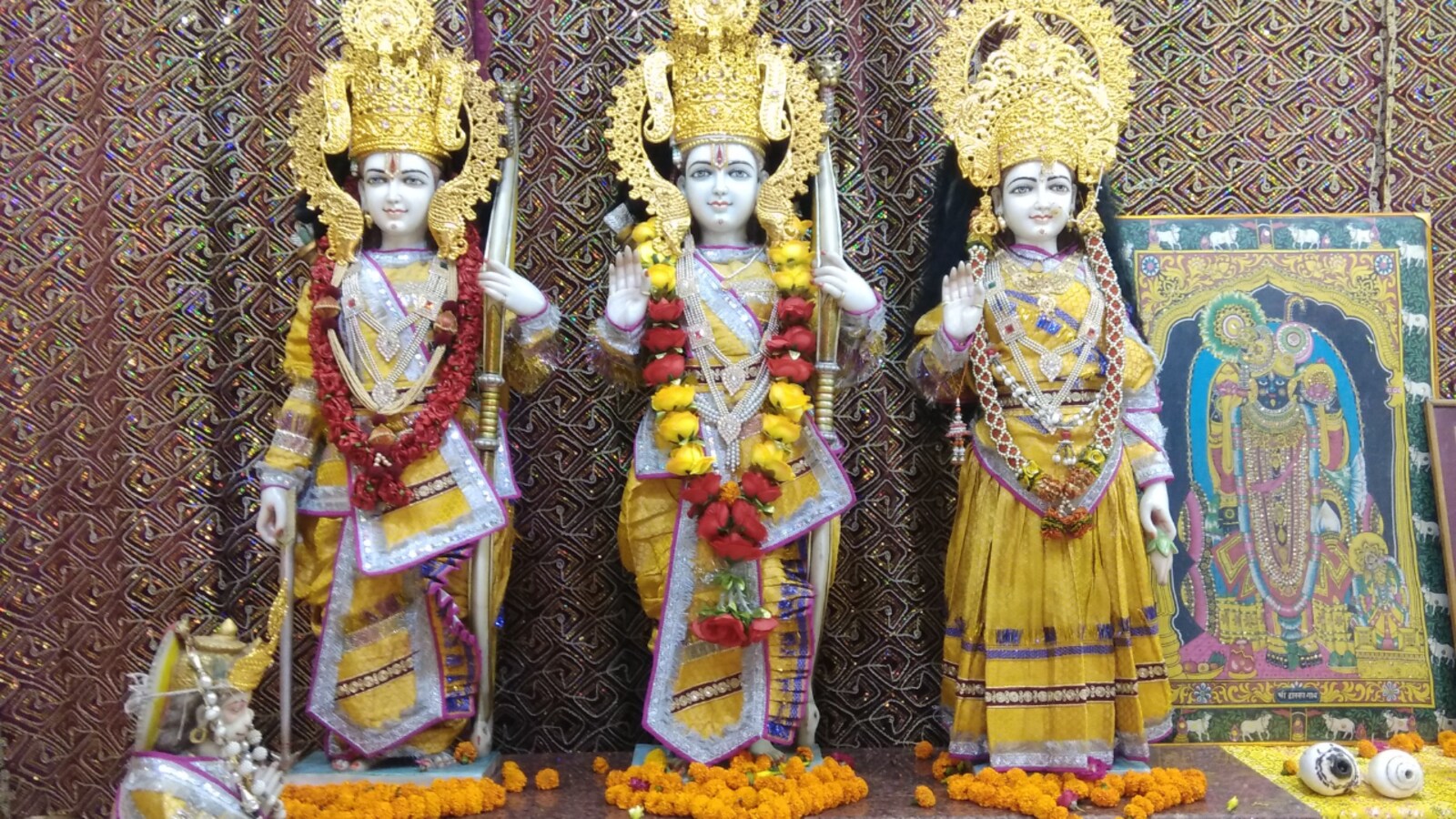
Rama Lakshmana Dwadashi stands as a testament to the rich tapestry of Hindu traditions and beliefs. From its mythological origins rooted in the story of King Dasaratha to its continued observance in various parts of India, this festival encapsulates key aspects of Hindu spirituality and culture. The observance of this day goes beyond mere ritual – it is a celebration of devotion, familial bonds, and the triumph of righteousness. Through fasting, prayer, and charitable acts, devotees not only honour Lord Rama and Lakshmana but also strive to embody their virtues in their own lives. As with many ancient traditions, Rama Lakshmana Dwadashi continues to evolve, finding new relevance in contemporary society. It serves as a bridge between the past and the present, offering spiritual solace and cultural connection to those who observe it. It reminds us of the enduring power of faith, the importance of righteous living, and the blessings that come from sincere devotion and adherence to spiritual practices.
 Memories and Such