

In an age characterised by constant distractions and relentless demands on our time, the practice of mindfulness has emerged as a powerful tool for enhancing mental well-being and promoting overall health. For young adults navigating the complexities of life—whether in university, starting their careers, or managing relationships—mindfulness can provide essential benefits that contribute to a more balanced and fulfilling existence.
Mindfulness is the practice of bringing one’s attention to the present moment with openness, curiosity, and acceptance. It involves paying attention to thoughts, feelings, bodily sensations, and the surrounding environment without judgment. Rather than dwelling on the past or worrying about the future, mindfulness encourages individuals to fully engage with whatever is happening in the here and now.

Mindfulness involves being aware of one’s thoughts, feelings, and sensations as they arise. This awareness allows one to observe one’s experiences without becoming overwhelmed by them. Mindfulness encourages acceptance of one’s thoughts and feelings as they are, rather than trying to change or suppress them. This non-judgmental approach fosters a sense of peace and reduces anxiety. Mindfulness emphasises living in the moment. By focusing on the present, individuals can reduce stress related to past regrets or future worries.
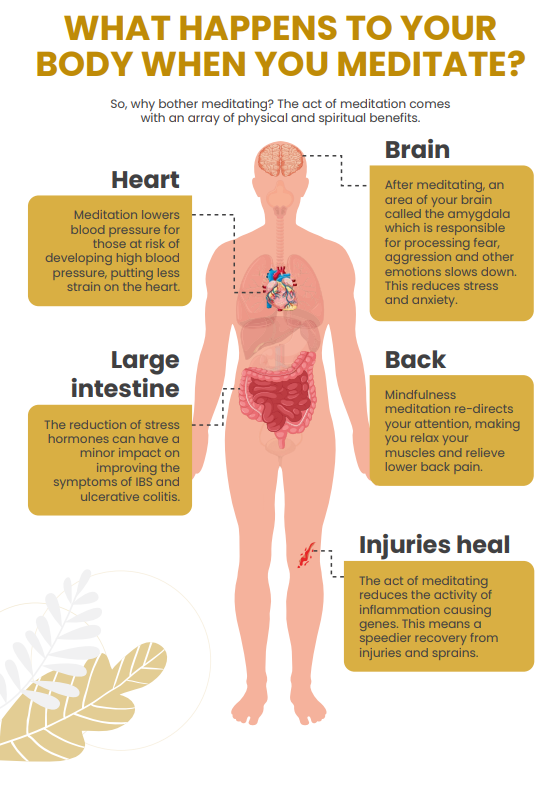
Research has shown that mindfulness practices can lead to significant improvements in mental health and well-being. Studies indicate that mindfulness meditation can reduce symptoms of anxiety and depression, enhance emotional regulation, and improve overall psychological resilience. Neuroscientific research has also demonstrated that mindfulness can lead to changes in brain structure, particularly in areas associated with emotional regulation and cognitive function.
Young adults often face a multitude of stressors—academic pressures, job responsibilities, social expectations, and financial concerns. Mindfulness provides effective tools for managing stress. Mindfulness practices help calm the mind by promoting relaxation and reducing rumination on stressful thoughts. By fostering awareness of stress triggers and emotional responses, mindfulness allows individuals to develop healthier coping mechanisms.

In a world filled with distractions—from smartphones to social media—maintaining focus can be challenging. Mindfulness practices train the brain to focus on one task at a time, improving overall productivity. By cultivating present-moment awareness, individuals can minimise distractions and enhance their ability to concentrate on important tasks.
For young adults navigating complex emotions during formative years, mindfulness offers valuable benefits. Mindfulness helps individuals recognise their emotions without judgment, allowing for healthier emotional processing. Practicing mindfulness can lead to improved emotional regulation, enabling individuals to respond thoughtfully rather than react impulsively.
Mindfulness fosters better interpersonal relationships by promoting empathy and effective communication. Mindful communication encourages active listening, allowing individuals to fully engage with others during conversations. By being present with others’ feelings and experiences, mindfulness cultivates empathy and understanding in relationships.
Resilience is crucial for young adults facing life’s challenges. Mindfulness contributes to building resilience. Mindful individuals are better equipped to adapt to change and navigate setbacks with a positive mindset. Regular mindfulness practice enhances resilience against stressors by promoting a sense of calm during difficult times.

Establishing a mindfulness routine may seem daunting at first; however, it can be easily integrated into daily activities through simple practices. Here are some effective strategies for young adults looking to incorporate mindfulness into their lives:
Start Small: Begin the mindfulness journey with small steps. Spend just a few minutes each day focusing on the breath. Close your eyes, take deep breaths, and observe the sensations as you inhale and exhale. Start with brief meditation sessions of between five and ten minutes using guided apps like Headspace, Insight Timer, or Calm. Gradually increase the duration as you become more comfortable.
Designate a specific area in your home for mindfulness practices. Choose a quiet space free from distractions where you can practice meditation or reflection comfortably. Add calming elements such as candles, plants, or cushions to create an inviting atmosphere conducive to relaxation.
Transform mealtime into an opportunity for mindfulness. Take time to appreciate the flavours, textures, and aromas of your food without distractions like phones or television. Chew your food thoroughly and enjoy each bite; this promotes better digestion while encouraging gratitude for nourishment.
Mindfulness doesn’t have to be limited to sitting still; movement-based practices are also effective. Engage in yoga or tai chi classes that emphasise mindful movement while connecting breath with motion. Take walks outdoors while focusing on each step you take; notice the sensations in your feet as they touch the ground.
Leverage technology to support your mindfulness practice. Utilise apps designed for mindfulness training that offer guided meditations, breathing exercises, and reminders. Explore online courses or videos focused on mindfulness techniques that fit your schedule.
Incorporate reminders throughout your day to practice mindfulness. Set alarms or reminders on your phone to take short breaks for mindful breathing or stretching during busy days. Place sticky notes in visible areas, like computer screens, with motivational quotes or prompts encouraging mindfulness.
Reflection is an essential part of developing mindfulness. Keep a journal where you can write about your thoughts and feelings after practising mindfulness; this helps track progress over time. At the end of each day, reflect on three things you are grateful for; this promotes positive thinking while enhancing self-awareness.
Connecting with others who share similar interests can enhance motivation. Look for local or online groups focused on mindfulness practices where you can share experiences and learn from others. Participate in workshops or retreats dedicated to mindfulness that provide immersive experiences.
While incorporating mindfulness into daily life offers numerous benefits, young adults may encounter challenges along the way. Busy schedules may make it difficult to find time for mindfulness practices. Instead of setting aside large blocks of time exclusively for mindfulness, integrate short practices throughout your day like doing some mindful breathing during your daily commute.
In today’s digital age filled with distractions from technology, establish boundaries around technology use before bed; this promotes better sleep quality while allowing time for reflection or meditation instead. Many individuals struggle with self-doubt when starting new practices. Be gentle with yourself; recognise that developing a new skill takes time—allow yourself room for growth without harsh judgment!

Mindfulness is an invaluable practice that offers numerous benefits specifically tailored towards young adults navigating various challenges throughout their lives! By understanding its importance while implementing effective strategies—such as starting small, creating dedicated spaces, practising mindful eating, and utilising technology wisely—you will cultivate greater awareness & presence within each moment! Embrace this journey towards enhanced mental well-being & personal growth! Remember—it’s not about perfection but rather progress! With patience & commitment, you’ll soon find yourself reaping all the rewards that come from living mindfully!
 Memories and Such