

Biraja Temple, Jajpur, Odisha
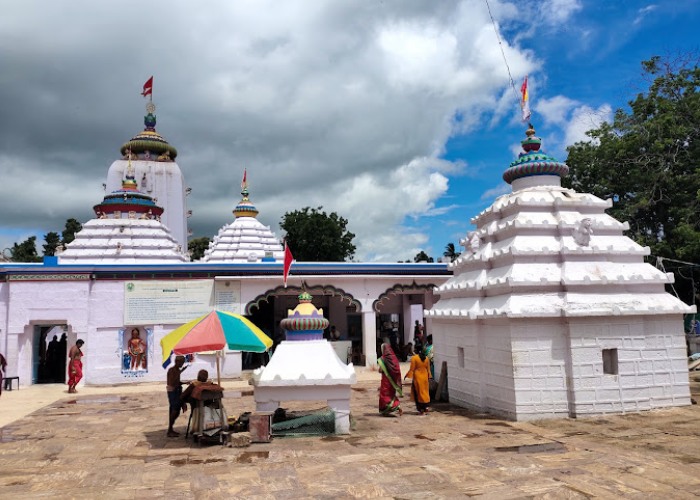
Located about 125 km north of Odisha’s capital, Bhubaneshwar, in the town of Jajpur, the Biraja Temple is dedicated to Goddess Biraja. While the exact date of the temple’s establishment remains uncertain, the present temple structure was built during the 13th century. However, the site’s sanctity and importance long predate this construction.
The temple’s history is deeply intertwined with the rich tapestry of Odisha’s past with its mention in various Puranas and other ancient Hindu texts. The Skanda Purana, in particular, describes the site as having the power to cleanse pilgrims of their sins. During the 10th century, under the rule of the Somvanshi dynasty, the temple saw a significant transformation. As Vaishnavism flourished in the region, the Biraja temple was incorporated into the Vaishnavite tradition. This led to the popularisation of Jajpur as Nabhigaya, believed to be the place where the navel of the demon Gayasura fell.
The temple faced a dark period in 1568 when it was ravaged by General Kalapahad and his Bengal Sultanate army. The sacred Biraja idol was shattered and discarded into a nearby well. For centuries, the temple lay in ruins. However, around 1750-51, with the end of Mughal reign in Odisha, a Vedic pandit named Tryamvaka Agnihotri retrieved the damaged idol, restored it, and reinstated it within the temple. The remaining structure was further restored during the Maratha era between 1751 and 1803.

According to tradition, it is believed that the navel of Goddess Sati fell here. At the Biraja Temple, the goddess is worshipped as Viraja or Girija, a form of Devi Durga. The principal idol is a striking representation of the goddess. She is depicted with two hands or dwibhuja, spearing the chest of Mahishasura with one hand and pulling his tail with the other. One of her feet rests on a lion, while the other is placed on Mahishasura’s chest. Interestingly, Mahishasura is depicted as a water buffalo, rather than in human form. The idol’s crown features intricate details, including representations of Ganesha, a crescent moon, and a lingam. The corresponding bairava is known as Varaheshwar or Baraha.
The temple covers a large area and houses several shrines dedicated to Shiva and other deities. The temple is also known as Nabhi Gaya, one of the Tri Gaya Kshetras, along with Gaya in Bihar and Pithapuram in Andhra Pradesh. The temple is located near the banks of the holy Vaitarani river, which finds mention in various Puranas. The Biraja Temple hosts the only Rath Yatra or chariot festival for a Devi in Odisha. The temple complex includes a separate shrine for Sree Bagalamukhi Devi, a rare feature as temples dedicated to this form of the Dasamahavidya are uncommon. The temple premises include an ancient well believed to be connected to its Shakti Peetha status.
The primary ritual in the temple is the Sharadiya Durga Puja, which begins on the night of Krishna Paksha Ashtami and ends on Ashwin Shukla Paksha Navami. This puja, known as Shodasha Dinatatmika Puja, lasts for 16 days. Known as Simhadhwaja, the ratha yatra or chariot festival is a unique feature of the Biraja Temple. The chariot’s flag bears a lion, symbolising the goddess’s power. During the lunar transition from Shukla Ashtami to Shukla Navami, an animal sacrifice ritual is performed. Celebrated as Aparajita Puja, Navratri is observed with a lot of gaiety and enthusiasm. Triveni Amavasya is celebrated in the month of Magha, in January-February, and marks the birthday of Goddess Biraja. On this day, she is decorated as Goddess Savitri, the consort of Brahma, adorned with golden ornaments and attired exclusively in yellow. Dola Purnima is another significant festival celebrated at the temple. The temple also celebrates Nakshatra, Shravana, Prathamastami, Pana Sankranti, Raja Parva, and Navanna.
According to local lore, the demon Gayasura was a devout follower of Lord Vishnu. After years of penance, Lord Vishnu granted him a boon that anyone who saw him would achieve Moksha. Gayasura used his spiritual powers to enlarge his body so that everyone on Earth could be saved. This concerned the gods, who approached Lord Vishnu, Brahma, and Shiva for help. The three deities, disguised as Brahmins, approached Gayasura in search of space for a Yajna. This legend is closely tied to the Nabhi Gaya status of the temple. The Brahmayamala Tantra contains a hymn called Aadya Stotra dedicated to Shakti. In this hymn, Viraja or Girija is mentioned as the goddess worshipped in the Utkala Kingdom, which later became Odisha. In Tantric literature, the Oddiyana Peetha is described as being located in eastern India near the Vaitarani River. The term Oddiyana refers to an ornament worn by a woman around her navel, further connecting the site to its Shakti Peetha status.
The Biraja Temple, with its echoes of ancient rituals and its unique blend of Shakta and Vaishnava traditions, coupled with its rich historical background, makes it a fascinating destination for both devotees and those interested in India’s spiritual heritage.
Devi Talab Mandir, Punjab
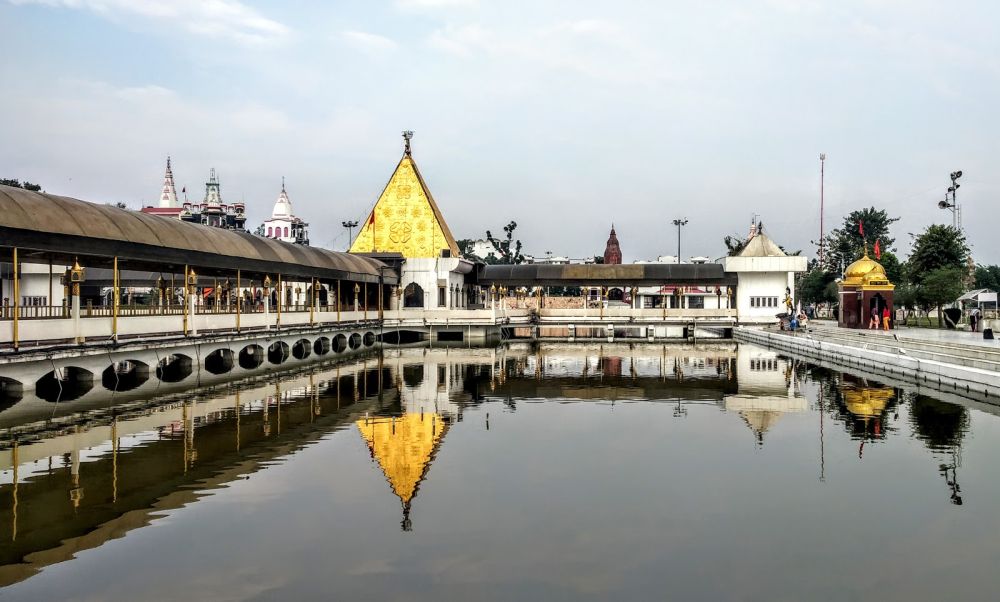
Nestled in the heart of Jalandhar, the Devi Talab Mandir dedicated to Goddess Durga, is not just a place of worship but a powerful symbol of divine feminine energy that has drawn pilgrims for over two centuries. The origins of the Devi Talab Mandir stretch back approximately 200 years, with the exact date of its establishment uncertain. The present structure of the temple has undergone several renovations and changes over the years. In place of the old Devi Talab, a new temple has been built in the centre, preserving the sanctity of the original site while accommodating the growing number of devotees.
According to tradition, it is believed that the right breast of Goddess Sati fell at this sacred spot. At the temple, the goddess is worshipped as Tripurmalini, a form of Goddess Kali. This name, meaning the one who destroys the three cities, alludes to her power and fierce aspect. The Bhairava, the fierce manifestation of Lord Shiva who accompanies the goddess at each Shakti Peetha, is known here as Bhishan Bhairav.
The temple complex houses a 200-year-old large masonry tank, considered sacred by Hindus. This ancient water body is a central feature of the temple, giving it its name Talab or pond and adding to its spiritual significance. Besides the main goddess, the temple complex houses shrines dedicated to various deities. Notably, there is an old temple of Goddess Kali near the Devi Talab. Recently, a model of the Amarnath Yatra has been built within the premises. The temple showcases intricate gold work both inside and on its top and the complex includes a hall dedicated to Lord Ram.

The temple is open from 7 am to 8 pm. Daily rituals dedicated to Goddess Durga are performed, maintaining a constant flow of spiritual energy. Navratri is celebrated twice a year, during which devotees participate in the Kanya Puja or the worship of young girls representing the goddess and large fairs are held. The Harivallabh Sangeet Sammelan, an annual classical music festival, held in December, is a unique feature of the temple. It attracts music enthusiasts from across the globe, blending spiritual devotion with artistic expression. Dussehra and Diwali are celebrated with special prayers and rituals, drawing large crowds of devotees. The deity is bathed with water, milk, honey, or other liquids as a form of purification and devotion daily.
The sacred tank within the temple complex is believed to possess healing properties. Devotees often take a dip in its waters, considering it an act of purification and a means to seek the goddess’s blessings for physical and spiritual well-being. During times of invasion by foreign rulers, it is said that the goddess protected her devotees and the sanctity of the temple. This belief in divine protection has strengthened the faith of devotees over centuries. The association of the temple with the Harivallabh Sangeet Sammelan is believed to be a divine blessing. Legend has it that the goddess, pleased with the devotion expressed through music, bestowed her grace on the festival, making it an integral part of the temple’s tradition.
Devi Talab Mandir, with its blend of myth, history, and living faith invites all who visit to partake in its timeless spiritual journey. The presence of a charitable hospital within the temple complex reflects the ethos of service associated with the goddess.
Ambika Shaktipeeth, Viratpur, Rajasthan
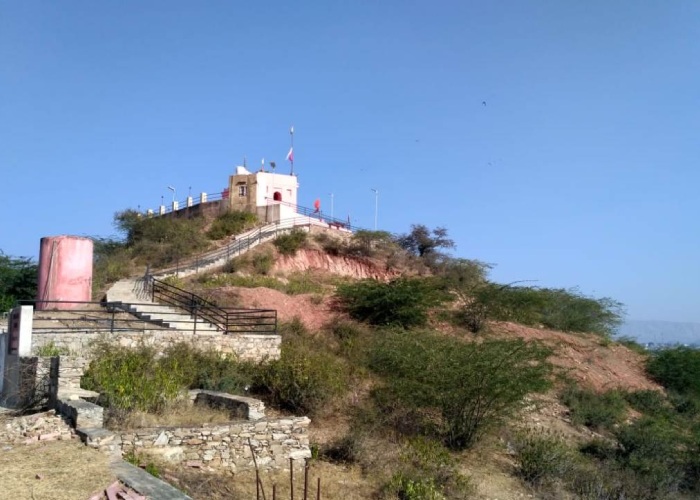
The Ambika Shaktipeeth in Viratpur is dedicated to Goddess Ambika with the temple’s history intertwined with Hindu mythology. According to legend, the temple was founded by the sage Markandeya, a devoted follower of Goddess Durga. Over the centuries, the temple has undergone various reconstructions and restorations, yet its inherent charm and spiritual essence have persisted. The present structure, located in Virat village about 90 km from Jaipur, continues to be a major pilgrimage destination for Hindus.
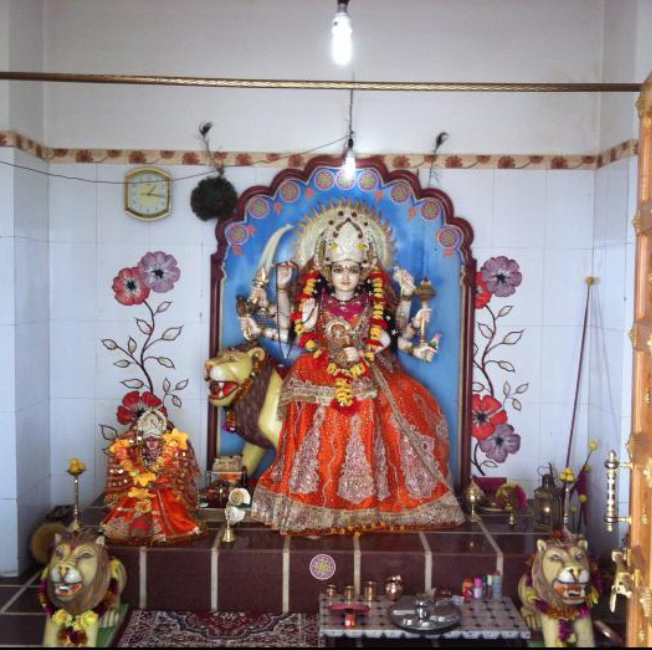
According to tradition, it is believed that the fingers of the left foot of Goddess Sati fell here, making it a powerful centre of Shakti worship. At the Ambika Shaktipeeth, the goddess is worshipped as Ambika, a manifestation of Goddess Durga. The name Ambika signifies the motherly aspect of the divine feminine. Lord Shiva, in his complementary role, is worshipped here as Amriteshwar, meaning the lord of nectar or the nectar of immortality.
The temple is situated in Virat village, which is considered to be of great spiritual significance. The temple showcases the rich architectural traditions of Rajasthan. According to legend, the demon wreaked havoc on Earth, and the gods begged Goddess Durga to defend them. She then emerged as Maa Ambika and slew the monster, bringing peace back to the planet. It is believed that worshipping at this temple can help devotees attain peace, prosperity, and spiritual enlightenment.
The temple remains open from 5:30 am to 8 pm daily. The festival of Navratri is celebrated twice a year. The first occurs in the month of Chaitra in March-April, while the second takes place in Ashwin in September-October. During these nine days, devotees worship Navadurga, the nine forms of Durga. Celebrated during the winter Navratri, Durga Puja sees elaborate rituals and large gatherings of devotees. The festival of lights, Diwali, is one of the most admired and auspicious occasions celebrated at the temple while during Mahashivratri, a grand fair is organised, honouring Lord Shiva in his form as Amriteshwar. Other festivals celebrated include Makara Sankranti, Ram Navami, Sharad Poornima, Teej in July-August, and Gangaur in March-April.
According to local lore, when the demon was wreaking havoc on Earth, the gods sought the help of Goddess Durga. She manifested as Maa Ambika and vanquished the demon, restoring peace to the world. This legend emphasises the protective and nurturing aspects of the goddess. It is believed that the goddess has the divine power to grant the boon of offspring to those who passionately seek her favour. This has made the temple particularly popular among women seeking blessings for their families and well-being. The temple is known as where devotees can seek help in overcoming obstacles in their lives. This belief has drawn many pilgrims facing various challenges, hoping for the goddess’s intervention.
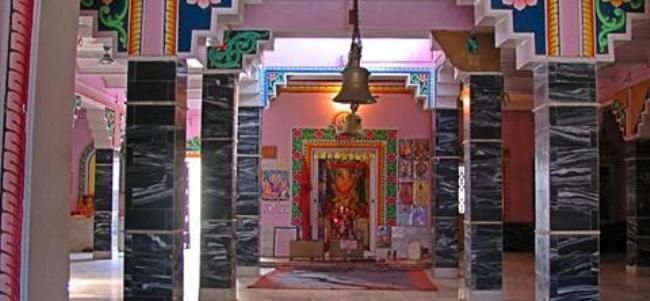
The Ambika Shaktipeeth, with its blend of myth, history, and living faith, showcase the rich cultural tapestry of Rajasthan. The temple stands not just as a place of worship, but as a living link to India’s rich spiritual traditions, inviting all who visit to experience the divine presence of the Mother Goddess in her manifestation as Ambika.

Manibandh Temple, Pushkar, Rajasthan
Located in the sacred land of Pushkar, the Manibandh Shaktipeeth, dedicated to Goddess Gayatri, is also known as the Chamunda Mata Temple or Shri Raj Rajeshwari Puruhuta Manivedic Shaktipeeth. The temple is believed to be around 6000 years old and is located in the Gayatri hills near Pushkar, approximately 11 km northwest of Ajmer. The temple’s present structure, while ancient, has likely undergone renovations and expansions over the centuries.
According to Hindu mythology, it is believed that the wrists or manibandh of Goddess Sati fell here. The name Manibandh is significant, meaning wrist in Sanskrit. At the Manibandh Shaktipeeth, the goddess is worshipped as Gayatri, a manifestation of Goddess Sati. The temple houses two idols – one of Devi Sati, known as Gayatri, and another of Lord Shiva, known as Sarvananda, meaning the one who makes everyone happy who is the Bhairava at the temple.
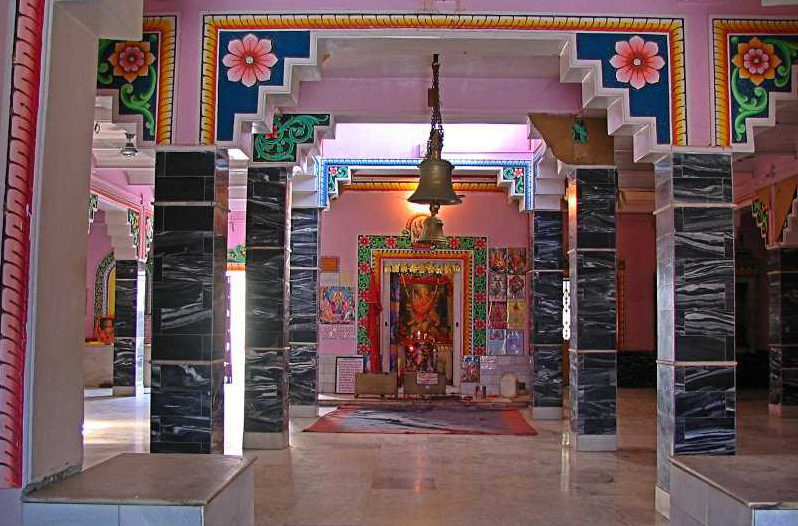
The temple uniquely houses idols of both Goddess Gayatri and Lord Shiva, representing the divine couple. The temple is constructed on a hill and made of stones with etched figurines of various deities, showcasing the grandeur of ancient Indian architecture. The statue of the goddess is believed to be extremely old, dating back to the Treta Yug, and is said to possess special energy. This temple is considered the ideal place for Gayatri Mantra sadhana, connecting it deeply with the practice of this powerful Sanskrit verse. The temple complex includes idols of Kali on the extreme left and Gauri Ganesh on the extreme right, adding to its spiritual diversity.
The Annakoot festival is arranged approximately once a year on the foundation day of the temple. The world-famous Pushkar Fair is celebrated with great pomp and pageant. The festival of Navratri dedicated to the goddess is observed with special rituals and devotion. Shivaratri also holds special significance in the temple. Gayatri Jayanti is another festival that is observed with great devotion and splendour, honouring the presiding deity of the temple.
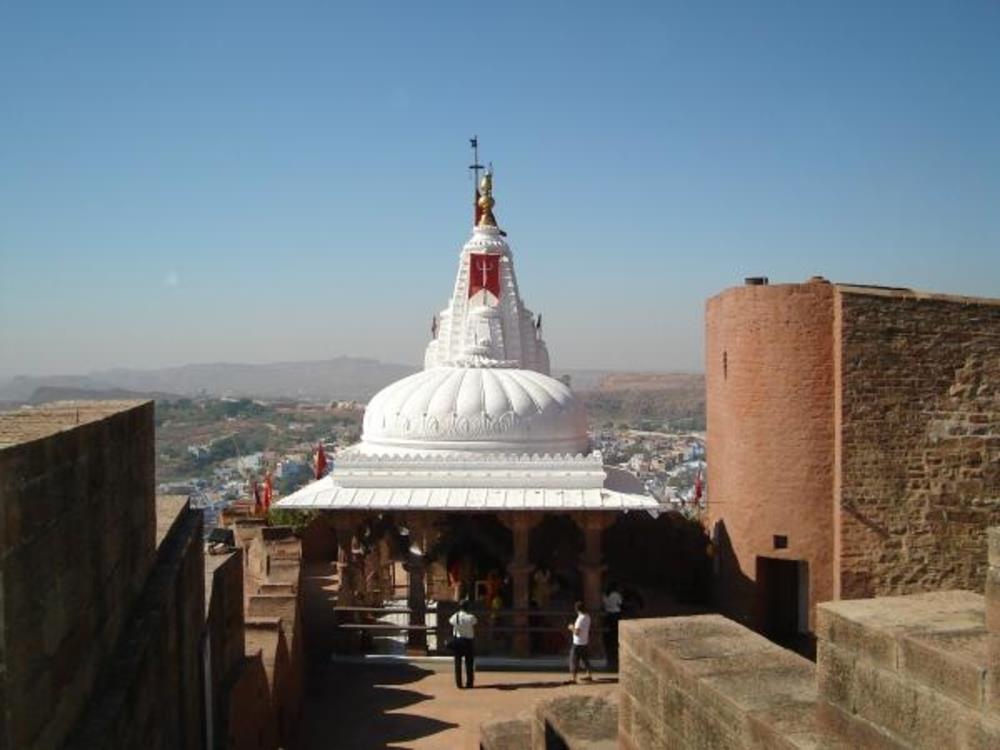
According to local lore, this is the place where the wrists of Goddess Sati fell. The wrists hold significance as they represent the source of all actions performed by hand. The temple is deeply associated with the Gayatri Mantra, one of the most sacred verses in Hinduism. It is believed that practising this mantra at this location can bring profound spiritual benefits. Despite being near the major pilgrimage centre of Pushkar, this Shaktipeeth remains relatively unknown, hidden among the Pushkar hills. This seclusion is said to add to its spiritual potency. The statue of the goddess is believed to possess special energy dating back to the Treta Yug, one of the four yugas or ages in Hindu cosmology. This ancient energy is said to permeate the entire temple complex.
The Manibandh Shaktipeeth, with its blend of myth, history, and living faith, continues to be a powerful force in the religious landscape. The combination of its Shakti Peetha status, its connection to the Gayatri Mantra, and its unique representation of both Goddess Gayatri and Lord Shiva makes it a fascinating destination for both devotees and those interested in India’s spiritual heritage.
 Memories and Such
