
World Mental Health Day, observed annually on October 10, serves as a global platform to raise awareness about mental health issues, reduce stigma, and advocate for better mental health care. Since its inception in 1992, the day has grown into a significant event, uniting individuals, organisations, and governments in a collective effort to prioritise mental well-being.
The concept of World Mental Health Day was introduced by the World Federation for Mental Health (WFMH) in 1992. Initially, the day lacked a specific theme, focusing broadly on promoting mental health awareness and education. However, in 1994, the WFMH introduced annual themes to address specific aspects of mental health. The day has since evolved into a global movement, supported by the World Health Organisation (WHO) and other international bodies. It now involves over 150 countries, with activities ranging from public awareness campaigns to policy advocacy. In some regions, the day is part of a broader Mental Health Week, further emphasising the importance of mental health in society.
Mental health is a cornerstone of overall well-being, influencing every aspect of our lives, from how we think and feel to how we interact with others and navigate challenges. Prioritising mental health is not just about preventing illness; it’s about fostering resilience, enhancing quality of life, and enabling individuals to thrive. Good mental health enables individuals to cope with life’s challenges, build meaningful relationships, and contribute to their communities. Conversely, poor mental health can lead to a range of issues, including reduced productivity, strained relationships, and even physical health problems. Mental health conditions, such as anxiety and depression, are among the leading causes of disability worldwide. According to the WHO, one in four people will experience a mental health issue at some point in their lives, yet stigma and lack of resources often prevent individuals from seeking help.

Failing to address mental health needs can have severe consequences. Untreated mental health conditions can lead to chronic physical illnesses, such as heart disease and diabetes, which are often exacerbated by stress and poor coping mechanisms. Additionally, mental health issues can impact educational and professional achievements, leading to reduced productivity and economic instability.
Stigma surrounding mental health further compounds these challenges, discouraging individuals from seeking help and perpetuating a cycle of suffering. This is particularly concerning in low-resource settings, where mental health services are often inaccessible or of poor quality.
Mental health profoundly impacts our ability to function effectively in daily life. When mental health is prioritised, individuals can better manage stress, make informed decisions, and maintain healthy relationships. Conversely, neglecting mental health can lead to difficulties in coping with life’s challenges, reduced productivity, and strained personal connections.
Good mental health contributes to emotional stability and psychological resilience. It helps individuals maintain a positive outlook, manage anxiety, and cultivate a sense of inner peace. This emotional balance is essential for navigating life’s ups and downs, fostering self-esteem, and building meaningful relationships. Mental health also plays a critical role in how we perceive ourselves and our ability to achieve personal goals. A strong mental foundation enables individuals to stay motivated, pursue their passions, and realise their full potential.
The relationship between mental and physical health is bidirectional. Poor mental health can exacerbate physical conditions, while good mental health can enhance physical well-being. For instance, mental health conditions like depression and anxiety are associated with chronic illnesses such as diabetes and cardiovascular disease. Addressing mental health can, therefore, lead to better physical health outcomes.
Mental health significantly influences productivity and creativity, both in personal and professional settings. Individuals with good mental health are better equipped to focus, problem-solve, and innovate. In the workplace, prioritising mental health can lead to higher engagement, reduced absenteeism, and improved job performance.
Mental health also affects how we interact with others and contribute to our communities. Individuals who prioritise their mental health are more likely to build supportive relationships, engage in community activities, and foster a sense of belonging. This, in turn, strengthens social networks and promotes collective well-being.
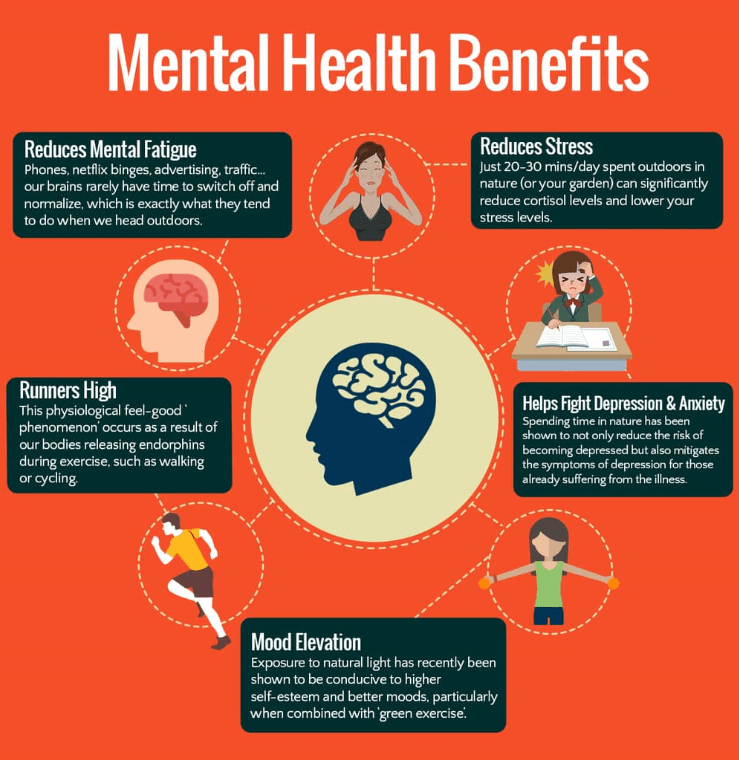
One of the most significant benefits of good mental health is the ability to develop resilience and effective coping mechanisms. Resilience allows individuals to bounce back from adversity, adapt to change, and maintain a positive outlook even in challenging circumstances. This is particularly important in today’s fast-paced, often stressful world.
Investing in mental health yields long-term benefits, including improved quality of life, greater life satisfaction, and a reduced risk of mental health disorders. It also helps individuals build a strong foundation for handling future challenges, ensuring sustained well-being throughout their lives.
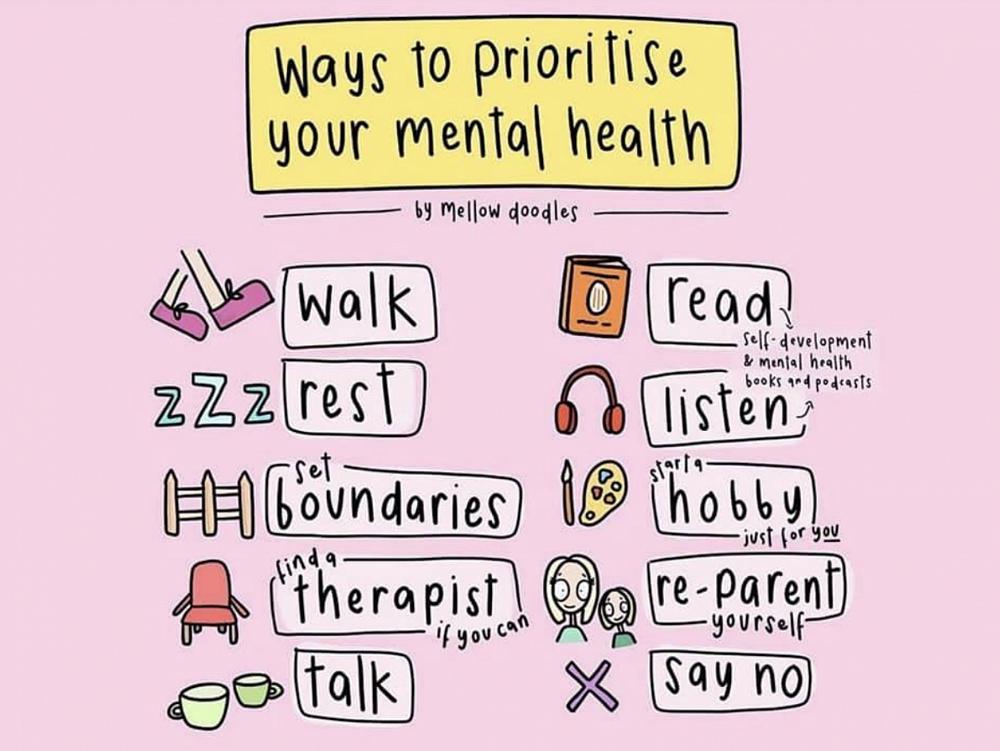
To reap these benefits, individuals can adopt various strategies to prioritize their mental health:
- Set Goals: Identify specific mental health focus areas and set achievable goals to address them.
- Seek Support: Don’t hesitate to reach out to mental health professionals for guidance and treatment.
- Practice Self-Care: Engage in activities that promote relaxation, such as mindfulness, exercise, or hobbies.
- Build Resilience: Develop healthy coping mechanisms to manage stress and adversity.
- Advocate for Mental Health: Share experiences and resources to reduce stigma and encourage others to seek help.
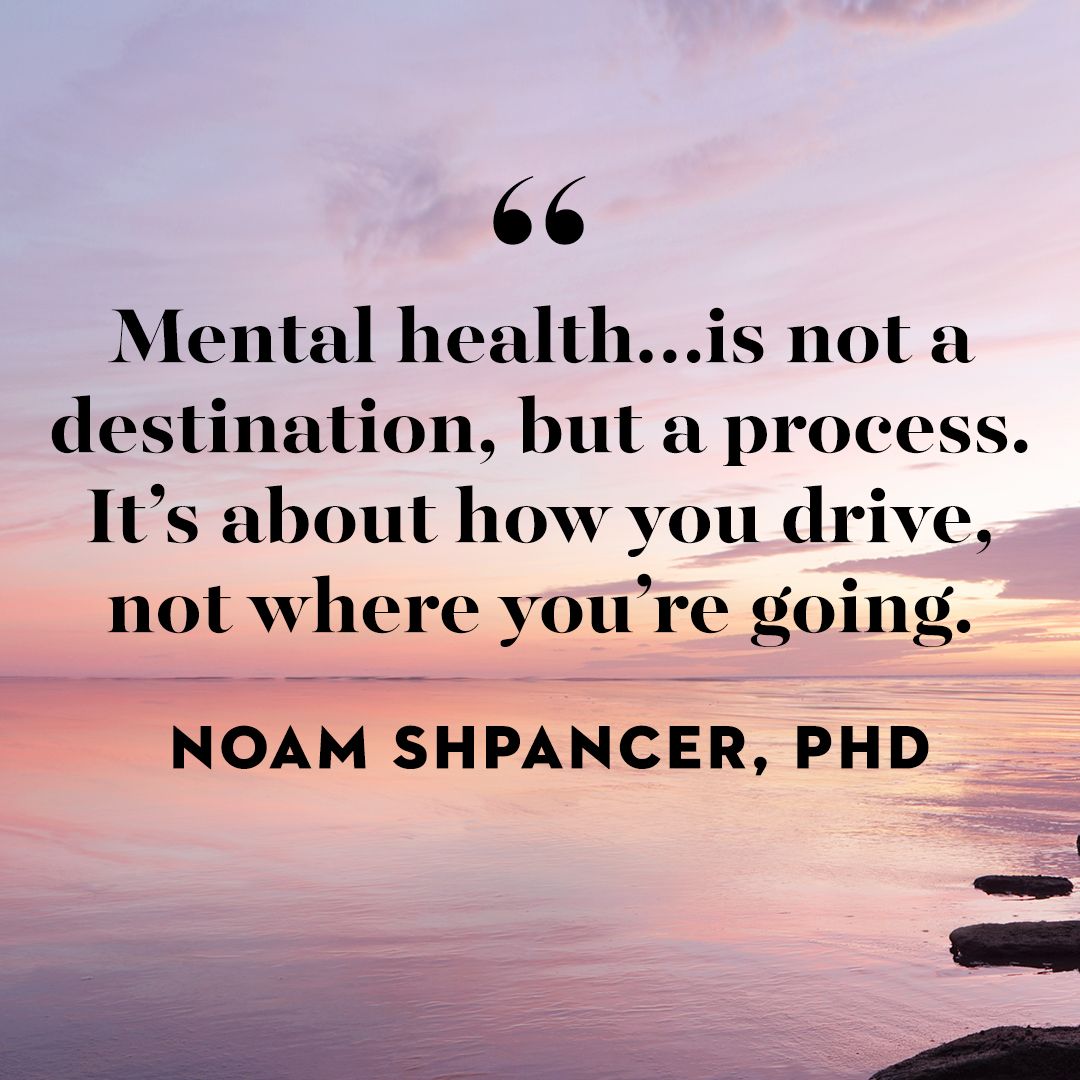
Taking care of mental health is not a luxury—it’s a necessity. It impacts every facet of life, from emotional well-being and physical health to productivity and social connections. By prioritizing mental health, individuals can build resilience, enhance their quality of life, and contribute positively to their communities. In a world where mental health challenges are increasingly prevalent, recognizing its importance and taking proactive steps to care for it is more critical than ever.
World Mental Health Day serves as a call to action for individuals, organizations, and governments to prioritise mental health. Advocacy efforts include raising awareness, reducing stigma, and improving access to mental health services. Initiatives such as public education campaigns, community support programs, and policy reforms are essential in creating a society that values and supports mental well-being.
World Mental Health Day is more than just a date on the calendar; it is a global movement that highlights the importance of mental health and the need for collective action. By understanding the origins of this day, recognising the significance of mental health, and addressing the consequences of neglecting it, we can work towards a future where mental well-being is a priority for all.
 Memories and Such