

In the past few months, I have seen my reading reduce, sometimes drastically. There have been times I have not read in days, so when the realisation hits, I make a conscious effort to carve time in my day to sit and read. This post is the result of the realisation of why I was not reading!
The rise of short-form content has revolutionised how we consume information and entertainment. Defined as brief, easily digestible pieces of content, whether text, video, or images, short-form content is designed for quick consumption, often lasting under a few minutes or containing fewer than 1,000 words. Examples include TikToks, Instagram Reels, Twitter posts, and short blog articles. While this format aligns with modern lifestyles and shorter attention spans, its growing influence raises questions about its impact on cognitive functions and reading abilities.
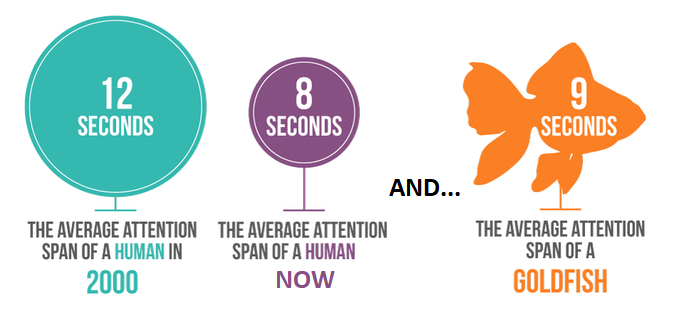
Short-form content thrives in an era where attention spans are shrinking. According to psychologist Dr. Gloria Mark, the average time spent focusing on a single task has dropped from 2.5 minutes in 2004 to just 75 seconds today. This decline is attributed to the constant barrage of digital stimuli that encourage multitasking and rapid information consumption.
Key psychological factors driving the popularity of short-form content include:
- Instant Gratification: Short-form videos or posts provide immediate rewards through entertainment or information, triggering dopamine release in the brain.
- Ease of Consumption: The brevity of short-form content makes it accessible during brief moments of downtime, such as waiting in line or commuting.
- Engagement Through Novelty: Platforms like TikTok use algorithms to deliver personalised content that keeps users engaged by constantly offering fresh and relevant material.
- Visual Appeal: The combination of dynamic visuals and sound enhances engagement and retention compared to text-heavy formats.
These factors make short-form content highly addictive but also raise concerns about its long-term effects on cognitive abilities.
Impact on Cognitive Abilities
Attention Span: Numerous studies indicate that excessive consumption of short-form content negatively affects attention span. For example, a study by Asif and Kazi (2024) found weak negative correlations between time spent watching short videos and performance on tasks measuring selective attention. Another study using EEG data revealed diminished executive control in individuals prone to mobile phone short video addiction. This suggests that frequent exposure to short-form videos may impair the prefrontal cortex functions responsible for sustained attention. The rapid shifts in focus required to consume fragmented content train the brain to prioritise novelty over depth, making it harder to concentrate on longer tasks.
Memory: Short-form content’s fast-paced nature can also impact memory. Research by Chiossi et al. (2023) showed that the overconsumption of digital media reduces prospective memory (the ability to remember future tasks) due to frequent context-switching. While short videos can encapsulate complex concepts effectively, their fleeting nature often leads to shallow processing, which hinders long-term retention. These findings suggest that while short-form content is engaging, it may come at the cost of deeper cognitive processing.

Effects on Reading Ability
- Decline in Deep Reading Skills: The shift from traditional long-form reading to consuming bite-sized information has altered how we process written material.
- Surface-Level Reading: Short-form texts encourage skimming rather than deep reading. Readers often focus on keywords or headlines without engaging with the full context.
- Reduced Patience for Complexity: Exposure to concise formats may diminish readers’ ability to tackle lengthy or complex texts, as they become accustomed to instant answers.
Despite these concerns, short-form content can enhance certain aspects of reading ability:
- Improved Accessibility: Short blog posts or infographics make information more accessible to readers with limited time or lower literacy levels.
- Enhanced Engagement: Dynamic formats like animated videos can boost interest in reading by appealingly presenting material. For instance, studies have shown that using short videos in educational settings improves students’ comprehension of narrative texts.
Thus, while short-form content poses challenges for deep reading skills, it also offers opportunities for creative learning approaches.
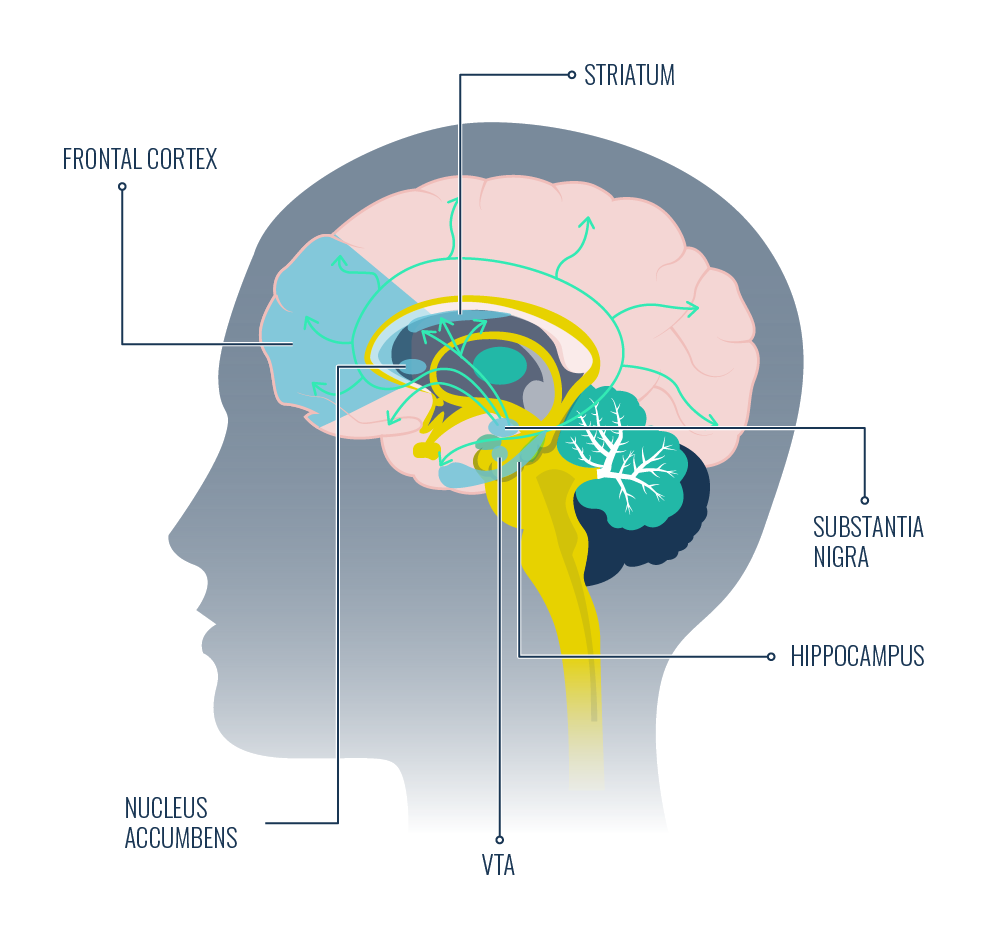
The Role of Dopamine in Short-Form Content Consumption
The addictive nature of short-form content can be explained by its impact on the brain’s reward system. Each new piece of content delivers a burst of dopamine, a neurotransmitter associated with pleasure and motivation. Over time, this creates a feedback loop where users crave more frequent rewards.
However, this constant stimulation comes at a cost:
Desensitisation: Prolonged exposure reduces sensitivity to dopamine, requiring increasingly novel stimuli to achieve the same level of satisfaction.
Impaired Self-Control: Studies have linked the excessive use of platforms like TikTok with diminished self-regulation abilities.
These neurological changes underscore the need for mindful consumption practices.

Educational Implications
Short-form content has both positive and negative implications for education. Benefits include encouraging independent learning by presenting material in an engaging format and offering diverse resources that cater to different learning styles. Challenges include requiring careful curation to ensure quality and relevance and the possibility of a hindrance in students’ ability to focus on extended readings or complex problem-solving tasks. Educators must strike a balance between leveraging short-form media’s potential and mitigating its drawbacks.

Strategies for Balanced Consumption
To harness the benefits of short-form content while minimising its negative effects:
Set Time Limits: Allocate specific periods for consuming digital media to avoid overexposure.
Diversify Media Diets: Combine short-form content with long-form articles or books to maintain deep reading skills.
Practice Mindful Engagement: Reflect on the purpose behind consuming each piece of content rather than mindlessly scrolling.
Encourage Critical Thinking: Analyse the quality and credibility of information presented in concise formats.
By adopting these strategies, individuals can enjoy the advantages of short-form content without compromising cognitive health or reading abilities.
Short-form content is a double-edged sword: its brevity and accessibility make it ideal for modern lifestyles but also pose risks to attention span, memory, and deep reading skills. As this format continues to dominate digital media landscapes, it is crucial to understand its impact on the brain and develop strategies for balanced consumption. While further research is needed to explore long-term effects fully, fostering awareness among users can help mitigate potential downsides. By blending short-form media with traditional forms of learning and communication, we can create a more balanced approach that leverages the strengths of both formats.
 Memories and Such