

United Nations Day is celebrated annually on October 24th, marking the anniversary of the official creation of the United Nations in 1945. The day commemorates the ratification of the UN Charter by the majority of its signatories, including the five permanent members of the Security Council. The origins of the UN can be traced back to the aftermath of World War II, when world leaders sought to establish an international organisation that would prevent future conflicts and promote global cooperation.
The term United Nations was first coined by former US President Franklin D. Roosevelt in the Declaration by United Nations on January 1, 1942, during World War II. This declaration was signed by 26 Allied nations, setting forth their war aims and laying the groundwork for a post-war international organisation. The UN Charter was drafted during the United Nations Conference on International Organisation, held in San Francisco in 1945, where representatives from 50 countries came together to create a framework for international peace and security.
The UN officially began operations on October 24, 1945, when the Charter was ratified by a majority of its signatories. In 1947, the UN General Assembly declared October 24th as United Nations Day, dedicating it to raising awareness of the organization’s goals and achievements. In 1971, the Assembly further recommended that the day be observed as a public holiday by all member states.

The United Nations was established with the primary goal of maintaining international peace and security, but its mission has since expanded to include promoting economic and social development, protecting human rights, and upholding international law. Over the past seven decades, the UN has played a crucial role in addressing global challenges that transcend national boundaries, from conflict resolution and disaster relief to climate change and public health.
The UN’s peacekeeping missions are among its most visible efforts. Since its inception, the organisation has deployed troops to conflict zones around the world, helping to stabilise regions and protect civilians. Studies have shown that UN-led peacekeeping operations are generally effective in reducing civilian casualties and fostering long-term peace. For example, Virginia Page Fortna of Columbia University found that UN peace operations often result in sustained peace, while researchers from Uppsala University concluded that these missions are more effective at reducing civilian harm than counterterrorism operations by individual nations.
The UN is also a leading advocate for human rights, working to protect the rights of vulnerable populations and hold violators accountable. Through its various agencies, such as the Office of the High Commissioner for Human Rights (OHCHR) and the United Nations High Commissioner for Refugees (UNHCR), the organisation provides humanitarian aid to millions of people affected by conflict, natural disasters, and displacement. For instance, the UN has been instrumental in responding to crises such as the Syrian civil war, the Rohingya refugee crisis, and the COVID-19 pandemic, providing lifesaving assistance to those in need.
In recent years, the UN has taken a leading role in addressing global challenges such as climate change, poverty, and inequality. The 2030 Agenda for Sustainable Development, adopted in 2015, outlines 17 Sustainable Development Goals (SDGs) aimed at ending poverty, protecting the planet, and ensuring prosperity for all. While progress toward these goals has been uneven, the UN continues to advocate for international cooperation and accountability in achieving them. For example, the UN has been at the forefront of global efforts to combat climate change, convening annual climate conferences and urging nations to reduce greenhouse gas emissions.
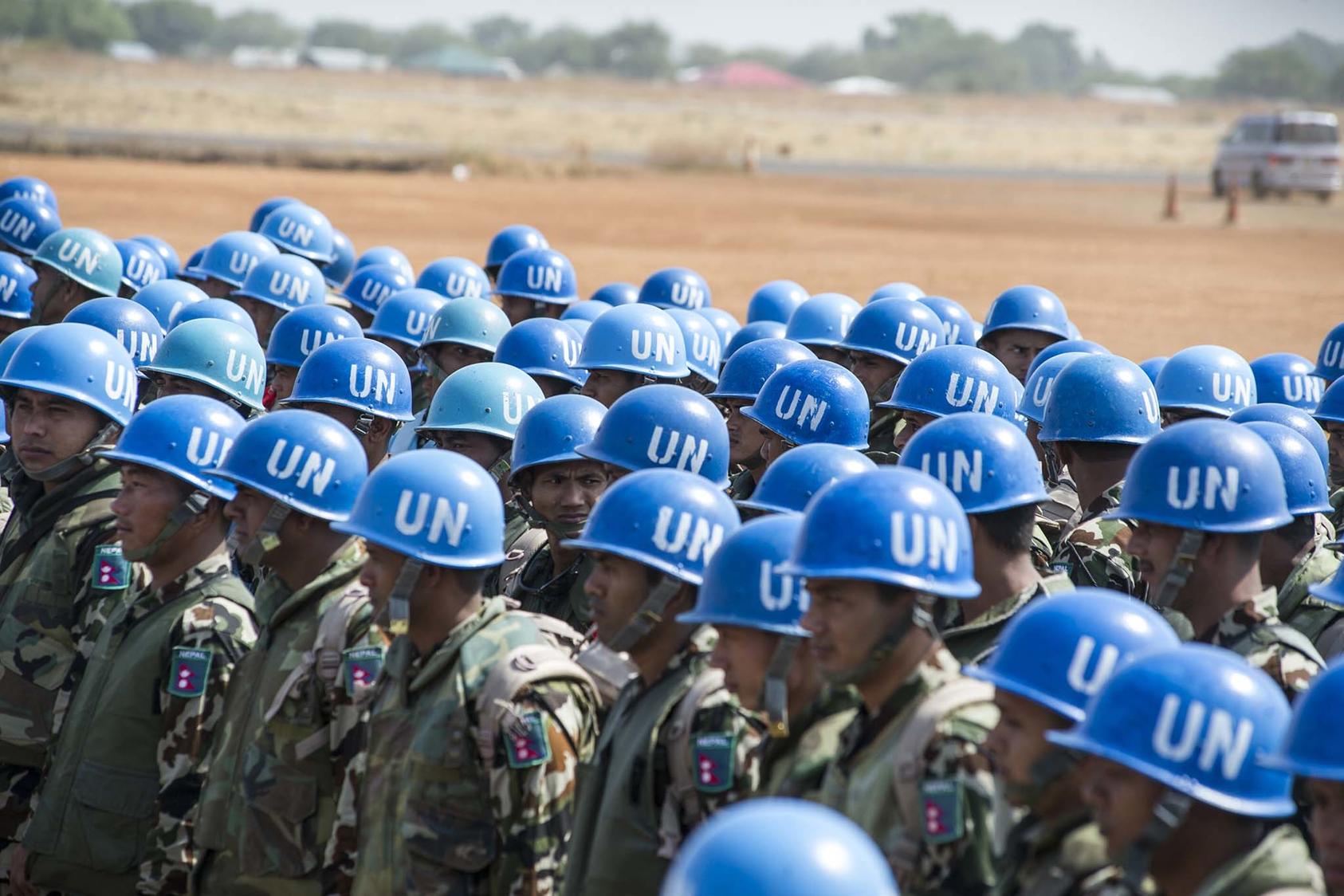
The UN serves as a forum for multilateral diplomacy, bringing together leaders from around the world to address shared challenges. It provides a platform for dialogue and negotiation, helping to resolve disputes and foster cooperation among nations. Despite its limitations, the UN remains the only truly universal global organisation, with 193 member states representing nearly every country in the world. Its legitimacy and convening power make it an essential actor in global governance, particularly in an era of increasing geopolitical tensions and complex transnational issues.
In the 21st century, the UN faces a range of new and evolving challenges, from the rise of authoritarianism and the erosion of democratic norms to the growing threat of climate change and the impact of technological advancements. The organization’s ability to adapt and respond to these challenges will determine its relevance and effectiveness in the years to come.
One of the key challenges facing the UN is the need for reform. Critics argue that the organization’s structure, particularly the veto power wielded by the five permanent members of the Security Council, undermines its ability to act decisively in times of crisis. Calls for reform have grown louder in recent years, with many nations advocating for a more inclusive and representative Security Council that reflects the realities of the modern world. The 2024 Summit of the Future, proposed by Secretary-General António Guterres, is expected to be a critical moment for addressing these issues and charting a path forward for the UN.
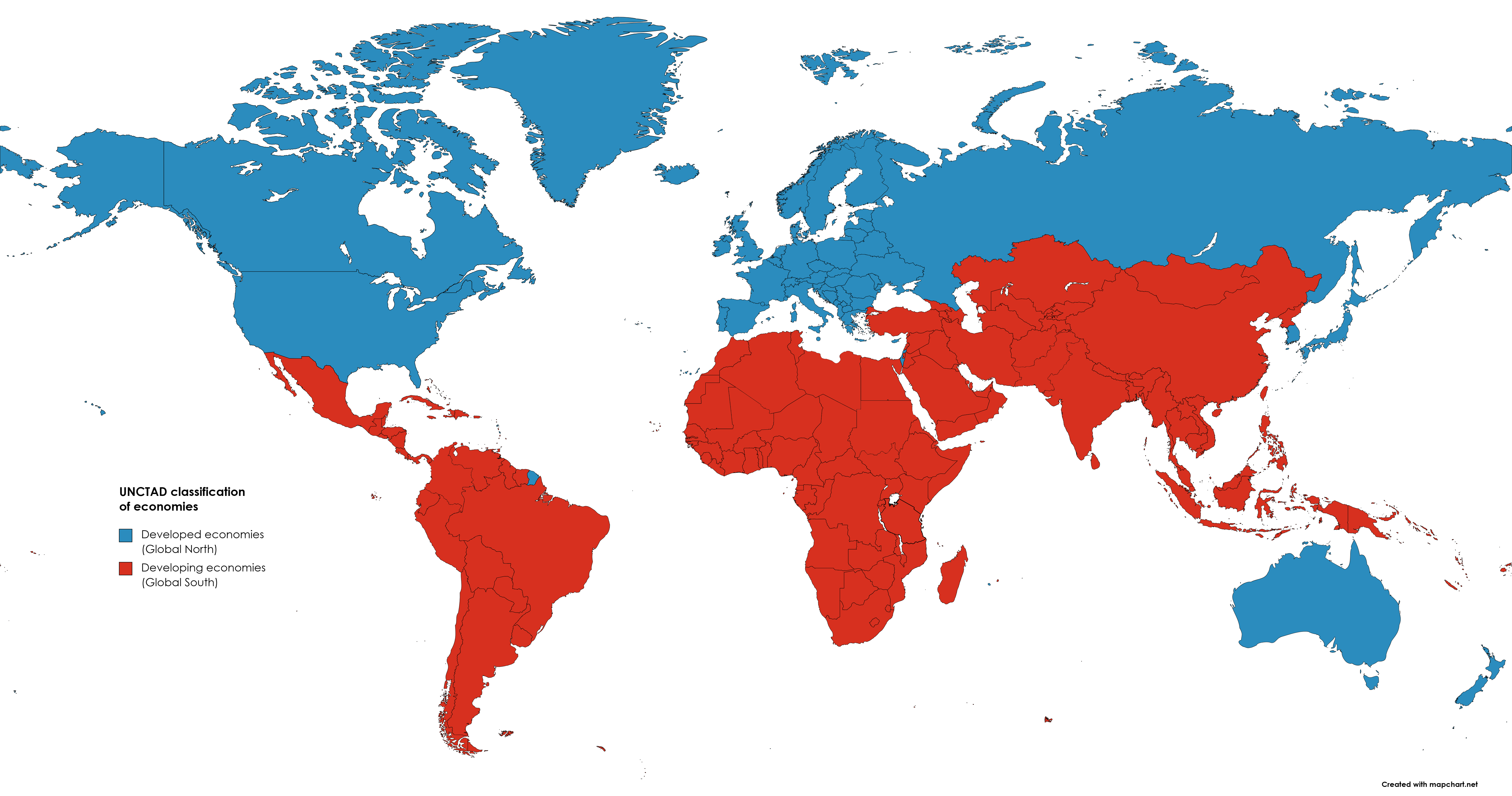
Another pressing issue is the growing gap between developed and developing nations. The UN has long been a voice for the Global South, advocating for fairer trade policies, debt relief, and increased development assistance. However, progress on these issues has been slow, and many developing countries continue to face significant economic and social challenges. The UN’s role in promoting sustainable development and reducing inequalities will be crucial in the coming years, particularly as the world grapples with the long-term impacts of the COVID-19 pandemic and the climate crisis.
In an era of rising nationalism and geopolitical competition, the UN’s commitment to multilateralism is more important than ever. The organisation provides a platform for dialogue and cooperation, helping to bridge divides and foster a sense of shared responsibility for global challenges. As Secretary-General Guterres has noted, the UN must be a place that “saves us from future threats and existential polycrisis,” and this will require greater trust and solidarity among its members.
Finally, the UN must continue to engage with youth and civil society, who play a vital role in shaping the future of global governance. The organization has increasingly given a voice to non-state actors, recognizing their importance in addressing issues such as climate change, human rights, and social justice. Initiatives like the UN Youth Strategy and the Sustainable Development Goals Action Campaign are helping to empower young people and civil society organizations to take an active role in achieving the UN’s mission.
United Nations Day is a time to celebrate the values of peace, cooperation, and diplomacy that the UN upholds. It reminds us that, in a world facing complex challenges, international collaboration remains crucial. As we mark this day, let’s reaffirm our commitment to a more peaceful, just, and sustainable world, guided by the principles of the United Nations. The UN’s role in maintaining international peace and security, promoting human rights, and addressing global challenges like poverty, climate change, and inequality cannot be overstated. Its efforts in disaster relief, humanitarian aid, and sustainable development have significantly impacted millions of lives worldwide. United Nations Day serves as a reminder of the importance of multilateral diplomacy and the need for nations to work together to solve shared problems. It highlights the power of unity in diversity, celebrating the myriad cultures, religions, and languages that make up our global community.
 Memories and Such