
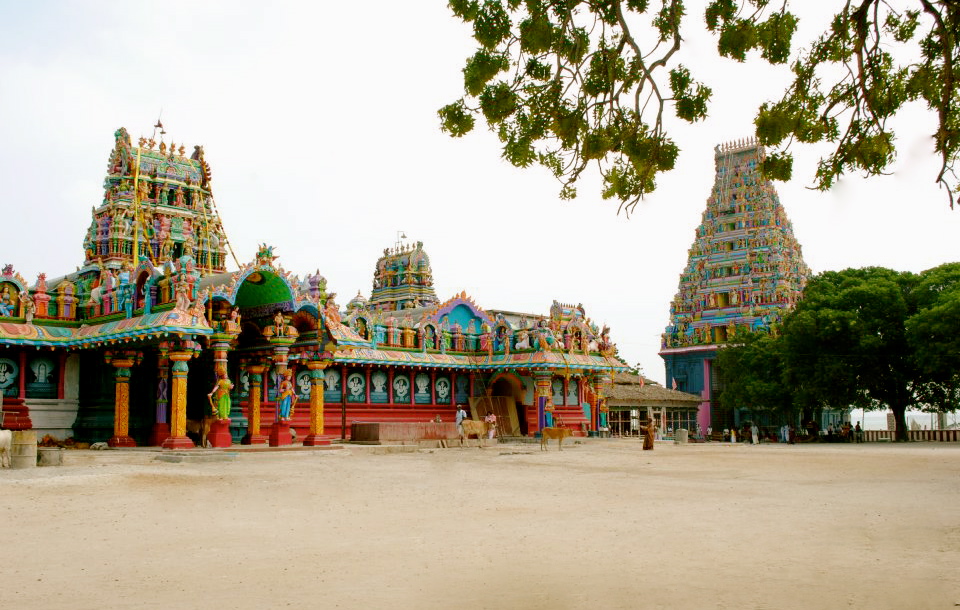
Nainativu Temple, Manipallavam, Northern Province, Sri Lanka
The Nainativu Nagapooshani Amman Temple, located on Nainativu Island, also known as Manipallavam in the Northern Province of Sri Lanka, is one of the most sacred Hindu shrines in the region. Revered as one of the 51 Shakti Peethas, this ancient temple is believed to be the site where the silambu or anklet of Goddess Sati fell. The temple is dedicated to Goddess Nagapooshani Amman, a form of Goddess Parvati, and Lord Nayinaar Swami, a manifestation of Lord Shiva. Nestled amidst the serene waters of the Palk Strait, this temple holds immense historical, mythological, and spiritual significance.
The temple has been mentioned in several ancient texts, including the Tamil epic Manimekalai and the Sri Lankan chronicle Mahavamsa. These texts describe Nainativu as Manipallavam or Nagadeepa, an island inhabited by the Naga people who were serpent worshippers. The temple is believed to have been originally established by Lord Indra to atone for his sins after being cursed by Sage Gautama for seducing his wife Ahalya. Indra consecrated and worshipped an idol of Goddess Bhuvaneswari or Nagapooshani Amman at this site to seek forgiveness. Over time, Nainativu became a prominent centre for serpent worship and Shaktism. The temple flourished under Tamil rulers but faced destruction during Portuguese colonial invasions in 1620. The present structure was rebuilt in 1788 and later renovated after sustaining damage during periods of political unrest in Sri Lanka.
The temple features traditional Dravidian architecture with intricately carved gopurams or towering gateways adorned with vibrant sculptures depicting Hindu deities and mythological scenes. The four-tiered South Gopuram stands out as a masterpiece of craftsmanship. The temple honours its historical connection to serpent worship with shrines dedicated to serpent deities like Sri Nayinaar Swami and idols of five-headed cobras within the sanctum sanctorum. Devotees offer milk and flowers to these serpent idols as part of their prayers.
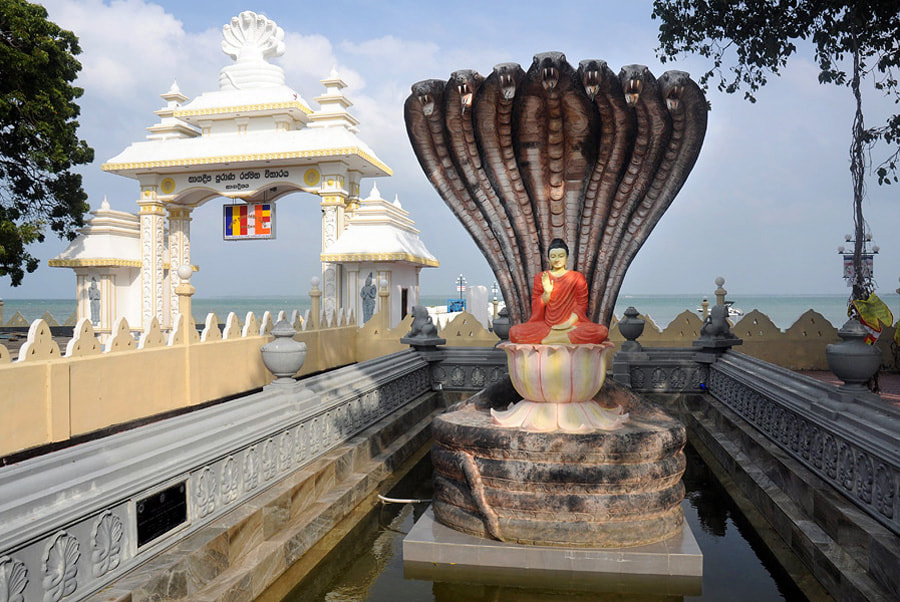
Two rocks near the island — Paambu Sutriya Kal or the rock around which the snake wound itself and Garudan Kal or the rock of the eagle — are linked to a legend involving a cobra carrying a lotus flower for Goddess Bhuvaneswari’s worship while being pursued by Garuda. A Tamil inscription from the 12th century issued by King Parakramabahu I mentions trade regulations for merchants visiting Nainativu and highlights its significance as a port city. Located nearby is the Nagadeepa Buddhist Vihara, emphasising Nainativu’s historical role as a shared sacred space for Hindus and Buddhists.
The temple hosts an annual festival known as Thiruvizha during June-July that lasts for 16 days. It includes processions featuring decorated chariots carrying idols of Maa Nagapooshani Amman and Nayinaar Swami. Devotees participate in cultural performances, music recitals, and community feasts during this grand celebration. Special offerings are made to serpent deities within the temple complex on auspicious days like Naga Panchami. Devotees believe that these rituals bring protection from snake bites and other dangers. Couples seeking marital harmony or fertility visit the temple to seek Nagapooshani Amman’s blessings through special pujas conducted by priests.

According to legend, Lord Indra created this temple to atone for his sins after being cursed by Sage Gautama for seducing his wife Ahalya. Pleased with Indra’s devotion, Maa Bhuvaneswari transformed his curse marks into eyes, earning her the name Indrakshi or Indra-eyed. Another legend tells of a cobra swimming across the sea toward Nainativu with a lotus flower for Maa Bhuvaneswari’s worship while being pursued by Garuda, the eagle mount of Lord Vishnu. A merchant named Maanikan intervened to save the cobra by promising Garuda that he would build a beautiful temple for Bhuvaneswari on Nainativu Island.
The Nainativu Nagapooshani Amman Temple with unique rituals like serpent worship emphasises ancient traditions while preserving spiritual heritage. One can explore Sri Lanka’s rich cultural heritage intertwined with Hindu mythology while visiting this ancient shrine.
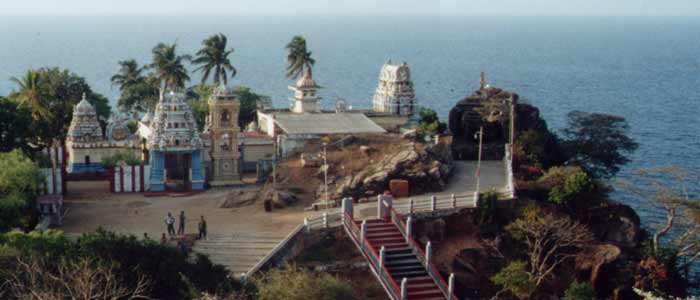
Shankari Maha Shaktipeeth, Tricomalee, Sri Lanka
The Shankari Maha Shaktipeeth, located in Trincomalee or Thirukkonamalai on the eastern coast of Sri Lanka is believed to be where the groin or yoni of Goddess Sati fell. The temple is dedicated to Goddess Shankari Devi, a form of Goddess Parvati, and Lord Trikoneshwara Bhairava, a manifestation of Lord Shiva. Perched on a hill overlooking the Indian Ocean, the Shankari Maha Shaktipeeth is not only a spiritual haven but also a site of immense historical and mythological significance.
The temple has been mentioned in several ancient texts, including Adi Shankaracharya’s Ashta Dasha Shakti Peetha Stotram, which lists it as one of the 18 Maha Shakti Peethas. The name Shankari derives from Shankar, another name for Lord Shiva, symbolising the inseparable bond between Shiva and Shakti. Historically, the temple was established over 2,500 years ago and was one of the wealthiest temples in South Asia during its peak.
The temple flourished under Tamil rulers and received patronage from various dynasties, including the Cholas and Pandyas. However, it faced destruction during Portuguese invasions in the 17th century. Despite being rebuilt multiple times, much of its original grandeur has been lost. Today, the temple remains an important spiritual centre for Hindus in Sri Lanka.

The temple is situated on Thirukkonamalai Hill meaning the three-cornered hill, offering panoramic views of the Indian Ocean. This unique location enhances its spiritual ambience. Adjacent to the Shankari shrine is the Trikoneshwara Temple dedicated to Lord Shiva. It is one of four major Shiva temples in Sri Lanka, the others being the Ketheeswaram Temple, the Munneswaram Temple, and the Galle Temple. The temple features traditional Dravidian architecture with intricately carved gopurams or towering gateways adorned with vibrant sculptures depicting Hindu deities and mythological scenes.
According to legend, the Asura King, Ravana, a huge devotee of Lord Shiva, installed three lingas on Thirukkonamalai Hill to honour Lord Shiva after receiving blessings from him. These lingas are believed to protect the island from calamities. The temple has strong ties to Ravana, who was a devout worshipper of Lord Shiva. It is said that Ravana performed penance here to gain boons from Shiva.
Navratri is celebrated with great festivities and the temple becomes crowded during these nine days as pilgrims seek blessings for prosperity and protection. Maha Shivratri is another major festival celebrated here with night-long prayers dedicated to Lord Shiva as Trikoneshwara Bhairava. Devotees offer milk and honey during abhishekam rituals. Couples seeking marital harmony or fertility visit the temple to seek Goddess Shankari Devi’s blessings through special pujas conducted by priests.
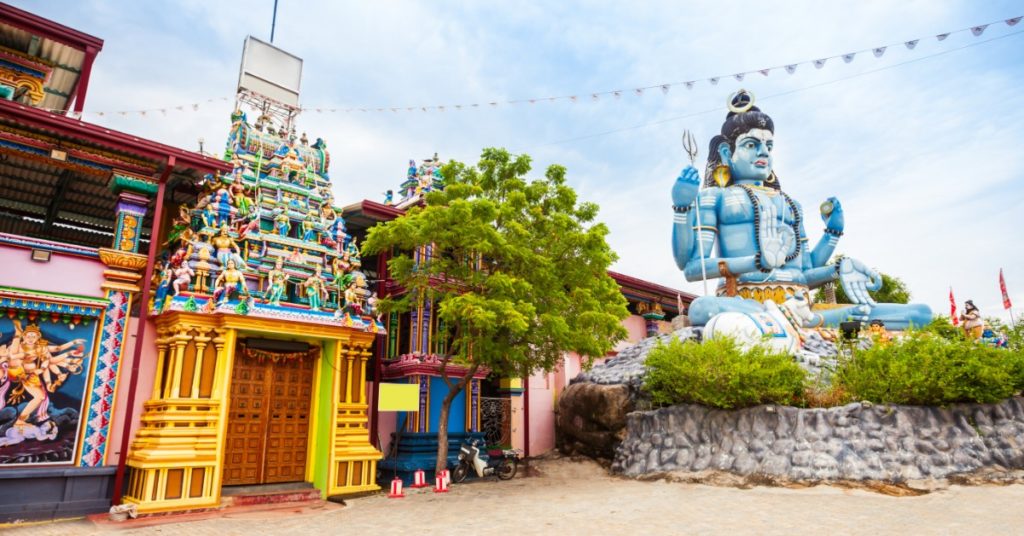
According to legend, Ravana performed rigorous penance at Thirukkonamalai Hill to gain boons from Lord Shiva. Impressed by his devotion, Shiva granted him several boons but warned him against arrogance. Ravana later installed three lingas on this hill as a mark of gratitude. Another legend states that Lord Shiva built a magnificent palace for Parvati on this hill after she requested a home away from Mount Kailash. However, Parvati left Lanka after Ravana refused her advice to return Sita to Lord Rama. A mythological tale recounts how Adisesha, the serpent king wrapped himself around Mount Kailash during a battle with Vayu, the wind god. When Vayu broke off three peaks from Kailash, one landed at Thirukkonamalai Hill—making it a sacred ground for both Shiva and Parvati worshippers.
The Shankari Maha Shaktipeeth offers visitors a unique spiritual experience rooted in mythology and devotion.
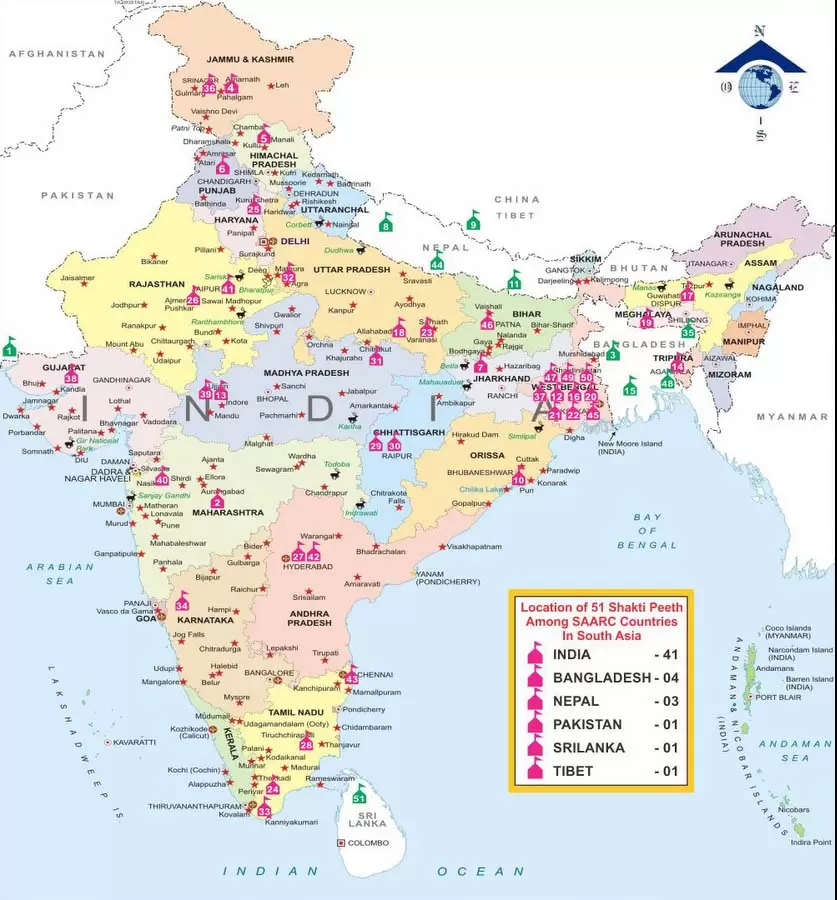
And this brings us to the end of this series on Shakti Peethas. I hope you enjoyed reading about it as much as I enjoyed reading, researching, and writing about the different temples. The journey through the Shakti Peethas has unveiled a tapestry of divine energy, mythology, and devotion that stretches across the Indian subcontinent and beyond. Each site, from the snow-capped heights of Lake Manasarovar and Muktinath in Nepal to the coastal serenity of Nainativu in Sri Lanka, embodies the eternal bond between Shakti and Shiva — a union that transcends geography, culture, and time. These temples are not merely places of worship but living testaments to the enduring power of the Divine Feminine, where the physical remnants of Goddess Sati’s form sanctify the earth and invite devotees to connect with the cosmic force of creation, preservation, and transformation.
The diversity of rituals, legends, and architectural marvels across these shrines reflects the adaptability of spiritual traditions while preserving their core essence. Whether through the Tantric practices of Tarapith, the serpent worship of Nainativu, or the open-air sanctity of Mansarovar, each Shakti Peetha offers a unique pathway to the divine. Yet, they all share a common thread: the belief that these sites are portals to liberation or moksha and spiritual awakening. The Shakti Peethas remind us that divinity is both immanent and transcendent, woven into the fabric of mountains, rivers, and ancient stones, yet alive within the hearts of those who seek it. May this journey inspire reverence for the sacred, curiosity for the mystical, and a deeper connection to the universal energy that binds all beings.
 Memories and Such