

As young adults enter the workforce, one of the first challenges they often face is creating a professional wardrobe that aligns with workplace expectations and fosters confidence, all without breaking the bank. Whether you’re starting your first job, attending interviews, or aiming to present yourself more professionally, the key is striking the right balance between quality and affordability.
Your wardrobe is a reflection of your professionalism, confidence, and readiness for the workplace. Your appearance creates the first impression in interviews, meetings, and daily workplace interactions. A polished and professional wardrobe signals competence and attention to detail. Dressing professionally can enhance your self-esteem, making you feel more confident and capable in professional settings. Many organisations have dress codes, whether formal, business casual, or creative casual. A professional wardrobe helps you align with the workplace environment. Your wardrobe is an investment in your career and personal brand. The way you present yourself can impact how colleagues and supervisors perceive your abilities.

Before building your wardrobe, it’s important to understand your workplace dress code. Formal business attire includes suits, dress shirts, ties, and polished shoes. Typically required in industries like law, finance, or corporate roles. Business casual is a mix of dressy and casual items like button-down shirts, chinos, skirts, blouses, and loafers. Common in tech, marketing, and education sectors. Creative casual attire allows for greater individuality and creative expression. Think neat jeans, casual blazers, dresses, and stylish shoes. Often found in creative industries like design, media, or startups. Some workplaces, like healthcare and hospitality, may require uniforms, reducing the need for extensive personal wardrobe building. Knowing your employer’s dress code ensures your purchases align with expectations while saving you from buying unnecessary items.
A professional wardrobe doesn’t need to be extensive. Start with versatile staples that can be mixed and matched to create multiple outfits.
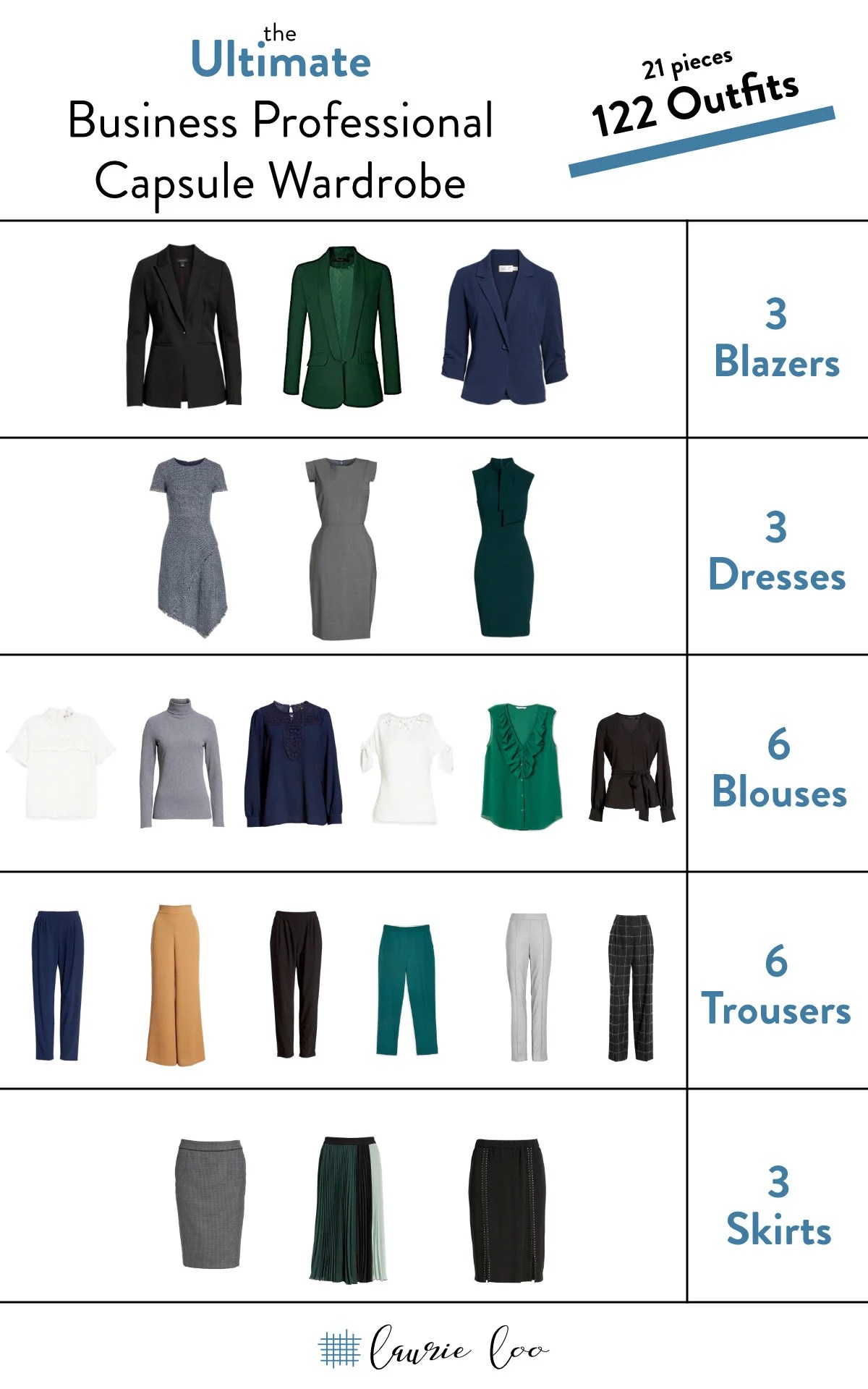
For women, with tops, staples include button-down shirts in classic white or pastel colours for formal wear, blouses that are feminine and polished options suitable for business casual as well, and neutral sweaters, which are great for layering in colder months. Good options for bottoms can include tailored trousers, which can be paired with blouses or button-downs for a professional look; pencil or midi skirts, which are stylish yet workplace-appropriate options; and dark jeans for creative, casual workplaces. Shift dresses or wrap dresses are comfortable, versatile, and professional. If your climate calls for outerwear, a structured blazer instantly elevates any outfit, while cardigans are softer alternatives for layering. Coming to shoes, flats or loafers are comfortable and polished choices for daily wear while neutral heels with 2-3 inch heels give a professional touch.

For men, dress shirts in white, blue, and pale-coloured shirts work with any suit, and polo shirts are perfect for business casual days. Sweaters in neutral options are good for layering over shirts in colder months. For bottoms, tailored pants in black, navy, or grey are perfect, while chinos are versatile, casual, yet professional. Dark jeans are suitable for creative workplaces. For outerwear, blazers are a must-have for formal and business casual settings, while bomber jackets or cardigans are casual alternatives for layering. On to shoes, Oxford or Derby shoes are perfect for formal business attire, while loafers are great for business casual.
A capsule wardrobe is a collection of essential clothing items that are versatile and timeless. It reduces clutter, makes outfit planning simpler, and helps save money. To build a capsule wardrobe, choose neutral colours and focus on black, navy, gray, beige, and white, as they pair easily with other items. Select multi-functional pieces and prioritise items that can transition from formal to casual settings. Stick to high-quality basics and invest in durable clothing items that withstand wear and tear.

Shop smart. Building a professional wardrobe on a budget requires strategic shopping. Before heading to the store, take inventory of your current wardrobe. Identify items that can be repurposed for workplace outfits. Shop at thrift stores, as thrift stores often carry high-quality professional clothing at significantly reduced prices. Look for timeless pieces like blazers, dress shirts, and trousers. Take advantage of sales and watch for seasonal sales, such as end-of-season or Black Friday, to purchase high-quality items at discounted rates. Buy second-hand online from platforms like Poshmark, Depop, or eBay that offer gently used professional clothing at affordable prices. Invest in quality for key items and spend more on staples like a blazer or dress shoes, as these items are worn frequently and need to last longer. Save money on less frequently used items like accessories. Seek affordable brands and explore budget-friendly brands that offer professional attire.
Maximise your wardrobe by mixing and matching items to create multiple outfits. As an example, for women, pair a pencil skirt with a blouse for formal meetings. Then swap the skirt for tailored trousers and layer a cardigan for business casual. For men, pair navy dress pants with a white shirt and blazer for a presentation. Remove the blazer and add a sweater for a more informal look.
Maintain your wardrobe, as proper care ensures your wardrobe lasts longer. Launder carefully and follow washing instructions to avoid damage or shrinkage. Use delicate cycles for dress shirts or blouses. Invest in repairs. Fix loose buttons, replace worn soles, or tailor items that don’t fit perfectly. Rotate clothing and avoid wearing the same items repeatedly. Rotating clothing prevents excessive wear.
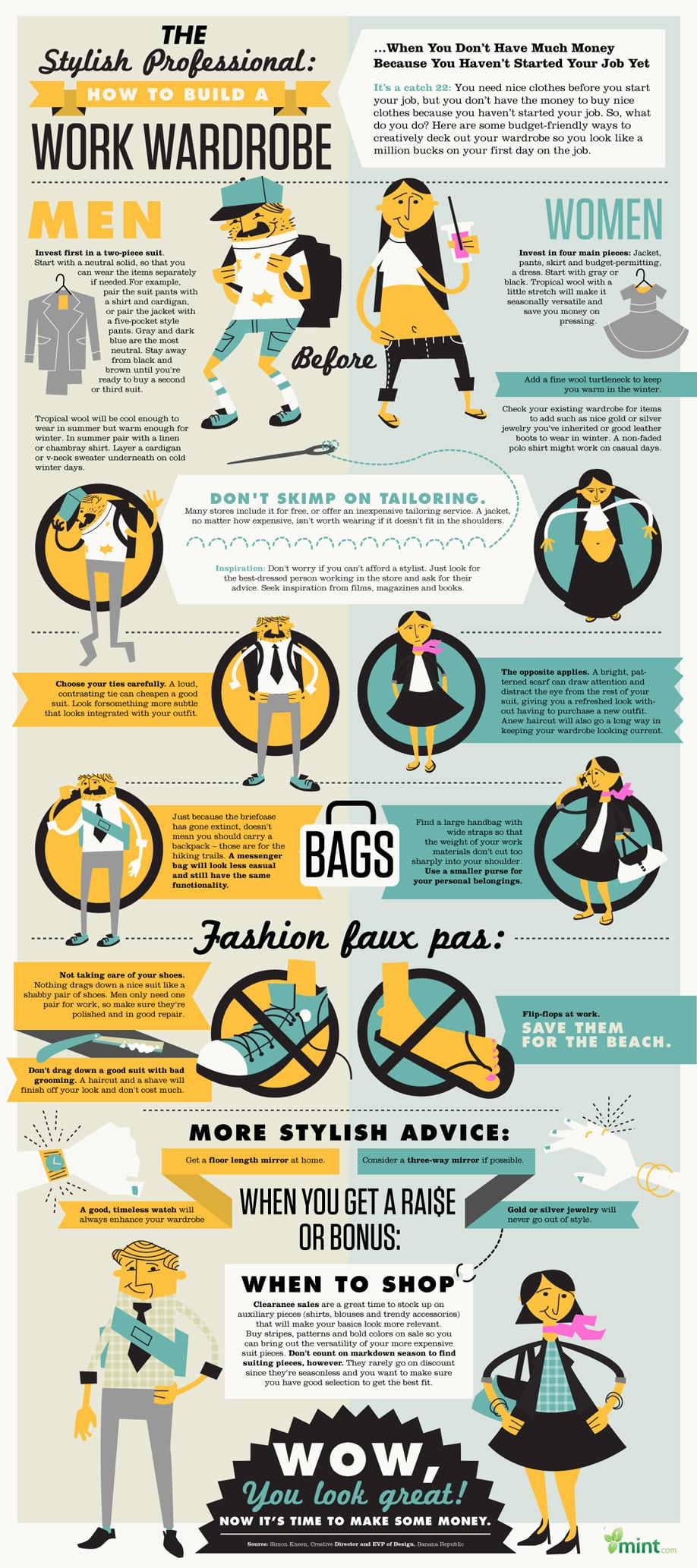
Some additional tips for budget-friendly wardrobe building.
- Focus on fit: Ill-fitting clothes can ruin a professional look. Invest in tailoring for a polished appearance.
- Keep it minimal: Stick to essentials rather than purchasing trendy items that will quickly go out of style.
- Build slowly: There’s no need to buy everything at once. Gradually build your wardrobe by adding new pieces as needed.
- Accessorise wisely: Accessories like ties, watches, scarves, or necklaces can elevate outfits without significant expense.
- Swap with friends: Organise clothing swaps with friends or colleagues to refresh your wardrobe without spending money.
Common mistakes to avoid
- Overbuying: Buying too many items can lead to clutter and waste. Focus on versatile staples.
- Ignoring quality: Cheap items can wear out quickly. Invest in durable fabrics for frequently worn garments.
- Prioritising trends over timeless pieces: Trending styles may not align with professional expectations. Stick to classic designs.
- Forget comfort: Professional clothing should be comfortable, especially for long workdays. Avoid tight or overly restrictive items.
Building a professional wardrobe on a budget is entirely achievable with thoughtful planning and strategic decision-making. By focusing on essentials, shopping smart, and maintaining your clothing properly, you can create a polished and versatile wardrobe that aligns with workplace expectations while saving money.
Remember that your wardrobe is an investment in your personal and professional growth. It reflects your confidence, competence, and commitment to presenting your best self. With these tips, you’ll be able to navigate your career with style and assurance while staying financially savvy.
 Memories and Such