
World Diabetes Day (WDD), observed annually on November 14, is the primary global awareness campaign focusing on diabetes mellitus. Launched in 1991 by the International Diabetes Federation (IDF) and the World Health Organization (WHO), this day was established in response to the alarming rise in diabetes cases worldwide. The date was chosen to honour the birthday of Sir Frederick Banting, who, along with Charles Best, co-discovered insulin in 1922. Over the years, WDD has grown into a global movement, with over 230 IDF Member Associations in more than 160 countries and territories participating in various activities, including diabetes screening programs, media campaigns, and sports events.
The inception of World Diabetes Day was driven by the need to address the rapid increase in diabetes cases globally. In 2006, the United Nations General Assembly adopted a resolution recognizing diabetes as a chronic, debilitating, and costly disease, and designated November 14 as World Diabetes Day. This resolution marked a significant step in elevating diabetes to the status of a global public health issue, emphasizing the need for international cooperation in addressing the disease.
In today’s world, diabetes is a critical public health issue that affects millions of people globally. According to the IDF, diabetes-related healthcare expenditure reached $966 billion in 2021, highlighting the economic burden of the disease. World Diabetes Day serves as a platform to raise awareness about diabetes, promote education, and advocate for better access to care and treatment. Each year, the campaign focuses on a specific theme related to diabetes, addressing issues such as diabetes and human rights, diabetes and lifestyle, and diabetes in vulnerable populations.
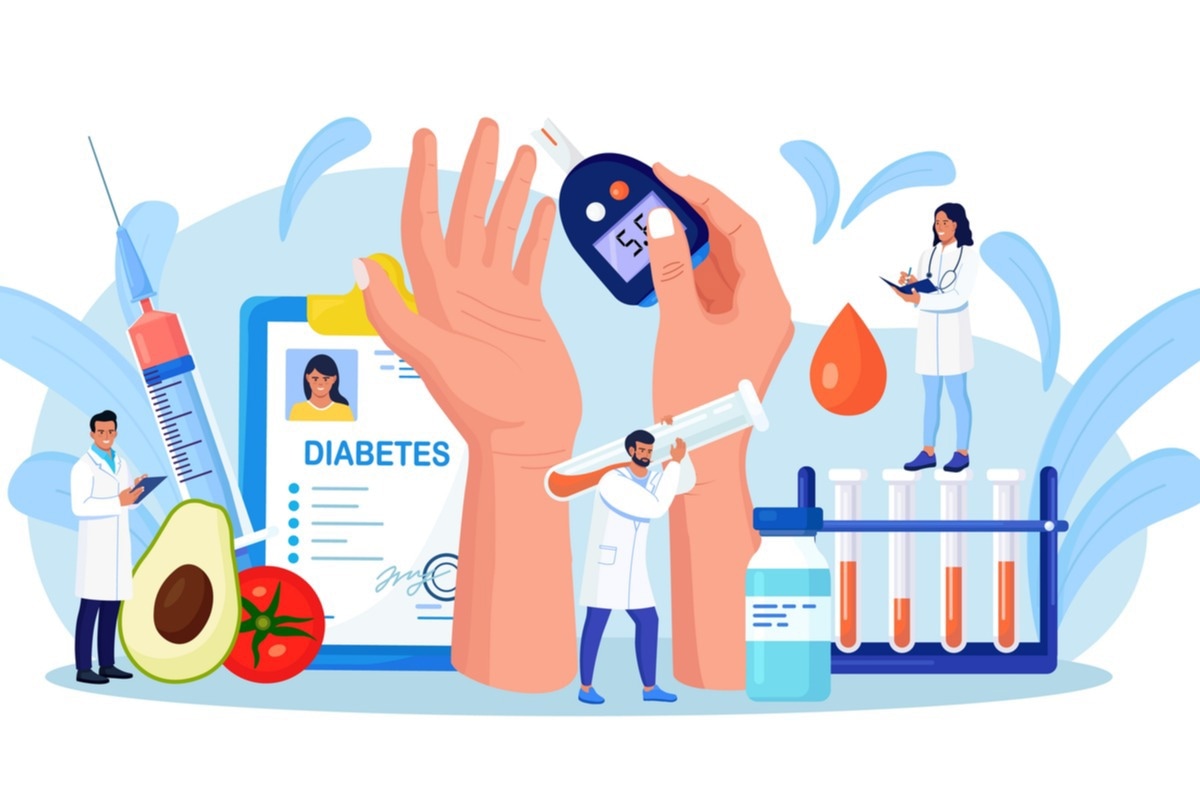
The theme for World Diabetes Day 2024–2026 is “Diabetes and Well-being,” focusing on physical, societal, and mental well-being. This theme underscores the holistic approach needed to manage diabetes, recognising that the disease affects not only physical health but also emotional and social well-being.
Diabetes is a chronic disease when the body cannot properly regulate blood glucose levels. There are several types of diabetes, each with its own characteristics and management strategies.
Type 1 Diabetes: Type 1 diabetes is an autoimmune condition in which the body’s immune system attacks and destroys the insulin-producing cells in the pancreas. It is usually diagnosed in children and young adults, although it can occur at any age. People with type 1 diabetes require lifelong insulin therapy to manage their blood glucose levels.
Type 2 Diabetes: Type 2 diabetes is the most common form of diabetes, accounting for 90–95% of all cases. It occurs when the body becomes resistant to insulin or when the pancreas cannot produce enough insulin. Risk factors for type 2 diabetes include obesity, physical inactivity, and a family history of the disease. Unlike type 1 diabetes, type 2 diabetes can often be prevented or delayed through lifestyle changes such as healthy eating, regular exercise, and weight management.
Gestational Diabetes: Gestational diabetes develops during pregnancy and usually resolves after childbirth. However, women who have had gestational diabetes are at increased risk of developing type 2 diabetes later in life. Managing blood glucose levels during pregnancy is crucial to prevent complications for both the mother and the baby.
Prediabetes: Prediabetes is a condition where blood glucose levels are higher than normal but not high enough to be classified as diabetes. People with prediabetes are at increased risk of developing type 2 diabetes, as well as heart disease and stroke. However, prediabetes can often be reversed through lifestyle changes such as weight loss, healthy eating, and increased physical activity.
Preventing Diabetes
Preventing diabetes, particularly type 2 diabetes, involves adopting a healthy lifestyle. Here are some key strategies:
- Healthy eating: Focus on a diet rich in whole grains, fruits, vegetables, and lean proteins. Avoid sugary beverages and limit the intake of refined carbohydrates.
- Regular exercise: Aim for at least 30 minutes of moderate-intensity exercise, such as brisk walking, five days a week. Physical activity helps improve insulin sensitivity and manage weight.
- Weight management: Maintaining a healthy weight is crucial in preventing type 2 diabetes. Even a modest weight loss of 5–7% can significantly reduce the risk.
- Quit smoking: Smoking increases the risk of insulin resistance and type 2 diabetes. Quitting smoking can reduce this risk and improve overall health.
- Monitor blood sugar levels: Regular monitoring of blood glucose levels can help identify prediabetes early, allowing for timely intervention.
Impact of Diabetes
Diabetes has far-reaching consequences, affecting not only the individual but also their family and society as a whole.
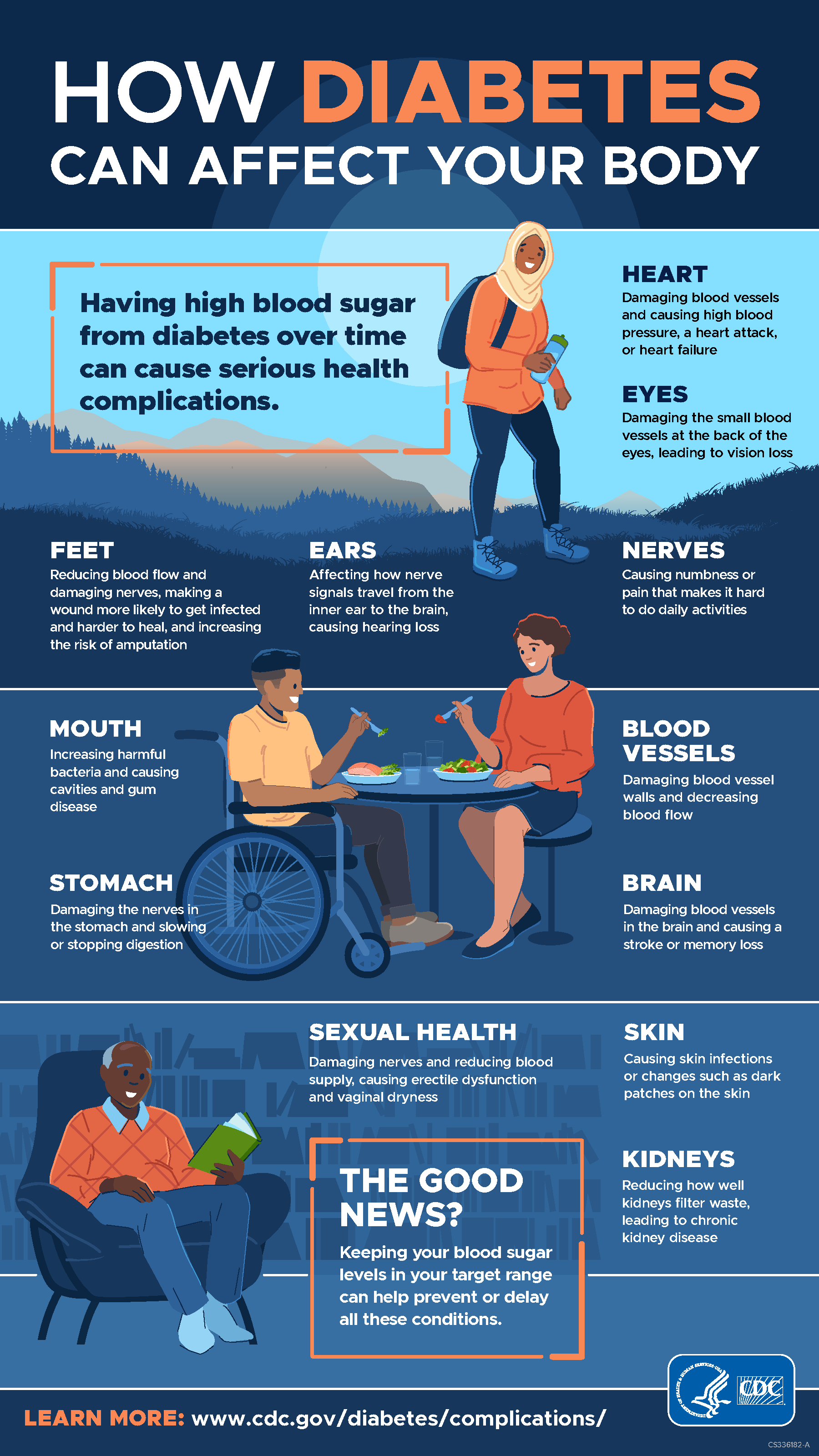
Physical and emotional toll: Living with diabetes requires constant management, including monitoring blood glucose levels, taking medications, and making lifestyle adjustments. Over time, high blood glucose levels can lead to serious complications such as heart disease, kidney failure, vision loss, and nerve damage[8]. The emotional burden of diabetes can also be significant, with many individuals experiencing stress, anxiety, and depression.
Economic impact: The economic impact of diabetes is substantial, both for individuals and healthcare systems. The cost of diabetes care, including medications, regular check-ups, and management of complications, can place a significant financial burden on families. In some low-income and middle-income countries, the cost of insulin and blood glucose monitoring alone can consume half of a family’s income. On a broader scale, diabetes-related healthcare expenditure places a heavy strain on national healthcare systems, diverting resources from other critical areas.
Family dynamics: Diabetes can also affect family dynamics, particularly when a family member is diagnosed with the disease. Family members often take on caregiving roles, which can lead to emotional stress and financial strain. In some cases, parents of children with type 1 diabetes may need to reduce their working hours or change their jobs to accommodate the demands of diabetes management.
World Diabetes Day serves as a reminder of the urgent need to address the global diabetes epidemic. By raising awareness, promoting education, and advocating for better access to care, we can work towards reducing the burden of diabetes on individuals, families, and society. The theme highlights the importance of a holistic approach to diabetes management, addressing not only physical health but also emotional and social well-being. Preventing diabetes requires a collective effort, involving individuals, families, healthcare providers, and policymakers. By adopting healthy lifestyles, supporting those living with diabetes, and investing in diabetes research and care, we can make significant strides in combating this global health challenge. As we observe World Diabetes Day, let us commit to taking action to improve the lives of those affected by diabetes and to prevent future generations from facing this debilitating disease.
 Memories and Such